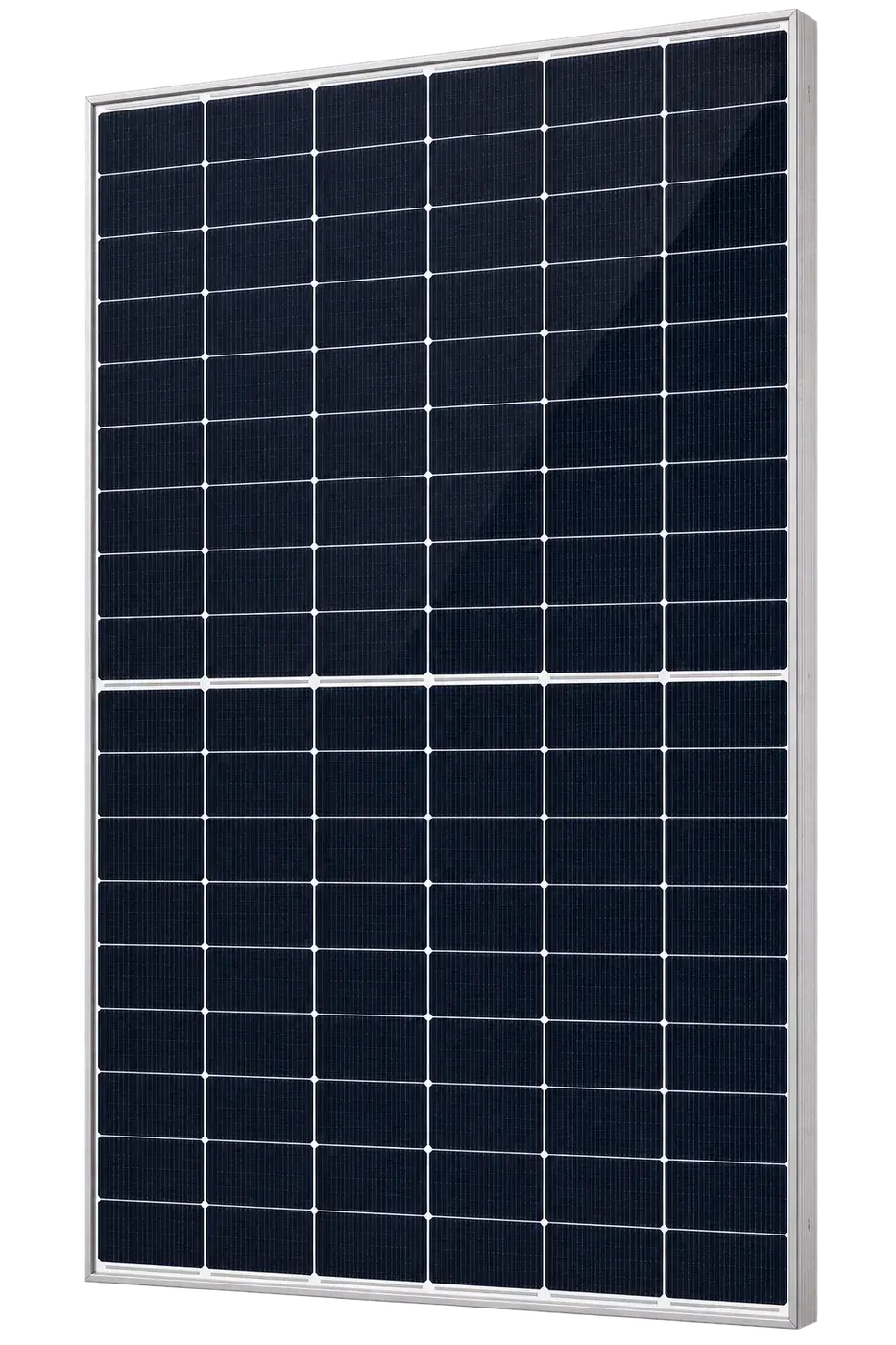
This is the format most residential installers in the GCC now quote. N-type TOPCon cells lift the 1722 × 1134 mm module to 430–445 W, with lower first-year degradation (about 1 %) and a 30-year linear power warranty instead of 25. The better temperature coefficient (−0.30 %/°C) and lower light-induced degradation translate into roughly 2–3 % more annual energy per installed watt than PERC in a hot climate.
The glass-backsheet build keeps weight near 21 kg, which matters on villa roofs, lightweight metal sheds and pergolas. Choose the glass-glass bifacial version instead when the module will be installed high above a bright surface (carports, white flat roofs on raised frames); on a pitched roof with the module flush to the tiles, the rear side receives almost no light and the backsheet version is the better value.
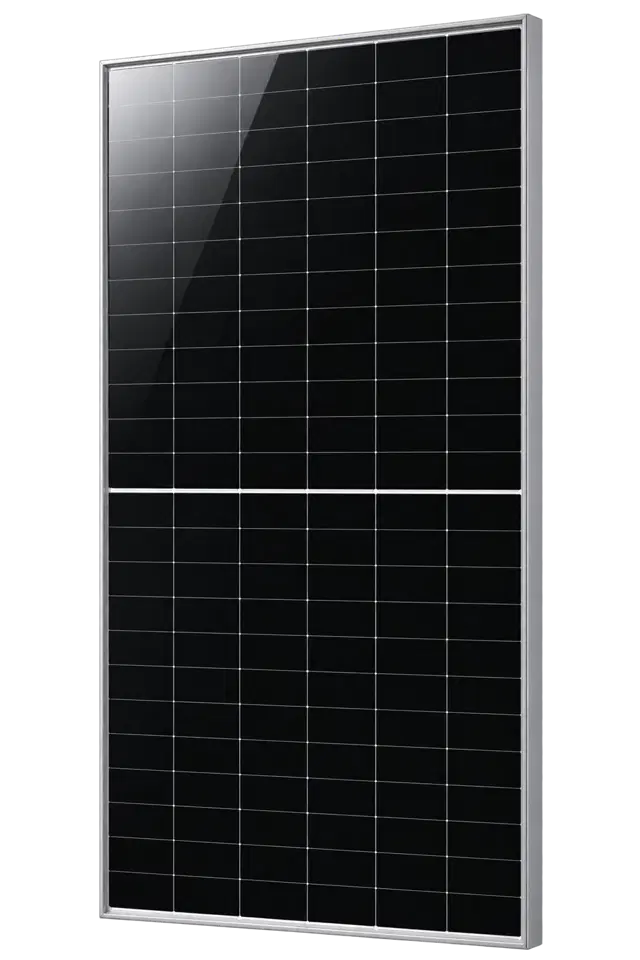
Utility-scale back-contact (HPBC 2.0) bifacial module, 640–670 W class, up to 24.8 % efficiency.
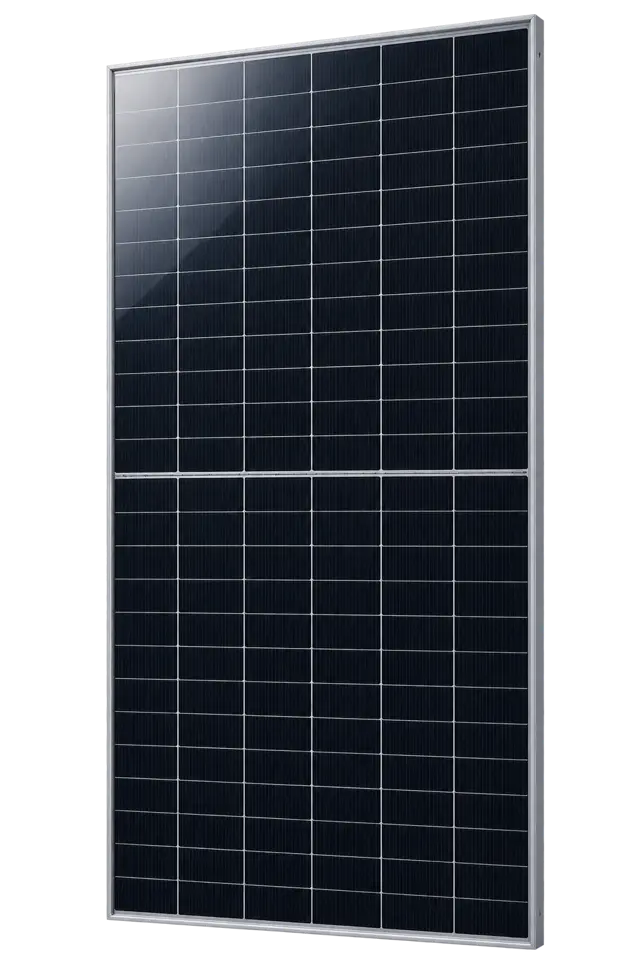
Bifacial dual-glass N-type HPDC module for ground-mount plants, 600–625 W, 23.0 % efficiency.
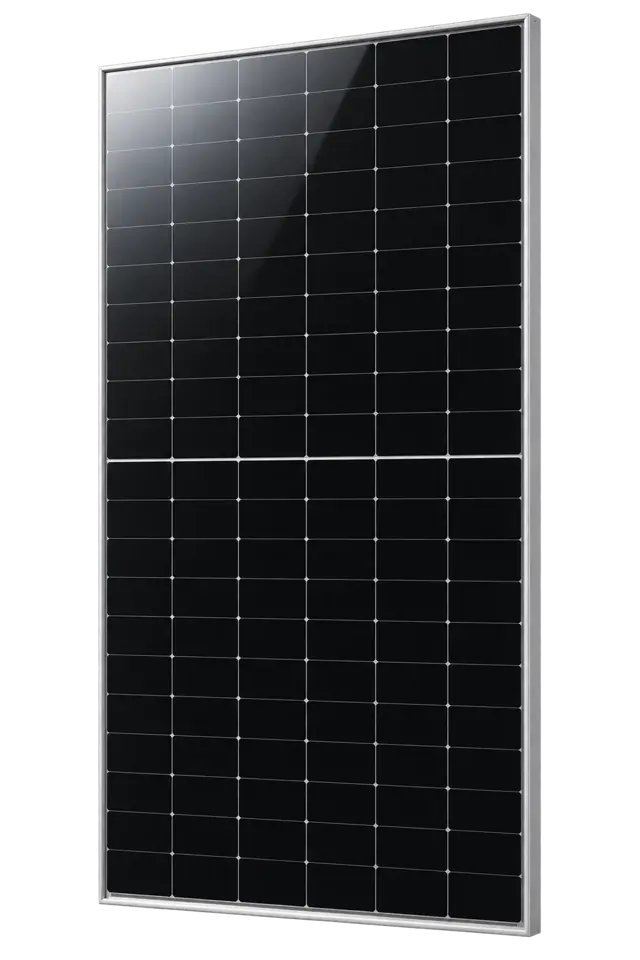
Monofacial HPBC module for commercial & industrial rooftops, 570–595 W, 22.8 % efficiency.
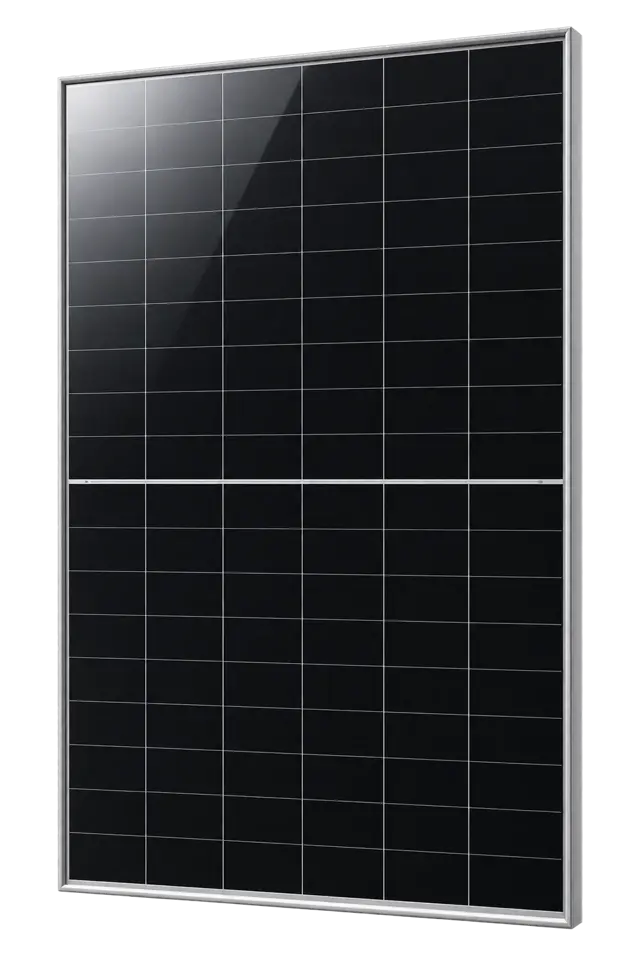
Residential back-contact rooftop module, 455–485 W, 23.3 % efficiency with anti-shading design.
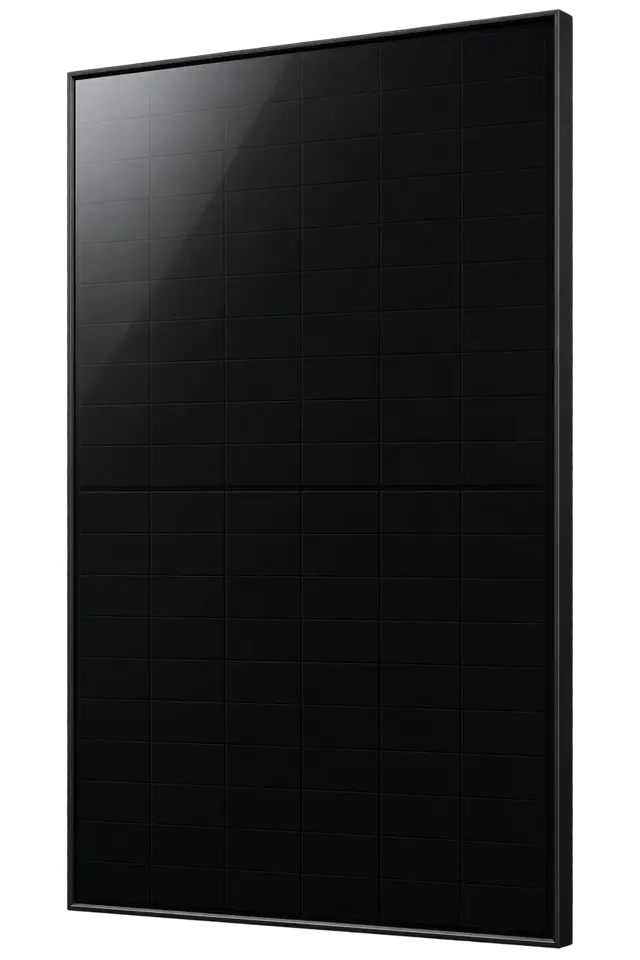
All-black aesthetic version for premium villas, 445–465 W, 22.5 % efficiency.
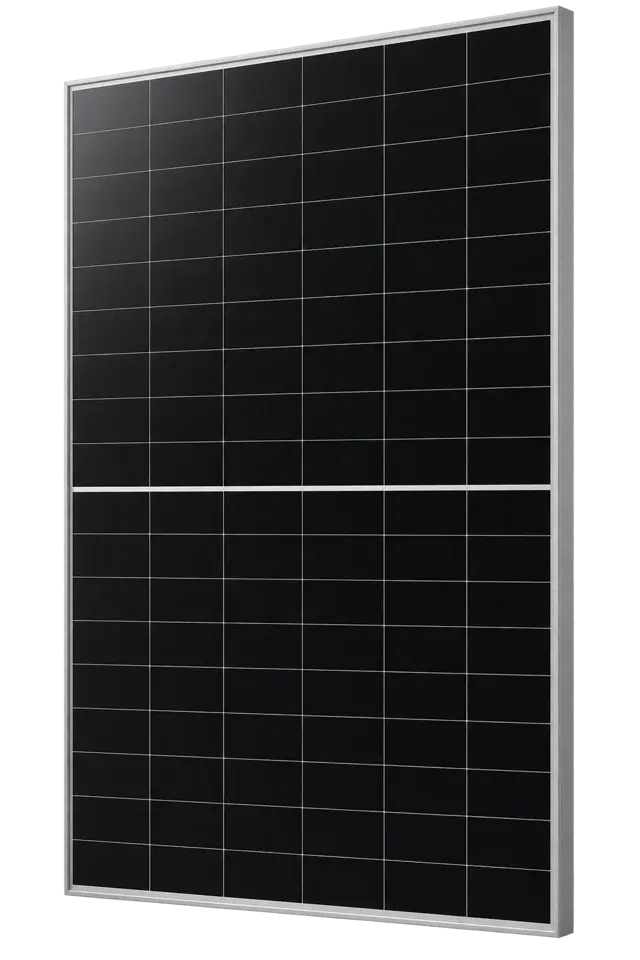
Residential HPBC 2.0 back-contact module, 54-cell format, around 480 W with strong partial-shade behaviour.
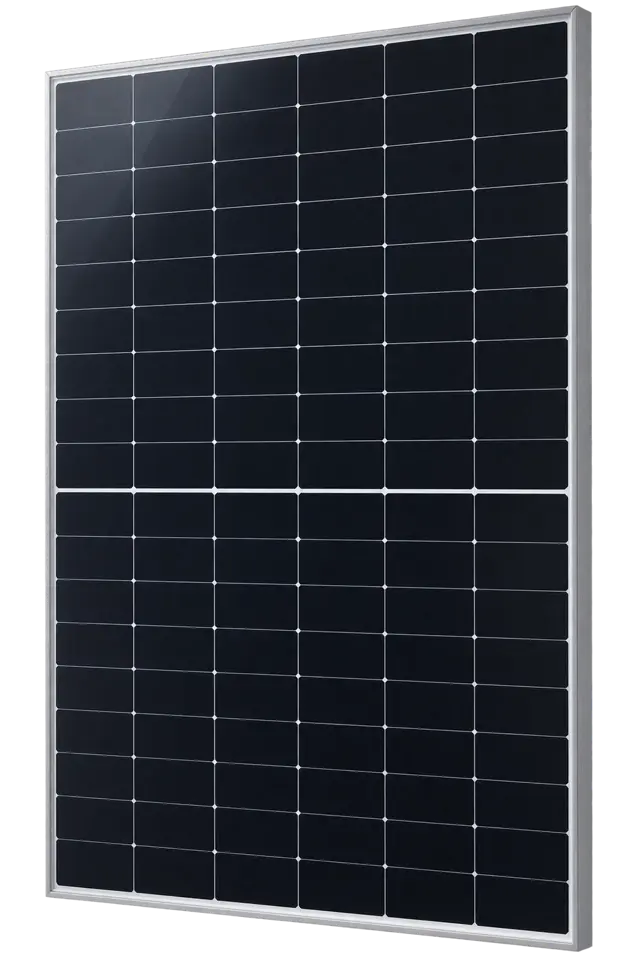
Rooftop HPBC back-contact module on 182 mm wafers, 415–435 W, around 22 % efficiency.
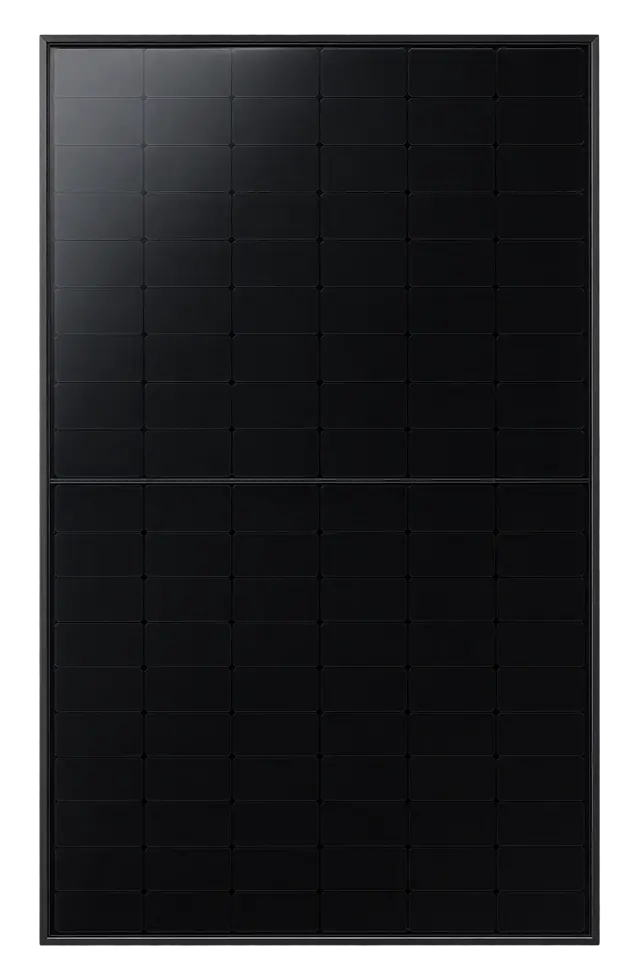
All-black residential back-contact module with black frame and backsheet, around 420 W.
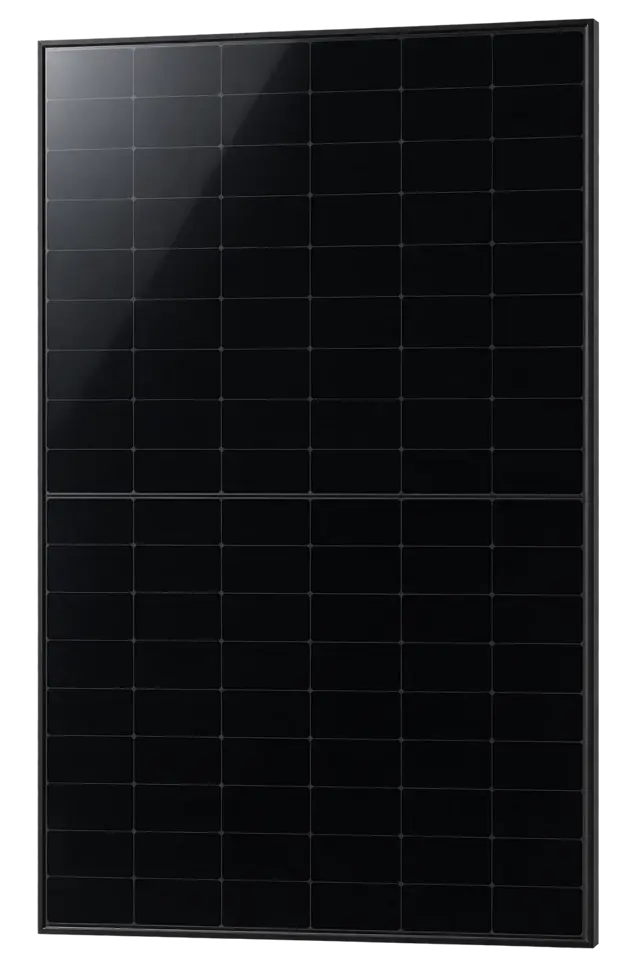
Premium all-black HPBC 2.0 rooftop module with extended warranty, around 450 W and 23 % efficiency.
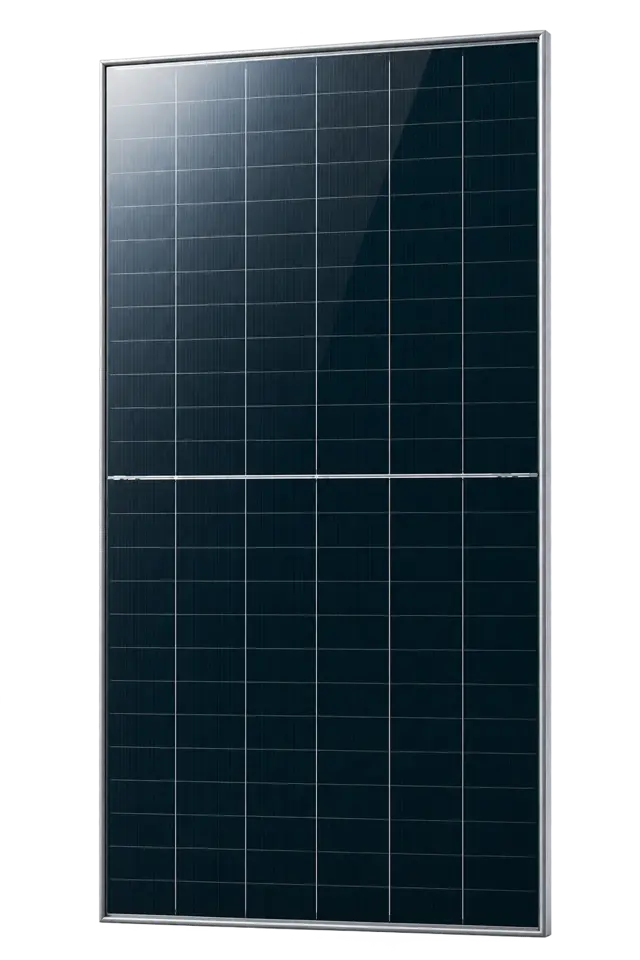
N-type TOPCon bifacial dual-glass module, 695–720 W, 23.2 % efficiency. Our utility-scale reference product.
