Solar Library·357 items
Modules, inverters, batteries, structures, cables, hardware and services, with plain explanations, full specifications and indicative USD prices.
Use ↑ ↓ to move, Enter to open
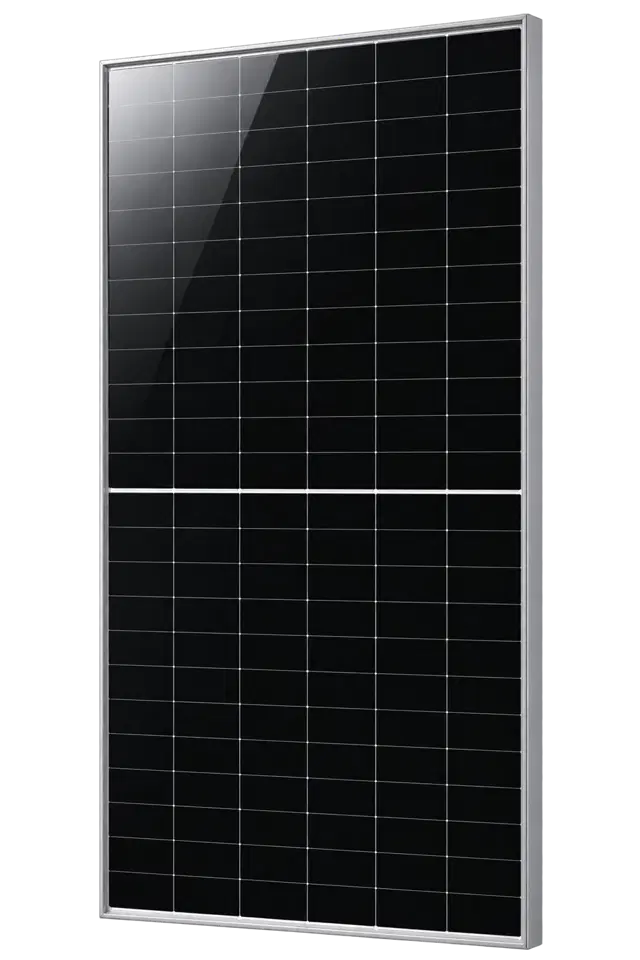
Utility-scale back-contact (HPBC 2.0) bifacial module, 640–670 W class, up to 24.8 % efficiency.
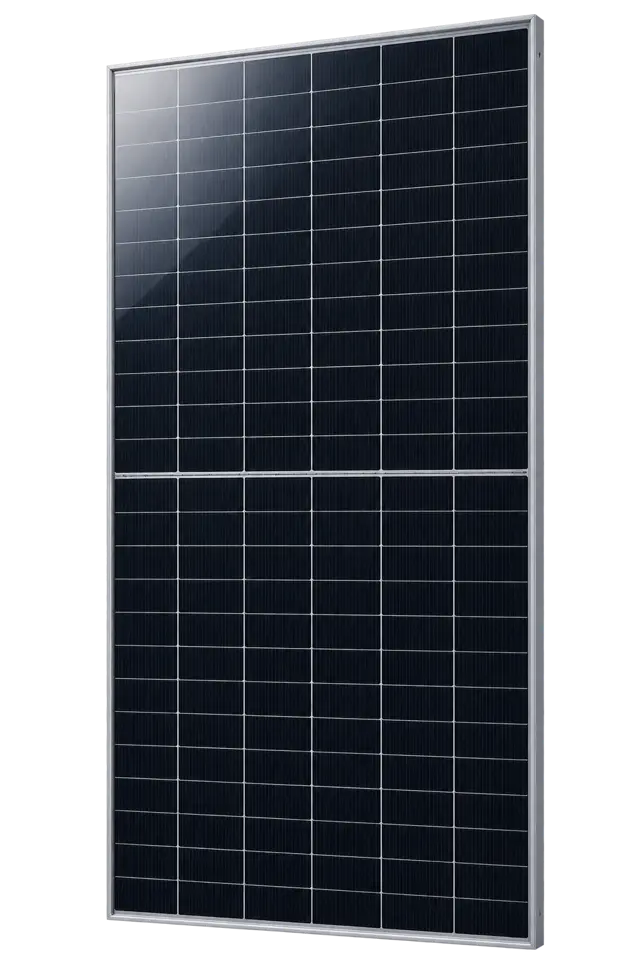
Bifacial dual-glass N-type HPDC module for ground-mount plants, 600–625 W, 23.0 % efficiency.
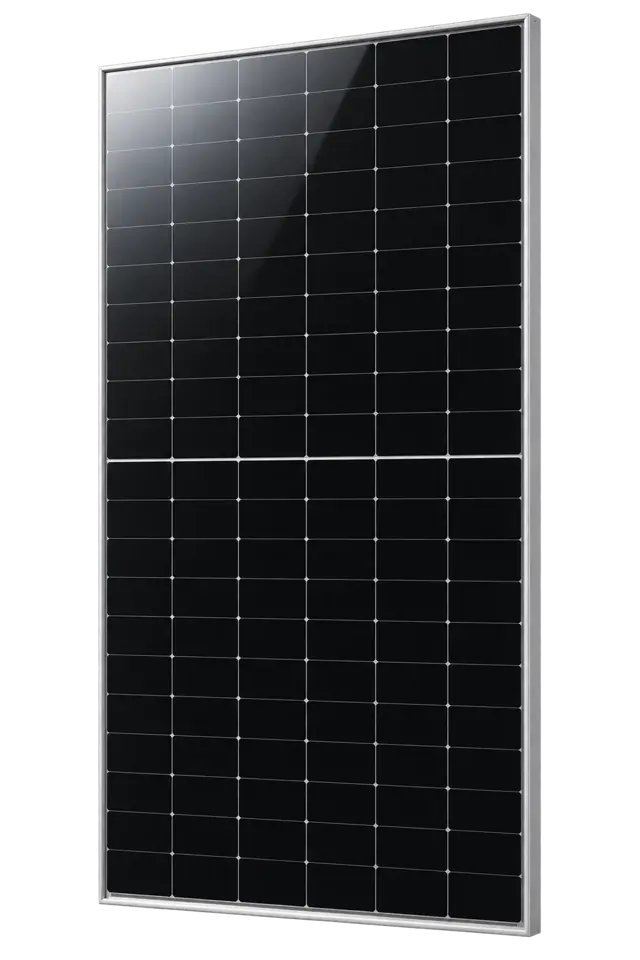
Monofacial HPBC module for commercial & industrial rooftops, 570–595 W, 22.8 % efficiency.
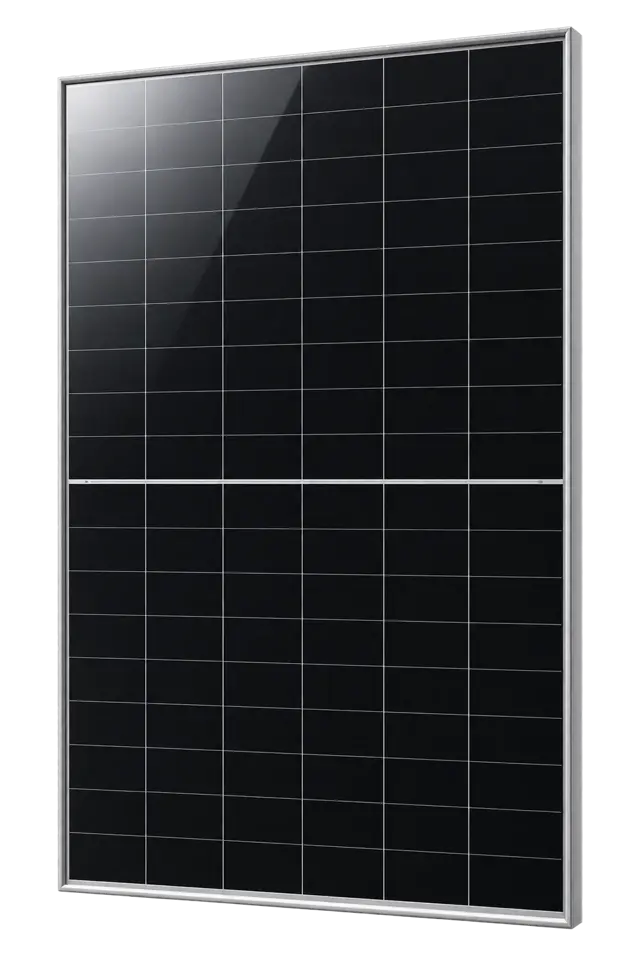
Residential back-contact rooftop module, 455–485 W, 23.3 % efficiency with anti-shading design.
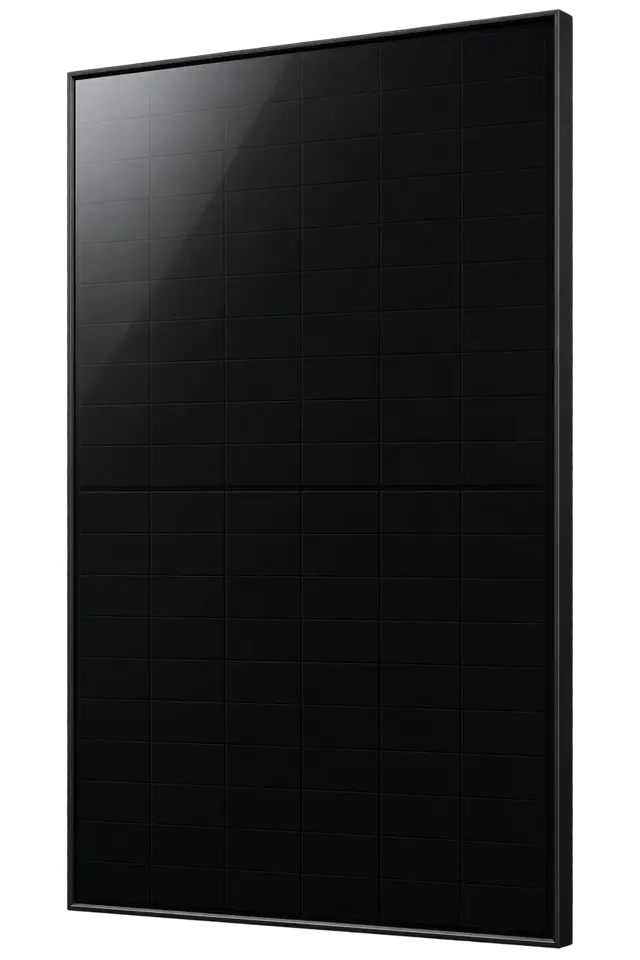
All-black aesthetic version for premium villas, 445–465 W, 22.5 % efficiency.
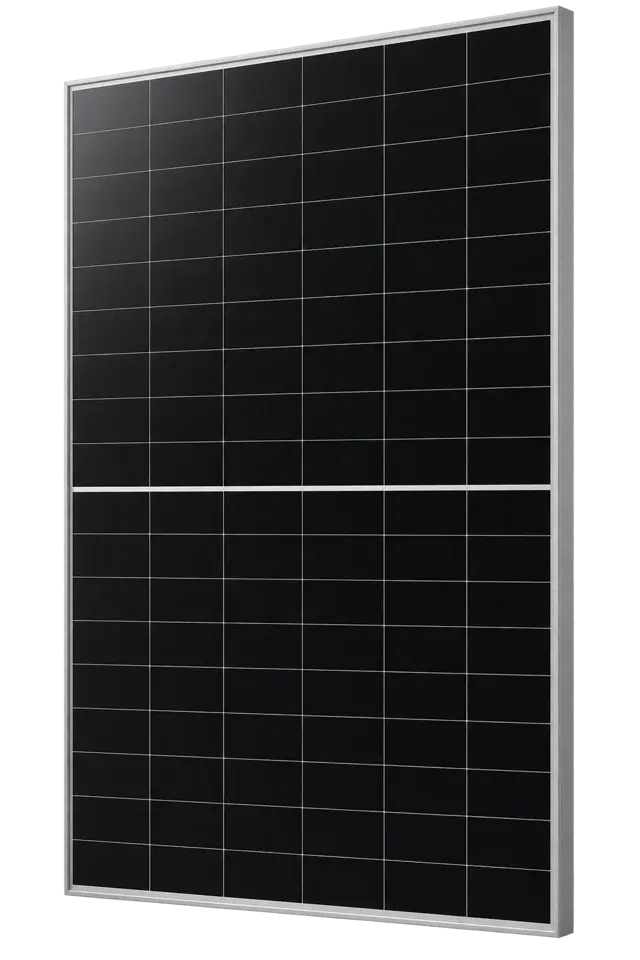
Residential HPBC 2.0 back-contact module, 54-cell format, around 480 W with strong partial-shade behaviour.
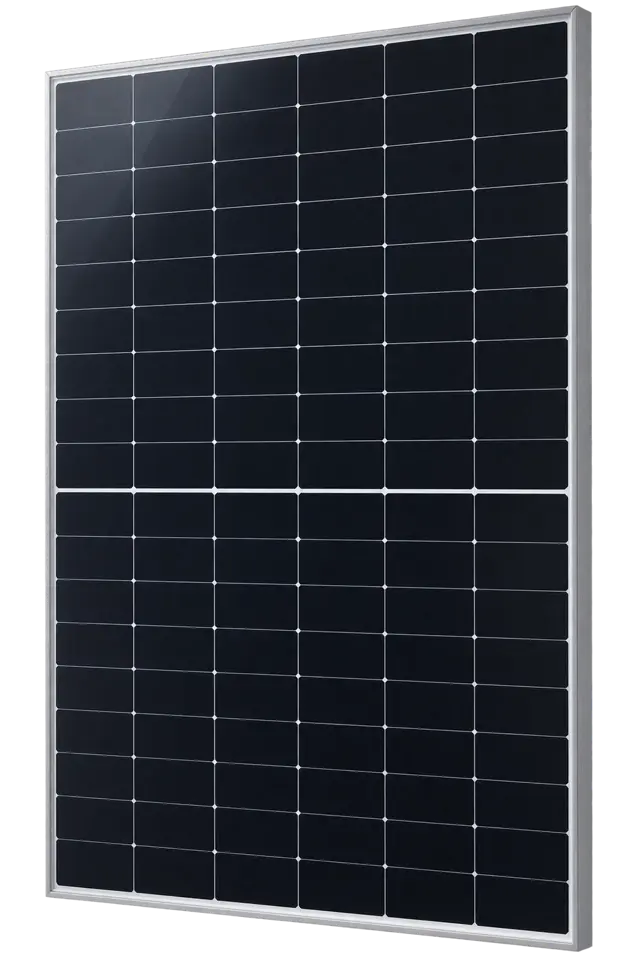
Rooftop HPBC back-contact module on 182 mm wafers, 415–435 W, around 22 % efficiency.
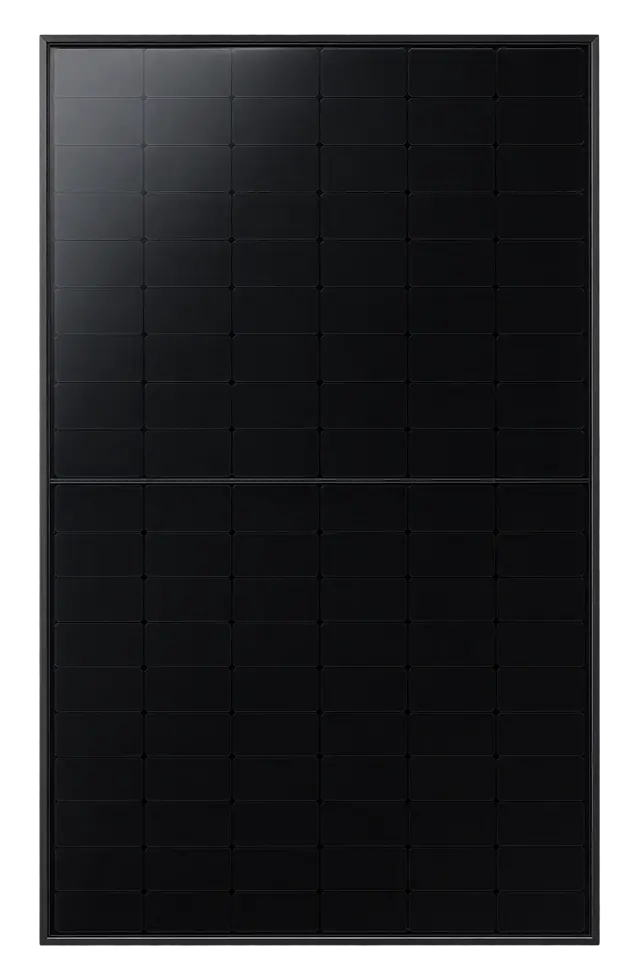
All-black residential back-contact module with black frame and backsheet, around 420 W.
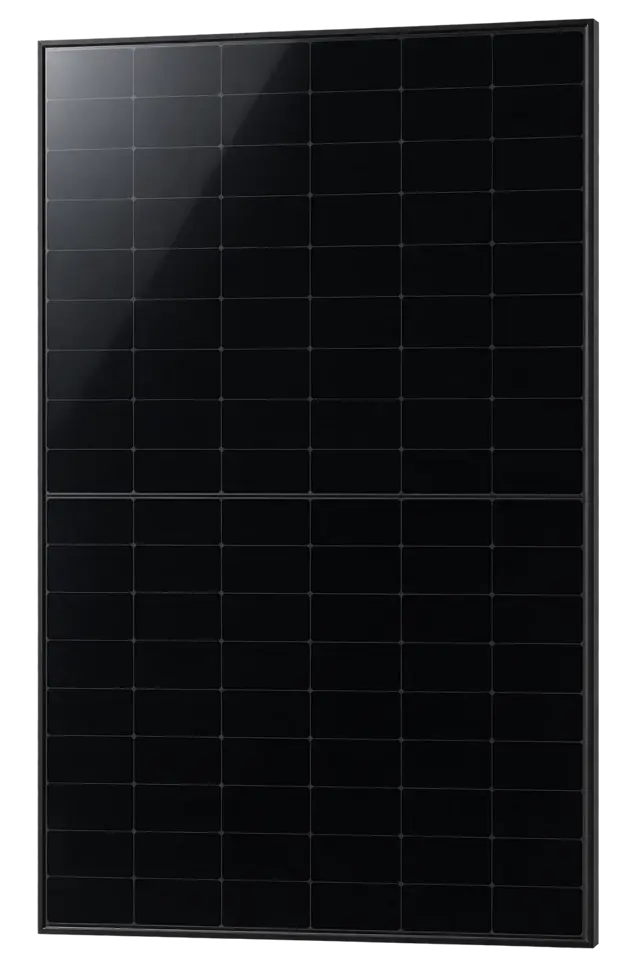
Premium all-black HPBC 2.0 rooftop module with extended warranty, around 450 W and 23 % efficiency.
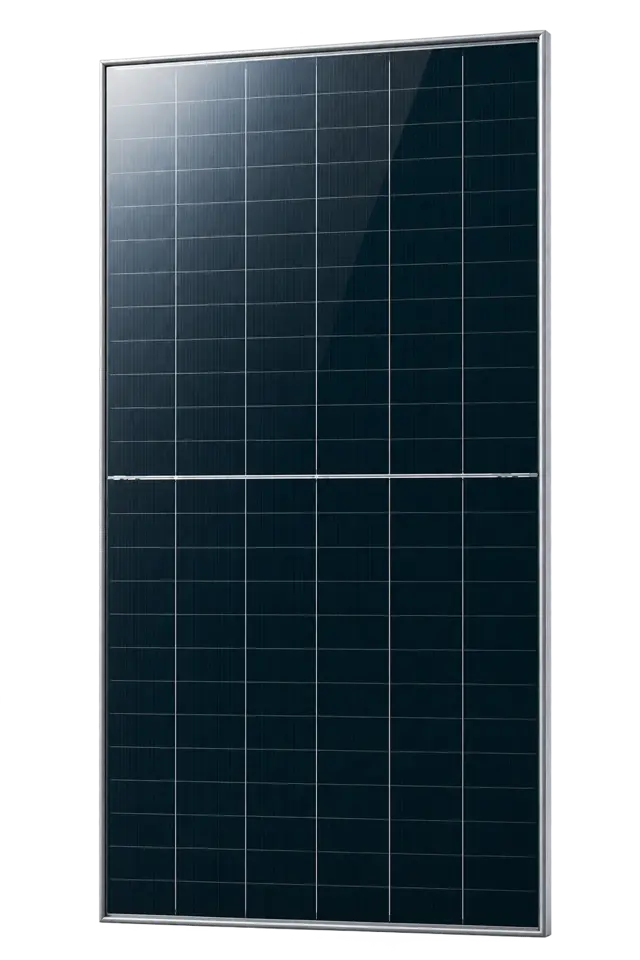
N-type TOPCon bifacial dual-glass module, 695–720 W, 23.2 % efficiency. Our utility-scale reference product.
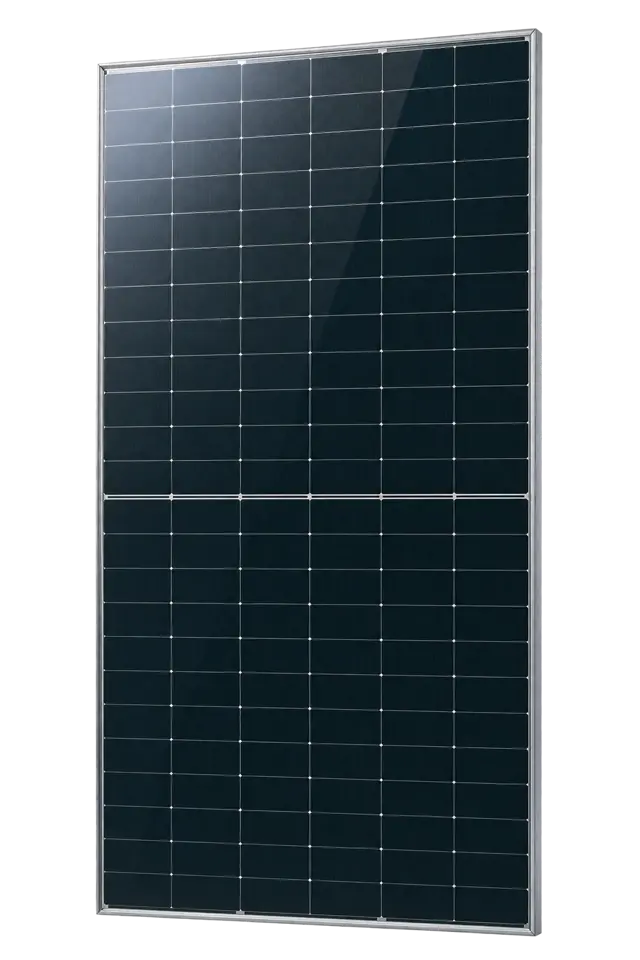
144 half-cell TOPCon bifacial dual-glass module, 600–625 W, suited to trackers and mid-size plants.
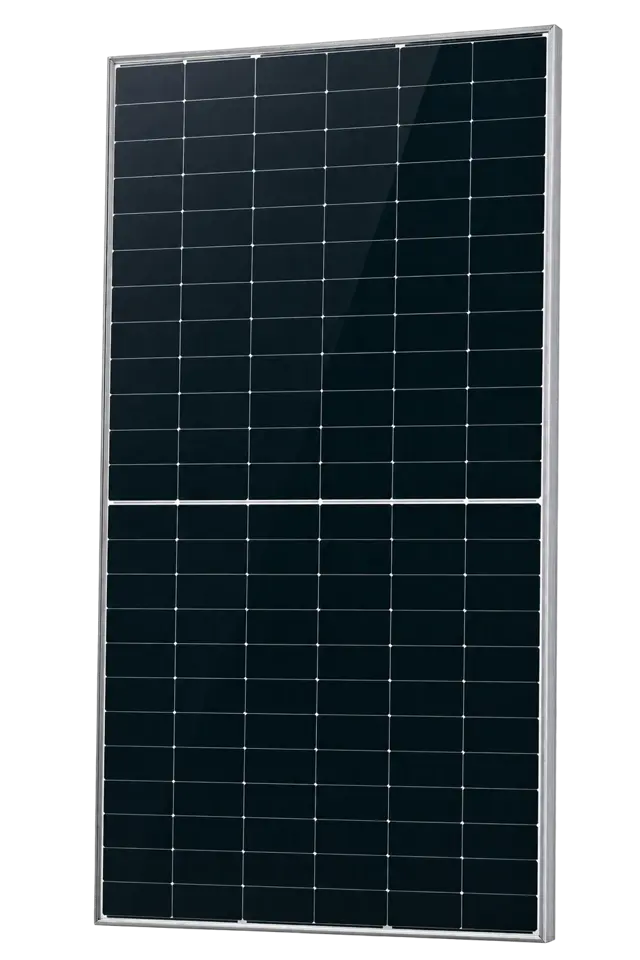
Monofacial TOPCon module for commercial & industrial roofs, 570–590 W, 22.8 % efficiency.
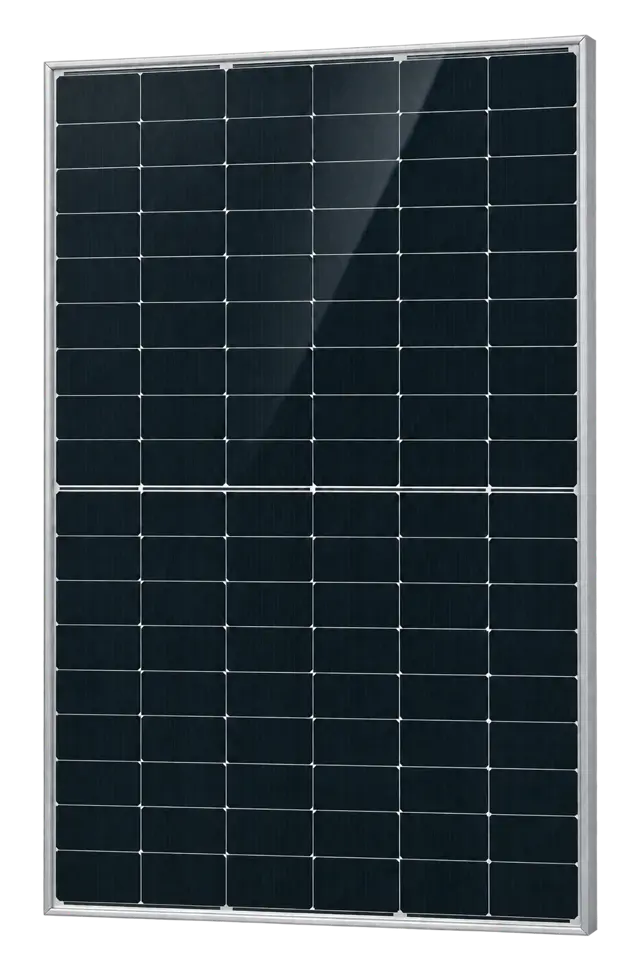
Rooftop TOPCon module with rectangular cells, 455–475 W, up to 23.8 % efficiency.
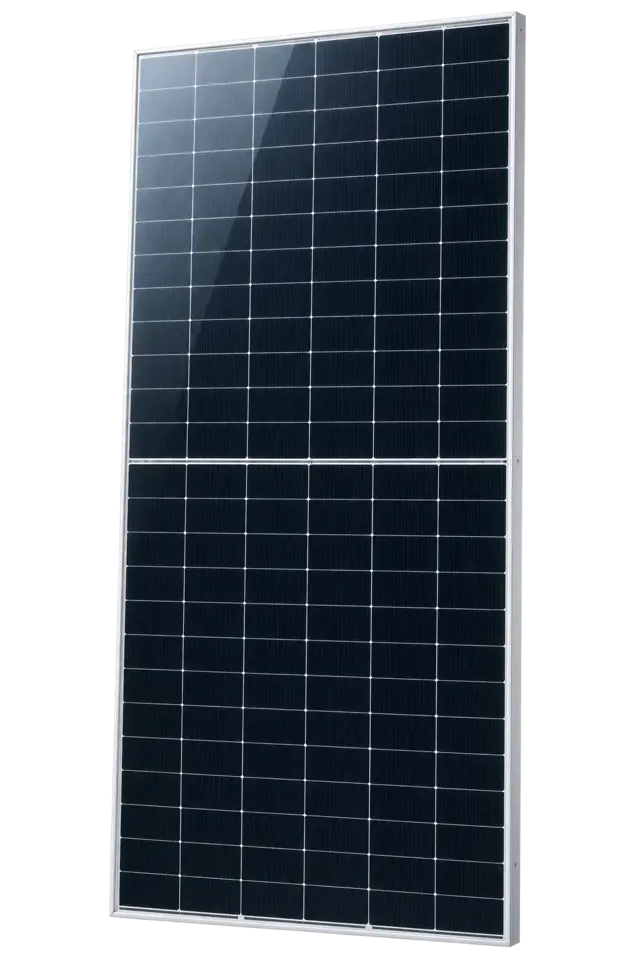
Third-generation TOPCon bifacial dual-glass module in the 2382 × 1134 mm format, up to about 670 W and 24.8 % efficiency.
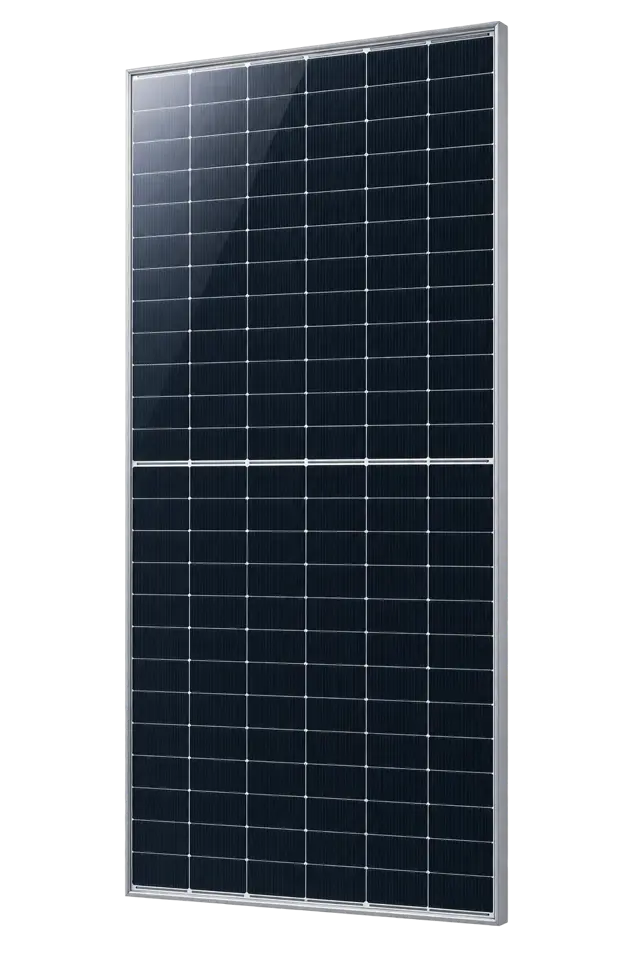
78-cell (156 half-cell) TOPCon bifacial dual-glass module for utility plants, 605–630 W.
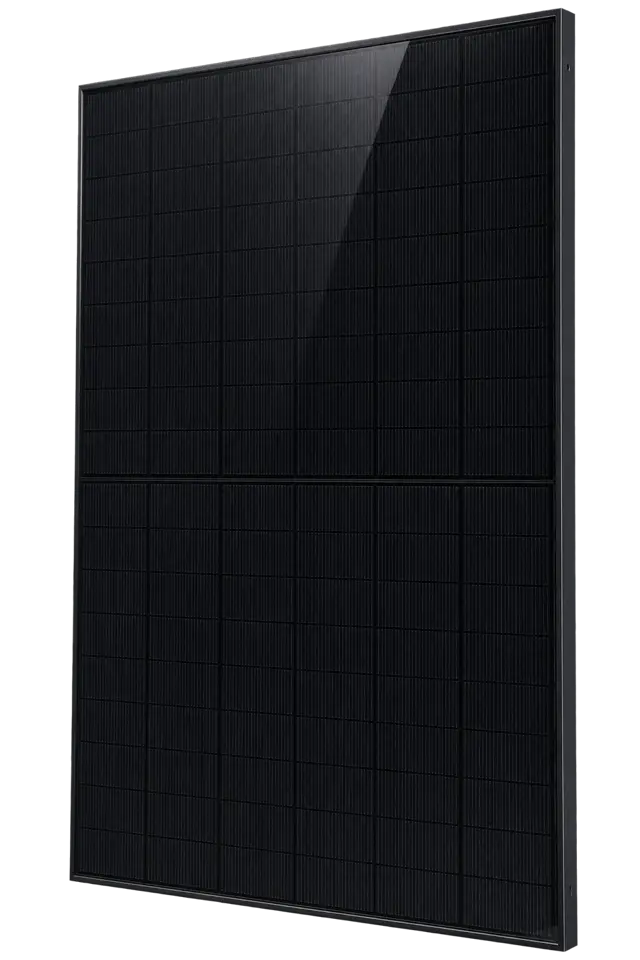
All-black rooftop TOPCon module with rectangular cells, 430–450 W, about 22.5 % efficiency.
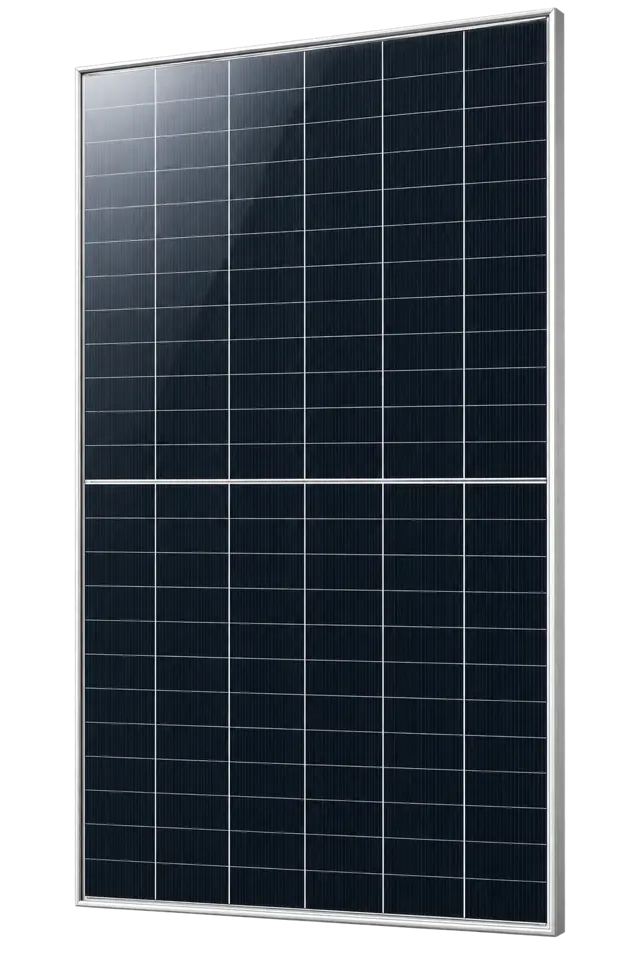
i-TOPCon bifacial dual-glass utility module, 695–720 W, 23.2 % efficiency, 0 ~ +5 W power tolerance.
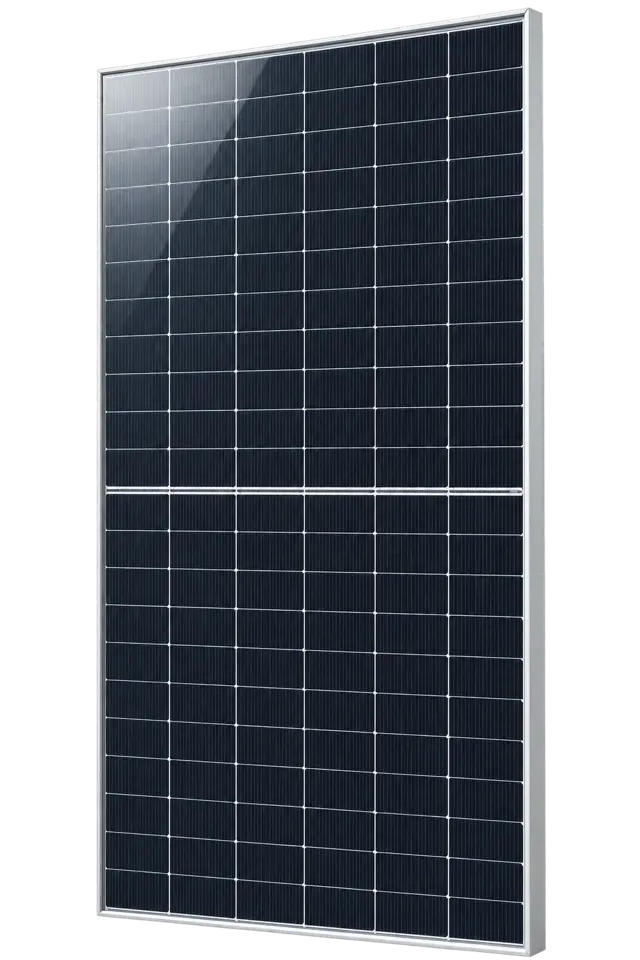
210R rectangular-cell i-TOPCon bifacial module, 600–625 W, 23.1 % efficiency in the 2382 × 1134 mm format.
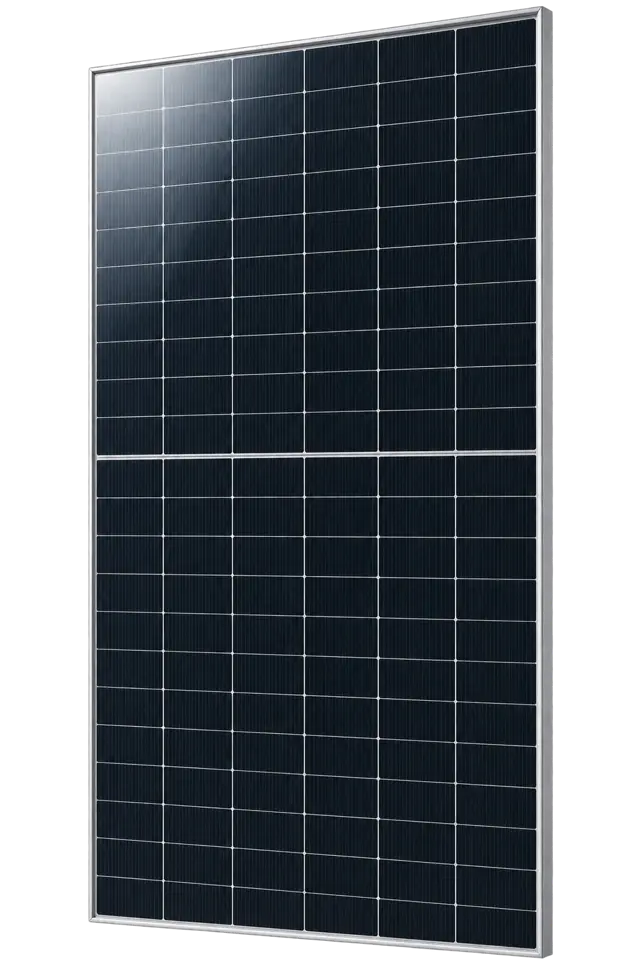
Monofacial i-TOPCon module for C&I rooftops, 580–605 W, 22.2 % efficiency.
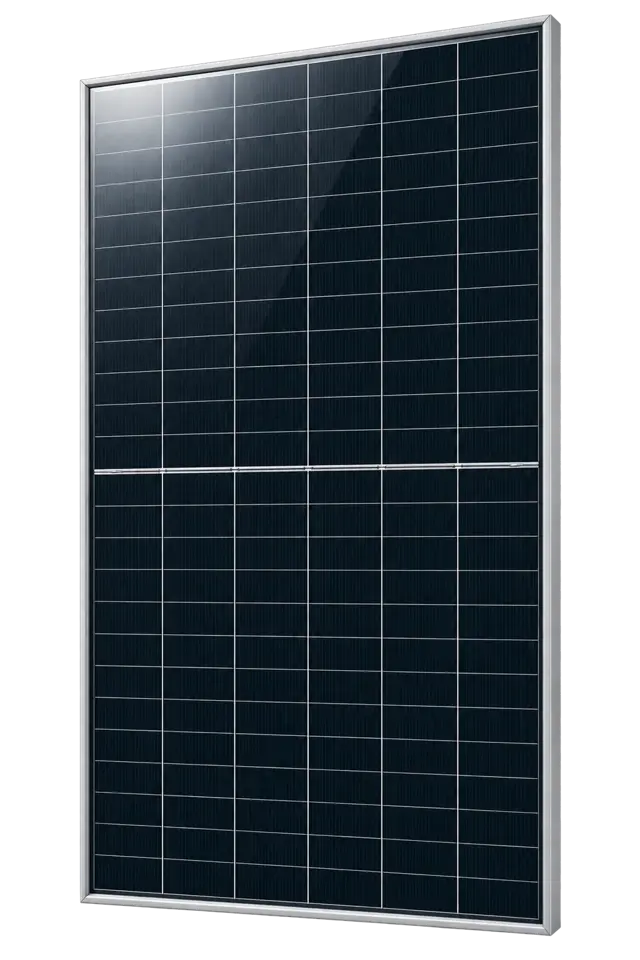
Lightweight dual-glass residential module, 425–450 W, 22.3 % efficiency.
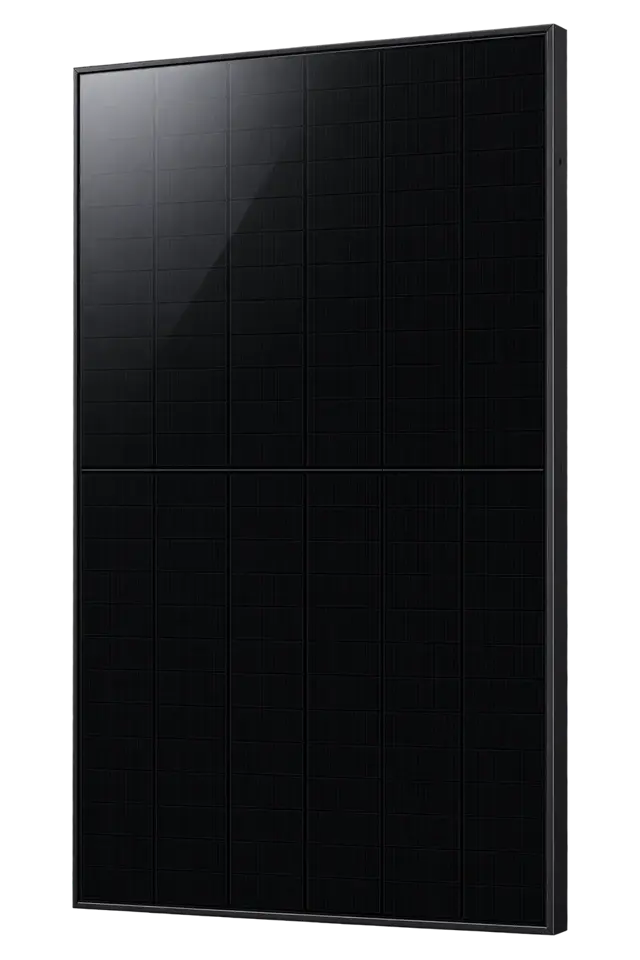
All-black residential module for visible roofs, 420–440 W, 21.8 % efficiency.
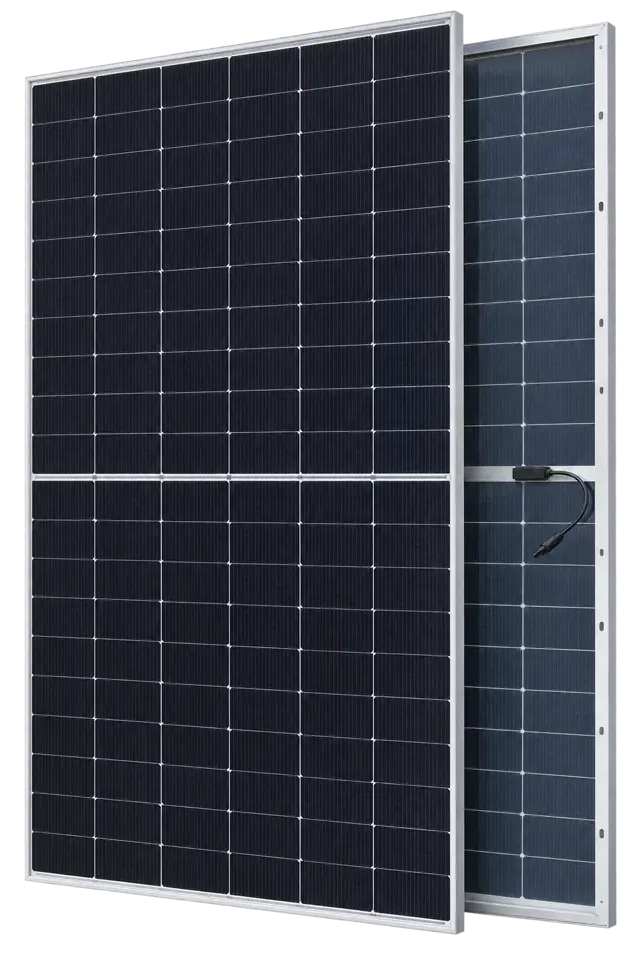
Next-generation 210 mm i-TOPCon Ultra bifacial dual-glass module, 730–760 W class, about 24 % efficiency.

210 mm mono-PERC bifacial dual-glass module, 645–670 W — the P-type reference against which N-type gains are measured.
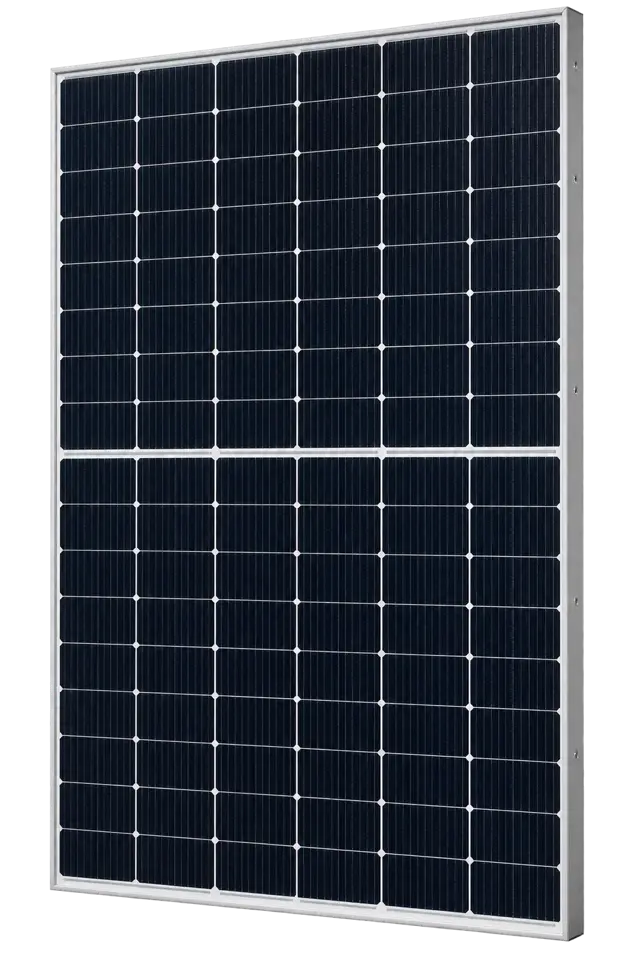
Compact mono-PERC rooftop module, 405–430 W, popular for budget residential systems.
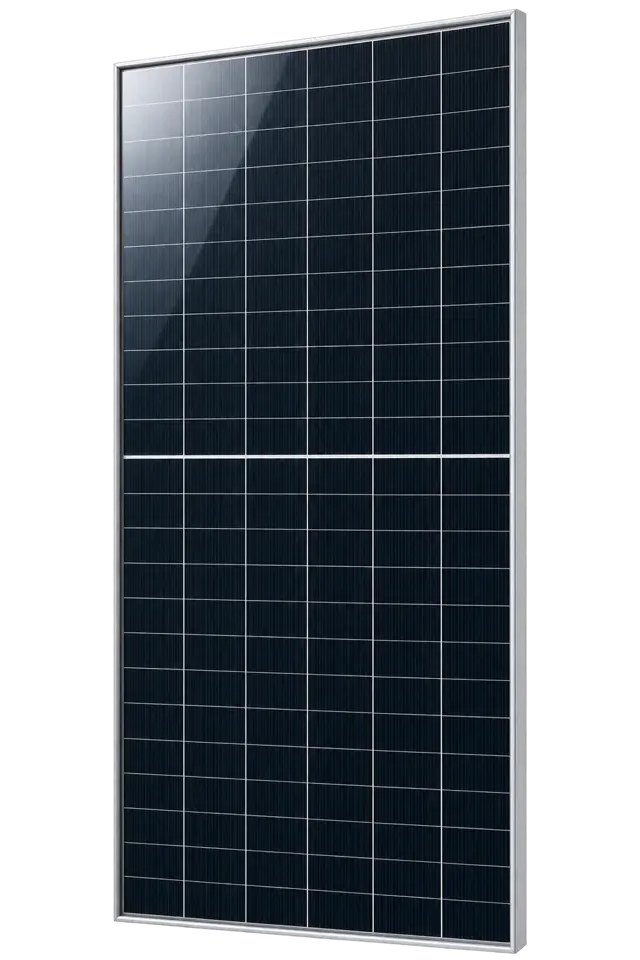
Next-generation Bycium+ 5.0 N-type bifacial module, 620–650 W, up to 24.1 % efficiency.
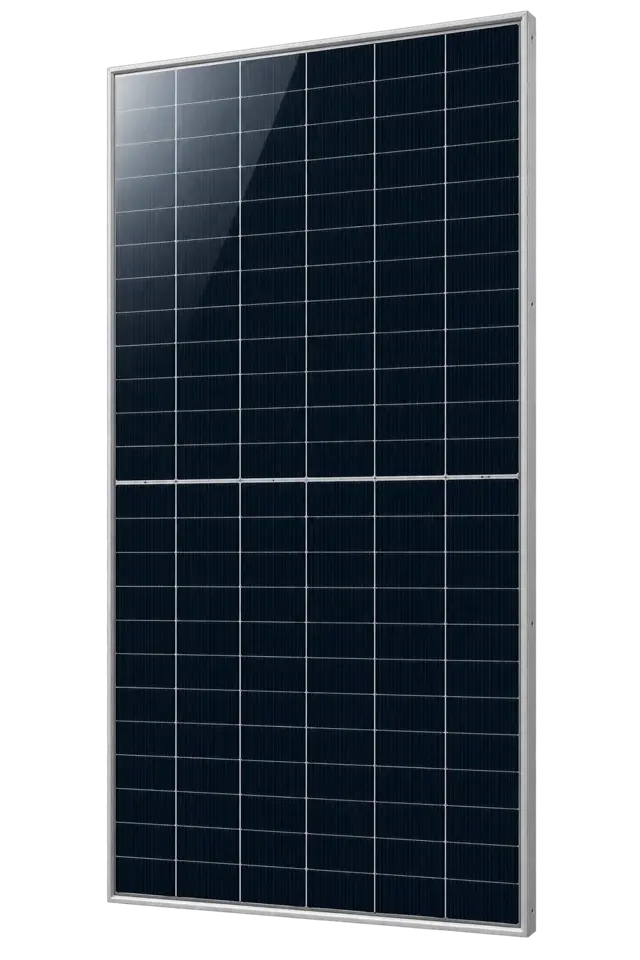
Proven N-type bifacial dual-glass module, 580–605 W, 22.7 % efficiency.

Monofacial N-type module for commercial roofs, 570–595 W, 22.8 % efficiency.
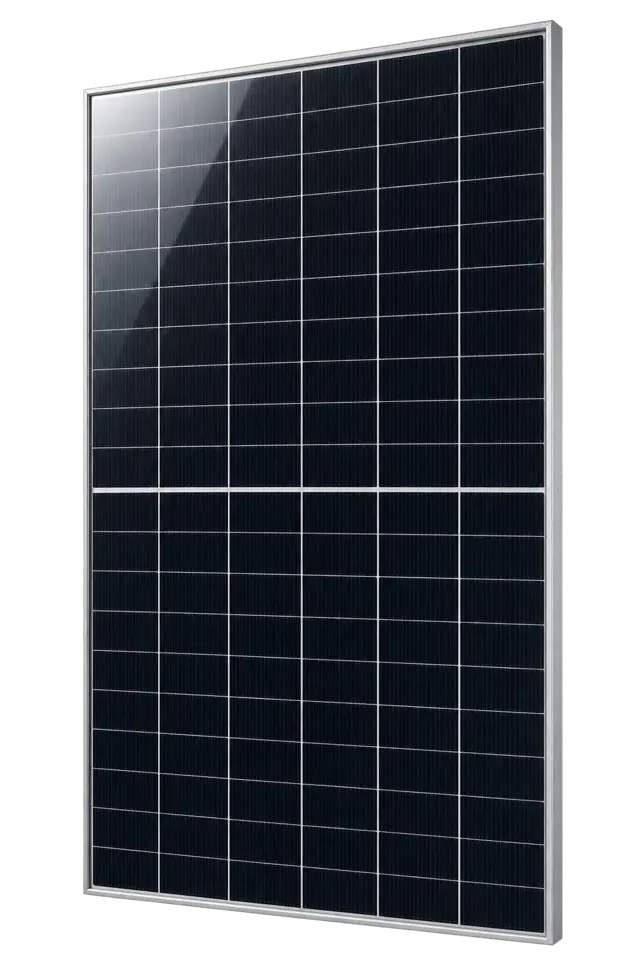
Compact bifacial dual-glass module for homes and carports, 425–445 W, 22.0 % efficiency.
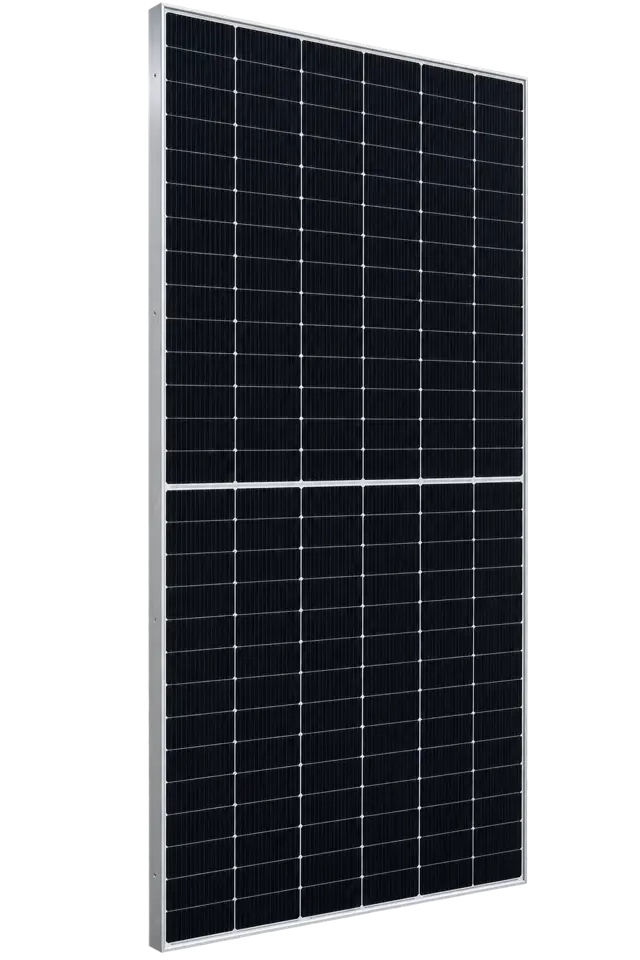
78-cell Bycium+ N-type bifacial dual-glass module for large plants, 605–630 W.
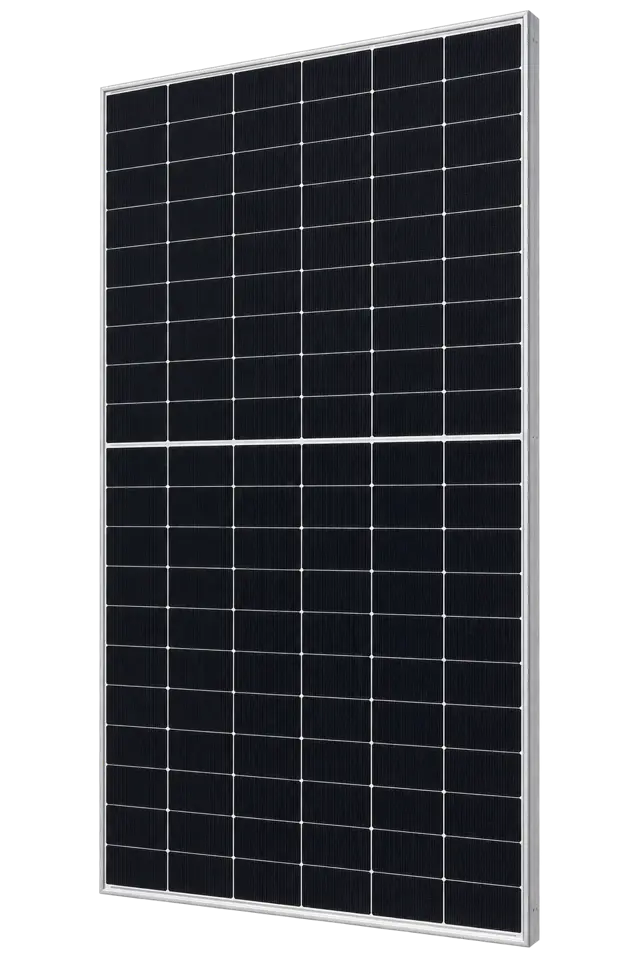
Residential DeepBlue 5.0 N-type module on rectangular wafers, 445–465 W, about 23 % efficiency.

Widely installed 54-cell mono-PERC rooftop module, 395–415 W, about 21 % efficiency.
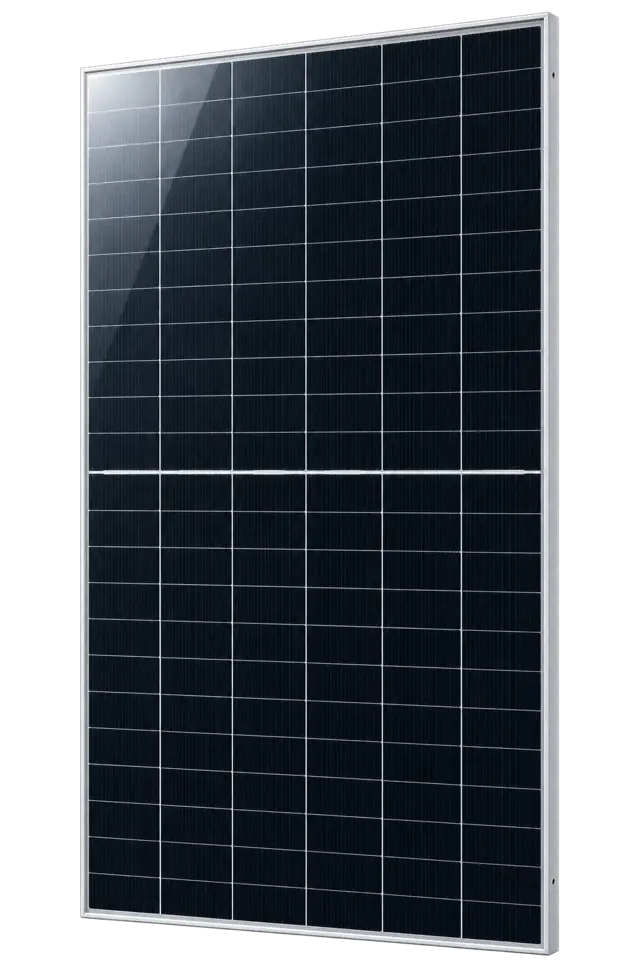
Second-generation TOPCon bifacial dual-glass G12 module, 710–740 W, 23.5 % efficiency.
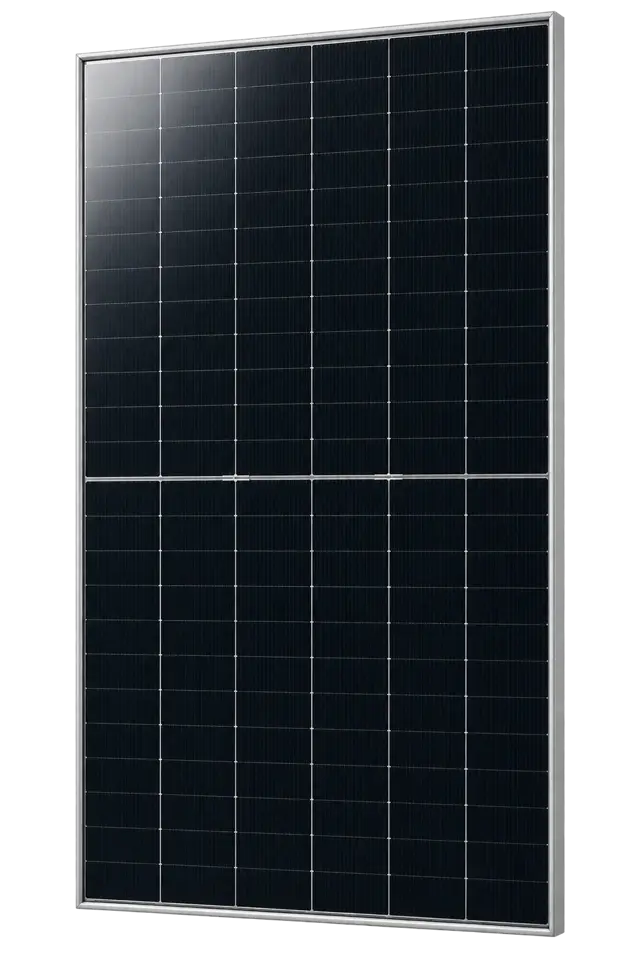
Value G12 TOPCon bifacial dual-glass module, 690–710 W, 22.5 % efficiency.
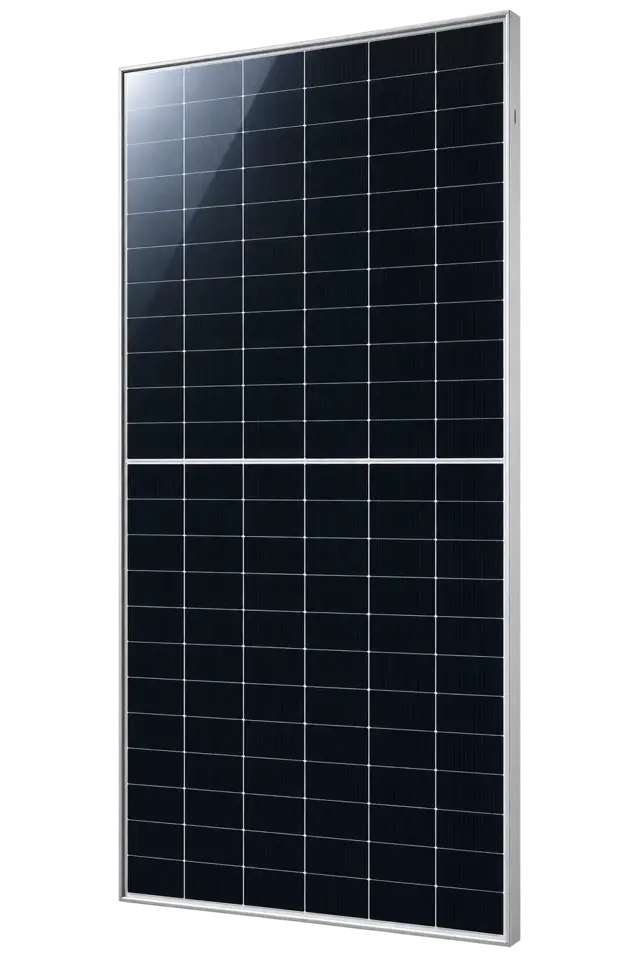
Rectangular-wafer TOPCon bifacial module in 2382 × 1134 mm, 620–645 W, 23.7 % efficiency.
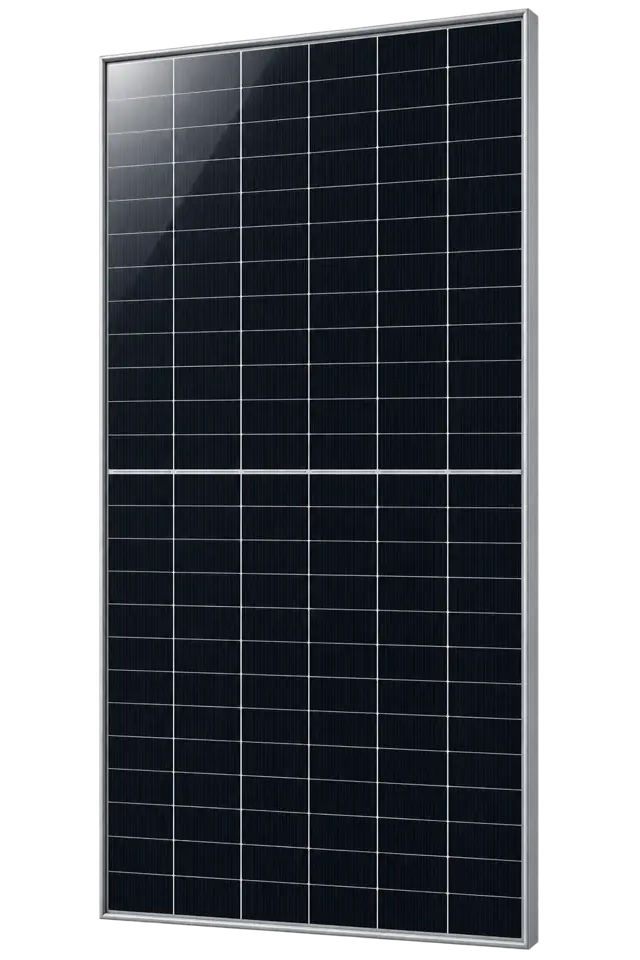
Monofacial TOPCon module for C&I rooftops, 570–595 W, 22.8 % efficiency.

Residential TOPCon rooftop module, 430–455 W, 23.0 % efficiency.

210 mm heterojunction (HJT) bifacial dual-glass module, 710–740 W, with very low temperature coefficient.
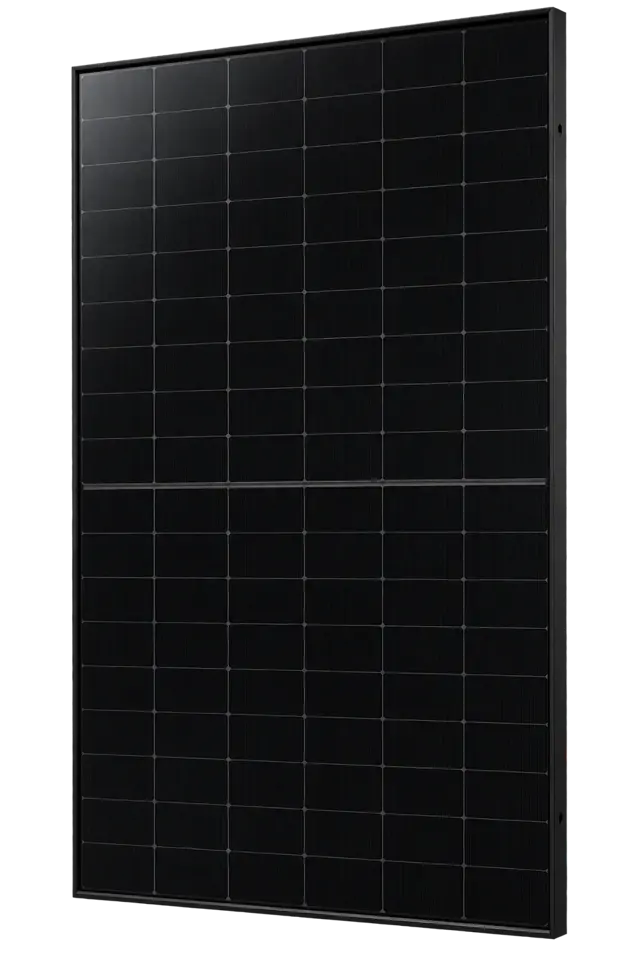
All-black TOPCon rooftop module, 420–445 W, about 22.5 % efficiency.

Monofacial glass-backsheet mono-PERC module, 535–555 W, the classic 2278 × 1134 mm utility format.
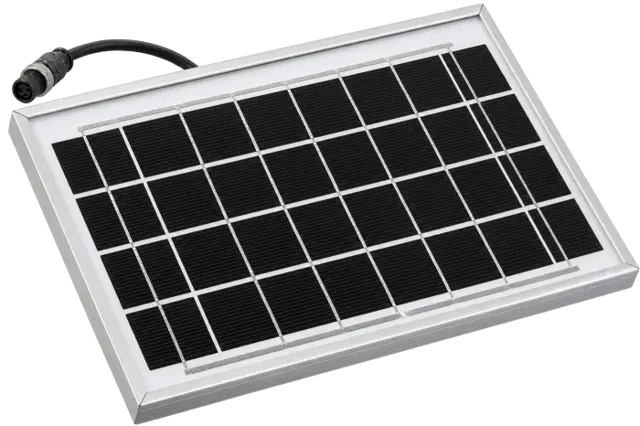
Pocket-size framed panel for trickle-charging 12 V batteries, gate openers, sensors and small lights.
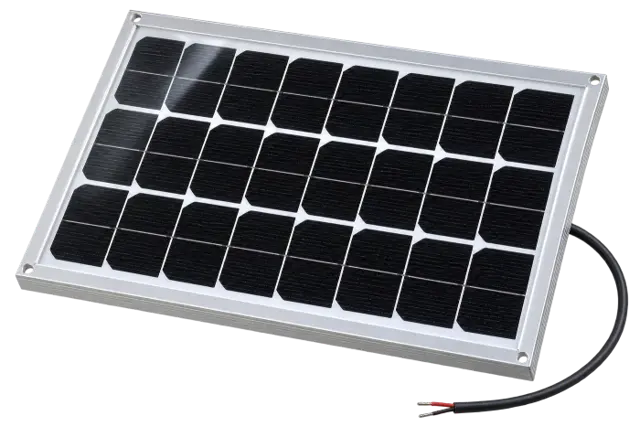
Compact 12 V panel for CCTV poles, small signage lights, livestock waterers and battery maintenance.
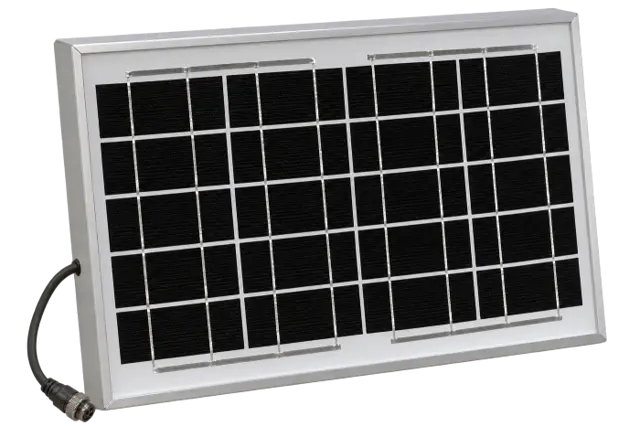
Small framed module for garden and path lighting, remote routers, irrigation valves and boat batteries.
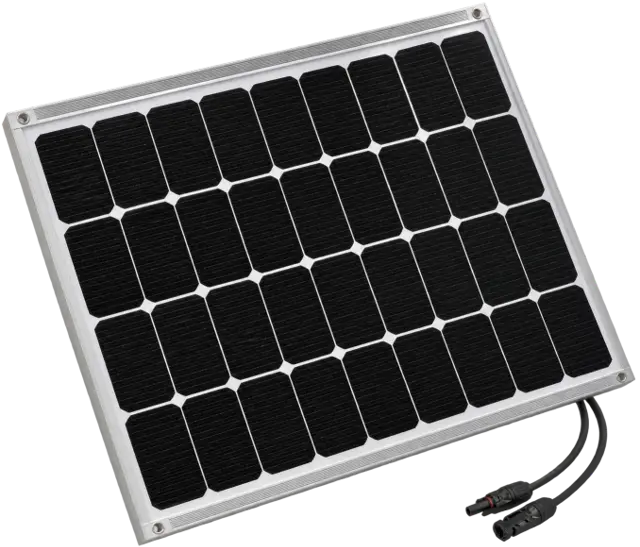
Workhorse small panel for caravans, telemetry cabinets, fish-farm aerators and off-grid lighting.
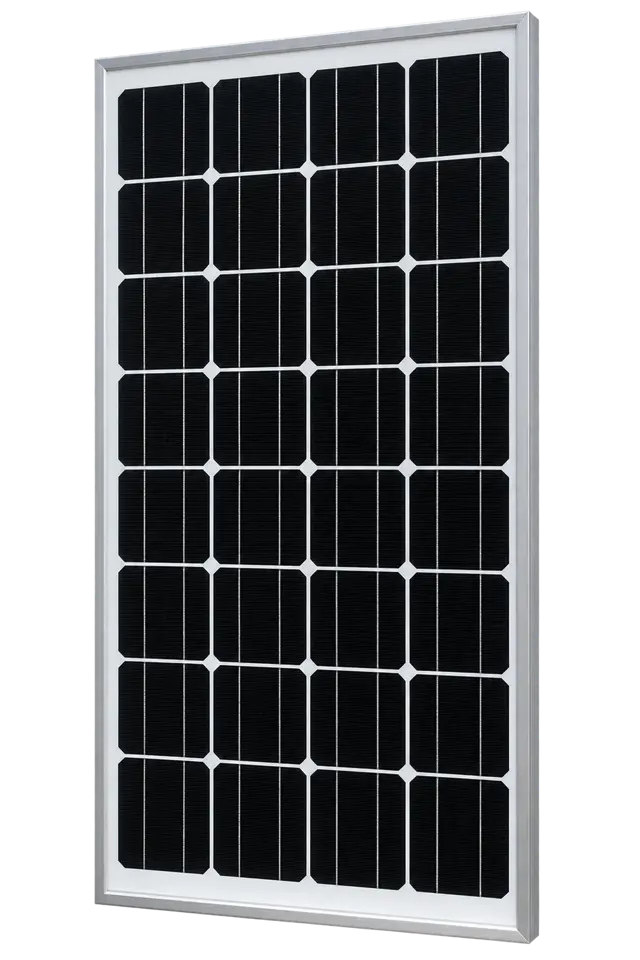
The classic 12 V off-grid building block for RVs, boats, cabins and solar lighting kits.
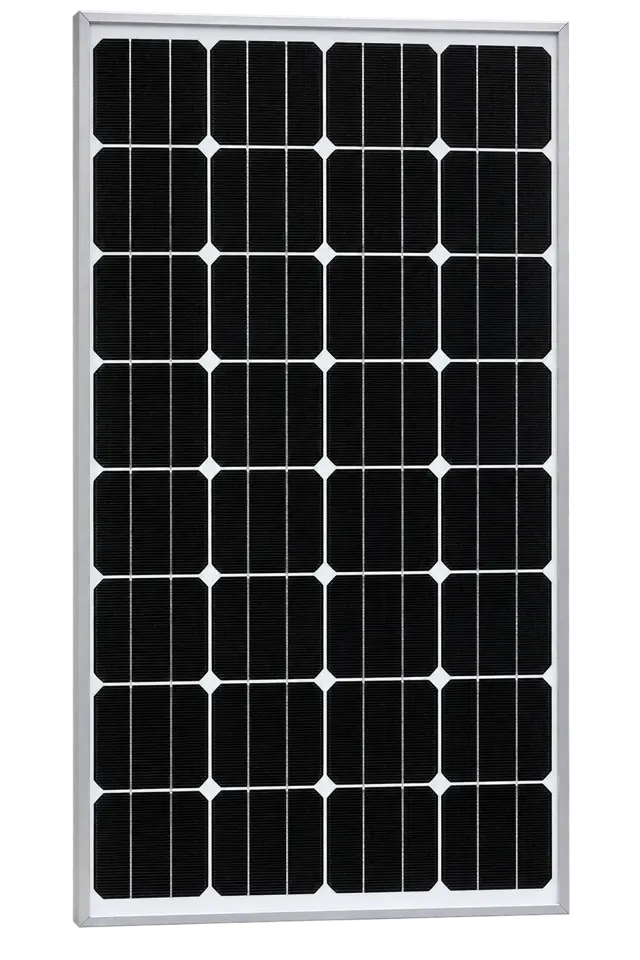
Mid-size 12 V panel sized for street-light poles, boat hardtops and compact cabin systems.
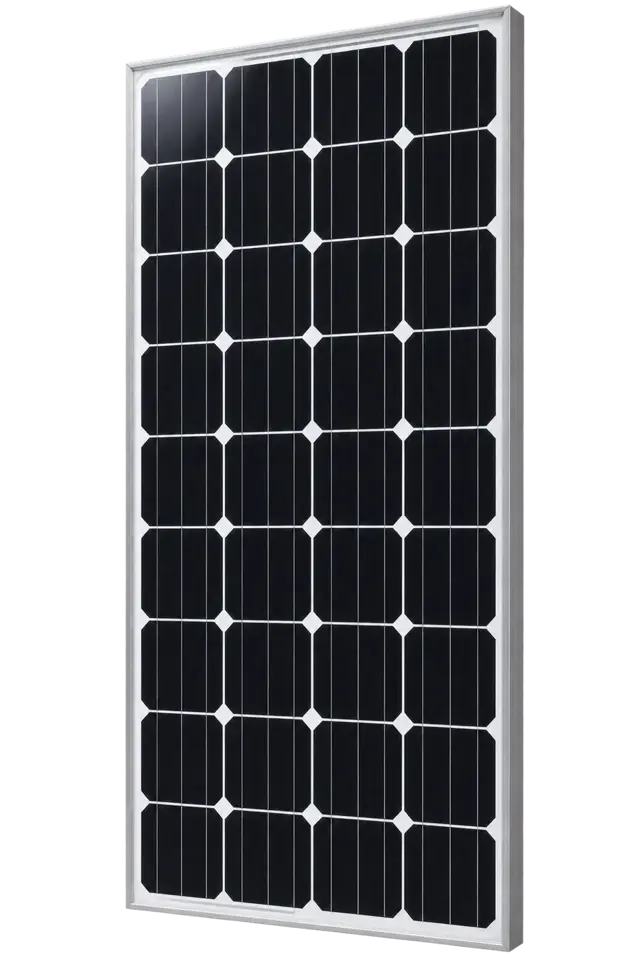
Largest common 12 V-nominal panel — fewer panels and connections for vans, cabins and pump kits.
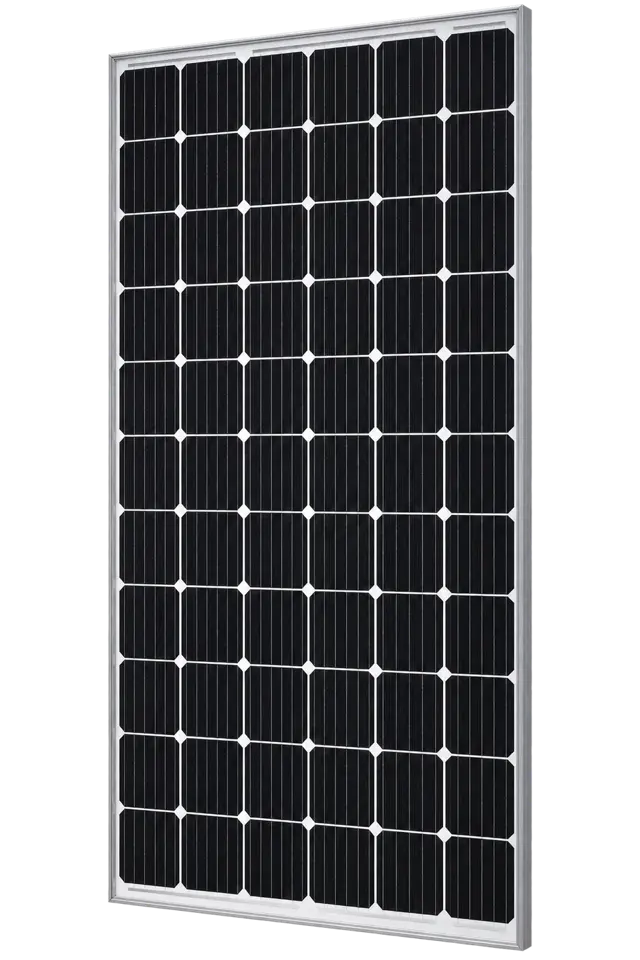
72-cell format with ~38 V Vmp — charges 24 V battery banks directly through PWM or efficiently through MPPT.
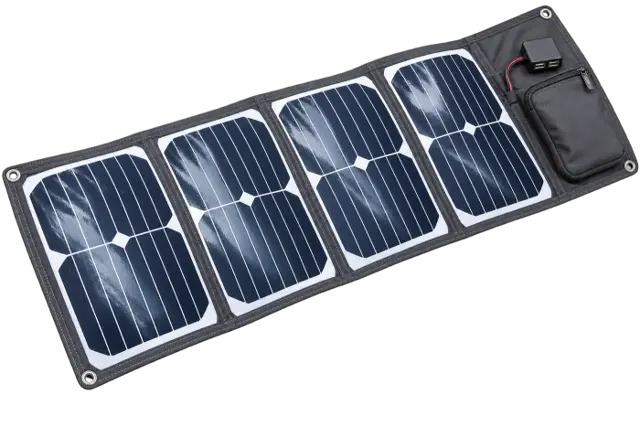
Lightweight ETFE-laminated folding panel with USB and DC outputs for camping, 4×4 trips and power stations.
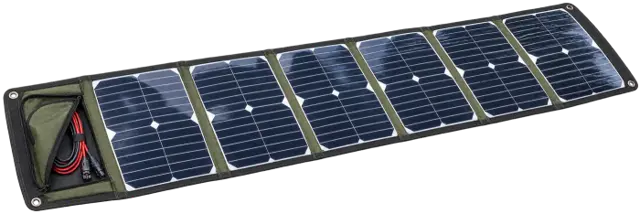
Four-fold portable panel matched to 1–2 kWh power stations; kickstand loops and IP67 output pocket.
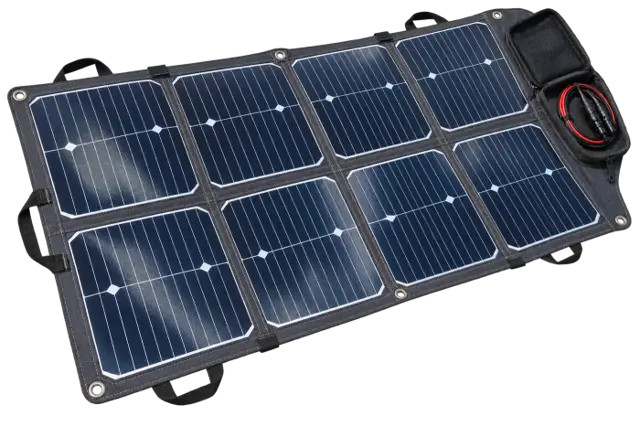
High-voltage (~40 V) folding array for 2–4 kWh solar generators and expedition vehicles.
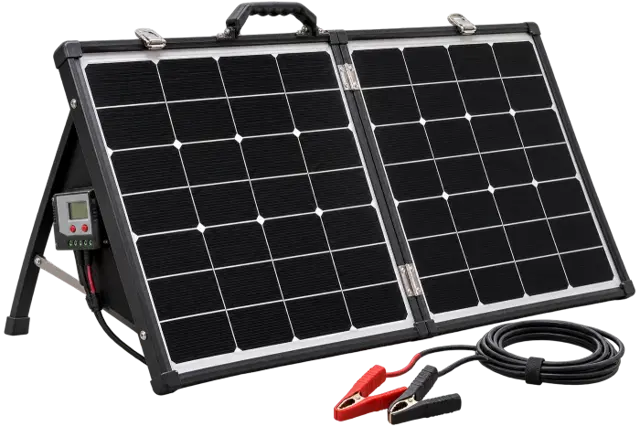
Two rigid glass panels hinged in an aluminium case with kickstands, PWM controller and battery clamps.
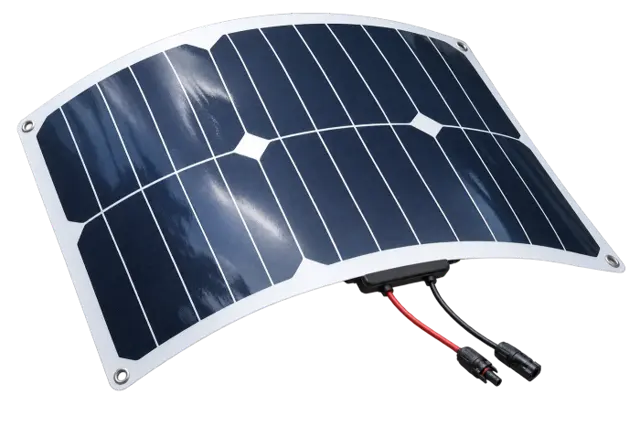
2.5 mm-thin, 1.9 kg back-contact panel that bends up to 30° for curved RV, boat and tent roofs.
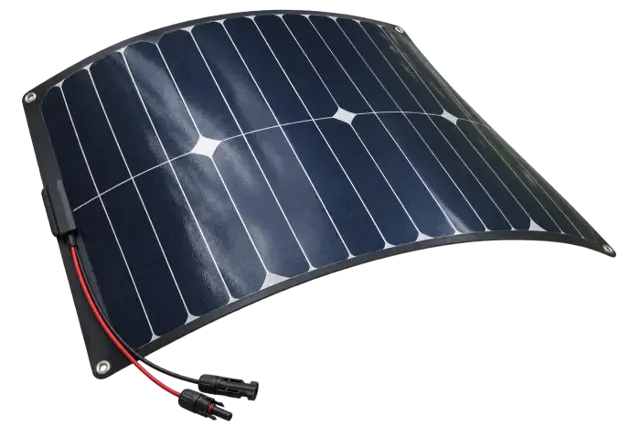
Large-format flexible panel for camper and boat roofs where a glass module is too heavy or too tall.
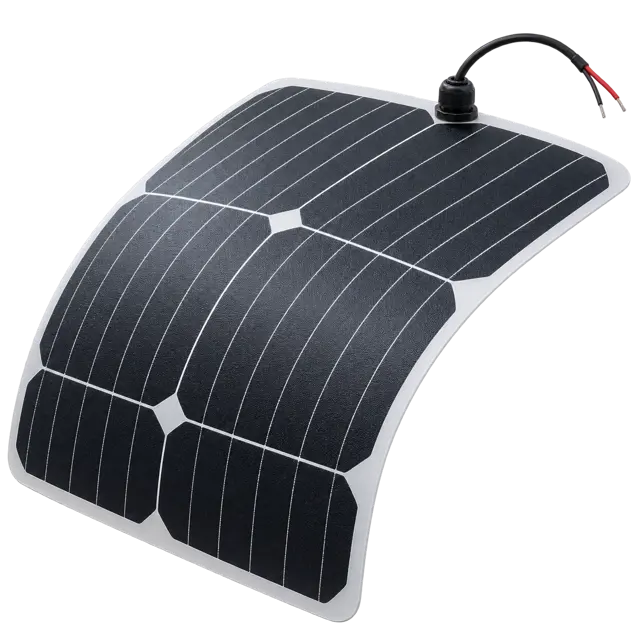
Non-slip textured surface you can step on — for yacht decks, hatches and dinghy covers.
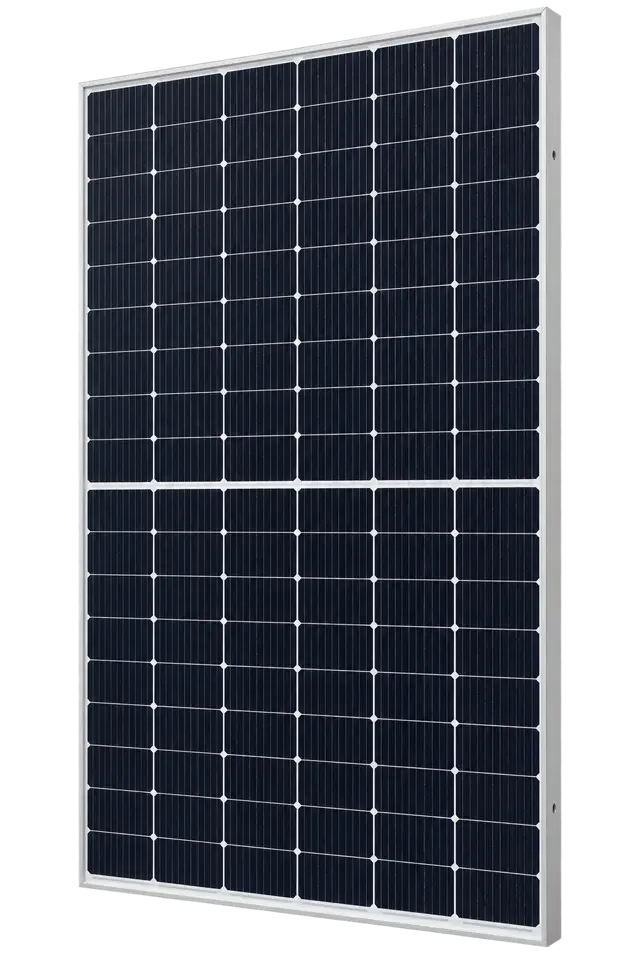
Compact 1722 × 1134 mm residential module with 108 half-cut PERC cells — the price-driven rooftop workhorse of recent years.

Today's standard residential module: 108 half-cut TOPCon cells, 22.5 % efficiency, light single-glass build for pitched roofs.
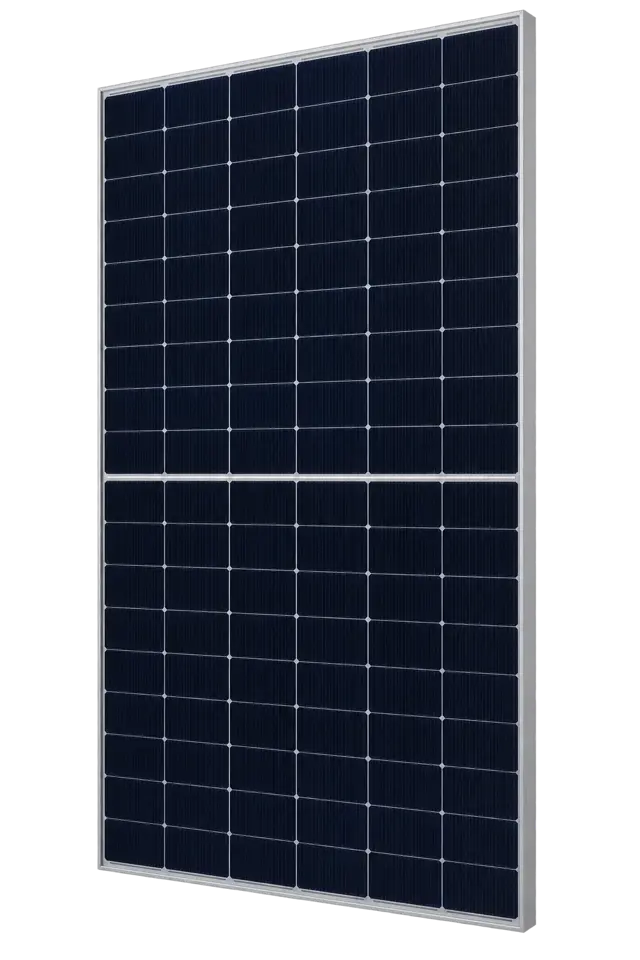
Residential-size bifacial module with glass on both faces — for carports, pergolas, raised flat-roof frames and fences.
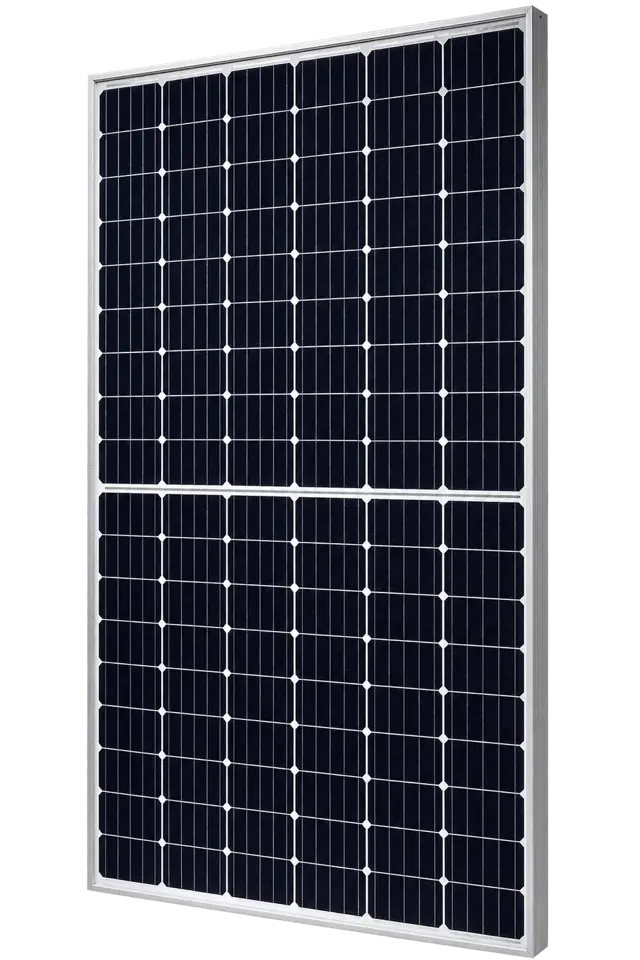
The 1755 × 1038 mm M6 format that dominated rooftops around 2019–2021; mainly needed today for extensions and replacements.
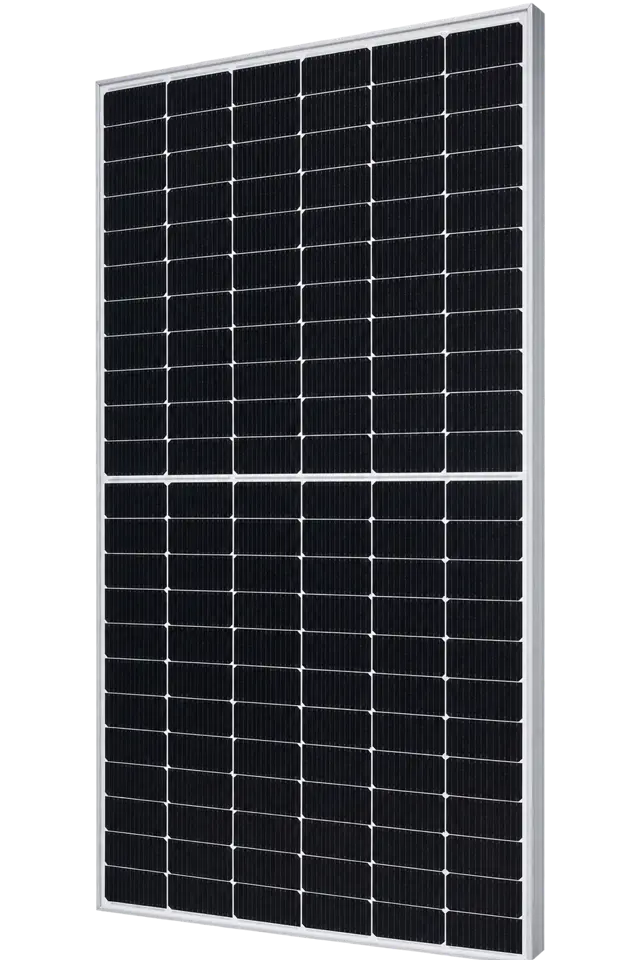
Mid-size 2094 × 1134 mm module for commercial roofs and small ground arrays — more watts per clamp than 54-cell, still manageable by hand.
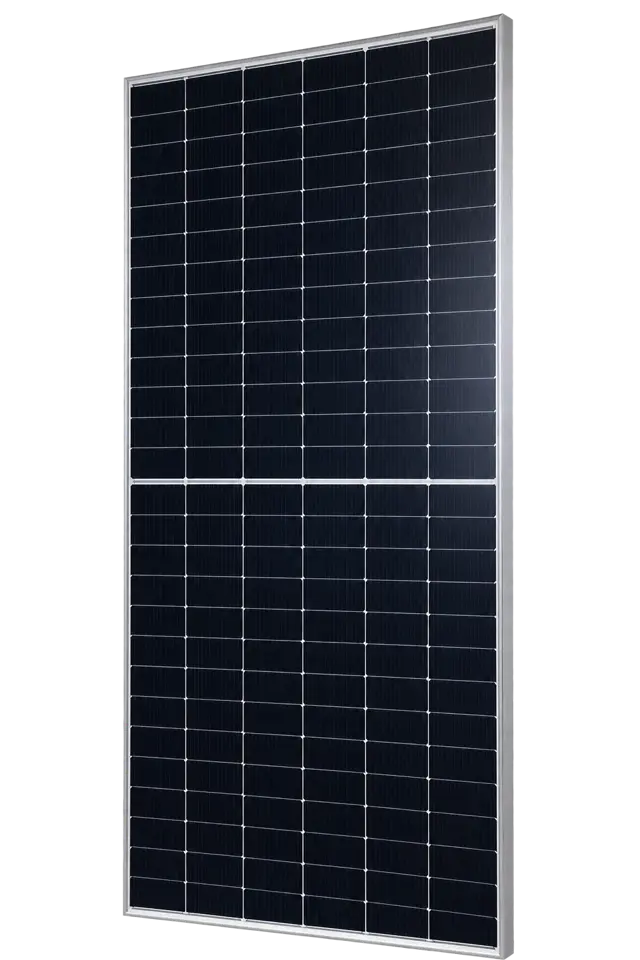
The classic 2278 × 1134 mm M10 utility and C&I module — still the reference format many racking systems were designed around.

The bifacial twin of the 550 W PERC module: 2.0 + 2.0 mm glass, ~70 % bifaciality, for ground-mount and tracker plants.
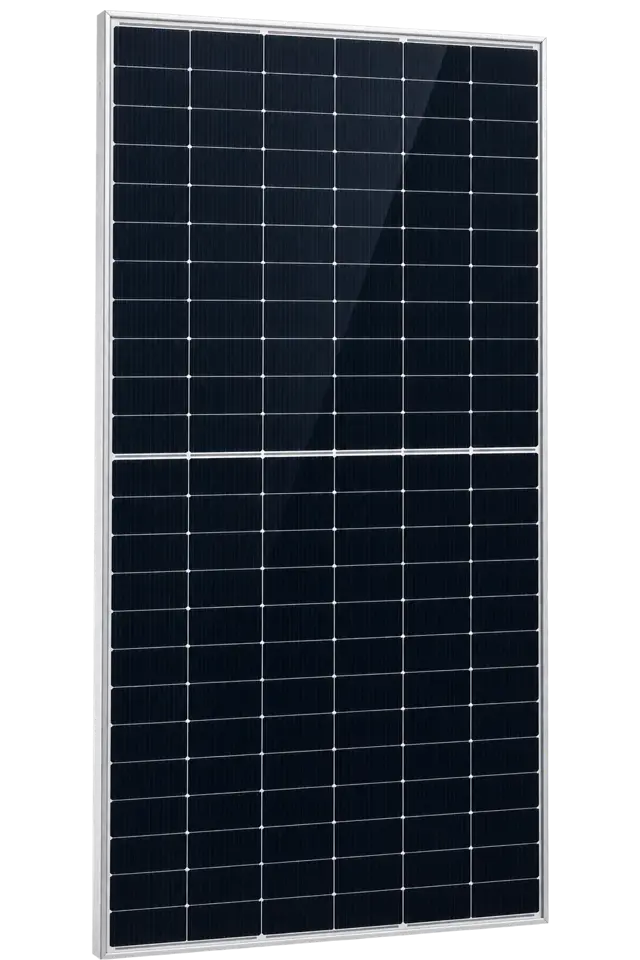
N-type upgrade of the 2278 × 1134 mm format: 22.5 % efficiency and lighter single-glass build for commercial rooftops.
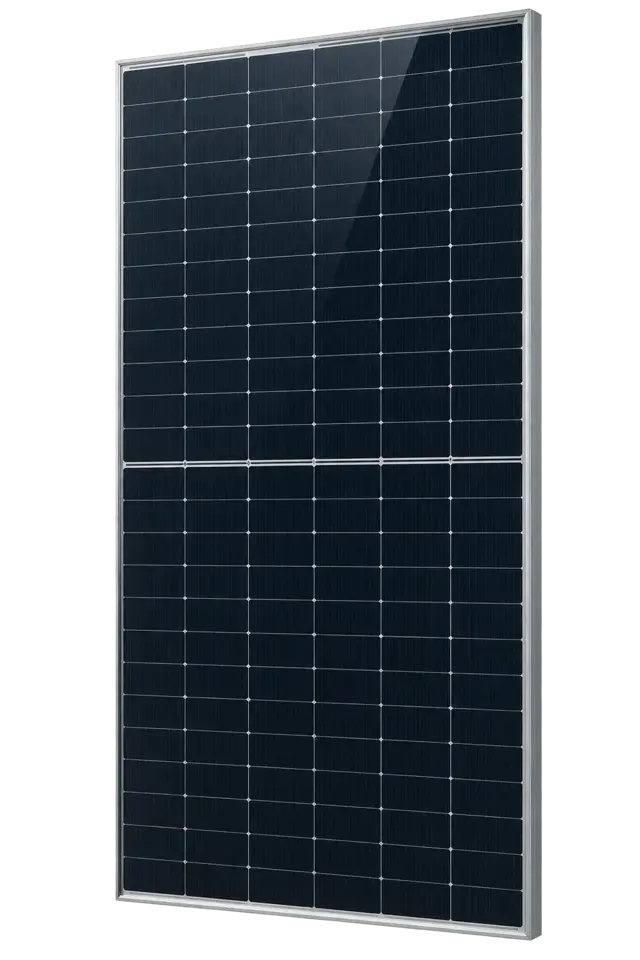
Mainstream utility module in the 2278 × 1134 mm size: ~80 % bifaciality, 2.0 + 2.0 mm glass, 30-year warranty.
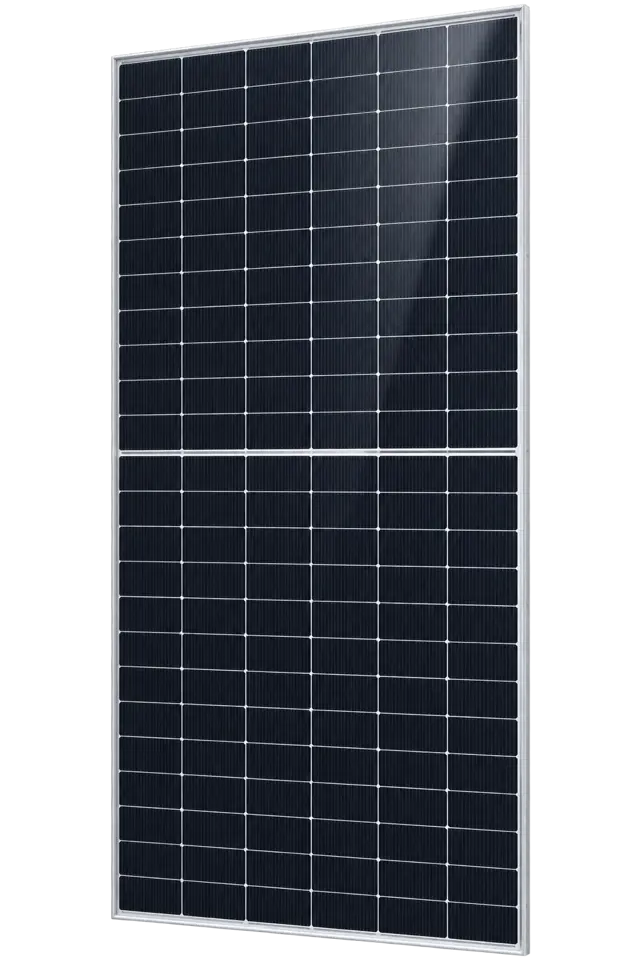
The newer 2382 × 1134 mm standard: rectangular 182 × 199 mm cells push the 1134 mm-wide module past 600 W.

No front busbars: 23.2 % efficiency in the 2278 × 1134 mm frame, low temperature coefficient, clean uniform look.
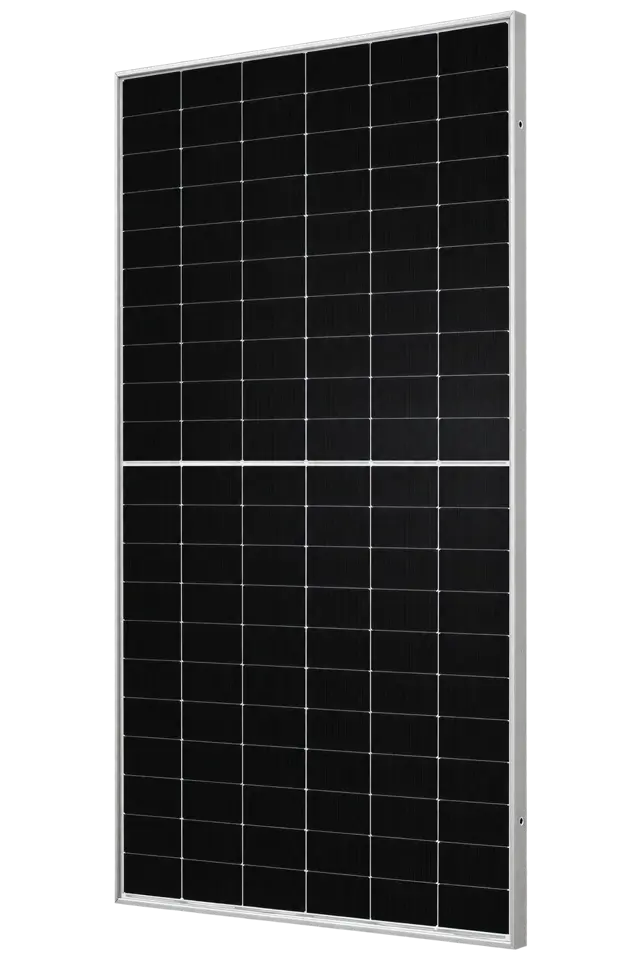
Heterojunction in the 2382 × 1134 mm size: 24.1 % efficiency, −0.24 %/°C and ~85 % bifaciality — built for heat.
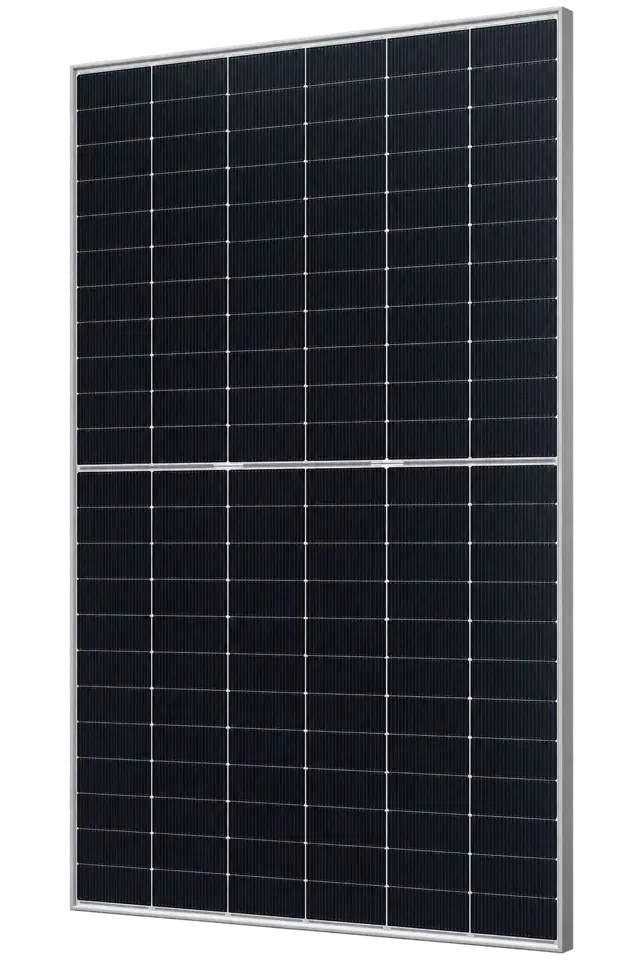
Large 2384 × 1303 mm utility module on 210 mm wafers — fewer modules, strings and piles per megawatt.

Top power class for utility plants: 2384 × 1303 mm, 23.5 % efficiency, 85 % bifaciality, −0.24 %/°C.

Extra-long 2465 × 1134 mm module with 156 half-cut M10 cells — maximum power while keeping the 1134 mm width.
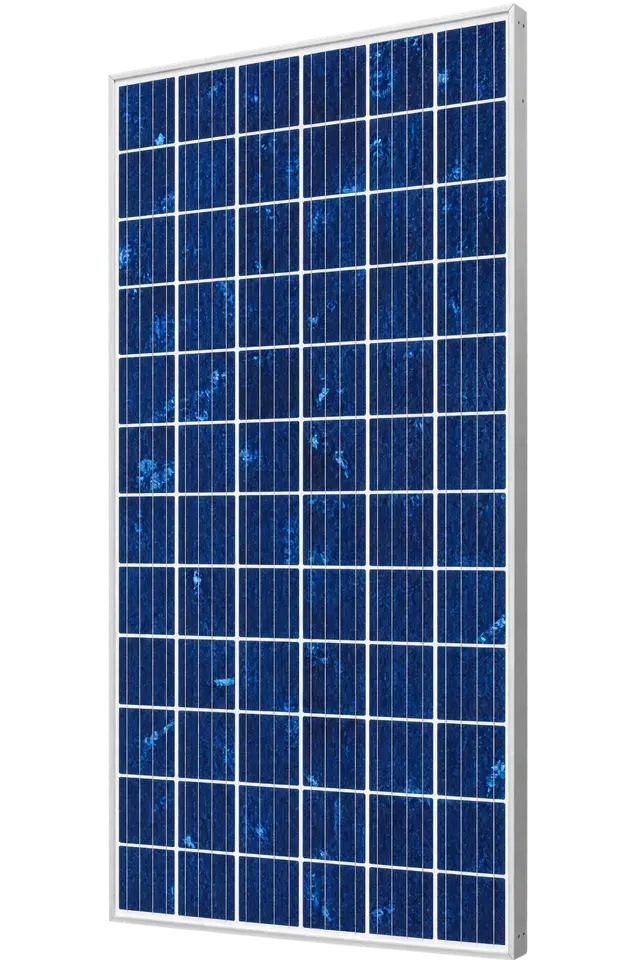
The blue full-cell module found on many plants built before 2019 — listed for comparison and replacement planning only.

Entry all-black rooftop module: black frame, black backsheet, 108 half-cut N-type cells, about 20.5 % efficiency.

The mainstream all-black villa module: 108 half-cut TOPCon cells, 21.5 % efficiency, 1722 × 1134 mm.

Premium all-black module with back-contact cells and no front busbars, 22.5 % efficiency for small or high-value roofs.

Dual-glass all-black module with a black-glazed rear glass: no backsheet to age, 30-year product warranty class.
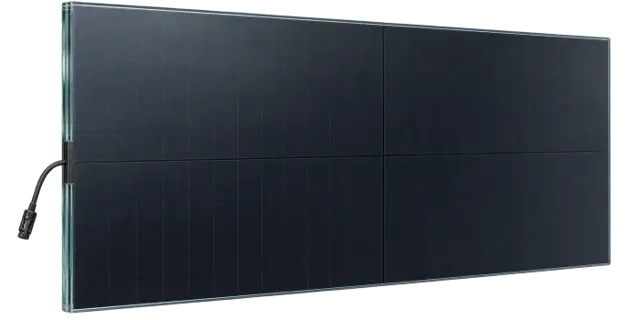
Safety-glass PV laminate that replaces facade cladding or spandrel glass; made to size, about 150–190 W/m², priced per m².
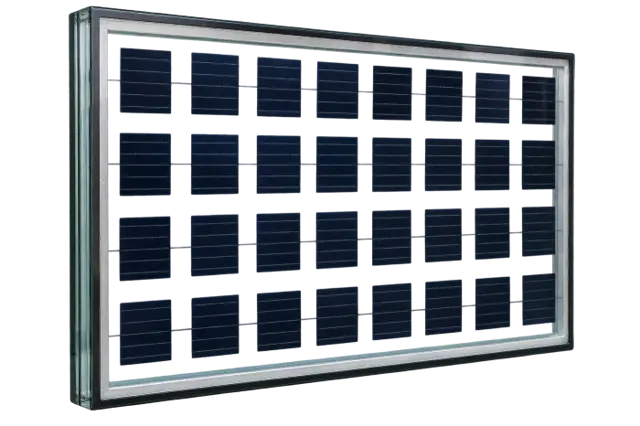
PV laminate built into a double-glazed insulating unit for vision or spandrel zones of curtain walls; about 100–150 W/m², priced per m².
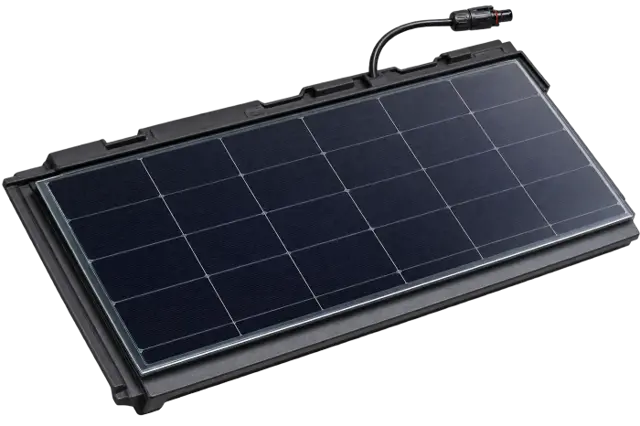
Glass PV tile that interlocks with matching dummy tiles to form a weatherproof pitched roof; about 25 W per tile.

Slim slate-format PV module that sits flush within slate or flat-tile roofs with flashing kits; about 100 W per piece.
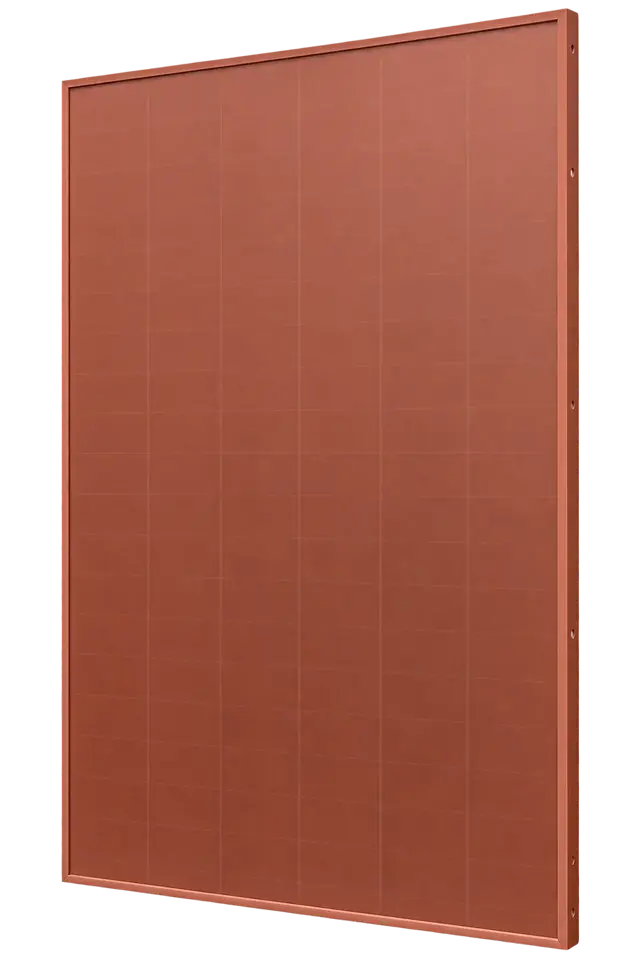
Full-size module with ceramic-printed terracotta front glass that matches clay-tile roofs; around 10–15 % less output than black.
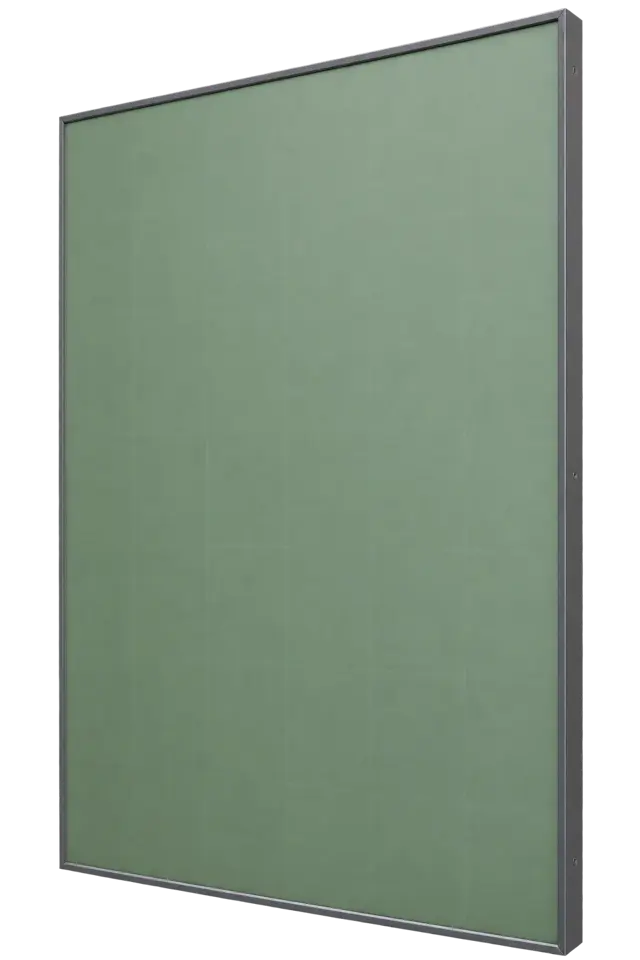
Interference-coated colour module in stone grey or sage green for facades, parapets and standing-seam roofs.
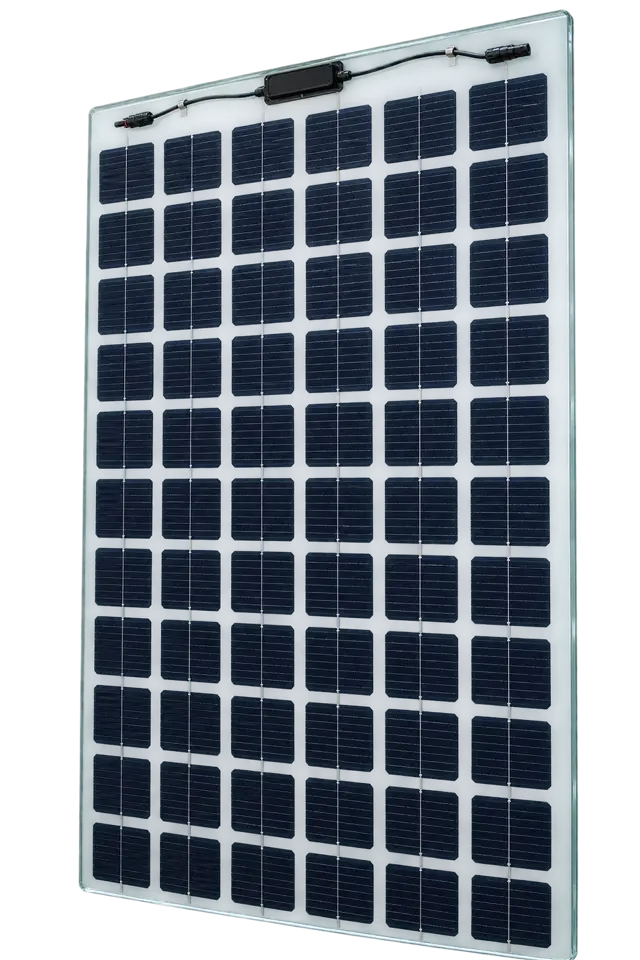
Spaced-cell dual-glass module that lets about 40 % of daylight through: pergolas, walkways, atriums and terraces.
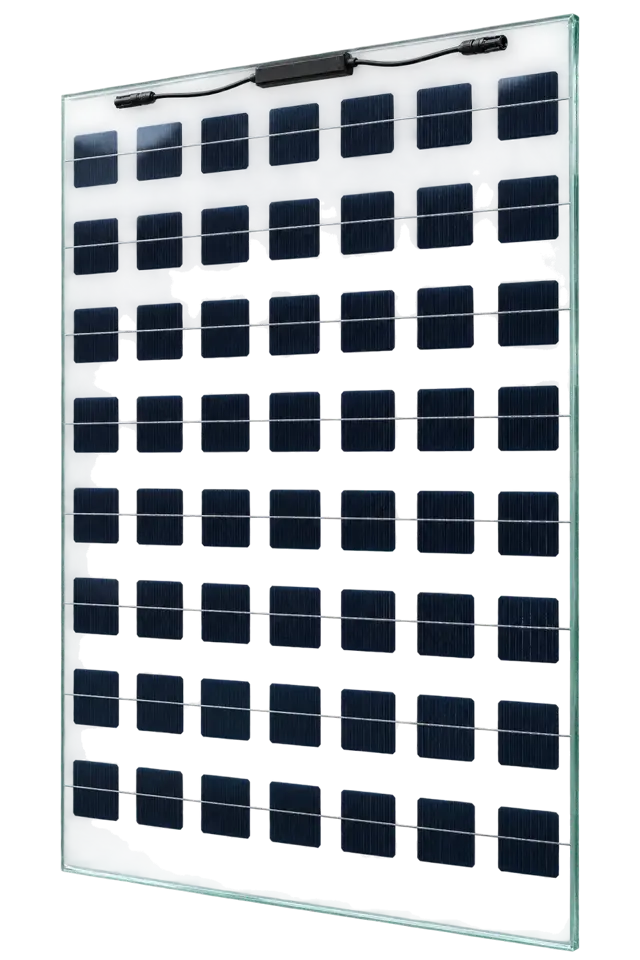
Clear glass-glass module with wide cell spacing for greenhouse roofs: shades crops from extreme sun while generating power.
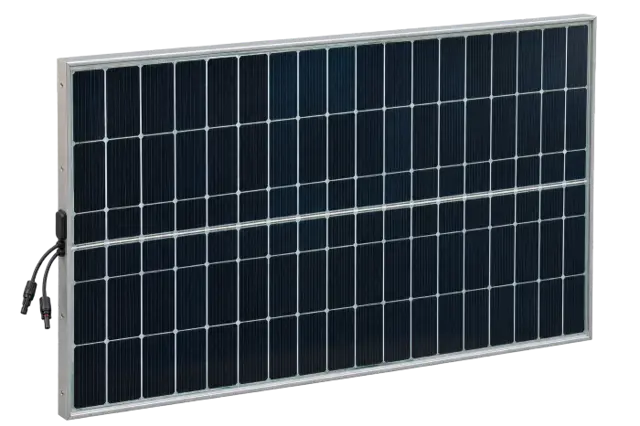
High-bifaciality dual-glass module for east-west vertical installations: fences, agrivoltaic rows, noise barriers.
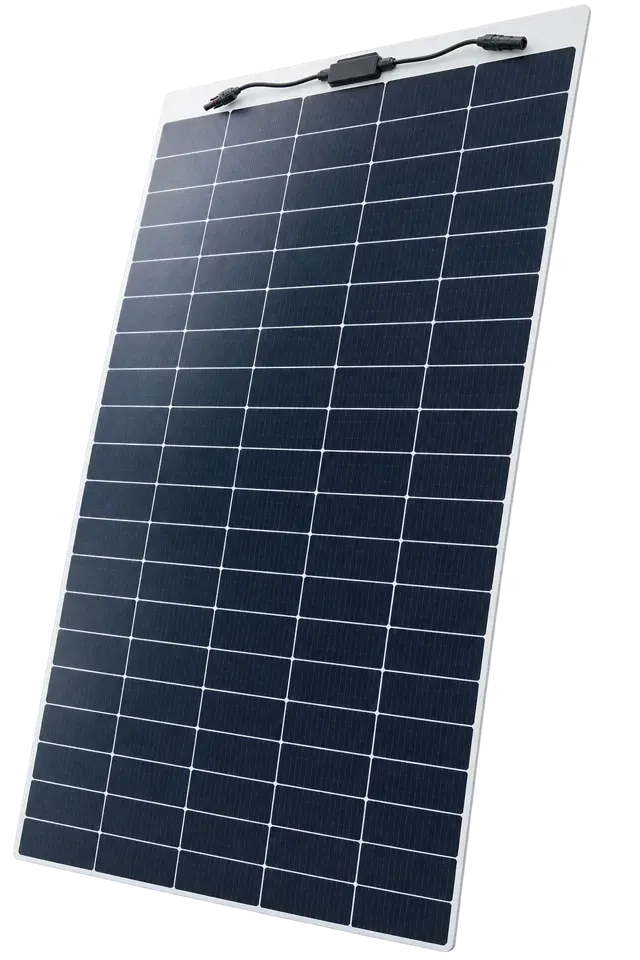
Glass-free composite front, about 6 kg/m² against ~11 kg/m² for a standard module — for warehouse and factory roofs that cannot take extra load.
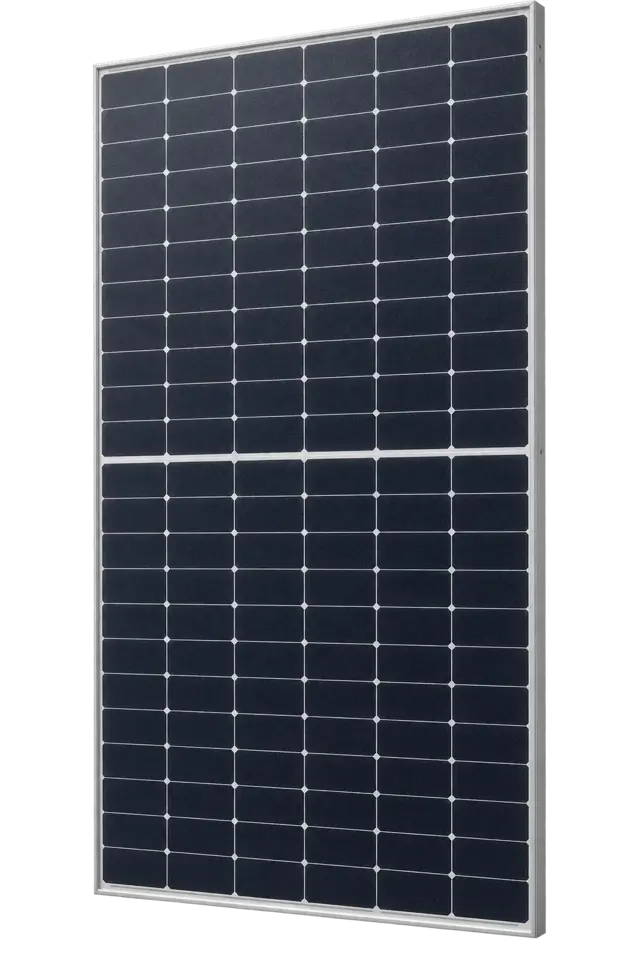
Deeply textured, matte front glass that diffuses reflections — specified where glare studies are required near runways, roads and towers.
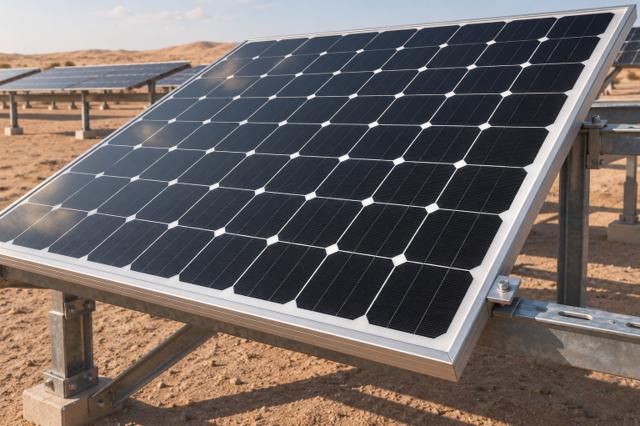
Passivated Emitter and Rear Cell on P-type monocrystalline silicon, the workhorse technology of 2016–2023.
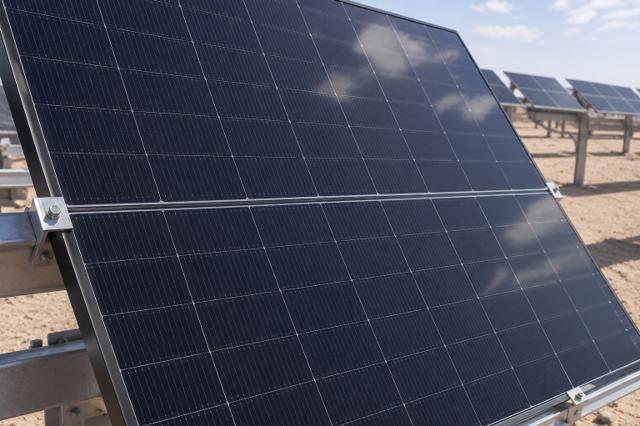
Tunnel Oxide Passivated Contact cells on N-type wafers: today's mainstream high-efficiency, high-bifaciality technology.
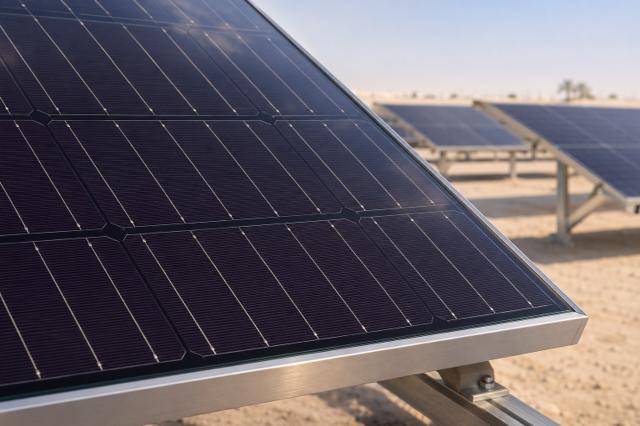
Crystalline N-type wafer sandwiched between thin amorphous-silicon layers, with the best temperature coefficient among silicon technologies.
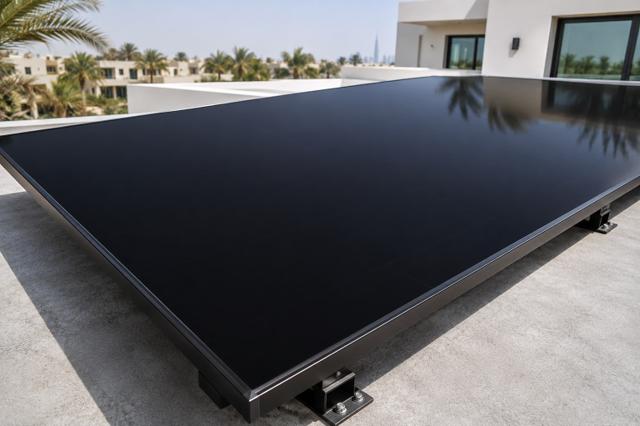
All electrical contacts moved to the rear of the cell. No front busbars, more light captured and the highest module efficiencies on the market.
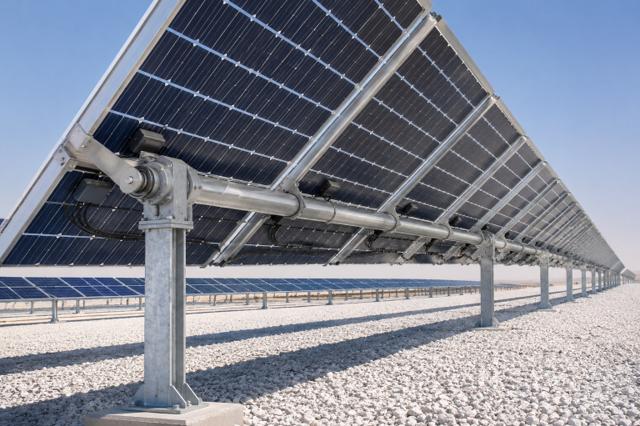
Modules that also convert light reaching their rear side, adding 5–25 % energy depending on ground albedo and mounting height.
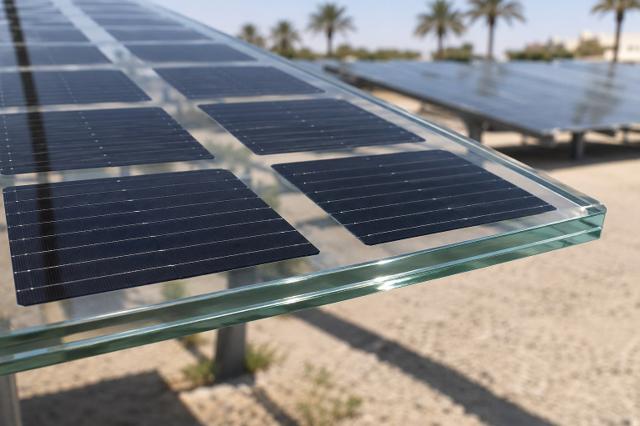
Cells laminated between two sheets of tempered glass for higher durability, lower degradation and 30-year warranties.
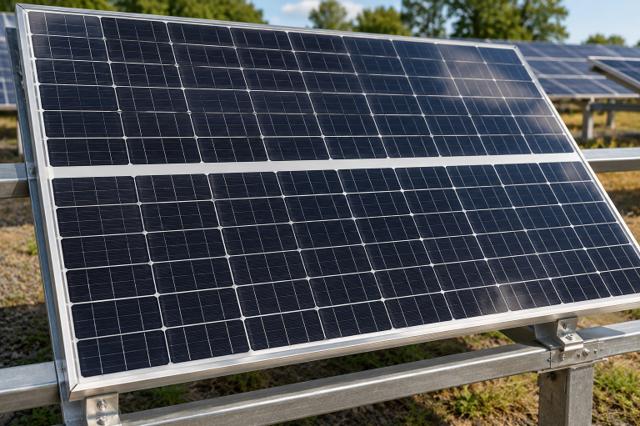
Cells laser-cut in half to halve current per string, reduce resistive losses and improve shade tolerance.
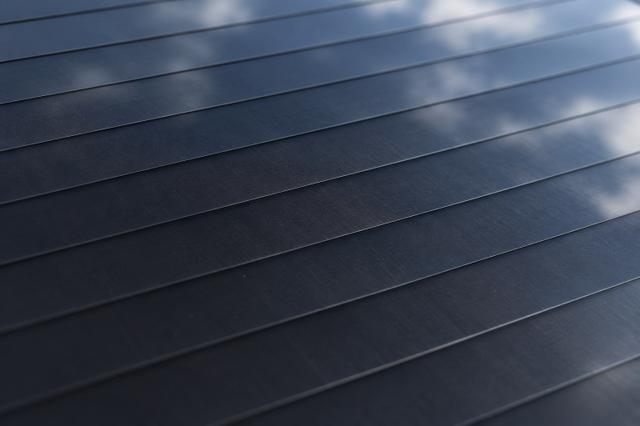
Cell strips overlapped like roof shingles and bonded with conductive adhesive, leaving no gaps or ribbons and a high active area.
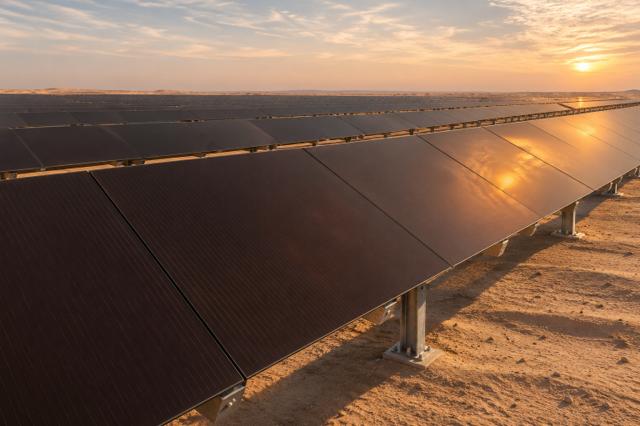
Semiconductor layers a few micrometers thick deposited on glass. Excellent heat and diffuse-light behavior, lower efficiency per area.
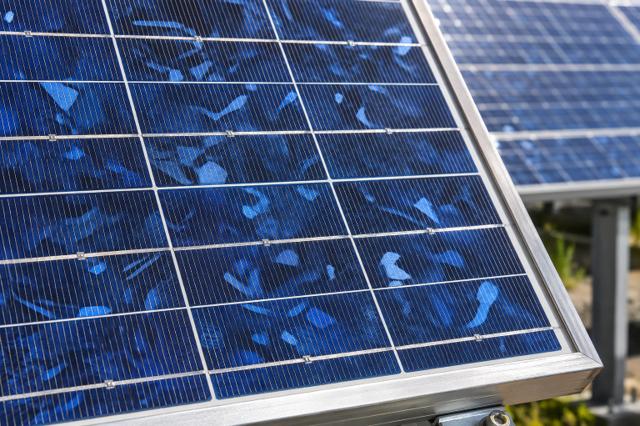
Blue, multi-grain silicon modules that dominated until about 2018, now discontinued by Tier-1 makers.
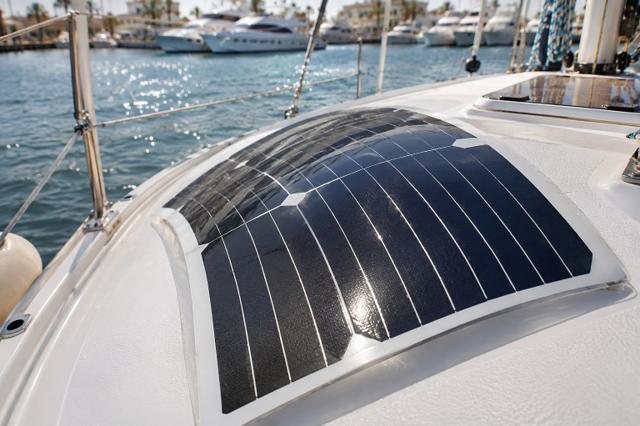
Glass-free laminates for roofs with low load capacity, curved surfaces, vehicles and marine use.

PV that replaces a building material, such as roof tiles, façade cladding, skylights or canopies, and generates power at the same time.

A perovskite top cell stacked on a silicon bottom cell to break the single-junction efficiency limit, with record cells above 33 %.
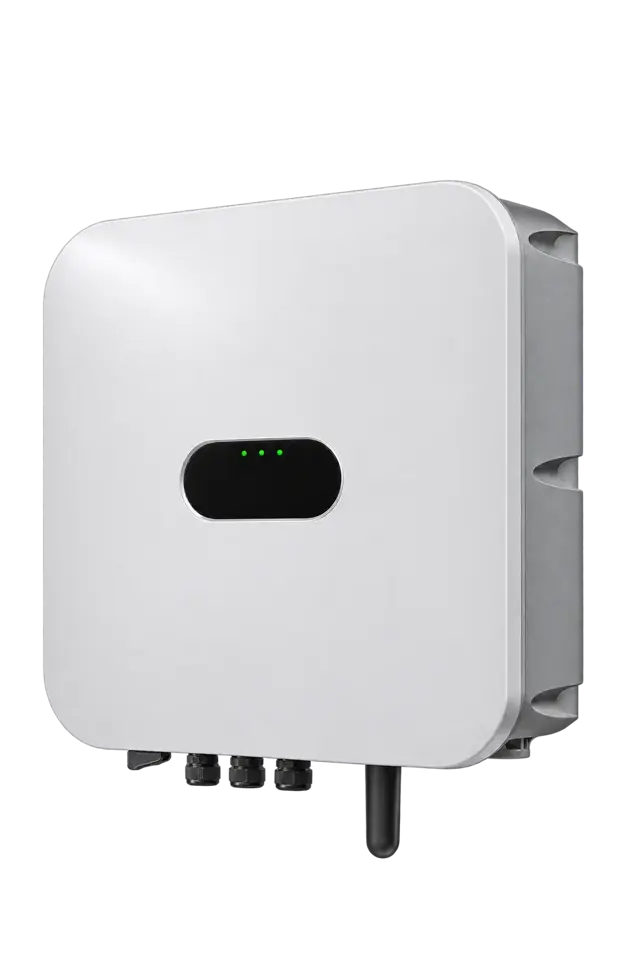
Compact residential string inverter with two MPPTs, 98.4 % peak efficiency and battery-ready design for villas and small rooftops.
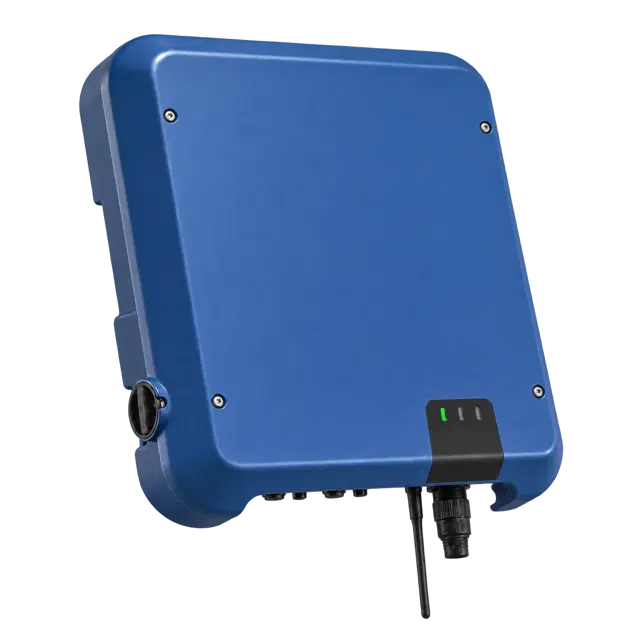
Three-phase inverter for large villas and small businesses, with balanced phase output and integrated web monitoring.
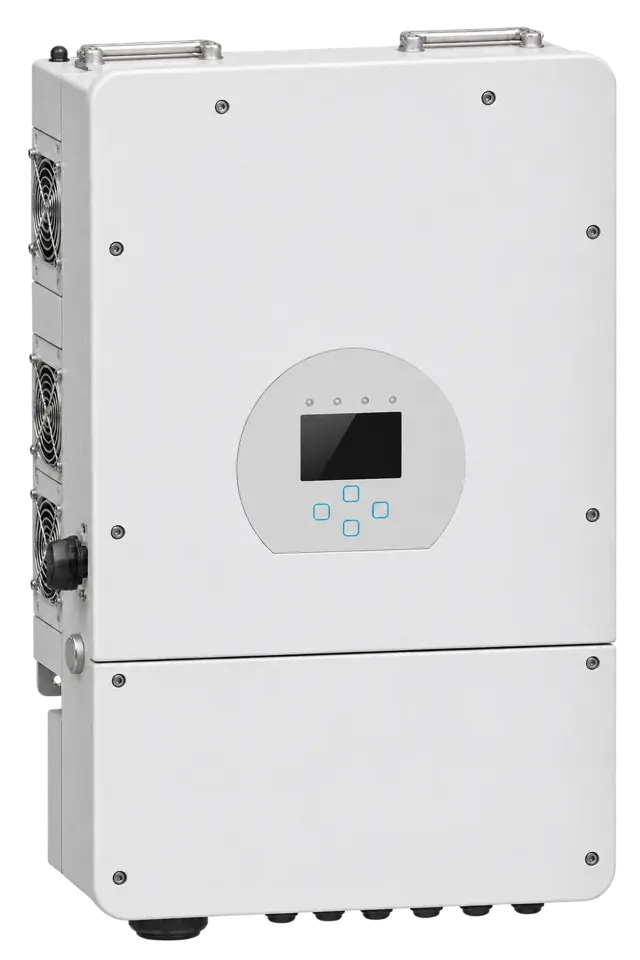
Hybrid inverter for homes with low-voltage LFP batteries: solar, battery, grid and generator inputs with automatic backup switching.
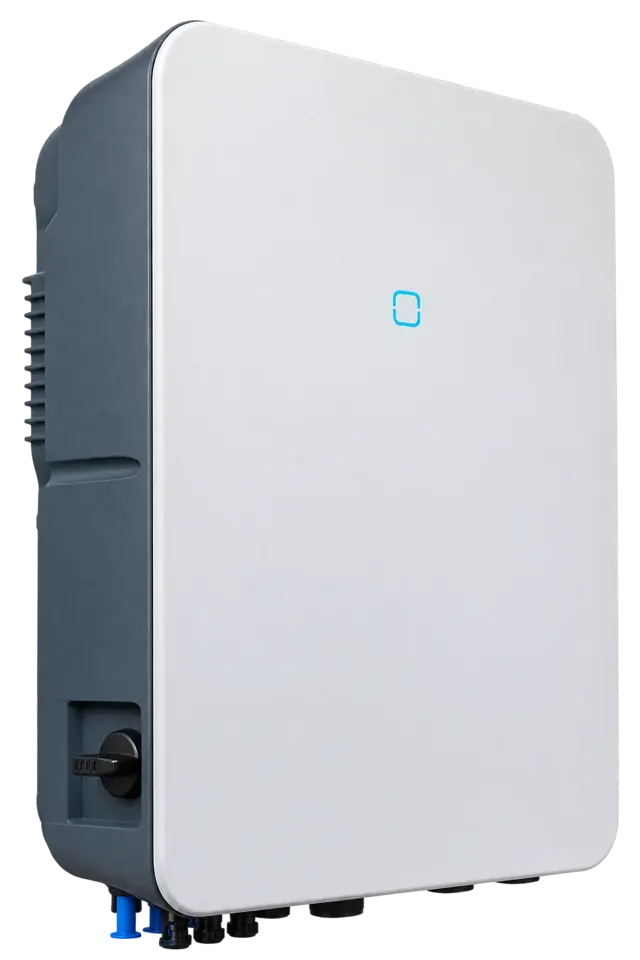
Three-phase hybrid for high-voltage batteries, with full backup on all three phases and 150 % DC oversizing.
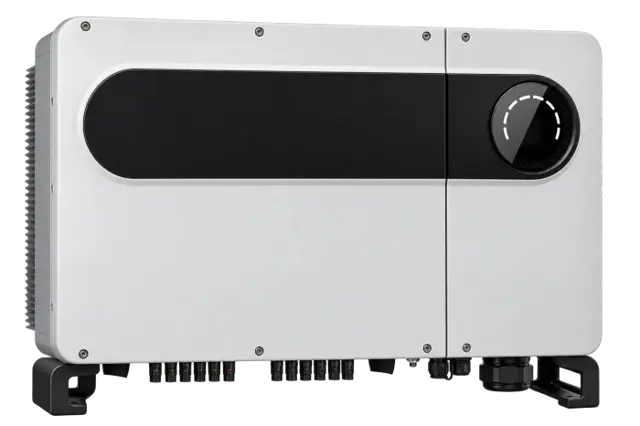
Six-MPPT commercial inverter for warehouse, factory and carport rooftops, with smart I-V curve diagnosis.
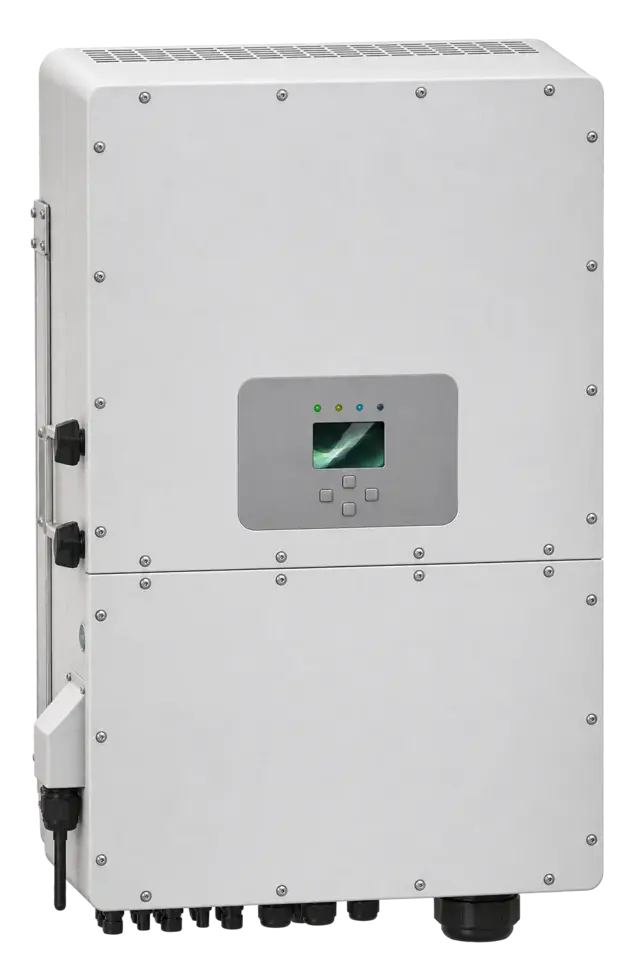
Commercial hybrid inverter for high-voltage battery cabinets: peak shaving, backup and diesel-generator integration for sites with weak grids.
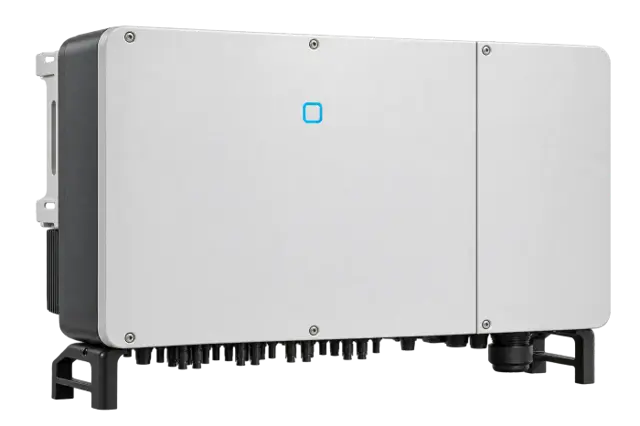
Nine-MPPT workhorse for large rooftops and distributed ground-mount plants, 98.7 % max efficiency.
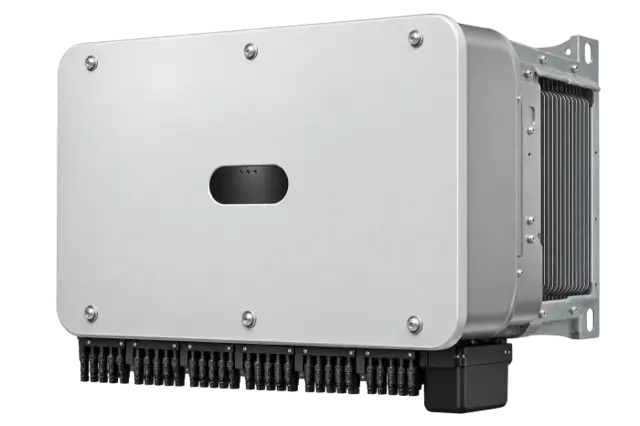
300 kW / 330 kVA string inverter for utility-scale plants on 1,500 V DC, feeding an 800 V AC medium-voltage skid.
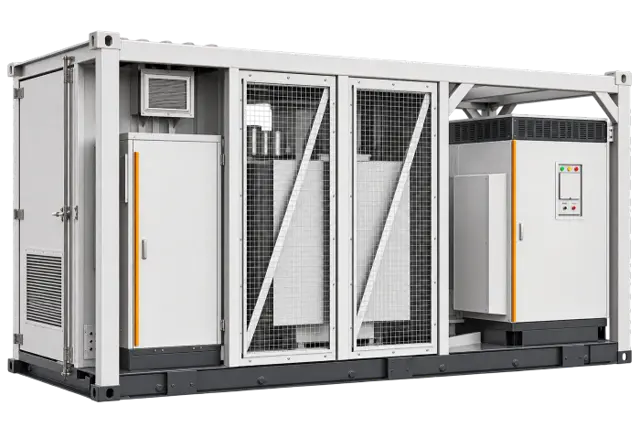
Megawatt-class central inverter for large, uniform utility plants; available as a turnkey MV skid with transformer and switchgear.
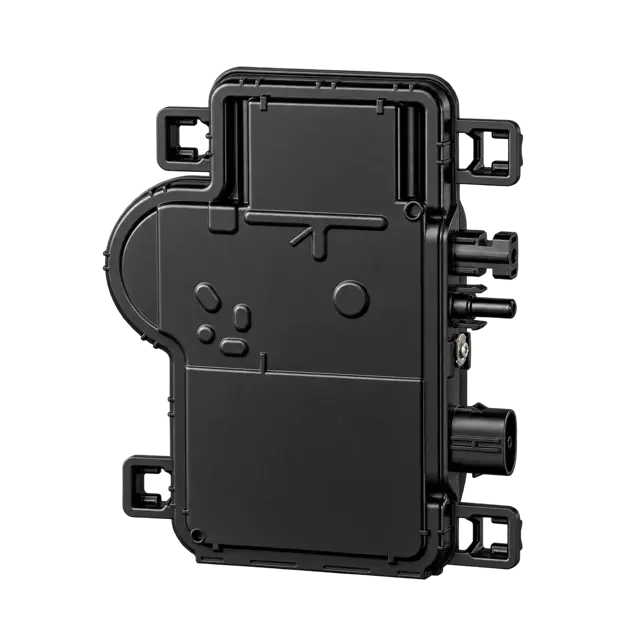
Module-level inverter: each module produces AC independently; suited to shaded or complex roofs and rapid-shutdown compliance.
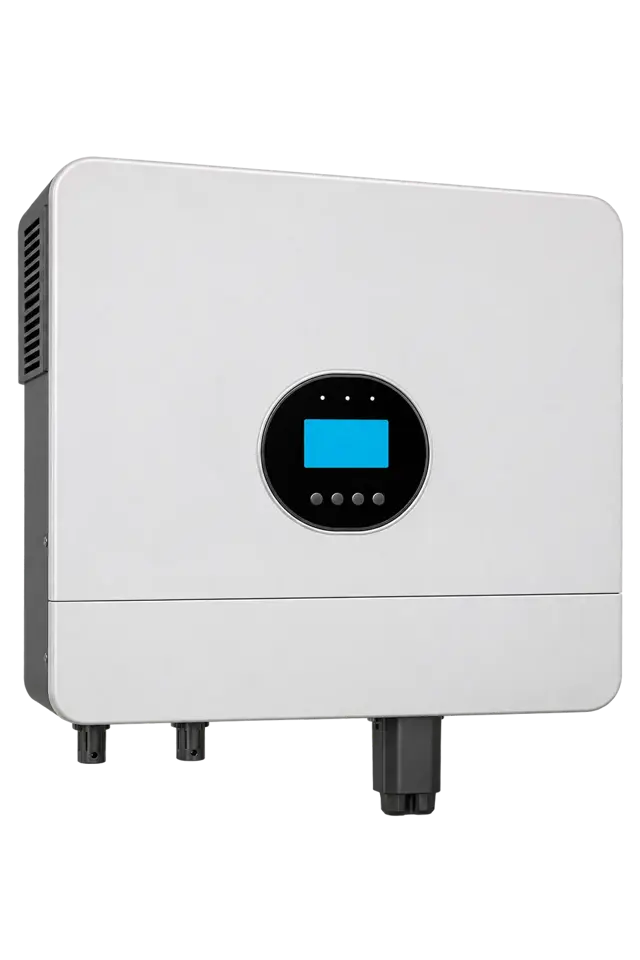
All-in-one off-grid inverter-charger with built-in MPPT for remote sites, farms, cabins and telecom shelters.
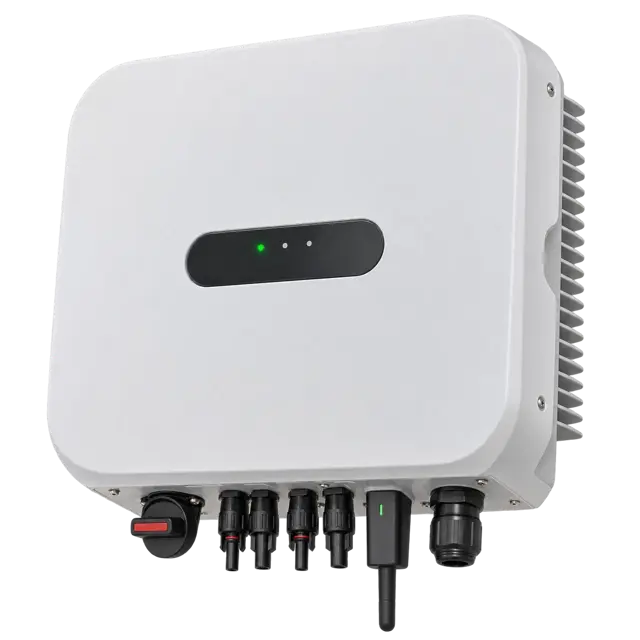
Entry-level grid-tied inverter for apartments, small villas and annexes with 3–4 kWp of modules on one or two roof faces.
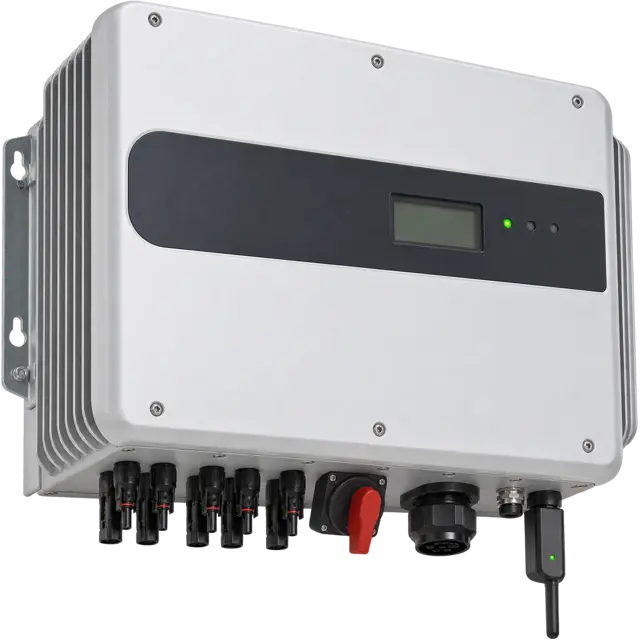
Workhorse size for large villas, schools, mosques, warehouses and small commercial roofs of 20–26 kWp.
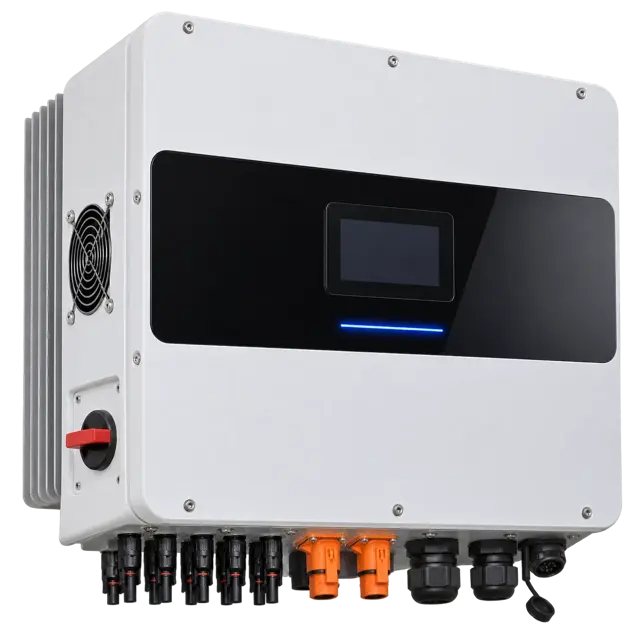
PV plus storage in one box for commercial buildings and farms: 30 kW AC, three MPPTs, 150–800 V battery port and seamless backup output.
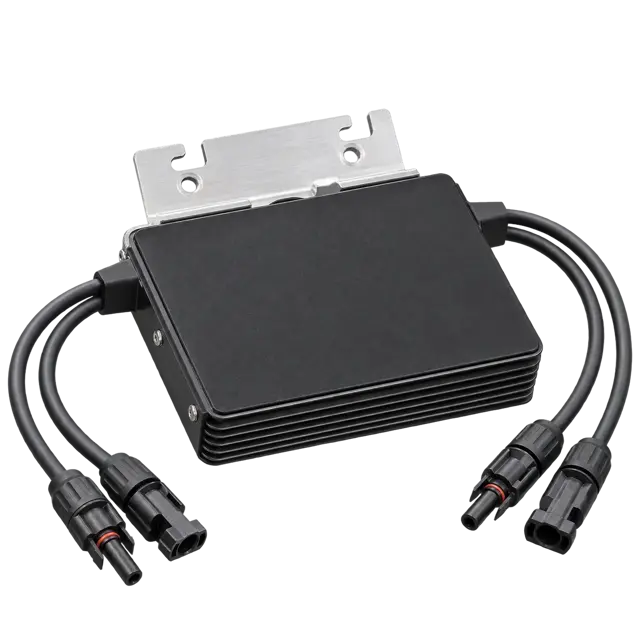
DC-DC converter fitted behind each module that tracks its own maximum power point, cutting shading and mismatch losses and adding per-module monitoring.

Small switch box behind each module that disconnects it when the keep-alive signal stops, bringing roof conductors to a touch-safe voltage within 30 seconds for firefighters.
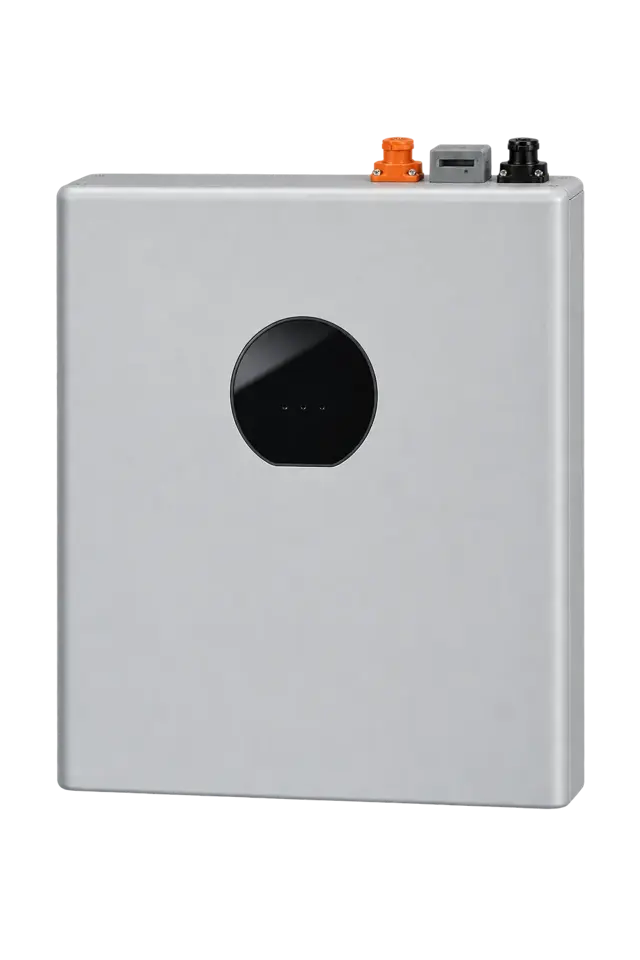
Low-voltage lithium iron phosphate home battery with built-in BMS, 6,000+ cycles and CAN/RS485 link to hybrid inverters.
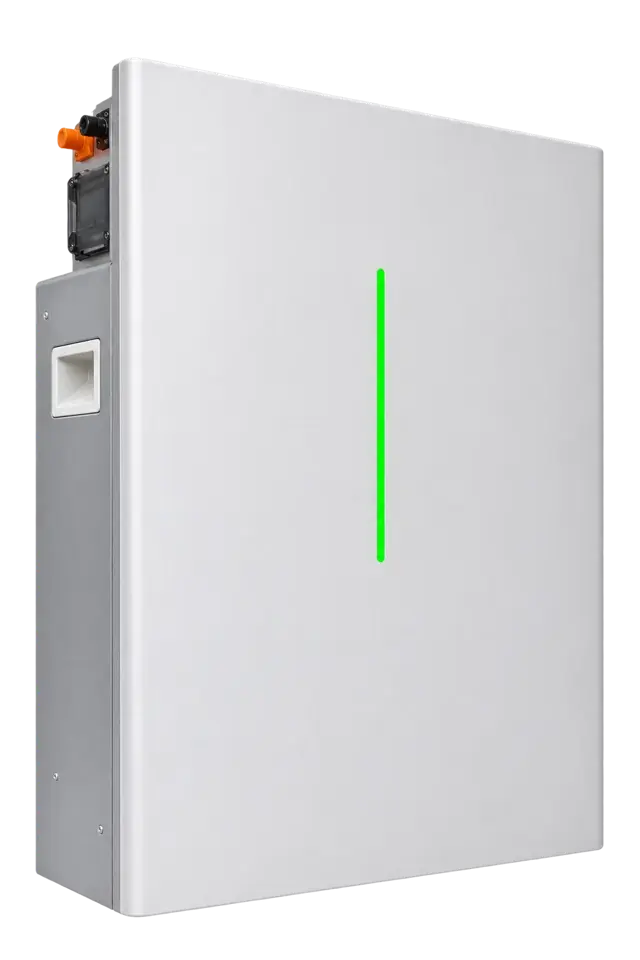
Higher-capacity 48 V home battery for evening self-consumption and overnight backup of a typical villa.
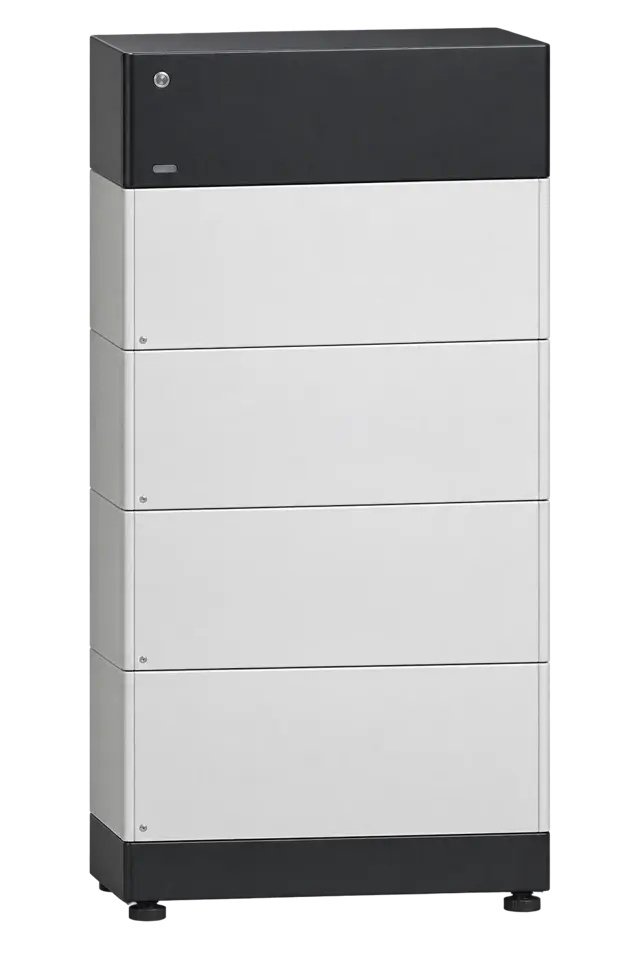
Modular high-voltage LFP tower (4 × 2.56 kWh) for three-phase hybrid inverters; expandable to 12.8 kWh per tower.
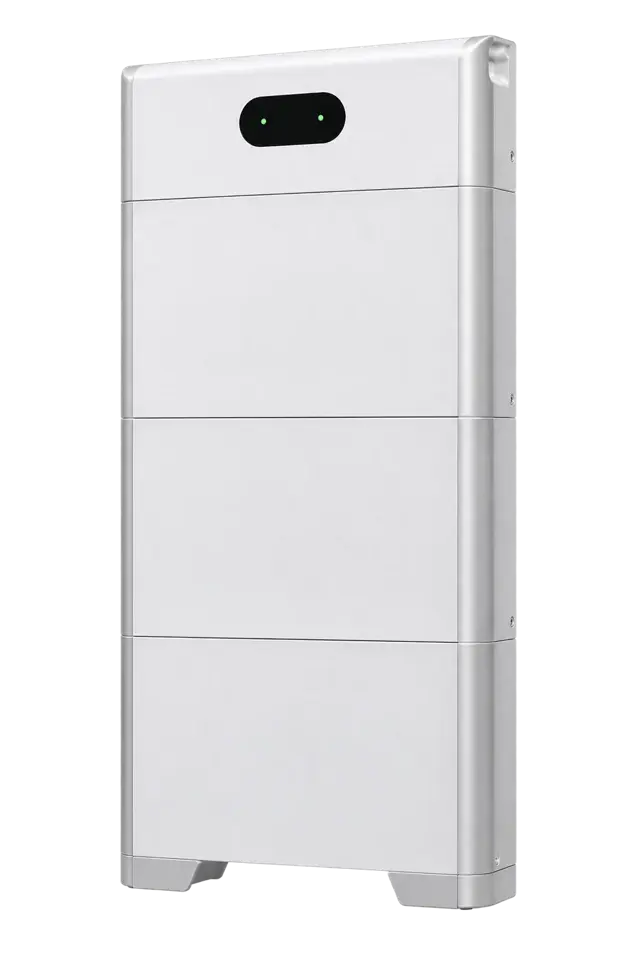
Three 5 kWh modules with module-level optimizers, 100 % usable capacity, for Huawei SUN2000 hybrid inverters.
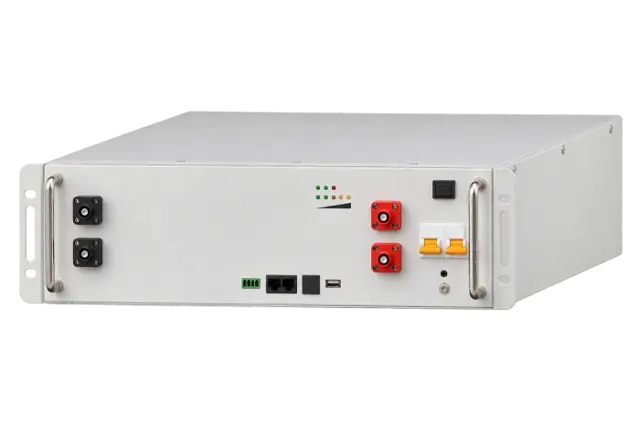
19-inch rack-mount LFP module for server-style battery cabinets in homes, telecom sites and small commercial systems.
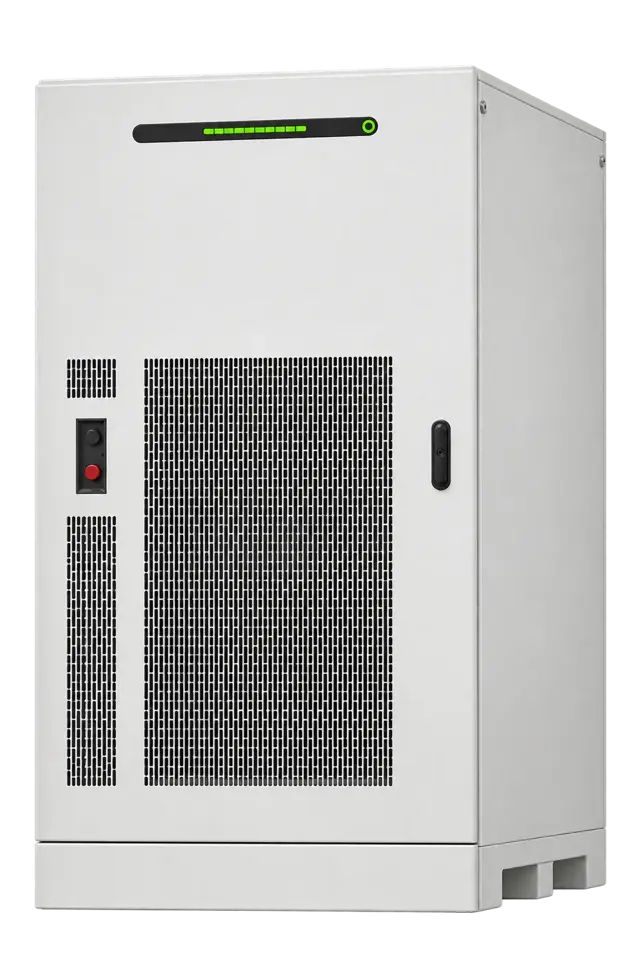
All-in-one cabinet with LFP battery, PCS, liquid cooling, fire suppression and EMS for peak shaving and solar self-consumption.

Grid-scale LFP storage block with 314 Ah cells in a standard 20-foot container, for solar firming, arbitrage and grid services.

Drop-in lithium replacement for 12 V lead-acid blocks: 1.28 kWh, a third of the weight, 4,000+ cycles — for cabins, boats, caravans, telecom and small off-grid kits.
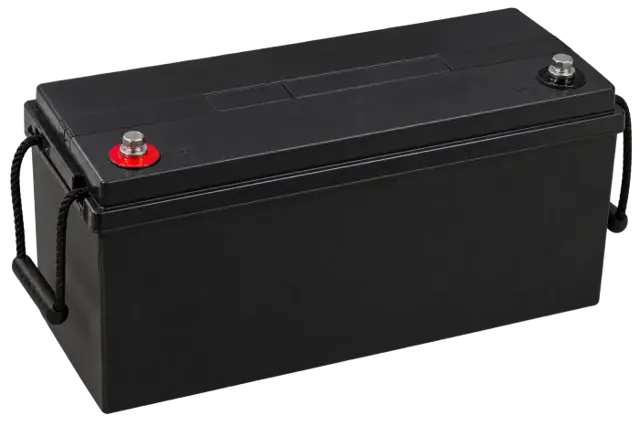
Sealed VRLA block with carbon-enhanced plates: the low-upfront-cost alternative to lithium, with more cycles than AGM or gel but lower usable depth and heat tolerance than LFP.
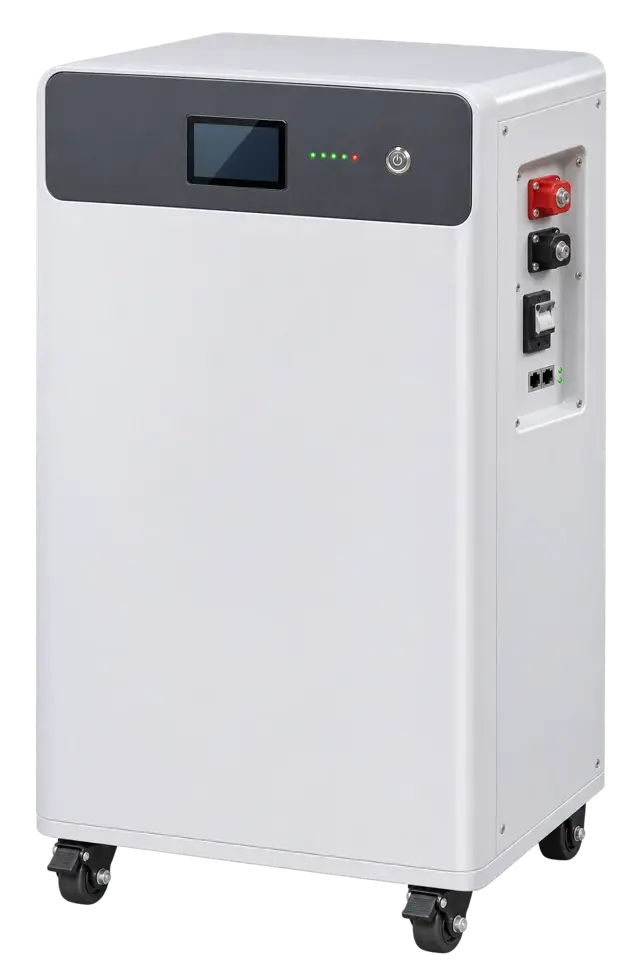
Single-cabinet 48 V battery built on 314 Ah prismatic cells — a whole villa's evening and night load in one box for low-voltage hybrid and off-grid inverters.
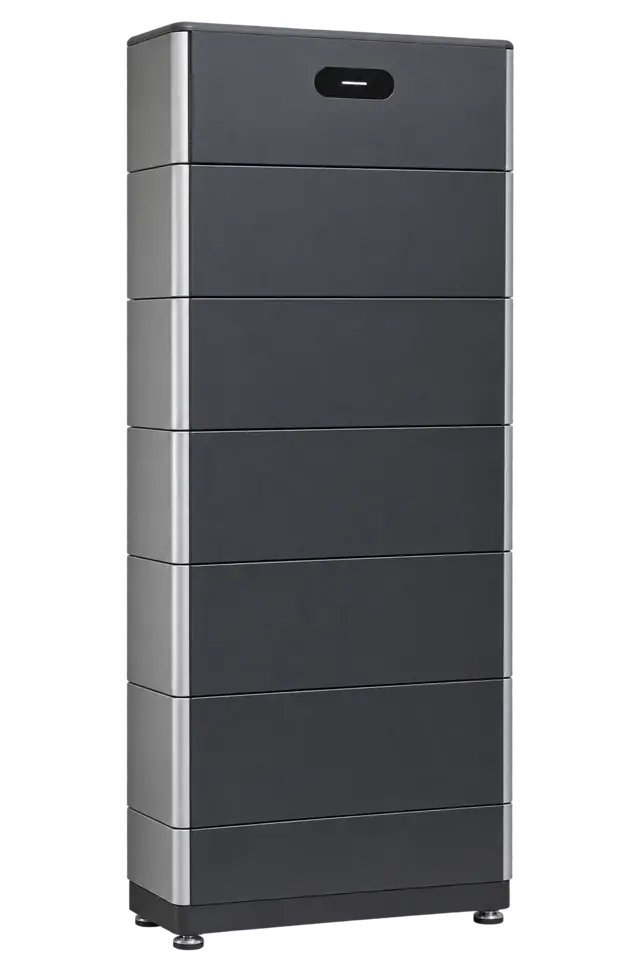
Plug-together LFP modules in series (about 300–600 V) under one control box — scalable storage for three-phase hybrid inverters in large villas and commercial buildings.

Complete rail-based kit for pitched and metal roofs: rails, splices, mid/end clamps, roof attachments and stainless fasteners, priced per kWp.
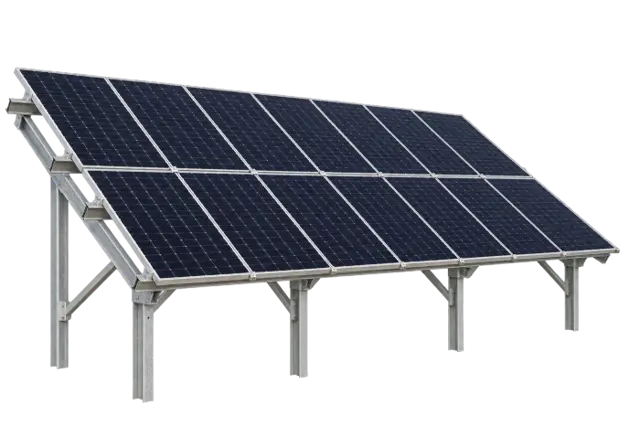
Steel ground-mount structure for utility and commercial fields: driven piles, rafters and purlins in hot-dip galvanized or Zn-Al-Mg coated steel, priced per kWp.

Heavy-gauge steel carport (single or double cantilever) that shades cars while generating power; per kWp, with optional waterproof decking and EV-charger provisions.
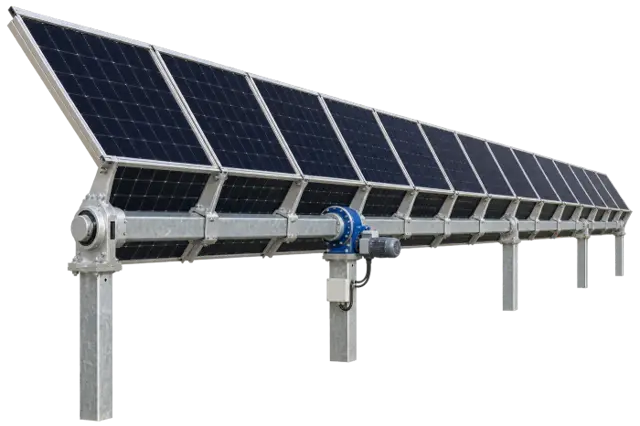
Horizontal single-axis tracker (1P or 2P) that follows the sun east to west for 15–25 % more energy than fixed tilt; with stow mode for sandstorms. Per kWp.
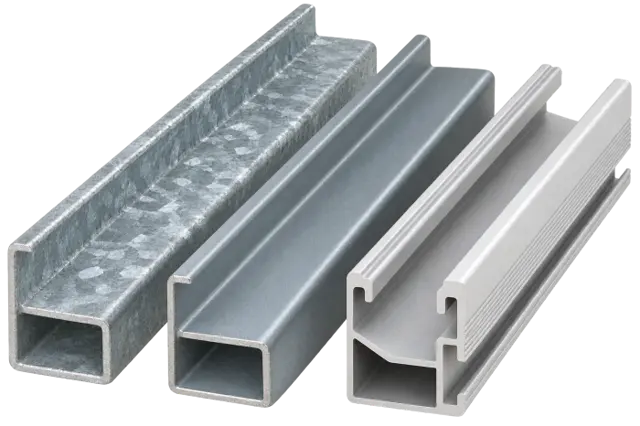
How to choose structure material and coating for corrosion categories C4 and C5, with an indicative price per tonne of coated cold-formed steel sections.
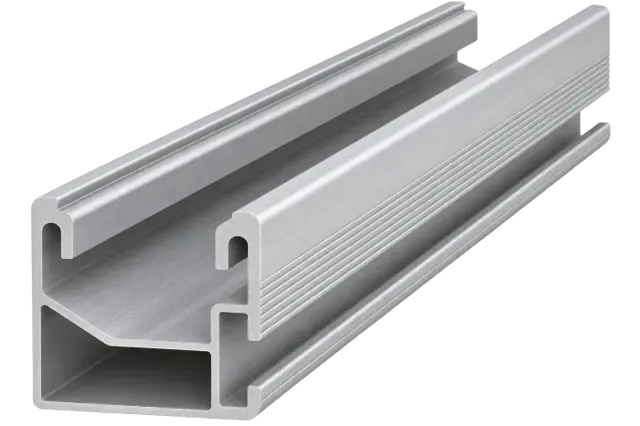
Extruded 6005-T5 anodized rail with T-slot for clamps and roof attachments; sold per meter (standard lengths 4.2 and 5.3 m).
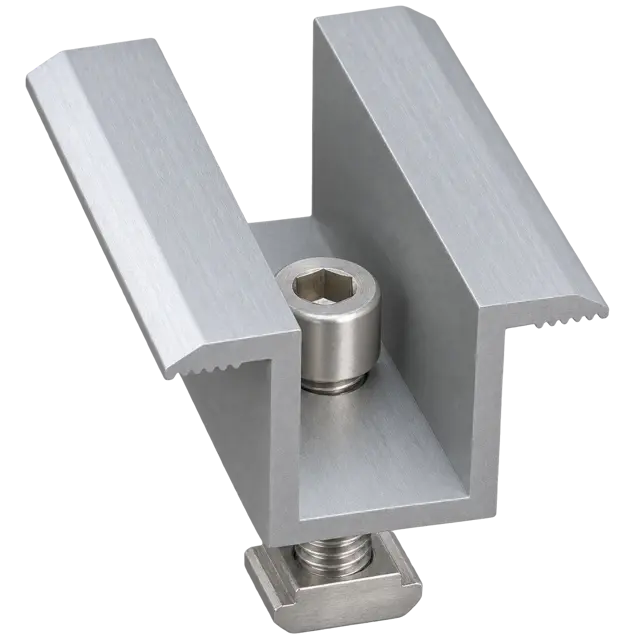
Aluminium mid clamp with hammer-head bolt, fixes two adjacent modules (30–40 mm frames) to the rail, with grounding teeth.
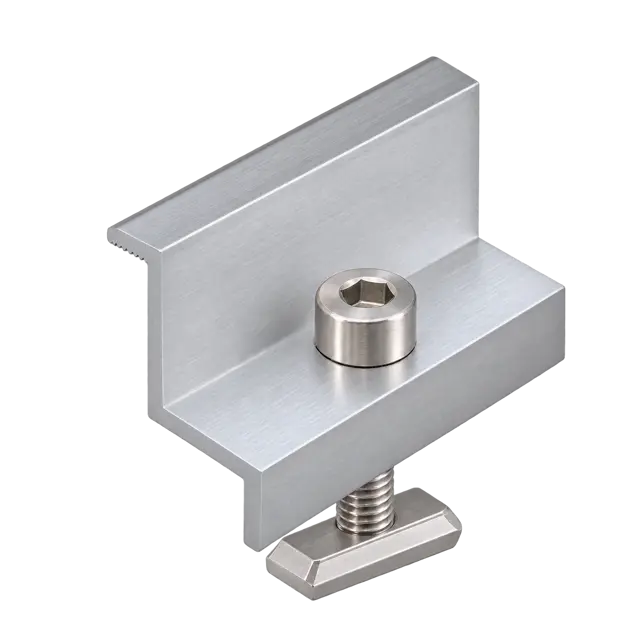
Aluminium end clamp that secures the outer edge of the first and last module in each row.
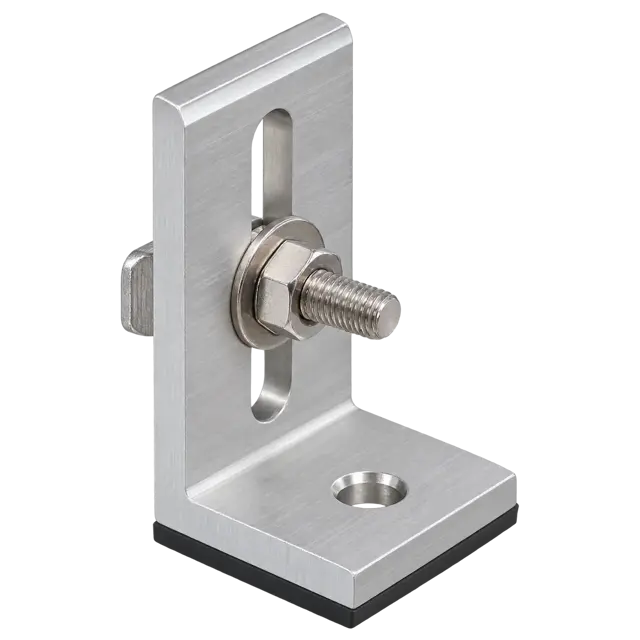
Aluminium L-foot for trapezoidal metal and flat-seam roofs, with EPDM pad and slotted hole for rail height adjustment.

Adjustable stainless-steel hook that passes under roof tiles and fixes to the rafter, carrying the rail above the tiles.

Galvanized steel foundation post driven 1.5–2.5 m into the ground, or helical ground screw for rocky/sandy soils. No concrete needed.
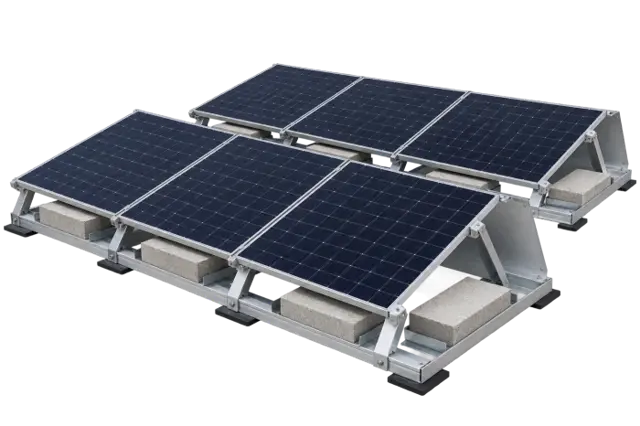
Non-penetrating aluminium/ZAM triangle or east-west system held down by concrete blocks; protects roof waterproofing. Per kWp, ballast blocks excluded.
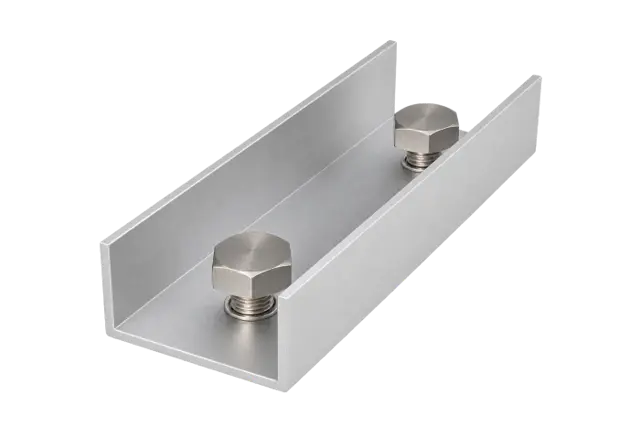
Internal or external aluminium splice that joins two rails into a continuous, electrically bonded run.
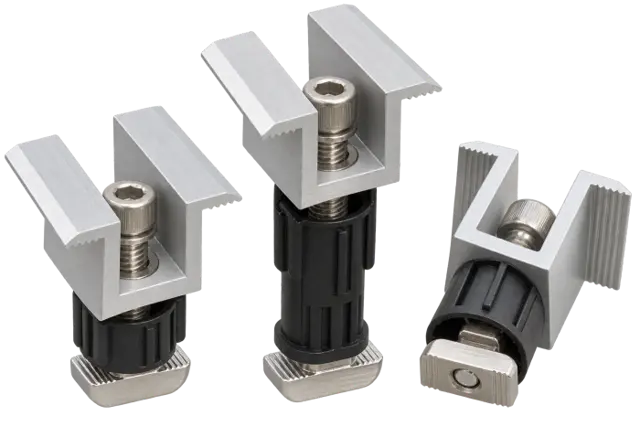
One adjustable aluminium clamp that works as mid or end clamp on 30, 35 and 40 mm module frames — fewer part numbers on site.
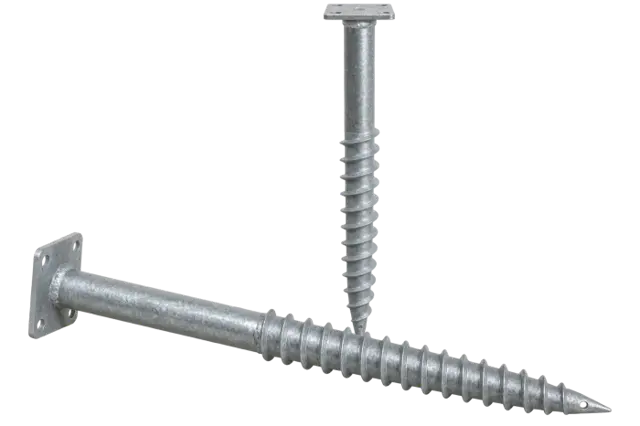
Concrete-free foundation for ground-mount arrays: screwed in by machine in minutes, loadable immediately and fully removable at end of life.
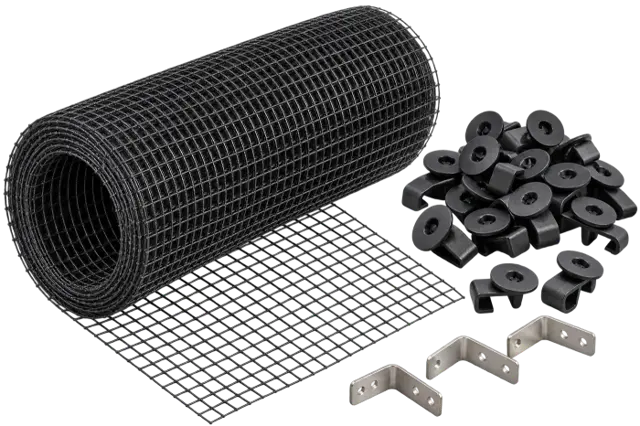
PVC-coated galvanised steel mesh fixed around the array edge with non-penetrating clips — keeps pigeons and debris out from under rooftop panels.
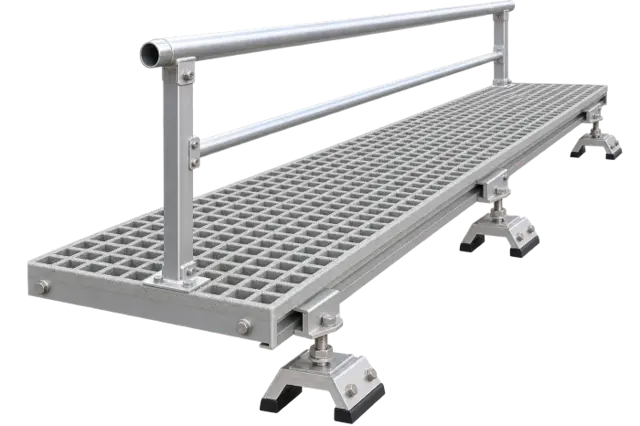
Anti-slip maintenance walkway that protects the roof sheeting and gives cleaners and technicians a safe route between rows; handrail option.

Stainless anchor point or lifeline end post that lets O&M staff clip on a harness when working near roof edges or on pitched roofs.

6.3 × 25 mm hex-head self-drilling screw for fixing L-feet to steel purlins and trapezoidal sheet; bonded EPDM washer seals the hole.
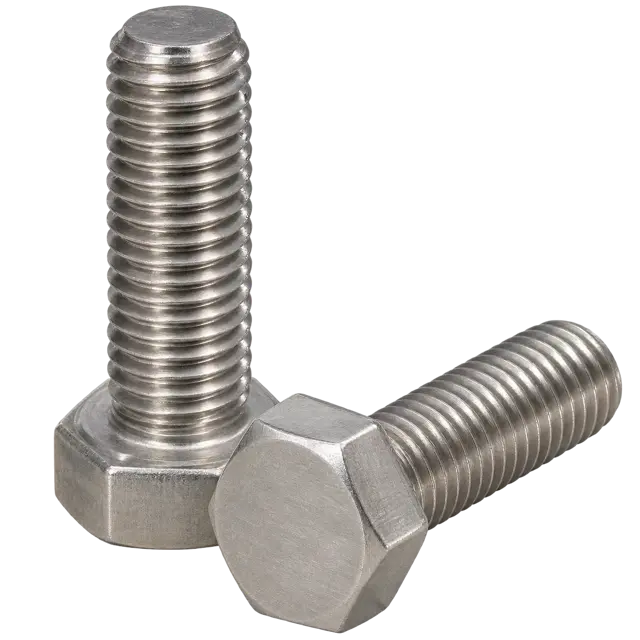
Full-thread hexagon bolts for structure connections in aluminium and steel racks; supplied in boxes of 100.

M8/M10 stainless flange nut with serrated bearing face that resists loosening from wind vibration; box of 100.
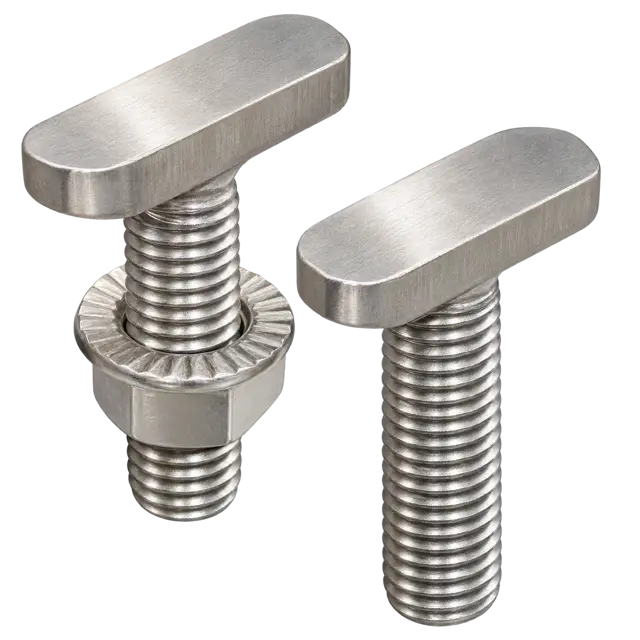
Stainless hammer-head bolt that drops into the rail T-slot and locks with a quarter turn, used with clamps and L-feet.
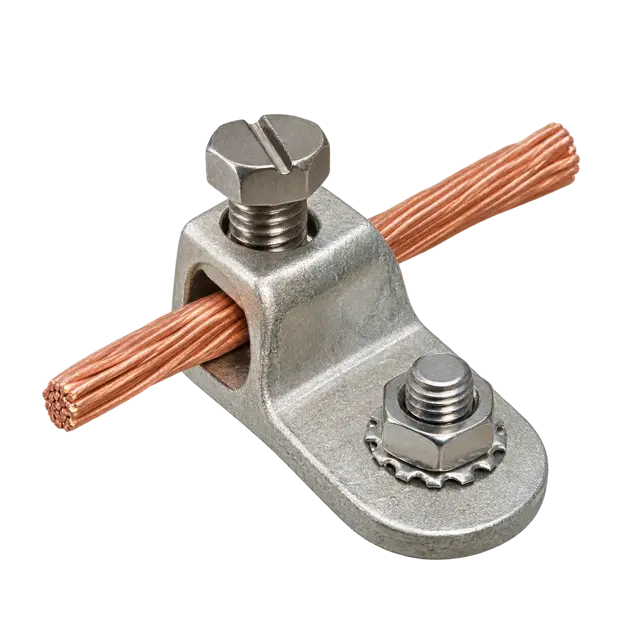
Tin-plated copper/stainless lay-in lug that connects the rail or module frame to the 4–16 mm² earth conductor.

Stainless washer-type clip with piercing teeth placed under the clamp to bond module frames to the rail.

Stainless M8/M10 flat washers (DIN 125) and split spring washers (DIN 127), box of 200.
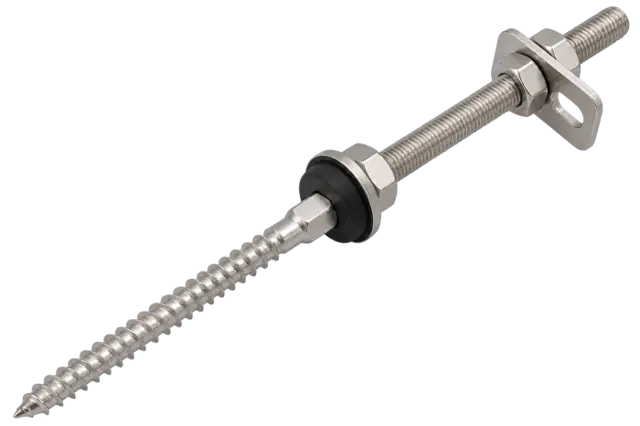
M10 × 200 stainless double-thread bolt for fixing through corrugated or fiber-cement roofs into timber or steel purlins.
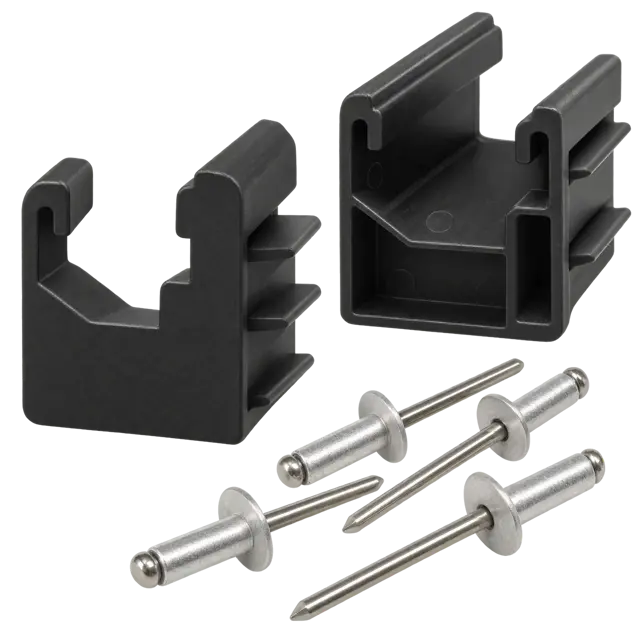
UV-stable plastic end caps that close rail ends, plus aluminium/stainless blind rivets for flashing and trims; set of 50.
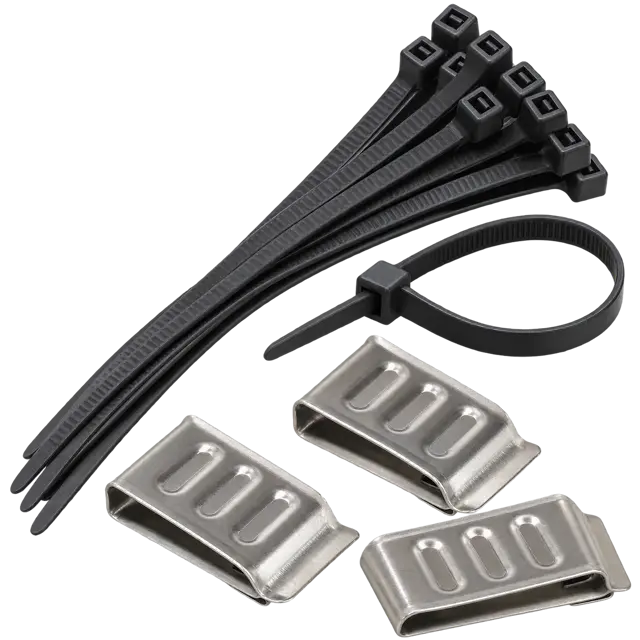
Black UV-stabilized PA66 ties (4.8 × 300 mm) and stainless frame clips for routing DC strings behind modules; pack of 100.
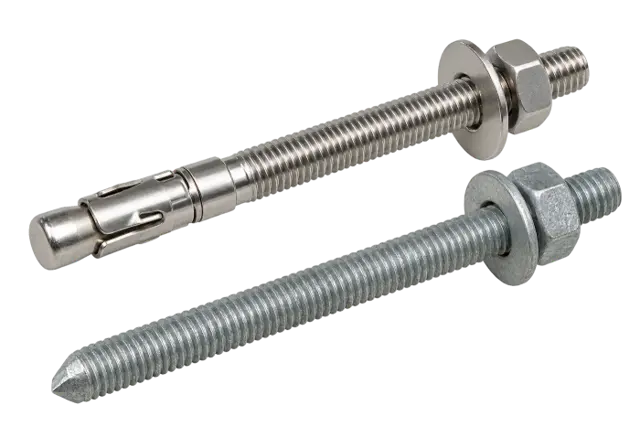
M12 HDG or stainless anchor for fixing carport columns, inverter frames and rooftop bases to concrete.

Double-insulated, UV- and ozone-resistant tinned-copper PV cable rated 1500 V DC, the standard choice for string runs on commercial and utility arrays.

The cross-section used on module leads and short rooftop string runs; 1500 V DC, halogen-free, UV-resistant.
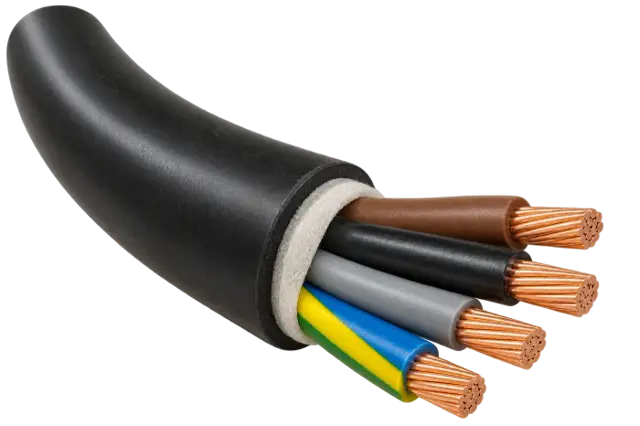
0.6/1 kV copper XLPE-insulated, PVC-sheathed (armored on request) cable linking inverters to the AC distribution board, priced as a representative 5-core 10 mm².
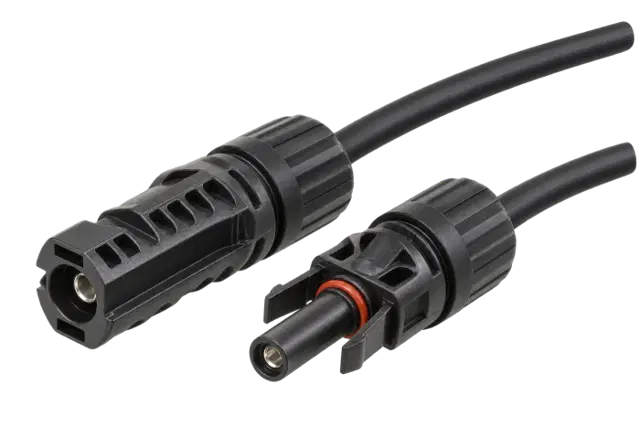
Male + female IP68 PV connectors for 4–6 mm² cable, 1500 V DC, certified to IEC 62852.
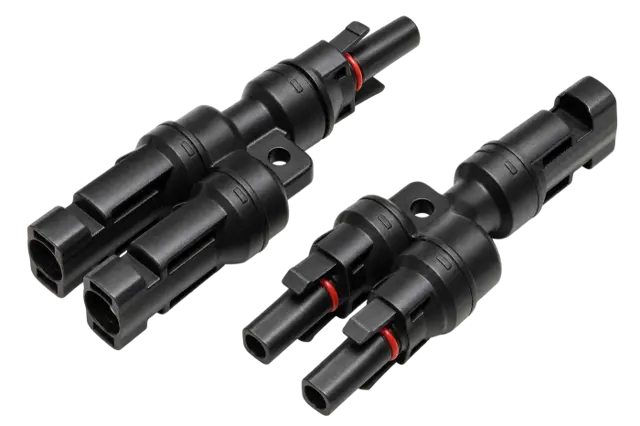
Parallels two strings onto one MPPT input or cable: one male (+) and one female (−) branch, 1500 V.

Ratchet crimper with 2.5/4/6 mm² dies, insertion tool, unlocking wrenches and cable stripper.

IP65 enclosure with gPV string fuses, Type 2 DC surge protection and a load-break isolator, 1000/1500 V DC.
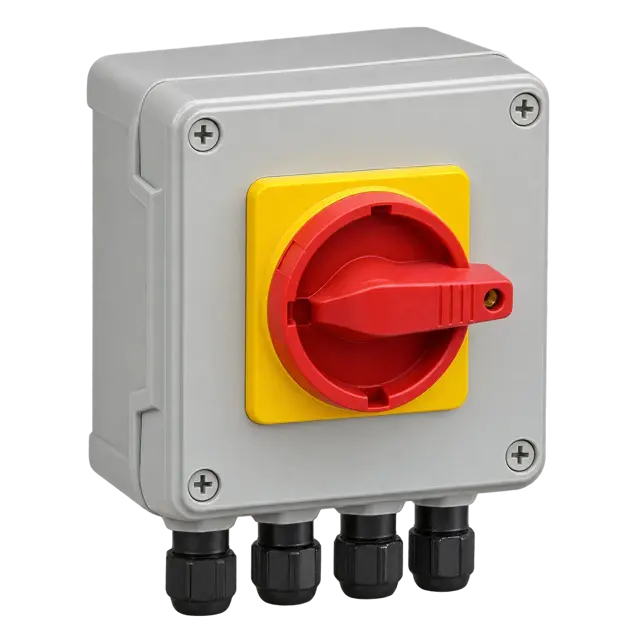
Rotary load-break DC switch in an IP66 enclosure for safely isolating strings ahead of the inverter.
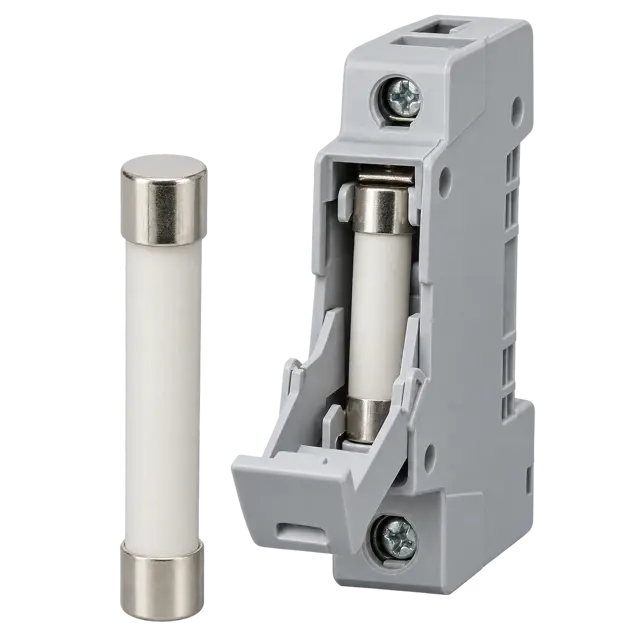
10×85 mm photovoltaic fuse link (15–32 A) with DIN-rail fuse holder, rated to IEC 60269-6.
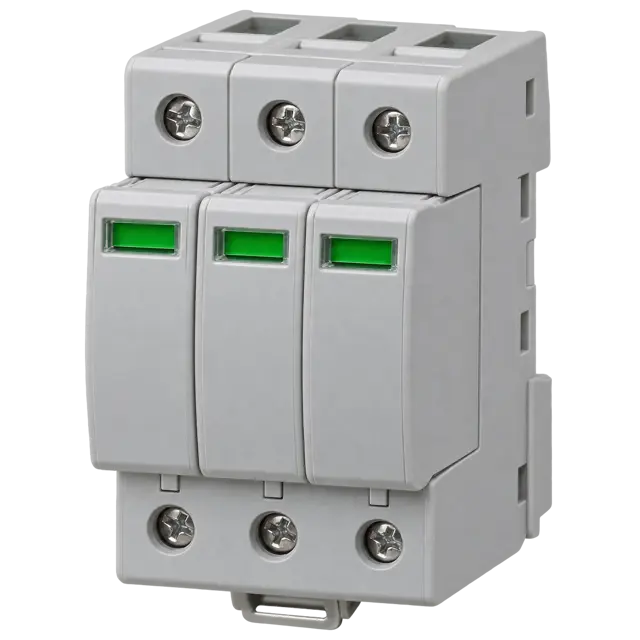
Y-configured MOV surge arrester with thermal disconnect and pluggable modules (In 20 kA, Imax 40 kA) for PV strings.
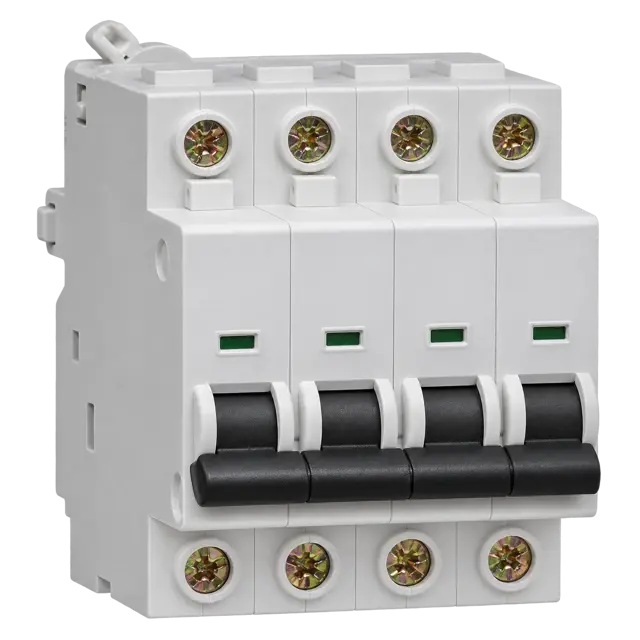
Four-pole C-curve MCB/MCCB (10 kA) protecting each inverter's AC output; representative rating for planning.
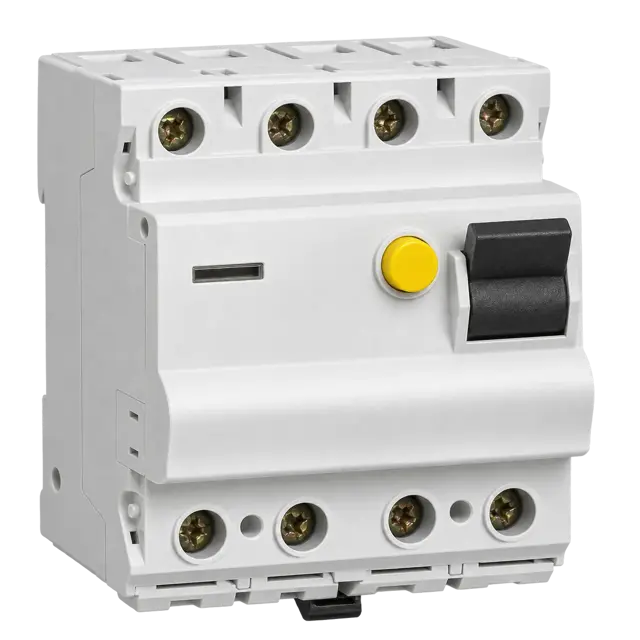
Detects smooth DC as well as AC residual currents. Required where an inverter without galvanic isolation could feed DC fault current.
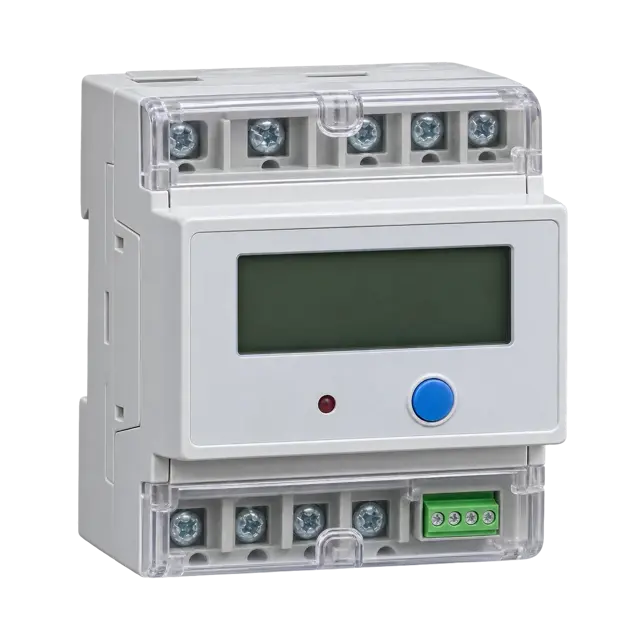
Class 1 (or 0.5S with CTs) import/export meter with RS-485 Modbus for net metering, zero-export control and self-consumption monitoring.
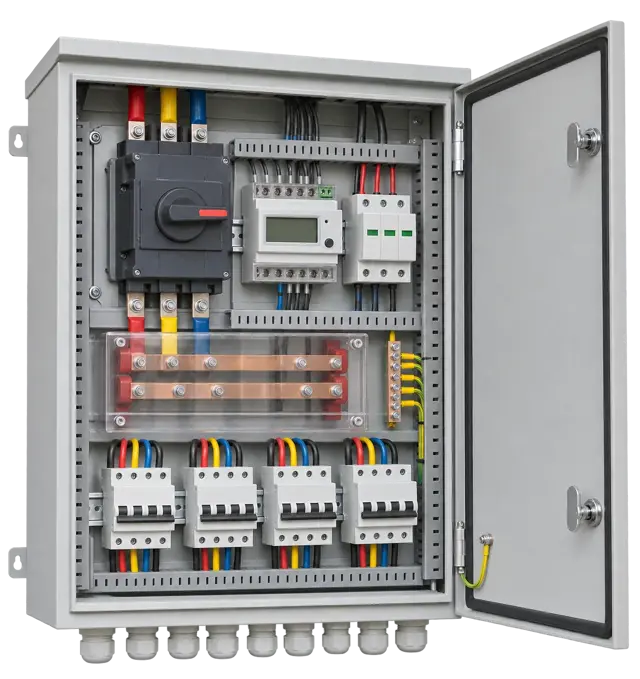
Outdoor IP65 panel collecting several inverter outputs: incoming breakers, main MCCB, Type 2 AC SPD, metering and busbars.
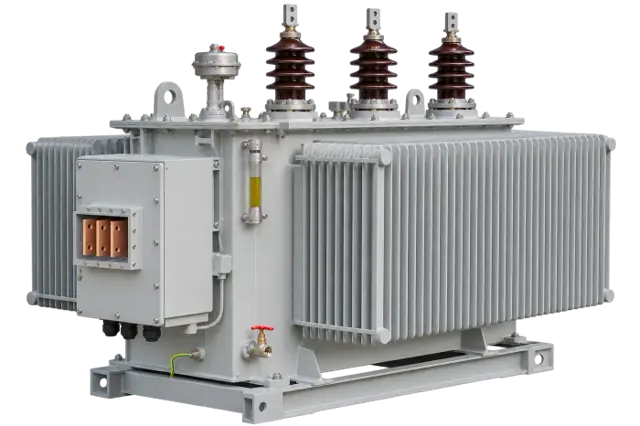
ONAN medium-voltage transformer that lifts inverter output to 33 kV collection voltage on utility-scale PV plants.
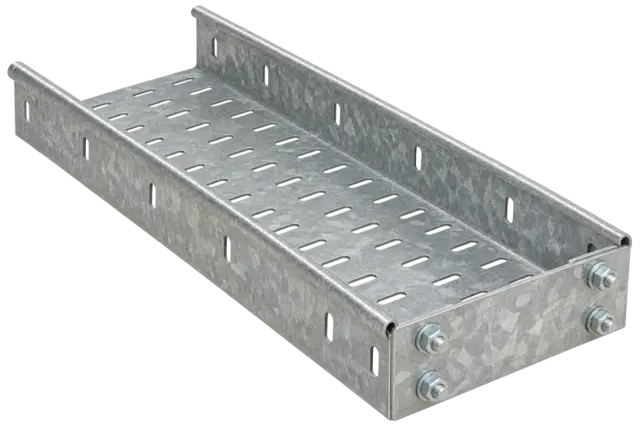
Perforated steel tray with cover for DC and AC cable routing on roofs and along module rows; sold per meter including couplers.
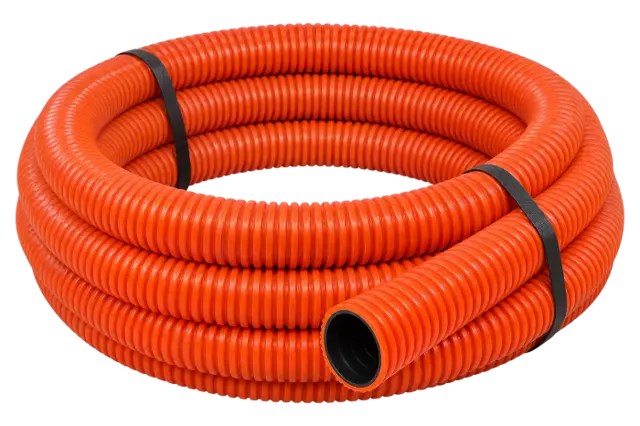
Corrugated double-wall HDPE duct for direct-buried DC and AC runs and road crossings; sold per meter in coils.
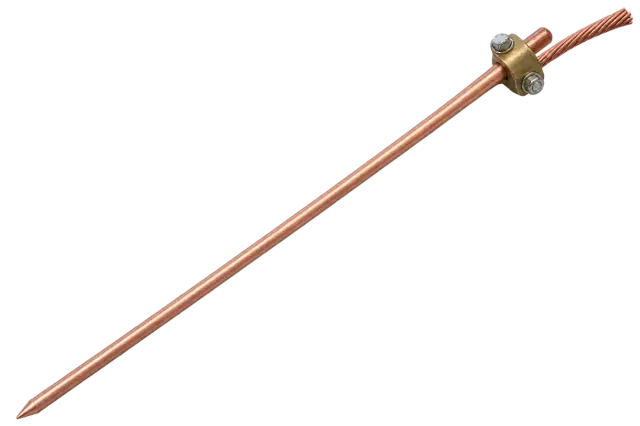
Ø16 mm steel-cored rod with 250 µm electrolytic copper bonding, couplable for deep driving; with gunmetal rod-to-cable clamp.
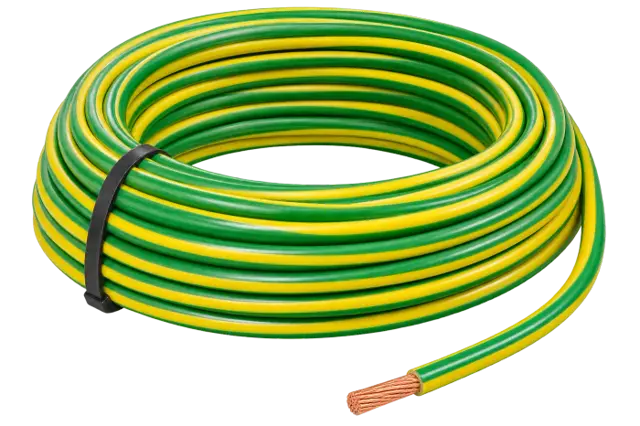
PVC-insulated stranded copper conductor for equipotential bonding of module frames, structures and inverters.
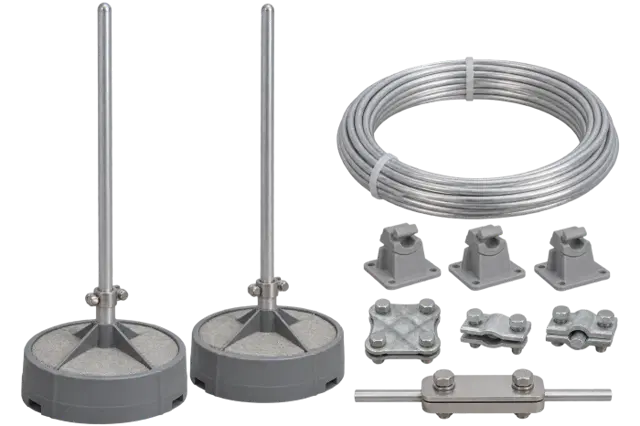
Air-termination rods, concrete bases, down-conductors and test joints per IEC 62305, sized for roughly 100 kWp of rooftop array.
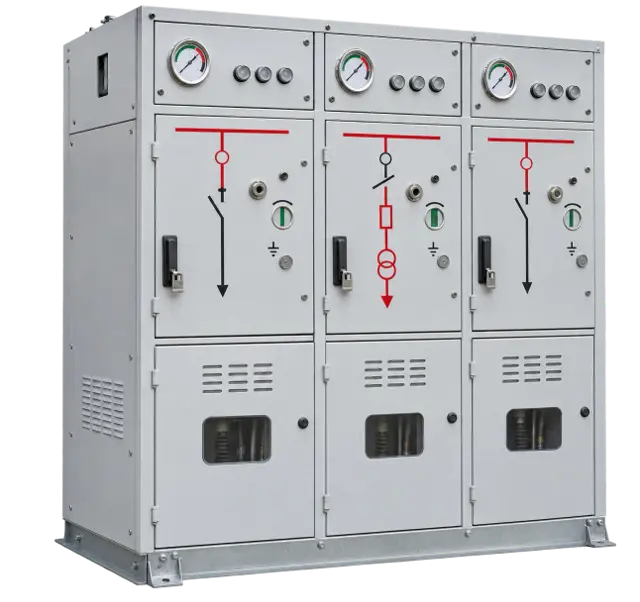
Compact, sealed medium-voltage switchgear that loops the plant's MV cable ring through each inverter transformer — two load-break cable switches plus one protected transformer feeder.

Single-core aluminium, XLPE-insulated, copper-screened medium-voltage cable for 33 kV PV collector circuits — the backbone between inverter skids and the plant substation.
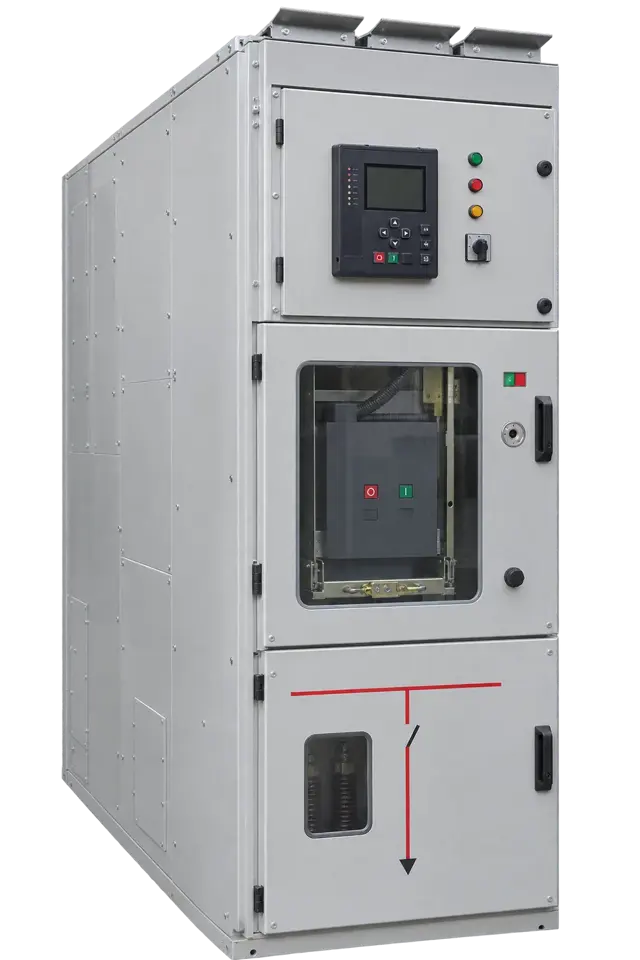
One withdrawable feeder panel of an air-insulated (AIS) or gas-insulated (GIS) 33 kV switchboard — VCB, CTs/VTs and a numerical protection relay, as used in the plant's main MV switchroom.
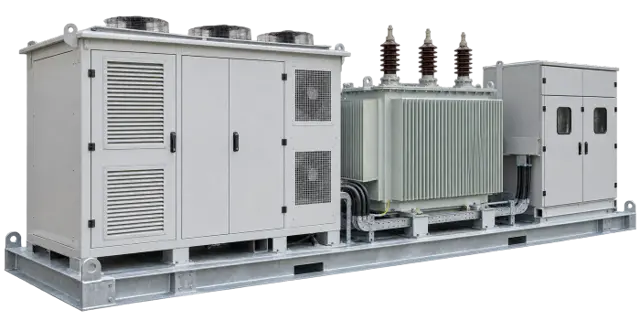
Factory-assembled, pre-tested block that turns a PV field's DC into 33 kV AC: central inverter (or string-collector LV board), oil-immersed step-up transformer, RMU and auxiliaries on one steel skid.
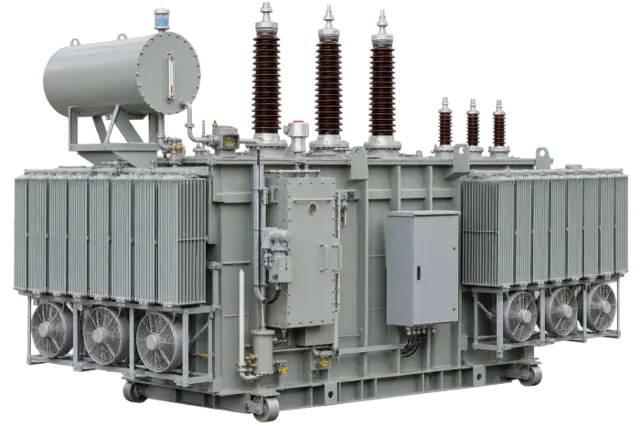
The grid transformer at the heart of a utility PV substation, stepping the 33 kV collector voltage up to 132 kV transmission level, with on-load tap changer and fan cooling.

Compression lugs for terminating power cables on breakers, busbars and inverter AC terminals; bimetal versions join aluminium cable to copper terminals without galvanic corrosion.

Sealing entries that keep dust, sand and water out of combiner boxes, inverters and distribution boards while gripping the cable against pull-out.
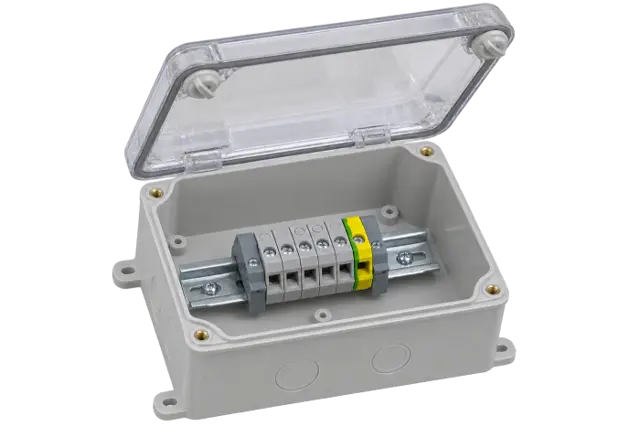
UV-resistant enclosure for splitting, extending or transitioning DC and AC cables on roofs and in plant rooms — supplied with DIN rail and rated terminals.

Touch-safe, open-able fuse carrier that holds gPV string fuses in combiner boxes and lets each string be isolated safely for testing.
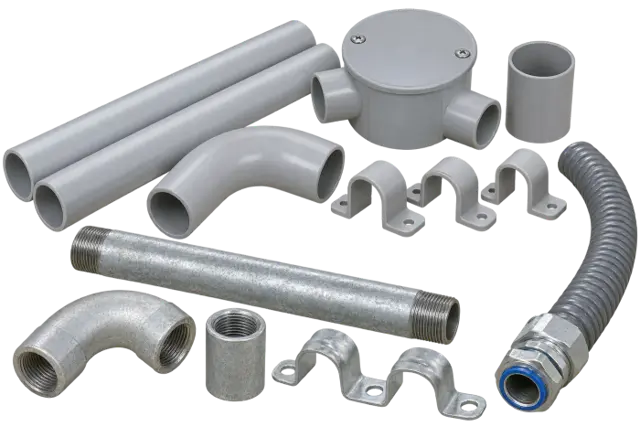
Rigid conduit with couplers, elbows, junction tees, saddles and adaptors for protecting AC and DC cable runs across roofs and walls.
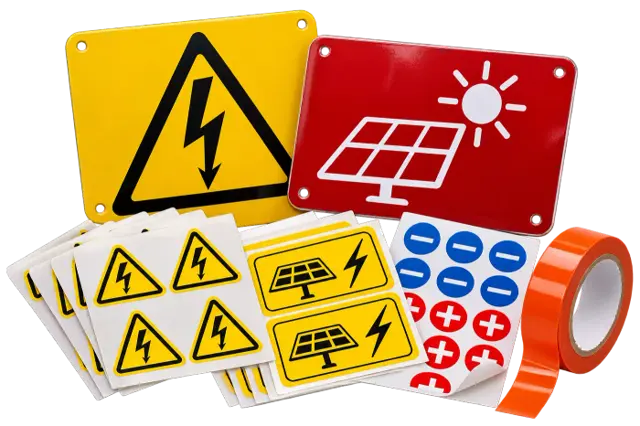
UV- and heat-resistant labels for DC cables, isolators, inverters and distribution boards — DC voltage, dual-supply, rapid-shutdown and arc-flash warnings required at inspection.
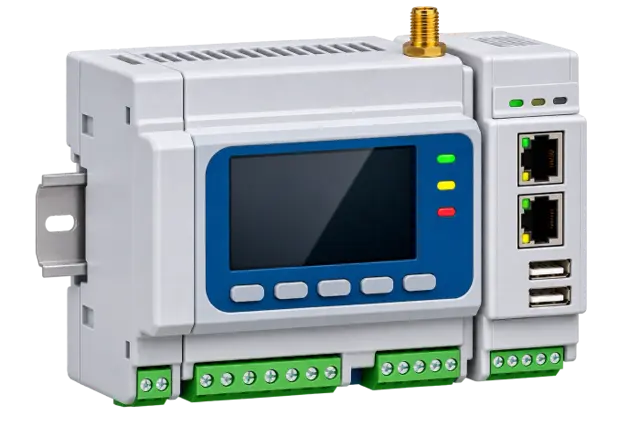
Central communication gateway that collects data from inverters, meters and sensors and sends it to the cloud or SCADA.

Plug-in communication stick that connects a single residential or small commercial inverter to the manufacturer's app.
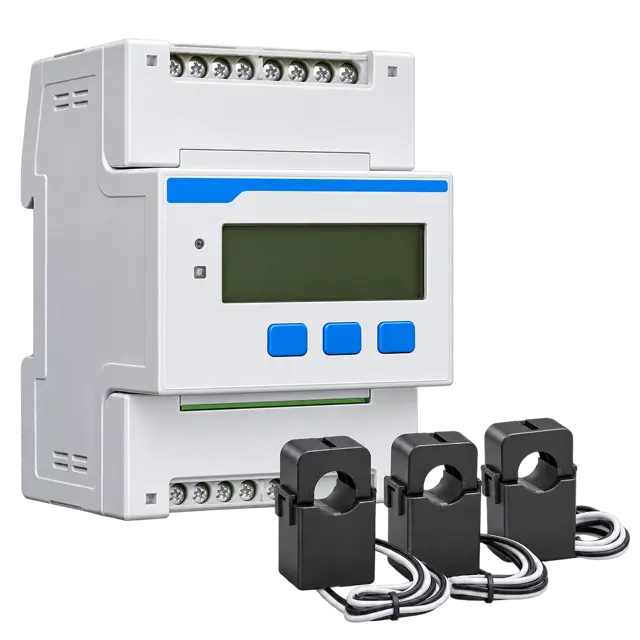
Bidirectional DIN-rail meter measuring grid import/export, required for zero-export control, self-consumption and battery management.
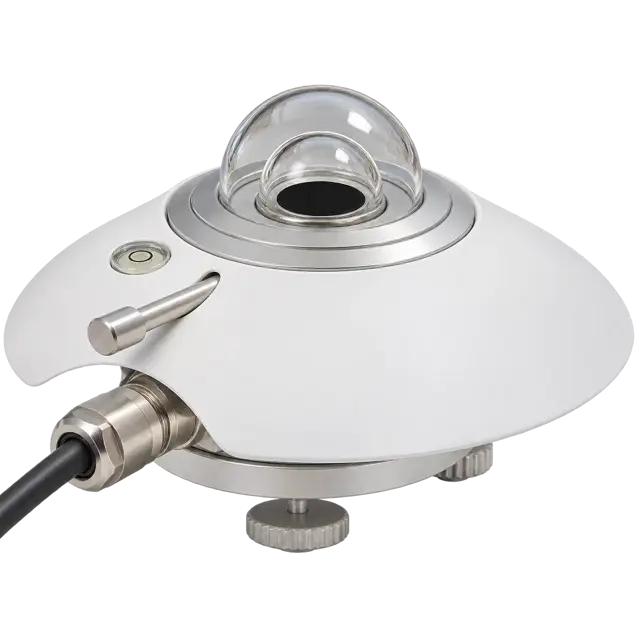
Thermopile sensor measuring global irradiance (W/m²); the reference for performance-ratio (PR) calculation on bankable plants.
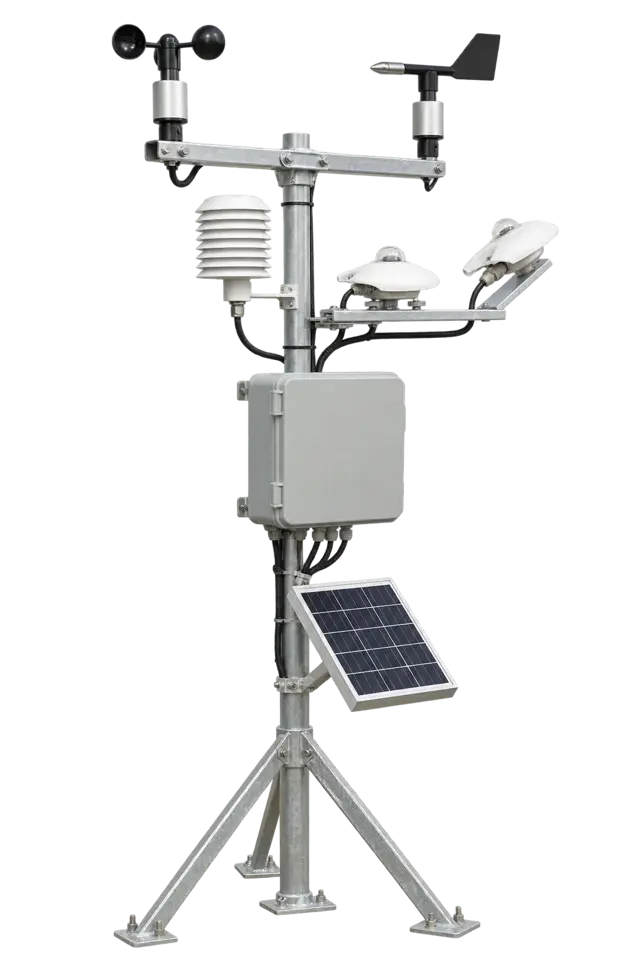
Complete meteorological mast: POA and GHI irradiance, module and ambient temperature, wind, humidity, rain and soiling.
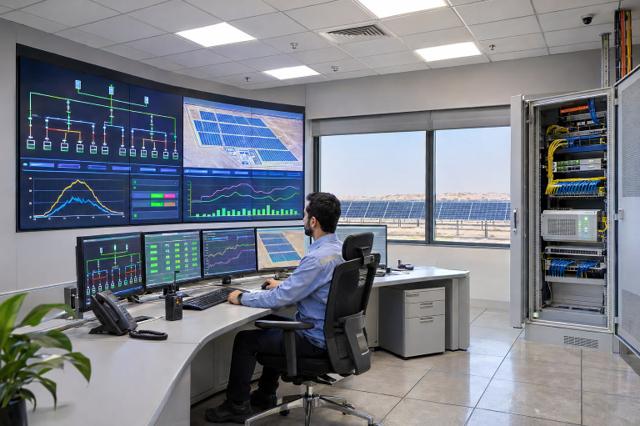
Plant-level supervisory control and grid-code compliance: active/reactive power, voltage and frequency response, alarms and reporting.
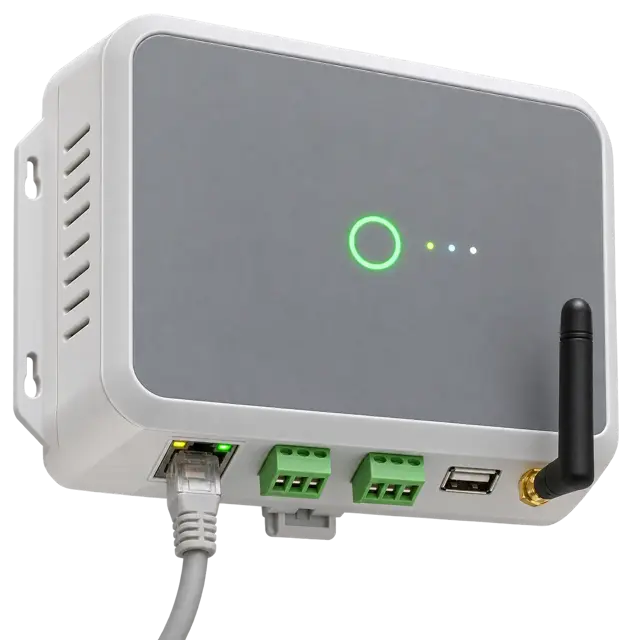
Small controller that coordinates PV, battery, EV charger, heat pump and big loads to use more of your own solar power and avoid peak tariffs.
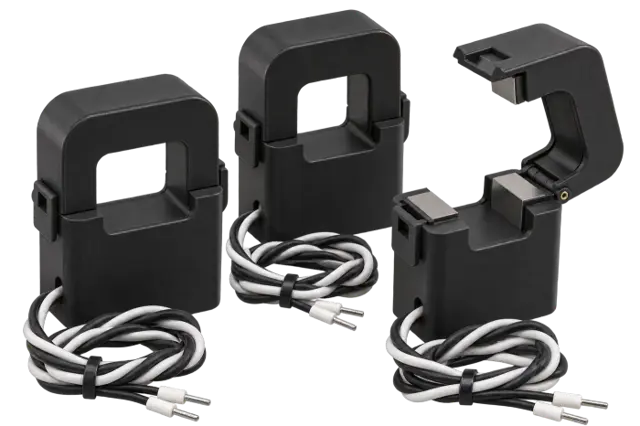
Clip-on current transformers for energy meters, export limiters and monitoring — installed around live cables without disconnecting them.
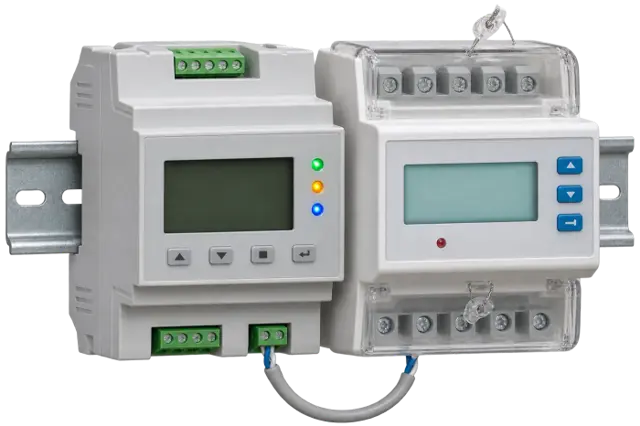
Measures power at the grid connection and curtails inverters in real time so the site never exports more than the utility allows — zero or a set limit.
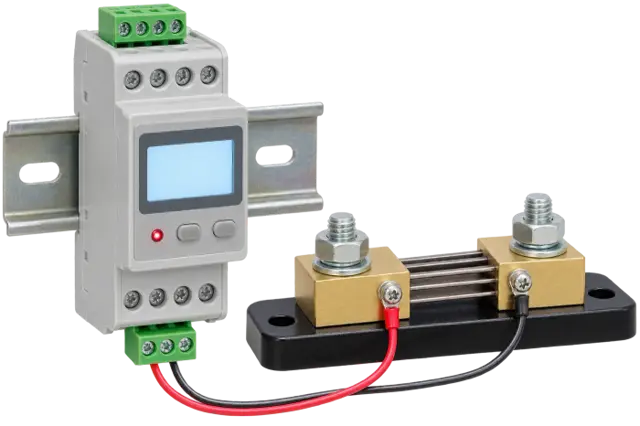
Measures voltage, current, power and kWh on PV strings, battery banks or DC loads; RS485 Modbus output for logging.
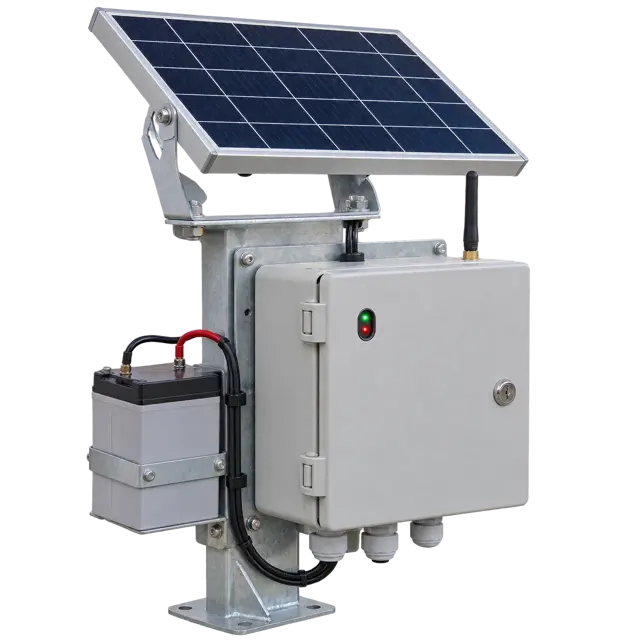
Row-mounted controller that drives a tracker motor using a solar-position algorithm, backtracking and automatic wind and flood stow.
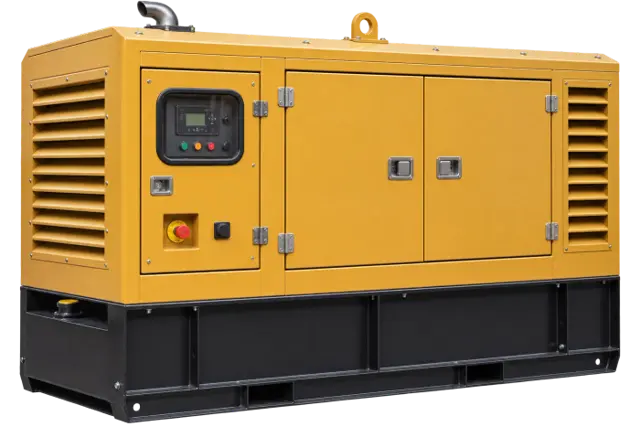
Prime/standby genset for commercial PV-hybrid and backup applications, three-phase 400 V, 50/60 Hz.
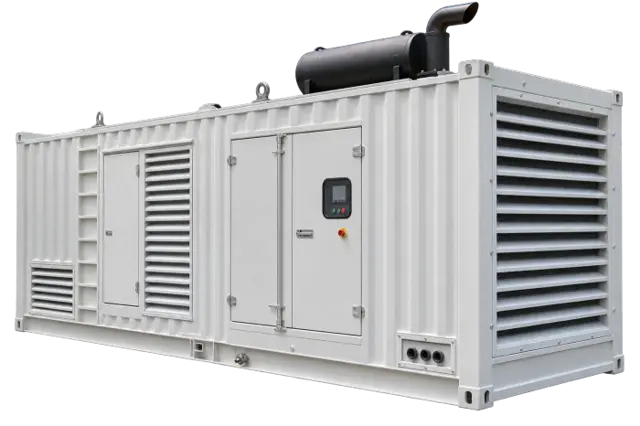
Industrial genset for factories, camps, mines and PV-diesel microgrids; synchronizable for parallel operation.
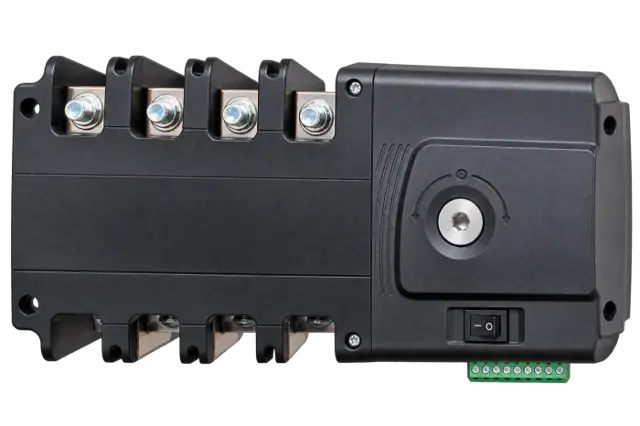
Switches the load between grid and generator automatically on outage, with mechanical and electrical interlock.
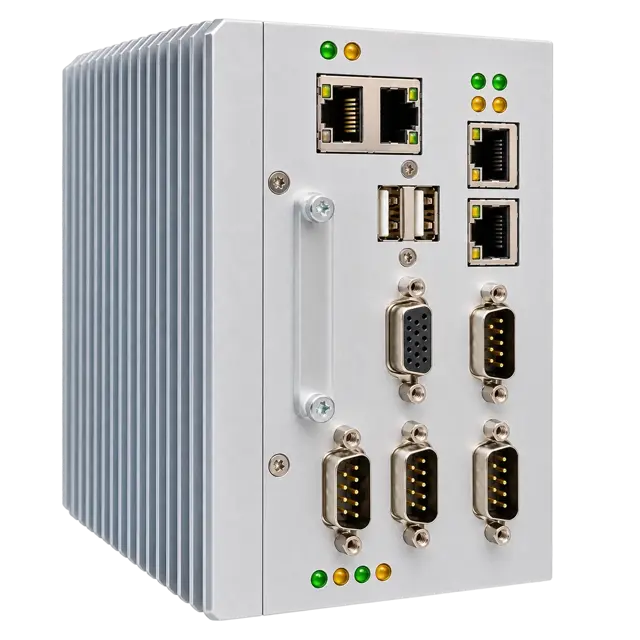
Coordinates PV inverters with generators to maximize solar share while protecting gensets from reverse power and low load.
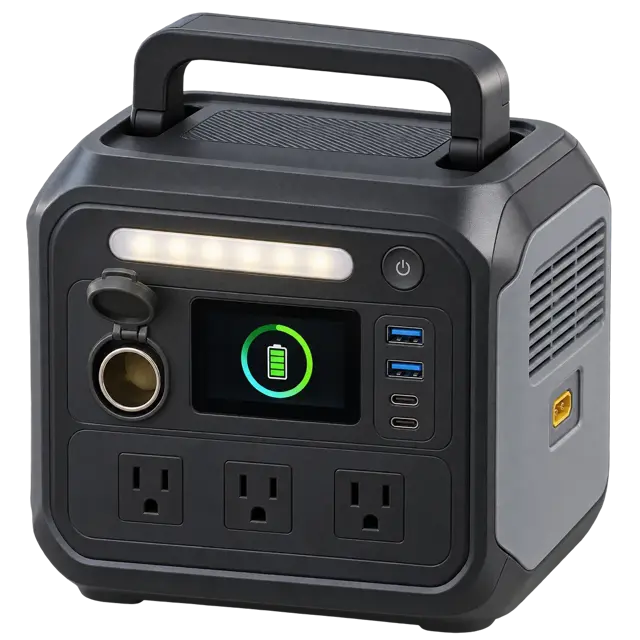
All-in-one battery, MPPT solar charger and pure-sine inverter in a carry case. Good for camping, site tools, mobile work and keeping essentials running at home.
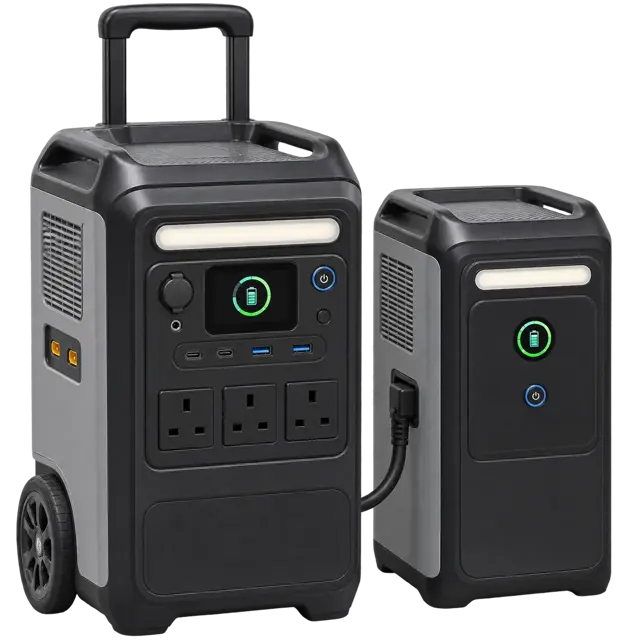
Wheeled LFP power unit with 3.6 kW inverter, dual MPPT inputs and add-on battery packs up to about 20 kWh: home backup with no installer needed.
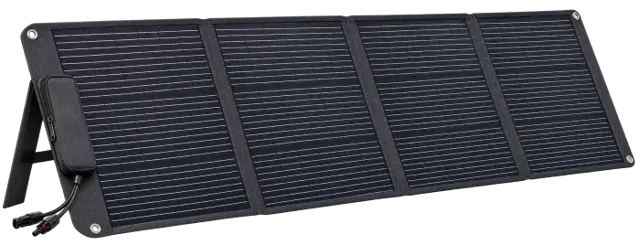
ETFE-laminated monocrystalline panel that folds into a briefcase with kickstands. Connects to power stations through an MC4 or XT60 adaptor.
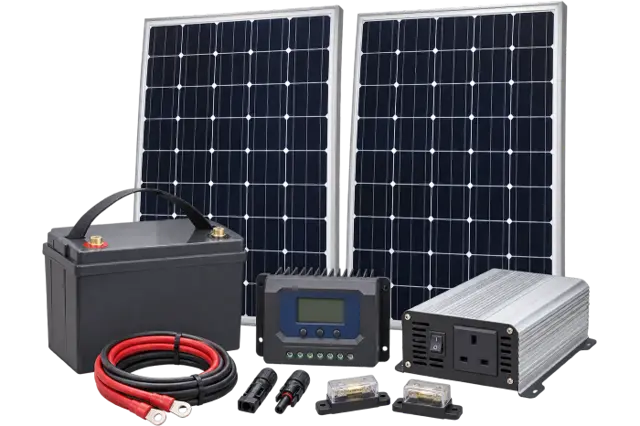
Complete small system for cabins, kiosks, campers and farm huts: 2 × 200 W panels, 30 A MPPT, 12.8 V 100 Ah LFP battery, 1 kW pure-sine inverter, cables and fuses.
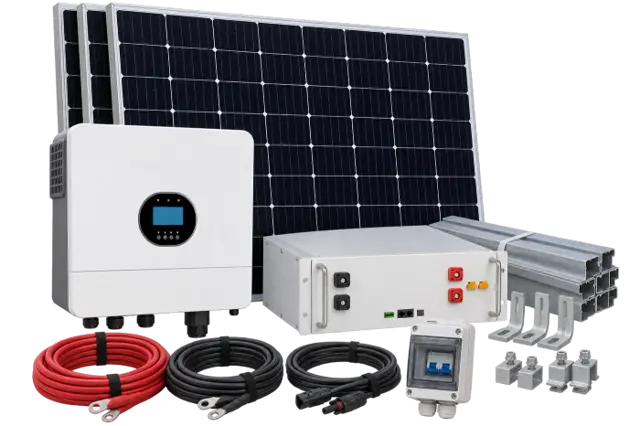
Cabin, farm or remote-site package: 1.5 kWp of modules, an all-in-one 3 kW inverter with built-in MPPT and charger, 25.6 V 200 Ah LFP, mounting and wiring.
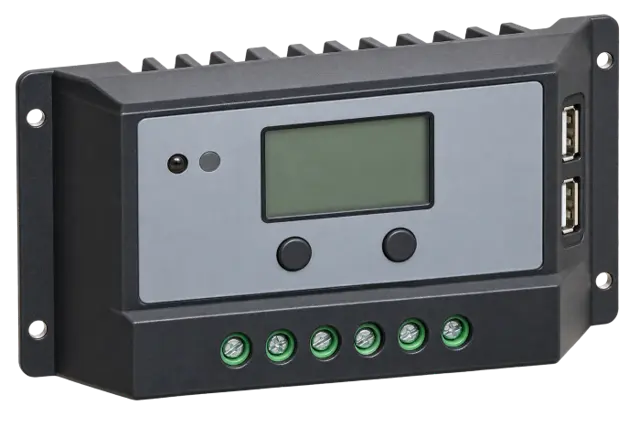
Low-cost controller for small 12/24 V systems with panels matched to battery voltage; LCD, USB outputs and selectable lead-acid or lithium profiles.

Tracks the panel's maximum power point and converts excess voltage into charging current. Handles up to 3.2 kW of PV at 48 V, with Bluetooth monitoring and lithium profiles.

Heavy-duty controller for 48 V battery banks up to 5.8 kW of PV, with longer strings, parallel operation and network monitoring for farms, telecom and remote sites.
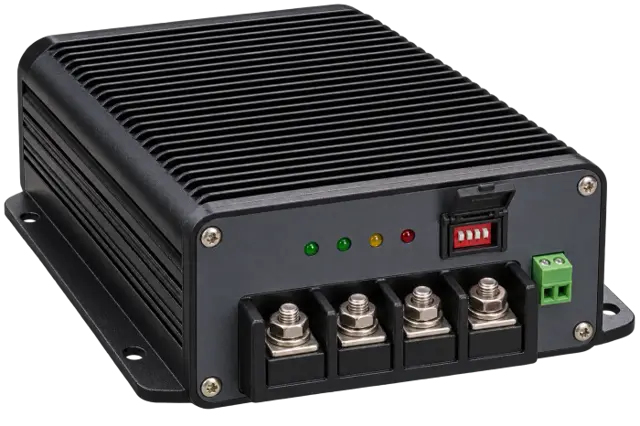
Charges a vehicle or boat house battery from the alternator and roof panels at the same time, with the correct lithium profile and starter-battery protection.
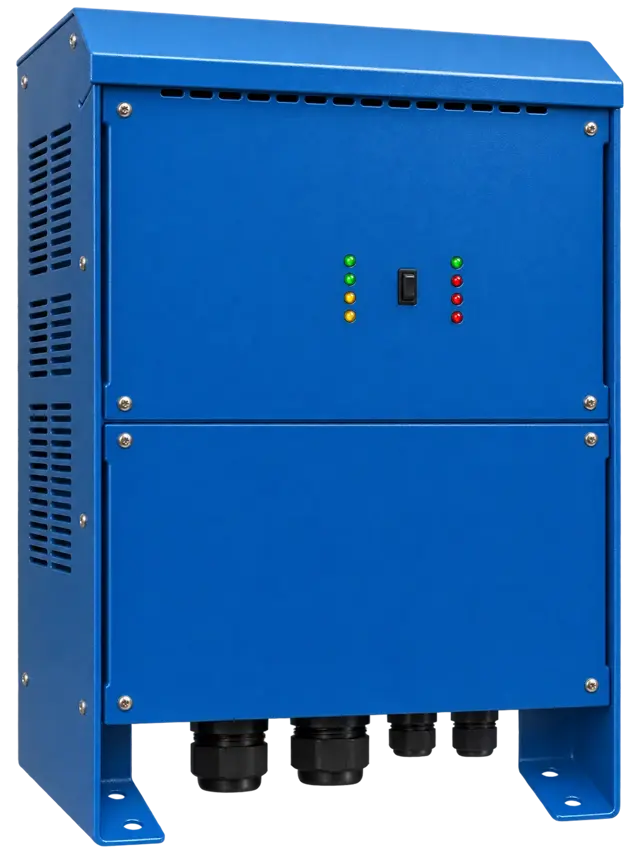
Transformer-based inverter with 3× surge capacity for motors, pumps and compressors, a built-in battery charger and automatic transfer from grid or generator.
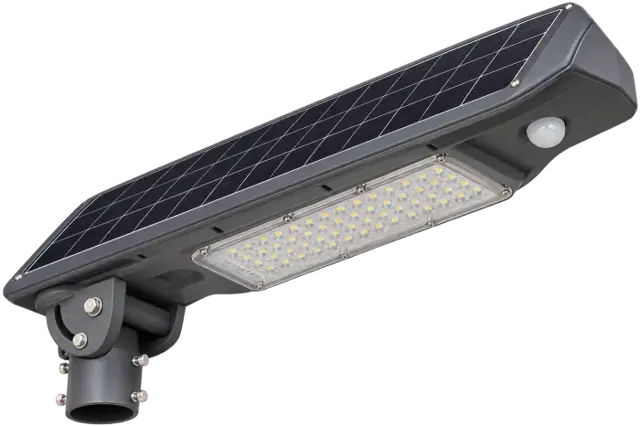
Panel, LFP battery, controller, LED head and motion sensor in one housing for 6–8 m poles. Lights roads, compounds and car parks with no trenching or grid connection.
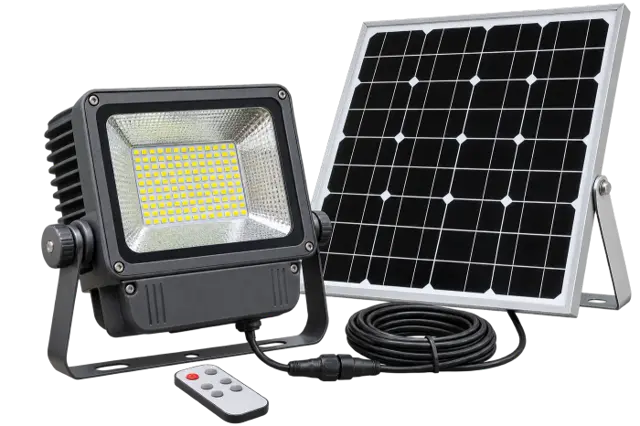
Split floodlight kit with panel, LED floodlight with built-in LFP battery, cable and remote, for yards, gates, farms, signage and site security.

Home wallbox with a Type 2 socket or tethered cable, solar-surplus charging mode and OCPP. The obvious next step after a rooftop PV system.
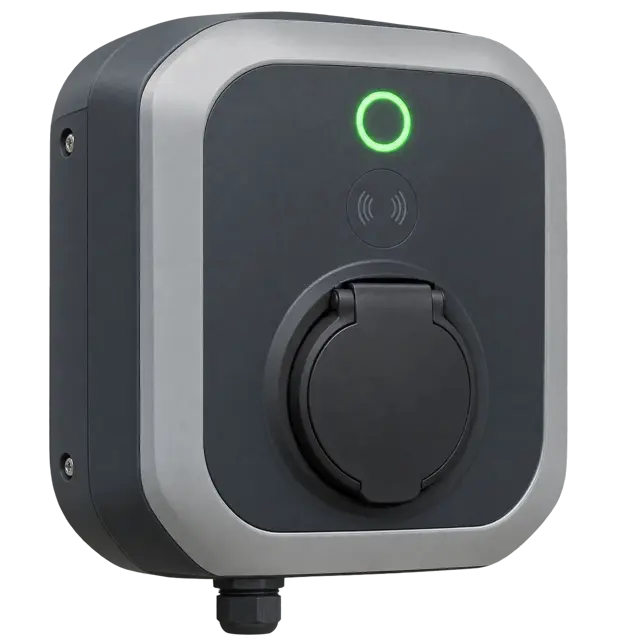
Three-phase 16 A wallbox for villas, offices and small car parks; matches the 11 kW on-board charger fitted to most current EVs.
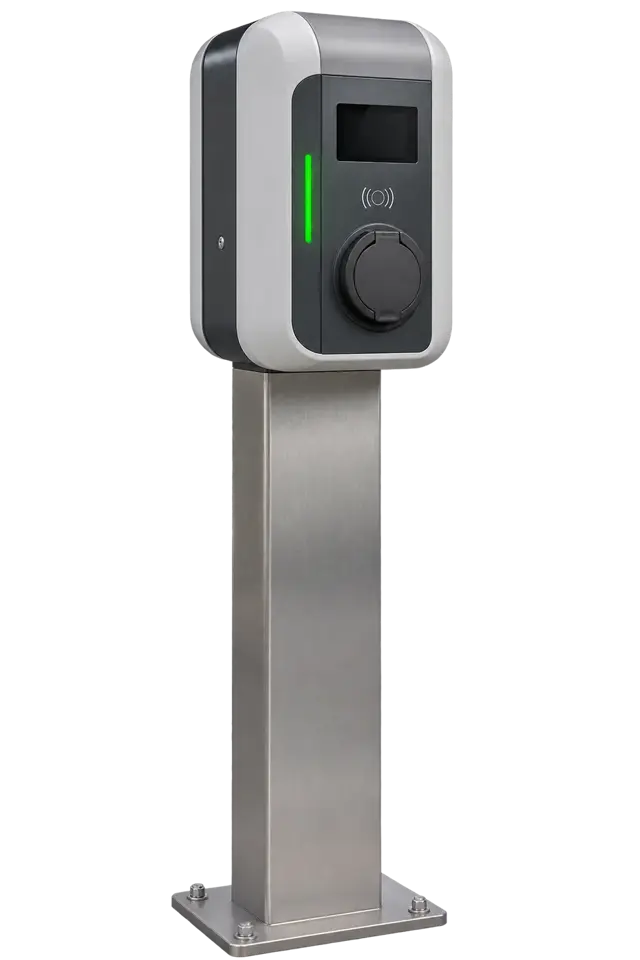
Networked 32 A three-phase charger for solar carports, workplaces, hotels and malls. Wall or pedestal mount, single or twin socket.

Floor-standing DC charger that adds about 100 km of range in 15–20 minutes, for fuel stations, fleet depots, malls and highway stops.

High-power twin-outlet DC charger that splits 120 kW dynamically between two cars. The standard unit for public hubs and fleet depots.
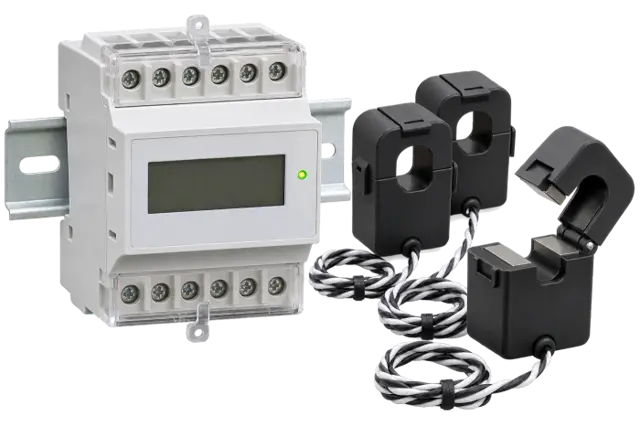
Three-phase meter and split-core CTs that tell the chargers how much capacity is free, so EVs charge fast, use solar surplus first and never trip the main breaker.
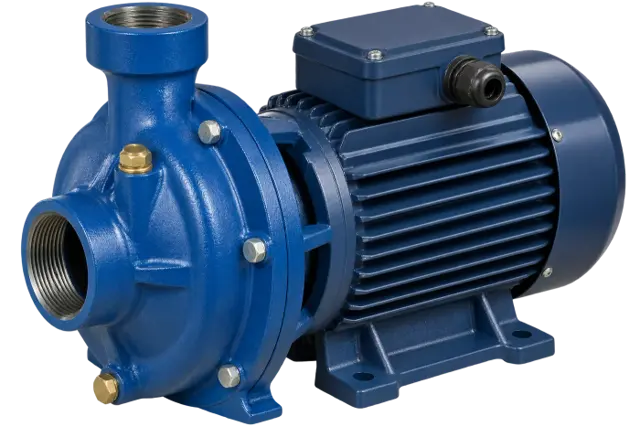
Surface pump for lifting water from tanks, canals and shallow sources into irrigation lines or header tanks, driven directly by a small PV array.

Multistage stainless submersible pump for 4-inch boreholes, for livestock, domestic supply and small-farm irrigation from wells up to about 120 m.
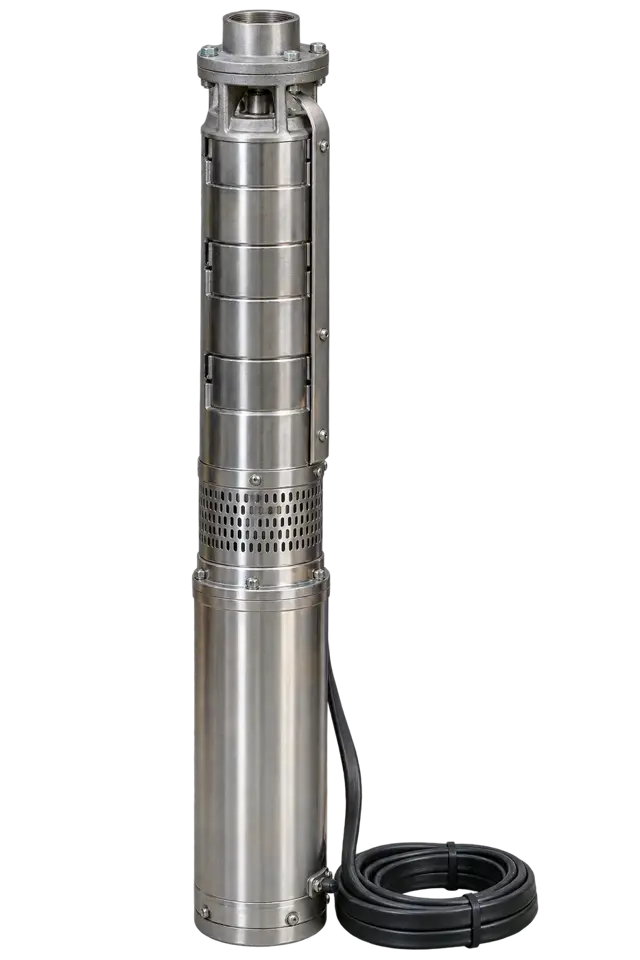
Six-inch borehole pump for farm-scale irrigation and date-palm plantations, replacing diesel pumpsets with a 10–11 kWp solar array.

Variable-frequency drive with built-in MPPT that runs standard three-phase AC pumps straight from PV, with dry-run, overload and tank-full protection.
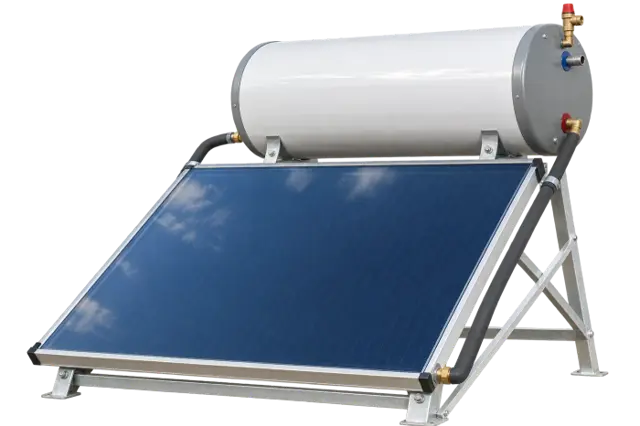
Rooftop flat-plate collector with an enamelled 200 L tank above it. No pump and no controller: the sun alone heats water for a family of four.
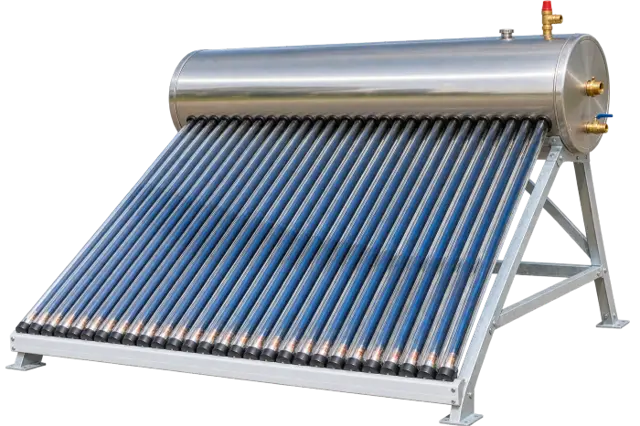
Pressurised heat-pipe system with 30 evacuated glass tubes and a 300 L stainless tank, sized for large villas, staff accommodation and small hotels.
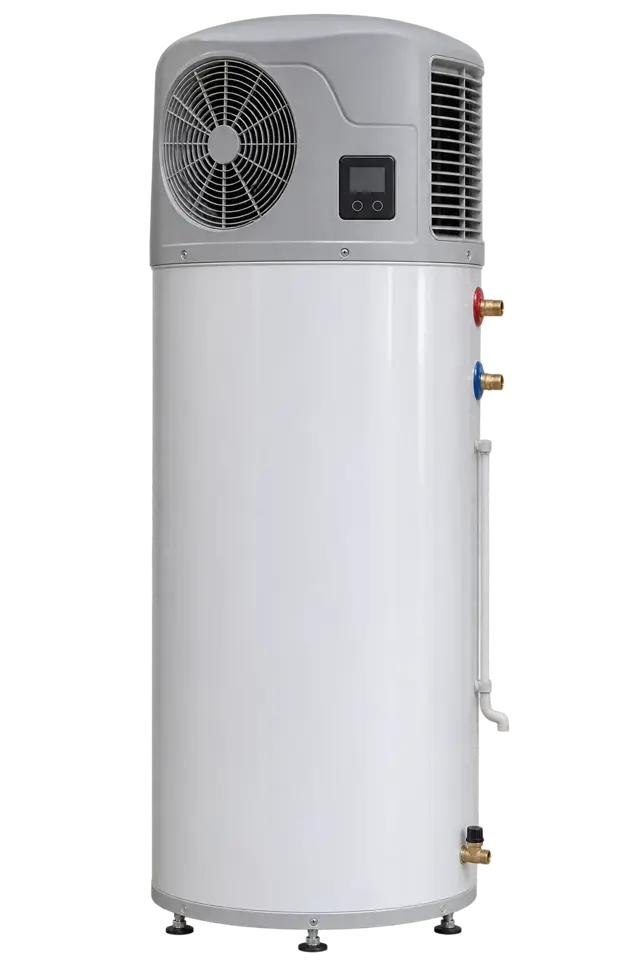
Air-source heat pump on top of a 300 L tank that makes hot water with a third of the electricity of an immersion heater. A good way to use surplus rooftop PV.
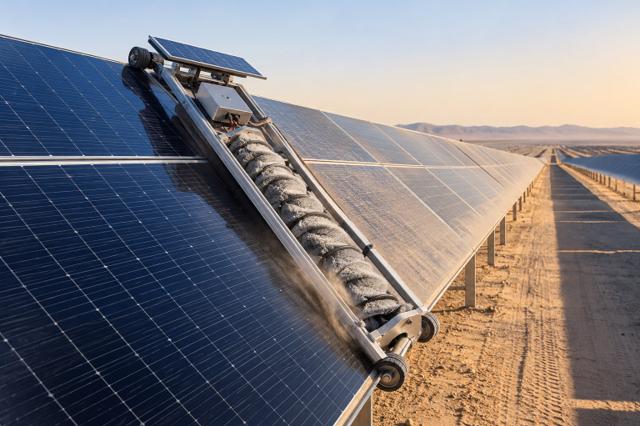
Autonomous microfiber-brush robot that cleans a full table row every night without water; the standard for desert utility plants.
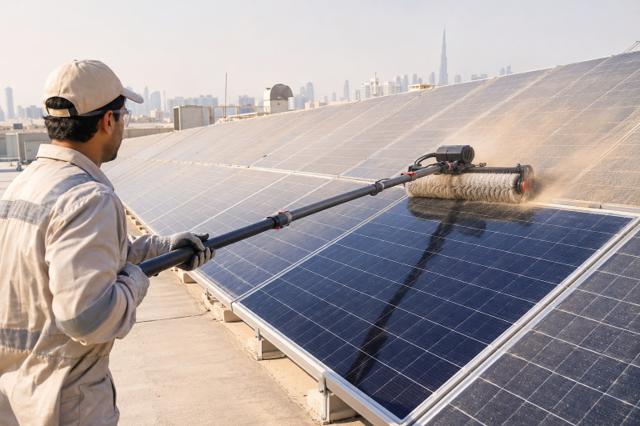
Battery-powered rotating brush on a telescopic pole for rooftops and small plants; optional water connection.
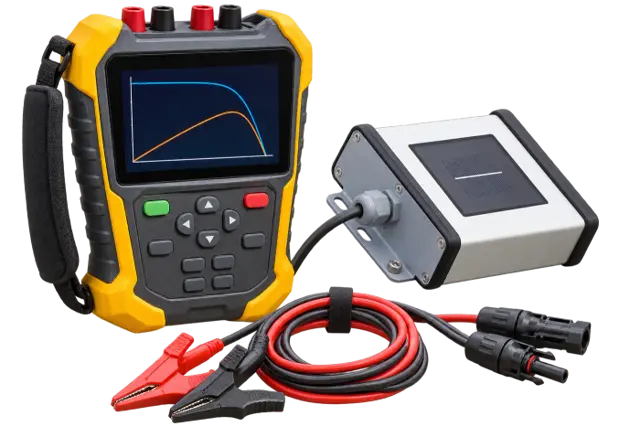
Field instrument that measures the full current-voltage curve of a string and compares it with the datasheet at STC.
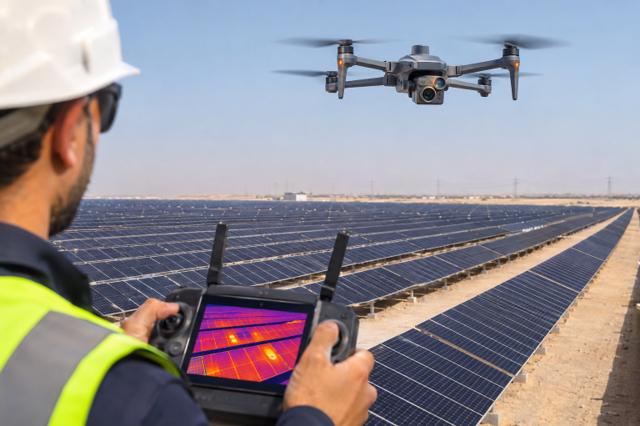
Aerial infrared survey that detects hot spots, failed diodes, disconnected strings and cracked modules across an entire plant in hours.

CAT III 1500 V kit: insulation resistance, Voc, Isc, polarity, earth continuity and DC clamp current for commissioning and fault-finding.

Arc-rated clothing, face shield, insulated gloves and safety footwear for work on live PV DC and LV AC equipment.
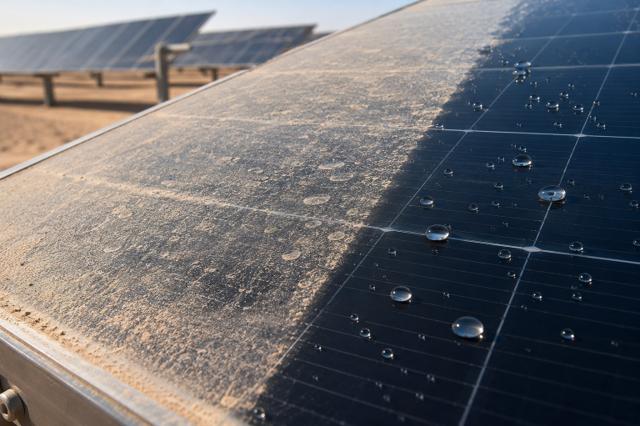
Optional nano-coating applied on site that reduces dust adhesion and makes cleaning easier; lasts 1–3 years.
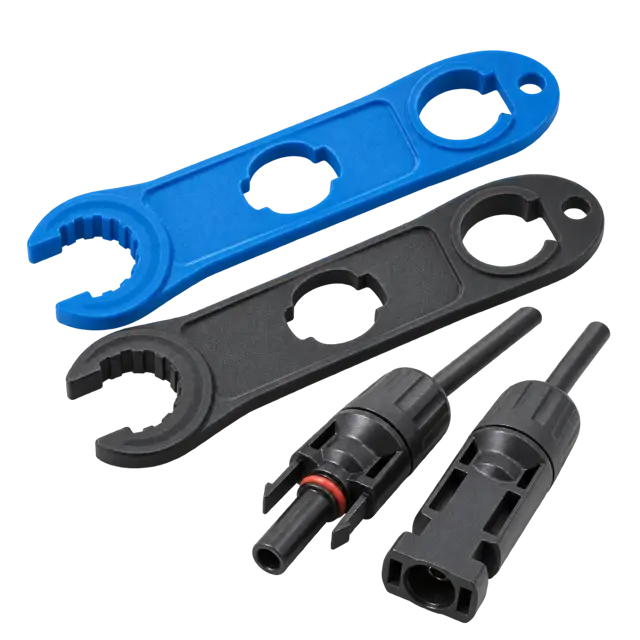
Pair of glass-fibre reinforced spanners for tightening MC4 cable glands and releasing the locking latches without damaging the housing.

Pocket meter reading plane-of-array irradiance in W/m² and module back-sheet temperature — the quick reference for commissioning and performance checks.
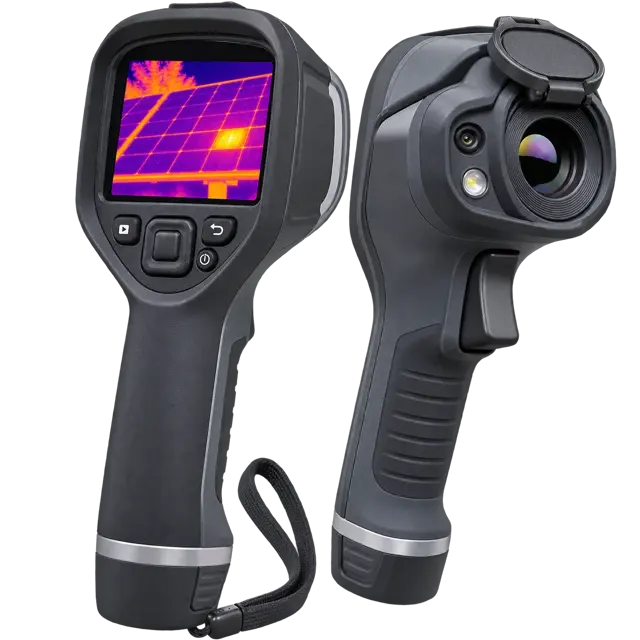
Radiometric infrared camera for finding hot cells, failed bypass diodes, loose terminals and overheated fuses in modules, combiner boxes and switchboards.

Measures earth electrode resistance and soil resistivity with stakes, plus stakeless clamp testing of individual rods in a meshed earthing system.
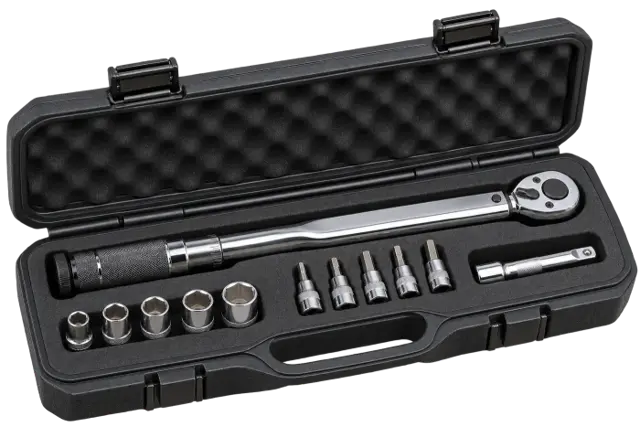
Adjustable 3/8" click wrench with hex, Torx and socket bits for module clamps, rail bolts and terminal screws — tightened to the value on the datasheet, not by feel.

True-RMS clamp meter rated CAT III 1500 V DC for measuring string currents and voltages without breaking the circuit.

EN 361 harness with dorsal and sternal D-rings and a twin-leg EN 355 shock-absorbing lanyard for rooftop and carport work.

IEC 60903 class 0 rubber gloves for work up to 1000 V AC / 1500 V DC, worn under leather over-gloves that protect them from cuts and abrasion.

Vented safety helmet with four-point chin strap, anti-fog UV400 glasses and an evaporative neck wrap — basic daily PPE for desert solar sites.
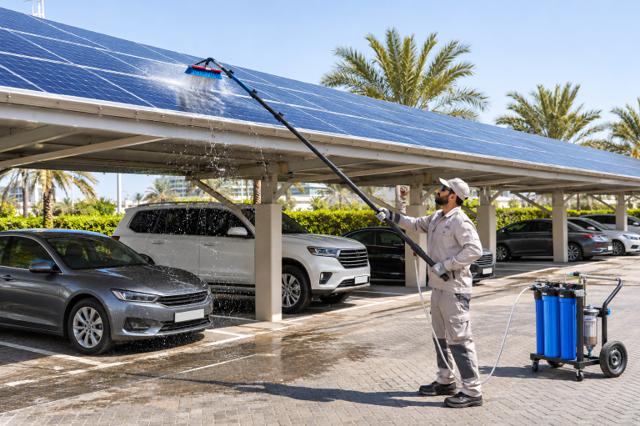
Carbon-fibre telescopic pole with a soft-bristle brush and water feed for cleaning rooftop and carport arrays from the ground or a walkway.
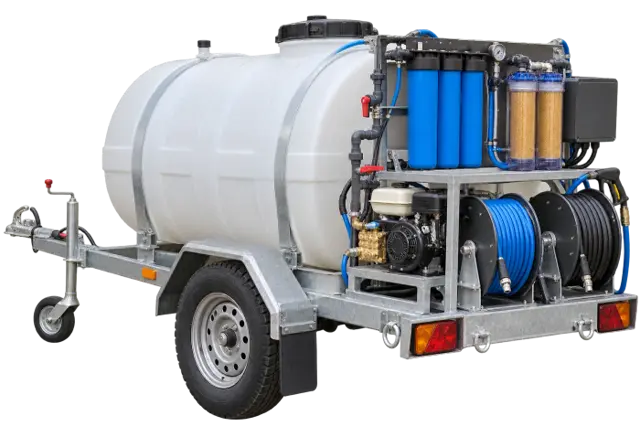
Trailer- or skid-mounted reverse-osmosis and deionisation unit with tank, pump and hose reels, producing spot-free water below 10 ppm TDS from tanker or well water.
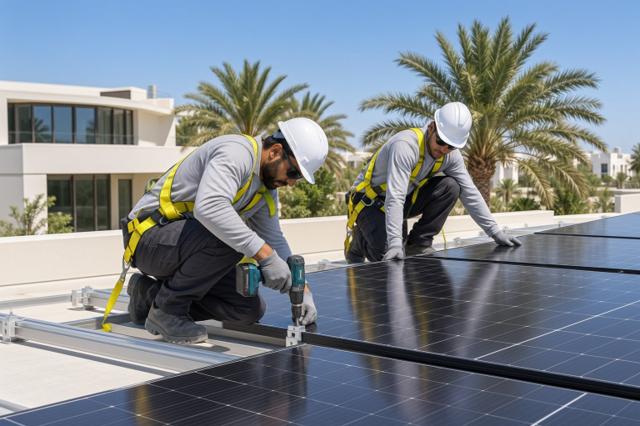
Turnkey rooftop installation for villas and homes: mounting, wiring, inverter, testing and grid-connection paperwork.
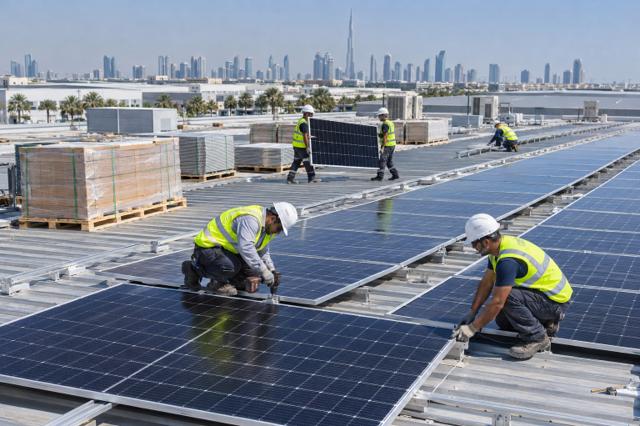
Rooftop and carport installation for warehouses, factories, malls and schools, from 50 kWp to several megawatts.
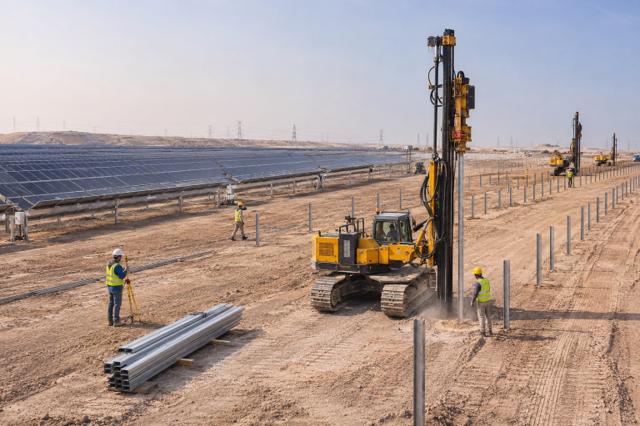
Construction of ground-mounted solar plants: labor, civil works, electrical works and commissioning. Modules, inverters and structure are priced separately.

PV layout, string sizing, single-line diagrams, yield simulation and bill of materials, ready for permit and procurement.
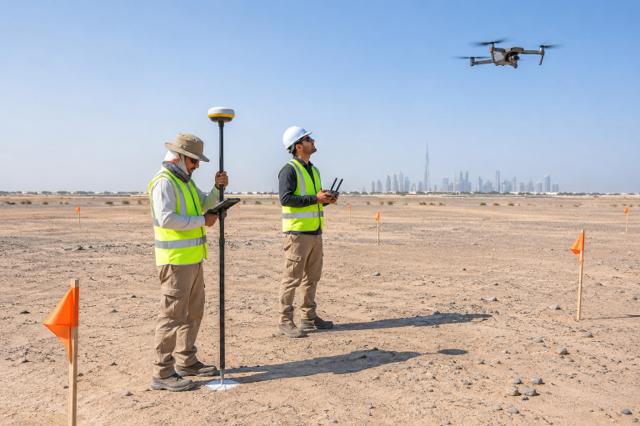
Technical and financial assessment of a solar project: resource, yield, CAPEX, OPEX, LCOE, payback and IRR.
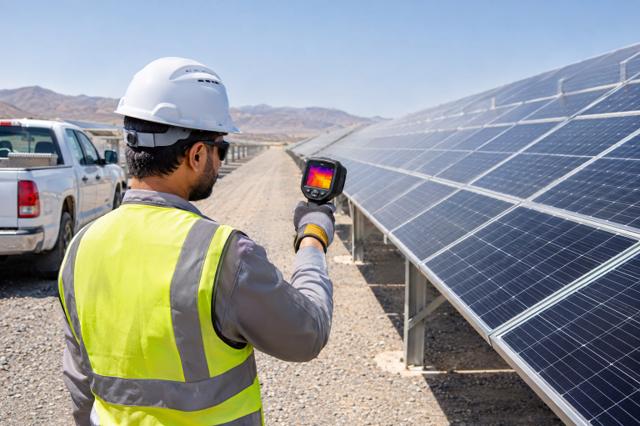
Preventive and corrective maintenance, module cleaning, monitoring and performance reporting, priced per kWp per year.

Indicative door-to-port cost per 40' high-cube container from China to Jebel Ali, including port handling.
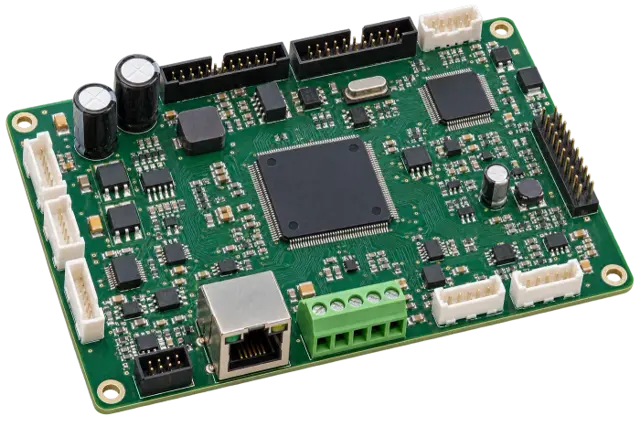
Replacement main control board for string and hybrid inverters, handling measurement, MPPT, grid synchronisation, protection and communication.
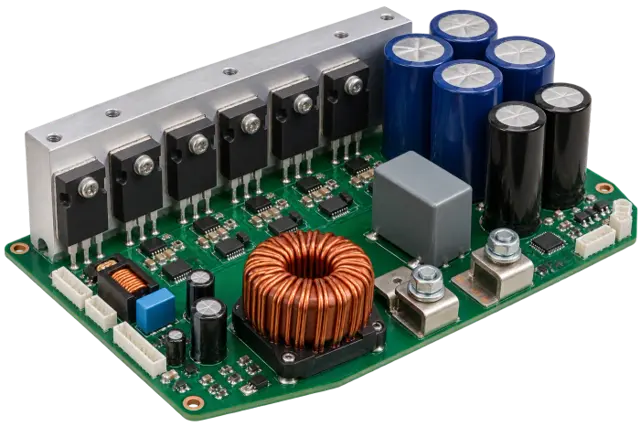
Power-stage board carrying the boost and inverter bridges, gate drivers and DC-link capacitors. The major spare most often needed after surge or overheating damage.
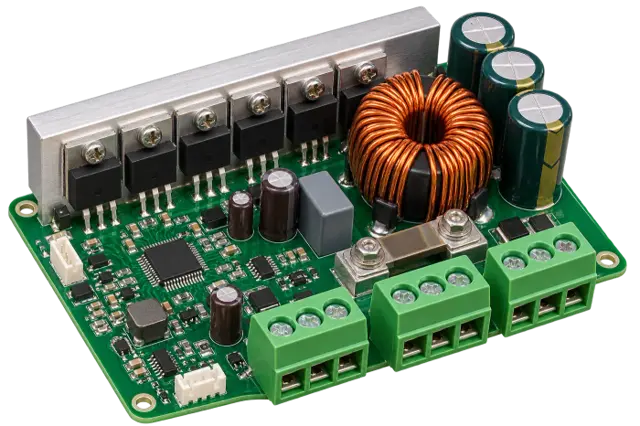
Assembled MPPT buck-converter board with automatic 12/24/48 V battery detection, for off-grid controller builds and repairs.
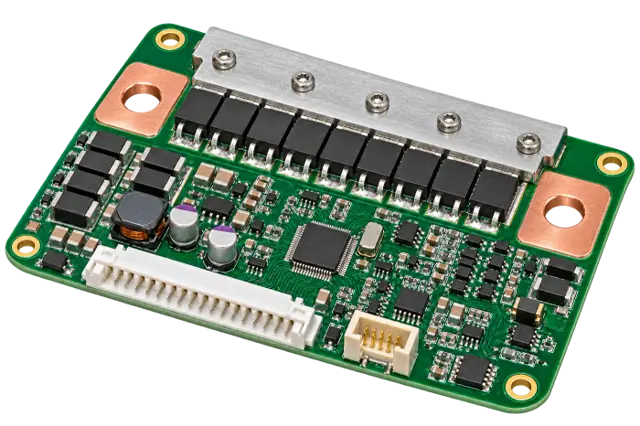
Battery management board for 48 V-class LFP packs with cell monitoring, MOSFET switching, passive balancing and CAN/RS485 inverter communication.
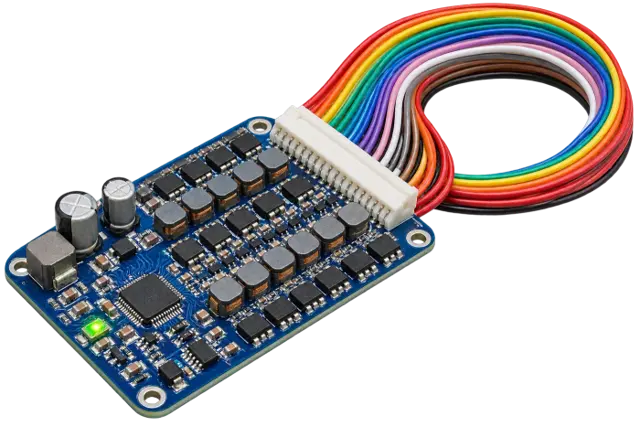
Capacitive or inductive energy-transfer balancer that moves charge between cells continuously, keeping large LFP packs aligned.
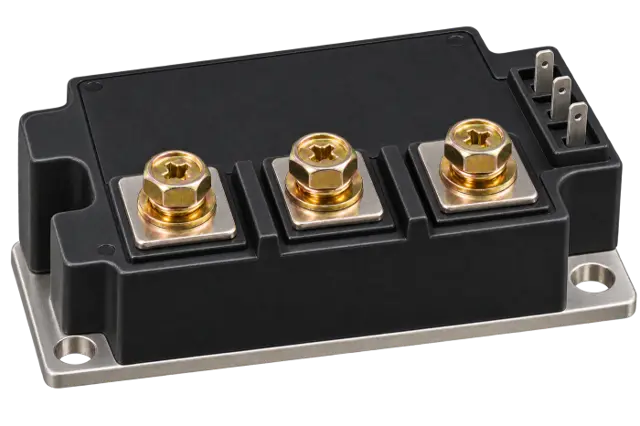
Industry-standard 62 mm half-bridge IGBT module with anti-parallel diodes, used in central and large string inverters, PCS and motor drives.
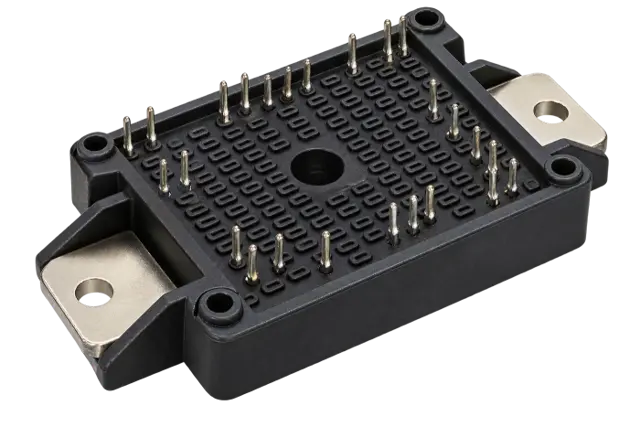
Silicon-carbide half-bridge module for high-frequency, high-efficiency inverters, DC/DC stages and fast chargers.
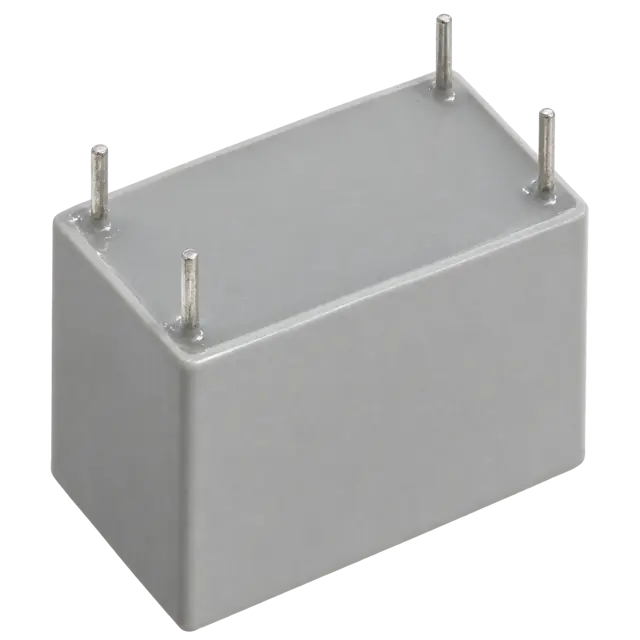
Self-healing metallised-polypropylene capacitor for inverter DC buses, with high ripple-current rating and long life at elevated temperature.
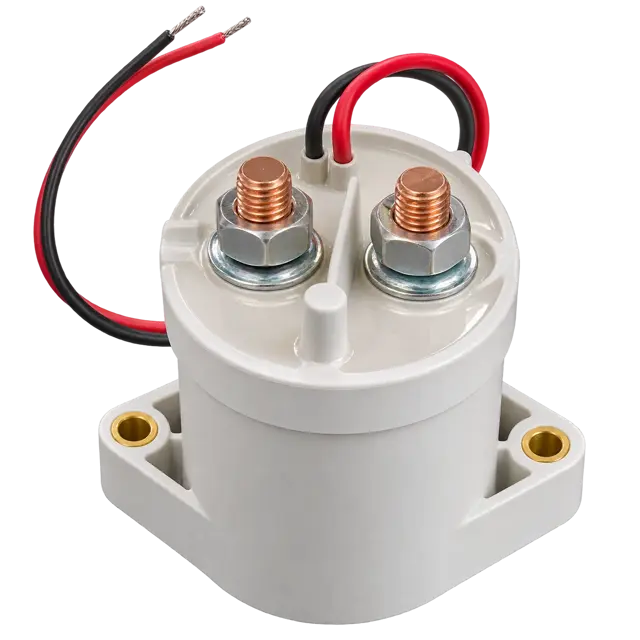
Sealed, gas-filled DC contactor for battery racks, PCS and high-voltage battery packs, with magnetic arc blow-out and auxiliary contact.
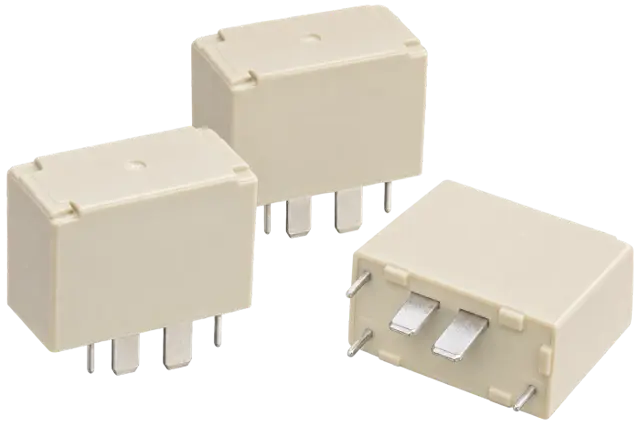
PCB-mount power relay used as the AC output disconnect in string and hybrid inverters, with wide contact gap for grid-code isolation.
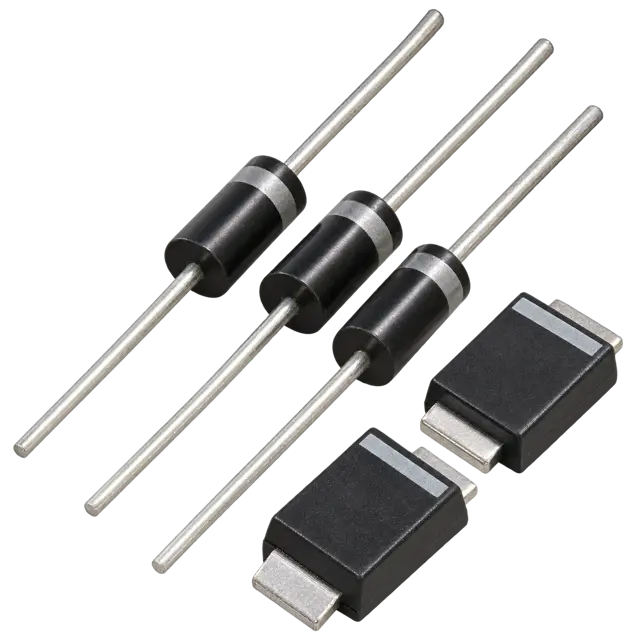
Schottky bypass diodes for PV junction boxes that route current around shaded or damaged cell groups and prevent hot spots.
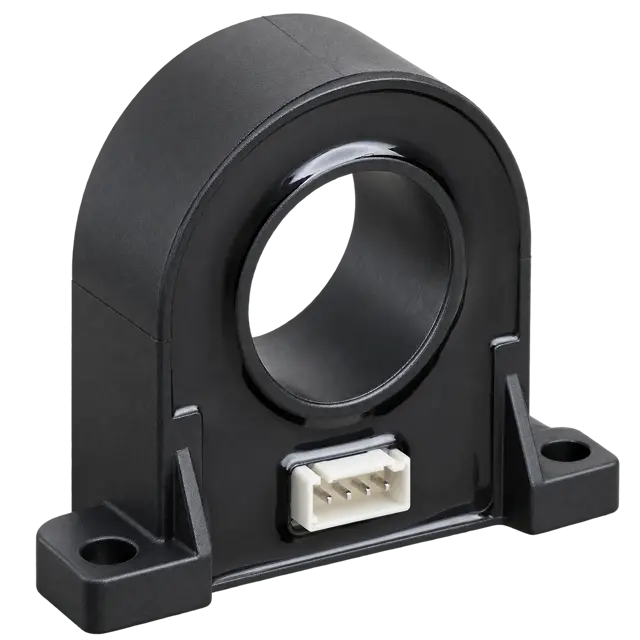
Isolated, high-accuracy current transducer for inverter control loops and BMS, measuring DC and AC with fast response.
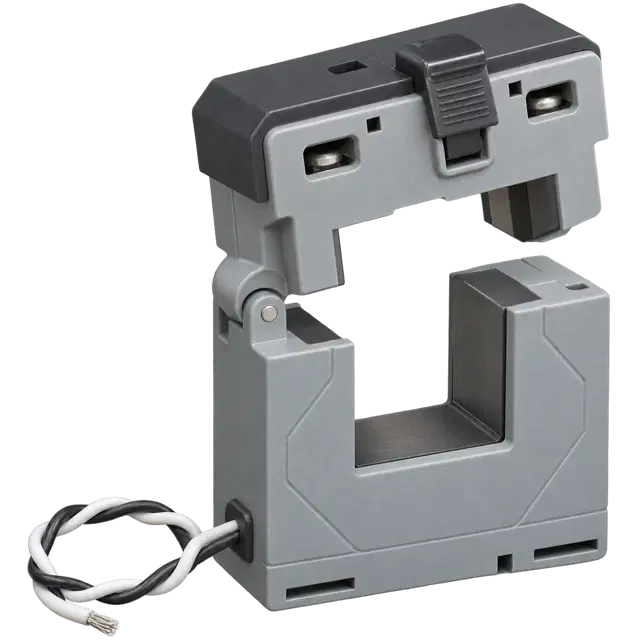
Clip-on CT for energy meters, export-limitation and consumption monitoring, installed without disconnecting the cable.
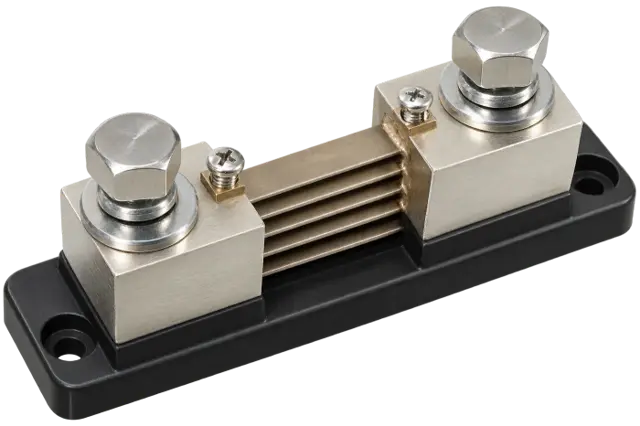
Precision manganin shunt for battery current measurement, battery monitors and DC metering in off-grid and storage systems.
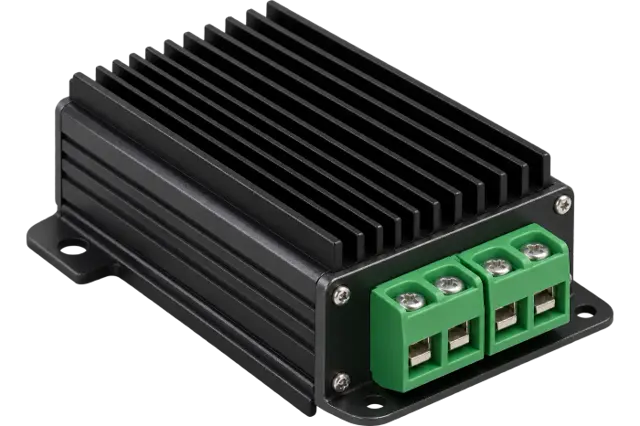
Galvanically isolated converter that supplies 12 V auxiliary loads such as controllers, routers and relays from a 48 V battery bank.
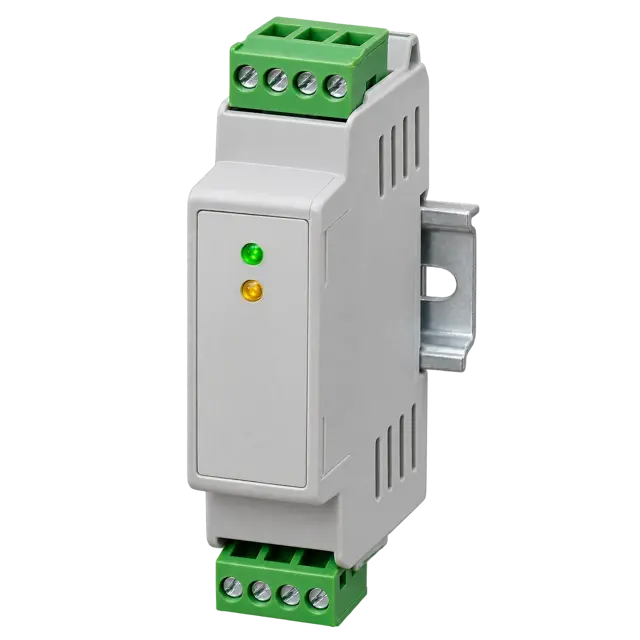
Galvanically isolated RS485 transceiver and converter module for reliable inverter, meter and logger communication over long cable runs.
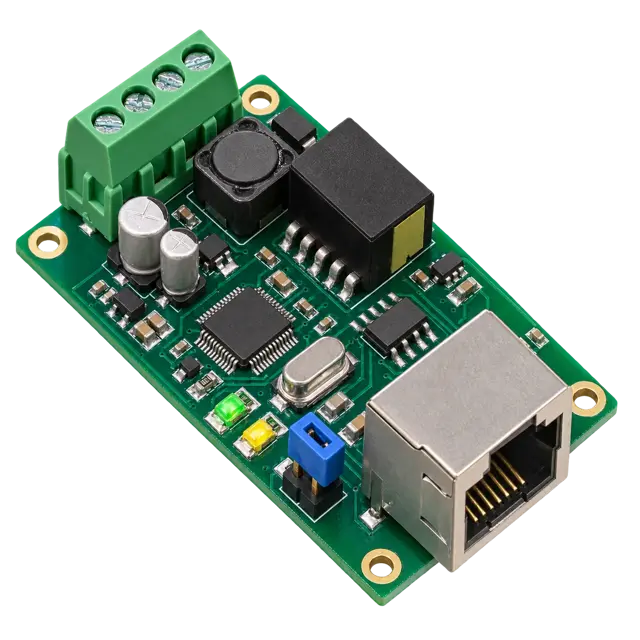
Isolated CAN interface and protocol converter that links lithium battery BMS units with hybrid inverters and PCS.
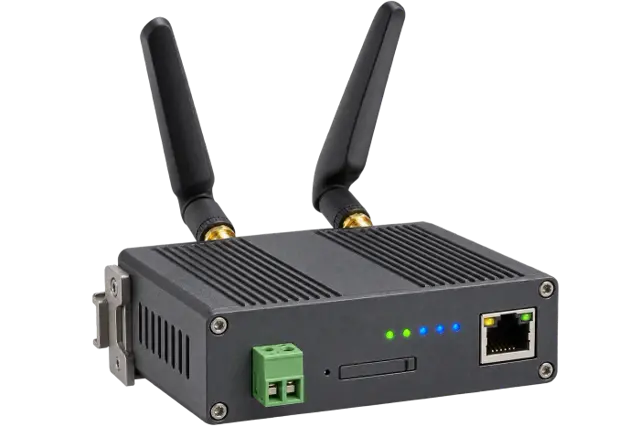
DIN-rail cellular router with Ethernet, RS485 and VPN for remote monitoring and maintenance of solar and storage sites without fixed internet.
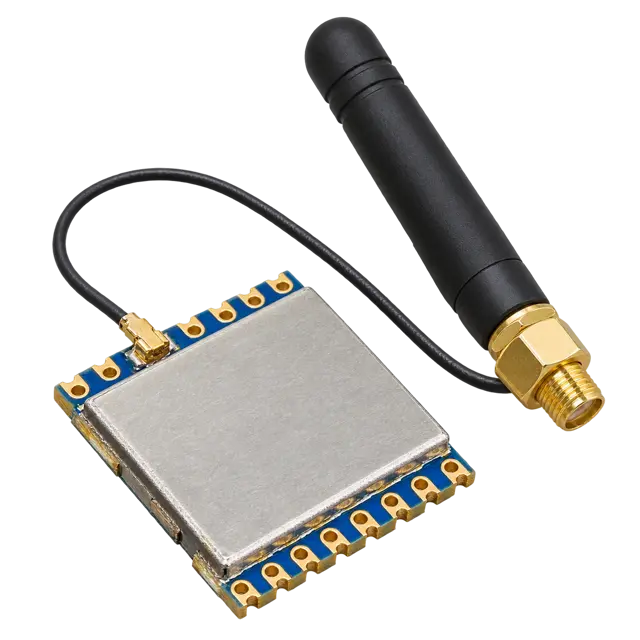
Low-power long-range radio module for wireless tracker controllers, string monitors and environmental sensors across large PV fields.
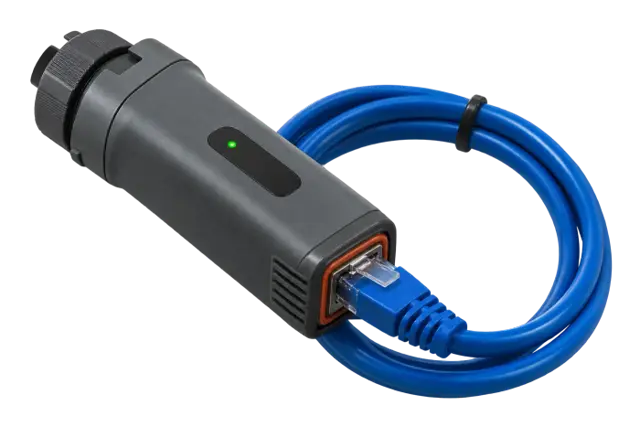
Wired alternative to Wi-Fi and 4G monitoring sticks: plugs into the inverter's COM port and uploads data over a LAN cable.
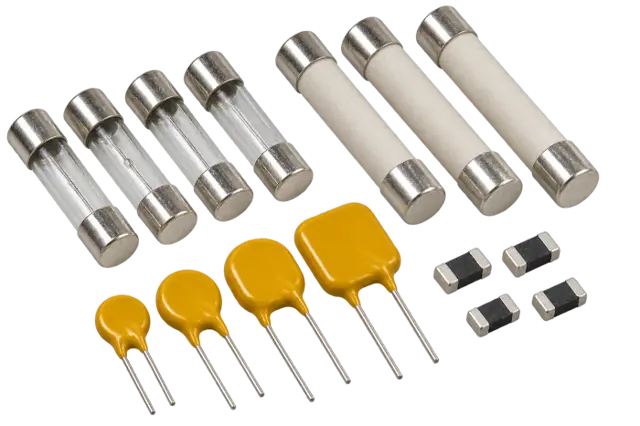
Assorted board-level fuses and polymer PTC resettable fuses for repairing inverter, controller and BMS circuit boards.
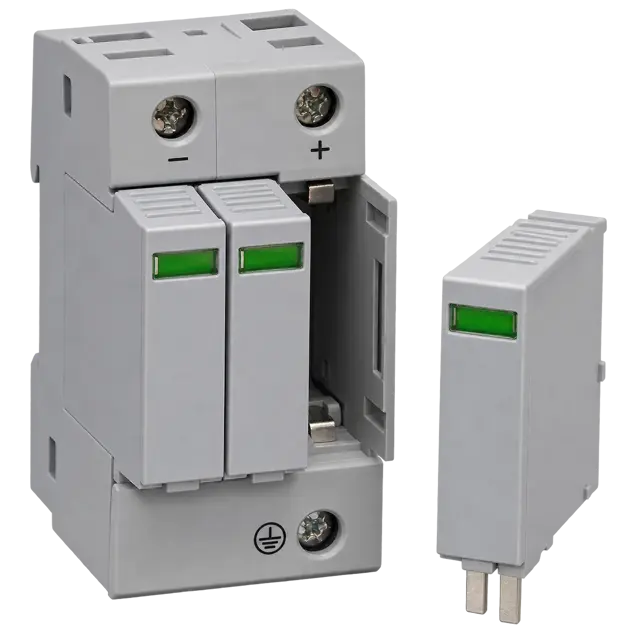
Plug-in varistor module that restores a DC Type 2 SPD after its status window turns red, without rewiring the base.
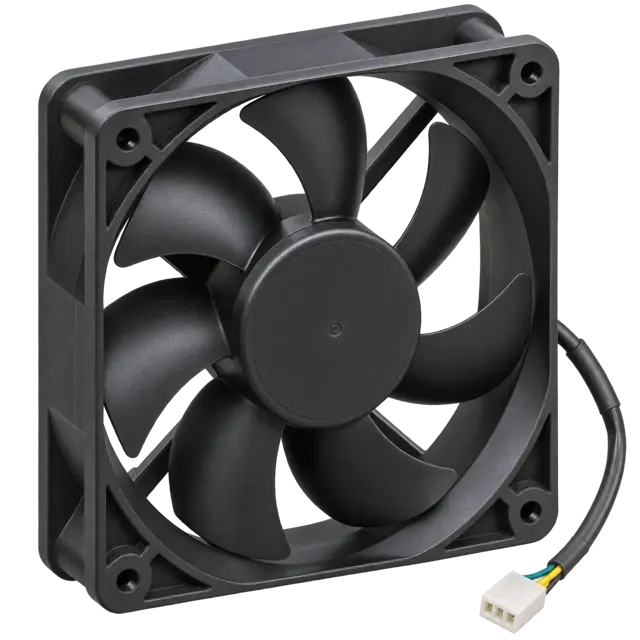
Sealed, speed-controlled DC fan for inverter heat sinks and battery cabinets, built for dust, humidity and high ambient temperature.
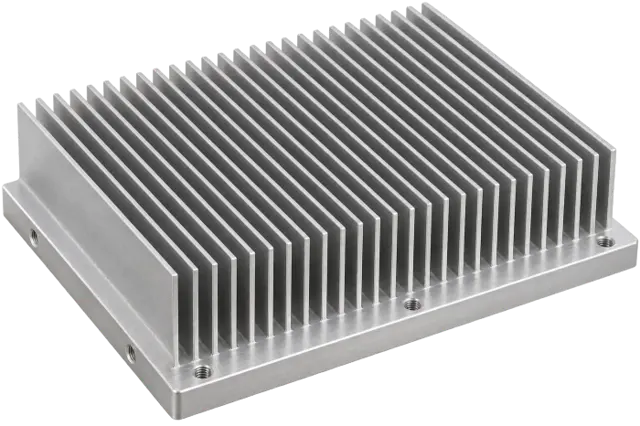
Extruded 6063 aluminium heat sink profiles, cut and machined to length, for IGBT modules, MOSFETs, rectifiers and DC-DC converters.
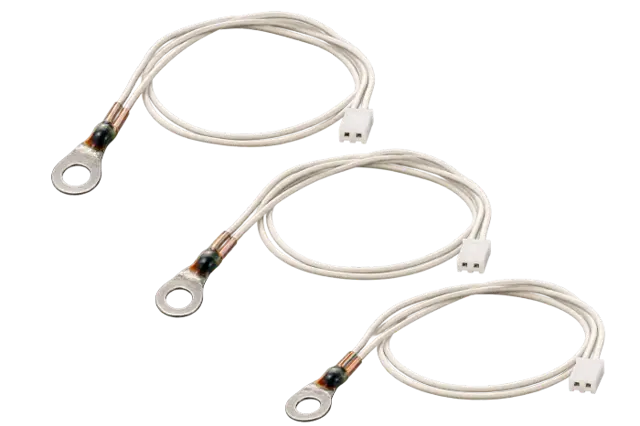
Epoxy-encapsulated 10 kΩ NTC thermistors on ring terminals for BMS cell and busbar temperature measurement.
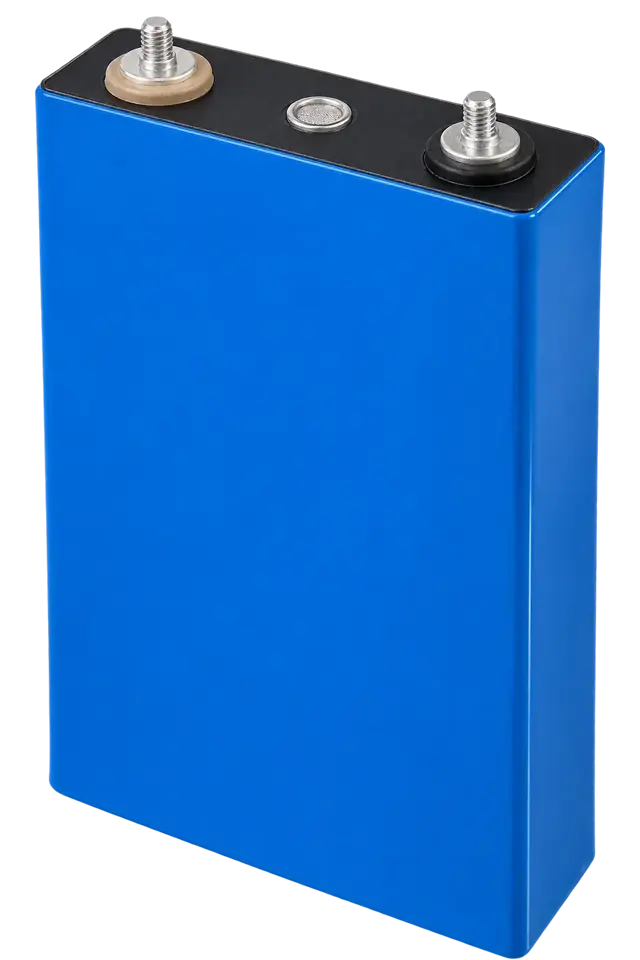
Aluminium-case lithium iron phosphate cell for 12–48 V residential, telecom and mobility batteries, supplied graded and matched.
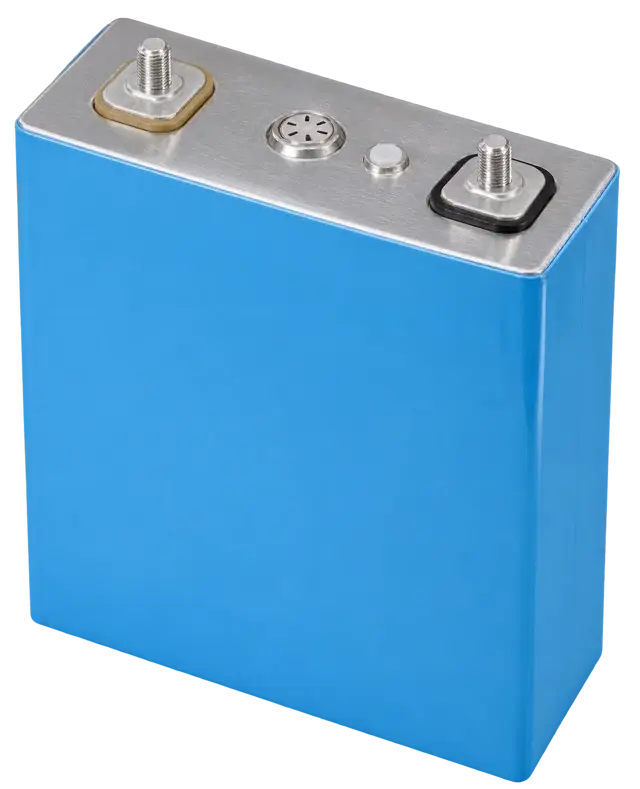
Large-format storage cell (896 Wh) used in 48 V wall and rack batteries and in commercial ESS cabinets.
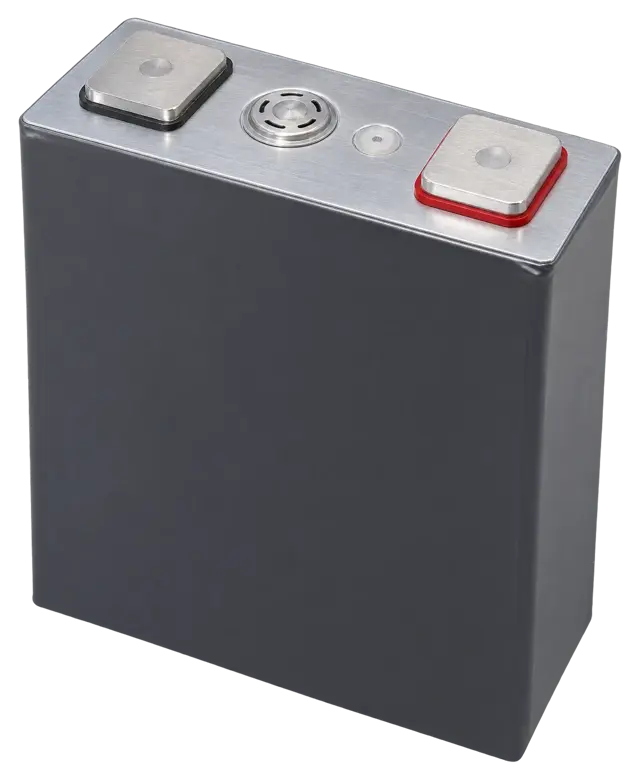
Long-life storage cell (1.0 kWh) in the same footprint as 280 Ah, rated 8,000+ cycles for daily-cycling commercial and utility ESS.
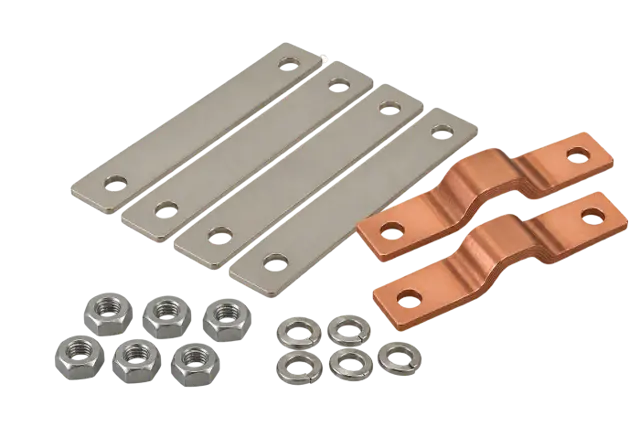
Nickel-plated copper or aluminium busbars for bolted or laser-welded series connection of prismatic LFP cells.
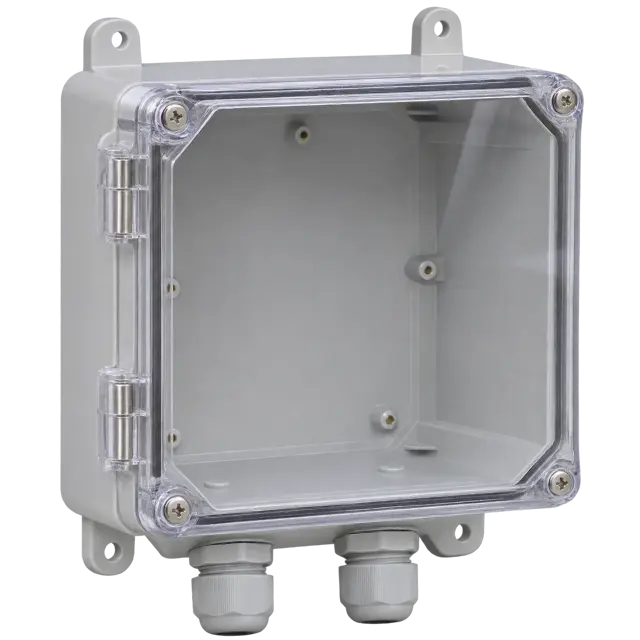
Weatherproof polycarbonate/ABS or powder-coated steel enclosure for controllers, BMS, routers and data loggers on rooftops and in the field.
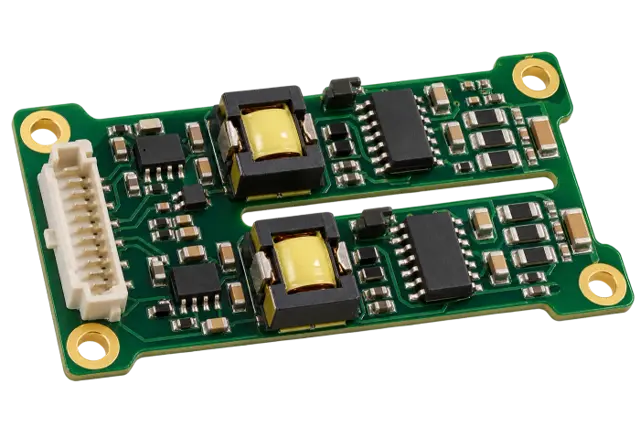
Plug-on dual-channel driver with isolated supply, desaturation protection and soft shut-down for half-bridge power modules.

Multi-brand web portal and phone app for live production, alarms and automated reports across one site or a whole portfolio.

Work orders, ticketing, preventive maintenance plans and spare-parts stock for teams looking after many PV sites.
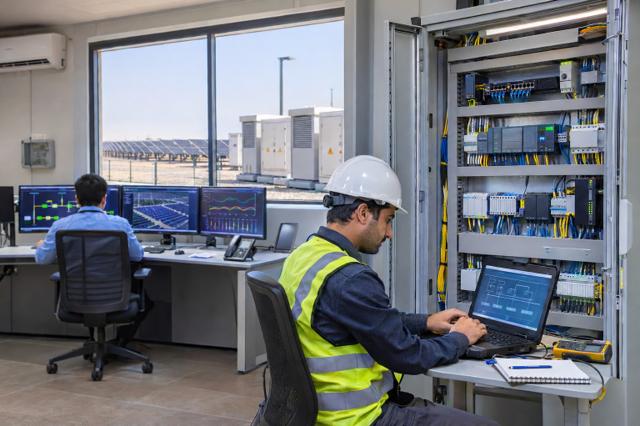
Engineering service to configure plant SCADA and the power plant controller, map every signal and prove grid-code performance at commissioning.

Hourly energy simulation with meteo data and detailed loss modelling, producing P50/P90 yields and reports that lenders accept.
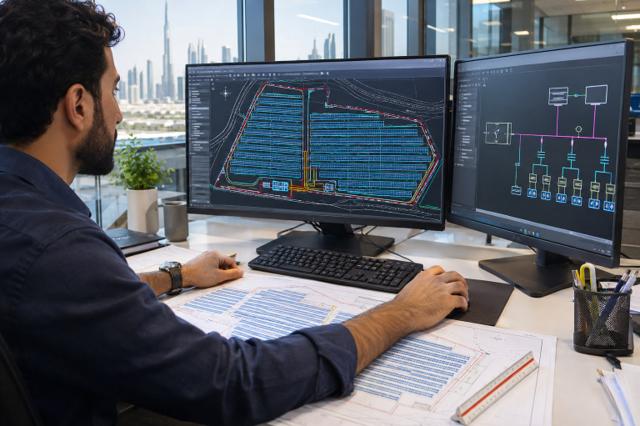
Array layout, row spacing, string plans, single-line diagrams and cable routing, from first sketch to construction drawings.

Accurate 3D model of a roof or site from a drone survey, used to quantify shading losses before the design is fixed.
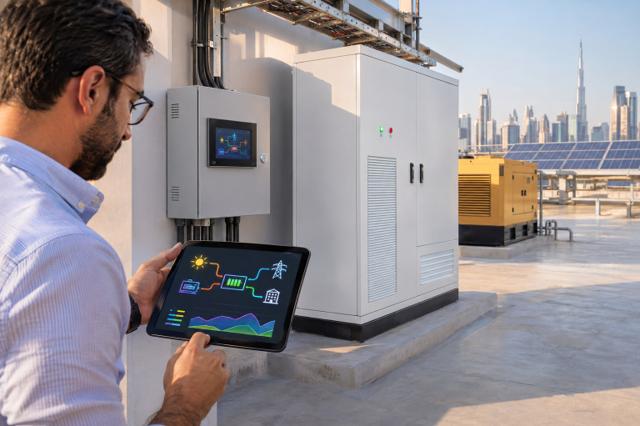
Controller and software that coordinate PV, batteries, generator and grid to cut energy cost, respect export limits and keep critical loads running.

Cloud analysis of BMS data to track state of health, cell imbalance and degradation, and to build evidence for warranty claims.
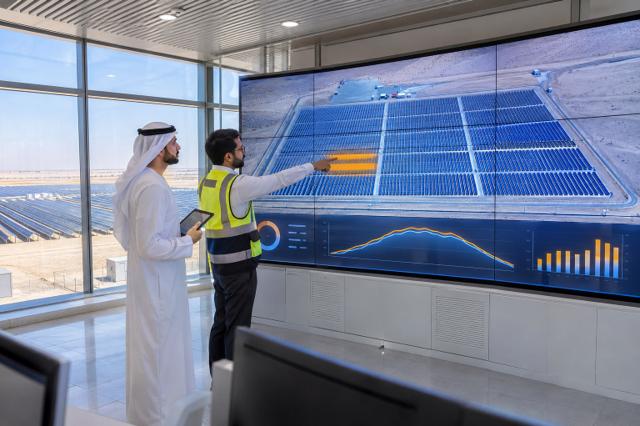
Physics-based model of the actual plant that runs alongside it, comparing expected and measured output to locate faults and losses.

Connecting plant data to ERP, BI dashboards, billing systems or the utility over Modbus, IEC 104, MQTT and REST.

Network segmentation, hardened remote access and audits against IEC 62443 for plants and fleets connected to the internet.
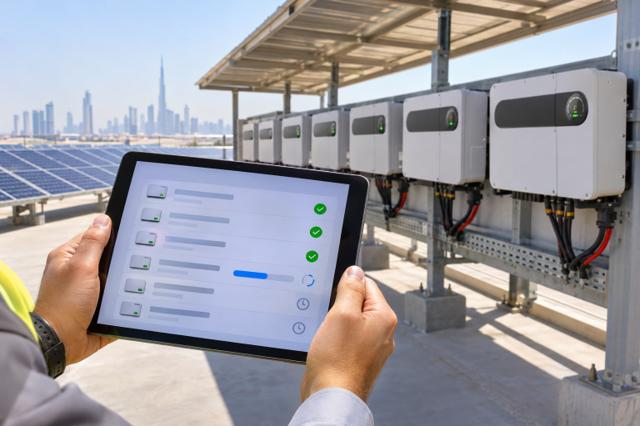
Managed over-the-air firmware updates for inverters, loggers and BMS, with staged rollout, change records and rollback.

Our free browser tool: choose a location on a world map, lay out panels in 3D and get an estimated yield, parts list and USD cost.

Monthly reports of performance ratio, availability, soiling loss and other IEC 61724 indicators for owners, lenders and O&M contracts.

Intraday and day-ahead output forecasts from satellite imagery and weather models, for grid scheduling, trading and storage dispatch.

Automatic detection and classification of hot spots, diode and string faults in drone thermal images, with a geo-referenced fault map.

Project cash-flow models with LCOE, IRR, debt sizing and sensitivity analysis for investors, lenders and internal approval.

Installer tool to design a system on satellite imagery, estimate savings and produce a branded quote with financing options in one sitting.
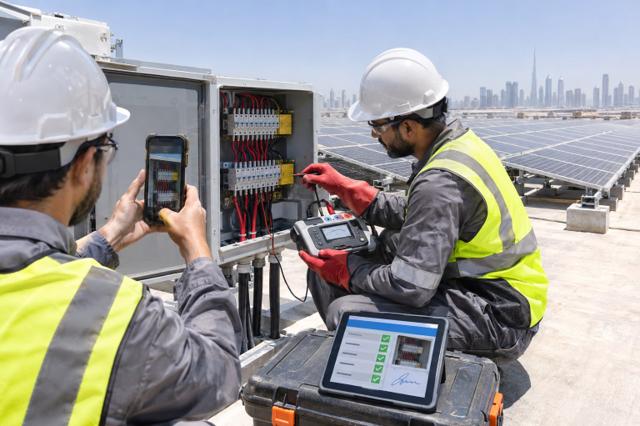
Mobile app for installers to record IEC 62446-1 tests, photos and checklists on site and produce the handover pack automatically.

Software that pools many home and commercial batteries into one controllable resource able to provide services to the grid.

One register for contracts, PPA invoicing, warranties, insurance and compliance deadlines across a solar portfolio.
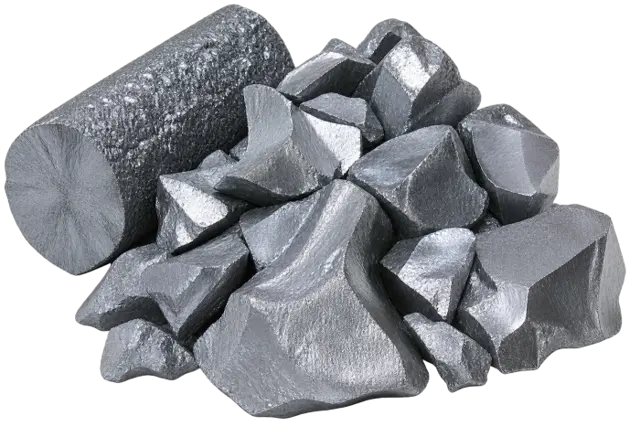
High-purity polysilicon in rod or chunk form, graded for N-type monocrystalline ingot pulling; granular material available for blended recharge.
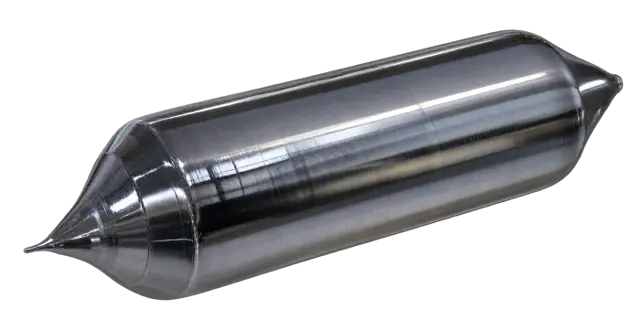
Phosphorus-doped Czochralski ingot, cropped and squared for M10, G12R or G12 wafering, with resistivity and lifetime data per piece.
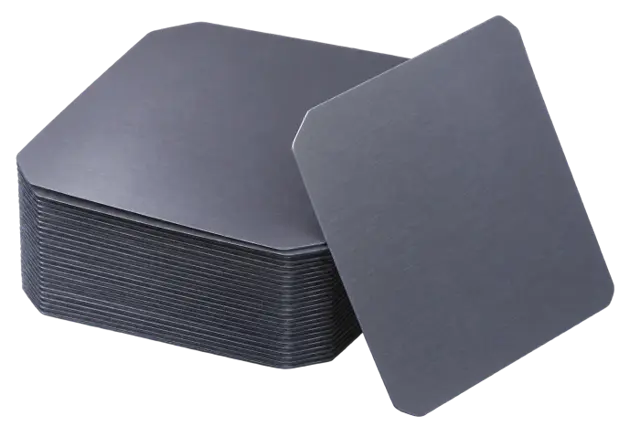
Diamond-wire-cut N-type monocrystalline wafer, about 130 µm thick, in the near-square M10 format used for TOPCon and HJT cells.

Rectangular 210R wafer for the 2382 × 1134 mm module format: more power per module while staying within standard container and handling limits.
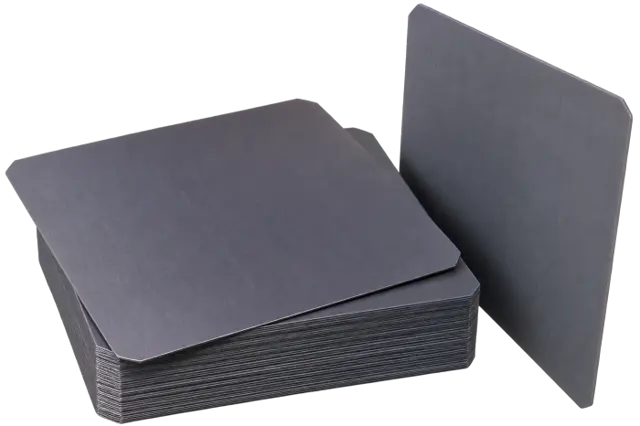
Full-size 210 mm square N-type wafer for high-power utility modules above 700 W, usually cut into half or third cells.
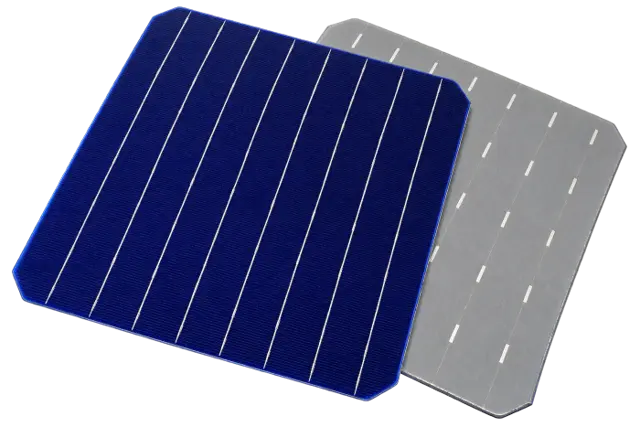
Gallium-doped P-type PERC cell, about 23.3–23.6 % efficient, for cost-driven modules and replacement production on existing lines.
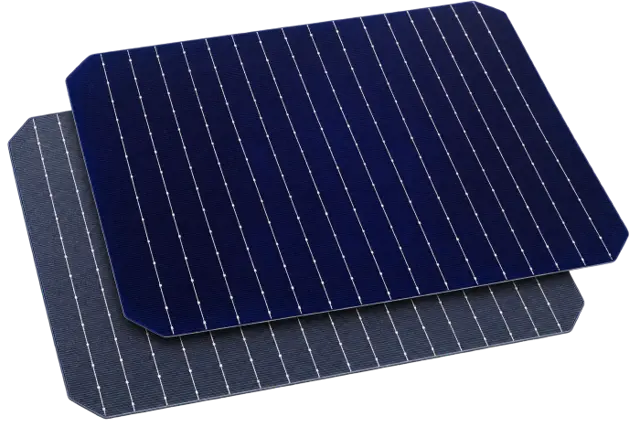
Mainstream N-type cell in M10 or G12R format, around 26 % efficient with 80–85 % bifaciality, for glass-glass and glass-backsheet modules.
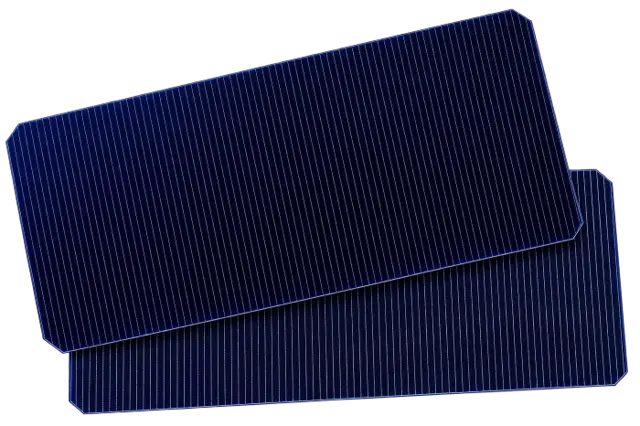
Low-temperature N-type cell with amorphous-silicon passivation, high bifaciality and the best temperature coefficient among mainstream technologies.

Cell with all contacts on the rear and an unshaded front, the highest-efficiency mass-produced option at 26.5–27 %+, suited to premium rooftop modules.
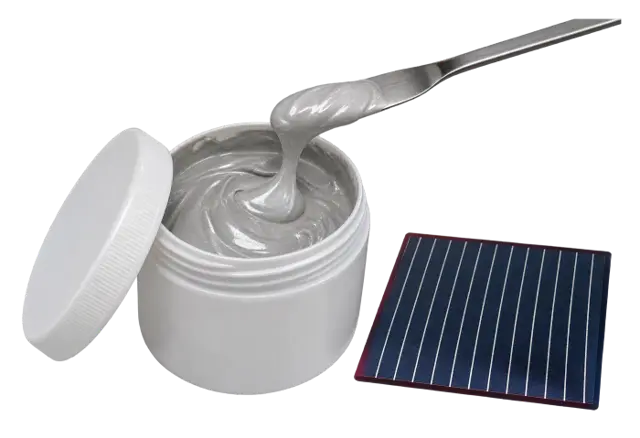
Screen-printing pastes for TOPCon, PERC and HJT cells, including silver-aluminium, fine-line silver, low-temperature and silver-coated copper grades; price indexed to silver.

Low-iron patterned front glass, fully tempered with anti-reflective coating and about 94 % transmittance, for glass-backsheet modules.
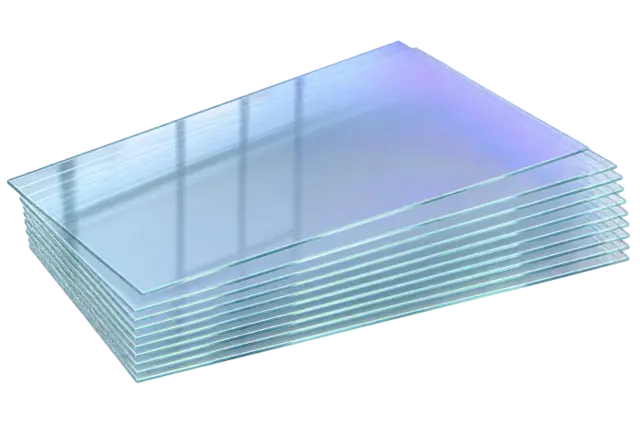
Thin low-iron front glass for dual-glass bifacial modules, heat-strengthened with AR coating, about 93.5–94 % transmittance.
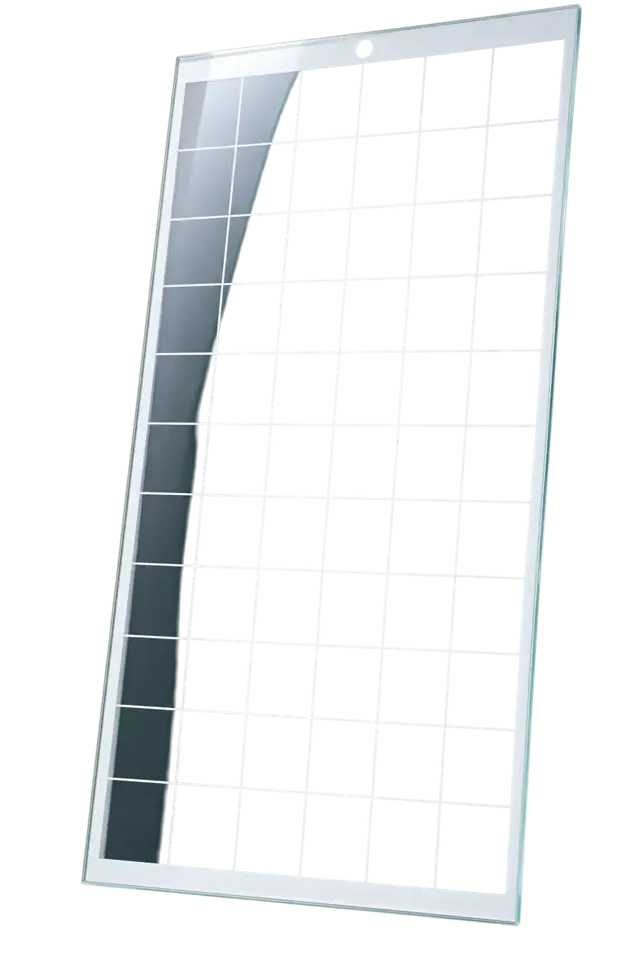
Heat-strengthened rear glass for dual-glass bifacial modules, printed with a white ceramic grid between cells and drilled for the junction box outlets.

Peroxide-cured ethylene-vinyl acetate film, about 0.45 mm, in UV-cut and UV-transparent grades. The economical encapsulant for PERC and glass-backsheet modules.
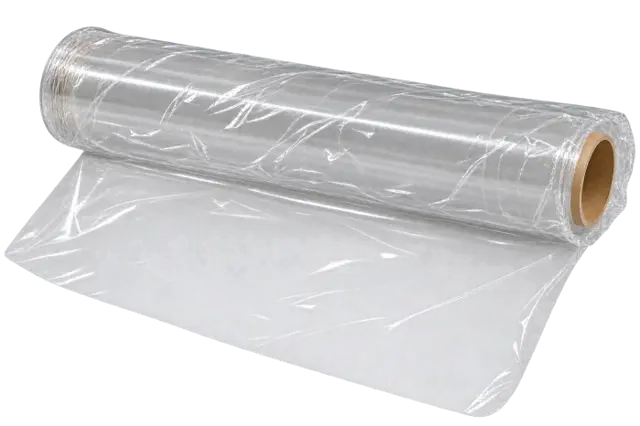
Polyolefin elastomer film with very low water-vapour transmission and no acetic acid, giving high PID resistance for TOPCon, HJT and dual-glass modules.

Three-layer film with a POE core and thin EVA skins, giving most of POE's moisture and PID resistance with EVA-like lamination and handling.

Multilayer insulating rear cover with a PET core and fluorinated outer protection, rated for 1500 V systems. The standard rear cover for glass-backsheet modules.
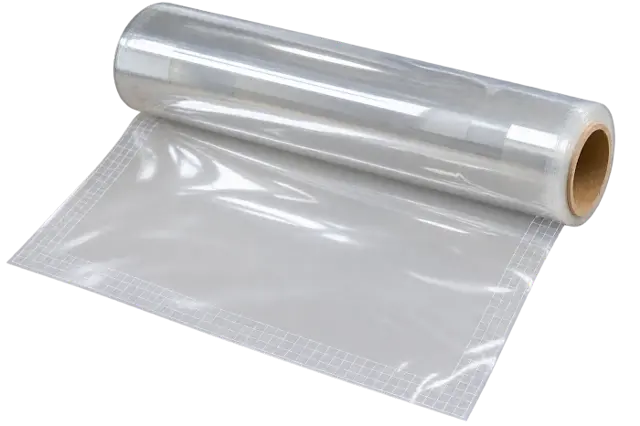
Clear weather-resistant polymer rear cover that enables bifacial gain without rear glass, cutting module weight for rooftops and lightweight structures.
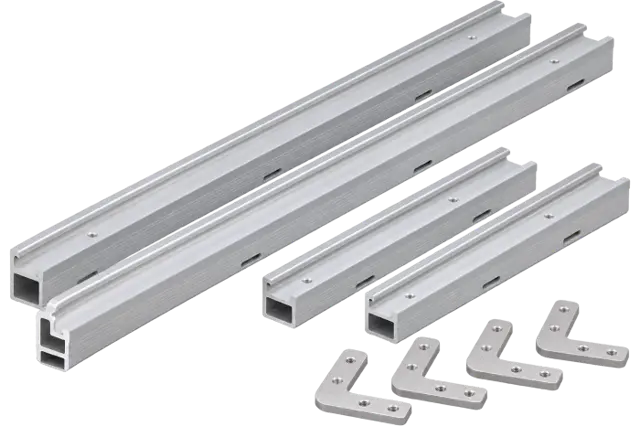
Two long and two short extruded profiles with corner keys, in 6005-T6 or 6063-T5 alloy, 30–35 mm high, cut and punched to the module drawing.

Solder-coated copper round wire of 0.26–0.30 mm for multi-busbar stringing, plus fine wire for 0BB and low-temperature grades for HJT.
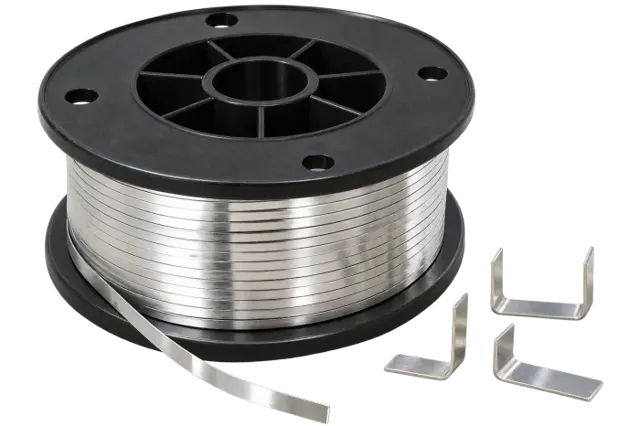
Soft tinned-copper flat ribbon, typically 6 × 0.4 mm or 5 × 0.35 mm, for joining string ends and routing current to the junction box.
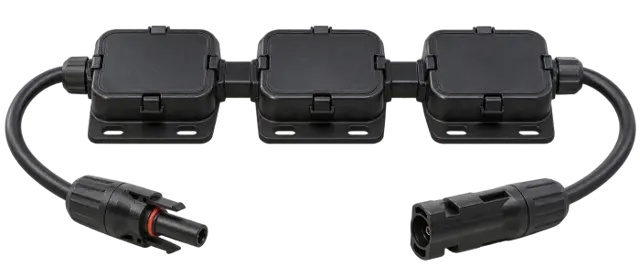
Three separate boxes, each with one bypass diode, rated 25–30 A and 1500 V DC for high-current half-cell and bifacial modules.
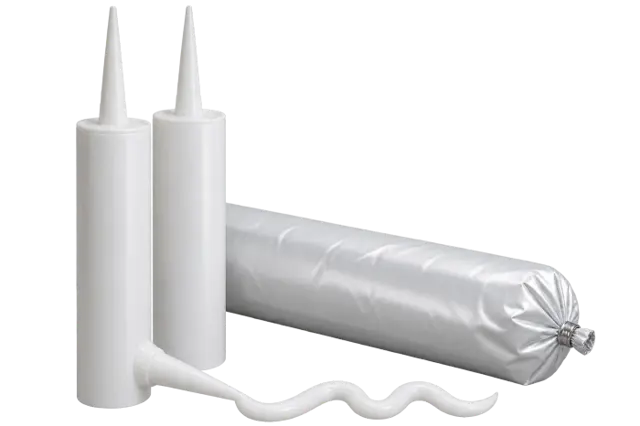
Neutral-cure silicone adhesive that bonds and seals the frame to the laminate and fixes the junction box to the backsheet or rear glass.
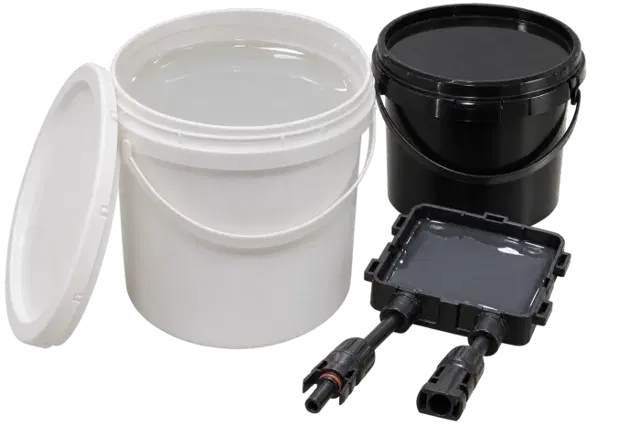
Low-viscosity, self-levelling silicone that fills the junction box, protecting terminals and diodes from moisture and conducting heat away.
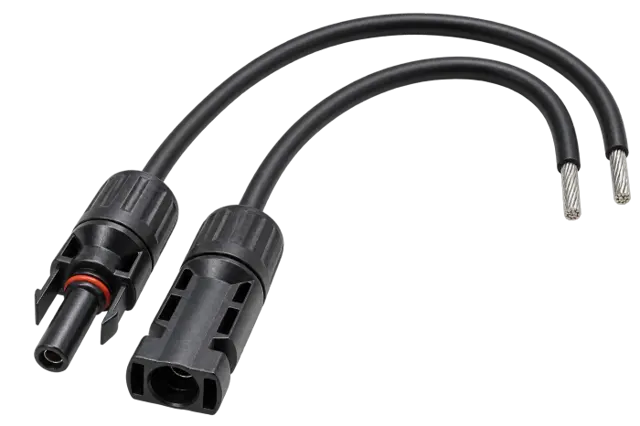
Pre-terminated 4 mm² H1Z2Z2-K leads with connectors for junction-box assembly, in lengths to suit portrait or landscape string layouts.

Plastic or paperboard corner caps and edge strips that protect module frames and glass edges during stacking, packing and transport.
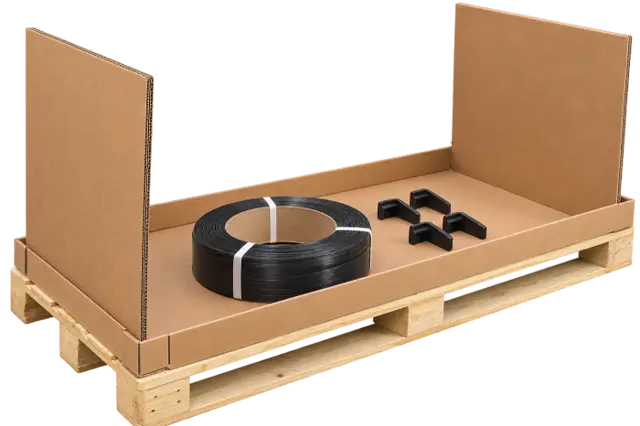
ISPM 15 heat-treated wooden pallet with carton, top cover, corner boards and straps for vertical packing of about 33–36 modules.

PTFE-coated glass-fibre release sheets and silicone rubber membranes for vacuum laminators, the main recurring wear parts on a module line.
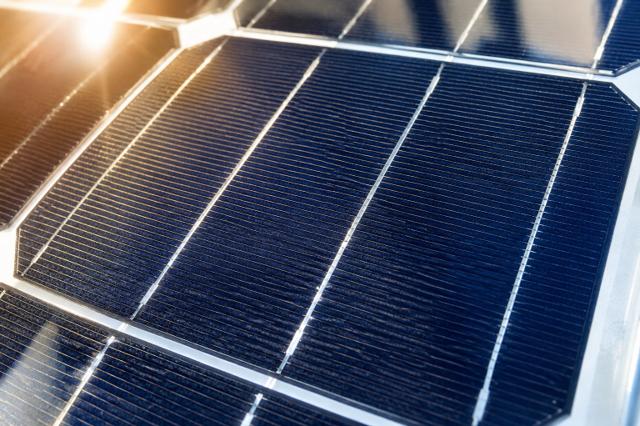
From photon to kilowatt-hour: the physics of a solar cell and the path of energy through a complete PV system.
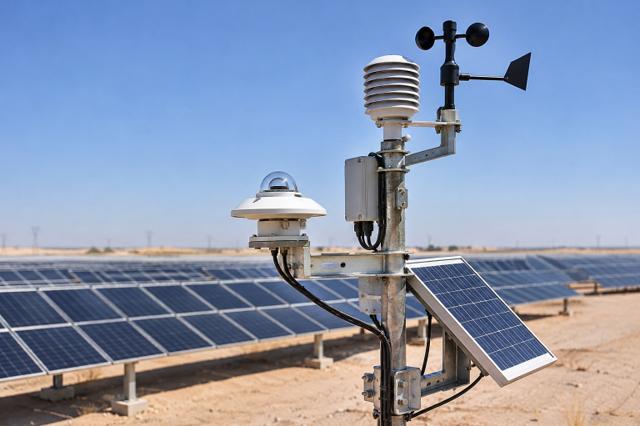
GHI, DNI and DHI explained, how sun position changes through the day and year, and why the Gulf is one of the world's best solar resources.
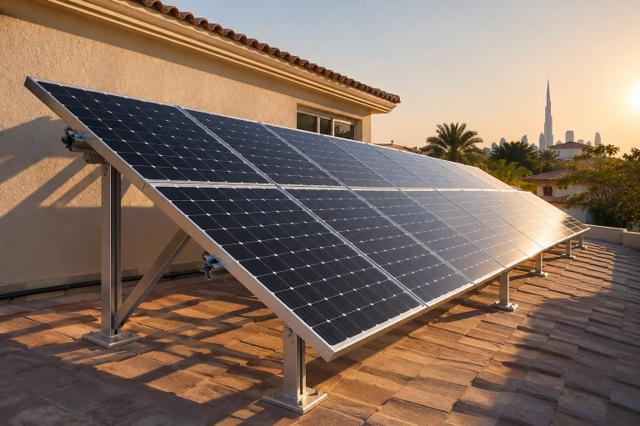
How to orient a PV array: the latitude rule of thumb, why lower tilts often win in the Gulf, and how east–west layouts trade yield for density.
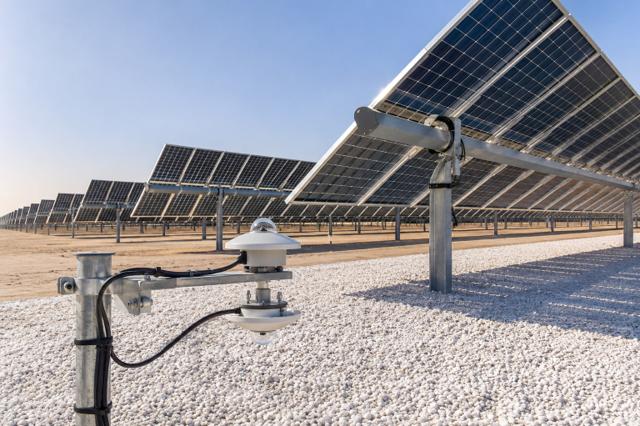
How bifacial modules harvest reflected light, what albedo values to expect on sand, gravel and white membranes, and why bifacial pairs so well with trackers.
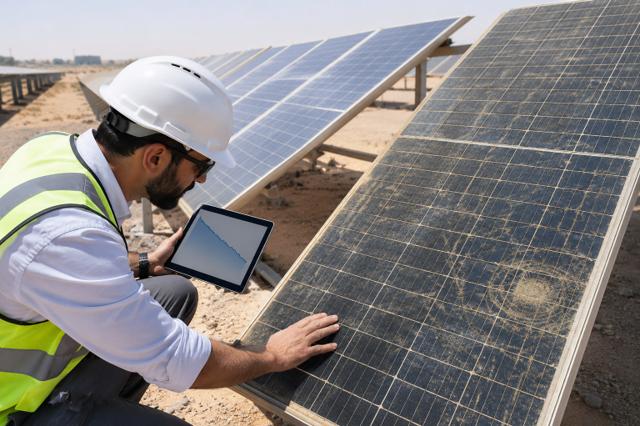
LID, LeTID and long-term power loss explained, and how to read a 12-year product / 30-year linear power warranty.
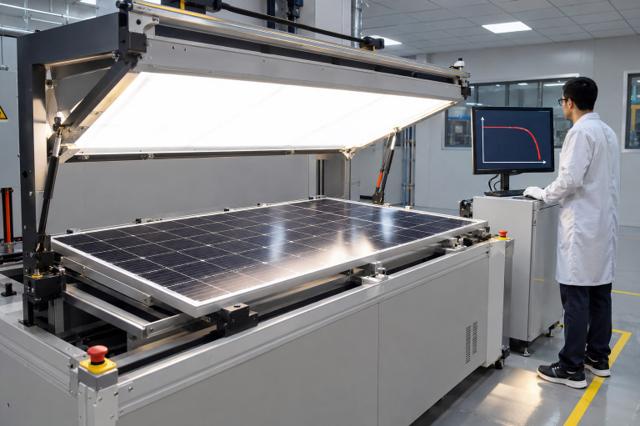
What the datasheet power really means, how temperature coefficients translate into lost watts, and why heat is the main derating factor in the desert.
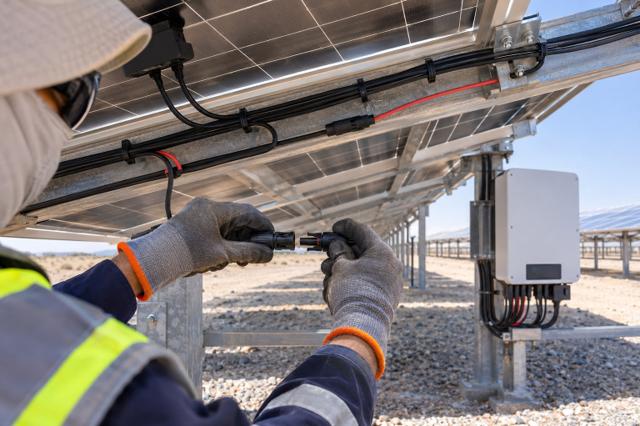
How many modules can go in one string: the cold-temperature Voc limit, the MPPT window and current limits, with a worked 1,500 V example.
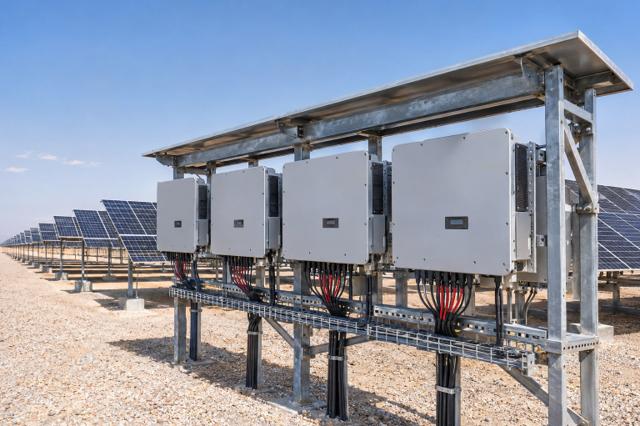
Why PV plants are built with more module power than inverter power, and how to choose a DC/AC ratio between 1.1 and 1.35 without losing too much energy to clipping.
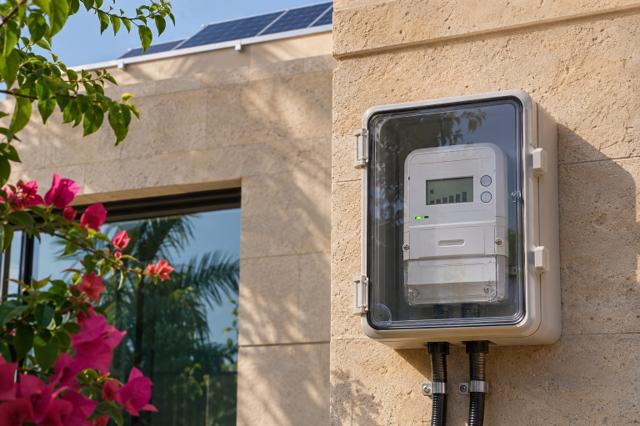
How grid-connected rooftop systems are credited for the electricity they export, and how the tariff scheme changes the right system size and the payback period.

The single number used to compare power plants: lifetime cost divided by lifetime energy, both discounted. What drives it, and why Gulf solar tariffs are among the lowest in the world.
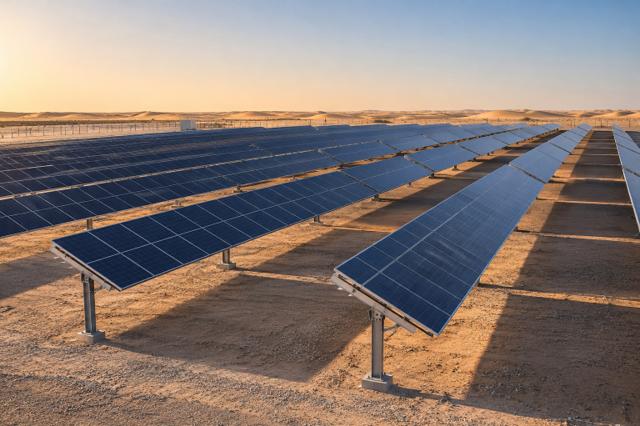
How shadows reduce PV output far more than their size suggests, how to set row pitch with the ground coverage ratio and the winter-solstice rule, and how bypass diodes and half-cut cells limit the damage.
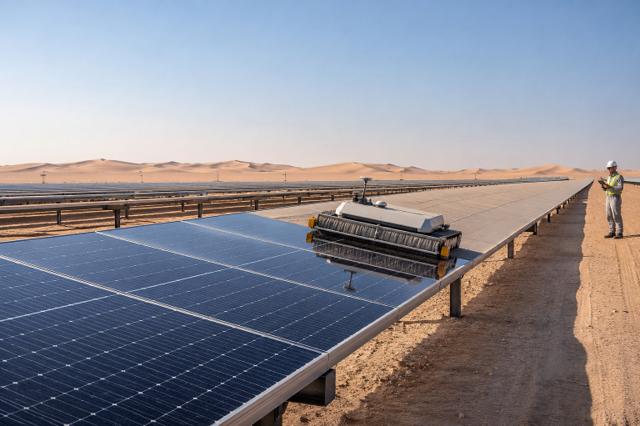
Dust and soiling are the biggest controllable loss for PV plants in the Gulf. How fast output drops, why morning dew makes it worse, and how to choose between manual washing, waterless robots and an optimized cleaning schedule.

Who pays freight and insurance, where risk passes to the buyer, and what typical payment and inspection terms look like when importing solar modules by container.

How many large-format modules fit in a 40' high-cube container (about 620 × 720 W, roughly 0.45 MWp), how pallets are packed, why 20' containers are rarely used, and how to estimate container counts for a utility project.
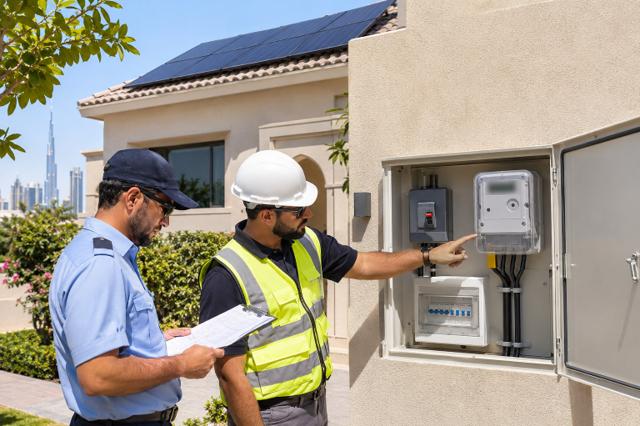
How a rooftop or carport system gets from design to an energised net meter in the UAE: enrolled consultants and contractors, NOC, design approval, inspection and metering — a practical overview, not legal advice.
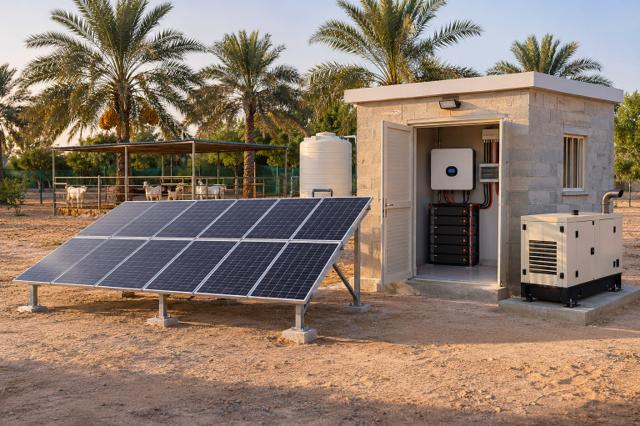
A step-by-step method for sizing a stand-alone solar system — load audit, days of autonomy, battery capacity, PV array for the worst month, inverter-charger and generator backup — with a worked example.
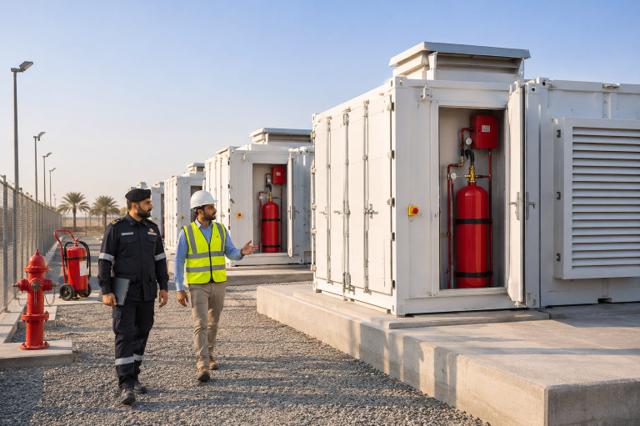
What makes lithium batteries safe or dangerous, how LFP compares with NMC, and which standards — IEC 62619, UL 9540, UL 9540A, NFPA 855 and local civil-defence rules — shape where and how storage may be installed.
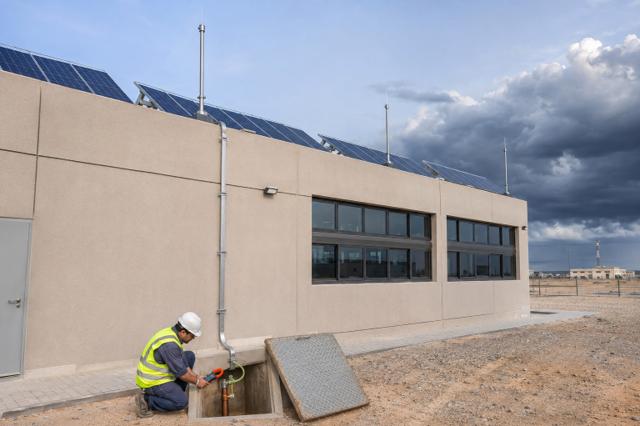
How to bond module frames and structures, when an external lightning protection system is needed, how to keep the separation distance, and where Type 1 and Type 2 surge protective devices belong — following IEC 62305 and IEC 60364-7-712.
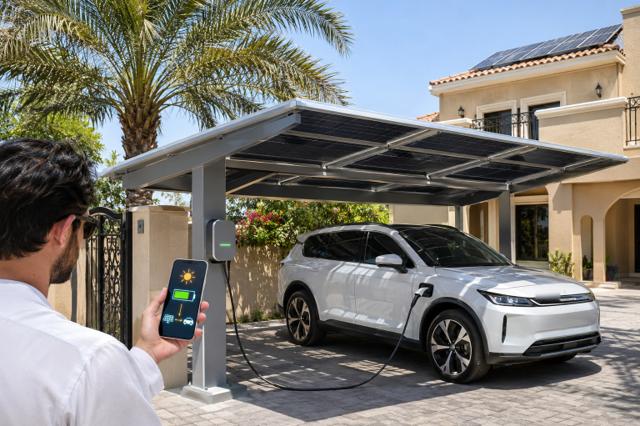
How many kWp an electric car needs, how surplus (solar-only) charging and smart scheduling work, why load balancing protects the main breaker, and what bidirectional V2H/V2G will add.

How elevated and vertical bifacial arrays let crops and modules share land, what partial shade does to yields and water use in arid climates, and how the land-equivalent ratio measures the combined benefit.
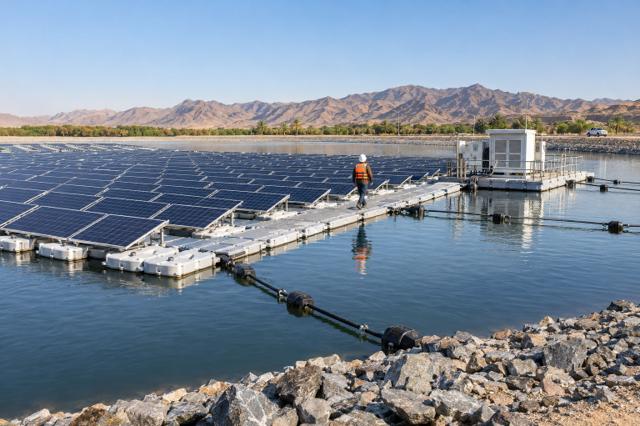
How floating PV works — HDPE floats, anchoring and mooring, the cooling gain from water, reduced evaporation — and the corrosion and electrical-safety points that decide whether a project lasts 25 years.
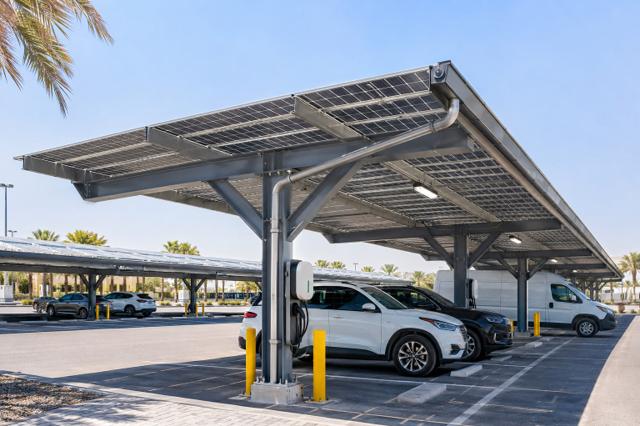
Single versus double cantilever, clearance heights, wind loads, keeping water off cars, and how to integrate EV chargers and lighting into a solar carport from the first drawing.
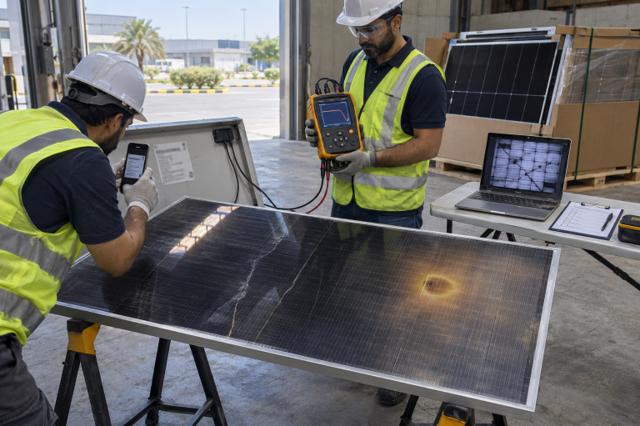
Product versus performance warranty, the evidence manufacturers ask for (IV curves, EL and thermal images, serial numbers), how replacement logistics work and what timelines to expect. General guidance, not legal advice.

Performance ratio, temperature-corrected PR, availability, specific yield, soiling ratio and MTTR — what each KPI tells you, how it is calculated and how to turn alarms into action.

Licences and utility enrolment, references, design documents, component datasheets, warranties and the O&M offer — plus the red flags that should make you walk away.

STC and NOCT ratings, power tolerance, temperature coefficients, mechanical load ratings, certifications and the warranty fine print — what each line of a module datasheet really means.
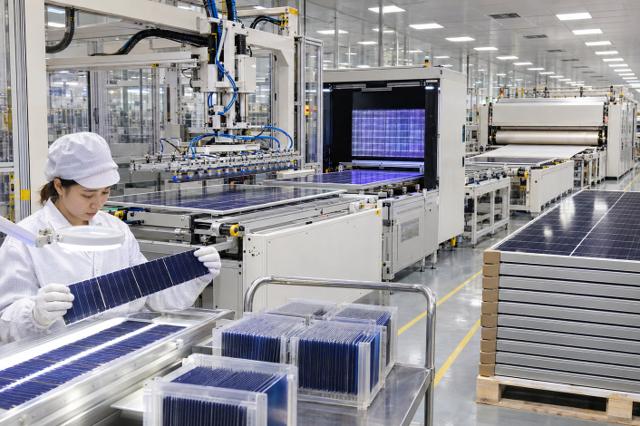
From polysilicon to a packed pallet: the main steps of ingot, wafer, cell and module production, and the materials and checks that decide quality at each stage.
