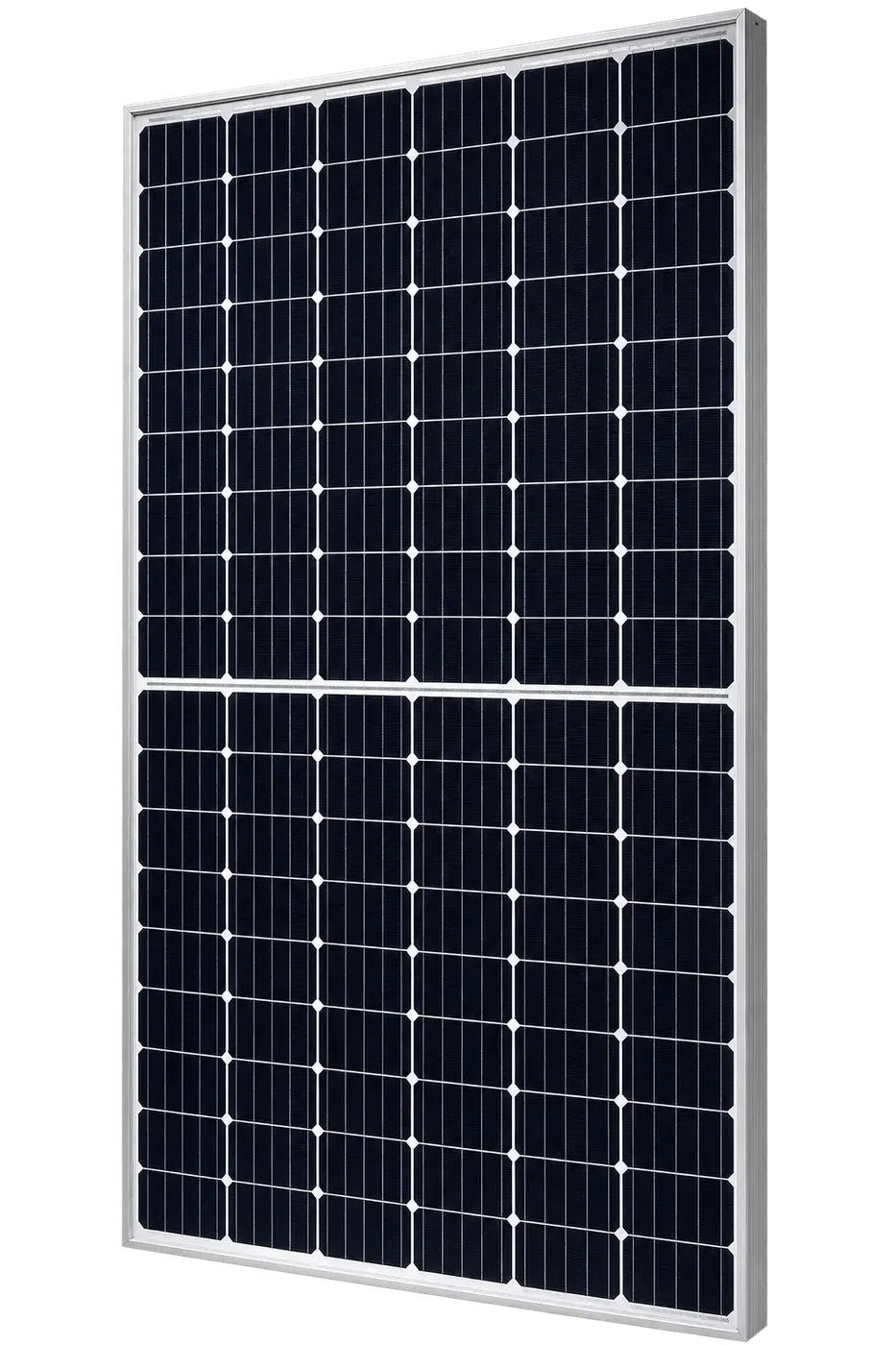
Before the industry moved to 182 mm and 210 mm wafers, the 60-cell module on 166 mm (M6) cells — 120 half-cut cells in a 1755 × 1038 mm frame — was the global rooftop standard at 360–380 W. Thousands of systems in the region use this format, so it is still requested when a damaged module must be replaced or a string extended. Mixing modules in one string is only acceptable if the replacement has the same or slightly higher current (Imp) and a Voc that keeps the string within inverter limits; the mismatch is otherwise lost energy.
For new projects it makes little sense: a modern 54-cell TOPCon module delivers 60 W more on a roof footprint only 9 % larger. When matching an older array, check the frame height (35 or 40 mm) for clamp compatibility and the connector type, since some older modules use MC4-compatible but not identical connectors that should not be mated directly.
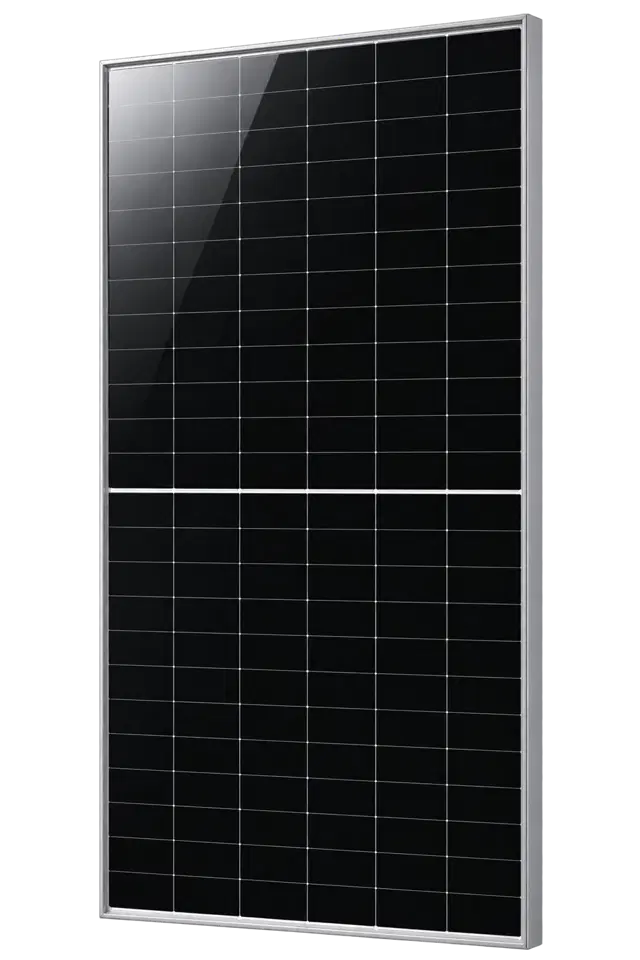
Utility-scale back-contact (HPBC 2.0) bifacial module, 640–670 W class, up to 24.8 % efficiency.
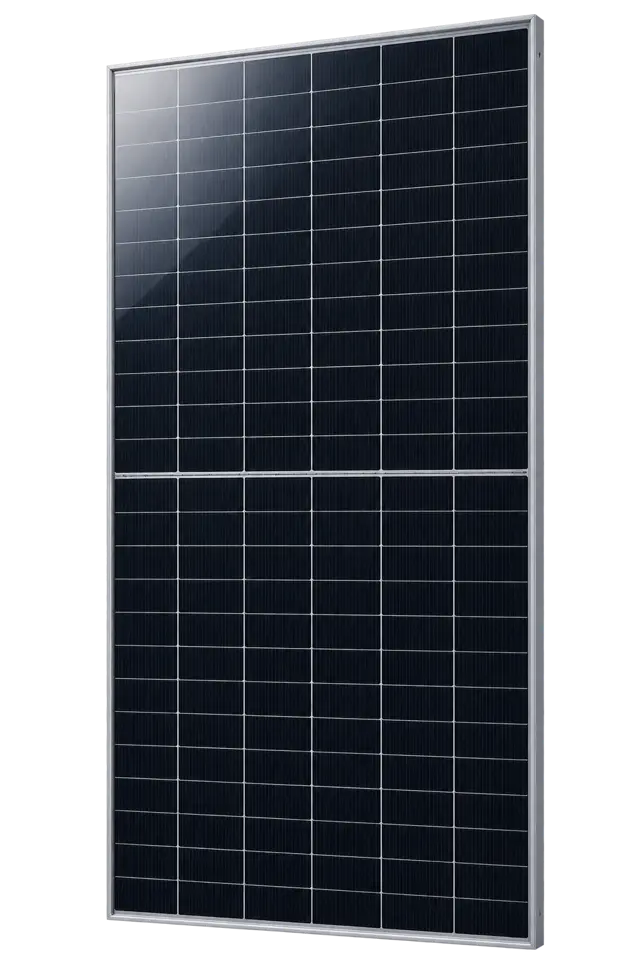
Bifacial dual-glass N-type HPDC module for ground-mount plants, 600–625 W, 23.0 % efficiency.
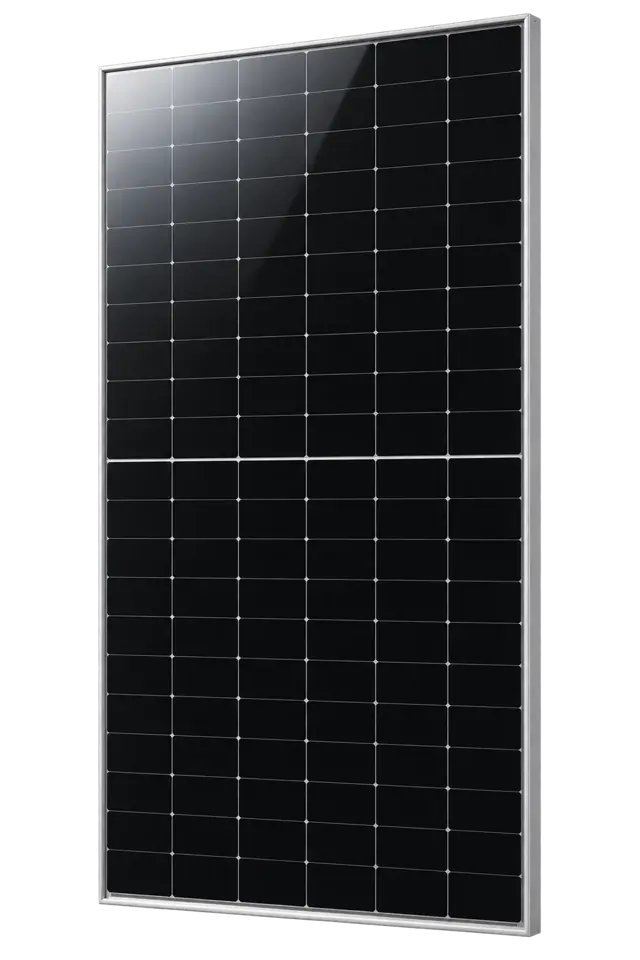
Monofacial HPBC module for commercial & industrial rooftops, 570–595 W, 22.8 % efficiency.
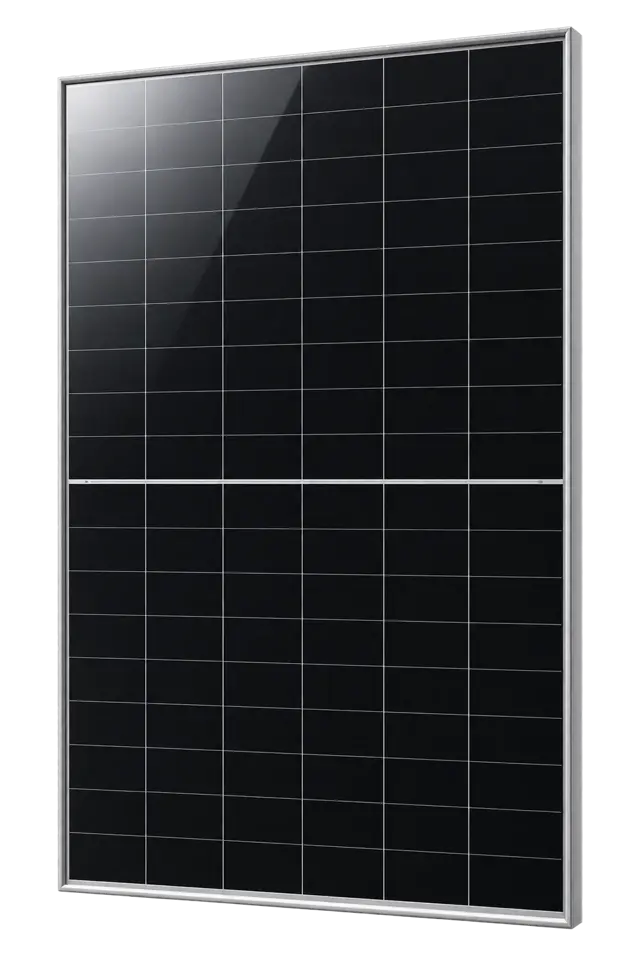
Residential back-contact rooftop module, 455–485 W, 23.3 % efficiency with anti-shading design.
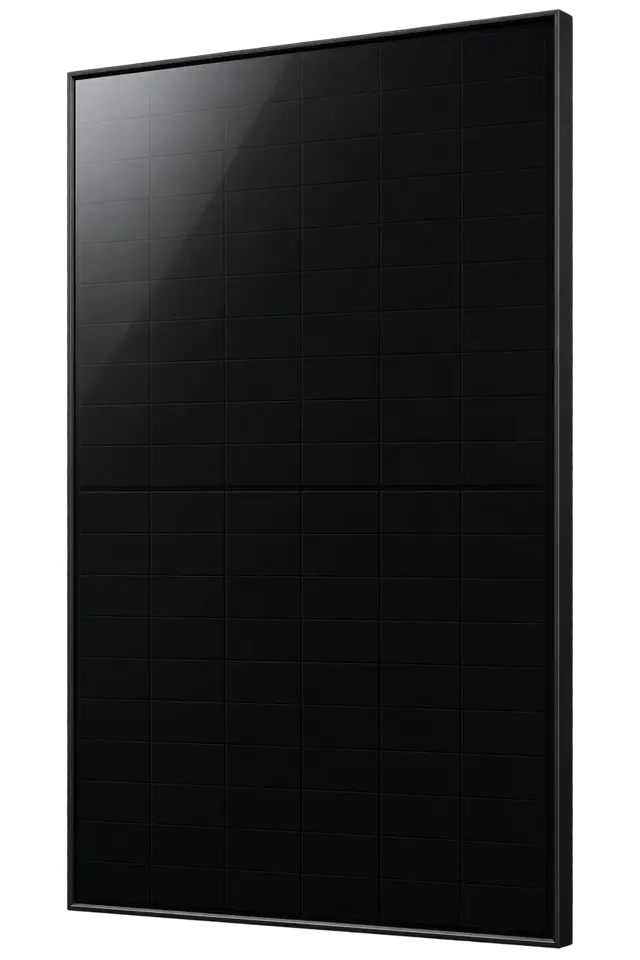
All-black aesthetic version for premium villas, 445–465 W, 22.5 % efficiency.
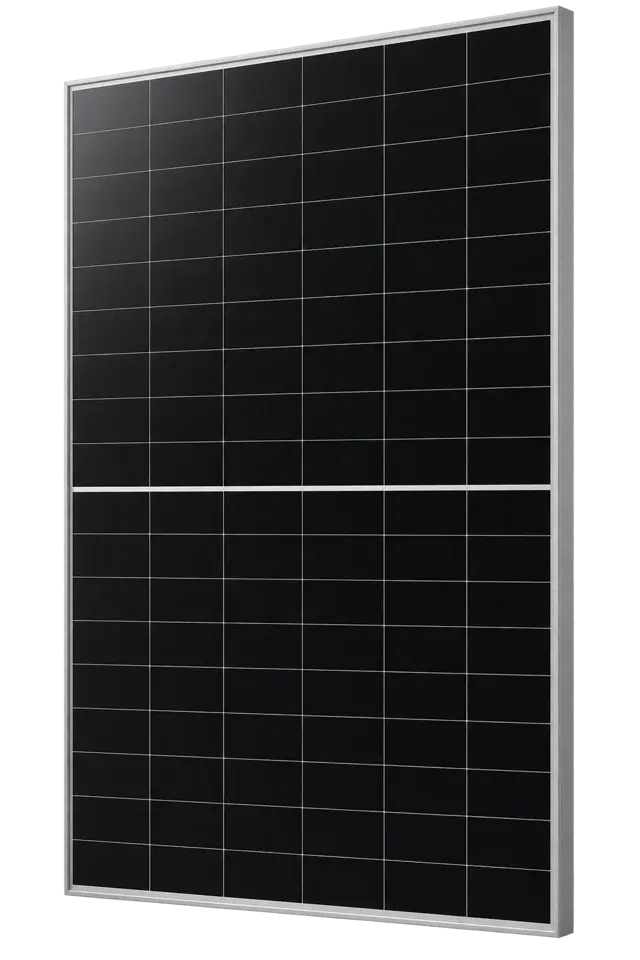
Residential HPBC 2.0 back-contact module, 54-cell format, around 480 W with strong partial-shade behaviour.
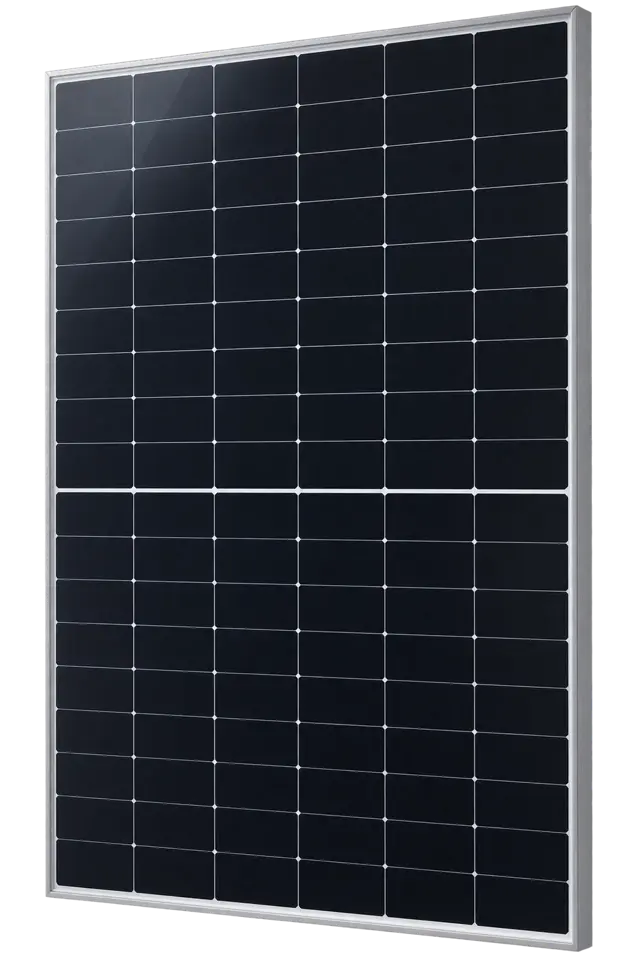
Rooftop HPBC back-contact module on 182 mm wafers, 415–435 W, around 22 % efficiency.
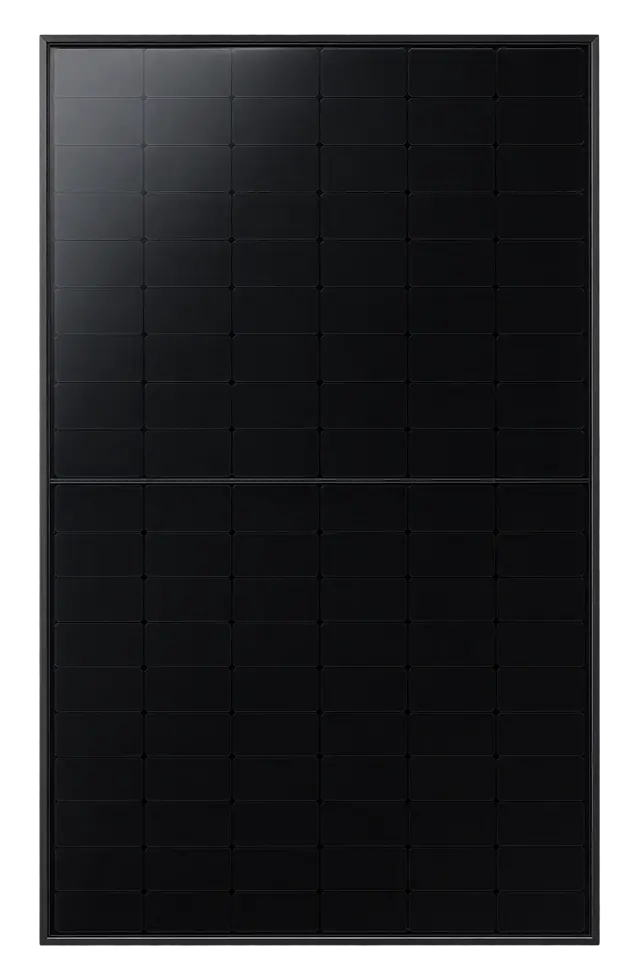
All-black residential back-contact module with black frame and backsheet, around 420 W.
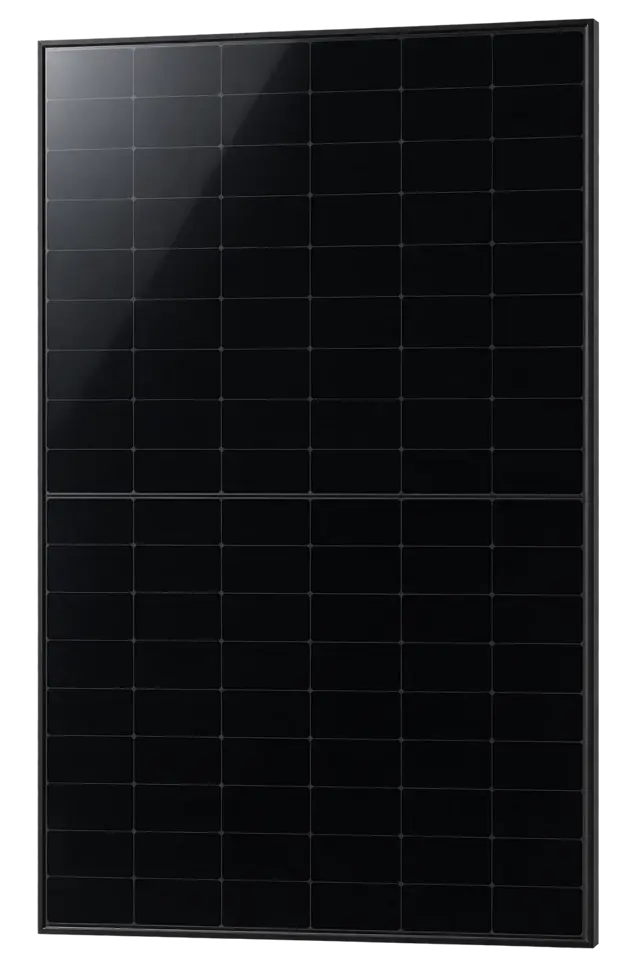
Premium all-black HPBC 2.0 rooftop module with extended warranty, around 450 W and 23 % efficiency.
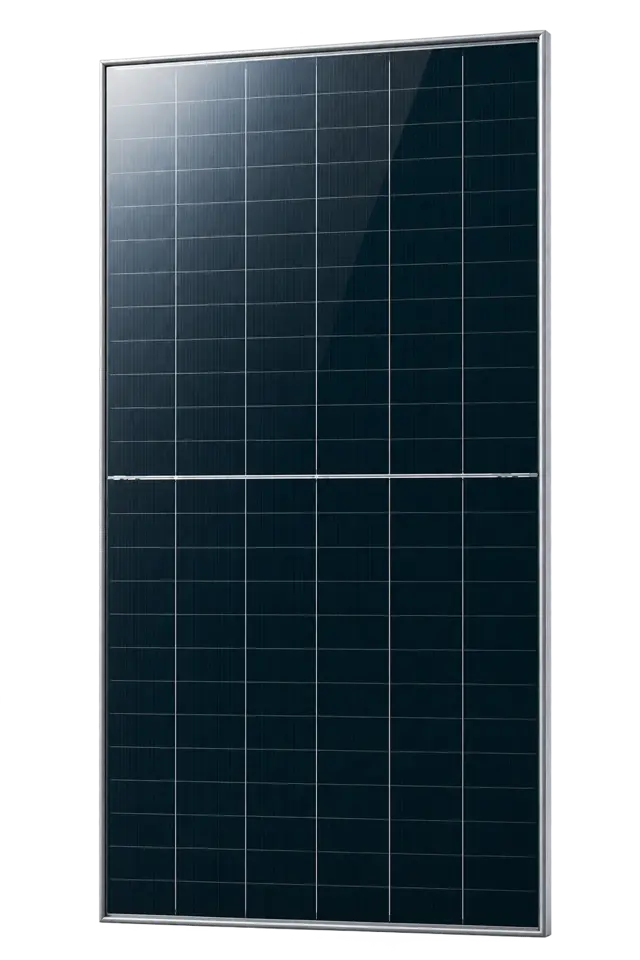
N-type TOPCon bifacial dual-glass module, 695–720 W, 23.2 % efficiency. Our utility-scale reference product.
