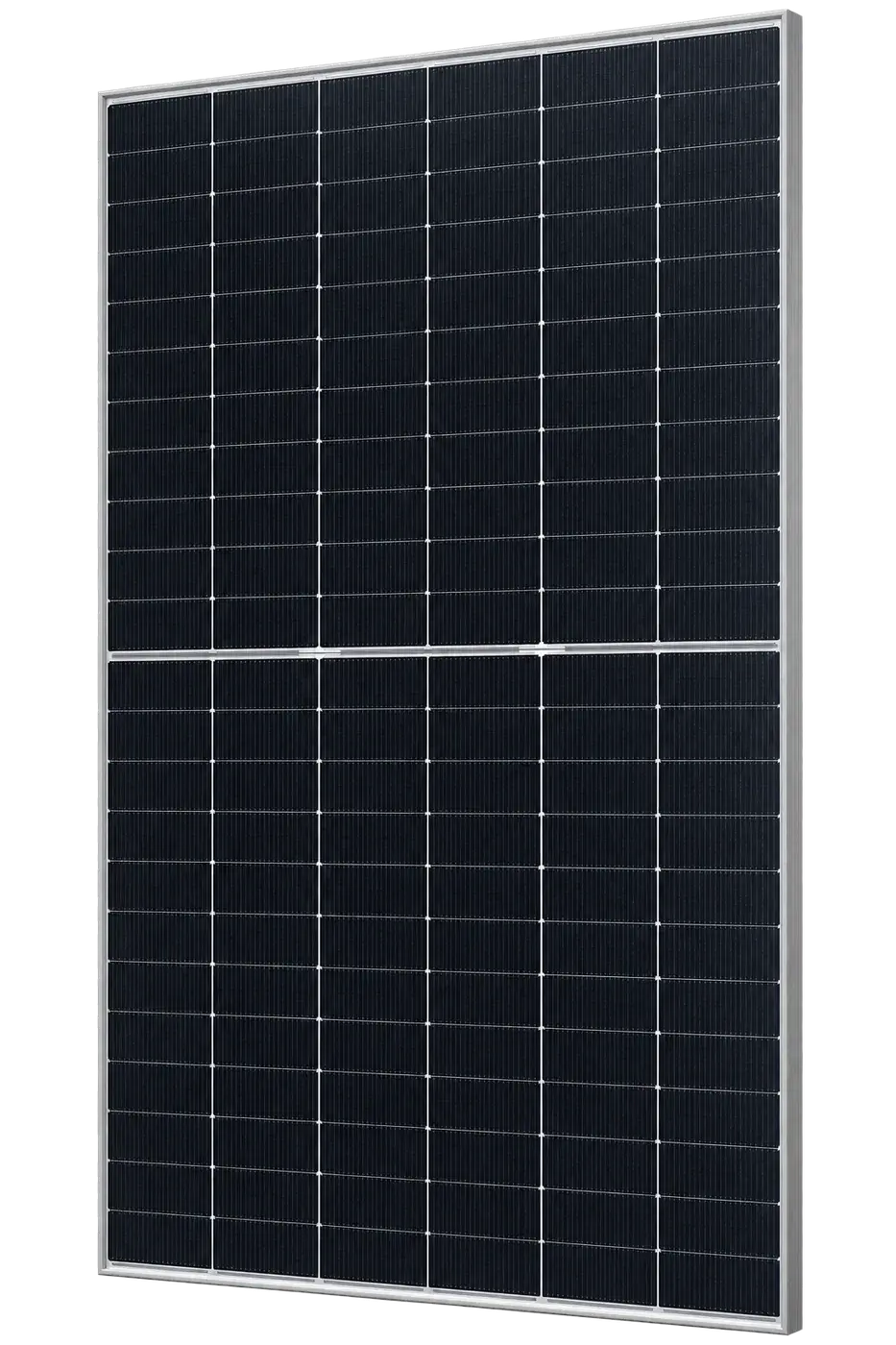
Full-square 210 mm (G12) wafers make a wider 2384 × 1303 mm module carrying 690–720 W. On a 100 MW plant this means roughly 15 % fewer modules than 600 W formats, with matching savings in clamps, connectors, string cables, piles and installation hours — the main reason utility developers favour it where trackers and racking are designed for the 1303 mm width.
The trade-off is high current: Imp is about 17.3 A and Isc about 18.4 A, so inverters must accept at least 20 A per string input, fuses are typically 30–35 A, and 6 mm² DC cable is standard. The 38 kg glass-glass module needs two installers or a vacuum lifter, and its larger area means higher wind loads on each clamp. Bifaciality of about 80 % gives strong rear gain on single-axis trackers over desert sand.
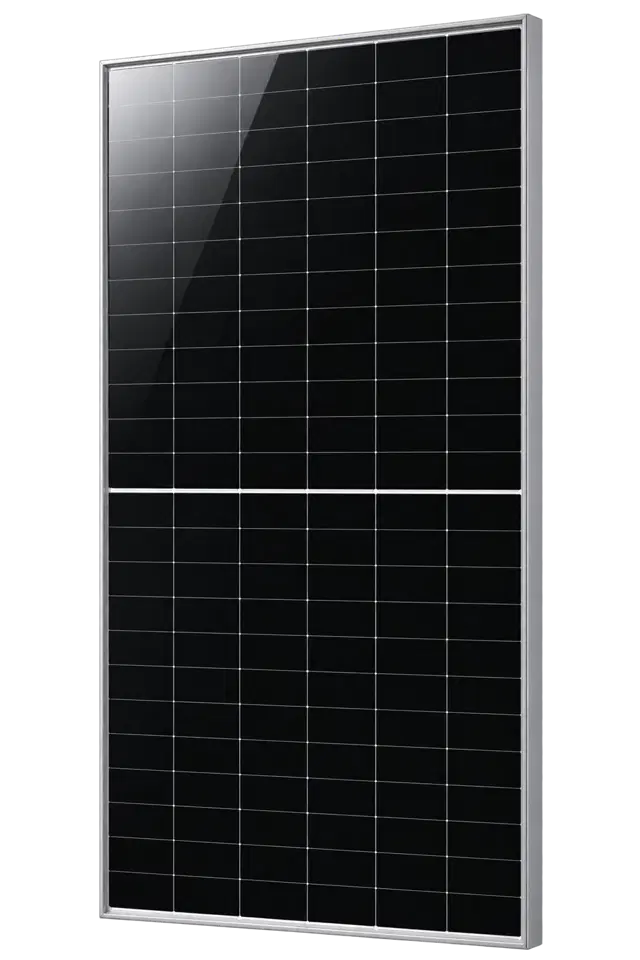
Utility-scale back-contact (HPBC 2.0) bifacial module, 640–670 W class, up to 24.8 % efficiency.
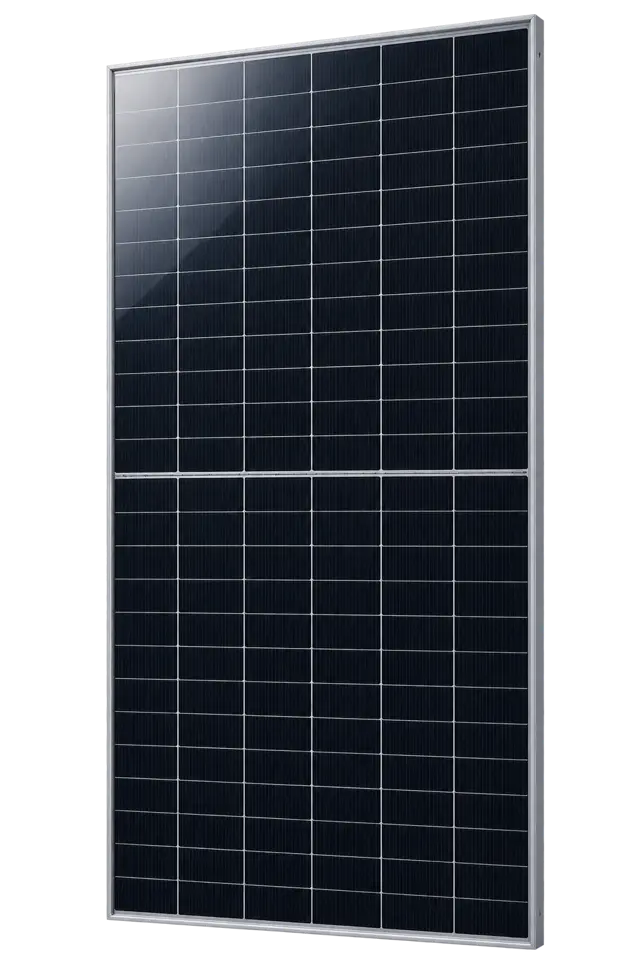
Bifacial dual-glass N-type HPDC module for ground-mount plants, 600–625 W, 23.0 % efficiency.
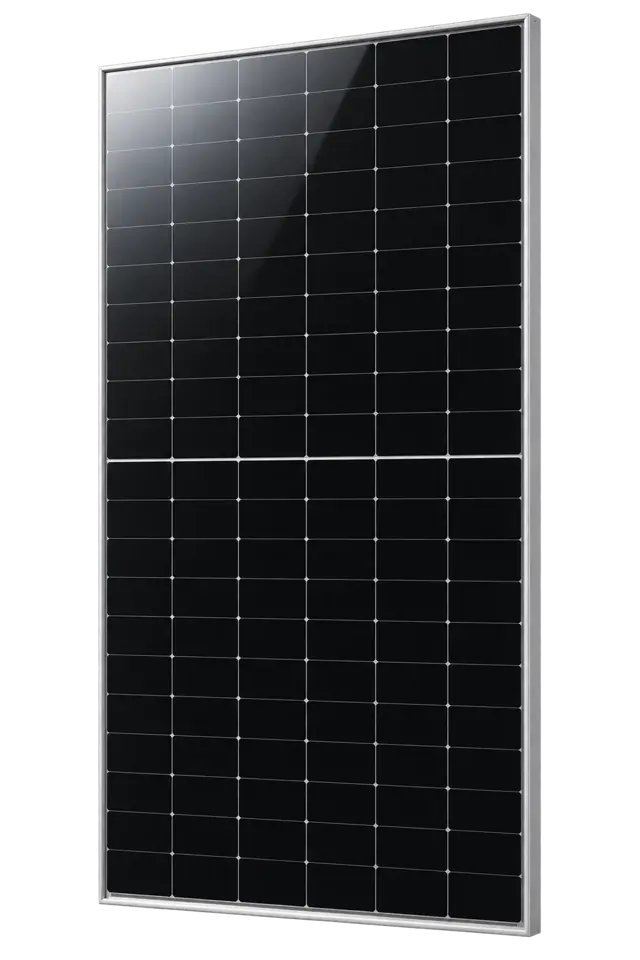
Monofacial HPBC module for commercial & industrial rooftops, 570–595 W, 22.8 % efficiency.
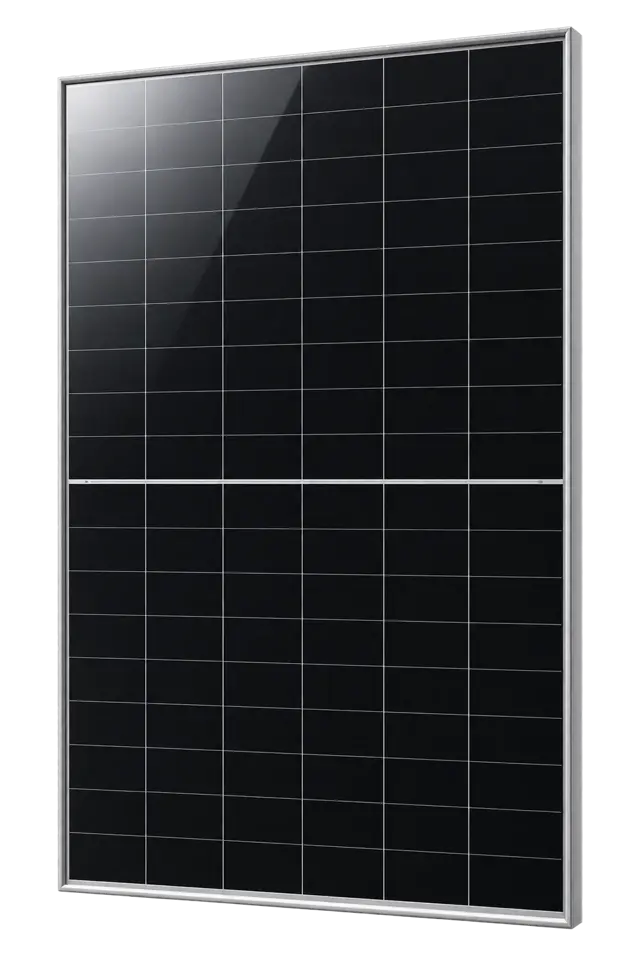
Residential back-contact rooftop module, 455–485 W, 23.3 % efficiency with anti-shading design.
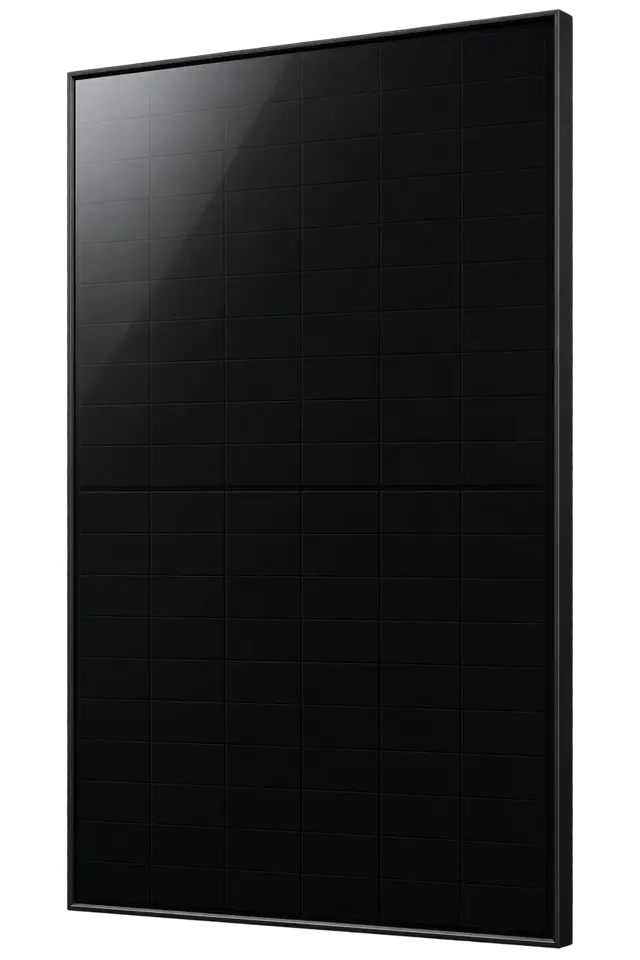
All-black aesthetic version for premium villas, 445–465 W, 22.5 % efficiency.
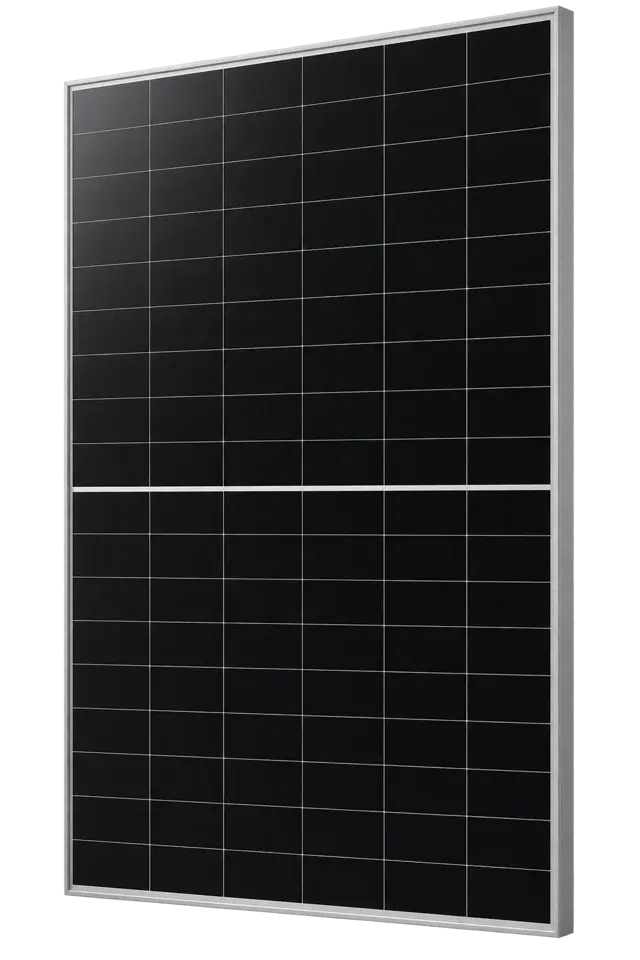
Residential HPBC 2.0 back-contact module, 54-cell format, around 480 W with strong partial-shade behaviour.
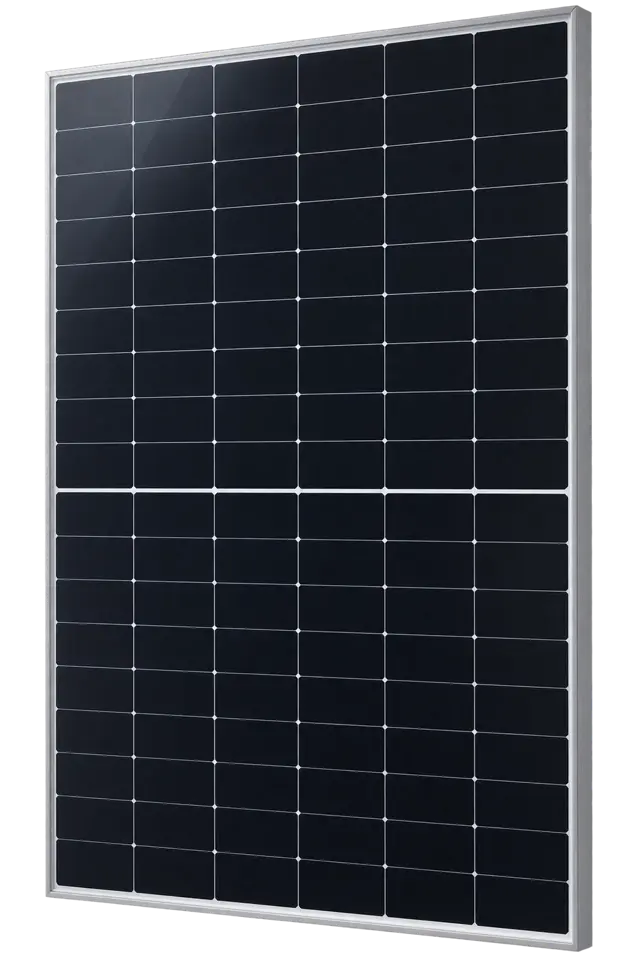
Rooftop HPBC back-contact module on 182 mm wafers, 415–435 W, around 22 % efficiency.
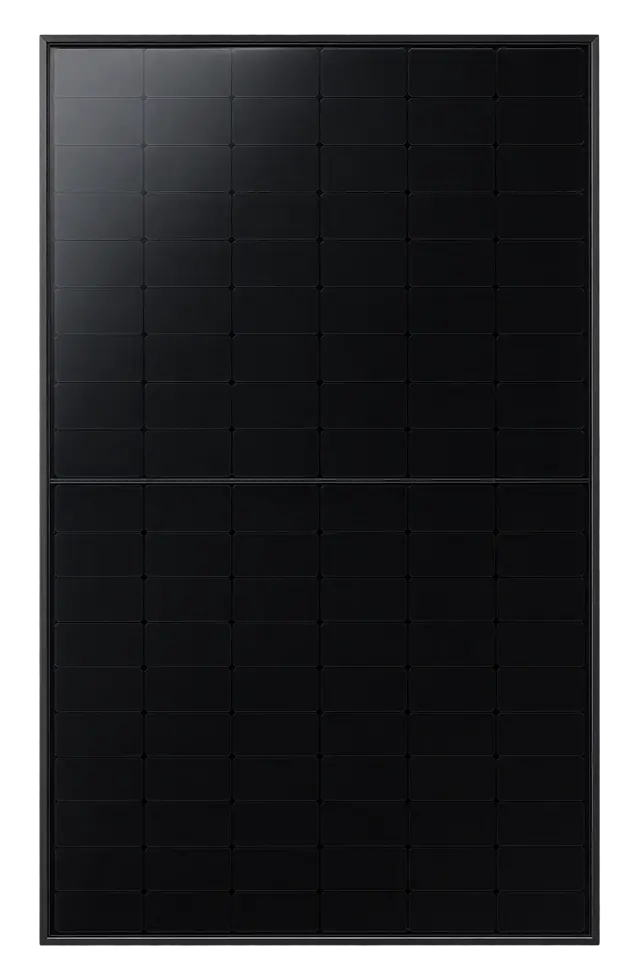
All-black residential back-contact module with black frame and backsheet, around 420 W.
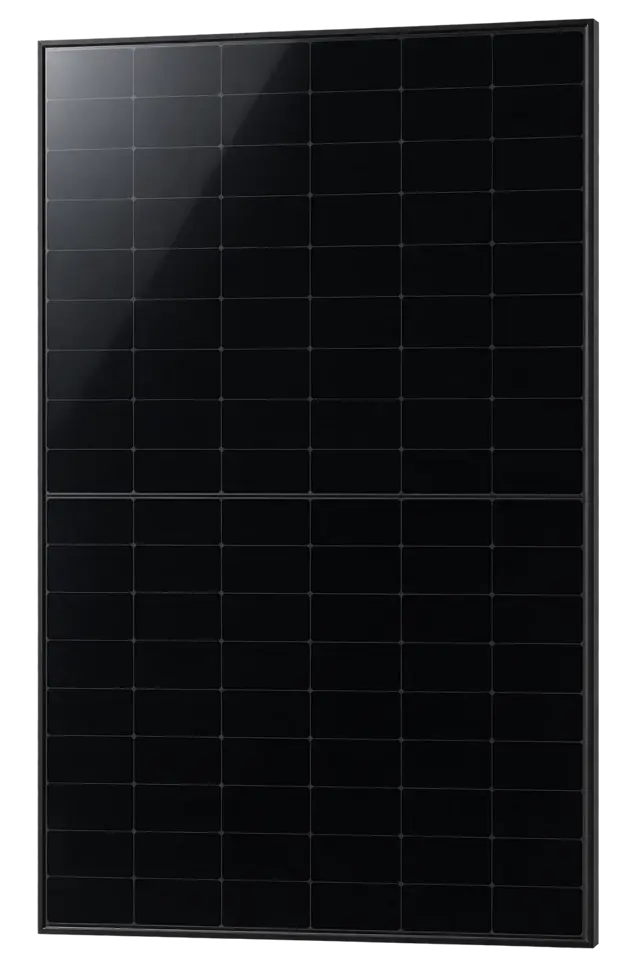
Premium all-black HPBC 2.0 rooftop module with extended warranty, around 450 W and 23 % efficiency.
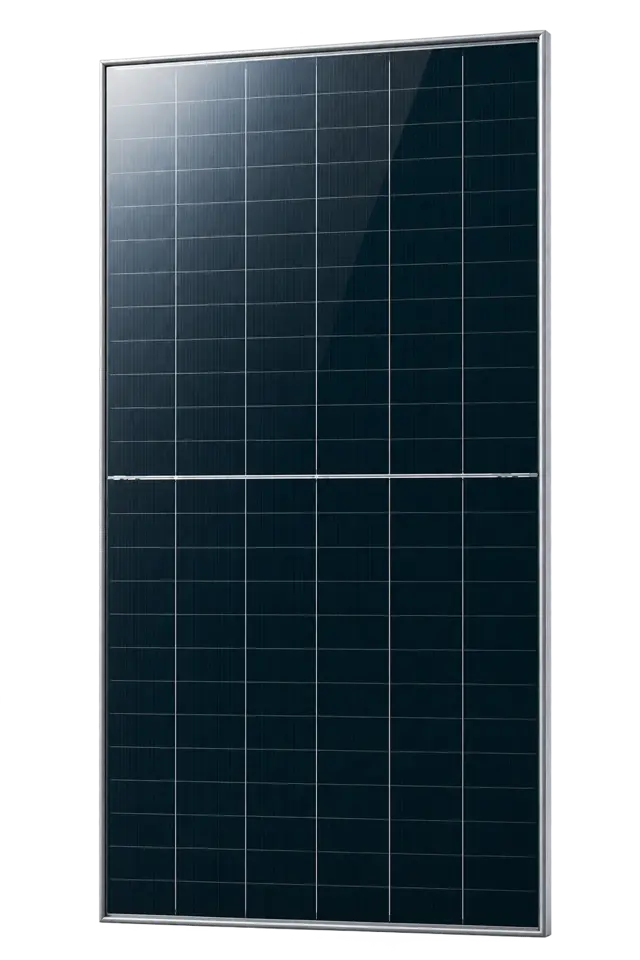
N-type TOPCon bifacial dual-glass module, 695–720 W, 23.2 % efficiency. Our utility-scale reference product.
