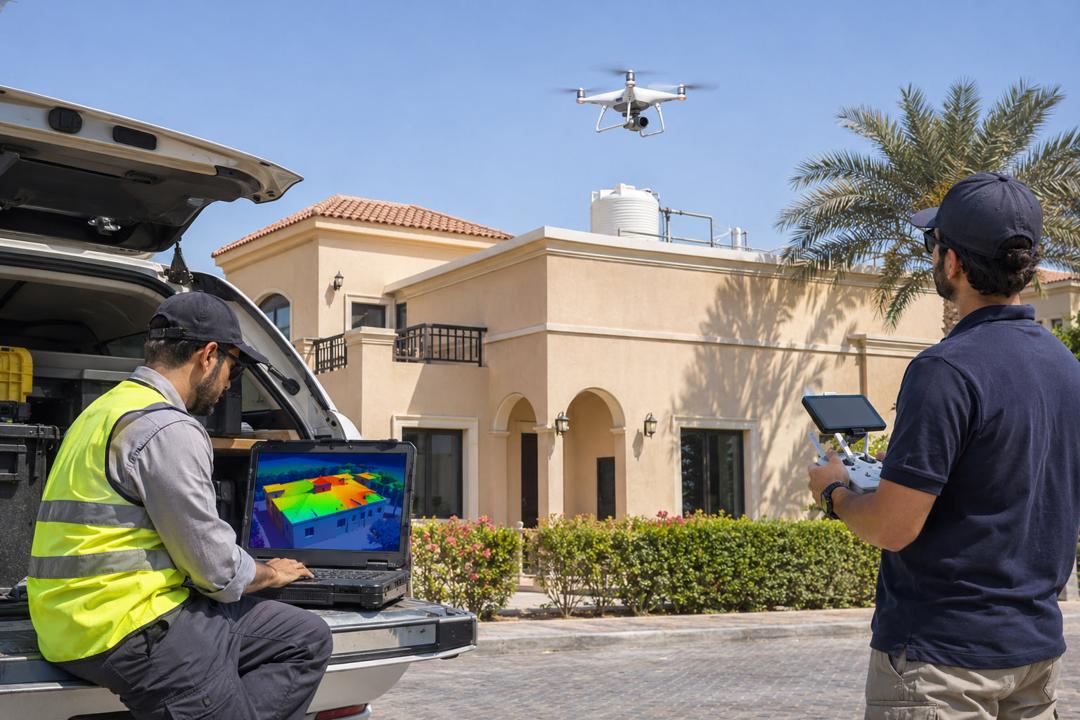
Shading is the loss most often underestimated on commercial roofs. Parapets, water tanks, AC units, lift rooms and neighbouring buildings all cast moving shadows that a 2D drawing does not show. A drone survey — photogrammetry from overlapping photos, or LiDAR for complex or vegetated sites — produces a point cloud and 3D mesh accurate to a few centimetres, so obstacles and roof slopes are measured rather than guessed.
The model is imported into the design tool, where sun-path calculations over a full year give a shading loss for each module or string. That makes it possible to leave out modules that would cost more in mismatch than they earn, use optimisers only where they pay back, and place inverters and walkways sensibly. The same survey also serves as a record of the roof's condition before work starts.
The indicative price covers a typical commercial roof or small ground-mounted site: flight, processing, 3D model and shading report. Flights follow local drone regulations, and the necessary flight permission is arranged as part of the job where required.
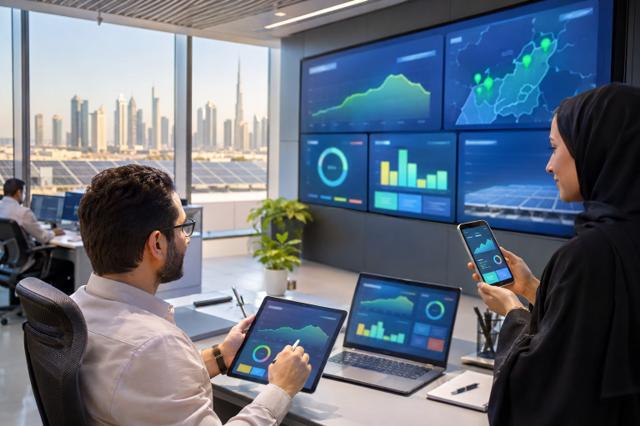
Multi-brand web portal and phone app for live production, alarms and automated reports across one site or a whole portfolio.
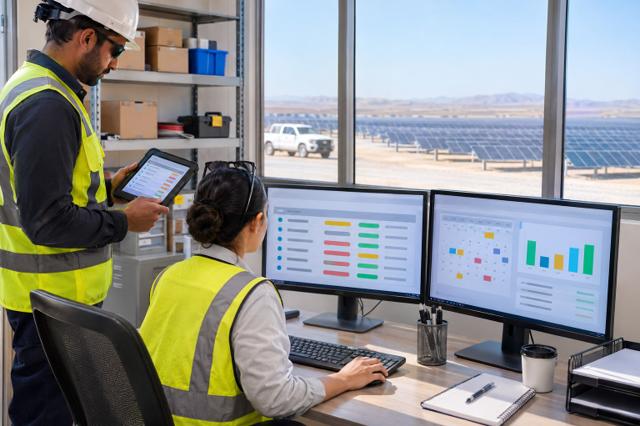
Work orders, ticketing, preventive maintenance plans and spare-parts stock for teams looking after many PV sites.
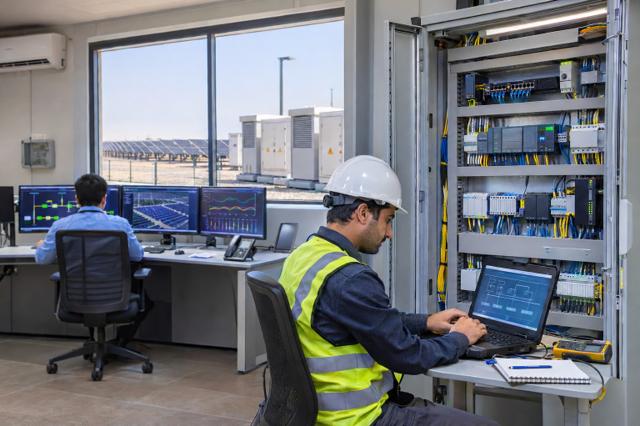
Engineering service to configure plant SCADA and the power plant controller, map every signal and prove grid-code performance at commissioning.
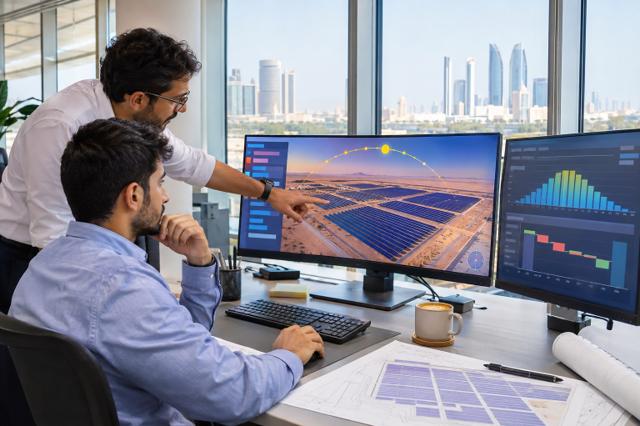
Hourly energy simulation with meteo data and detailed loss modelling, producing P50/P90 yields and reports that lenders accept.
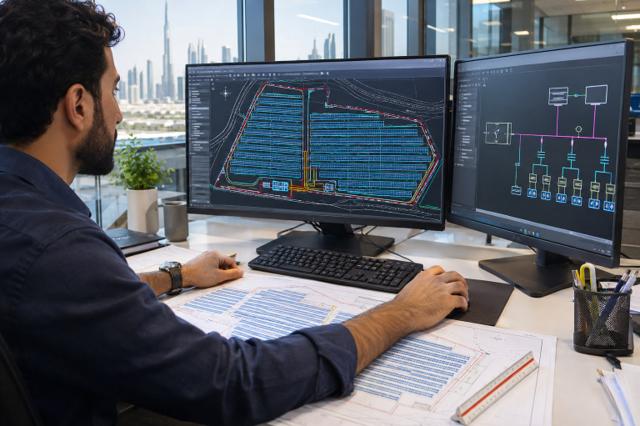
Array layout, row spacing, string plans, single-line diagrams and cable routing, from first sketch to construction drawings.
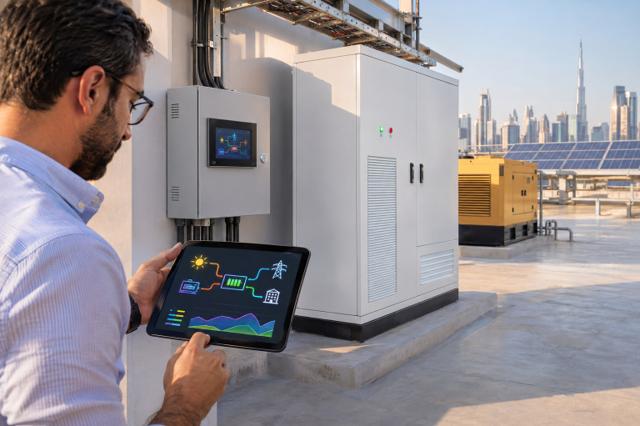
Controller and software that coordinate PV, batteries, generator and grid to cut energy cost, respect export limits and keep critical loads running.
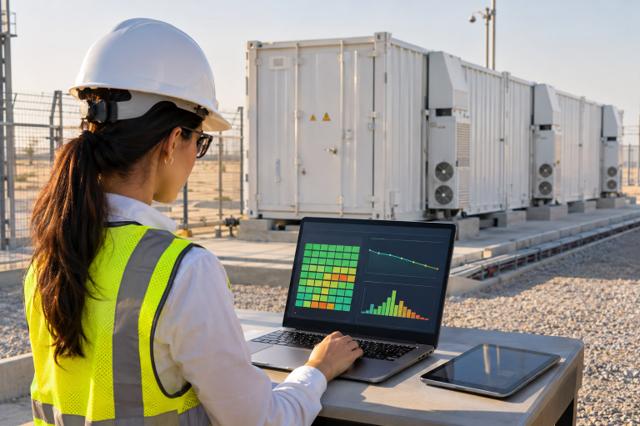
Cloud analysis of BMS data to track state of health, cell imbalance and degradation, and to build evidence for warranty claims.
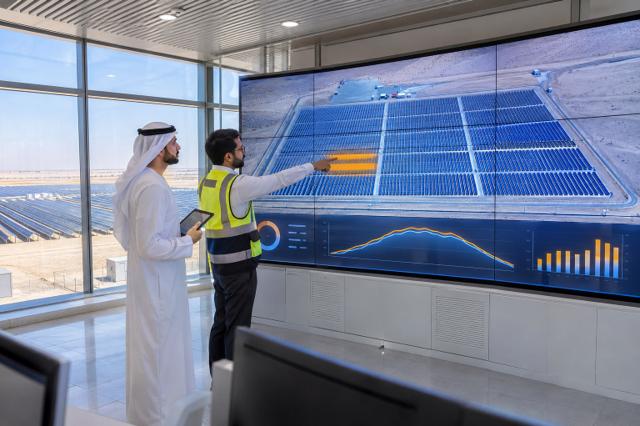
Physics-based model of the actual plant that runs alongside it, comparing expected and measured output to locate faults and losses.

Connecting plant data to ERP, BI dashboards, billing systems or the utility over Modbus, IEC 104, MQTT and REST.
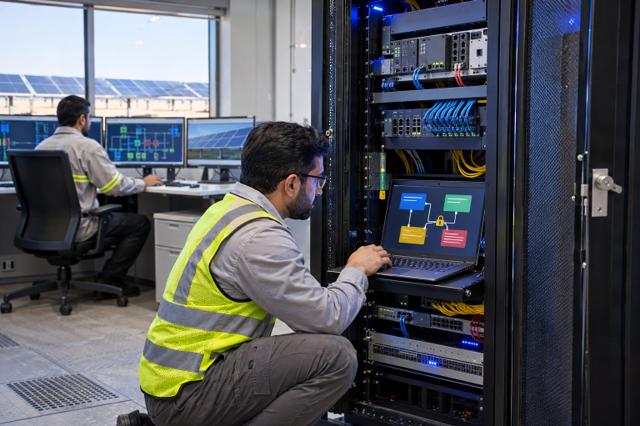
Network segmentation, hardened remote access and audits against IEC 62443 for plants and fleets connected to the internet.
