
A monitoring platform turns the raw data from loggers and inverter dongles into something an owner or installer can act on: live power and daily yield, consumption and battery state where meters are fitted, fault alarms pushed to a phone, and monthly reports sent by e-mail. A good platform is brand-agnostic, so a portfolio that mixes several inverter makes can still be viewed on one map and one dashboard.
When choosing one, check which devices it reads natively and which need a logger in between, how long raw data is kept (at least the length of the equipment warranty is sensible), whether alarm rules can be tuned to avoid nuisance notifications, and whether users can be given different access levels — owner, installer, O&M contractor. Data export in CSV or through an API matters if the figures will later feed accounting or a performance guarantee.
We set up the account, connect the devices, configure alarms and reports and hand over the logins. The indicative price is per site per year and covers the subscription and basic support; hardware such as a data logger or a Wi-Fi/4G dongle is listed separately under Monitoring & control.
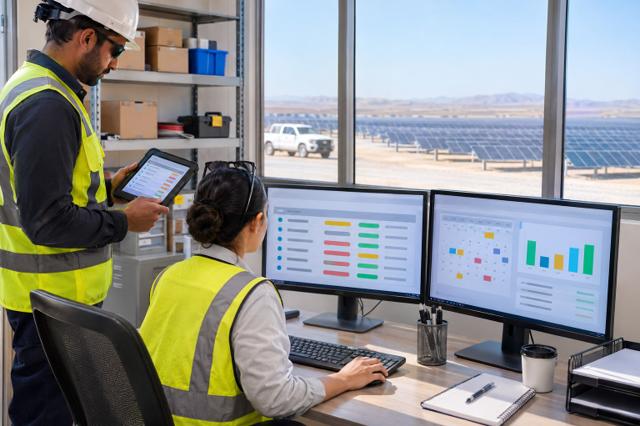
Work orders, ticketing, preventive maintenance plans and spare-parts stock for teams looking after many PV sites.
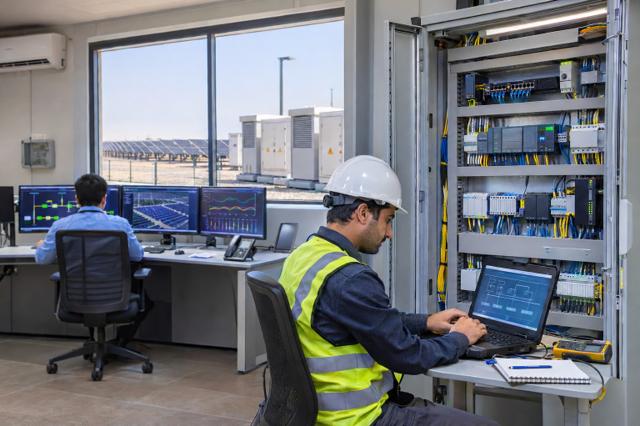
Engineering service to configure plant SCADA and the power plant controller, map every signal and prove grid-code performance at commissioning.

Hourly energy simulation with meteo data and detailed loss modelling, producing P50/P90 yields and reports that lenders accept.
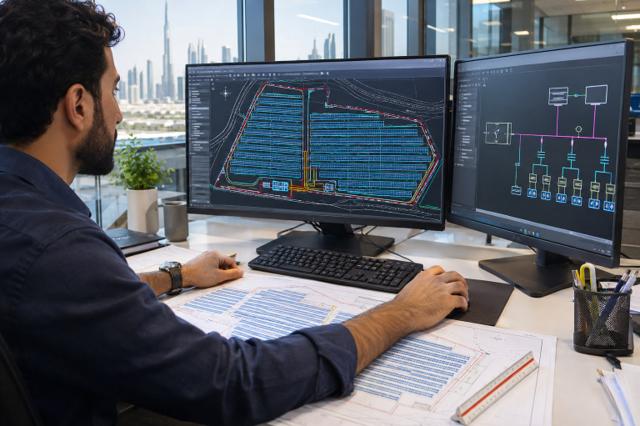
Array layout, row spacing, string plans, single-line diagrams and cable routing, from first sketch to construction drawings.
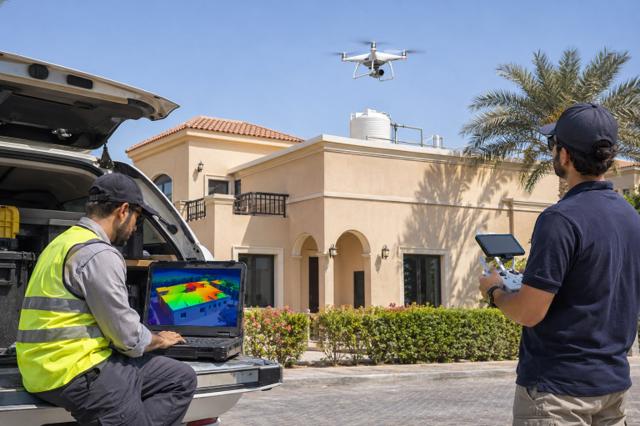
Accurate 3D model of a roof or site from a drone survey, used to quantify shading losses before the design is fixed.
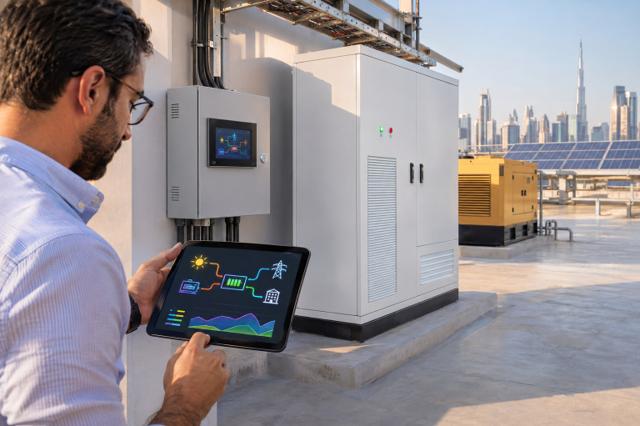
Controller and software that coordinate PV, batteries, generator and grid to cut energy cost, respect export limits and keep critical loads running.
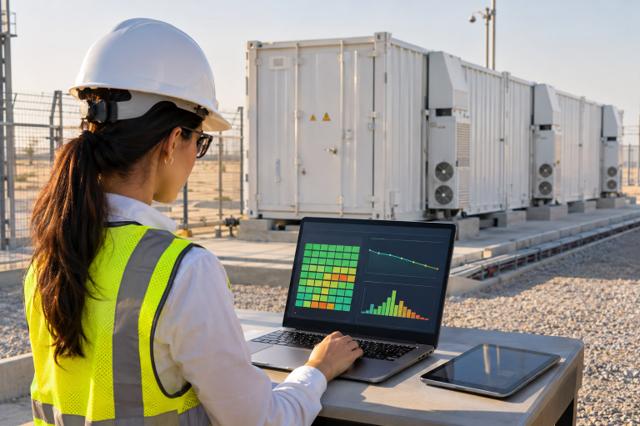
Cloud analysis of BMS data to track state of health, cell imbalance and degradation, and to build evidence for warranty claims.
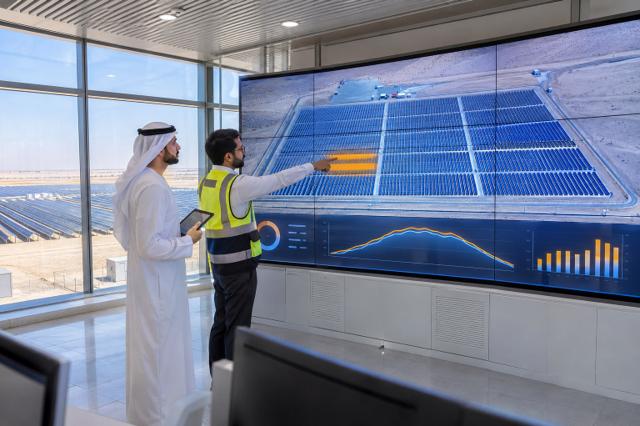
Physics-based model of the actual plant that runs alongside it, comparing expected and measured output to locate faults and losses.

Connecting plant data to ERP, BI dashboards, billing systems or the utility over Modbus, IEC 104, MQTT and REST.
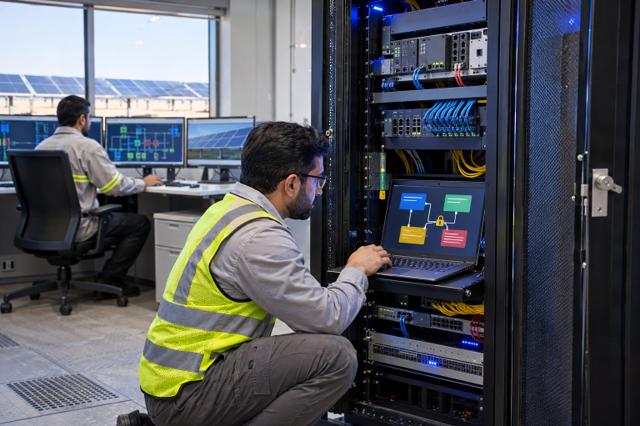
Network segmentation, hardened remote access and audits against IEC 62443 for plants and fleets connected to the internet.
