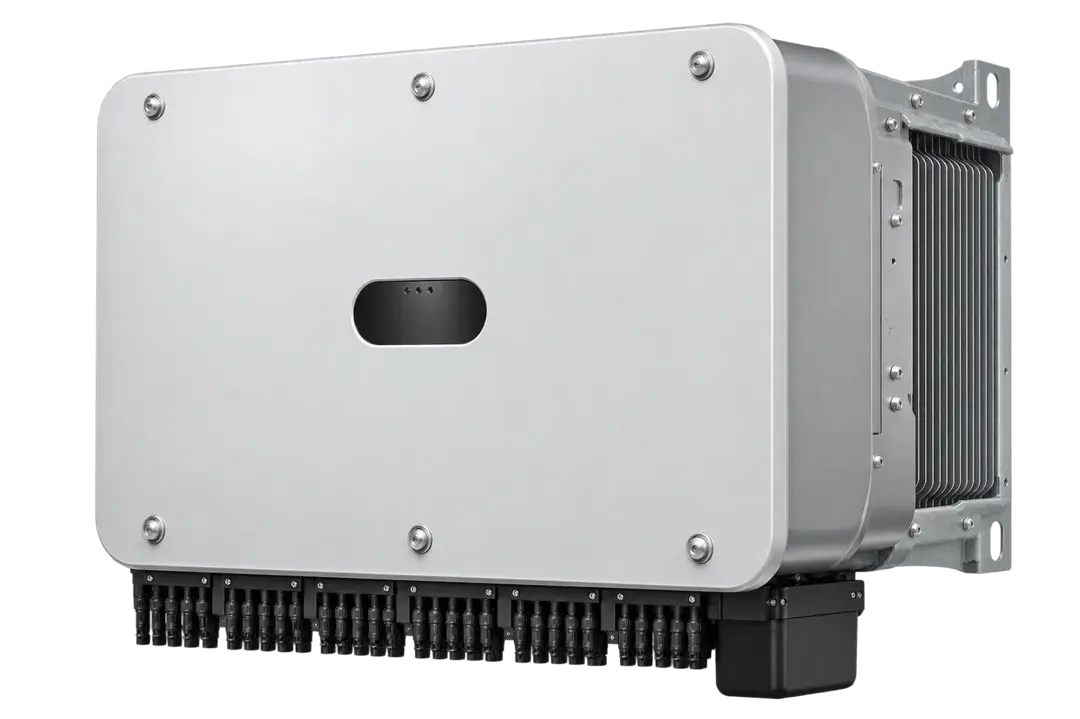
Since around 2018 most utility PV plants have moved from central inverters to large 1,500 V string inverters. Each unit has its own MPPTs, so mismatch between strings (soiling, module tolerance, tracker rows at different angles) costs less energy, and a fault takes out only ~0.3 MW instead of several megawatts.
The SUN2000-330KTL-H1 delivers 300 kW rated (330 kVA maximum) at 800 V AC with six MPPTs and up to 28 string inputs. Dozens of units are connected via AC combiner panels to a 3–6.8 MVA medium-voltage transformer station. Smart I-V curve diagnosis can scan an entire plant remotely in minutes, replacing manual string testing.
With tracker-mounted bifacial modules, typical DC/AC ratios are 1.2–1.35. String inverters are now the default choice for plants from 5 MW to several hundred MW in the GCC.
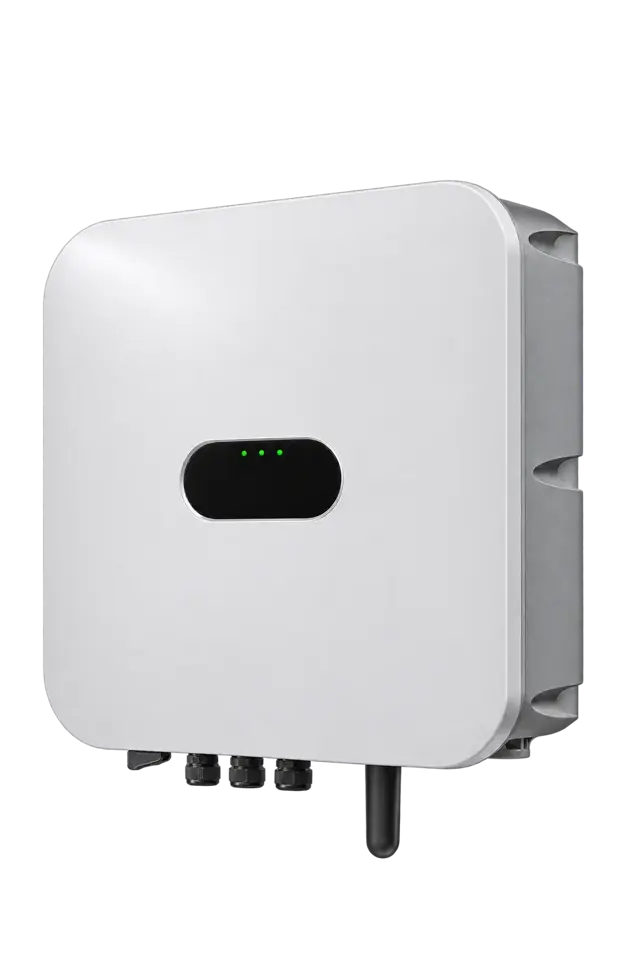
Compact residential string inverter with two MPPTs, 98.4 % peak efficiency and battery-ready design for villas and small rooftops.
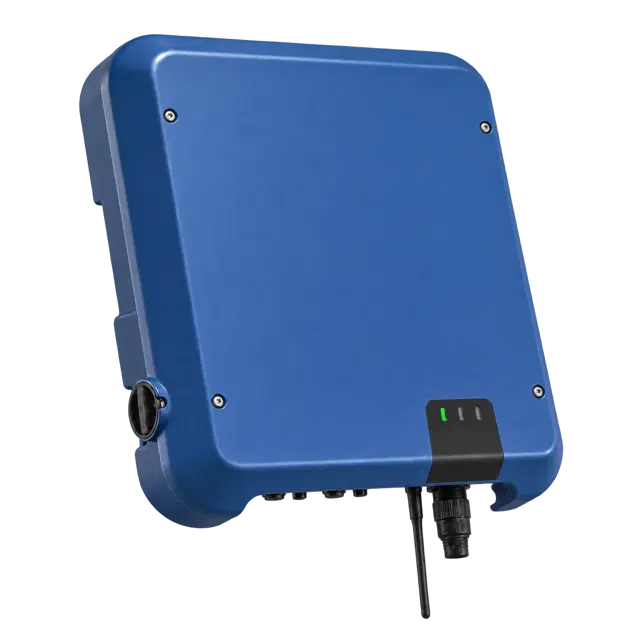
Three-phase inverter for large villas and small businesses, with balanced phase output and integrated web monitoring.
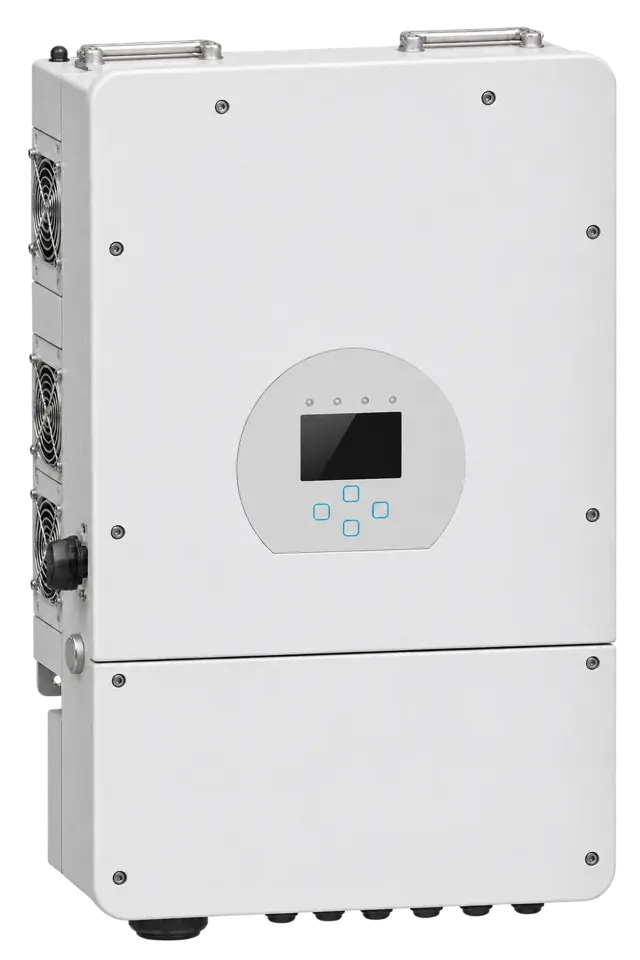
Hybrid inverter for homes with low-voltage LFP batteries: solar, battery, grid and generator inputs with automatic backup switching.
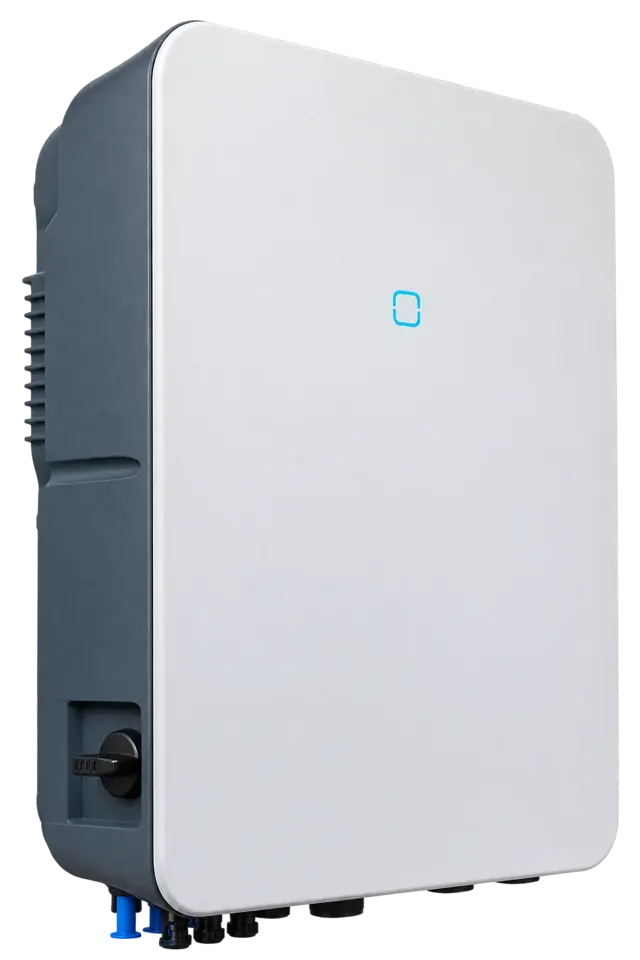
Three-phase hybrid for high-voltage batteries, with full backup on all three phases and 150 % DC oversizing.
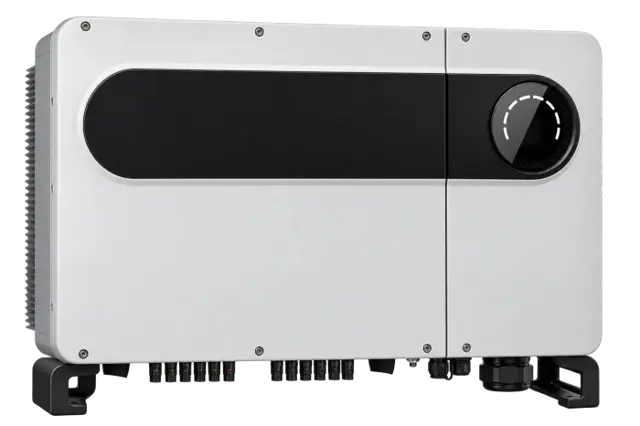
Six-MPPT commercial inverter for warehouse, factory and carport rooftops, with smart I-V curve diagnosis.
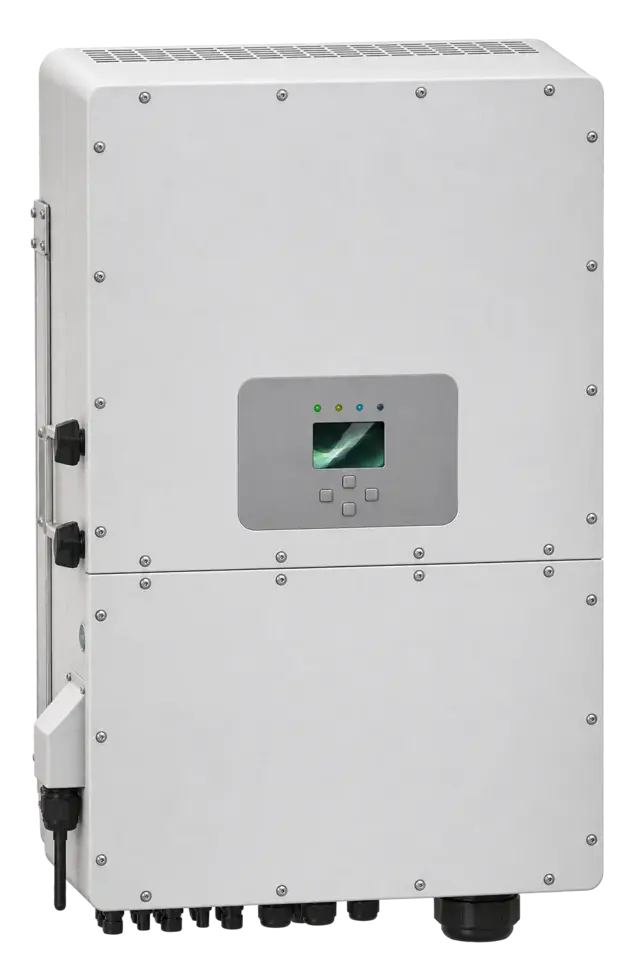
Commercial hybrid inverter for high-voltage battery cabinets: peak shaving, backup and diesel-generator integration for sites with weak grids.
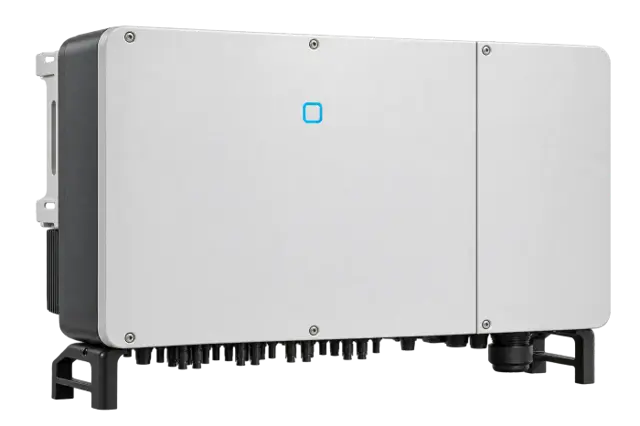
Nine-MPPT workhorse for large rooftops and distributed ground-mount plants, 98.7 % max efficiency.
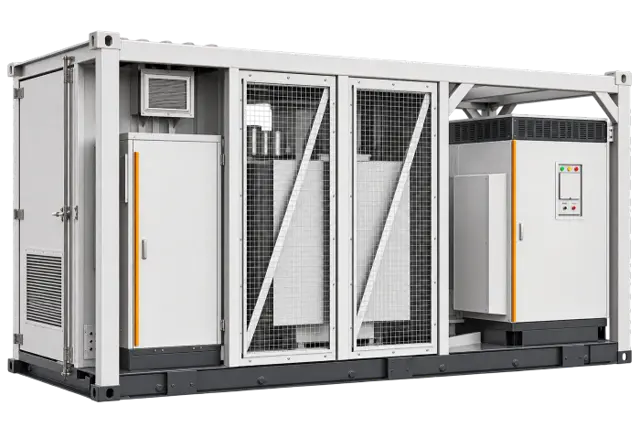
Megawatt-class central inverter for large, uniform utility plants; available as a turnkey MV skid with transformer and switchgear.
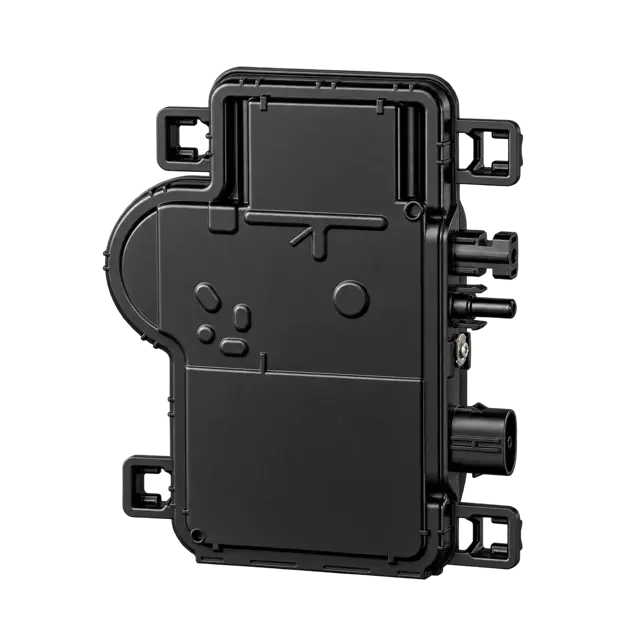
Module-level inverter: each module produces AC independently; suited to shaded or complex roofs and rapid-shutdown compliance.
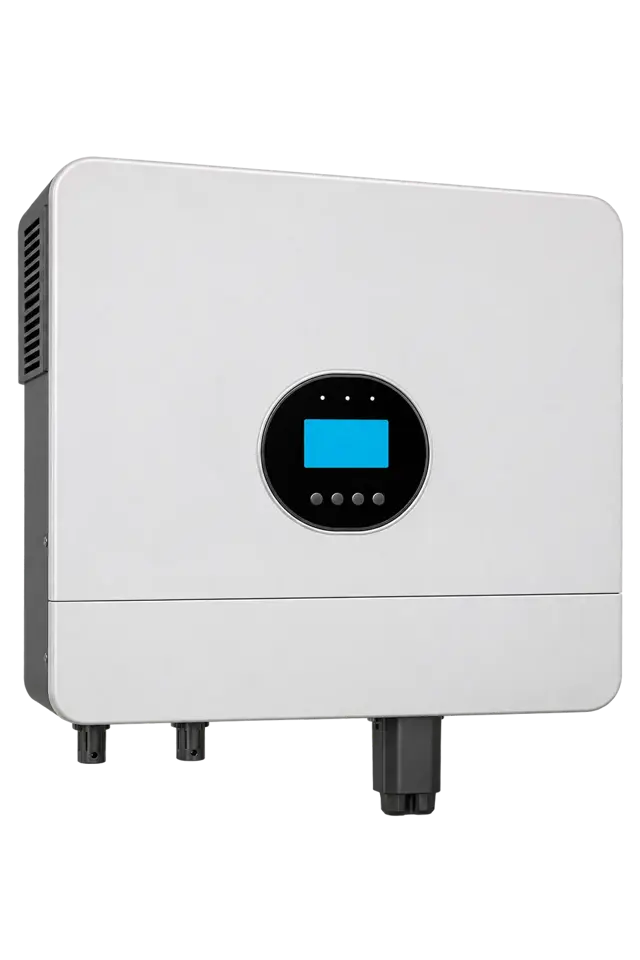
All-in-one off-grid inverter-charger with built-in MPPT for remote sites, farms, cabins and telecom shelters.
