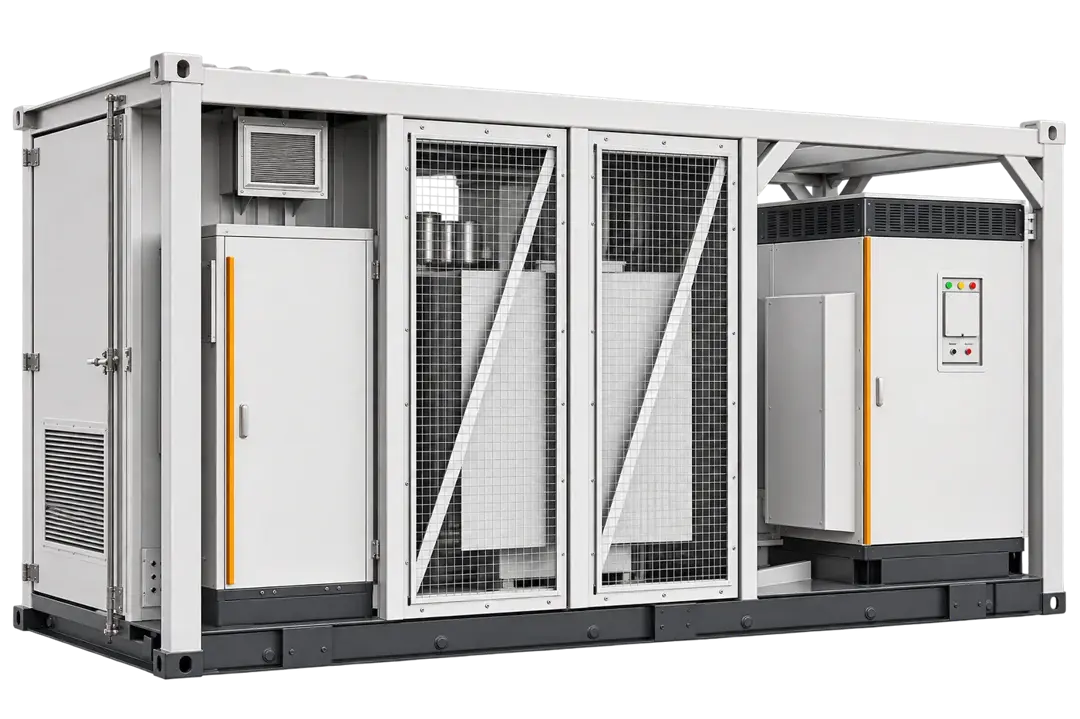
A central inverter converts the output of several megawatts of modules in one cabinet. DC strings are first gathered in field combiner boxes, then fed through DC cables to the inverter, which sits in a medium-voltage (MV) skid next to a step-up transformer.
Central inverters offer the lowest equipment cost per watt and simple maintenance logistics (few large units), which suits flat desert sites with uniform rows. The trade-offs are fewer MPPTs (more mismatch loss), more DC cabling and combiner boxes, and larger energy loss when a single unit is down. This is why string inverters now dominate new projects.
The SG3125HV is a 1,500 V design rated 3,125 kVA at 600 V AC, typically delivered as an MV turnkey station (inverter + 33 kV transformer + RMU) for fast commissioning.
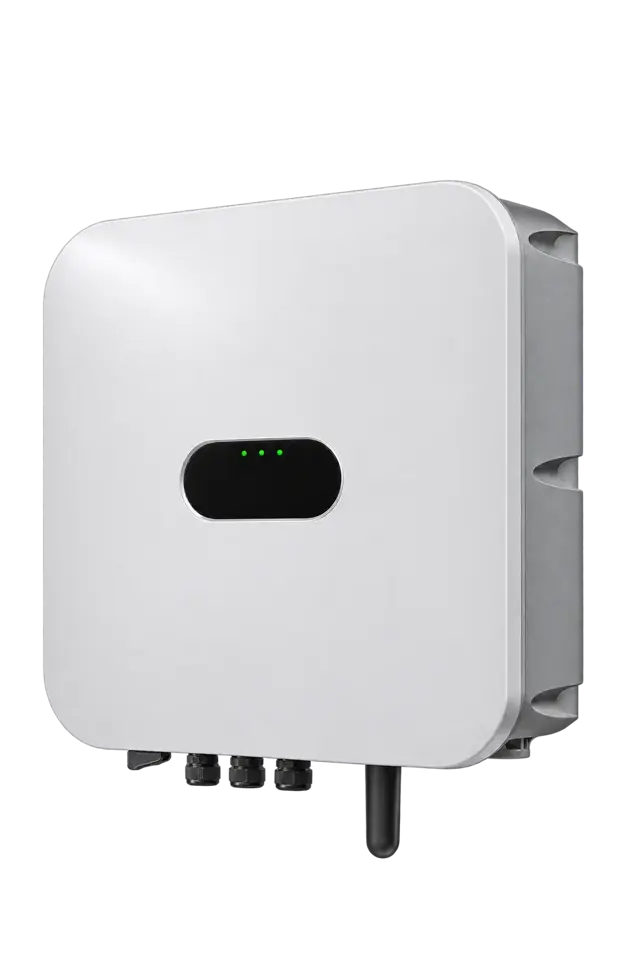
Compact residential string inverter with two MPPTs, 98.4 % peak efficiency and battery-ready design for villas and small rooftops.
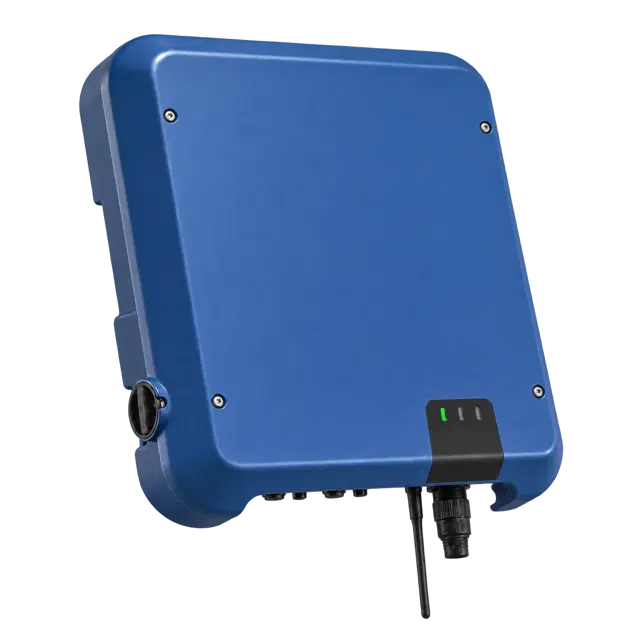
Three-phase inverter for large villas and small businesses, with balanced phase output and integrated web monitoring.
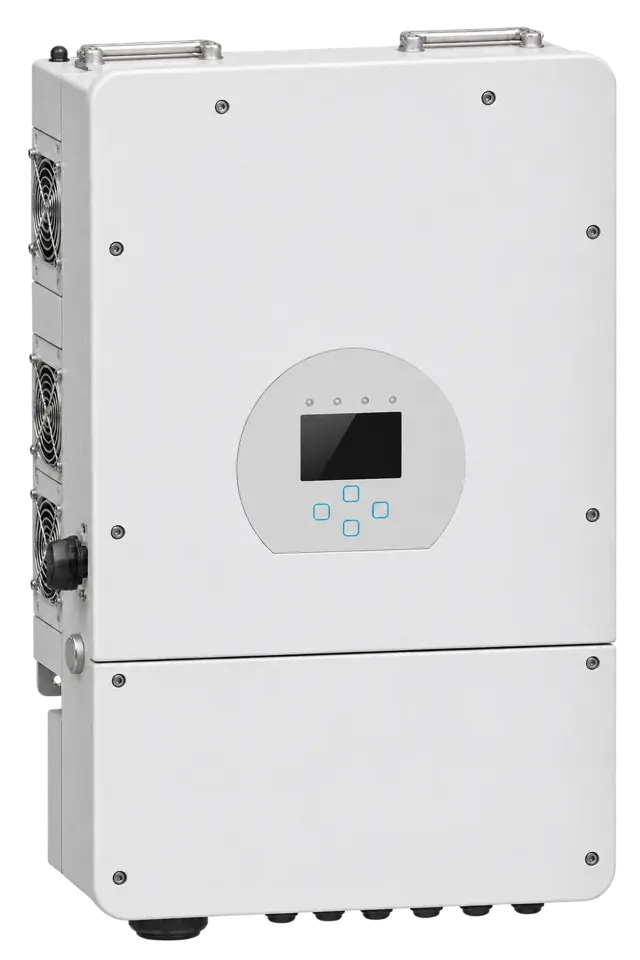
Hybrid inverter for homes with low-voltage LFP batteries: solar, battery, grid and generator inputs with automatic backup switching.
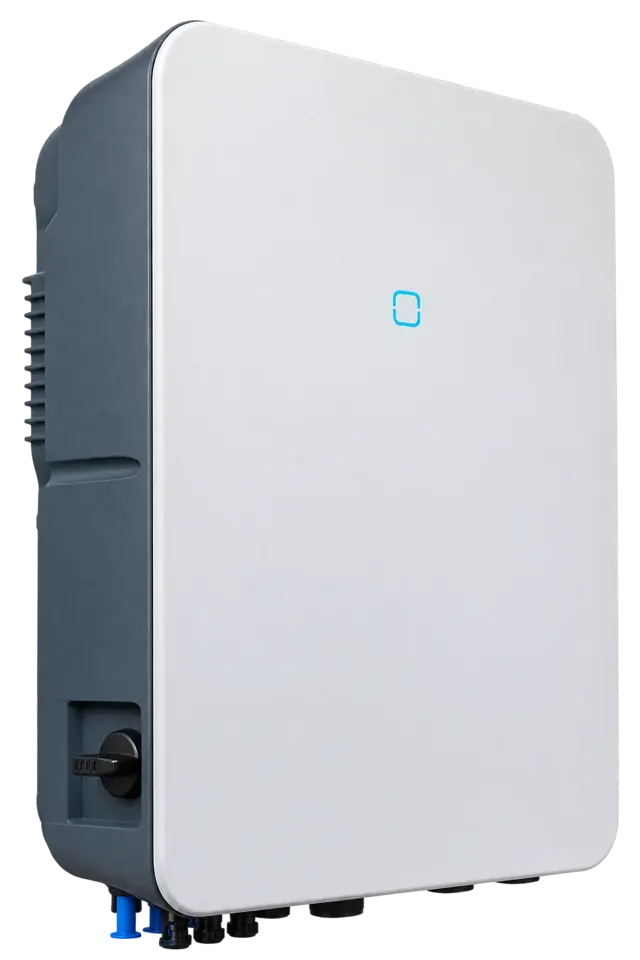
Three-phase hybrid for high-voltage batteries, with full backup on all three phases and 150 % DC oversizing.
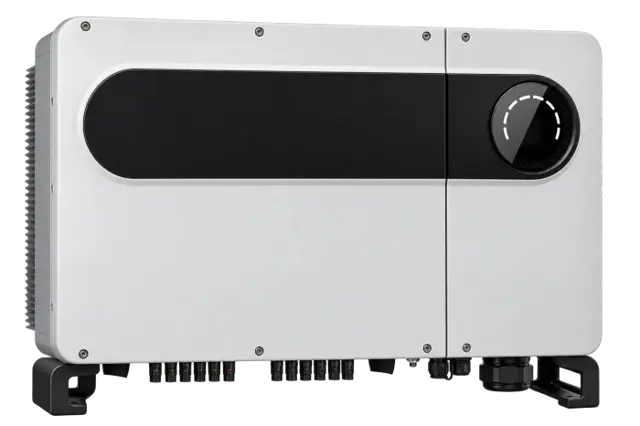
Six-MPPT commercial inverter for warehouse, factory and carport rooftops, with smart I-V curve diagnosis.
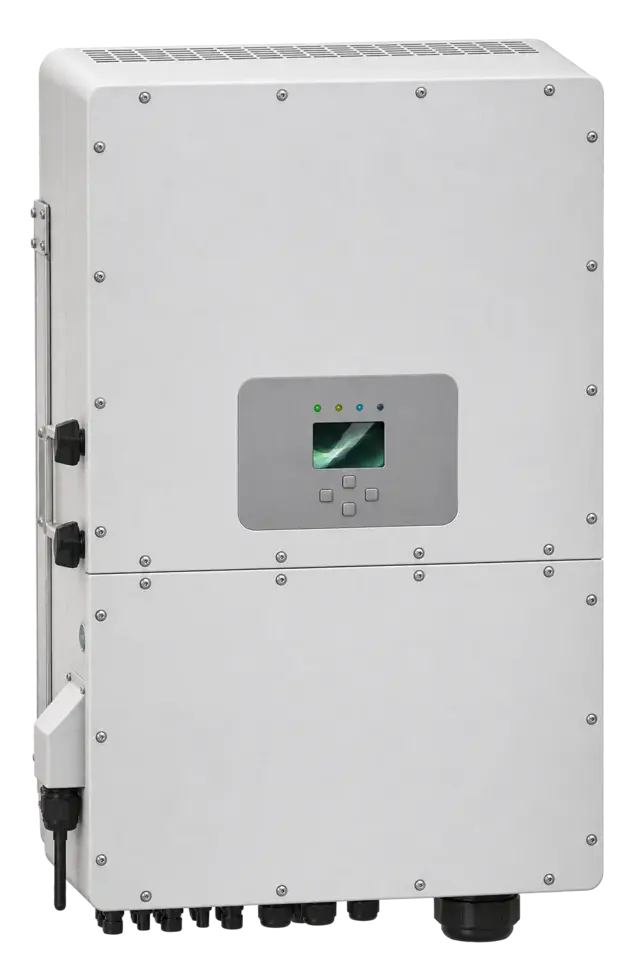
Commercial hybrid inverter for high-voltage battery cabinets: peak shaving, backup and diesel-generator integration for sites with weak grids.
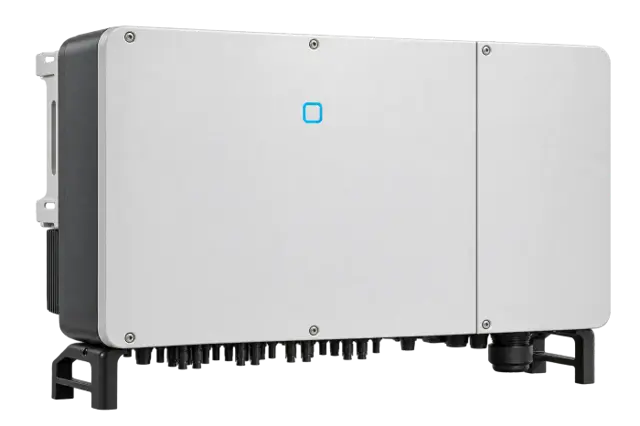
Nine-MPPT workhorse for large rooftops and distributed ground-mount plants, 98.7 % max efficiency.
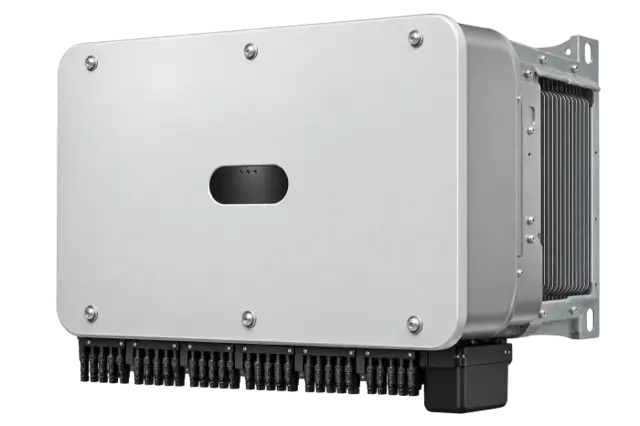
300 kW / 330 kVA string inverter for utility-scale plants on 1,500 V DC, feeding an 800 V AC medium-voltage skid.
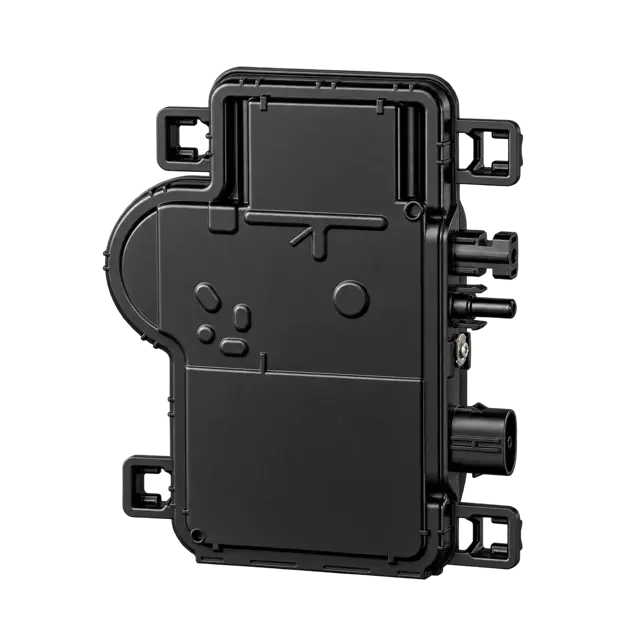
Module-level inverter: each module produces AC independently; suited to shaded or complex roofs and rapid-shutdown compliance.
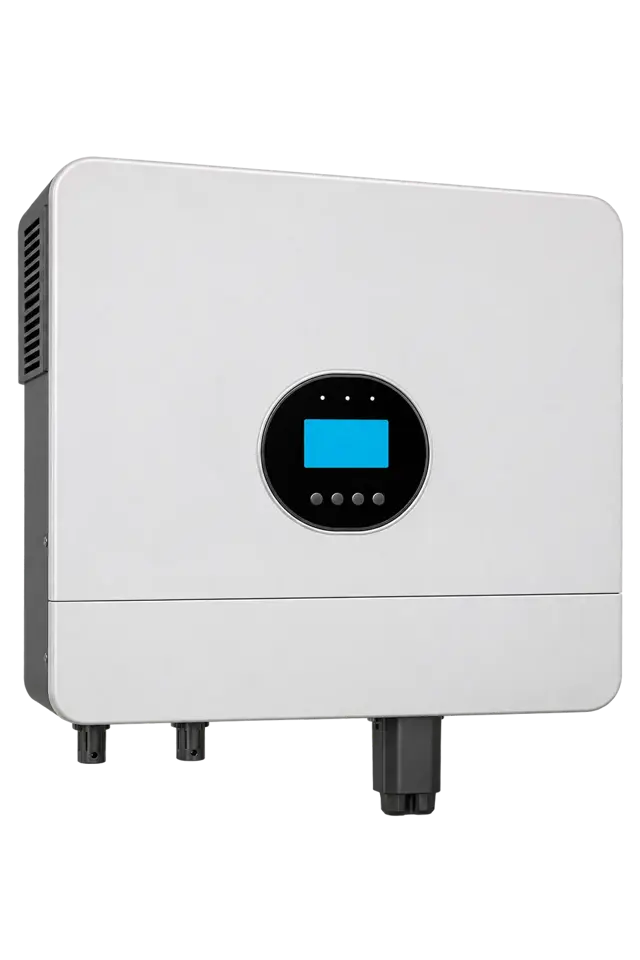
All-in-one off-grid inverter-charger with built-in MPPT for remote sites, farms, cabins and telecom shelters.
