Cells laminated between two sheets of tempered glass for higher durability, lower degradation and 30-year warranties.
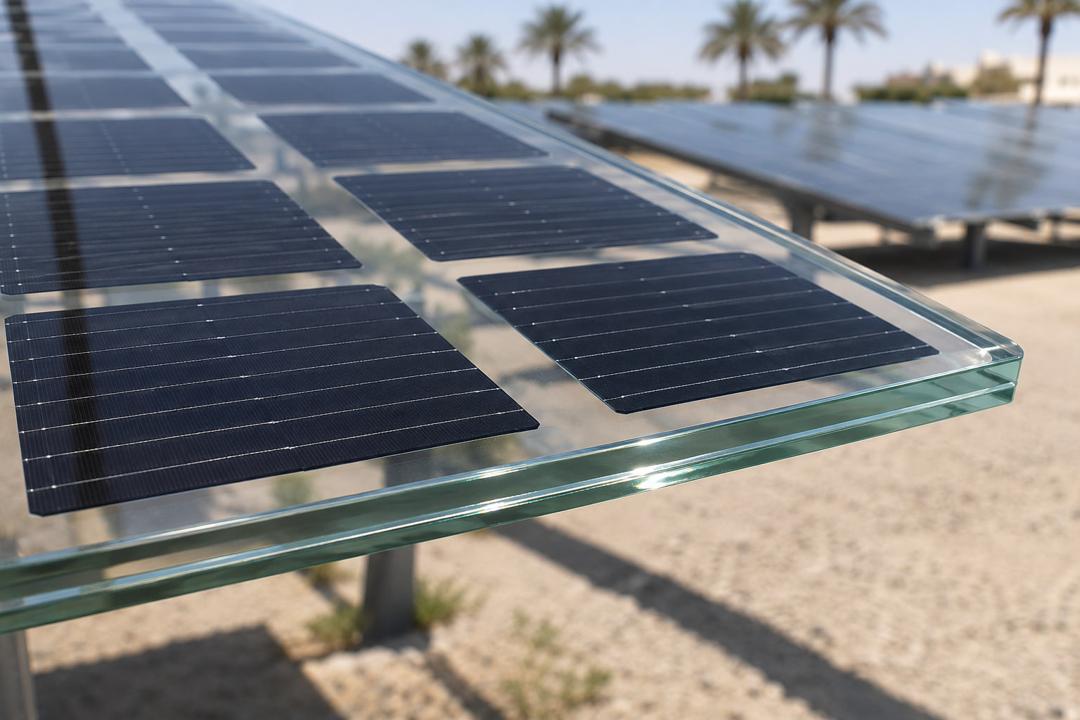
Instead of a polymer backsheet, a dual-glass module uses a second sheet of tempered or heat-strengthened glass on the rear. Common constructions are 2.0 mm + 2.0 mm or 1.6 mm + 1.6 mm, with POE or EPE encapsulant that is more resistant to moisture and potential-induced degradation (PID) than standard EVA.
The cells sit on the neutral plane of the laminate, so mechanical stress on them is reduced and micro-cracks are less likely. Glass is impermeable to water vapor and does not yellow or crack under UV like some backsheets, which is why manufacturers offer 30-year linear power warranties on dual-glass products versus 25 years for glass-backsheet.
Dual glass is almost always combined with bifacial cells and is the standard construction for utility-scale N-type modules. It is also well suited to high-humidity coastal sites, high-UV deserts and agrivoltaic or carport projects where the rear is visible.
The disadvantages are higher weight (a 2384 × 1303 mm module weighs about 37–39 kg versus 32 kg for a backsheet version) and the need for correct clamping zones and torque. Installers should follow the manufacturer's installation manual closely to avoid glass breakage.
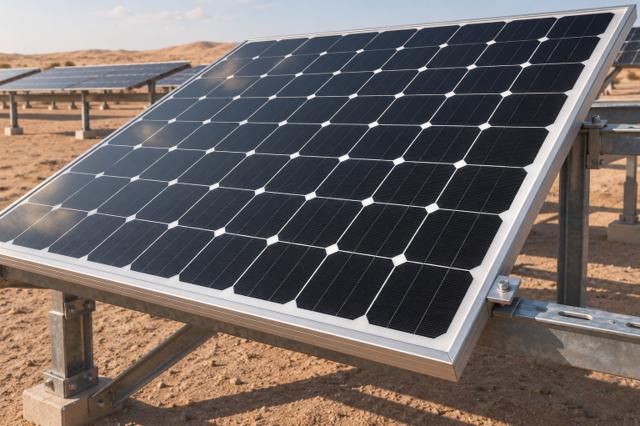
Passivated Emitter and Rear Cell on P-type monocrystalline silicon, the workhorse technology of 2016–2023.
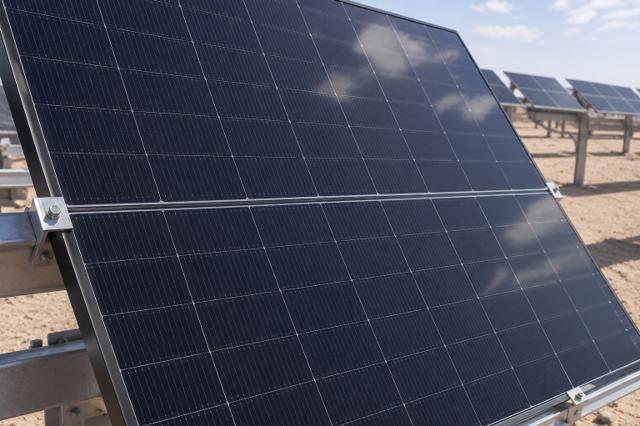
Tunnel Oxide Passivated Contact cells on N-type wafers: today's mainstream high-efficiency, high-bifaciality technology.
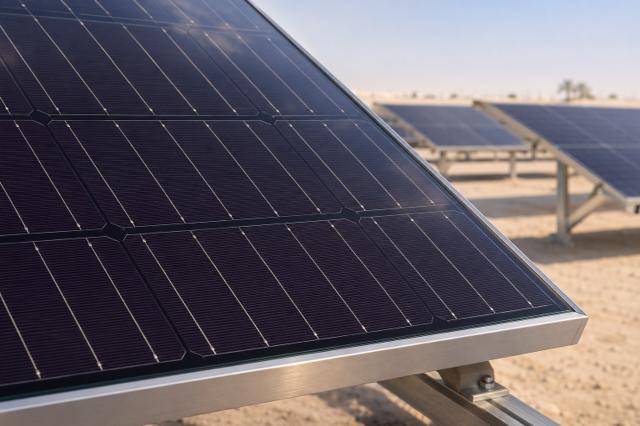
Crystalline N-type wafer sandwiched between thin amorphous-silicon layers, with the best temperature coefficient among silicon technologies.
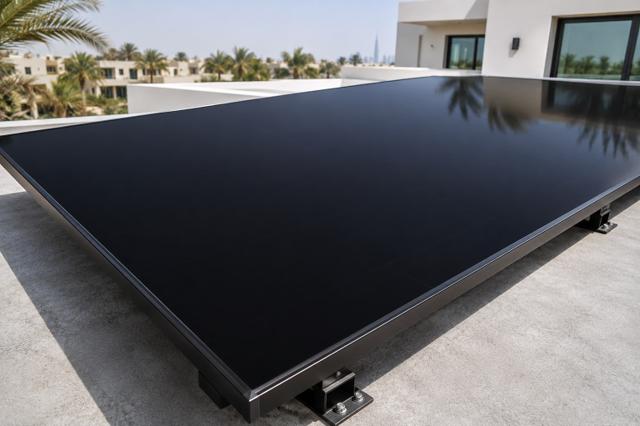
All electrical contacts moved to the rear of the cell. No front busbars, more light captured and the highest module efficiencies on the market.
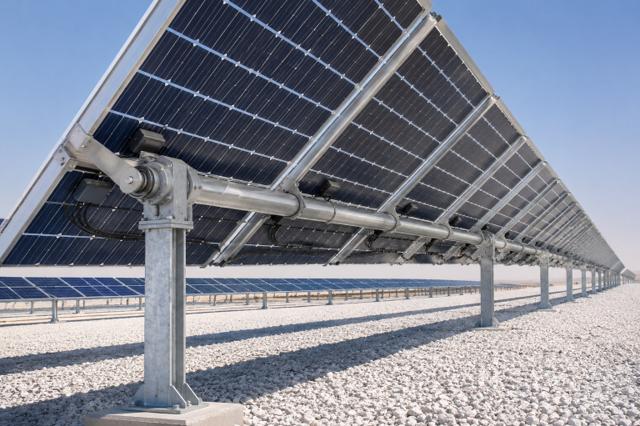
Modules that also convert light reaching their rear side, adding 5–25 % energy depending on ground albedo and mounting height.
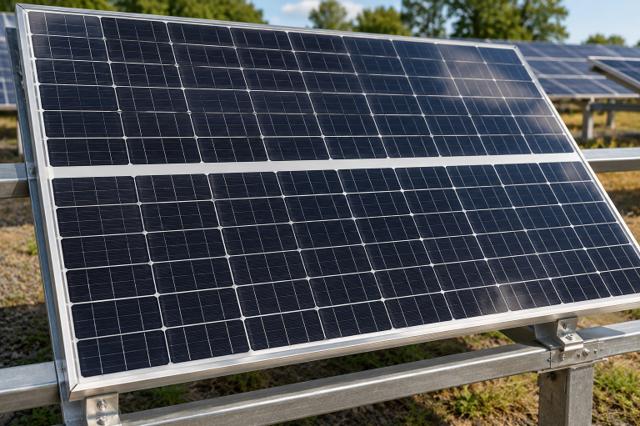
Cells laser-cut in half to halve current per string, reduce resistive losses and improve shade tolerance.
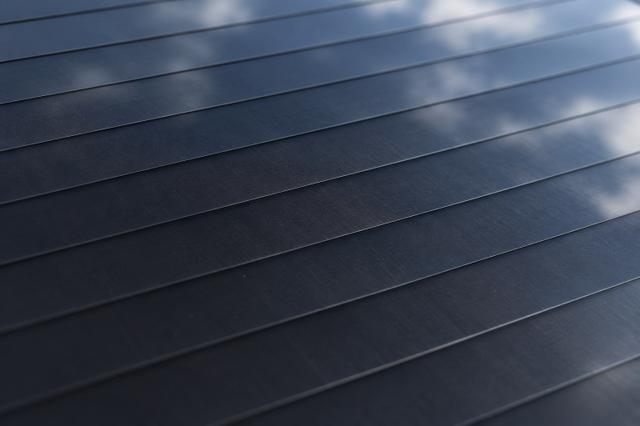
Cell strips overlapped like roof shingles and bonded with conductive adhesive, leaving no gaps or ribbons and a high active area.
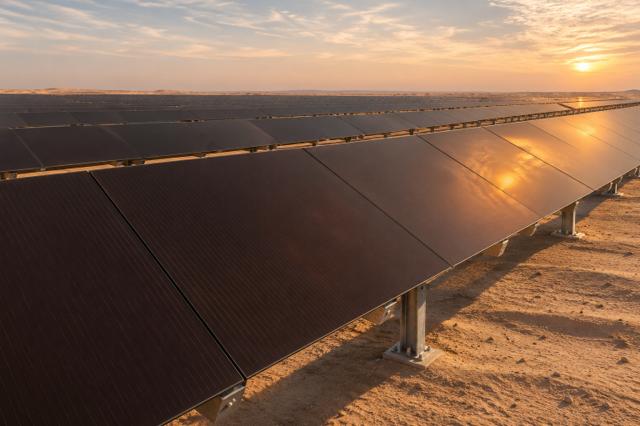
Semiconductor layers a few micrometers thick deposited on glass. Excellent heat and diffuse-light behavior, lower efficiency per area.
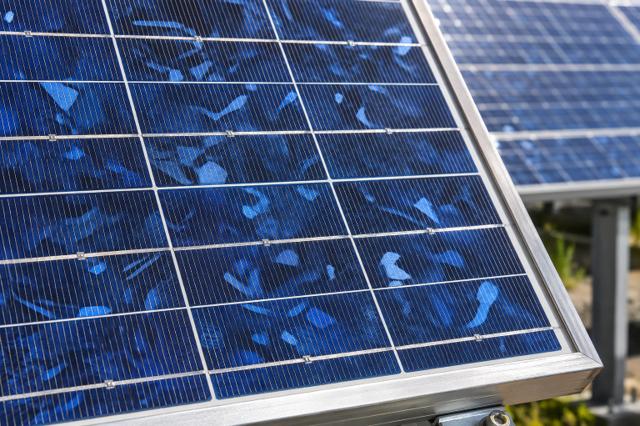
Blue, multi-grain silicon modules that dominated until about 2018, now discontinued by Tier-1 makers.
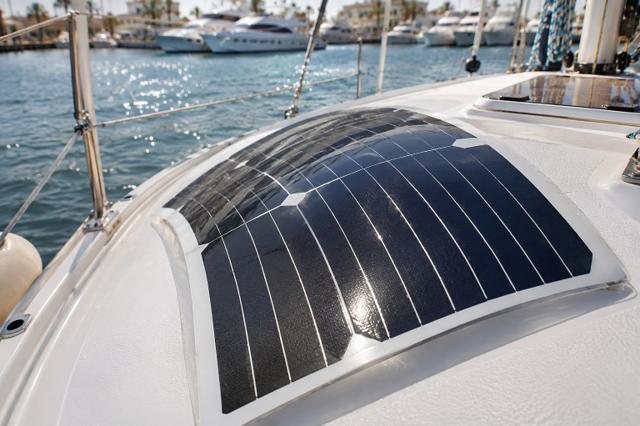
Glass-free laminates for roofs with low load capacity, curved surfaces, vehicles and marine use.
