Cell strips overlapped like roof shingles and bonded with conductive adhesive, leaving no gaps or ribbons and a high active area.
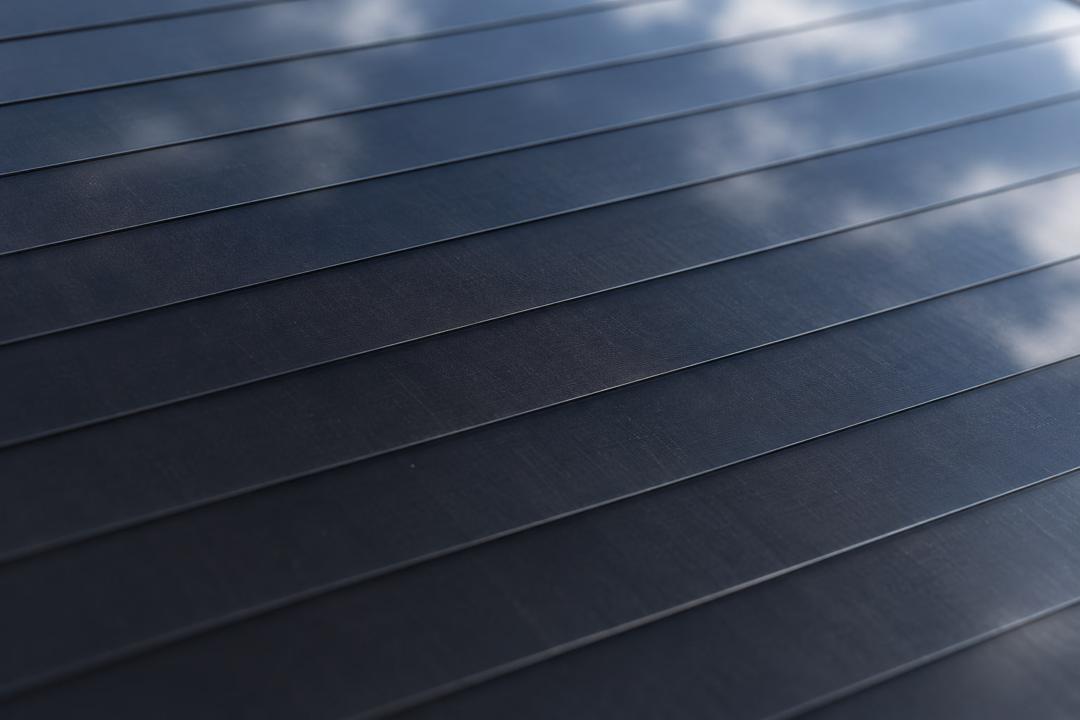
Shingled modules cut each cell into five or six narrow strips. The strips are overlapped by about a millimeter and joined with electrically conductive adhesive, forming long series 'super-strings' with no visible ribbons and no gaps between cells.
Eliminating cell spacing and front ribbons increases the active area and gives a uniform appearance. Many strings run in parallel, so partial shading affects output more gracefully than in conventional layouts.
The technology requires dedicated equipment and long-term adhesive reliability, and it has largely been overtaken by half-cut multi-busbar and zero-busbar designs that achieve similar density at lower cost. Shingled products remain a niche, mostly in premium residential modules.
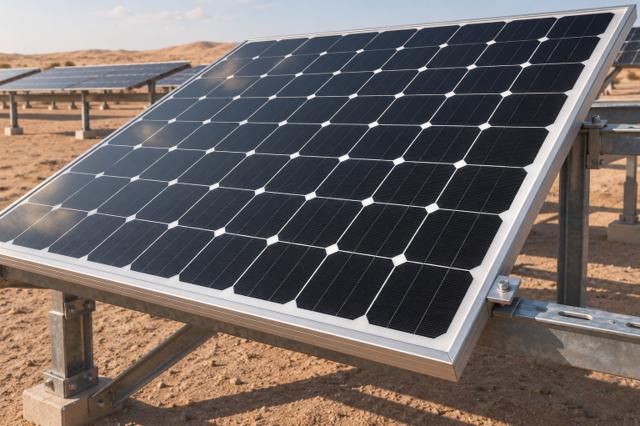
Passivated Emitter and Rear Cell on P-type monocrystalline silicon, the workhorse technology of 2016–2023.
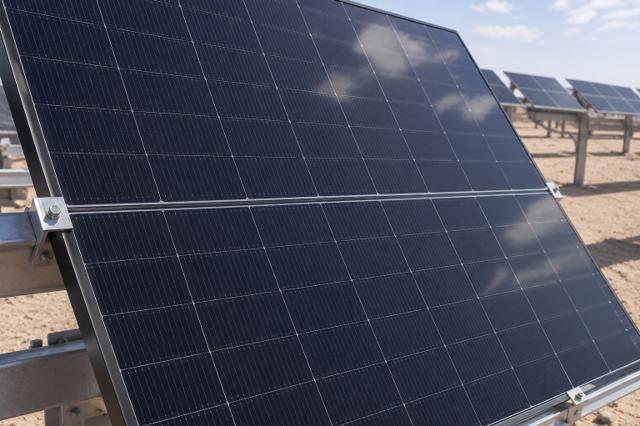
Tunnel Oxide Passivated Contact cells on N-type wafers: today's mainstream high-efficiency, high-bifaciality technology.
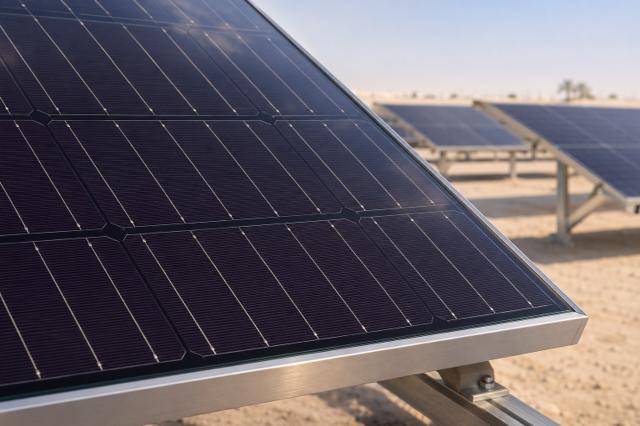
Crystalline N-type wafer sandwiched between thin amorphous-silicon layers, with the best temperature coefficient among silicon technologies.
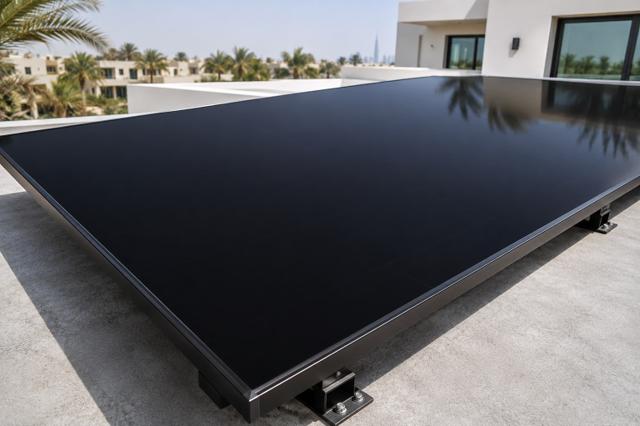
All electrical contacts moved to the rear of the cell. No front busbars, more light captured and the highest module efficiencies on the market.
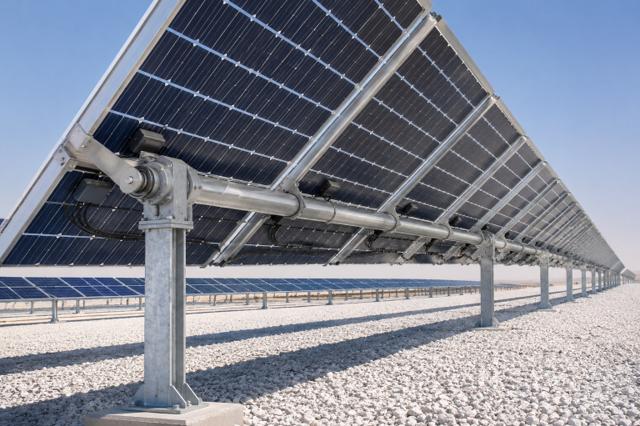
Modules that also convert light reaching their rear side, adding 5–25 % energy depending on ground albedo and mounting height.
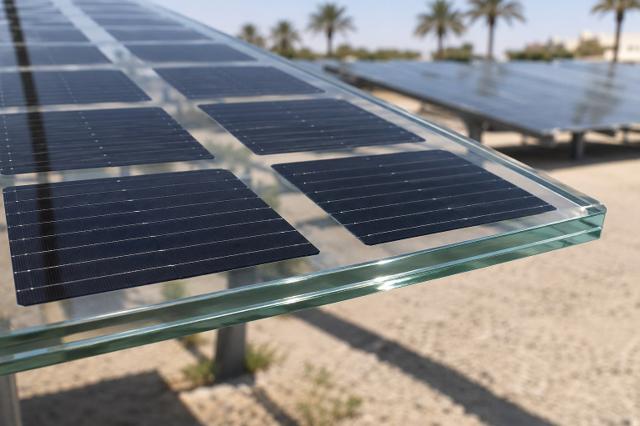
Cells laminated between two sheets of tempered glass for higher durability, lower degradation and 30-year warranties.
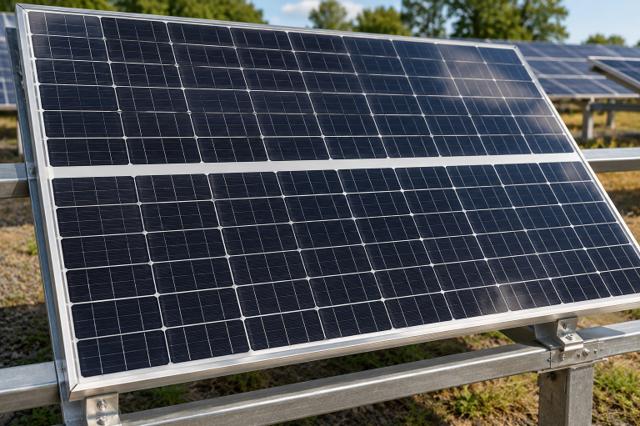
Cells laser-cut in half to halve current per string, reduce resistive losses and improve shade tolerance.
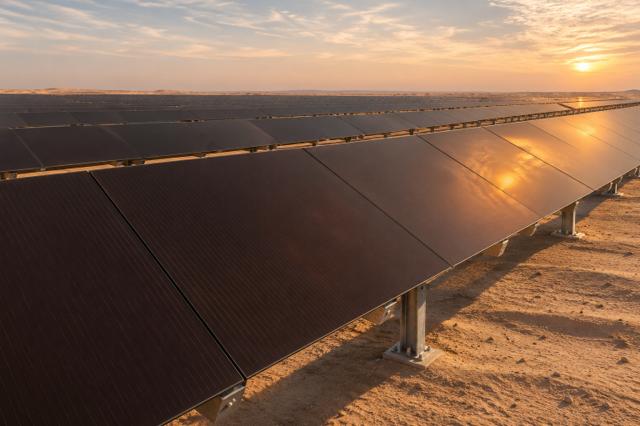
Semiconductor layers a few micrometers thick deposited on glass. Excellent heat and diffuse-light behavior, lower efficiency per area.
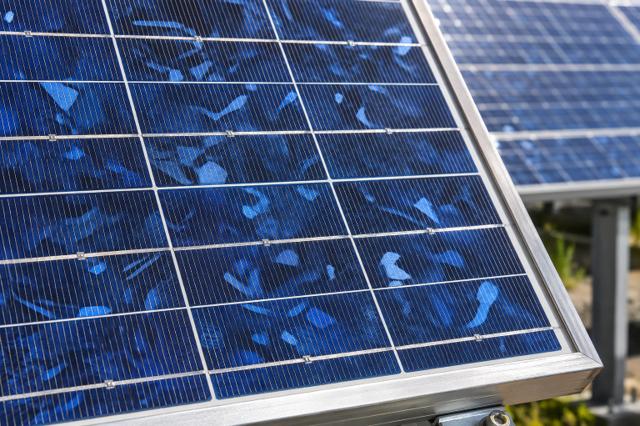
Blue, multi-grain silicon modules that dominated until about 2018, now discontinued by Tier-1 makers.
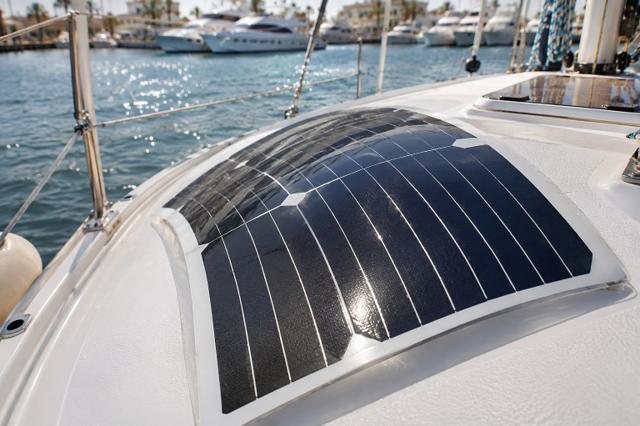
Glass-free laminates for roofs with low load capacity, curved surfaces, vehicles and marine use.
