Tunnel Oxide Passivated Contact cells on N-type wafers: today's mainstream high-efficiency, high-bifaciality technology.
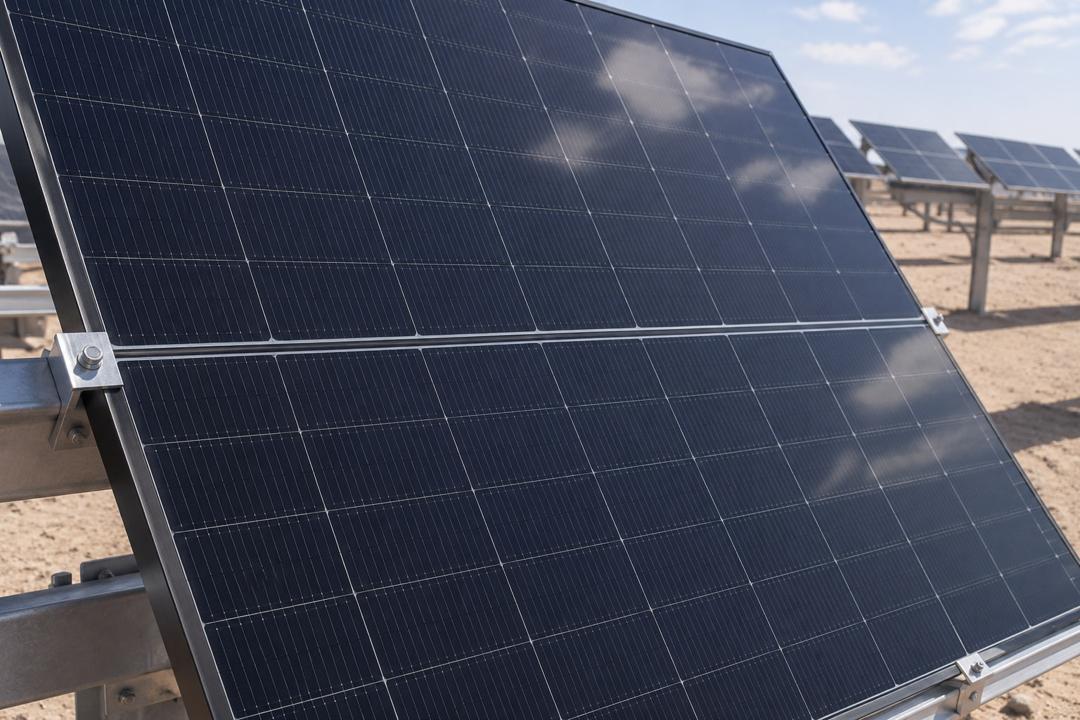
TOPCon (Tunnel Oxide Passivated Contact) replaces the partial rear contact of PERC with an ultra-thin tunneling silicon oxide (about 1–2 nm) covered by a heavily doped polysilicon layer. Charge carriers tunnel through the oxide while recombination at the metal contact is almost eliminated, so the whole rear surface becomes a passivated contact.
Built on phosphorus-doped N-type wafers, TOPCon cells avoid boron-oxygen light-induced degradation, reach 25–26 % cell efficiency in mass production and 22.5–23.5 % at module level. Typical modules carry a first-year degradation of 1 % and 0.4 % per year thereafter, with 30-year linear power warranties.
Two properties make TOPCon especially attractive in hot, bright regions such as the UAE and wider GCC: a temperature coefficient around −0.29 to −0.30 %/°C, and bifaciality of 75–85 %. Paired with dual glass and a high-albedo ground, rear-side gain of 5–15 % is common on trackers and fixed-tilt plants.
Because TOPCon reuses much of the PERC production line, it scaled extremely fast. Flagship examples include the JinkoSolar Tiger Neo, Trina Solar Vertex N, JA Solar DeepBlue 4.0 Pro and Tongwei TNC series, available from roughly 430 W rooftop formats up to 720 W utility modules.
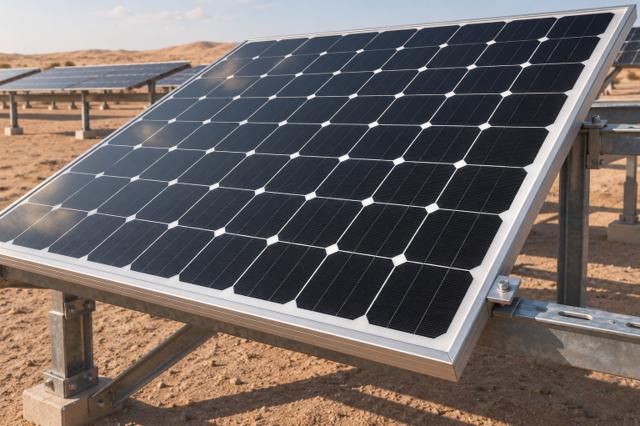
Passivated Emitter and Rear Cell on P-type monocrystalline silicon, the workhorse technology of 2016–2023.
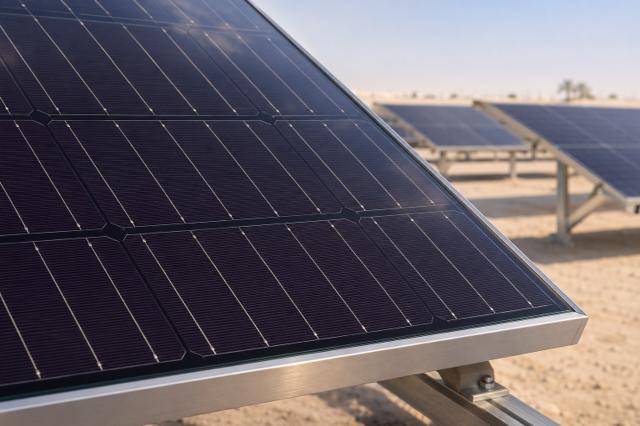
Crystalline N-type wafer sandwiched between thin amorphous-silicon layers, with the best temperature coefficient among silicon technologies.
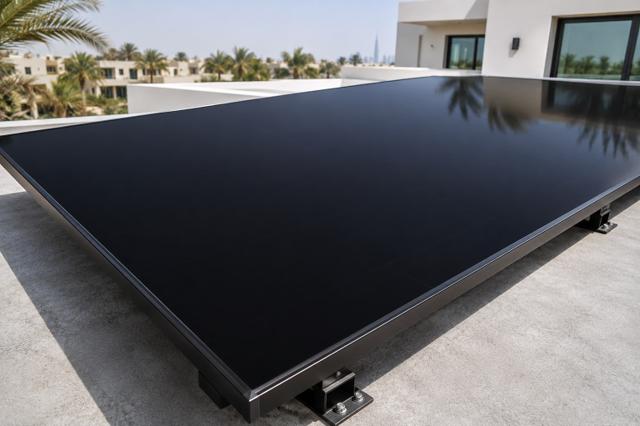
All electrical contacts moved to the rear of the cell. No front busbars, more light captured and the highest module efficiencies on the market.
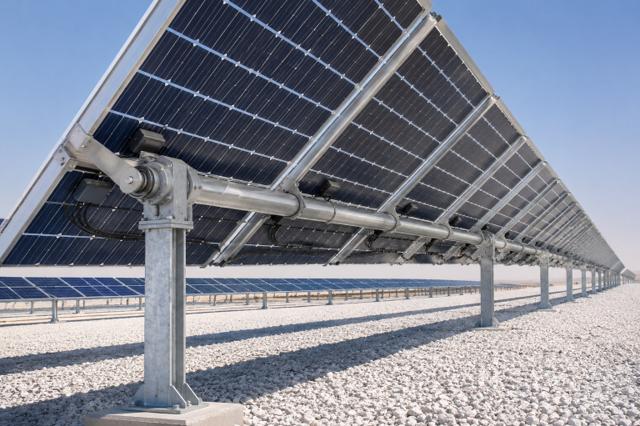
Modules that also convert light reaching their rear side, adding 5–25 % energy depending on ground albedo and mounting height.
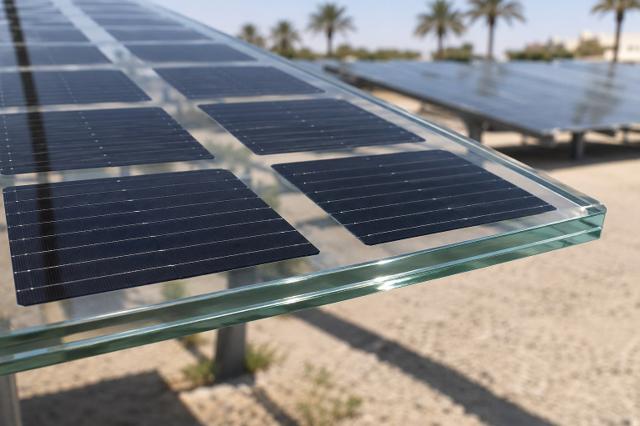
Cells laminated between two sheets of tempered glass for higher durability, lower degradation and 30-year warranties.
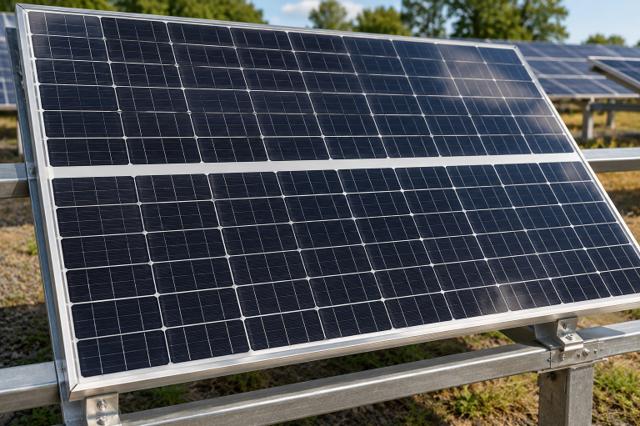
Cells laser-cut in half to halve current per string, reduce resistive losses and improve shade tolerance.
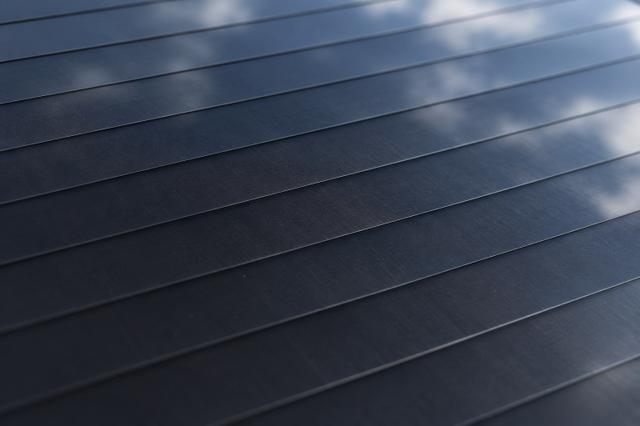
Cell strips overlapped like roof shingles and bonded with conductive adhesive, leaving no gaps or ribbons and a high active area.
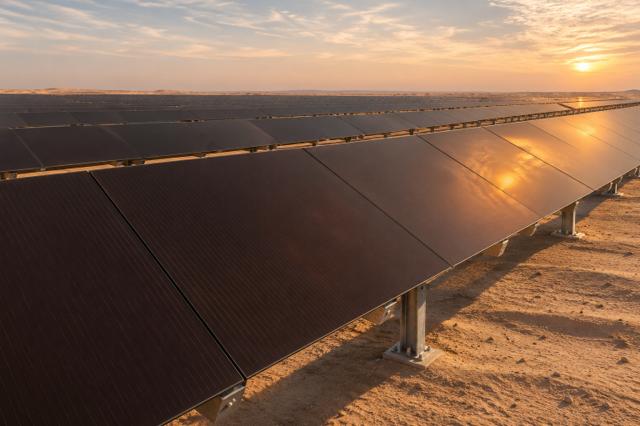
Semiconductor layers a few micrometers thick deposited on glass. Excellent heat and diffuse-light behavior, lower efficiency per area.
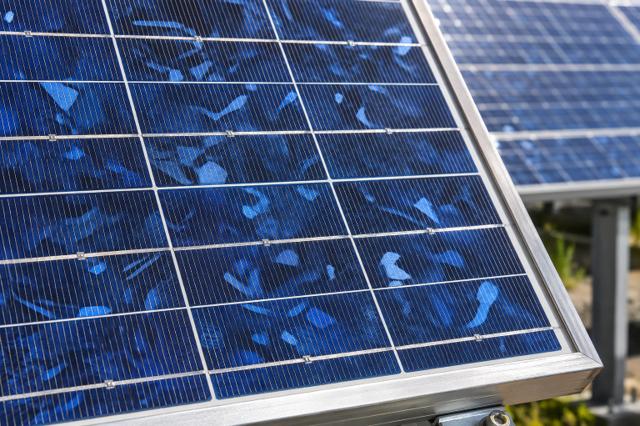
Blue, multi-grain silicon modules that dominated until about 2018, now discontinued by Tier-1 makers.
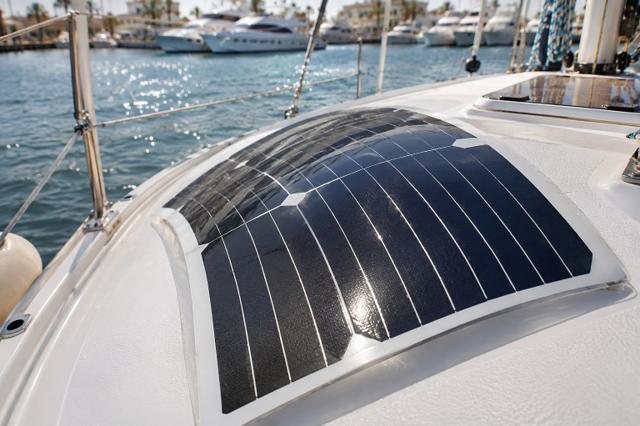
Glass-free laminates for roofs with low load capacity, curved surfaces, vehicles and marine use.
