Glass-free laminates for roofs with low load capacity, curved surfaces, vehicles and marine use.
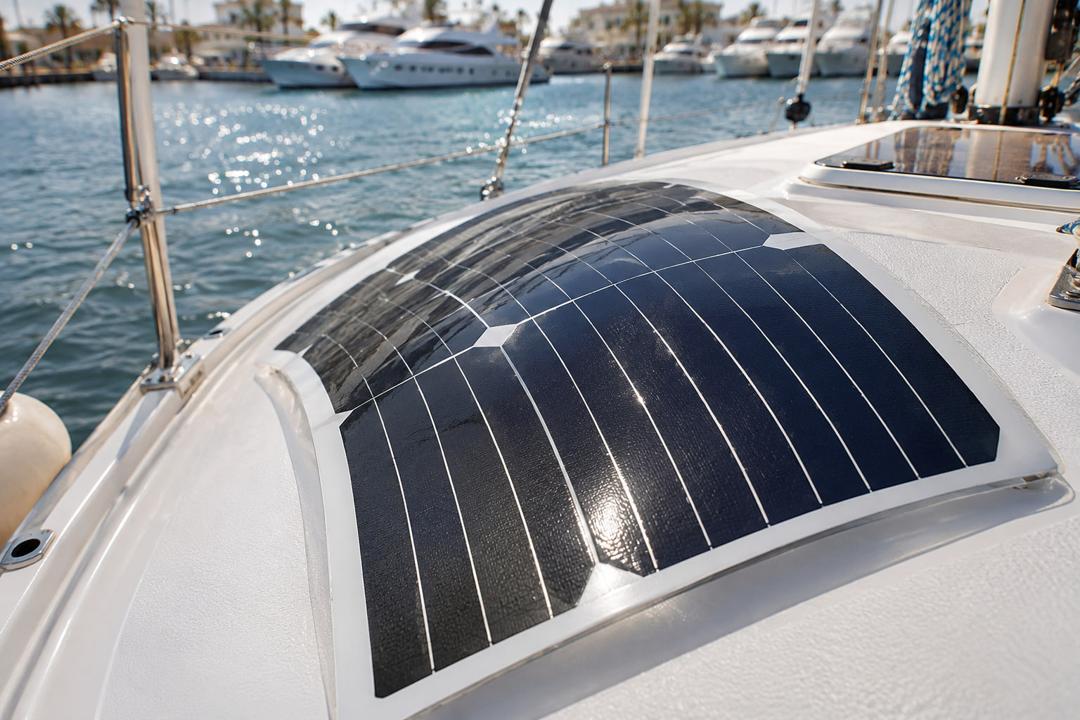
Flexible modules replace the front glass with a fluoropolymer film (ETFE or similar) and the aluminium frame with a polymer or composite backing. Weight drops to about 3–6 kg/m², compared with 11–13 kg/m² for framed glass modules, and the laminate can follow a gentle curve.
They are typically bonded with structural adhesive or fixed with clips to lightweight industrial roofs (sandwich panels, metal sheet or membrane) where conventional racking would exceed the permissible load. Other uses include caravans, boats, tents and portable power.
Without glass, the cells are less protected against hail, foot traffic and micro-cracks, and because they lie directly on the roof they run hotter. Expect lower efficiency, shorter warranties (often 10–25 years) and a higher price per watt than standard modules. Always verify fire classification and the roof manufacturer's approval of the adhesive system.
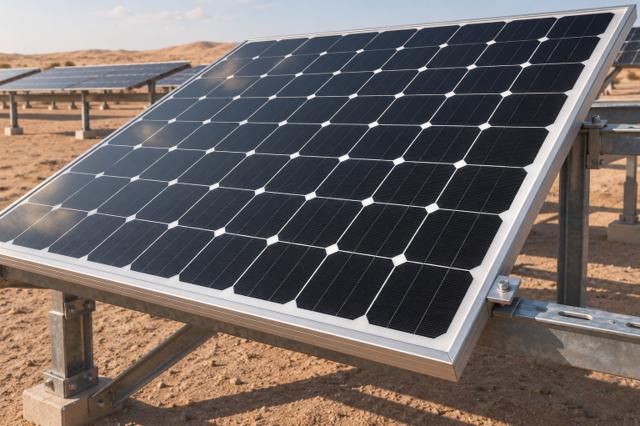
Passivated Emitter and Rear Cell on P-type monocrystalline silicon, the workhorse technology of 2016–2023.
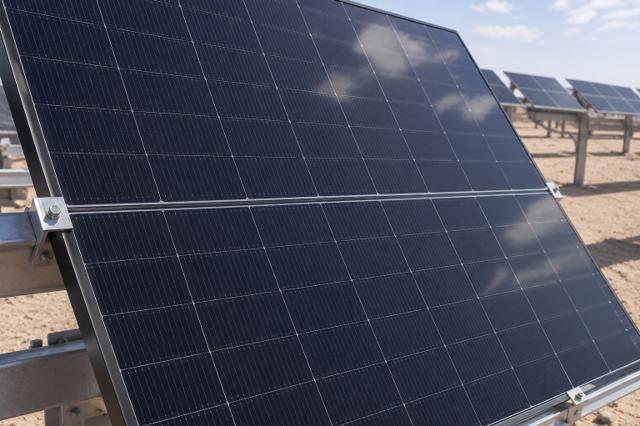
Tunnel Oxide Passivated Contact cells on N-type wafers: today's mainstream high-efficiency, high-bifaciality technology.
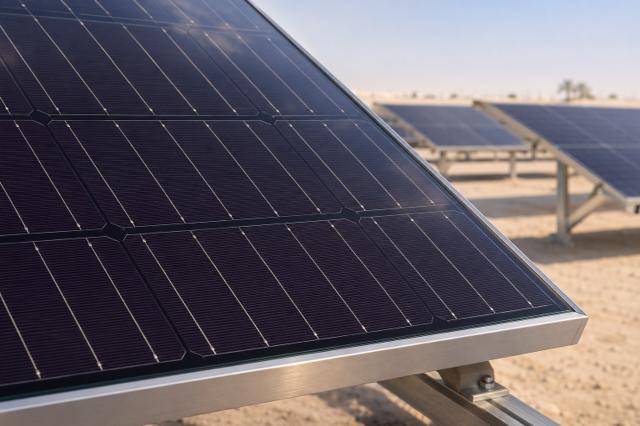
Crystalline N-type wafer sandwiched between thin amorphous-silicon layers, with the best temperature coefficient among silicon technologies.
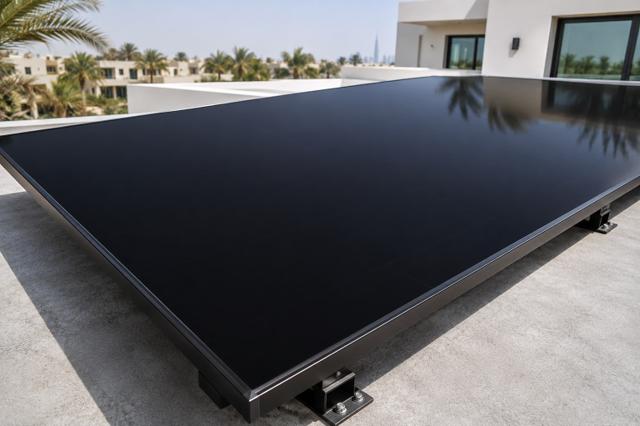
All electrical contacts moved to the rear of the cell. No front busbars, more light captured and the highest module efficiencies on the market.
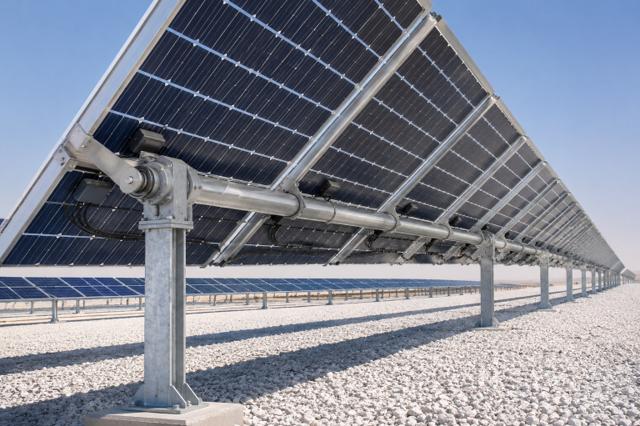
Modules that also convert light reaching their rear side, adding 5–25 % energy depending on ground albedo and mounting height.
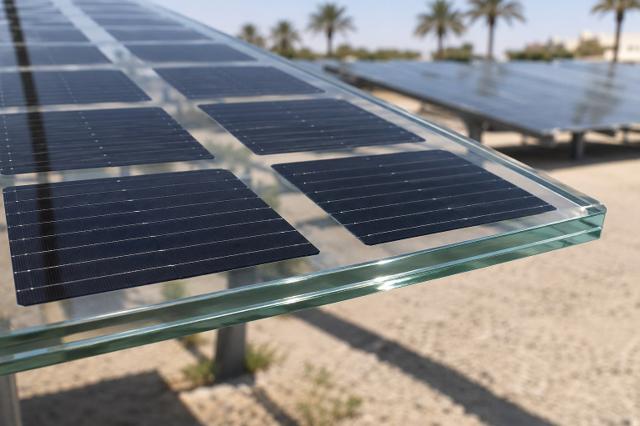
Cells laminated between two sheets of tempered glass for higher durability, lower degradation and 30-year warranties.
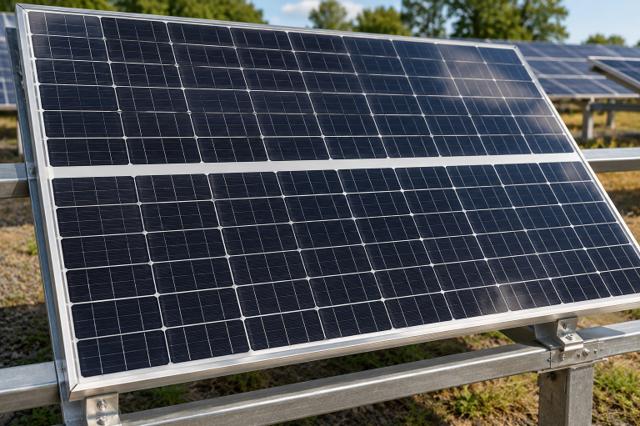
Cells laser-cut in half to halve current per string, reduce resistive losses and improve shade tolerance.
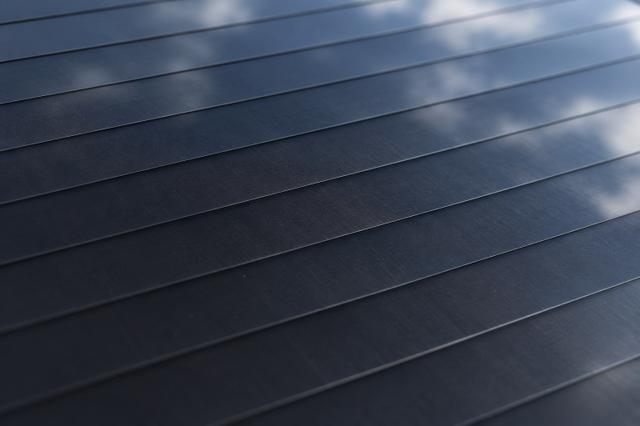
Cell strips overlapped like roof shingles and bonded with conductive adhesive, leaving no gaps or ribbons and a high active area.
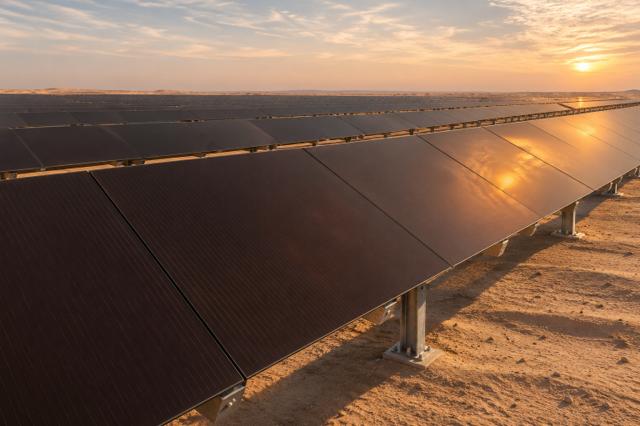
Semiconductor layers a few micrometers thick deposited on glass. Excellent heat and diffuse-light behavior, lower efficiency per area.
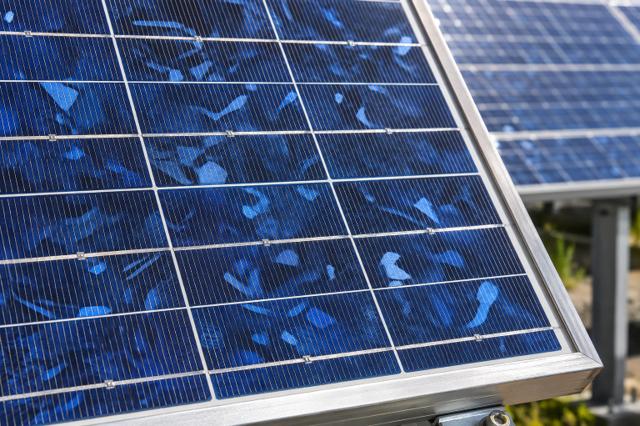
Blue, multi-grain silicon modules that dominated until about 2018, now discontinued by Tier-1 makers.
