Cells laser-cut in half to halve current per string, reduce resistive losses and improve shade tolerance.
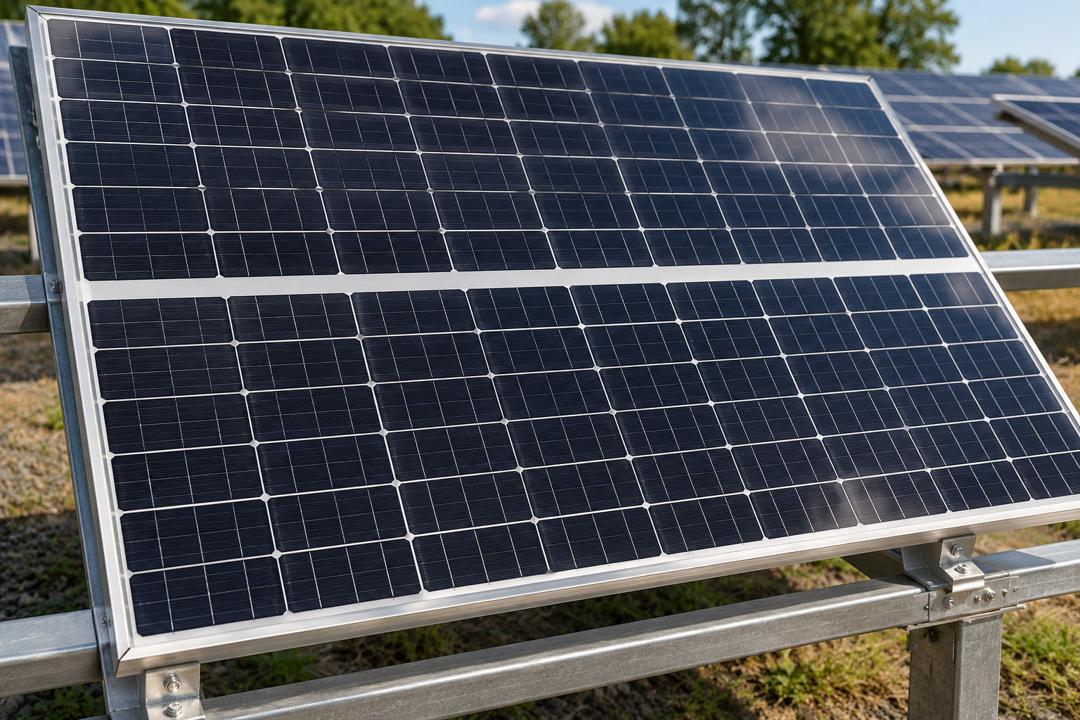
In a half-cut module each full cell is divided into two by laser scribing, and the module is wired as two parallel halves, typically 120, 132, 144 or 156 half-cells. Each half-cell carries half the current, and because resistive power loss scales with the square of current, ribbon losses fall to roughly a quarter.
The junction box is usually split into three small boxes located in the middle of the module. When the lower half is shaded, for example by dust banks, snow or the row in front at low sun angles, the upper half keeps producing, so landscape-mounted half-cut modules handle inter-row shading better.
Lower operating current also means lower hot-spot temperatures. Half-cut design is now standard in practically every Tier-1 module, whether PERC, TOPCon or HJT, and is often combined with multi-busbar (MBB/0BB) interconnection for further gains.
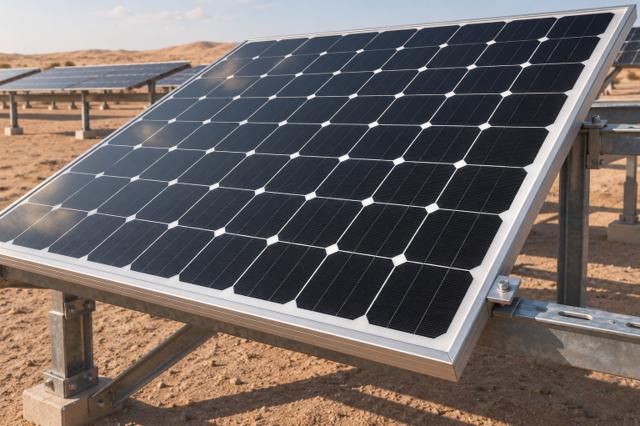
Passivated Emitter and Rear Cell on P-type monocrystalline silicon, the workhorse technology of 2016–2023.
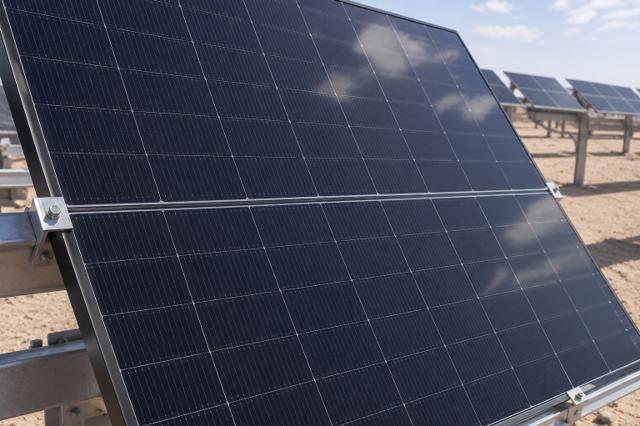
Tunnel Oxide Passivated Contact cells on N-type wafers: today's mainstream high-efficiency, high-bifaciality technology.
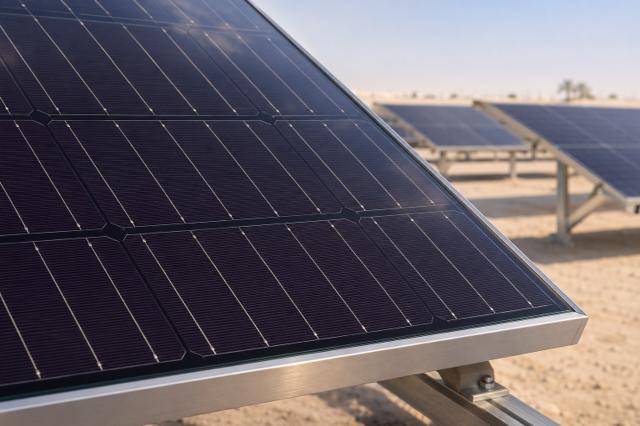
Crystalline N-type wafer sandwiched between thin amorphous-silicon layers, with the best temperature coefficient among silicon technologies.
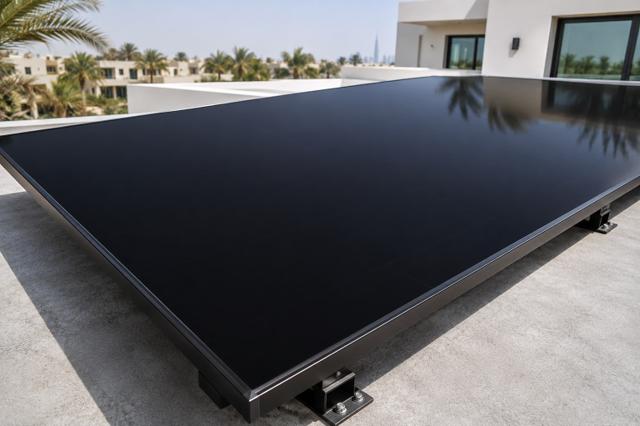
All electrical contacts moved to the rear of the cell. No front busbars, more light captured and the highest module efficiencies on the market.
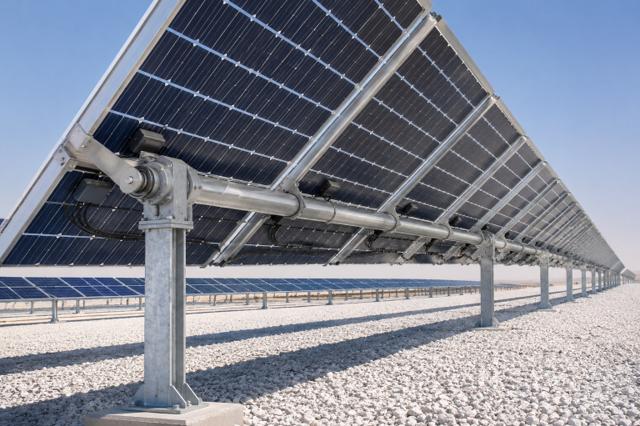
Modules that also convert light reaching their rear side, adding 5–25 % energy depending on ground albedo and mounting height.
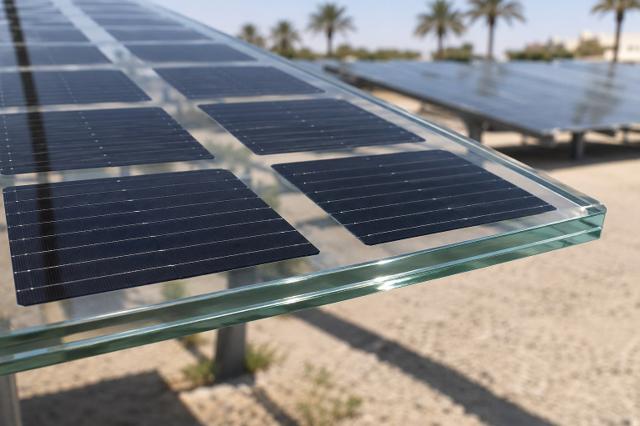
Cells laminated between two sheets of tempered glass for higher durability, lower degradation and 30-year warranties.
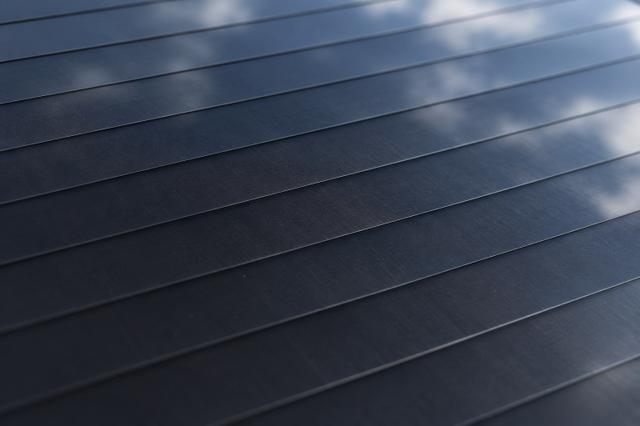
Cell strips overlapped like roof shingles and bonded with conductive adhesive, leaving no gaps or ribbons and a high active area.
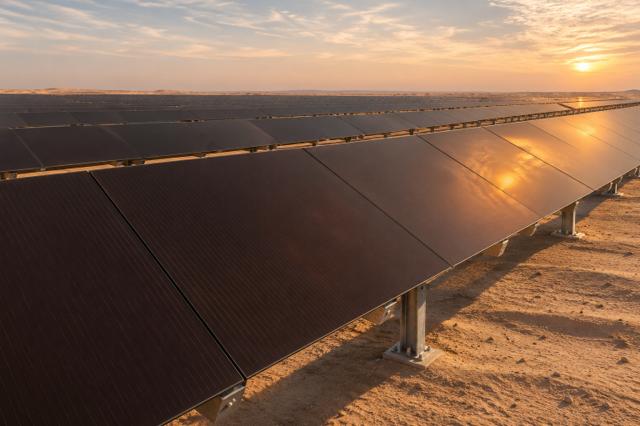
Semiconductor layers a few micrometers thick deposited on glass. Excellent heat and diffuse-light behavior, lower efficiency per area.
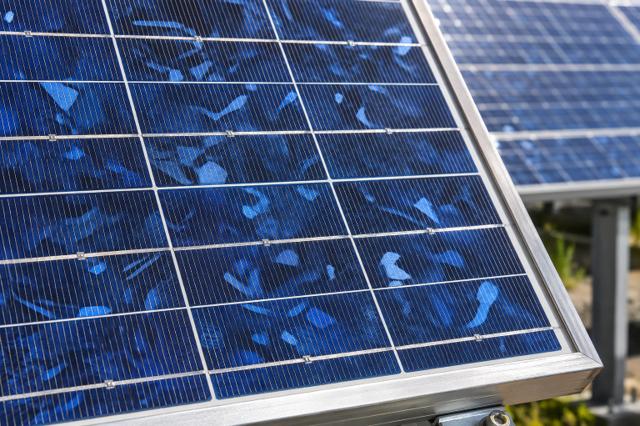
Blue, multi-grain silicon modules that dominated until about 2018, now discontinued by Tier-1 makers.
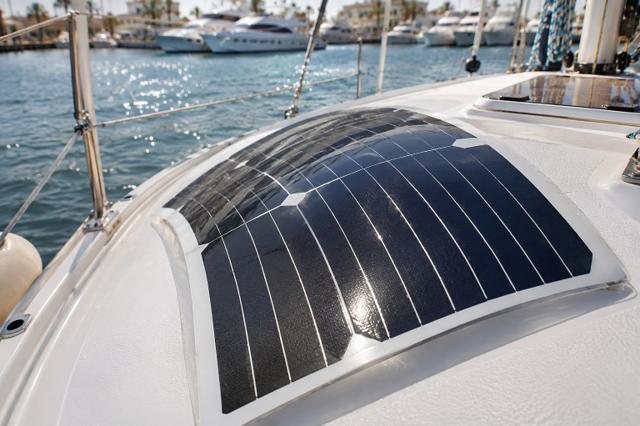
Glass-free laminates for roofs with low load capacity, curved surfaces, vehicles and marine use.
