Modules that also convert light reaching their rear side, adding 5–25 % energy depending on ground albedo and mounting height.
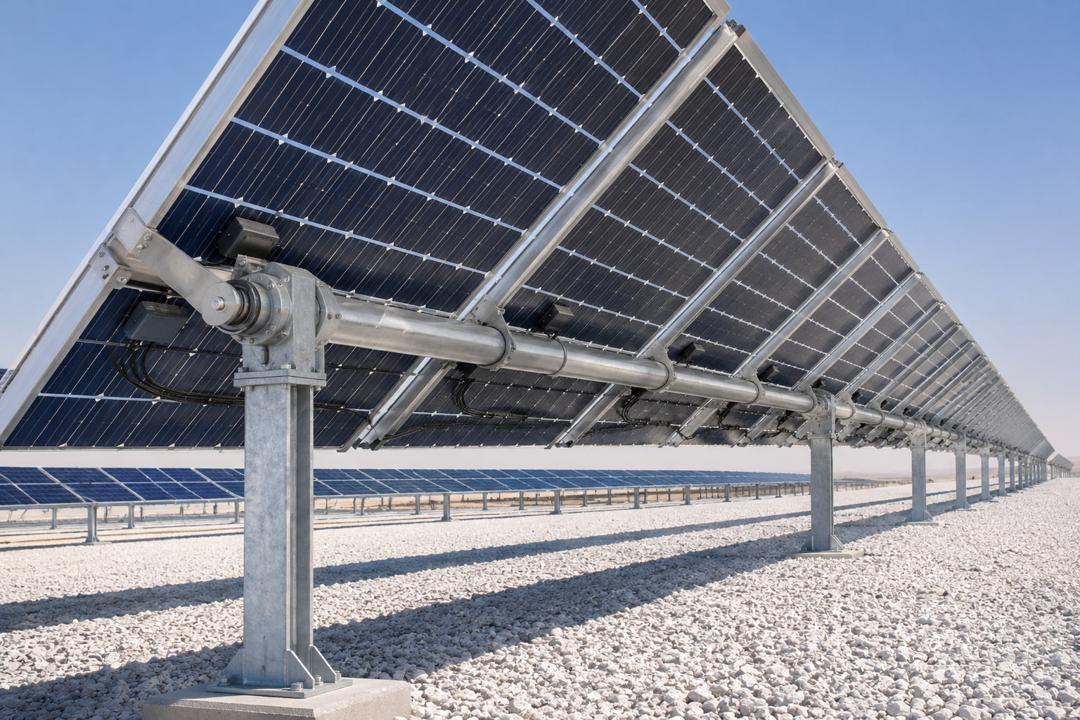
A bifacial module uses a cell with an active rear surface and a transparent back cover, either glass or a clear backsheet. Light reflected from the ground, nearby structures or diffuse sky radiation reaches the rear and generates additional current.
The key datasheet figure is bifaciality: rear efficiency divided by front efficiency. Typical values are about 70 % for PERC, 80 % for TOPCon and 85–95 % for HJT. Real-world bifacial gain depends on albedo (dry grass ≈ 0.2, light desert sand ≈ 0.3–0.4, white membrane or gravel ≈ 0.5–0.8), the height of the module above ground, row spacing and rear-side shading by the structure.
Single-axis trackers in desert regions are the ideal case, often achieving 8–12 % extra yield. Flush-mounted rooftop arrays see little benefit because the rear is not illuminated.
Manufacturers usually publish a table of output at 10–30 % rear irradiance. Inverters and cables must be sized for the higher current: designers commonly apply a bifacial gain of 10–15 % to Isc when checking maximum input current.
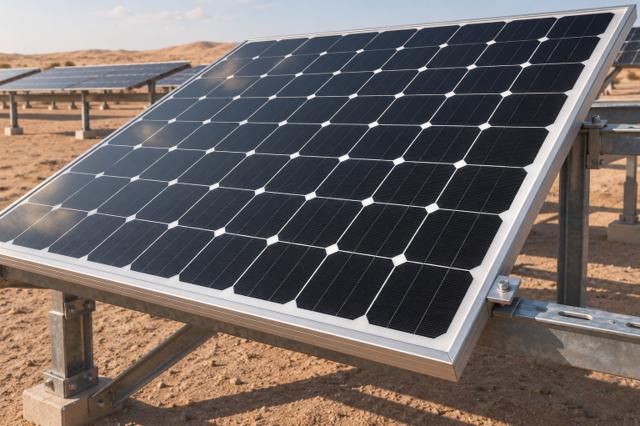
Passivated Emitter and Rear Cell on P-type monocrystalline silicon, the workhorse technology of 2016–2023.
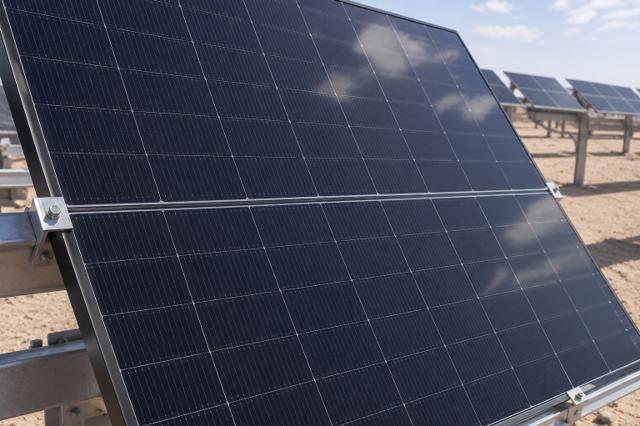
Tunnel Oxide Passivated Contact cells on N-type wafers: today's mainstream high-efficiency, high-bifaciality technology.
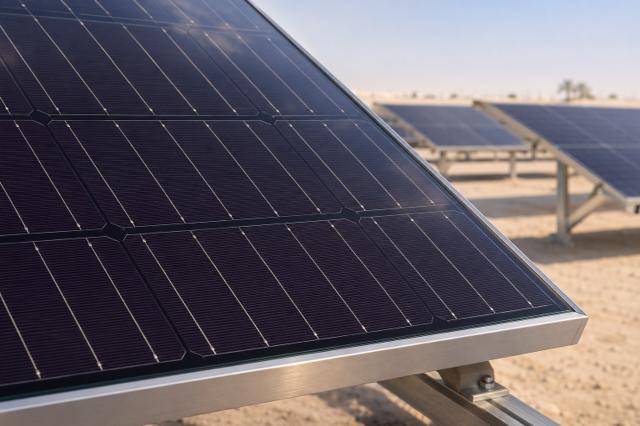
Crystalline N-type wafer sandwiched between thin amorphous-silicon layers, with the best temperature coefficient among silicon technologies.
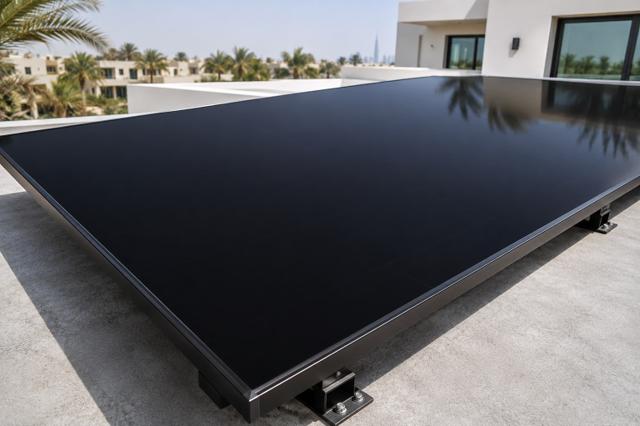
All electrical contacts moved to the rear of the cell. No front busbars, more light captured and the highest module efficiencies on the market.
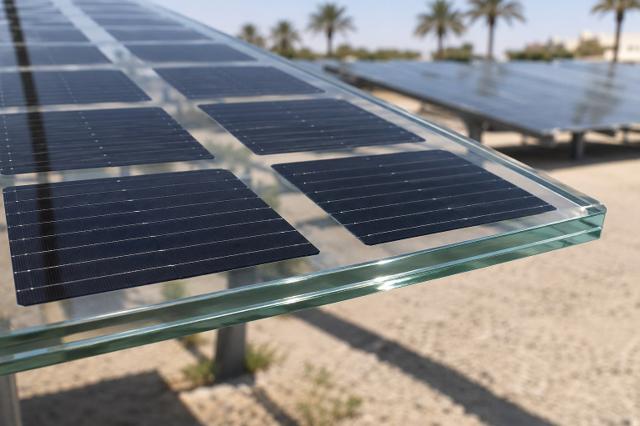
Cells laminated between two sheets of tempered glass for higher durability, lower degradation and 30-year warranties.
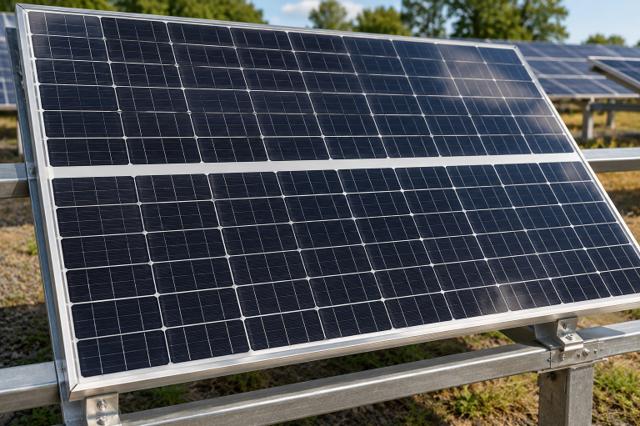
Cells laser-cut in half to halve current per string, reduce resistive losses and improve shade tolerance.
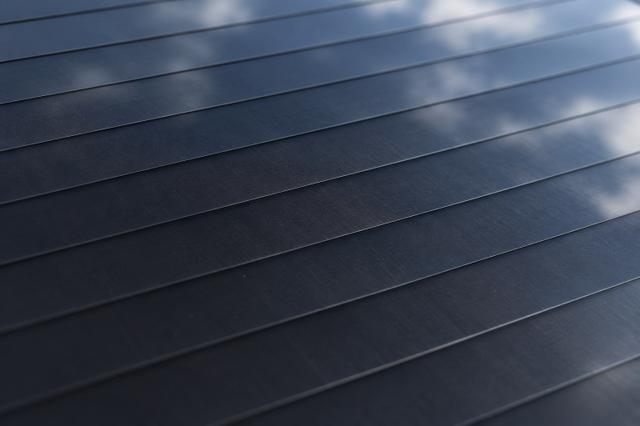
Cell strips overlapped like roof shingles and bonded with conductive adhesive, leaving no gaps or ribbons and a high active area.
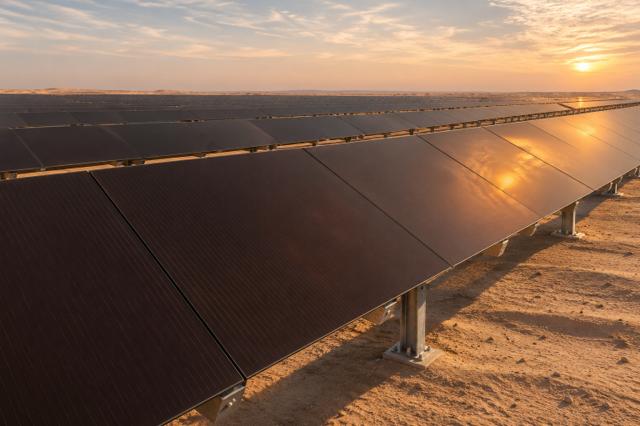
Semiconductor layers a few micrometers thick deposited on glass. Excellent heat and diffuse-light behavior, lower efficiency per area.
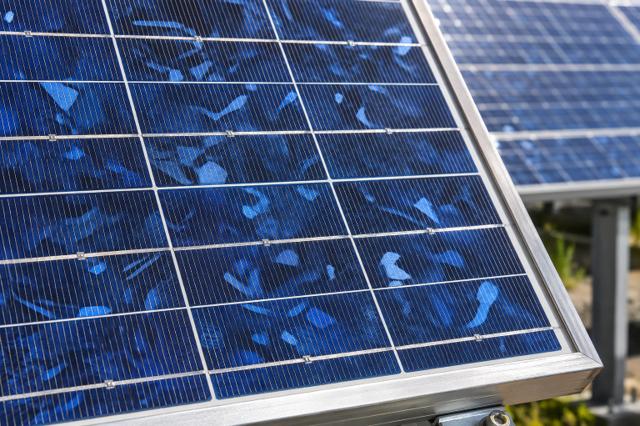
Blue, multi-grain silicon modules that dominated until about 2018, now discontinued by Tier-1 makers.
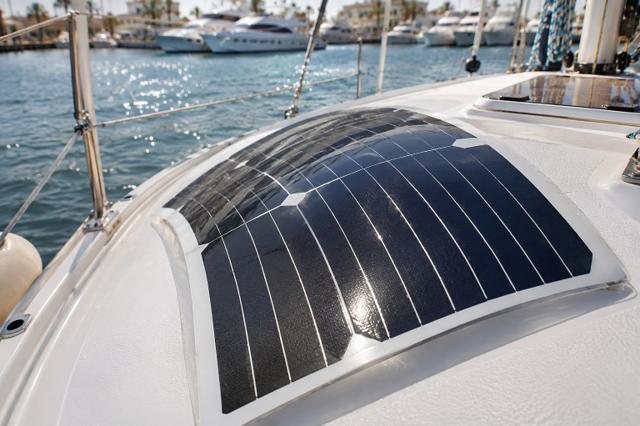
Glass-free laminates for roofs with low load capacity, curved surfaces, vehicles and marine use.
