Crystalline N-type wafer sandwiched between thin amorphous-silicon layers, with the best temperature coefficient among silicon technologies.

A heterojunction cell deposits intrinsic and doped amorphous silicon (a-Si:H) layers only a few nanometers thick on both sides of an N-type crystalline wafer, then adds transparent conductive oxide (TCO) and low-temperature silver or copper contacts. The amorphous layers passivate the wafer surface exceptionally well, giving very high open-circuit voltage.
HJT reaches 25–26.5 % cell efficiency in production, has a naturally symmetrical structure with bifaciality of 85–95 %, and the best temperature coefficient of any mainstream silicon cell, around −0.24 to −0.26 %/°C. The process uses only four main steps, all below about 250 °C, which allows thinner wafers.
The trade-offs are higher equipment cost, sensitivity of the TCO and low-temperature paste to moisture, and higher silver consumption, now partly addressed by silver-coated copper and copper plating. HJT modules therefore usually carry a price premium over TOPCon.
In very hot desert sites the lower temperature losses and high bifaciality can make HJT competitive on levelized cost of energy, so it is worth comparing against TOPCon in a yield simulation rather than on price per watt alone.
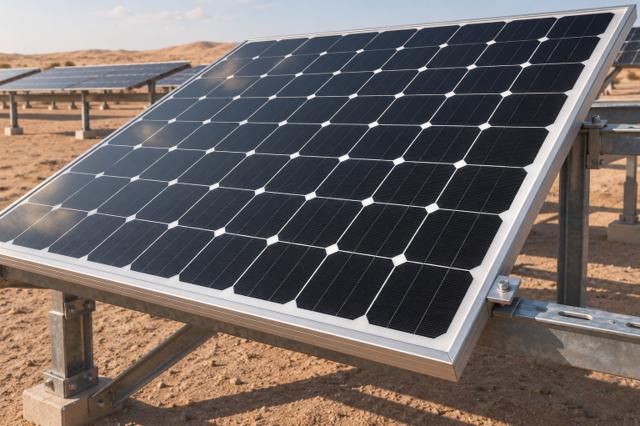
Passivated Emitter and Rear Cell on P-type monocrystalline silicon, the workhorse technology of 2016–2023.
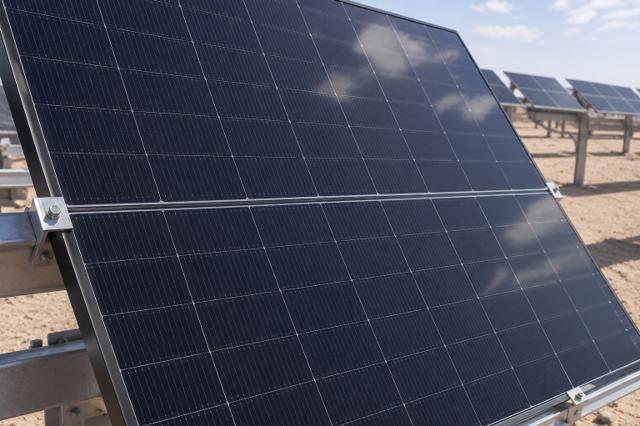
Tunnel Oxide Passivated Contact cells on N-type wafers: today's mainstream high-efficiency, high-bifaciality technology.
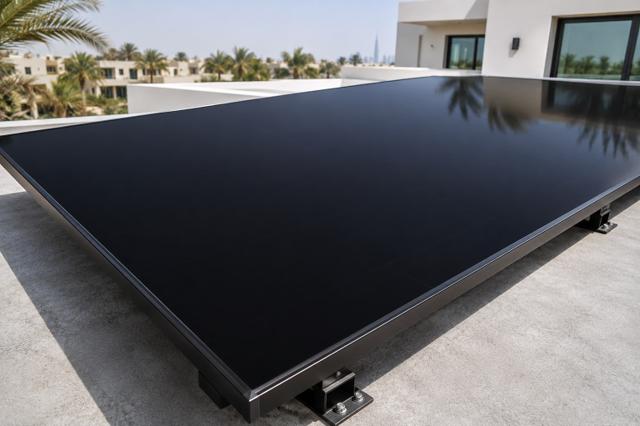
All electrical contacts moved to the rear of the cell. No front busbars, more light captured and the highest module efficiencies on the market.
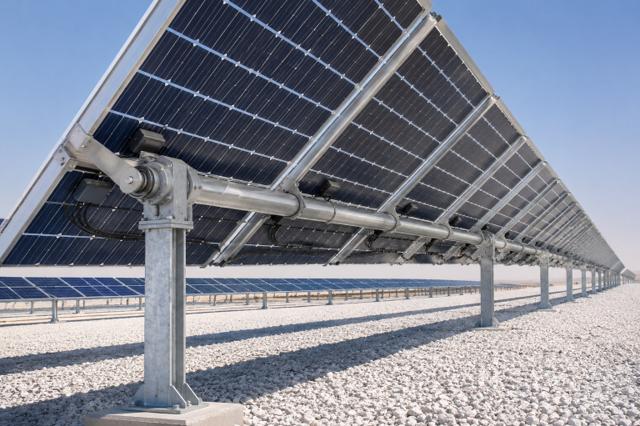
Modules that also convert light reaching their rear side, adding 5–25 % energy depending on ground albedo and mounting height.
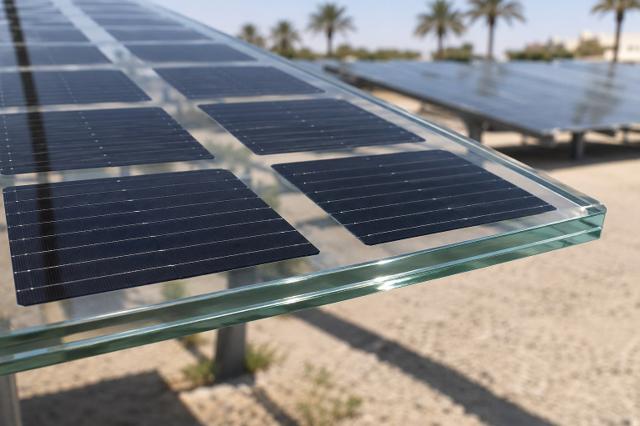
Cells laminated between two sheets of tempered glass for higher durability, lower degradation and 30-year warranties.
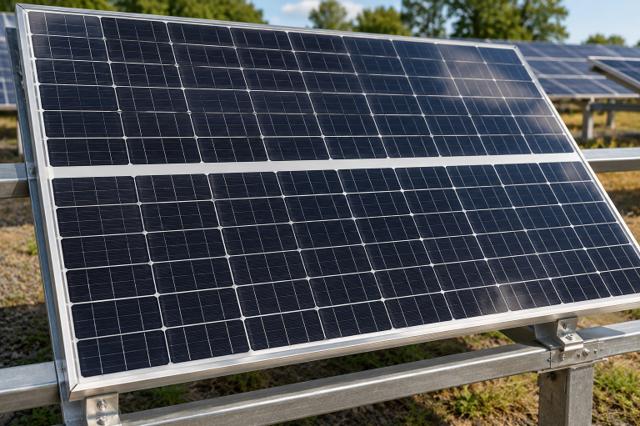
Cells laser-cut in half to halve current per string, reduce resistive losses and improve shade tolerance.
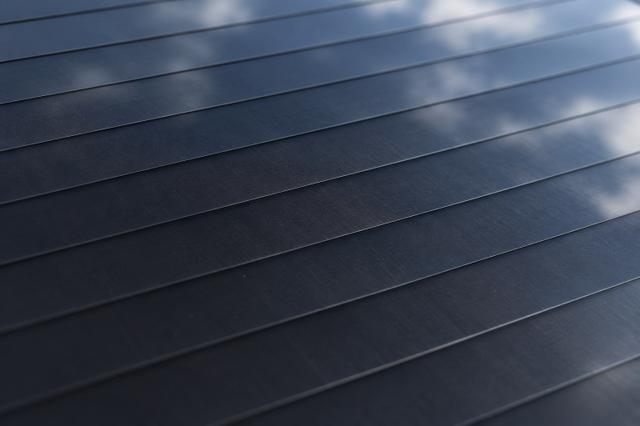
Cell strips overlapped like roof shingles and bonded with conductive adhesive, leaving no gaps or ribbons and a high active area.
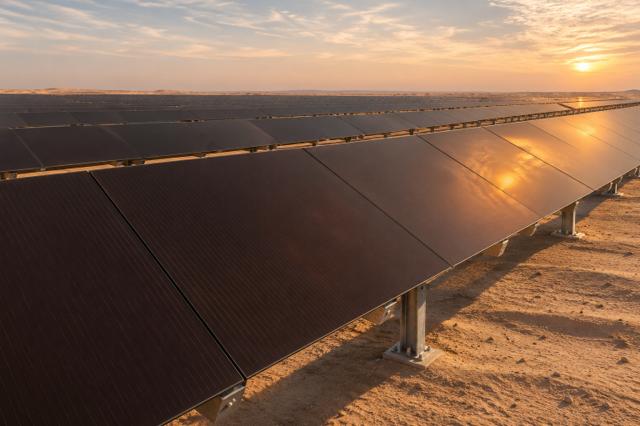
Semiconductor layers a few micrometers thick deposited on glass. Excellent heat and diffuse-light behavior, lower efficiency per area.
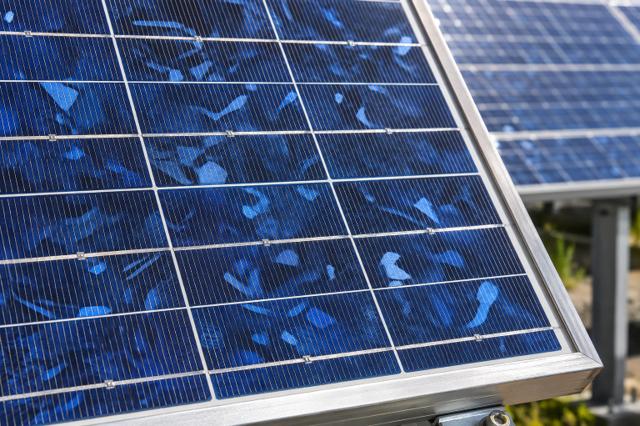
Blue, multi-grain silicon modules that dominated until about 2018, now discontinued by Tier-1 makers.
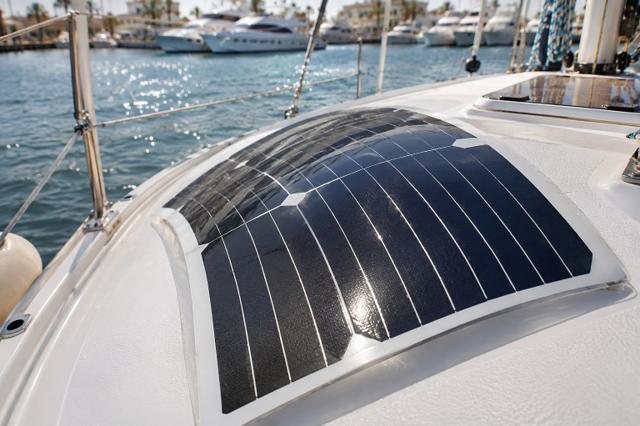
Glass-free laminates for roofs with low load capacity, curved surfaces, vehicles and marine use.
