
Silicon carbide MOSFETs switch far faster than silicon IGBTs and have no tail current, so switching losses drop sharply. Designers use that to raise switching frequency to 40–100 kHz, shrinking inductors and filters, or to keep frequency moderate and gain one to two points of efficiency. A 1200 V SiC module is typical of 1500 V-class string inverter boost stages (in multilevel or series configurations), bidirectional battery DC/DC converters and DC fast chargers. Typical on-resistance is in the 5–20 mΩ range per switch depending on current rating.
SiC is not a drop-in replacement for an IGBT. It needs a gate driver with the correct voltages (typically +15 to +18 V on, −3 to −5 V off), fast short-circuit detection (the device withstands only about 2–3 µs) and a low-inductance layout to control overshoot at high dv/dt. These modules are supplied for OEM designs and for repairing equipment that was originally built with SiC, with the datasheet and recommended driver settings.
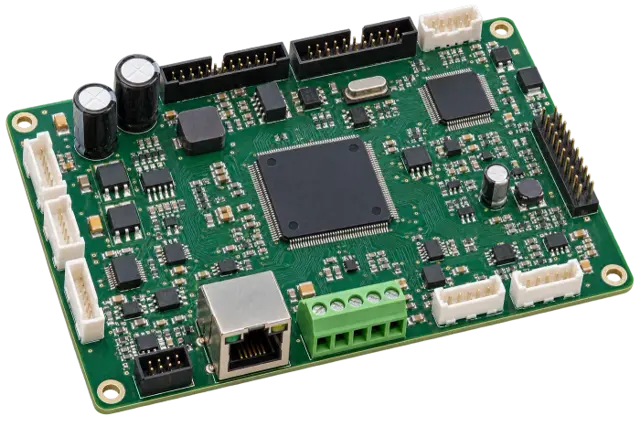
Replacement main control board for string and hybrid inverters, handling measurement, MPPT, grid synchronisation, protection and communication.
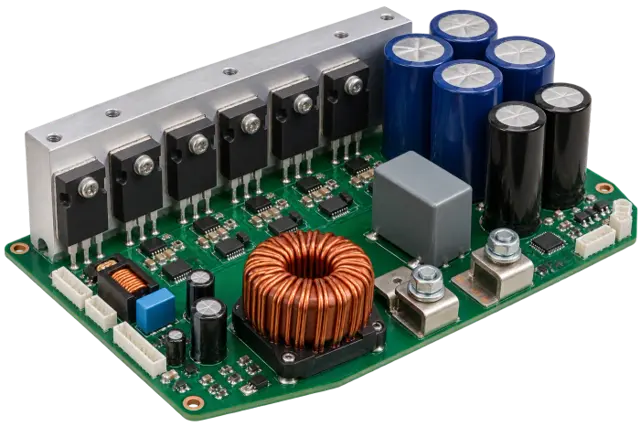
Power-stage board carrying the boost and inverter bridges, gate drivers and DC-link capacitors. The major spare most often needed after surge or overheating damage.
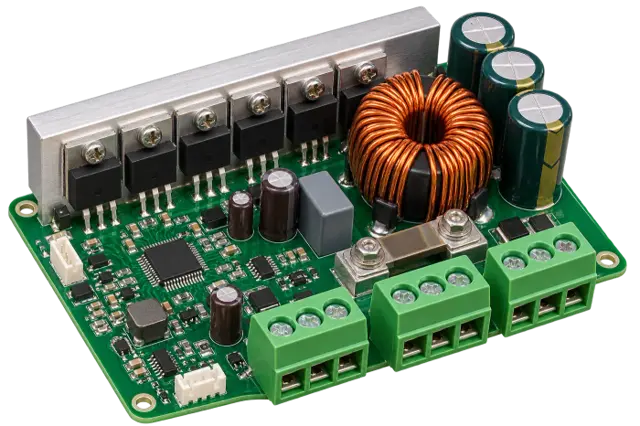
Assembled MPPT buck-converter board with automatic 12/24/48 V battery detection, for off-grid controller builds and repairs.
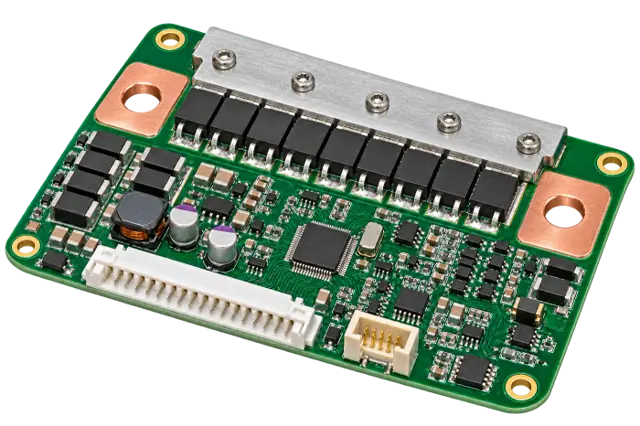
Battery management board for 48 V-class LFP packs with cell monitoring, MOSFET switching, passive balancing and CAN/RS485 inverter communication.
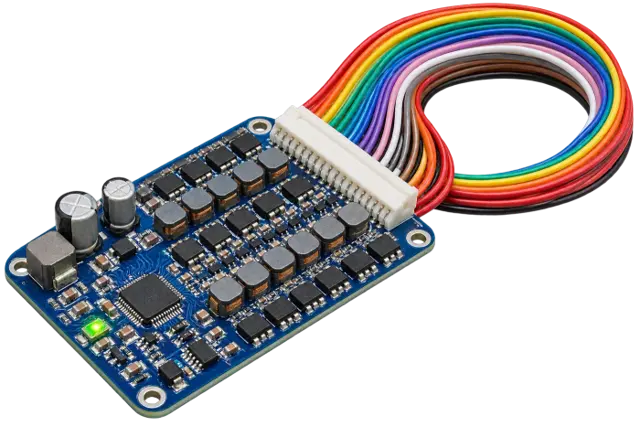
Capacitive or inductive energy-transfer balancer that moves charge between cells continuously, keeping large LFP packs aligned.
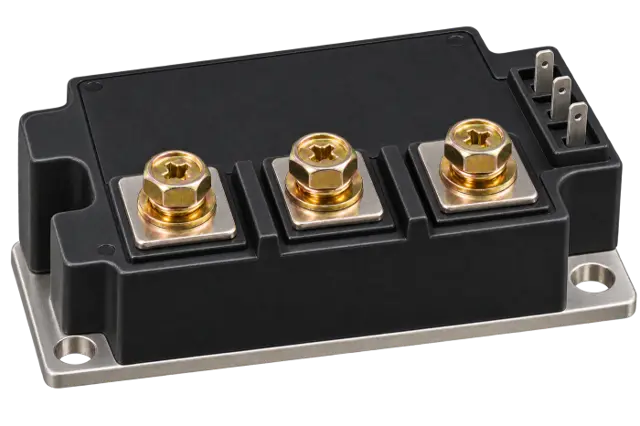
Industry-standard 62 mm half-bridge IGBT module with anti-parallel diodes, used in central and large string inverters, PCS and motor drives.
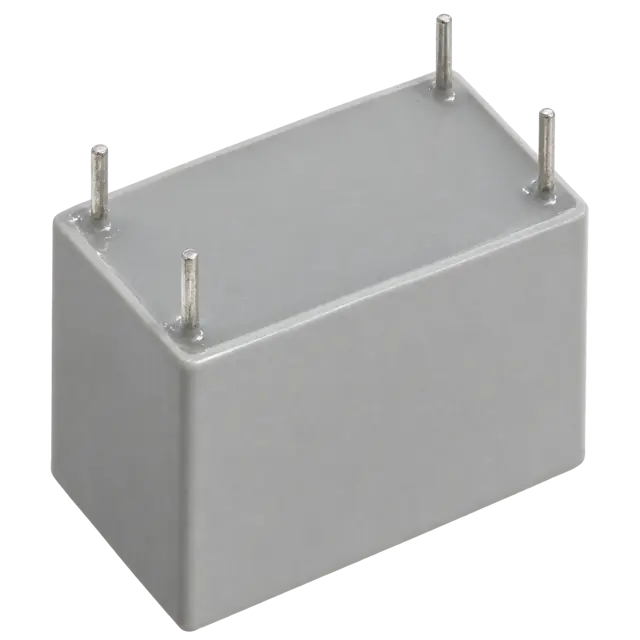
Self-healing metallised-polypropylene capacitor for inverter DC buses, with high ripple-current rating and long life at elevated temperature.
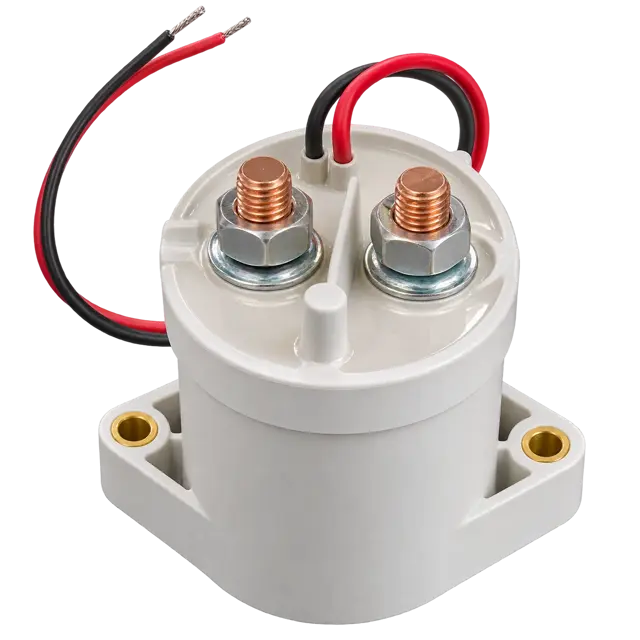
Sealed, gas-filled DC contactor for battery racks, PCS and high-voltage battery packs, with magnetic arc blow-out and auxiliary contact.
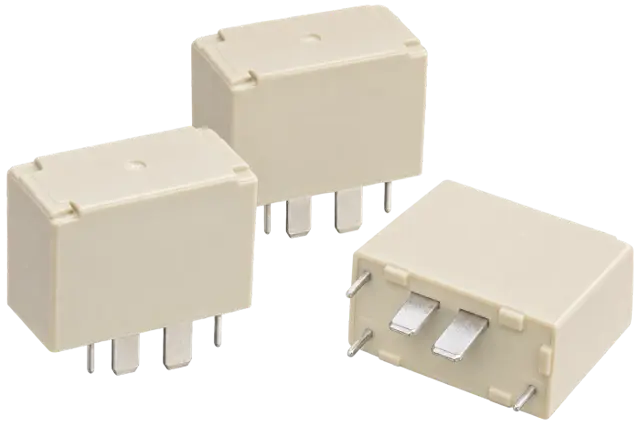
PCB-mount power relay used as the AC output disconnect in string and hybrid inverters, with wide contact gap for grid-code isolation.
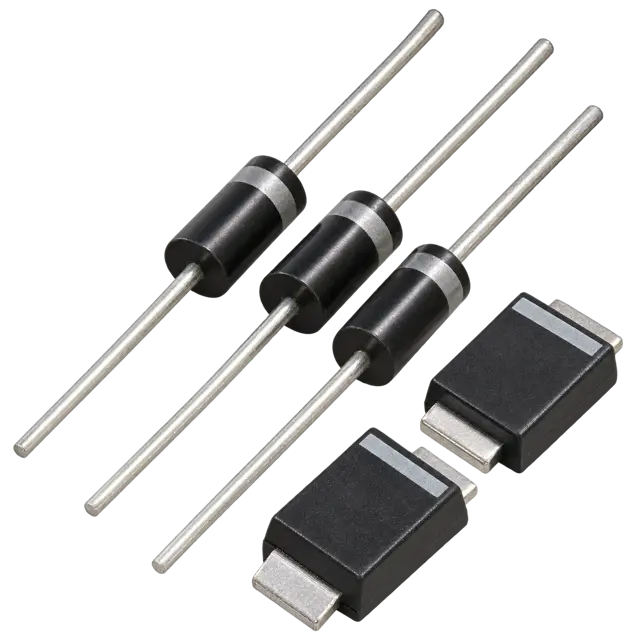
Schottky bypass diodes for PV junction boxes that route current around shaded or damaged cell groups and prevent hot spots.
