
Breaking DC is harder than breaking AC because the current never passes through zero, so an arc, once drawn, will sustain itself. High-voltage DC contactors solve this with contacts sealed in a ceramic chamber filled with hydrogen or a hydrogen–nitrogen mix, plus permanent magnets that stretch and cool the arc. This allows a compact device to switch 1000 V DC and carry 200 A continuously.
In battery storage the contactor forms the main positive and negative switches of each rack or pack, together with a smaller pre-charge contactor and resistor that charge the inverter's DC-link before the main contacts close. Closing directly onto an empty capacitor bank welds contacts. The coil is usually 12 or 24 V DC with an economiser that lowers holding power to a few watts; an auxiliary contact reports the actual contact position to the BMS for weld detection.
Check polarity markings: many types are polarised, and their rated breaking capacity applies only in the marked current direction. Mechanical life is high, but life when breaking full load current is limited to some hundreds or thousands of operations, so normal switching should take place at low current.
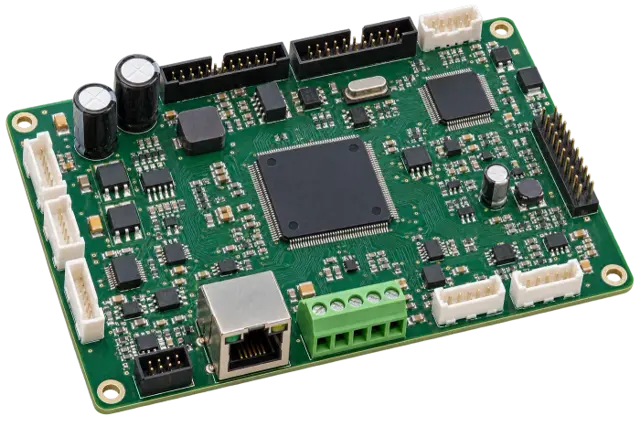
Replacement main control board for string and hybrid inverters, handling measurement, MPPT, grid synchronisation, protection and communication.
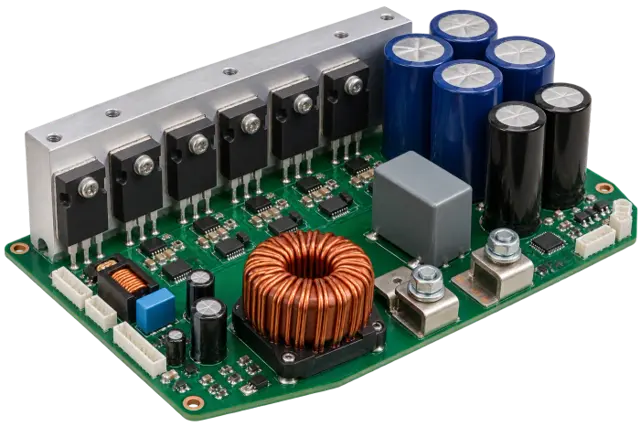
Power-stage board carrying the boost and inverter bridges, gate drivers and DC-link capacitors. The major spare most often needed after surge or overheating damage.
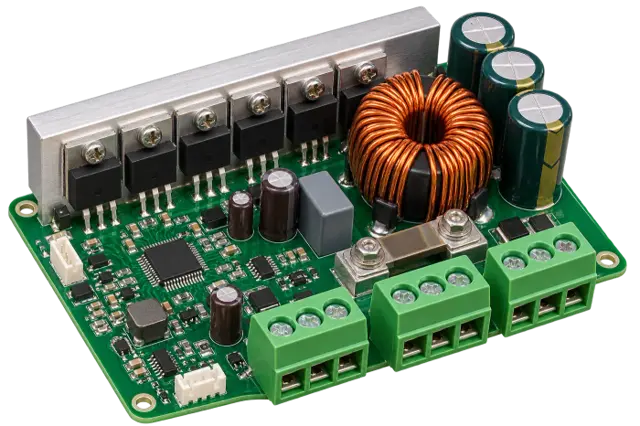
Assembled MPPT buck-converter board with automatic 12/24/48 V battery detection, for off-grid controller builds and repairs.
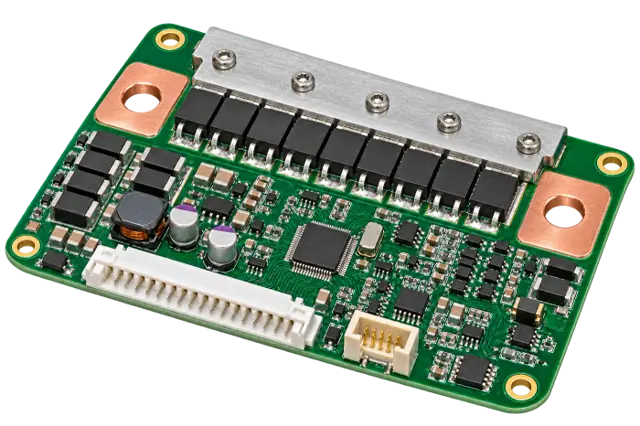
Battery management board for 48 V-class LFP packs with cell monitoring, MOSFET switching, passive balancing and CAN/RS485 inverter communication.
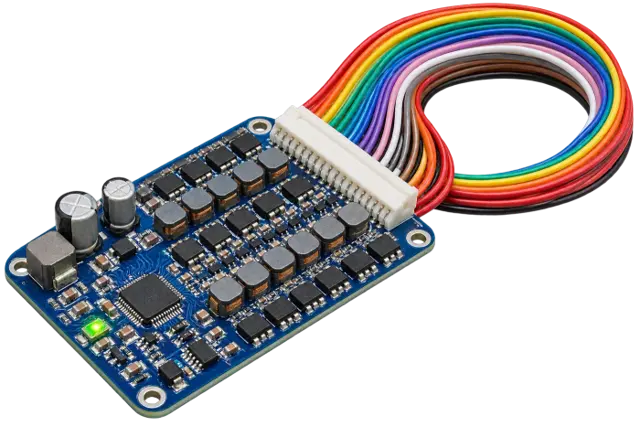
Capacitive or inductive energy-transfer balancer that moves charge between cells continuously, keeping large LFP packs aligned.
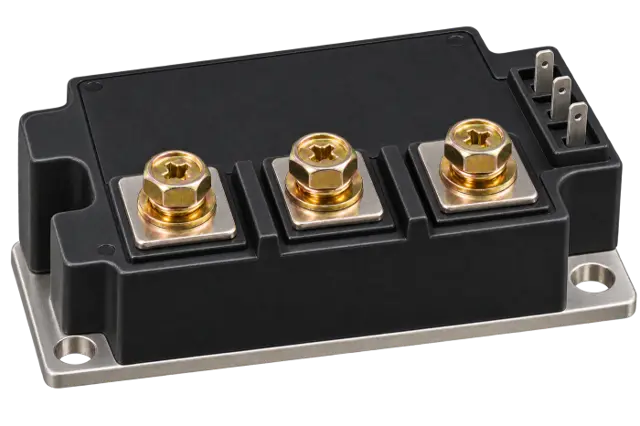
Industry-standard 62 mm half-bridge IGBT module with anti-parallel diodes, used in central and large string inverters, PCS and motor drives.
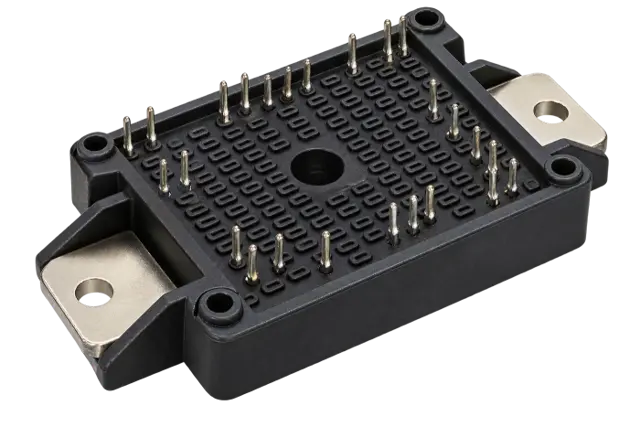
Silicon-carbide half-bridge module for high-frequency, high-efficiency inverters, DC/DC stages and fast chargers.
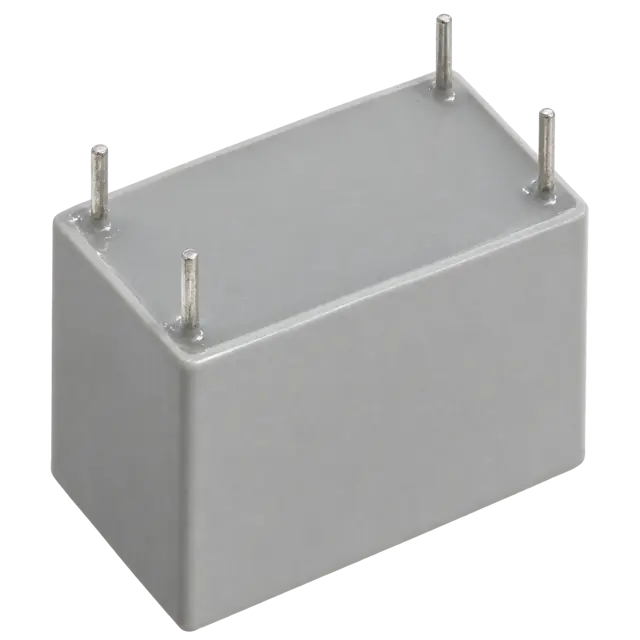
Self-healing metallised-polypropylene capacitor for inverter DC buses, with high ripple-current rating and long life at elevated temperature.
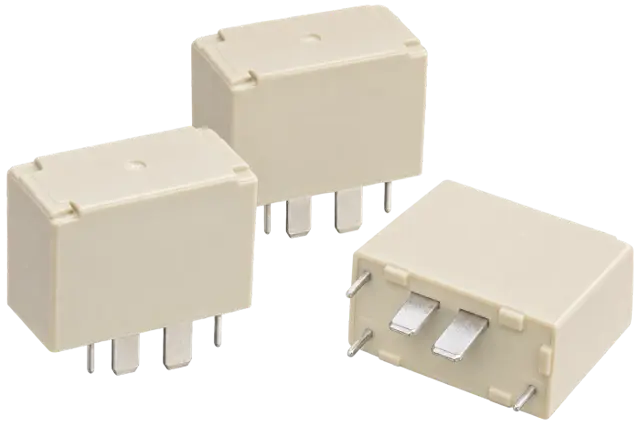
PCB-mount power relay used as the AC output disconnect in string and hybrid inverters, with wide contact gap for grid-code isolation.
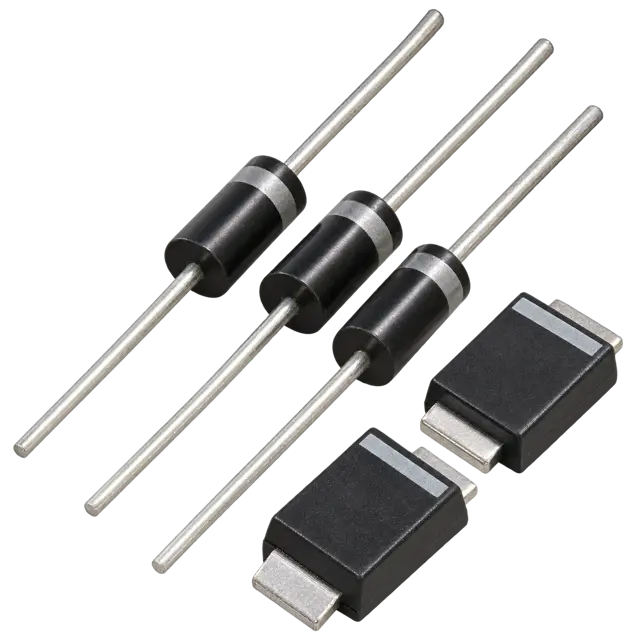
Schottky bypass diodes for PV junction boxes that route current around shaded or damaged cell groups and prevent hot spots.
