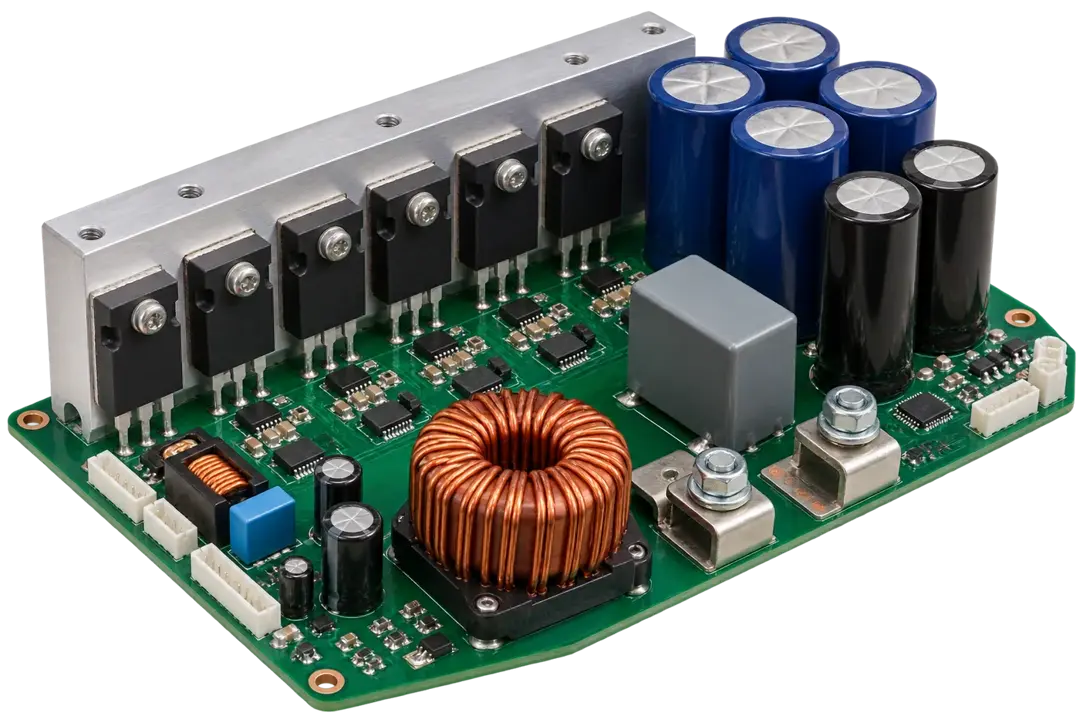
The power board converts the PV or battery DC into grid-quality AC. On a typical string inverter it carries the boost stage for each MPPT, the full-bridge or three-level inverter bridge built from IGBTs or MOSFETs, the isolated gate drivers, the DC-link capacitor bank, the output filter connections and the AC relays. Current sensors and NTC thermistors on the board feed back to the control board.
Failures usually follow lightning-induced surges, DC overvoltage from oversized strings, blocked heat sinks or moisture ingress, and show up as hardware over-current or bus-voltage faults that do not clear on restart. Before replacing the board, check string voltages against the inverter's maximum DC input, inspect the DC surge protector and confirm the fans and heat sink are clean, otherwise the new board will fail for the same reason.
Boards are supplied per inverter model and power rating, tested at full load before dispatch. Discharge the DC link fully and wait the time stated on the inverter label before opening the housing.
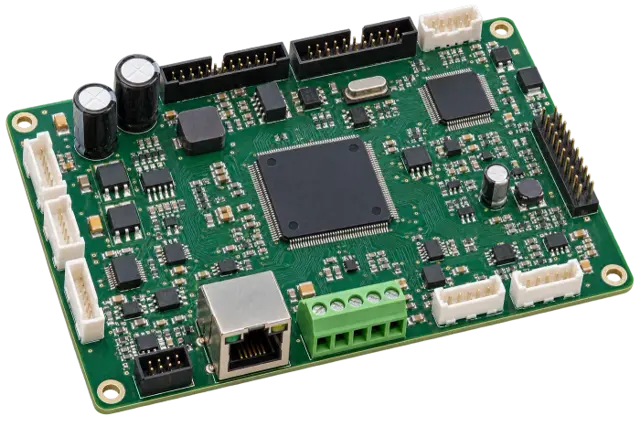
Replacement main control board for string and hybrid inverters, handling measurement, MPPT, grid synchronisation, protection and communication.
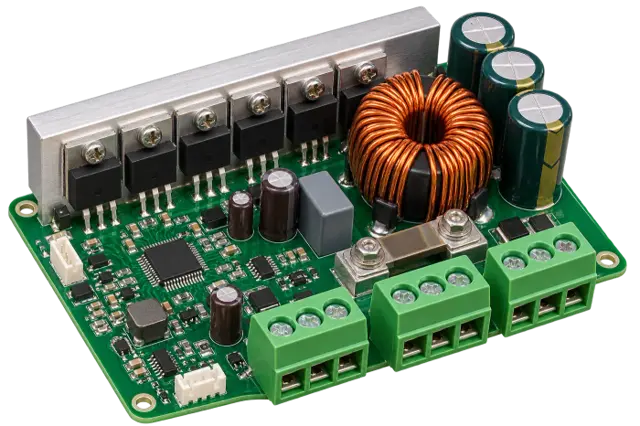
Assembled MPPT buck-converter board with automatic 12/24/48 V battery detection, for off-grid controller builds and repairs.
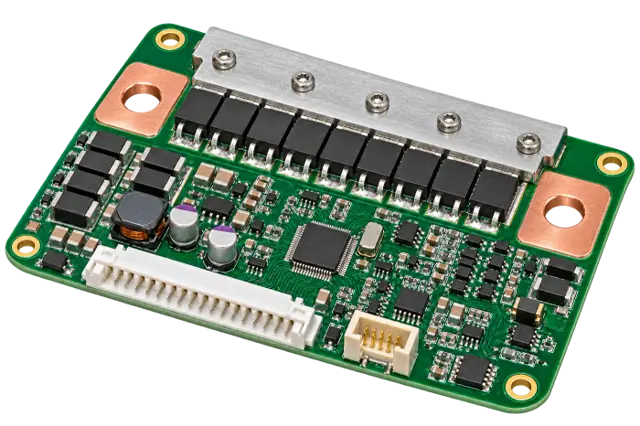
Battery management board for 48 V-class LFP packs with cell monitoring, MOSFET switching, passive balancing and CAN/RS485 inverter communication.
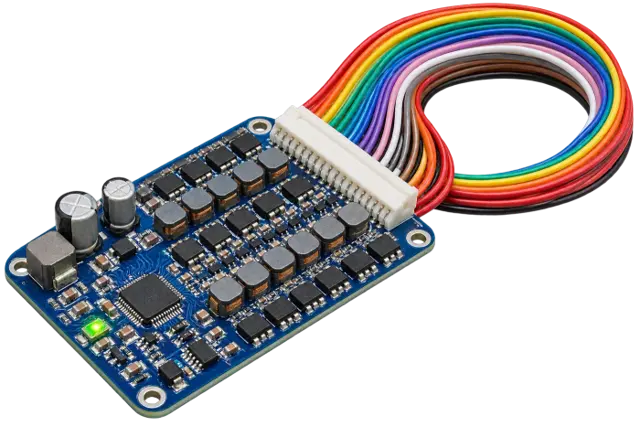
Capacitive or inductive energy-transfer balancer that moves charge between cells continuously, keeping large LFP packs aligned.
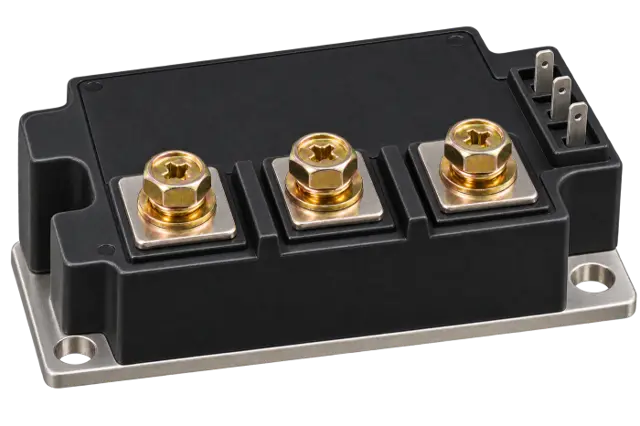
Industry-standard 62 mm half-bridge IGBT module with anti-parallel diodes, used in central and large string inverters, PCS and motor drives.
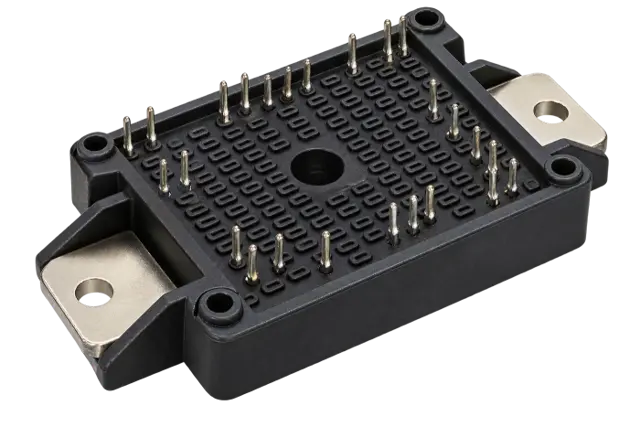
Silicon-carbide half-bridge module for high-frequency, high-efficiency inverters, DC/DC stages and fast chargers.
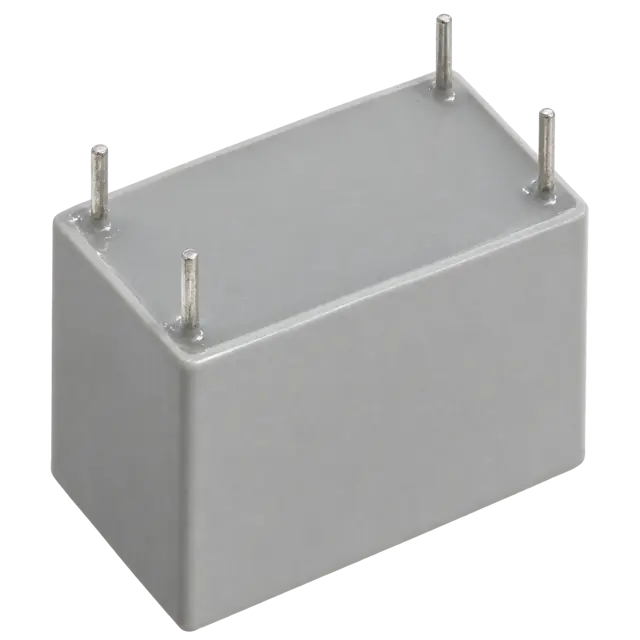
Self-healing metallised-polypropylene capacitor for inverter DC buses, with high ripple-current rating and long life at elevated temperature.
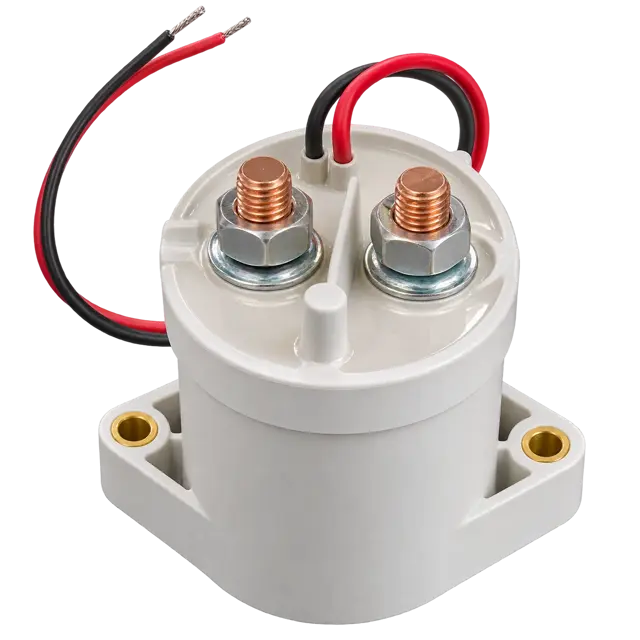
Sealed, gas-filled DC contactor for battery racks, PCS and high-voltage battery packs, with magnetic arc blow-out and auxiliary contact.
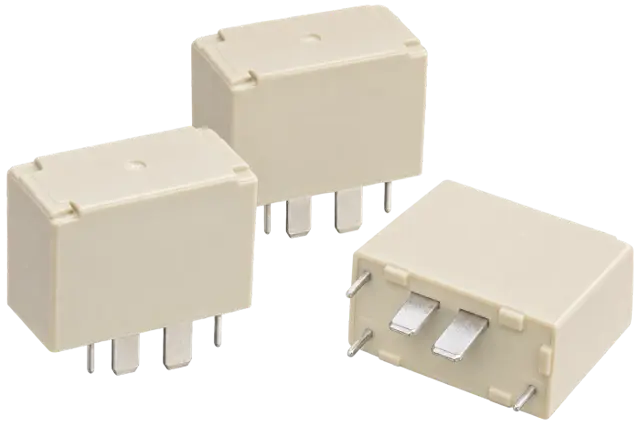
PCB-mount power relay used as the AC output disconnect in string and hybrid inverters, with wide contact gap for grid-code isolation.
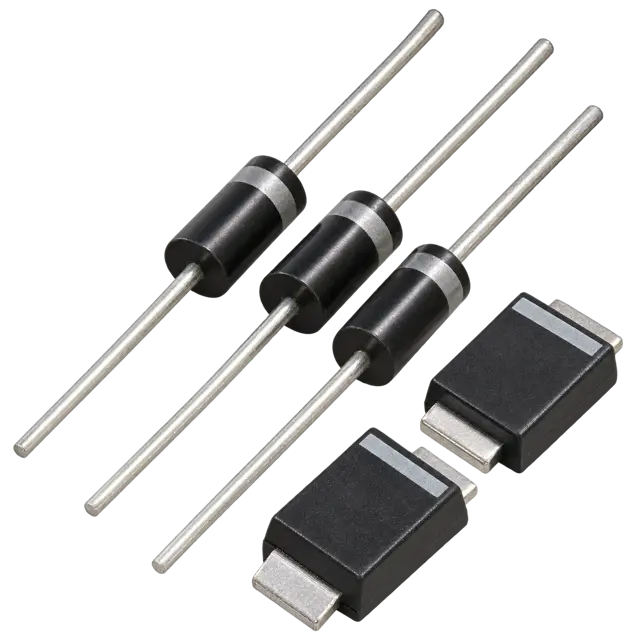
Schottky bypass diodes for PV junction boxes that route current around shaded or damaged cell groups and prevent hot spots.
