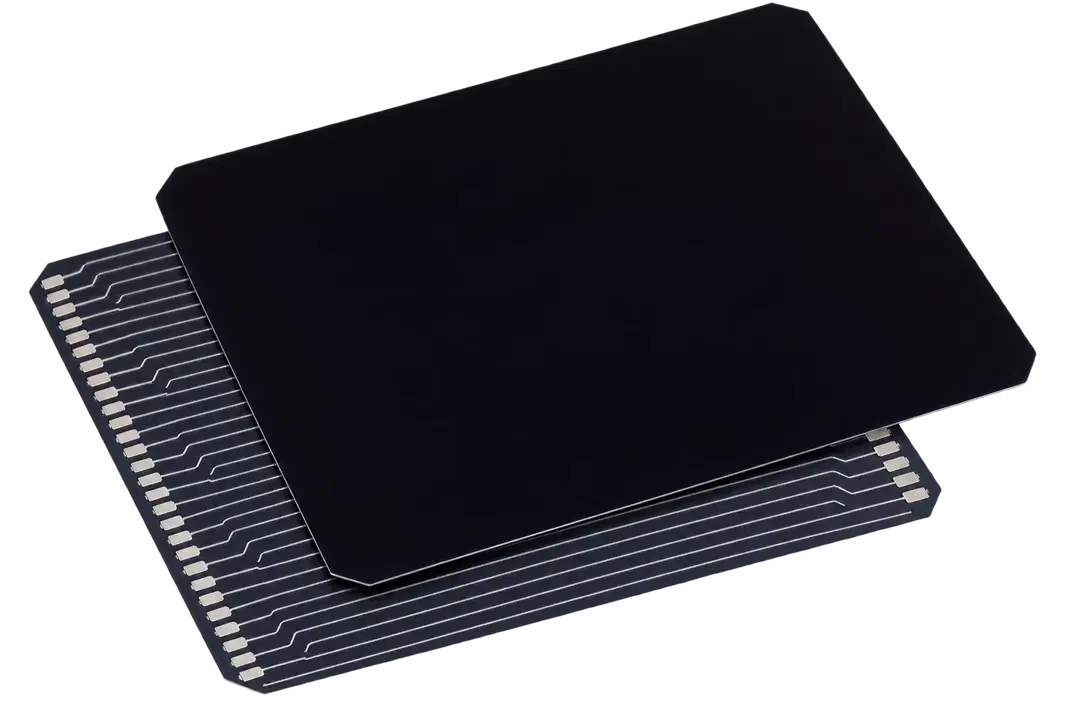
In a back-contact cell both the positive and negative contacts sit on the rear in interdigitated fingers, so the front surface has no metal at all. Removing grid shading adds current, and the passivation can be built on TOPCon-style polysilicon contacts (TBC) or on heterojunction layers (HBC). Mass-production efficiency is now around 26.5–27 % and rising, and modules have a clean, all-black appearance that sells well on residential roofs.
Back-contact cells cannot go through a conventional front-to-back stringer. They need a stringer that connects neighbouring cells on the rear, usually with ribbon or wire laid on an insulating pattern, and layup tooling adjusted accordingly. Bifaciality is lower than TOPCon or HJT, typically 60–70 %, so BC is strongest where front-side yield and aesthetics matter more than rear gain. Discuss the interconnection method and encapsulant with your process engineer before ordering; samples for line trials are recommended.
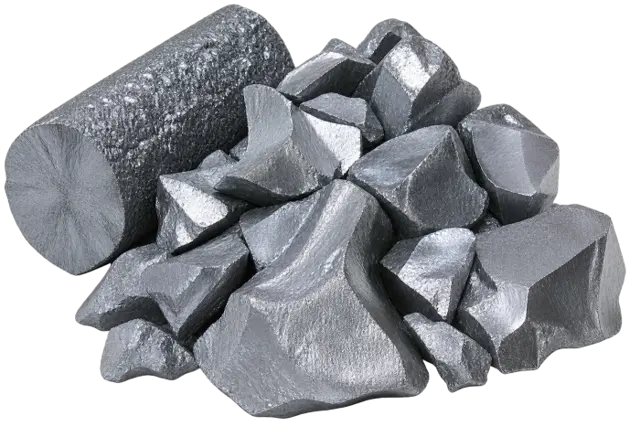
High-purity polysilicon in rod or chunk form, graded for N-type monocrystalline ingot pulling; granular material available for blended recharge.
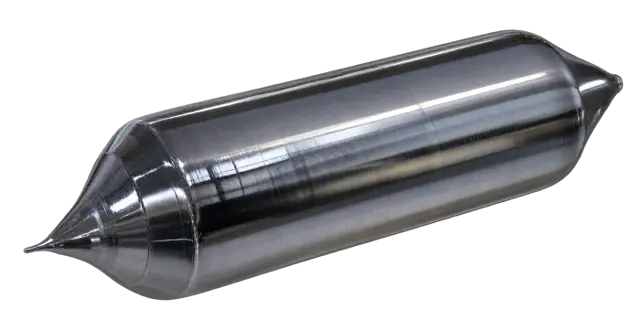
Phosphorus-doped Czochralski ingot, cropped and squared for M10, G12R or G12 wafering, with resistivity and lifetime data per piece.
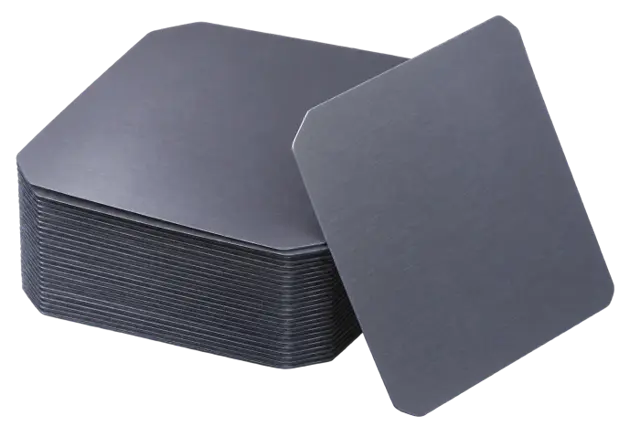
Diamond-wire-cut N-type monocrystalline wafer, about 130 µm thick, in the near-square M10 format used for TOPCon and HJT cells.

Rectangular 210R wafer for the 2382 × 1134 mm module format: more power per module while staying within standard container and handling limits.
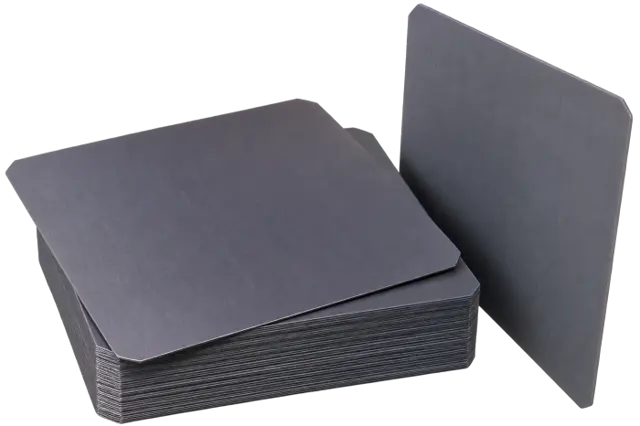
Full-size 210 mm square N-type wafer for high-power utility modules above 700 W, usually cut into half or third cells.
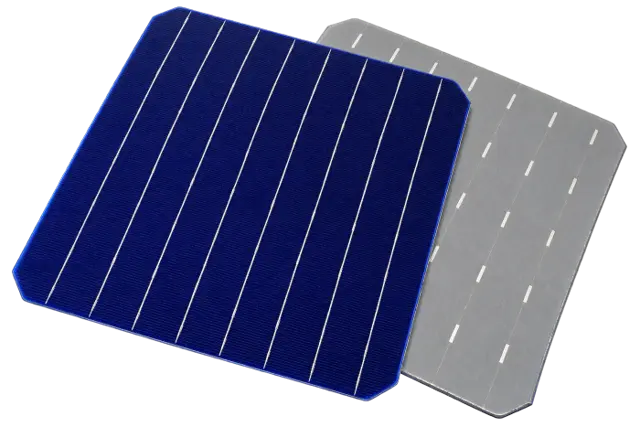
Gallium-doped P-type PERC cell, about 23.3–23.6 % efficient, for cost-driven modules and replacement production on existing lines.
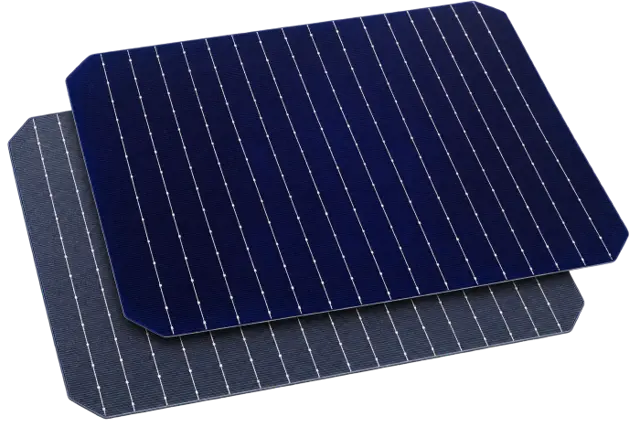
Mainstream N-type cell in M10 or G12R format, around 26 % efficient with 80–85 % bifaciality, for glass-glass and glass-backsheet modules.
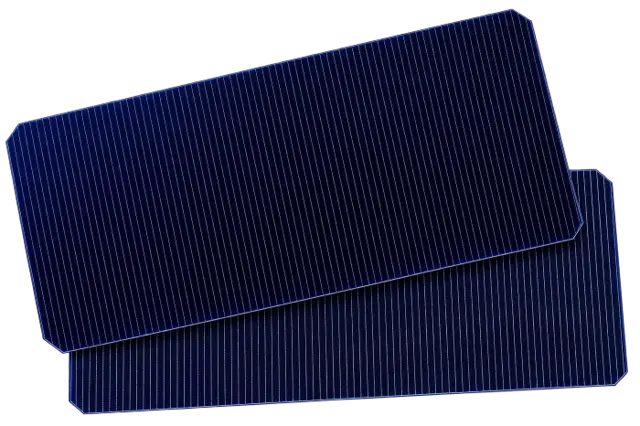
Low-temperature N-type cell with amorphous-silicon passivation, high bifaciality and the best temperature coefficient among mainstream technologies.
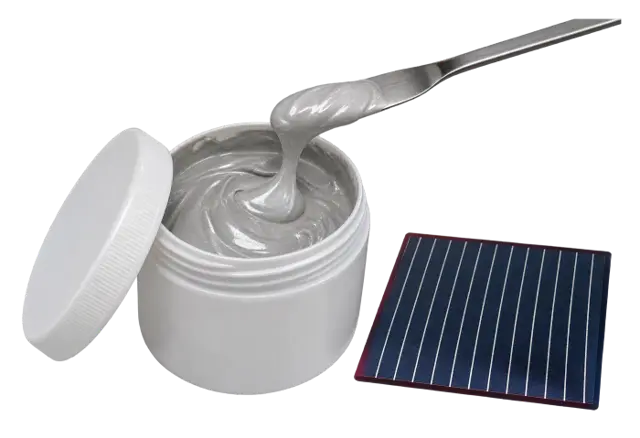
Screen-printing pastes for TOPCon, PERC and HJT cells, including silver-aluminium, fine-line silver, low-temperature and silver-coated copper grades; price indexed to silver.

Low-iron patterned front glass, fully tempered with anti-reflective coating and about 94 % transmittance, for glass-backsheet modules.
