Solar Library·357 items
Modules, inverters, batteries, structures, cables, hardware and services, with plain explanations, full specifications and indicative USD prices.
Use ↑ ↓ to move, Enter to open
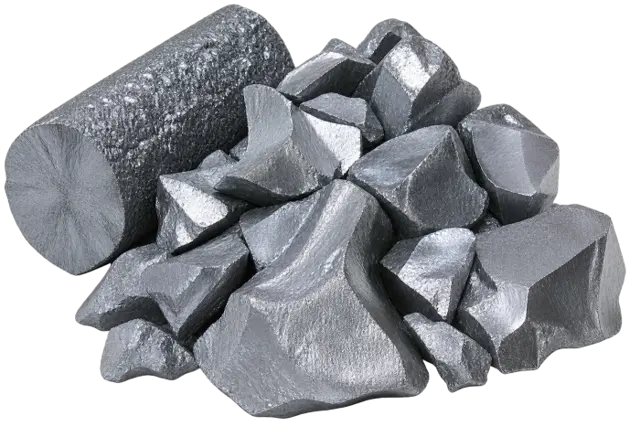
High-purity polysilicon in rod or chunk form, graded for N-type monocrystalline ingot pulling; granular material available for blended recharge.
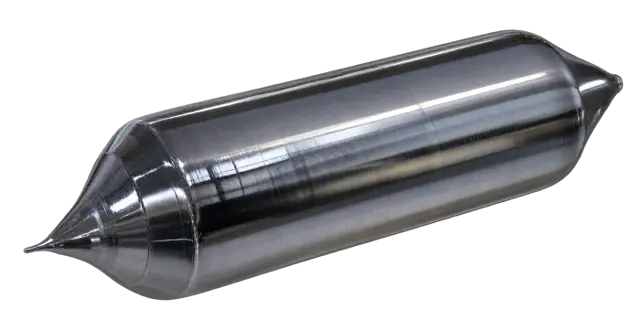
Phosphorus-doped Czochralski ingot, cropped and squared for M10, G12R or G12 wafering, with resistivity and lifetime data per piece.
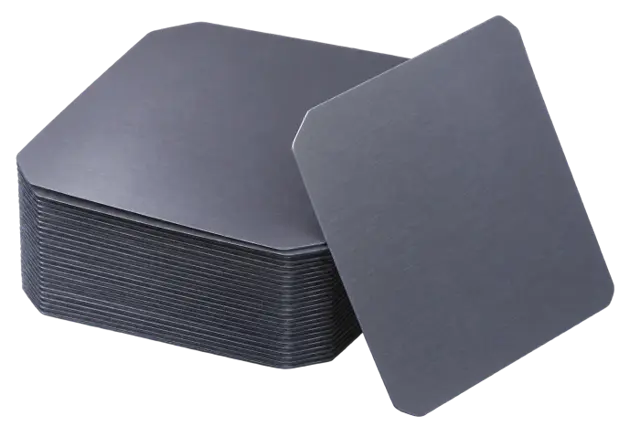
Diamond-wire-cut N-type monocrystalline wafer, about 130 µm thick, in the near-square M10 format used for TOPCon and HJT cells.

Rectangular 210R wafer for the 2382 × 1134 mm module format: more power per module while staying within standard container and handling limits.
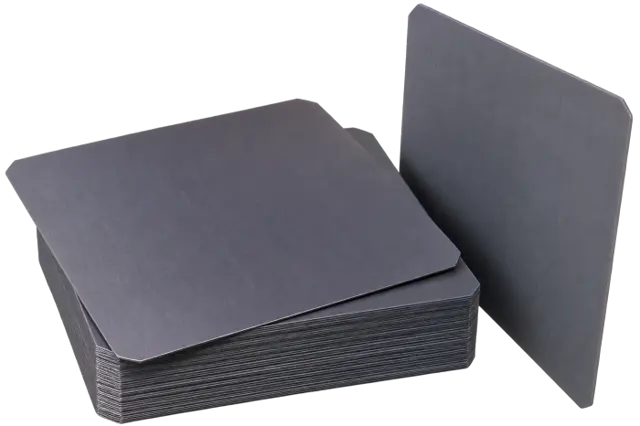
Full-size 210 mm square N-type wafer for high-power utility modules above 700 W, usually cut into half or third cells.
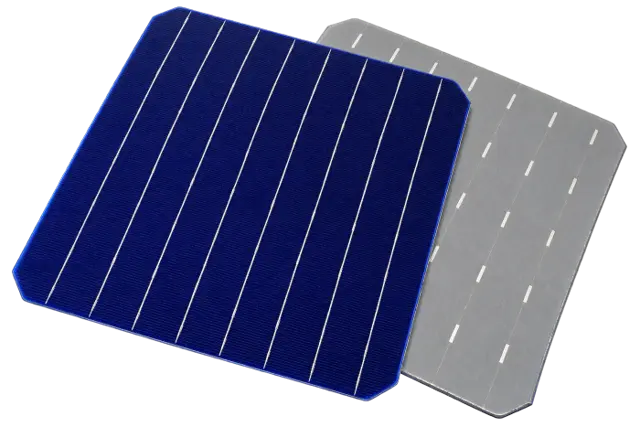
Gallium-doped P-type PERC cell, about 23.3–23.6 % efficient, for cost-driven modules and replacement production on existing lines.
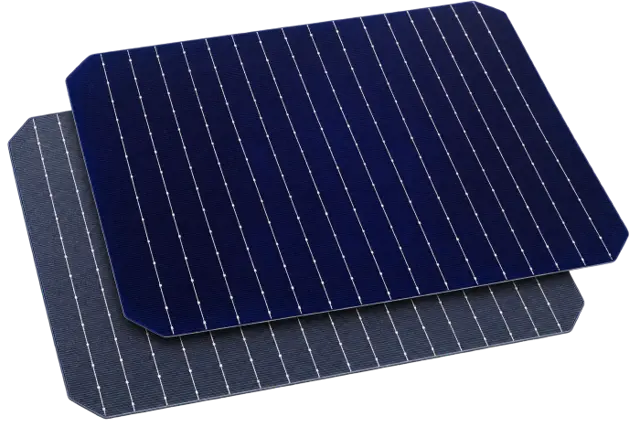
Mainstream N-type cell in M10 or G12R format, around 26 % efficient with 80–85 % bifaciality, for glass-glass and glass-backsheet modules.
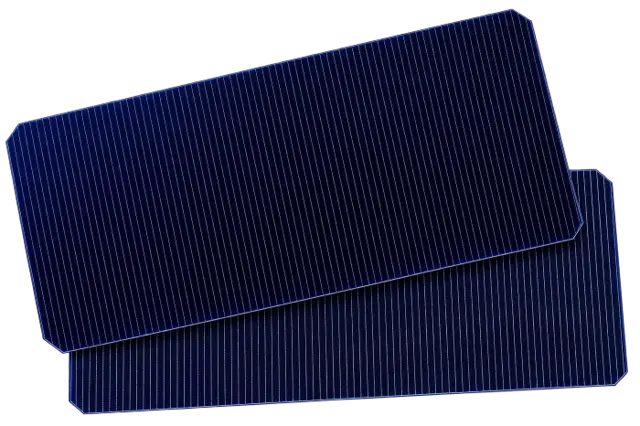
Low-temperature N-type cell with amorphous-silicon passivation, high bifaciality and the best temperature coefficient among mainstream technologies.

Cell with all contacts on the rear and an unshaded front, the highest-efficiency mass-produced option at 26.5–27 %+, suited to premium rooftop modules.
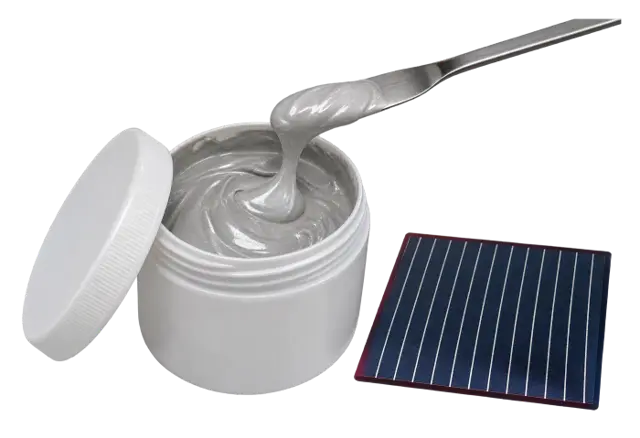
Screen-printing pastes for TOPCon, PERC and HJT cells, including silver-aluminium, fine-line silver, low-temperature and silver-coated copper grades; price indexed to silver.

Low-iron patterned front glass, fully tempered with anti-reflective coating and about 94 % transmittance, for glass-backsheet modules.
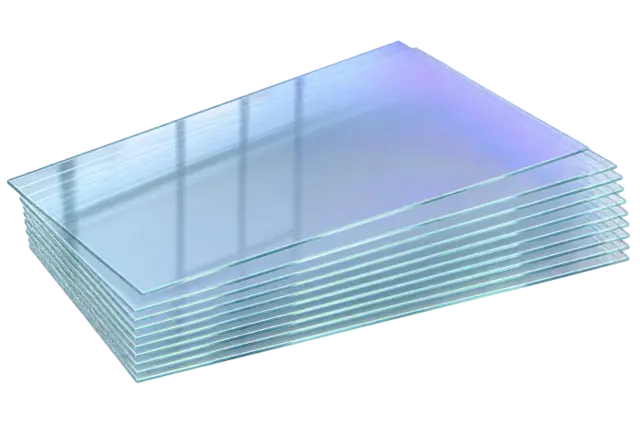
Thin low-iron front glass for dual-glass bifacial modules, heat-strengthened with AR coating, about 93.5–94 % transmittance.
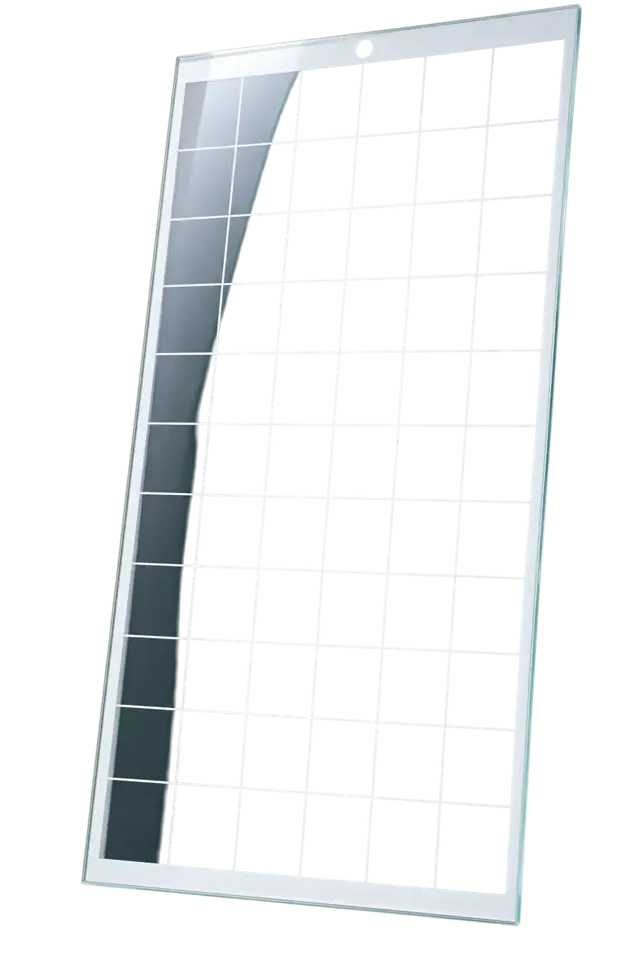
Heat-strengthened rear glass for dual-glass bifacial modules, printed with a white ceramic grid between cells and drilled for the junction box outlets.
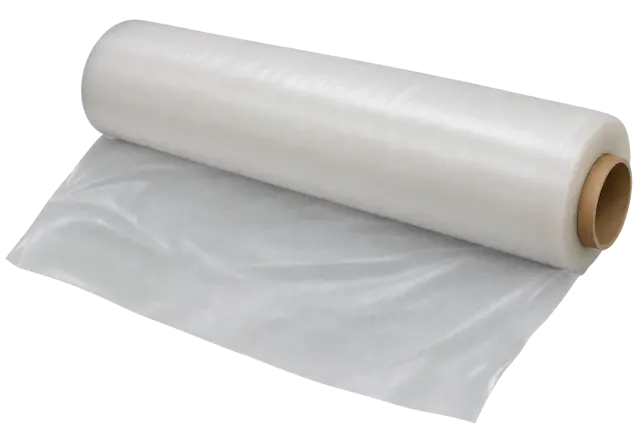
Peroxide-cured ethylene-vinyl acetate film, about 0.45 mm, in UV-cut and UV-transparent grades. The economical encapsulant for PERC and glass-backsheet modules.
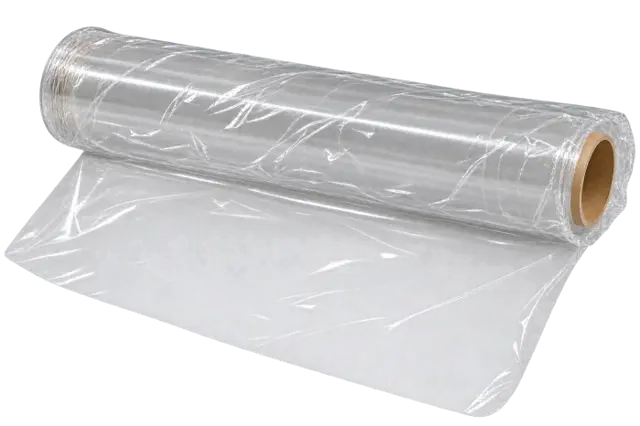
Polyolefin elastomer film with very low water-vapour transmission and no acetic acid, giving high PID resistance for TOPCon, HJT and dual-glass modules.
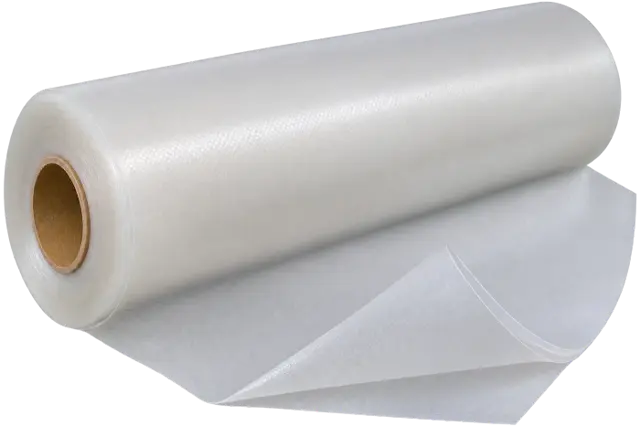
Three-layer film with a POE core and thin EVA skins, giving most of POE's moisture and PID resistance with EVA-like lamination and handling.
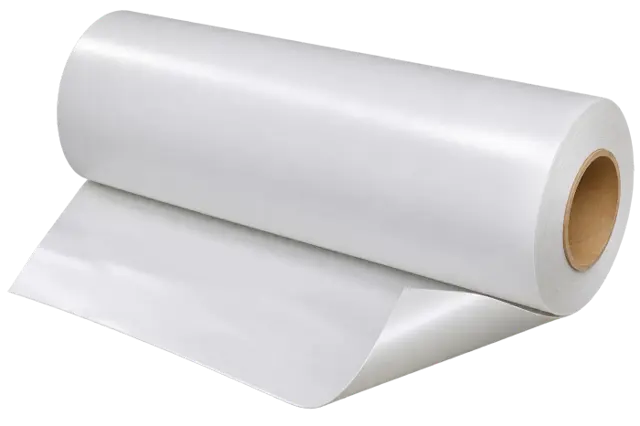
Multilayer insulating rear cover with a PET core and fluorinated outer protection, rated for 1500 V systems. The standard rear cover for glass-backsheet modules.
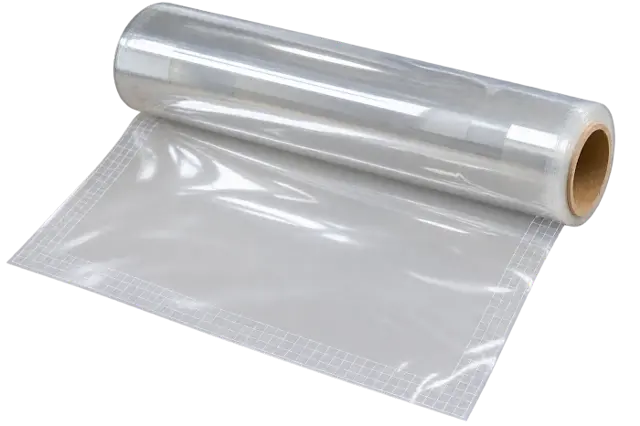
Clear weather-resistant polymer rear cover that enables bifacial gain without rear glass, cutting module weight for rooftops and lightweight structures.
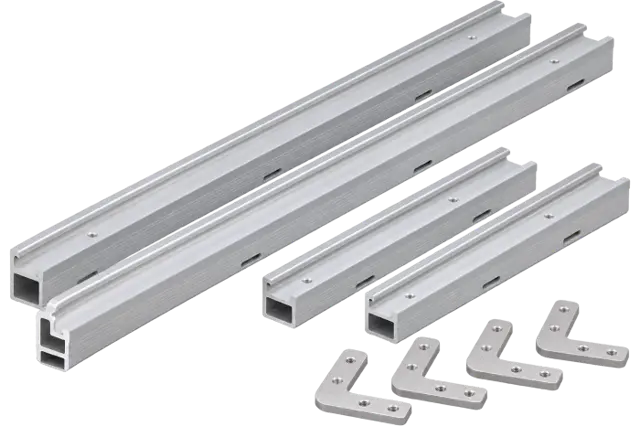
Two long and two short extruded profiles with corner keys, in 6005-T6 or 6063-T5 alloy, 30–35 mm high, cut and punched to the module drawing.

Solder-coated copper round wire of 0.26–0.30 mm for multi-busbar stringing, plus fine wire for 0BB and low-temperature grades for HJT.
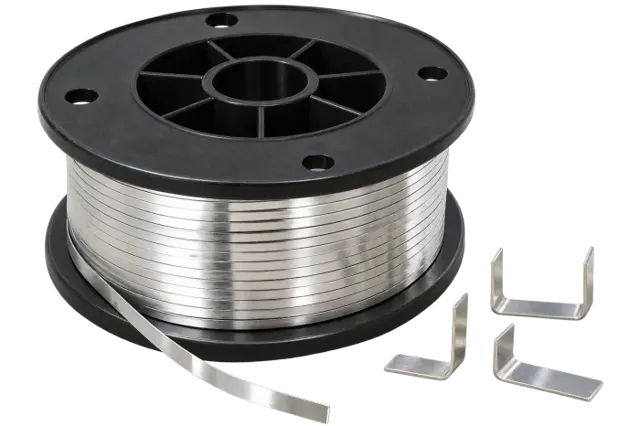
Soft tinned-copper flat ribbon, typically 6 × 0.4 mm or 5 × 0.35 mm, for joining string ends and routing current to the junction box.
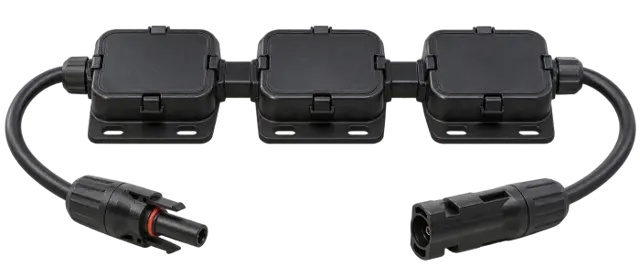
Three separate boxes, each with one bypass diode, rated 25–30 A and 1500 V DC for high-current half-cell and bifacial modules.
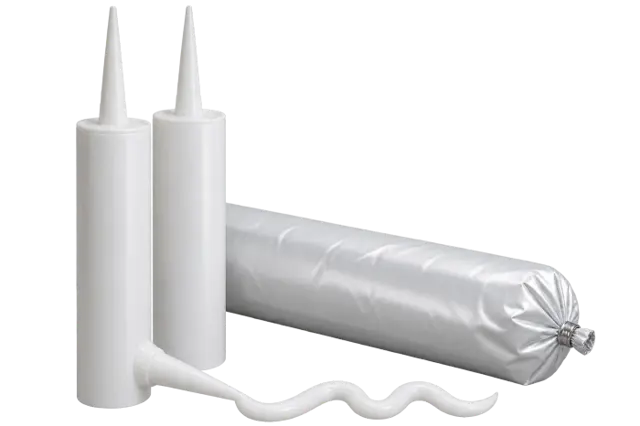
Neutral-cure silicone adhesive that bonds and seals the frame to the laminate and fixes the junction box to the backsheet or rear glass.
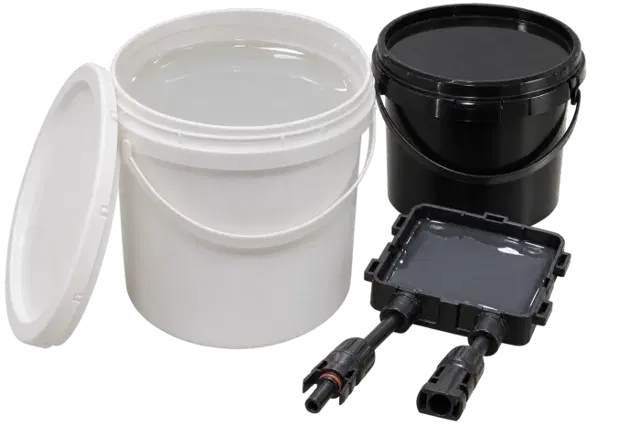
Low-viscosity, self-levelling silicone that fills the junction box, protecting terminals and diodes from moisture and conducting heat away.
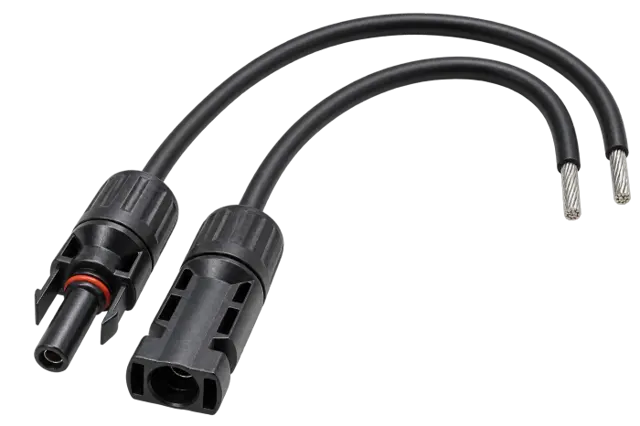
Pre-terminated 4 mm² H1Z2Z2-K leads with connectors for junction-box assembly, in lengths to suit portrait or landscape string layouts.

Plastic or paperboard corner caps and edge strips that protect module frames and glass edges during stacking, packing and transport.
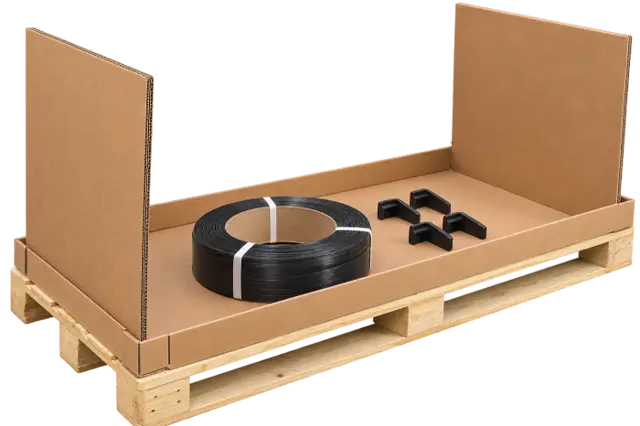
ISPM 15 heat-treated wooden pallet with carton, top cover, corner boards and straps for vertical packing of about 33–36 modules.

PTFE-coated glass-fibre release sheets and silicone rubber membranes for vacuum laminators, the main recurring wear parts on a module line.