
PERC cells add an aluminium-oxide and silicon-nitride passivation stack to the rear of a P-type wafer, with laser openings for the aluminium back contact. Current production uses gallium-doped wafers, which largely removes the boron-oxygen light-induced degradation that affected early PERC. An M10 cell at 23.3–23.6 % produces roughly 7.7–7.8 W, and bifacial versions reach a bifaciality of about 70 %.
With the market now firmly N-type, PERC capacity is shrinking and cells trade at a discount. They still make sense for price-sensitive off-grid, small rooftop and replacement modules, and for assemblers whose stringers and laminators are tuned to PERC and EVA. Cells are binned by efficiency in 0.1 % steps and by colour; ask for the EL and IV data of each batch and specify the busbar layout (typically 10–16 BB) your stringer accepts.
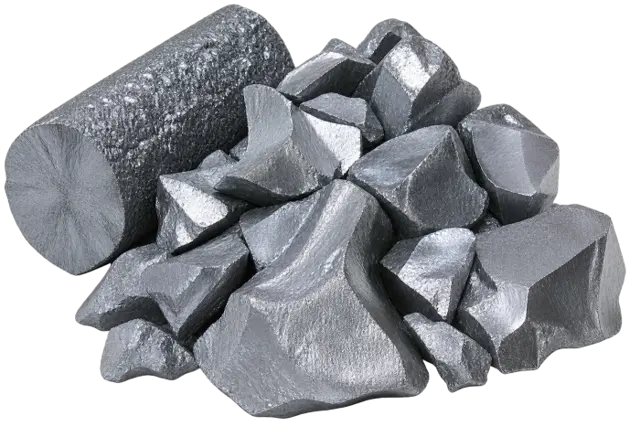
High-purity polysilicon in rod or chunk form, graded for N-type monocrystalline ingot pulling; granular material available for blended recharge.
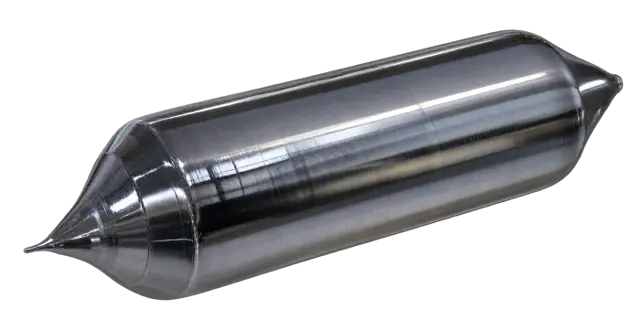
Phosphorus-doped Czochralski ingot, cropped and squared for M10, G12R or G12 wafering, with resistivity and lifetime data per piece.
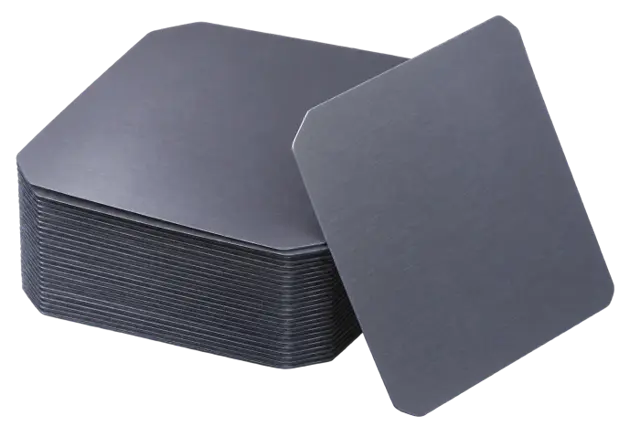
Diamond-wire-cut N-type monocrystalline wafer, about 130 µm thick, in the near-square M10 format used for TOPCon and HJT cells.

Rectangular 210R wafer for the 2382 × 1134 mm module format: more power per module while staying within standard container and handling limits.
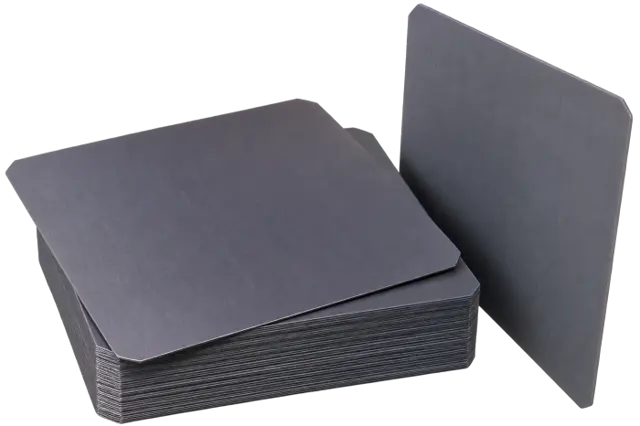
Full-size 210 mm square N-type wafer for high-power utility modules above 700 W, usually cut into half or third cells.
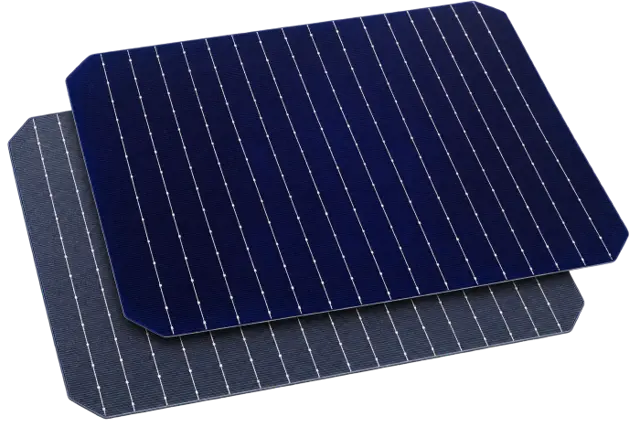
Mainstream N-type cell in M10 or G12R format, around 26 % efficient with 80–85 % bifaciality, for glass-glass and glass-backsheet modules.
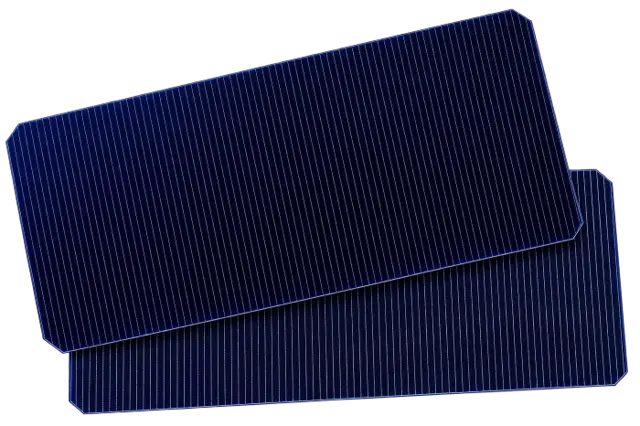
Low-temperature N-type cell with amorphous-silicon passivation, high bifaciality and the best temperature coefficient among mainstream technologies.

Cell with all contacts on the rear and an unshaded front, the highest-efficiency mass-produced option at 26.5–27 %+, suited to premium rooftop modules.
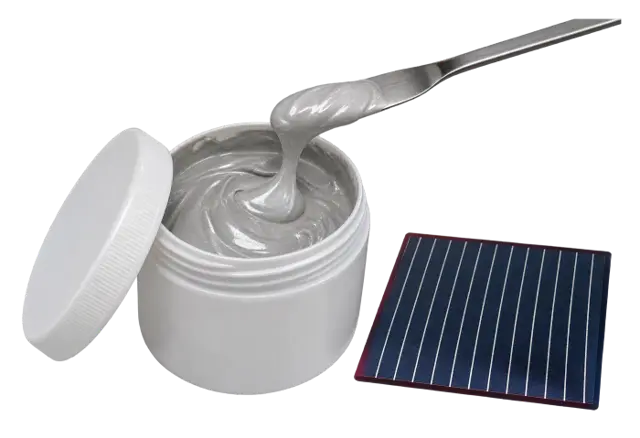
Screen-printing pastes for TOPCon, PERC and HJT cells, including silver-aluminium, fine-line silver, low-temperature and silver-coated copper grades; price indexed to silver.

Low-iron patterned front glass, fully tempered with anti-reflective coating and about 94 % transmittance, for glass-backsheet modules.
