
Large PV arrays act as giant antennas: a lightning strike within a few hundred meters induces voltage surges in the DC cabling that can destroy inverter inputs. A DC SPD tested to IEC 61643-31 (EN 50539-11) diverts that energy to earth. Type 2 devices protect against induced surges and are standard in combiner boxes and at the inverter DC input; where an external lightning protection system is installed and separation distances cannot be met, a Type 1+2 device is required.
PV-specific SPDs use a Y circuit of three varistors so that a single failure cannot short the string, plus a DC-rated thermal disconnector. Choose Ucpv above the array's maximum Voc at the lowest site temperature, and keep the earth lead as short and straight as possible, since every meter of conductor adds roughly 1 kV of let-through voltage. Remote-signaling contacts and visual flags show when a module needs replacing after a strike.

Double-insulated, UV- and ozone-resistant tinned-copper PV cable rated 1500 V DC, the standard choice for string runs on commercial and utility arrays.

The cross-section used on module leads and short rooftop string runs; 1500 V DC, halogen-free, UV-resistant.
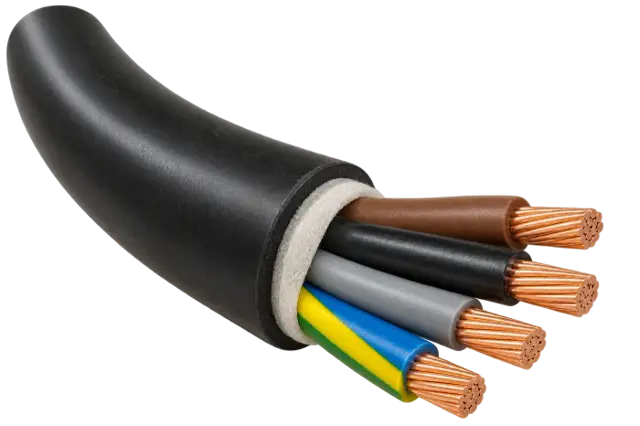
0.6/1 kV copper XLPE-insulated, PVC-sheathed (armored on request) cable linking inverters to the AC distribution board, priced as a representative 5-core 10 mm².
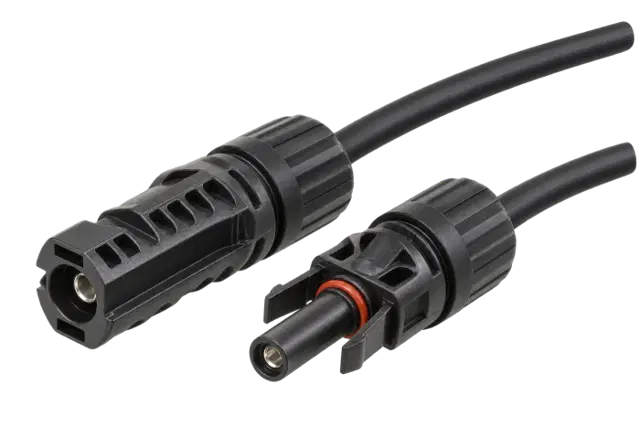
Male + female IP68 PV connectors for 4–6 mm² cable, 1500 V DC, certified to IEC 62852.
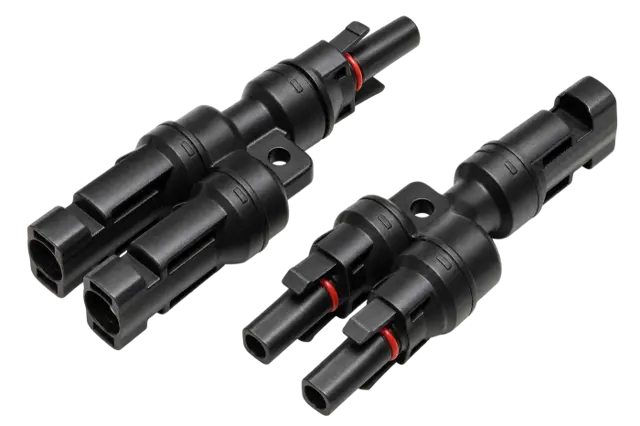
Parallels two strings onto one MPPT input or cable: one male (+) and one female (−) branch, 1500 V.

Ratchet crimper with 2.5/4/6 mm² dies, insertion tool, unlocking wrenches and cable stripper.

IP65 enclosure with gPV string fuses, Type 2 DC surge protection and a load-break isolator, 1000/1500 V DC.
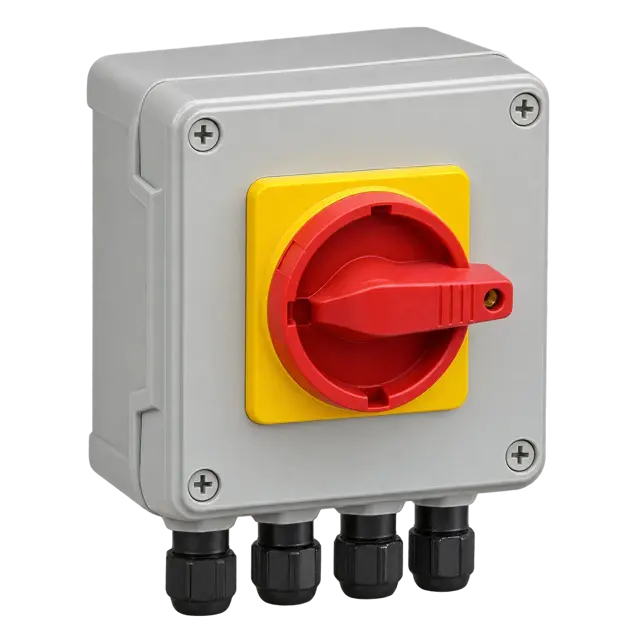
Rotary load-break DC switch in an IP66 enclosure for safely isolating strings ahead of the inverter.
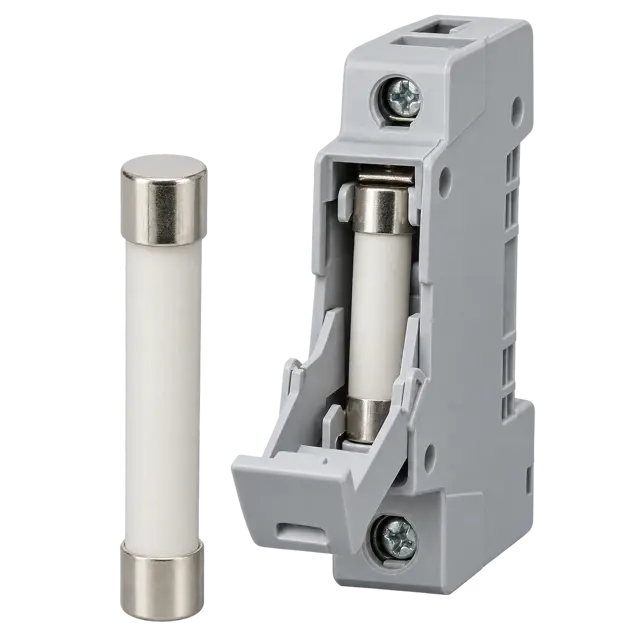
10×85 mm photovoltaic fuse link (15–32 A) with DIN-rail fuse holder, rated to IEC 60269-6.
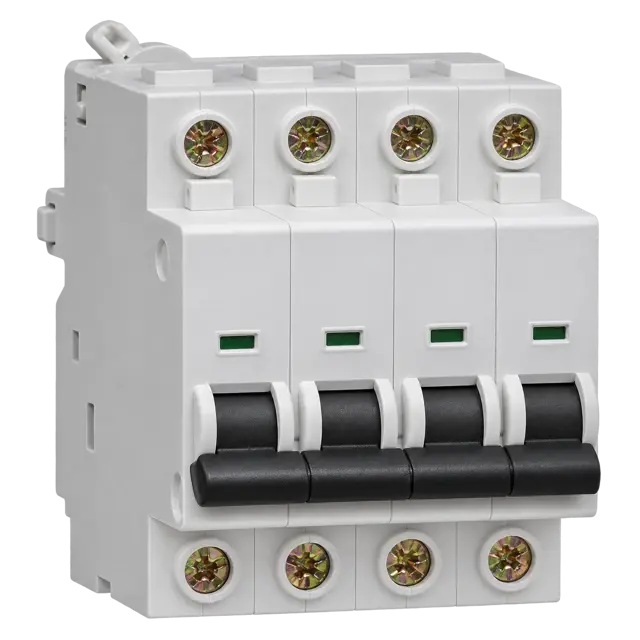
Four-pole C-curve MCB/MCCB (10 kA) protecting each inverter's AC output; representative rating for planning.
