
On the AC side of a PV plant, inverters feed the distribution board, transformer or main switchboard through low-voltage power cable built to IEC 60502-1: copper conductors, cross-linked polyethylene (XLPE) insulation rated for 90 °C, and a PVC or LSZH outer sheath. Direct-buried or exposed runs use steel-wire (SWA) or steel-tape armor. The five cores carry three phases, neutral and protective earth (L1/L2/L3/N/PE).
Cable size is chosen against three criteria: continuous current after derating (high ambient temperatures in the Gulf, often 50 °C air and 35–40 °C soil, can cut ampacity by 20–30 %), voltage drop (typically ≤1.5–2 % from inverter to point of connection) and short-circuit withstand. A 10 mm² Cu cable typically serves a 15–20 kW three-phase inverter on a medium run; 30–110 kW string inverters move to 25–95 mm² or aluminium alternatives.
The listed price is a planning figure per meter for 5×10 mm² Cu/XLPE/PVC. Actual cross-sections, armor type and aluminium-versus-copper selection are confirmed in the electrical design.

Double-insulated, UV- and ozone-resistant tinned-copper PV cable rated 1500 V DC, the standard choice for string runs on commercial and utility arrays.

The cross-section used on module leads and short rooftop string runs; 1500 V DC, halogen-free, UV-resistant.
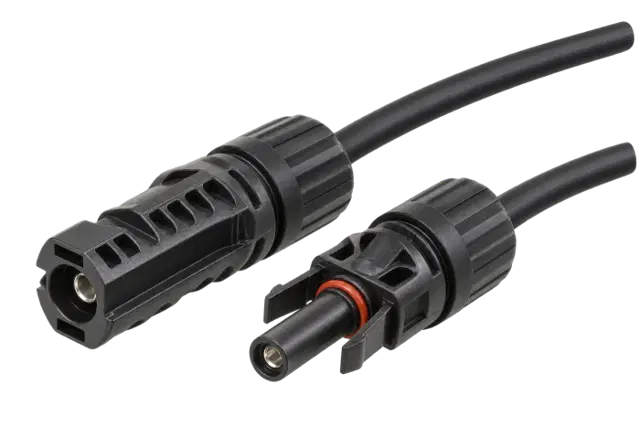
Male + female IP68 PV connectors for 4–6 mm² cable, 1500 V DC, certified to IEC 62852.
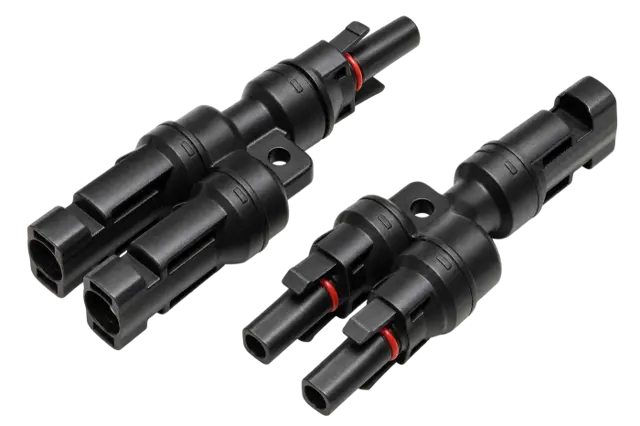
Parallels two strings onto one MPPT input or cable: one male (+) and one female (−) branch, 1500 V.

Ratchet crimper with 2.5/4/6 mm² dies, insertion tool, unlocking wrenches and cable stripper.

IP65 enclosure with gPV string fuses, Type 2 DC surge protection and a load-break isolator, 1000/1500 V DC.
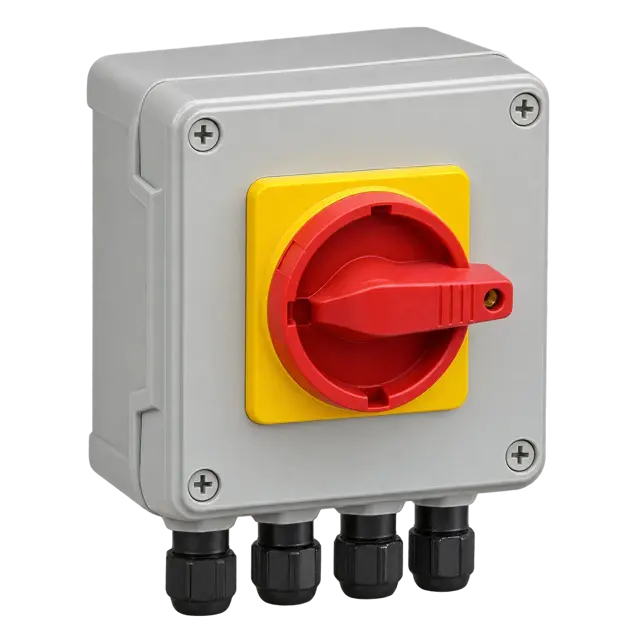
Rotary load-break DC switch in an IP66 enclosure for safely isolating strings ahead of the inverter.
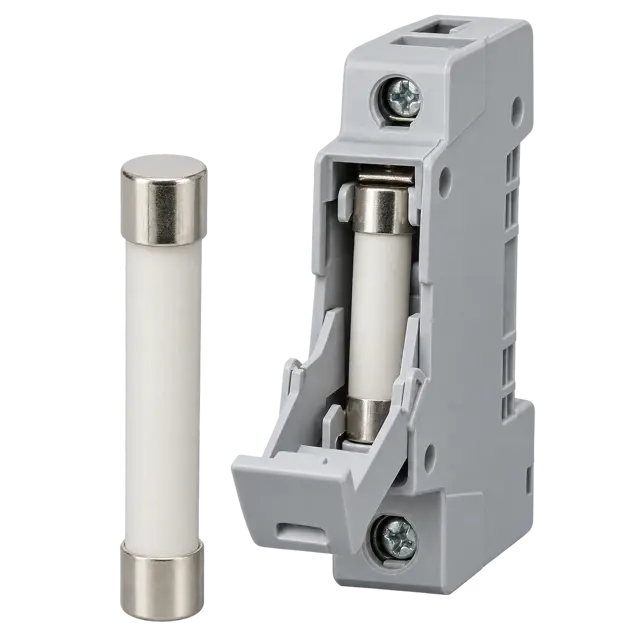
10×85 mm photovoltaic fuse link (15–32 A) with DIN-rail fuse holder, rated to IEC 60269-6.
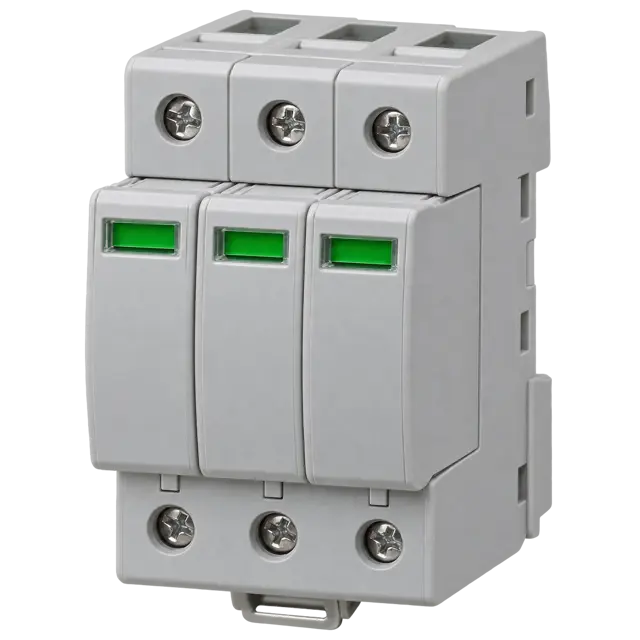
Y-configured MOV surge arrester with thermal disconnect and pluggable modules (In 20 kA, Imax 40 kA) for PV strings.
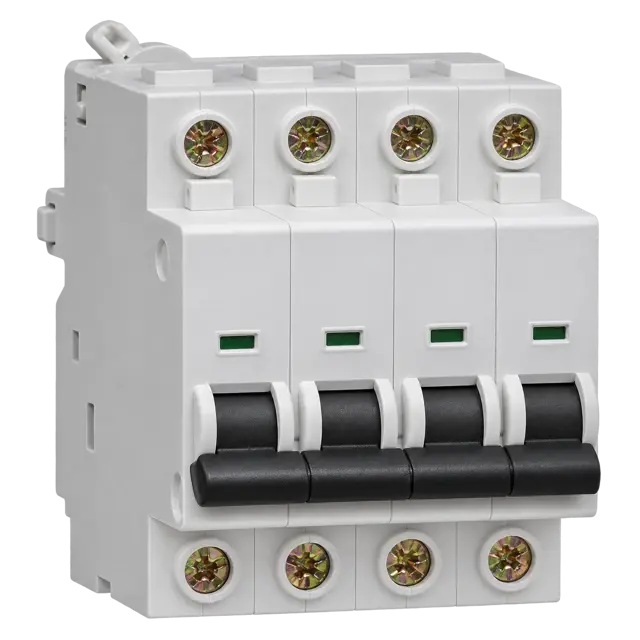
Four-pole C-curve MCB/MCCB (10 kA) protecting each inverter's AC output; representative rating for planning.
