Solar Library·357 items
Modules, inverters, batteries, structures, cables, hardware and services, with plain explanations, full specifications and indicative USD prices.
Use ↑ ↓ to move, Enter to open

Double-insulated, UV- and ozone-resistant tinned-copper PV cable rated 1500 V DC, the standard choice for string runs on commercial and utility arrays.

The cross-section used on module leads and short rooftop string runs; 1500 V DC, halogen-free, UV-resistant.
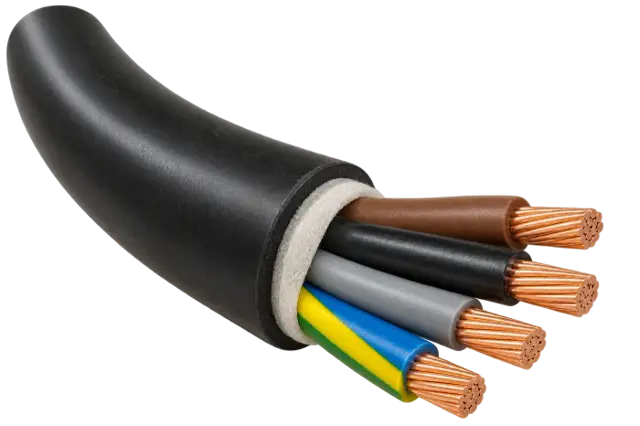
0.6/1 kV copper XLPE-insulated, PVC-sheathed (armored on request) cable linking inverters to the AC distribution board, priced as a representative 5-core 10 mm².
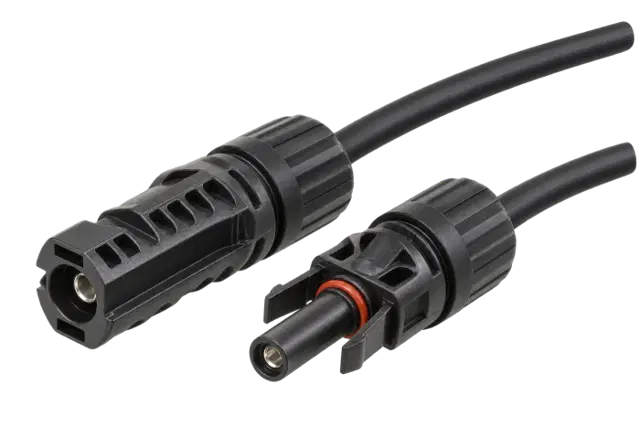
Male + female IP68 PV connectors for 4–6 mm² cable, 1500 V DC, certified to IEC 62852.
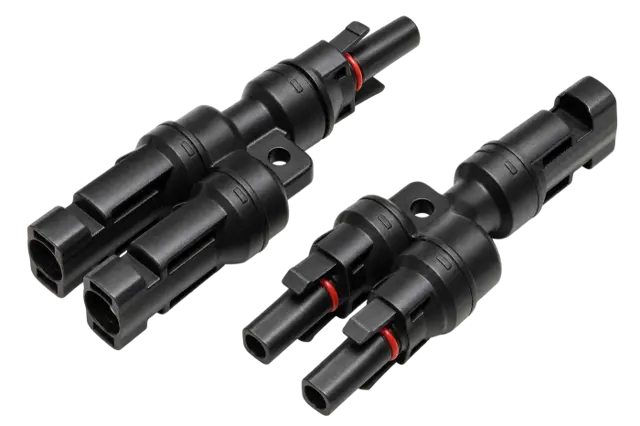
Parallels two strings onto one MPPT input or cable: one male (+) and one female (−) branch, 1500 V.

Ratchet crimper with 2.5/4/6 mm² dies, insertion tool, unlocking wrenches and cable stripper.

IP65 enclosure with gPV string fuses, Type 2 DC surge protection and a load-break isolator, 1000/1500 V DC.
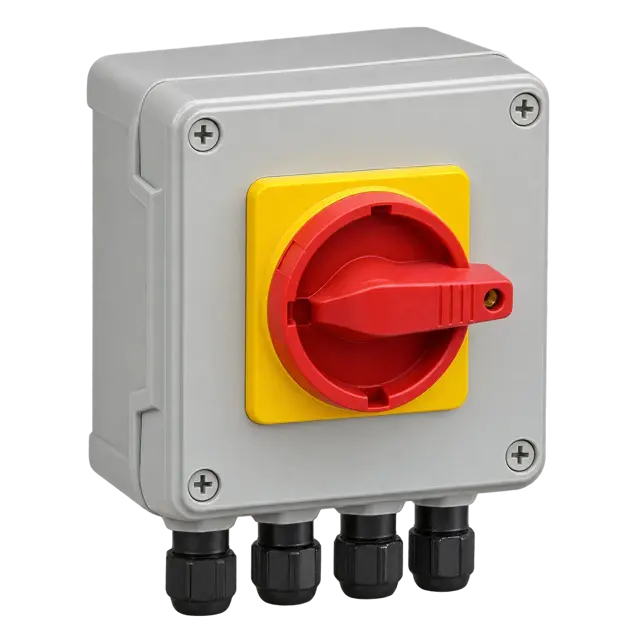
Rotary load-break DC switch in an IP66 enclosure for safely isolating strings ahead of the inverter.
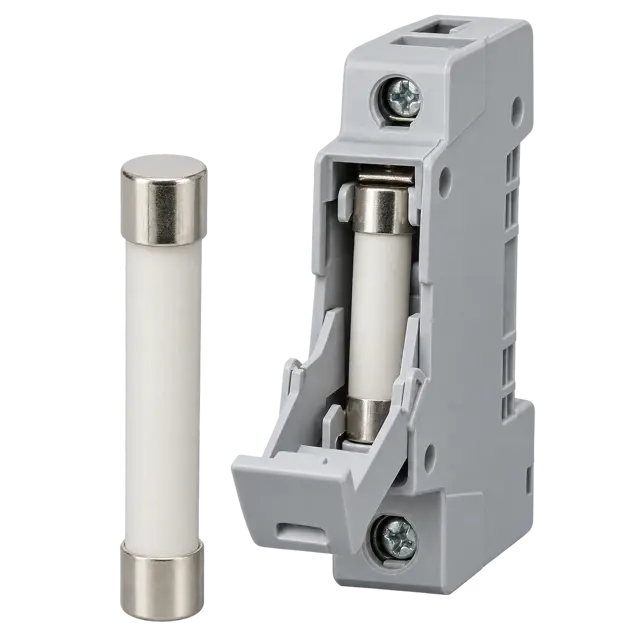
10×85 mm photovoltaic fuse link (15–32 A) with DIN-rail fuse holder, rated to IEC 60269-6.
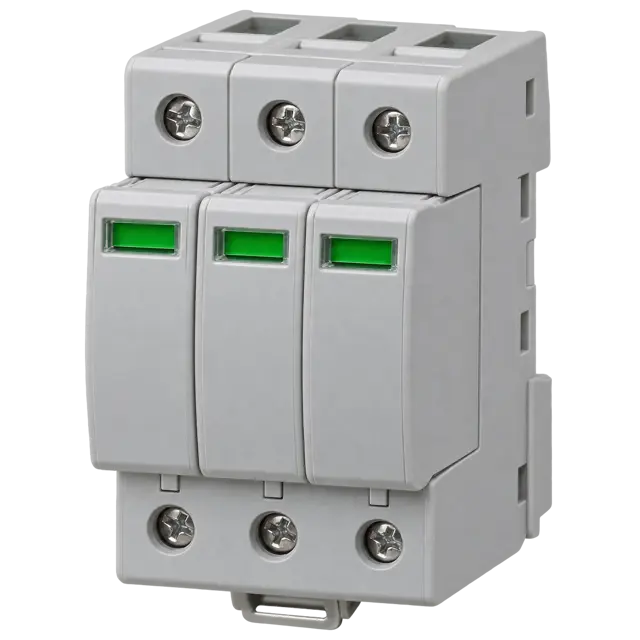
Y-configured MOV surge arrester with thermal disconnect and pluggable modules (In 20 kA, Imax 40 kA) for PV strings.
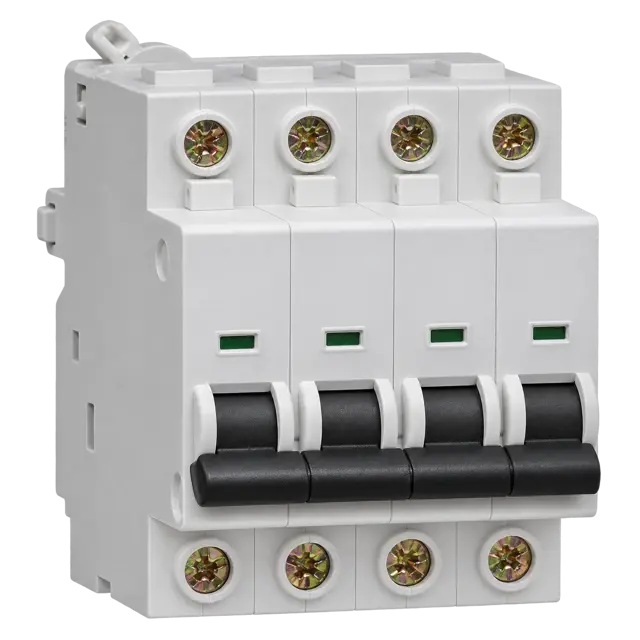
Four-pole C-curve MCB/MCCB (10 kA) protecting each inverter's AC output; representative rating for planning.
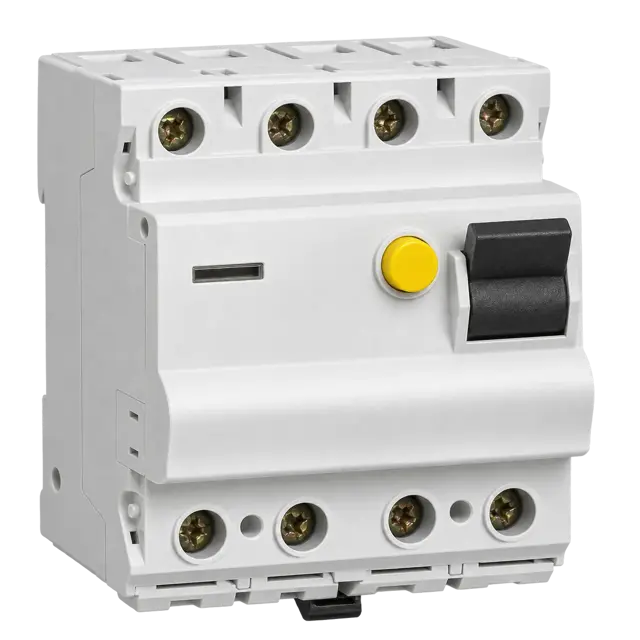
Detects smooth DC as well as AC residual currents. Required where an inverter without galvanic isolation could feed DC fault current.
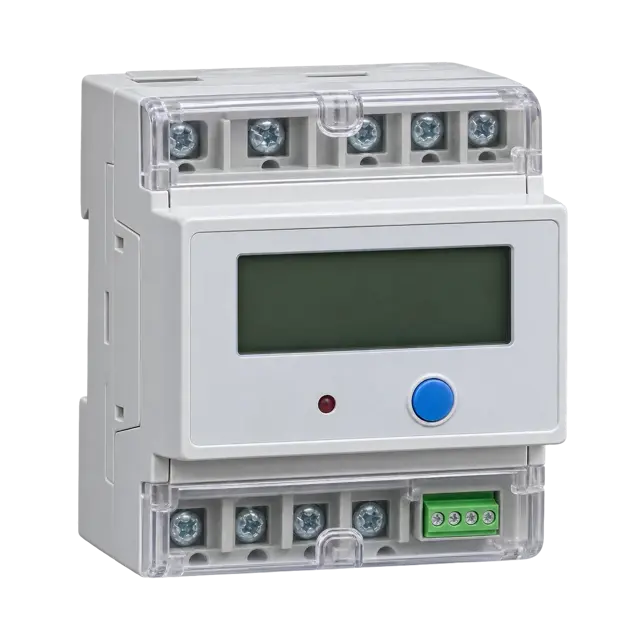
Class 1 (or 0.5S with CTs) import/export meter with RS-485 Modbus for net metering, zero-export control and self-consumption monitoring.
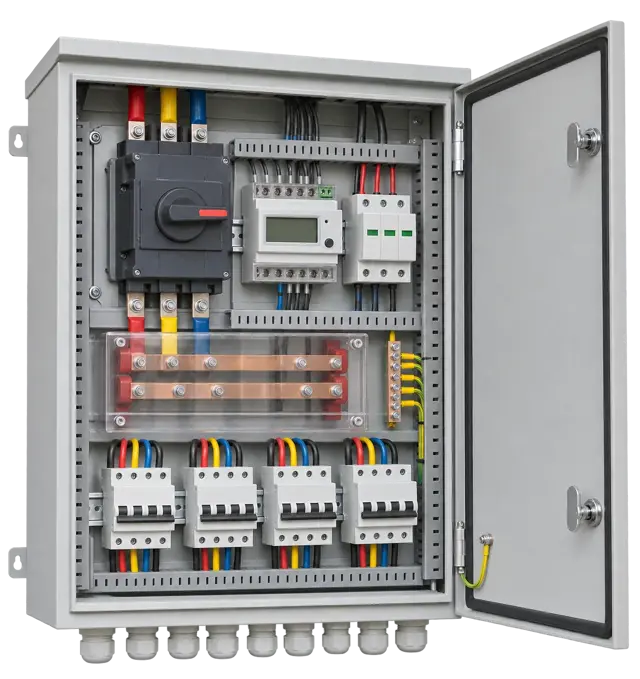
Outdoor IP65 panel collecting several inverter outputs: incoming breakers, main MCCB, Type 2 AC SPD, metering and busbars.
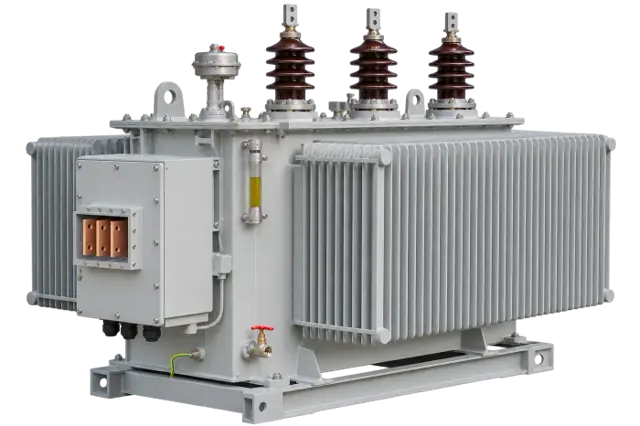
ONAN medium-voltage transformer that lifts inverter output to 33 kV collection voltage on utility-scale PV plants.
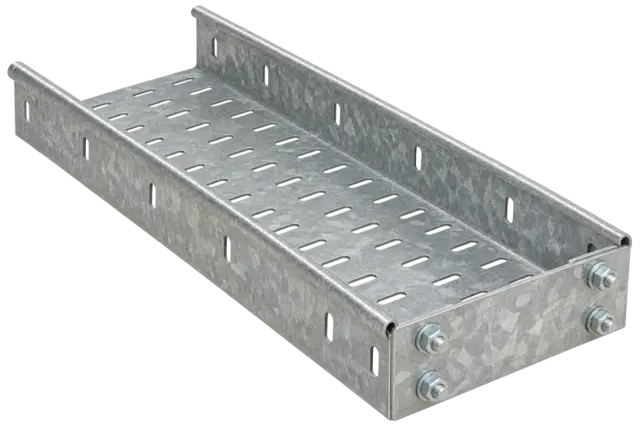
Perforated steel tray with cover for DC and AC cable routing on roofs and along module rows; sold per meter including couplers.
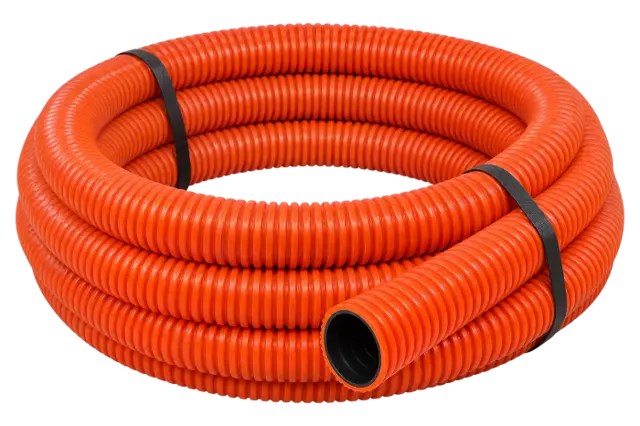
Corrugated double-wall HDPE duct for direct-buried DC and AC runs and road crossings; sold per meter in coils.
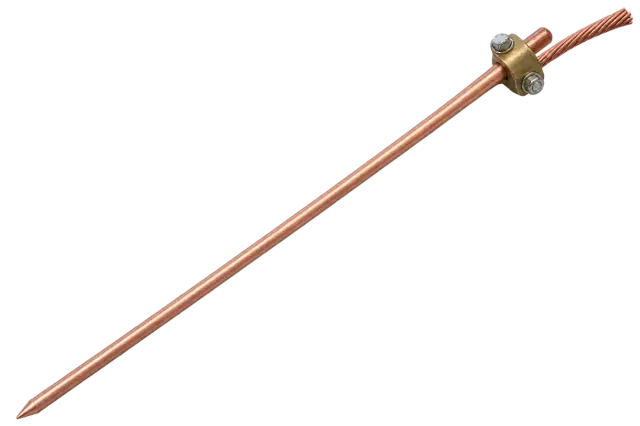
Ø16 mm steel-cored rod with 250 µm electrolytic copper bonding, couplable for deep driving; with gunmetal rod-to-cable clamp.
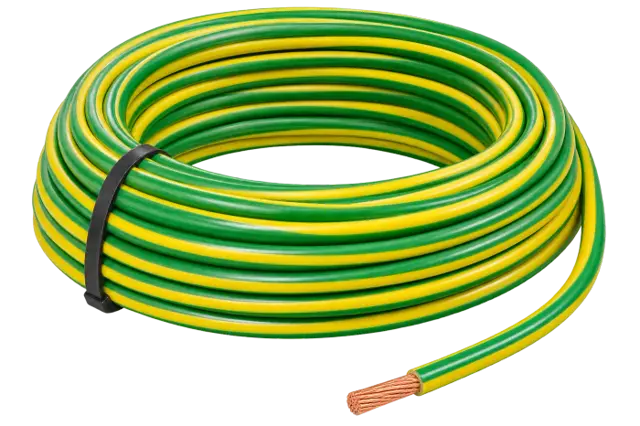
PVC-insulated stranded copper conductor for equipotential bonding of module frames, structures and inverters.
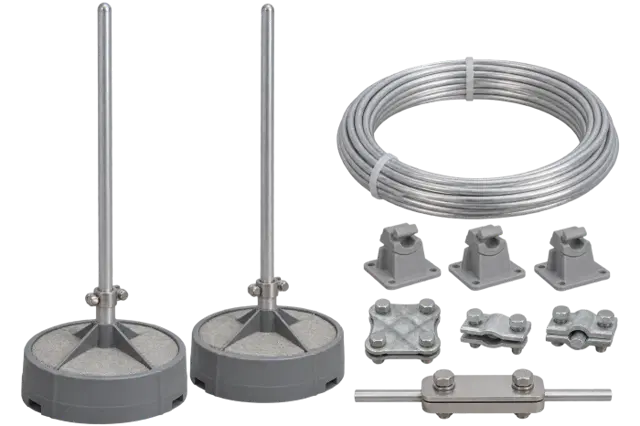
Air-termination rods, concrete bases, down-conductors and test joints per IEC 62305, sized for roughly 100 kWp of rooftop array.
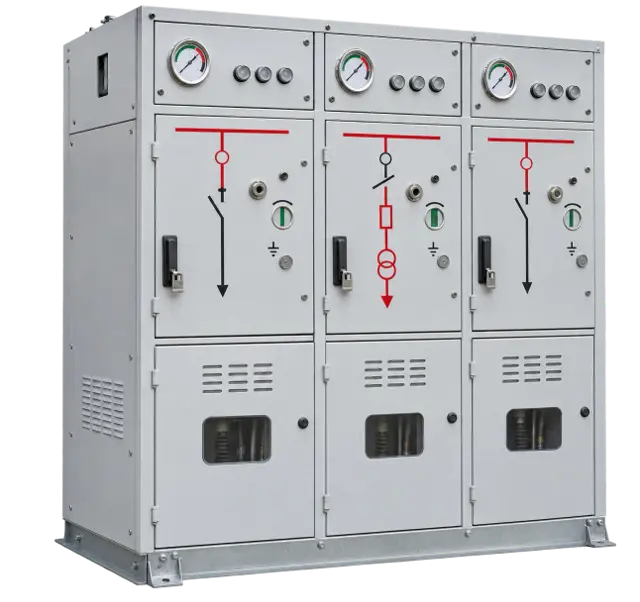
Compact, sealed medium-voltage switchgear that loops the plant's MV cable ring through each inverter transformer — two load-break cable switches plus one protected transformer feeder.

Single-core aluminium, XLPE-insulated, copper-screened medium-voltage cable for 33 kV PV collector circuits — the backbone between inverter skids and the plant substation.
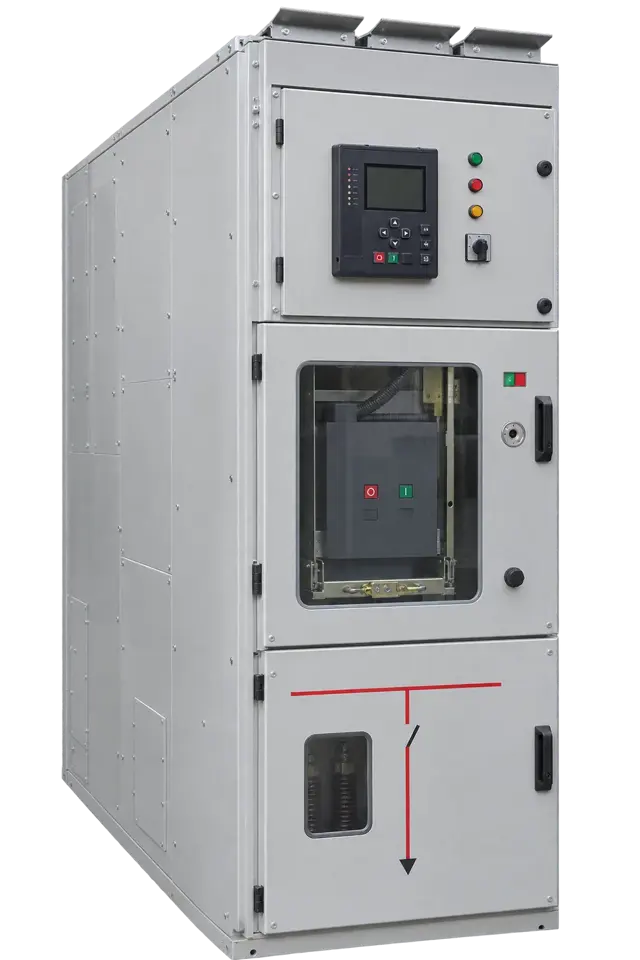
One withdrawable feeder panel of an air-insulated (AIS) or gas-insulated (GIS) 33 kV switchboard — VCB, CTs/VTs and a numerical protection relay, as used in the plant's main MV switchroom.
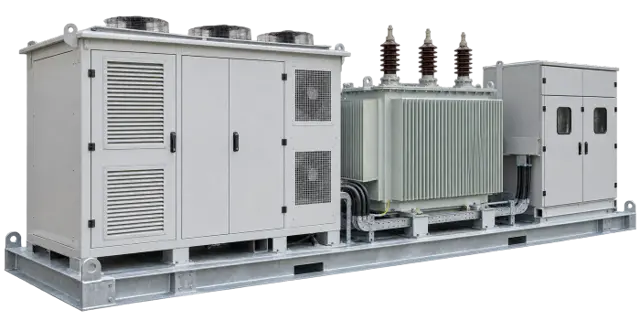
Factory-assembled, pre-tested block that turns a PV field's DC into 33 kV AC: central inverter (or string-collector LV board), oil-immersed step-up transformer, RMU and auxiliaries on one steel skid.
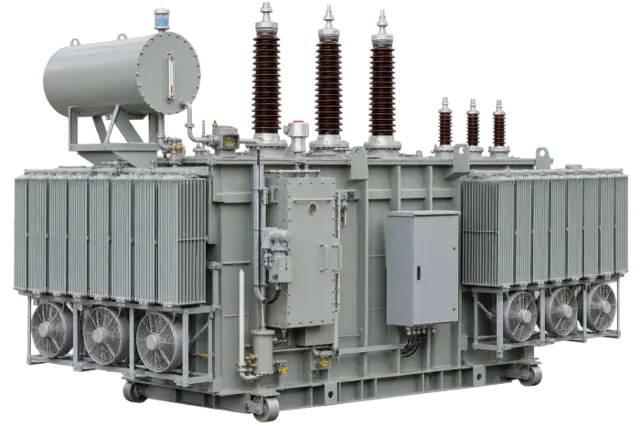
The grid transformer at the heart of a utility PV substation, stepping the 33 kV collector voltage up to 132 kV transmission level, with on-load tap changer and fan cooling.

Compression lugs for terminating power cables on breakers, busbars and inverter AC terminals; bimetal versions join aluminium cable to copper terminals without galvanic corrosion.

Sealing entries that keep dust, sand and water out of combiner boxes, inverters and distribution boards while gripping the cable against pull-out.
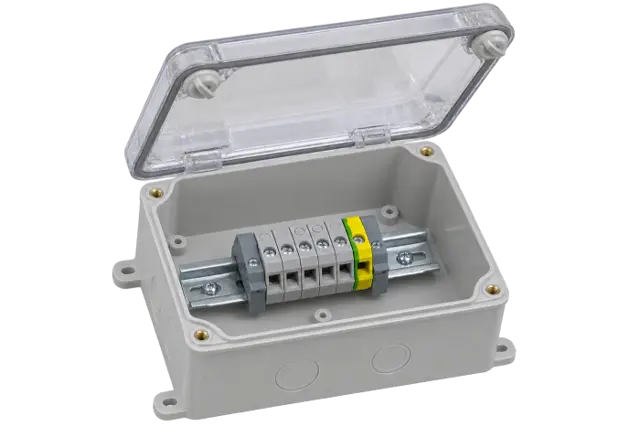
UV-resistant enclosure for splitting, extending or transitioning DC and AC cables on roofs and in plant rooms — supplied with DIN rail and rated terminals.

Touch-safe, open-able fuse carrier that holds gPV string fuses in combiner boxes and lets each string be isolated safely for testing.
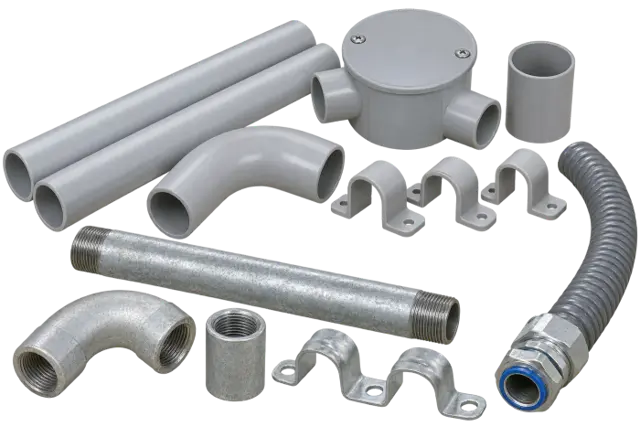
Rigid conduit with couplers, elbows, junction tees, saddles and adaptors for protecting AC and DC cable runs across roofs and walls.
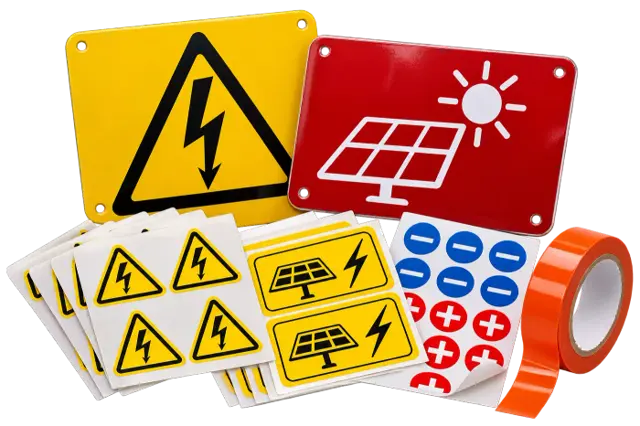
UV- and heat-resistant labels for DC cables, isolators, inverters and distribution boards — DC voltage, dual-supply, rapid-shutdown and arc-flash warnings required at inspection.