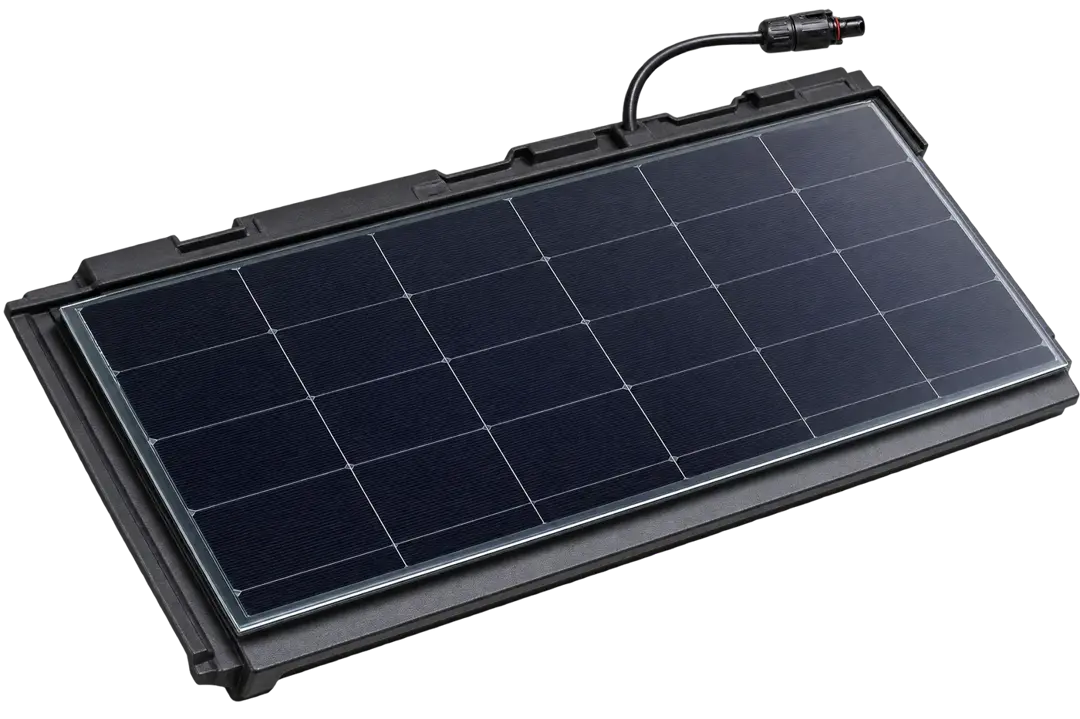
Solar roof tiles replace the roof covering itself rather than sitting on top of it. Each tile is a small tempered-glass laminate on a moulded carrier that hooks onto battens like a conventional tile; non-generating dummy tiles in the same colour fill the hips, valleys and shaded areas, so the finished roof looks uniform. Tiles are wired in series through short plug leads under the covering and grouped into strings feeding a normal string or hybrid inverter.
Power density is lower than standard modules (around 150–170 W/m² of active area, less overall), installation takes longer, and every tile is a connection point, so workmanship quality matters. In hot climates the tiles have little rear ventilation, which raises cell temperature; expect 5–8 % lower specific yield than a ventilated rack-mounted array. They make sense on new-build or re-roofed villas where the roof covering must be bought anyway and appearance is a priority; on an existing sound roof, ordinary modules on rails are far cheaper per kWh.
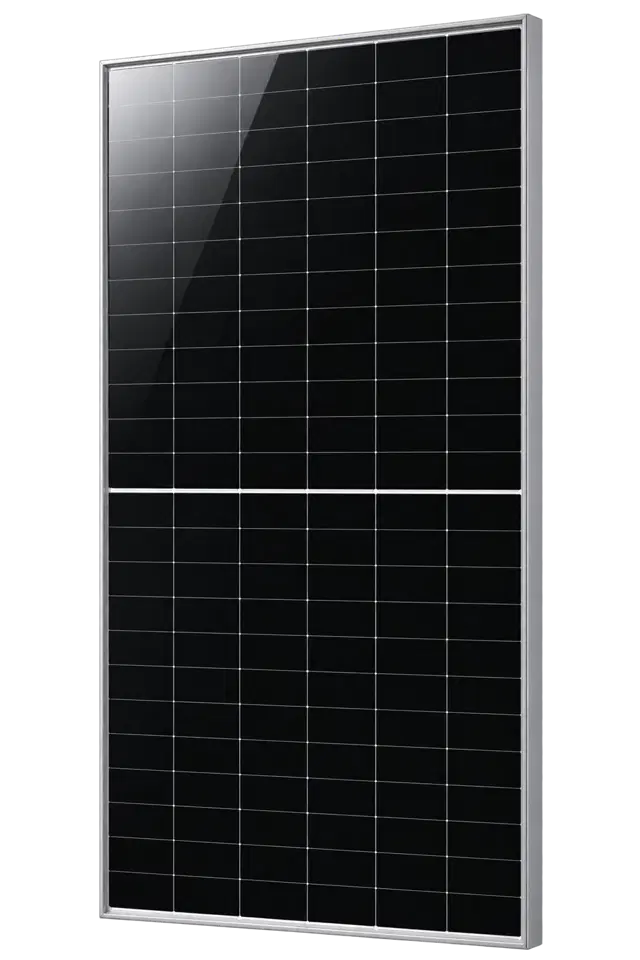
Utility-scale back-contact (HPBC 2.0) bifacial module, 640–670 W class, up to 24.8 % efficiency.
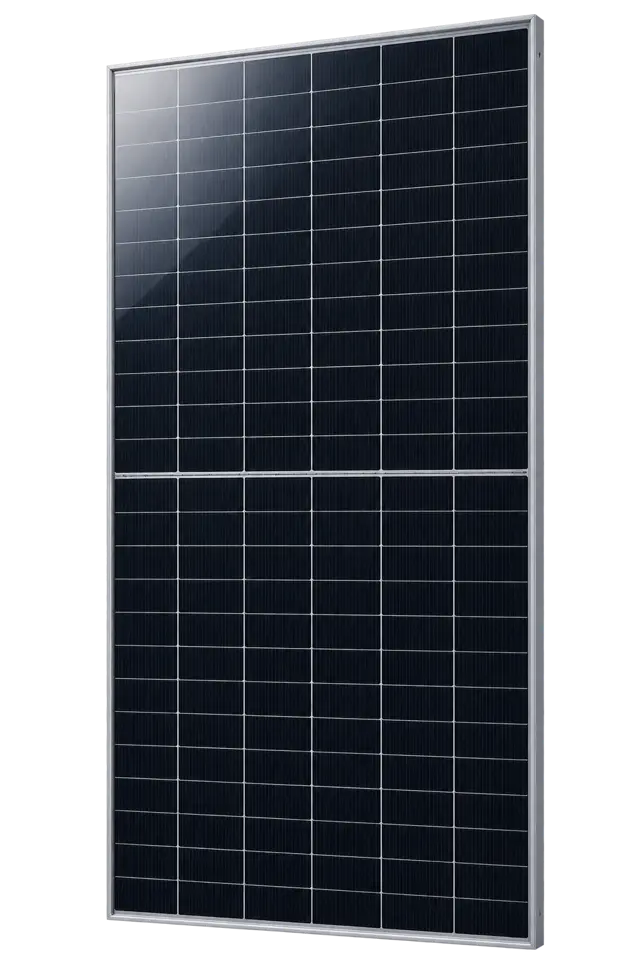
Bifacial dual-glass N-type HPDC module for ground-mount plants, 600–625 W, 23.0 % efficiency.
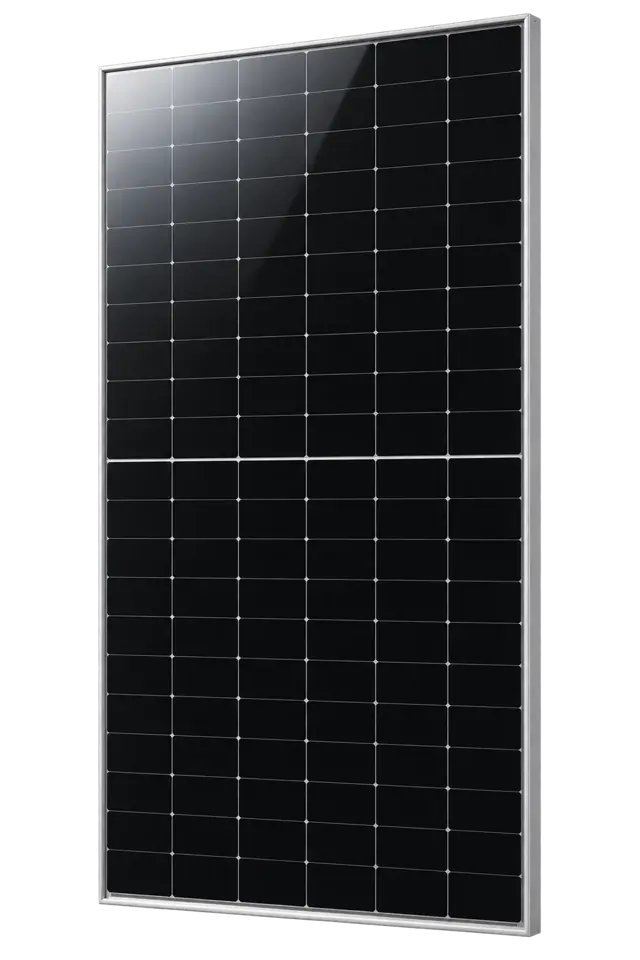
Monofacial HPBC module for commercial & industrial rooftops, 570–595 W, 22.8 % efficiency.
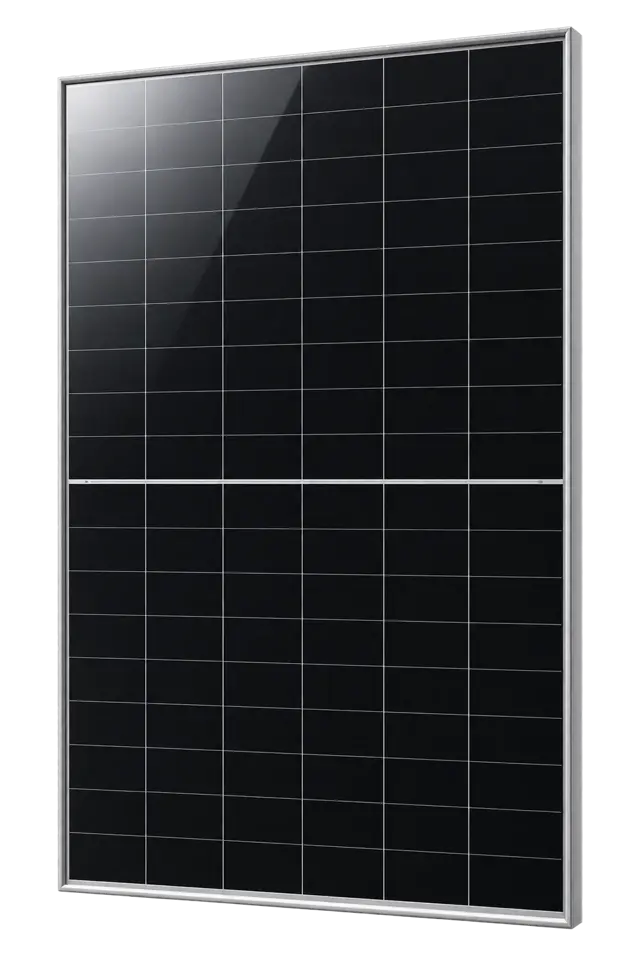
Residential back-contact rooftop module, 455–485 W, 23.3 % efficiency with anti-shading design.
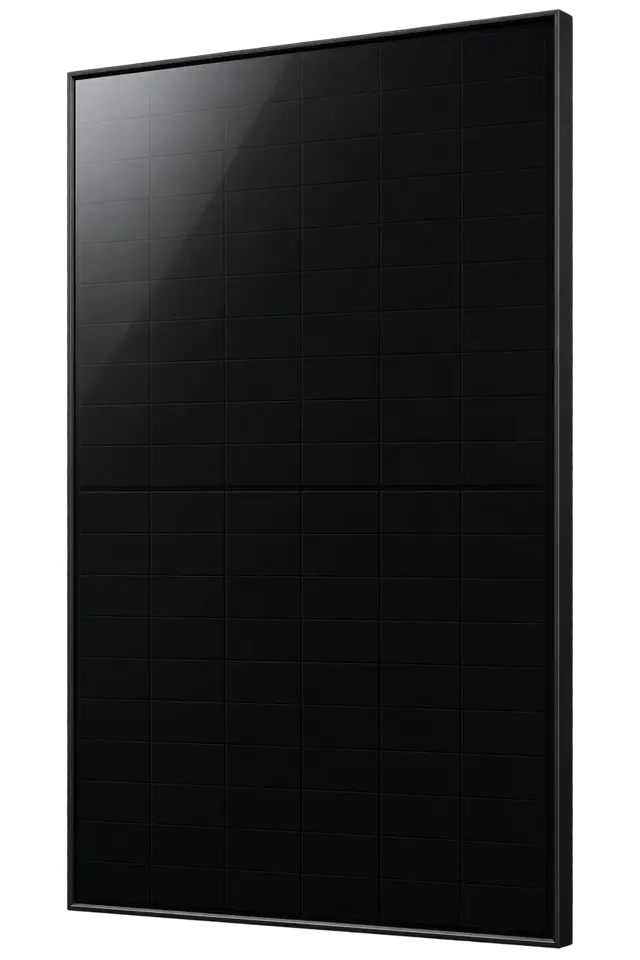
All-black aesthetic version for premium villas, 445–465 W, 22.5 % efficiency.
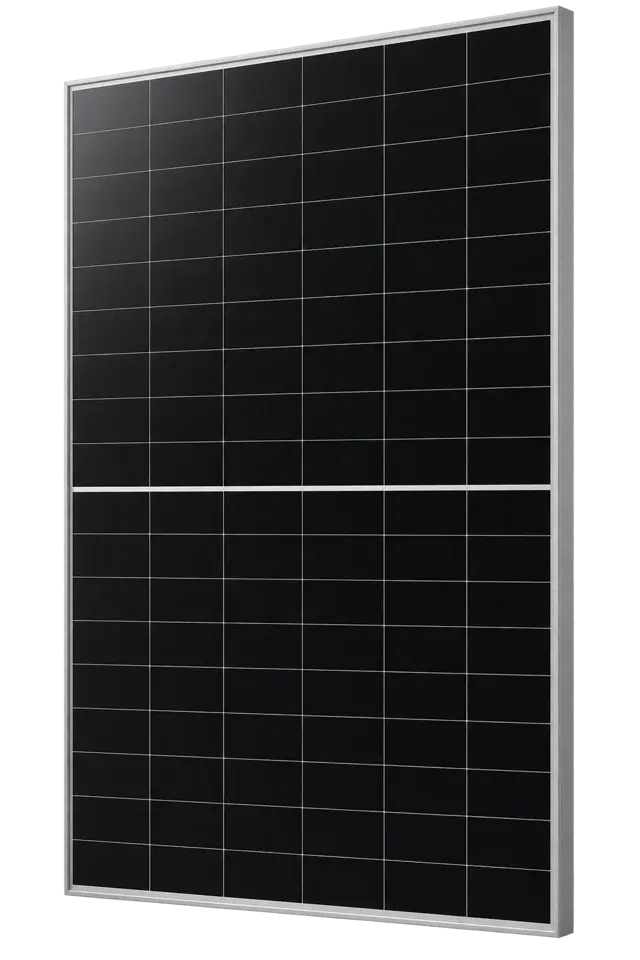
Residential HPBC 2.0 back-contact module, 54-cell format, around 480 W with strong partial-shade behaviour.
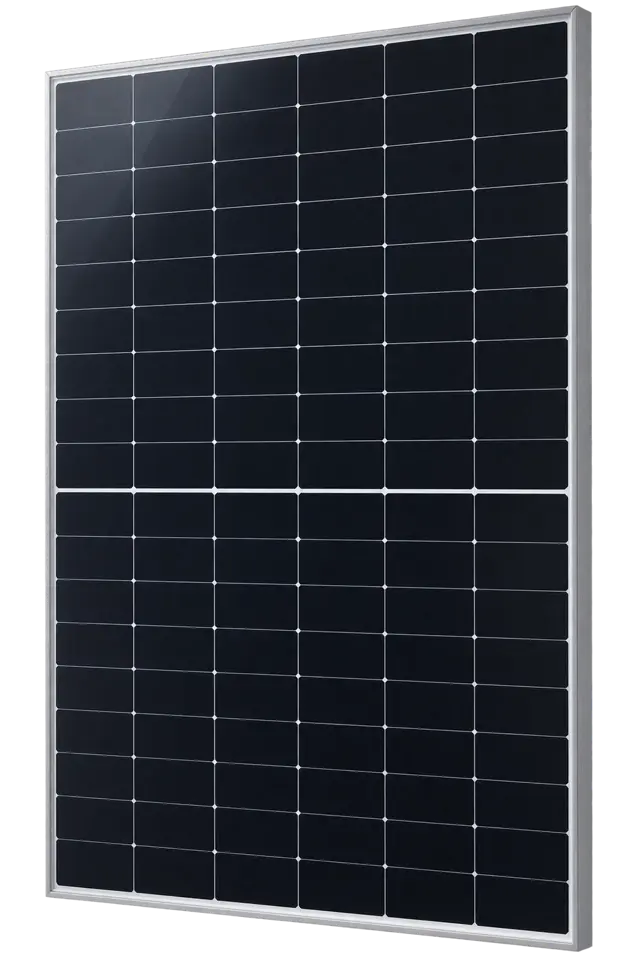
Rooftop HPBC back-contact module on 182 mm wafers, 415–435 W, around 22 % efficiency.
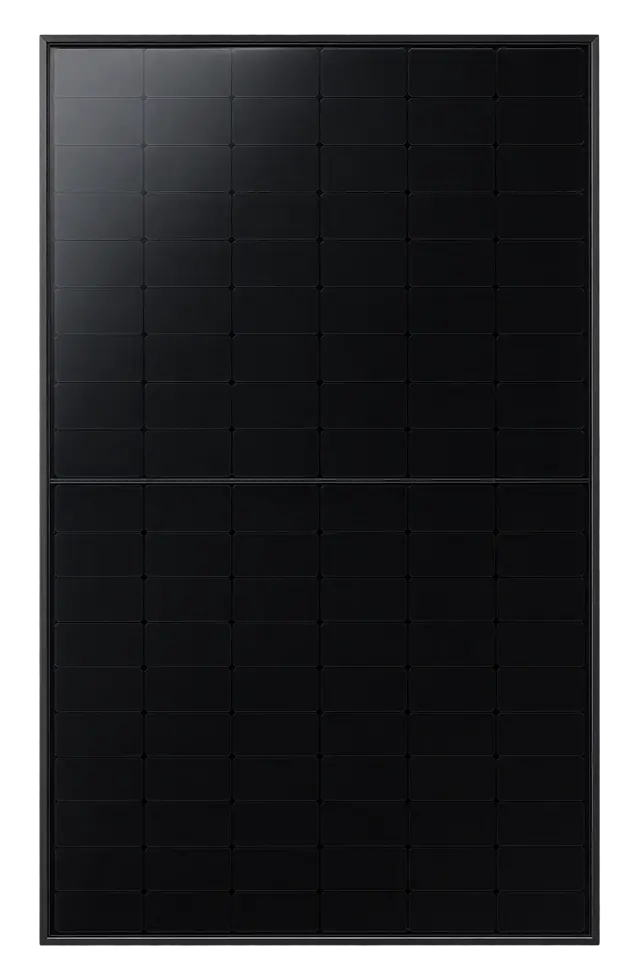
All-black residential back-contact module with black frame and backsheet, around 420 W.
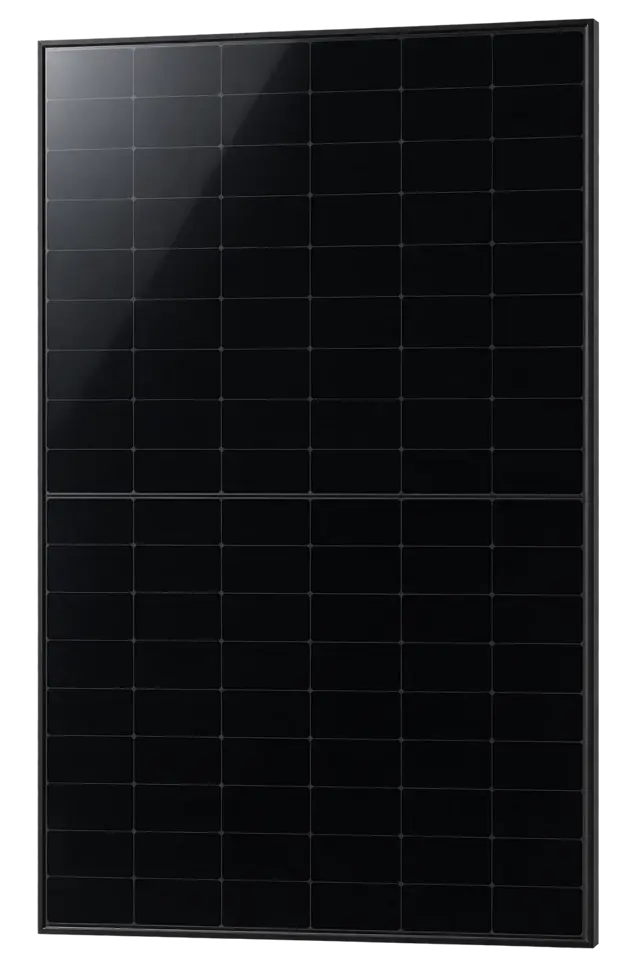
Premium all-black HPBC 2.0 rooftop module with extended warranty, around 450 W and 23 % efficiency.
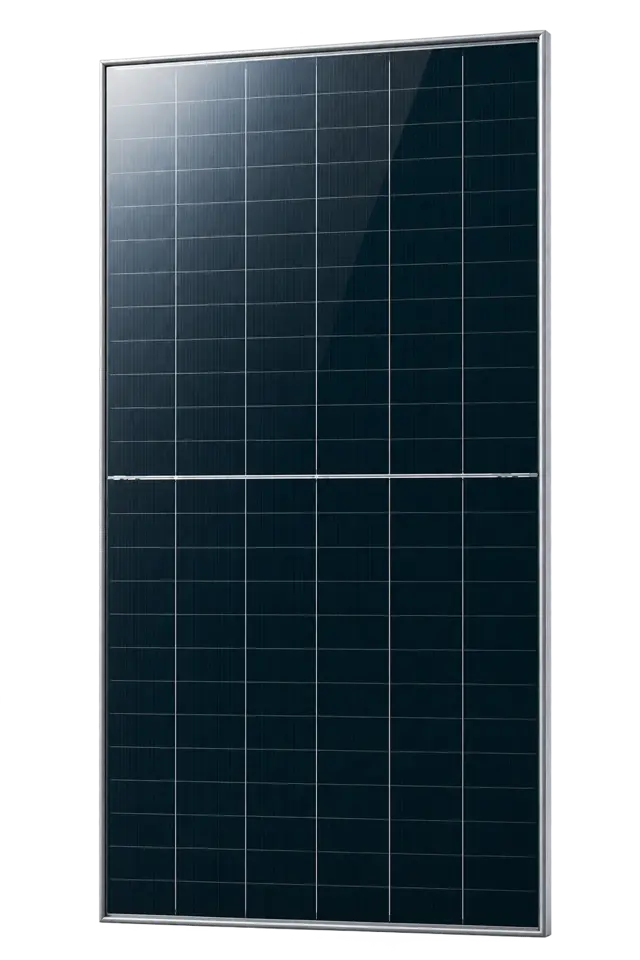
N-type TOPCon bifacial dual-glass module, 695–720 W, 23.2 % efficiency. Our utility-scale reference product.
