
The suitcase format trades the light weight of a blanket for durability: two framed glass panels fold face-to-face into a briefcase with a handle and corner protectors, then open onto adjustable aluminium legs that set the tilt. A 10 A PWM controller mounted on the back, plus alligator clips and an Anderson lead, means it can charge a caravan, boat or 4×4 auxiliary battery straight out of the box.
At about 9.5 kg it is heavier than fabric panels but tolerates rough handling, sand and wind better and keeps its tilt reliably. In the Gulf it delivers roughly 500–600 Wh a day. The PWM controller suits lead-acid and most 12 V LiFePO4 batteries (select the matching profile); for power stations with their own MPPT, bypass it using the direct output lead.
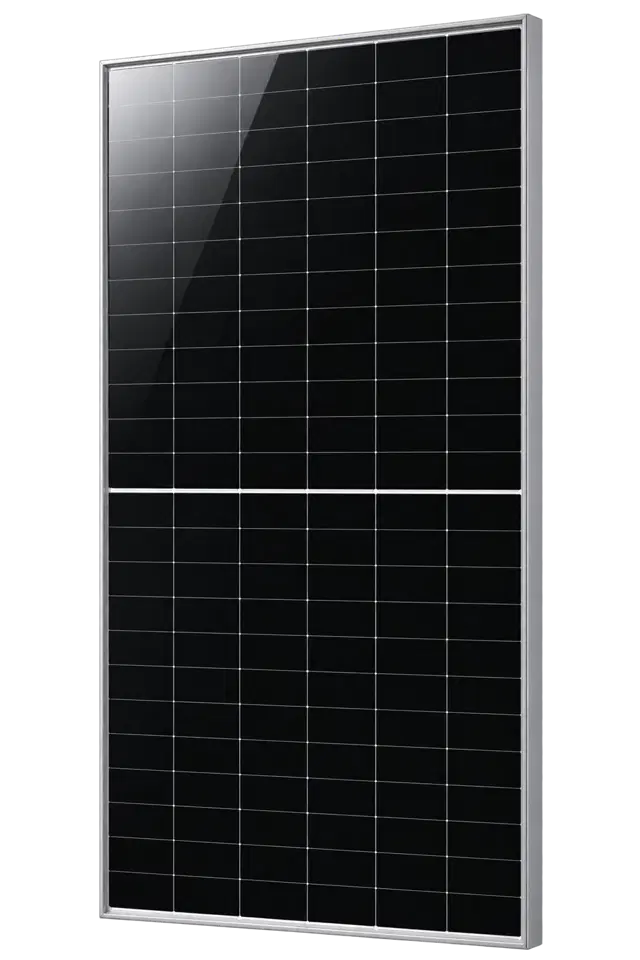
Utility-scale back-contact (HPBC 2.0) bifacial module, 640–670 W class, up to 24.8 % efficiency.
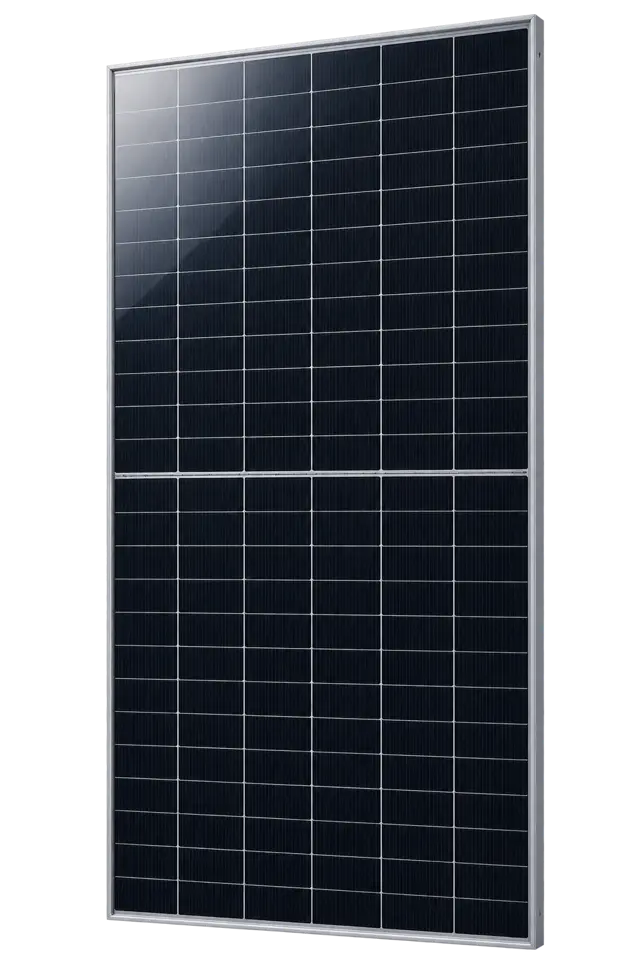
Bifacial dual-glass N-type HPDC module for ground-mount plants, 600–625 W, 23.0 % efficiency.
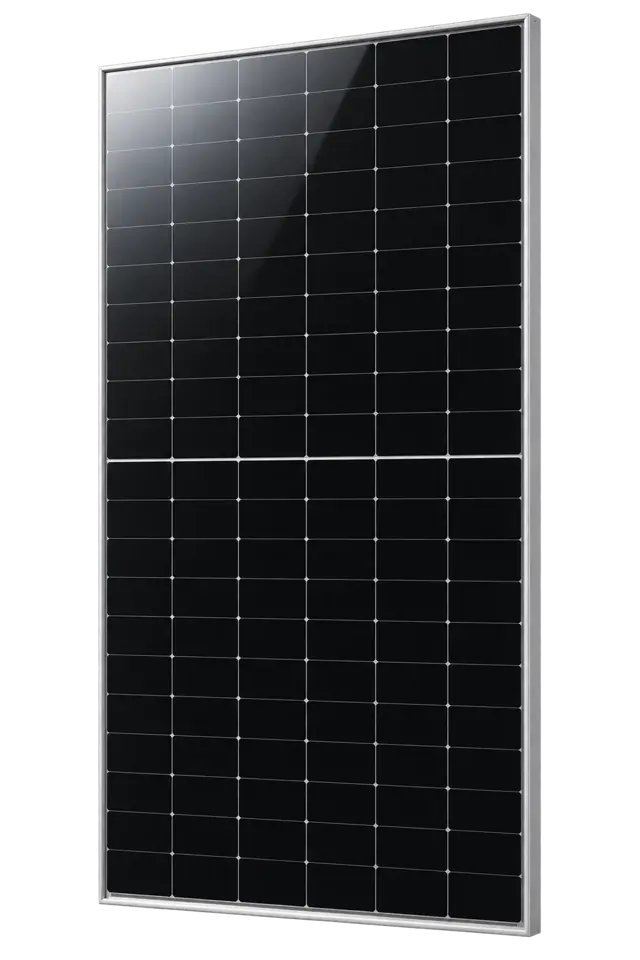
Monofacial HPBC module for commercial & industrial rooftops, 570–595 W, 22.8 % efficiency.
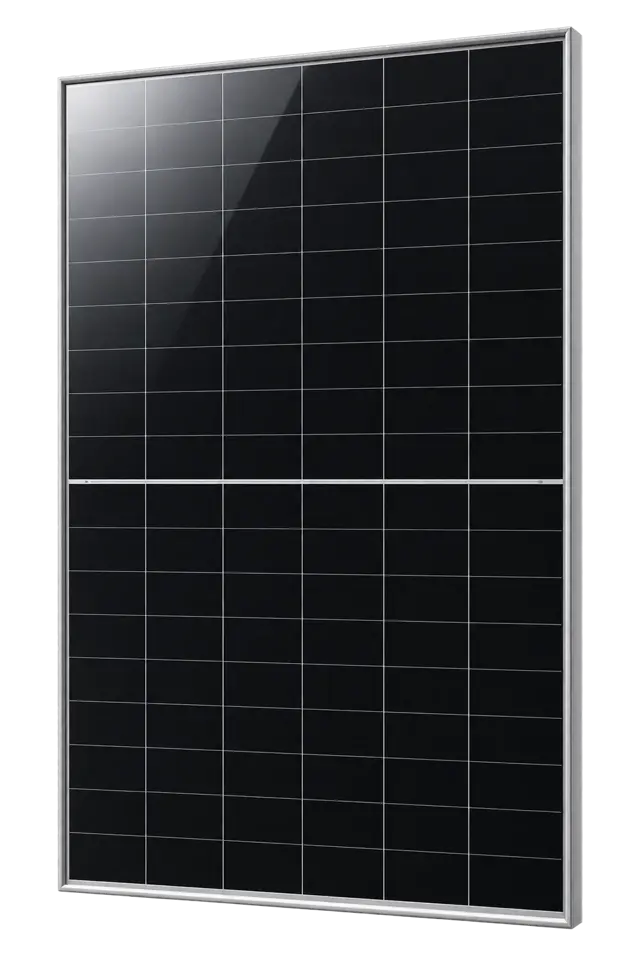
Residential back-contact rooftop module, 455–485 W, 23.3 % efficiency with anti-shading design.
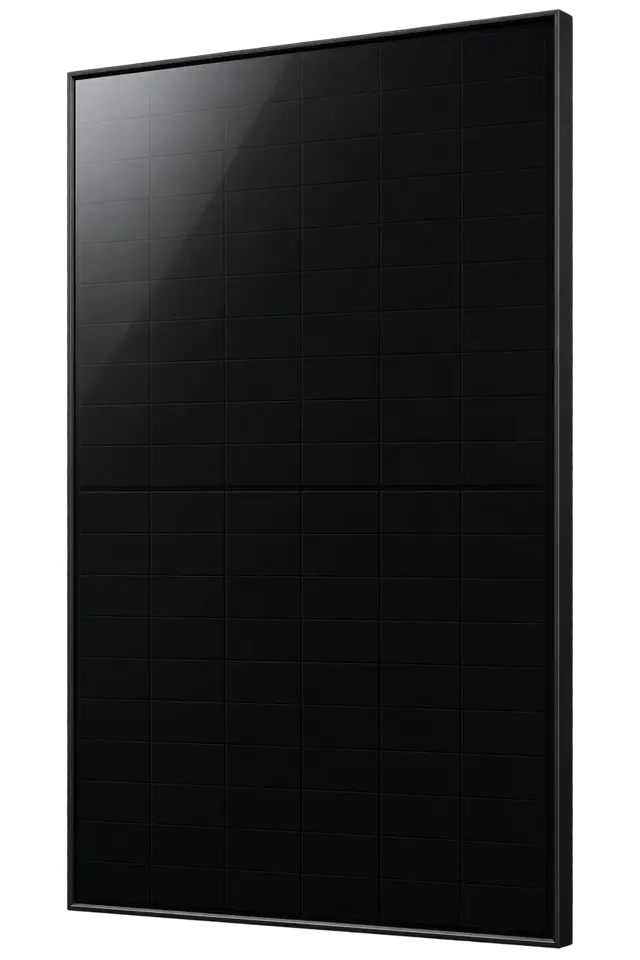
All-black aesthetic version for premium villas, 445–465 W, 22.5 % efficiency.
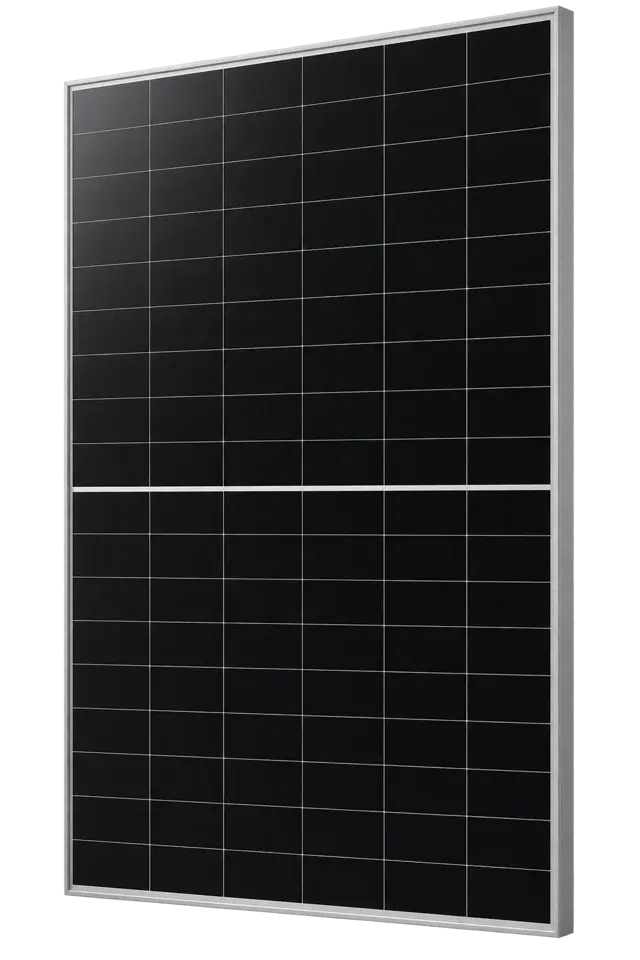
Residential HPBC 2.0 back-contact module, 54-cell format, around 480 W with strong partial-shade behaviour.
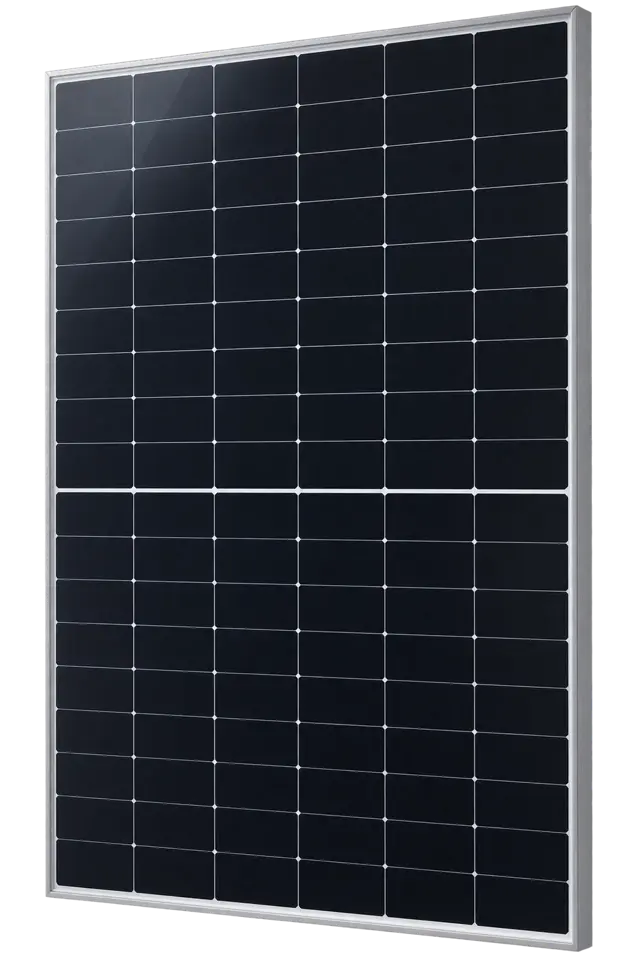
Rooftop HPBC back-contact module on 182 mm wafers, 415–435 W, around 22 % efficiency.
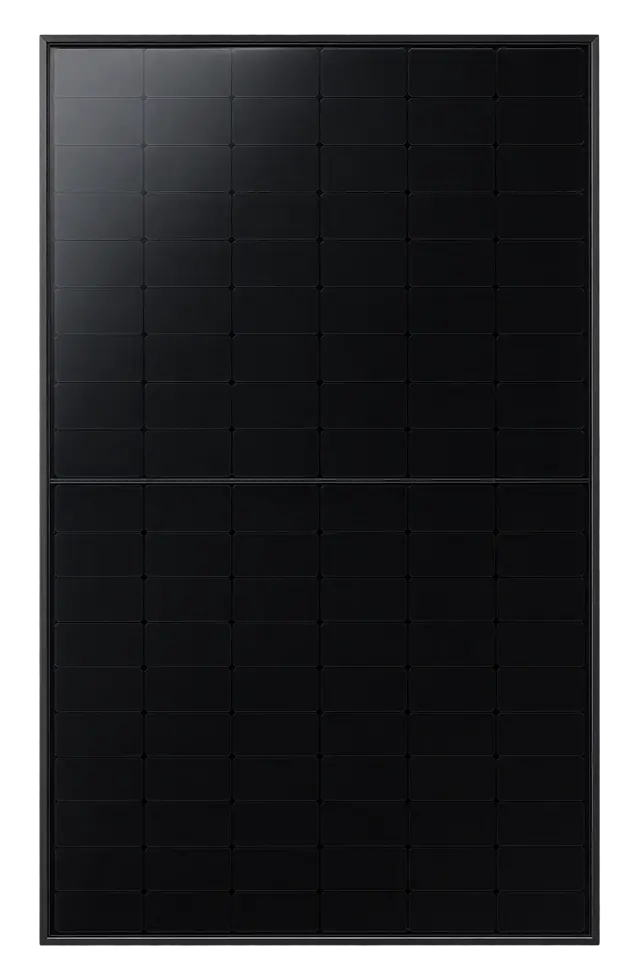
All-black residential back-contact module with black frame and backsheet, around 420 W.
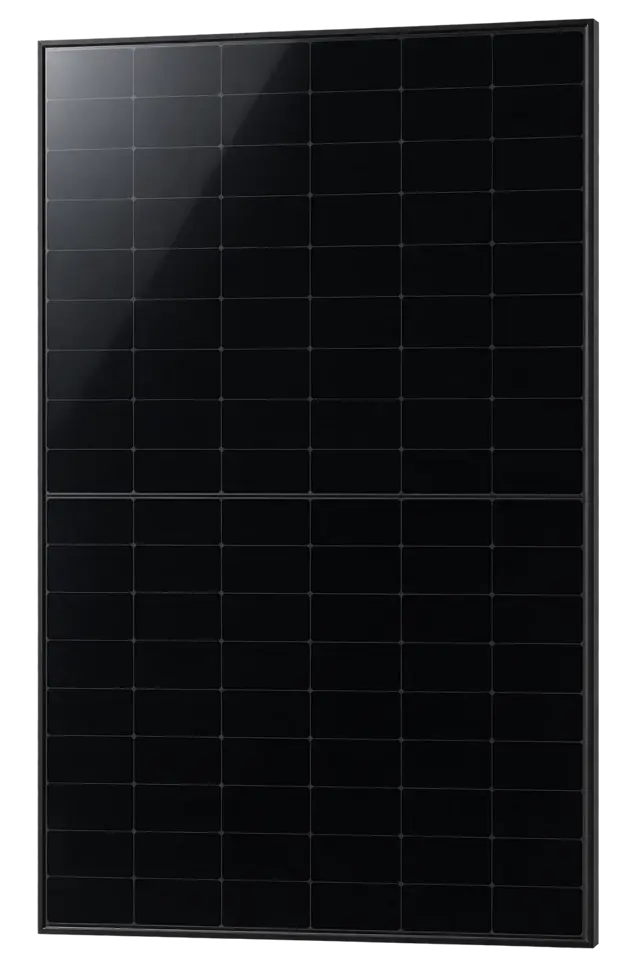
Premium all-black HPBC 2.0 rooftop module with extended warranty, around 450 W and 23 % efficiency.
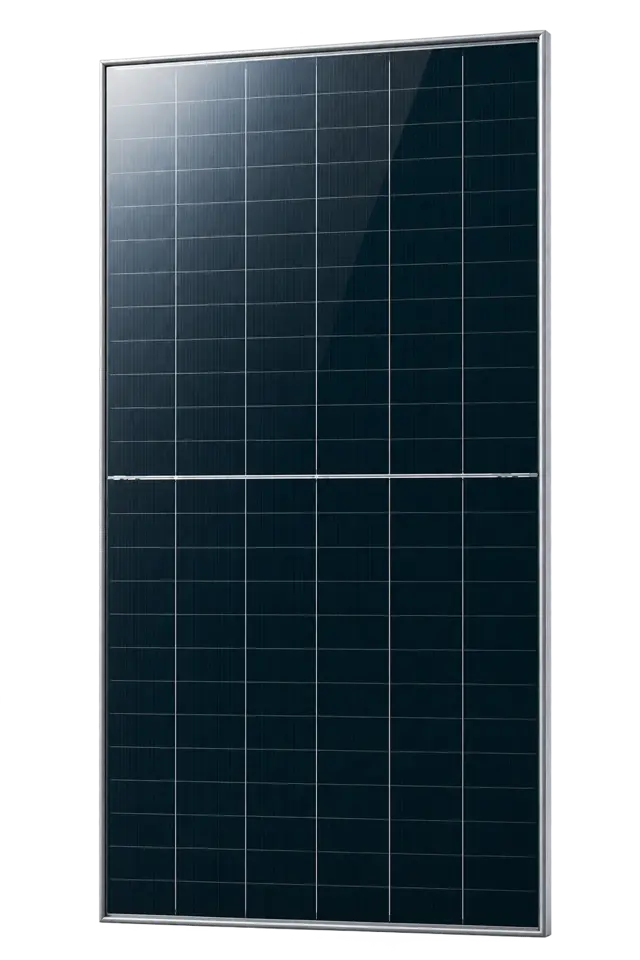
N-type TOPCon bifacial dual-glass module, 695–720 W, 23.2 % efficiency. Our utility-scale reference product.
