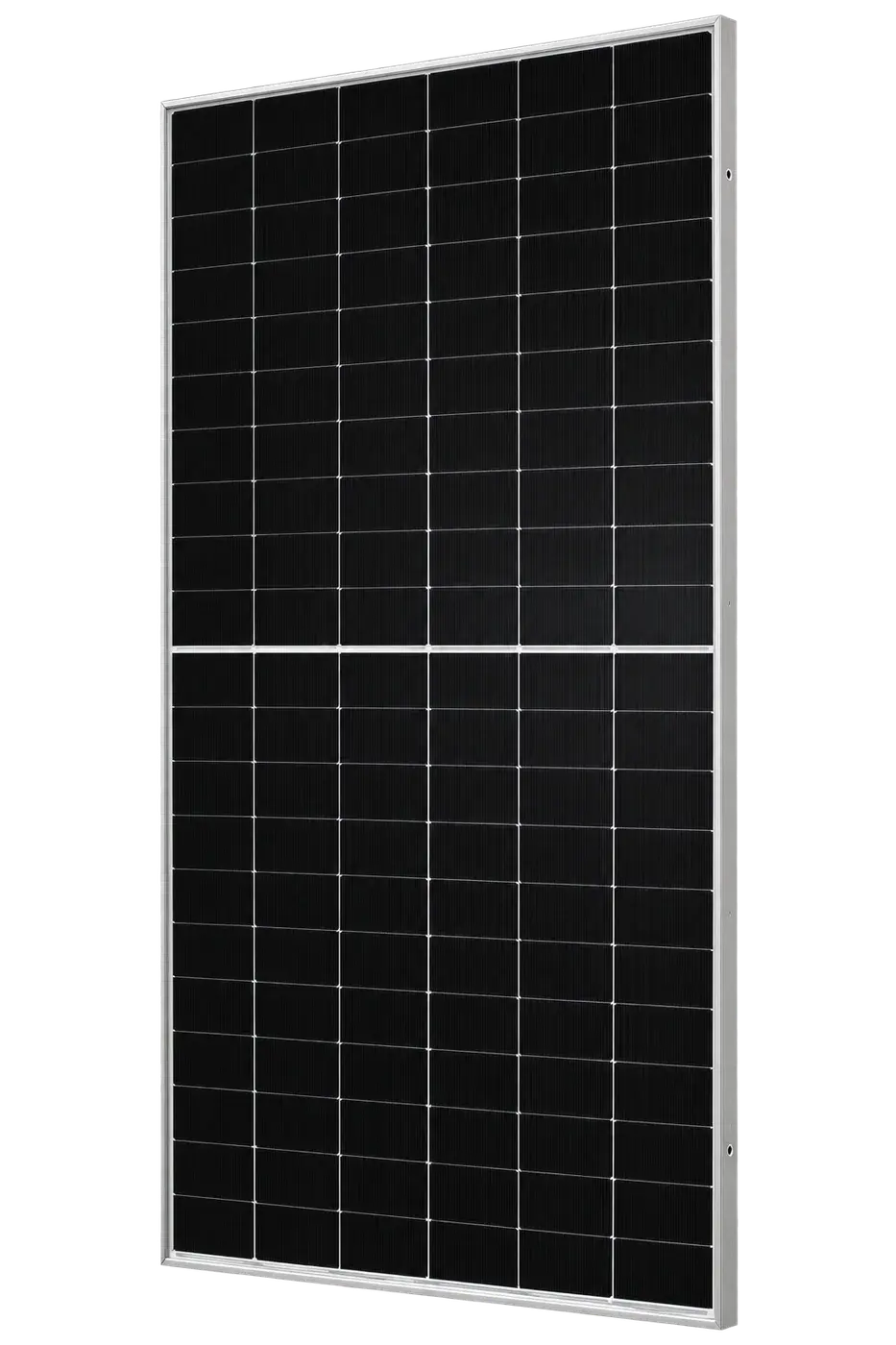
Heterojunction (HJT) cells sandwich crystalline N-type silicon between thin amorphous-silicon layers, giving very high open-circuit voltage, the lowest temperature coefficient among mainstream technologies (−0.24 %/°C) and a nearly symmetrical cell with 85 % or more bifaciality. Using 210 × 182 mm rectangular (G12R) wafers, 132 half-cells fit the industry-standard 2382 × 1134 mm frame and deliver around 650 W.
In the Gulf, where module temperatures of 65–75 °C are normal, the low coefficient alone can add 1.5–2.5 % annual yield compared with TOPCon, and the high bifaciality adds more on trackers over bright sand. HJT also shows very low degradation (about 0.35 %/yr). Its higher current (Isc about 16.7 A) needs inverters rated for at least 18–20 A per MPPT input and 6 mm² cable on long runs; handling and racking follow other 2382 mm glass-glass modules.
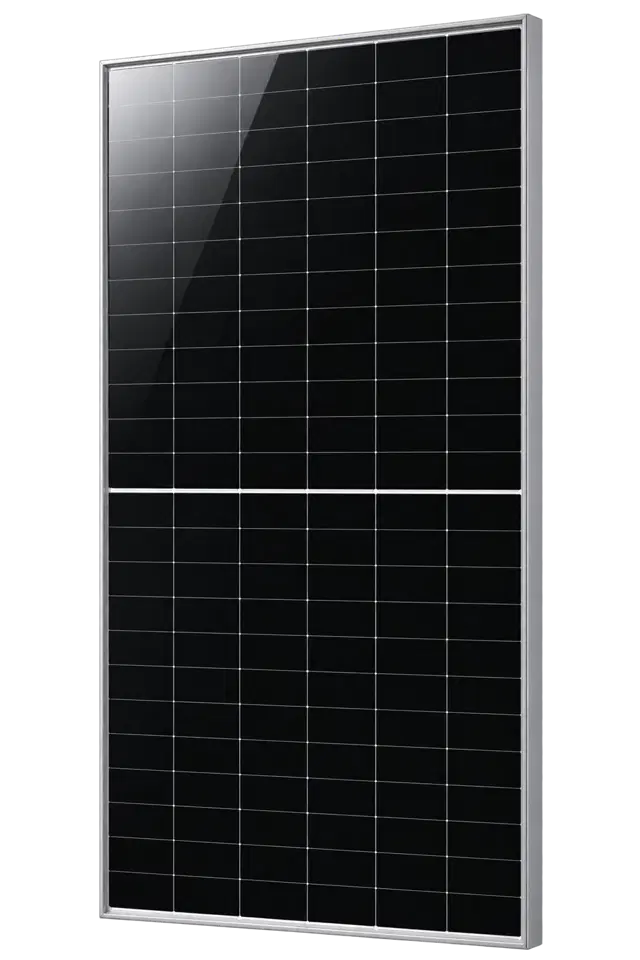
Utility-scale back-contact (HPBC 2.0) bifacial module, 640–670 W class, up to 24.8 % efficiency.
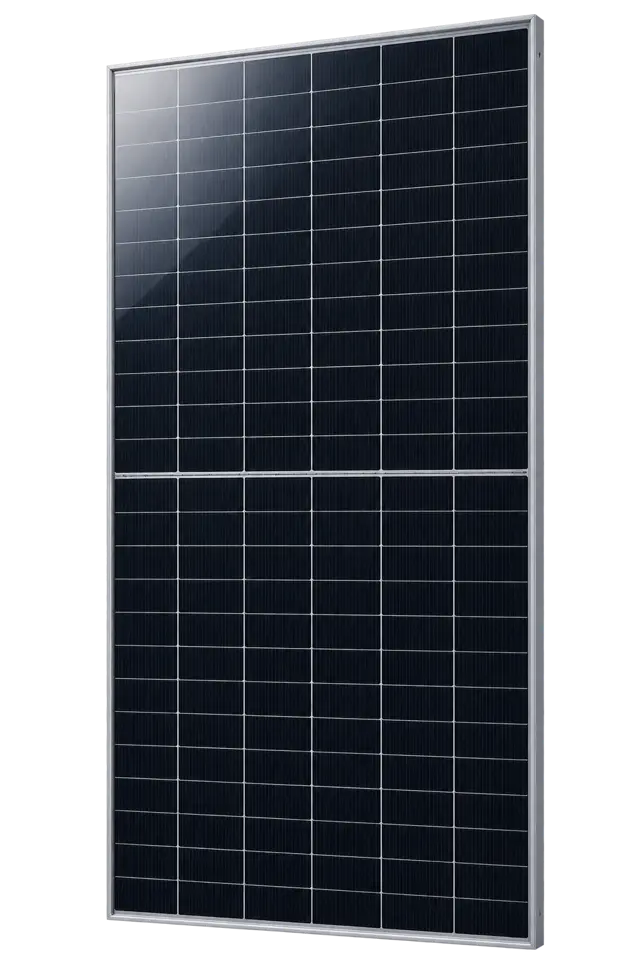
Bifacial dual-glass N-type HPDC module for ground-mount plants, 600–625 W, 23.0 % efficiency.
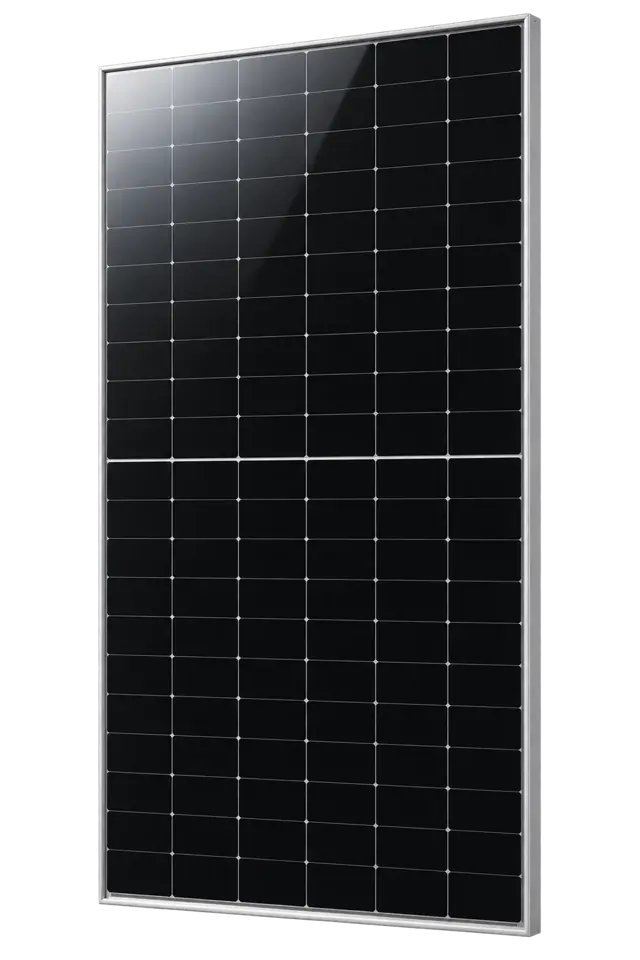
Monofacial HPBC module for commercial & industrial rooftops, 570–595 W, 22.8 % efficiency.
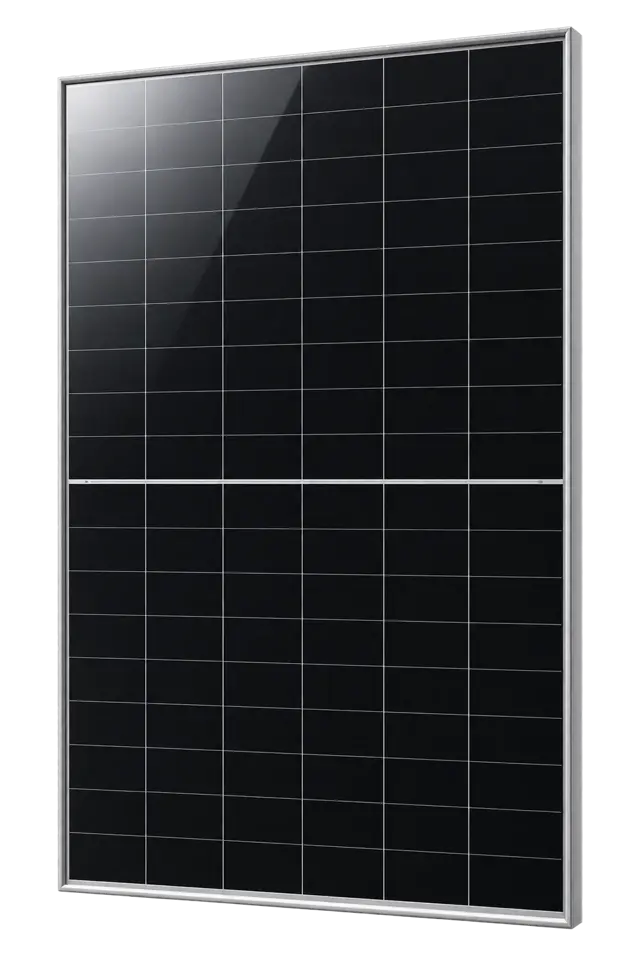
Residential back-contact rooftop module, 455–485 W, 23.3 % efficiency with anti-shading design.
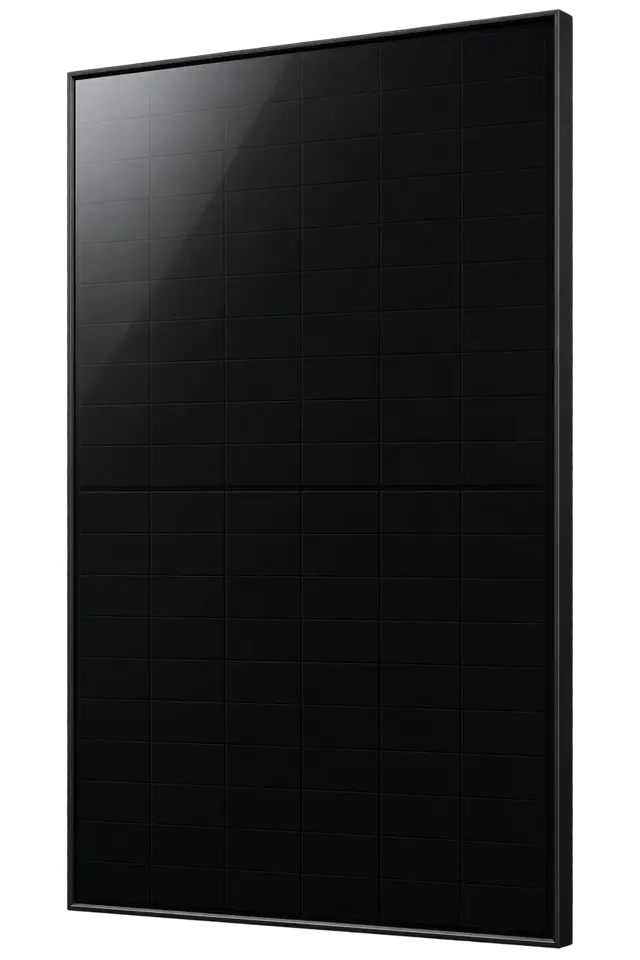
All-black aesthetic version for premium villas, 445–465 W, 22.5 % efficiency.
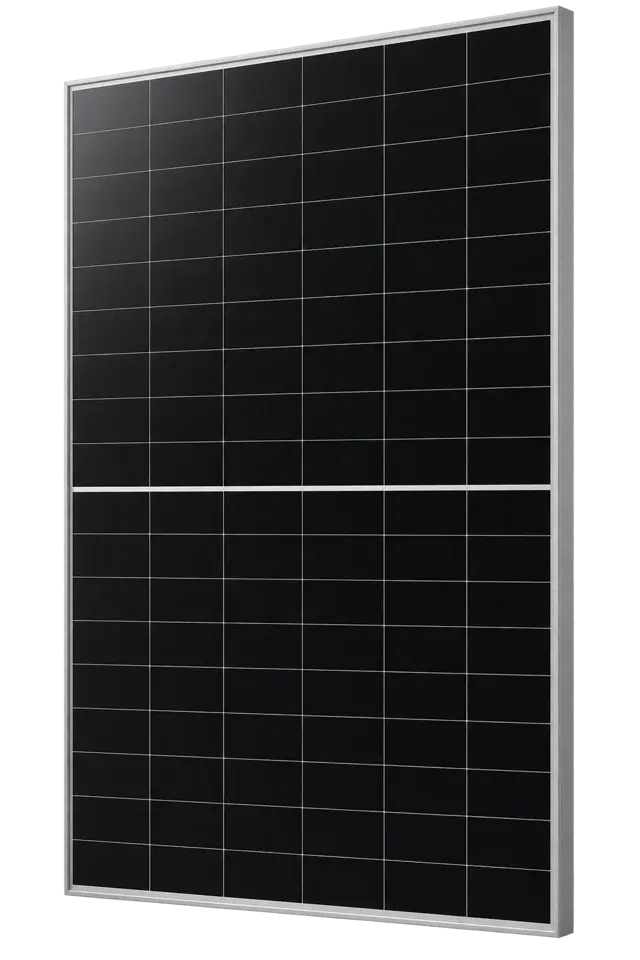
Residential HPBC 2.0 back-contact module, 54-cell format, around 480 W with strong partial-shade behaviour.
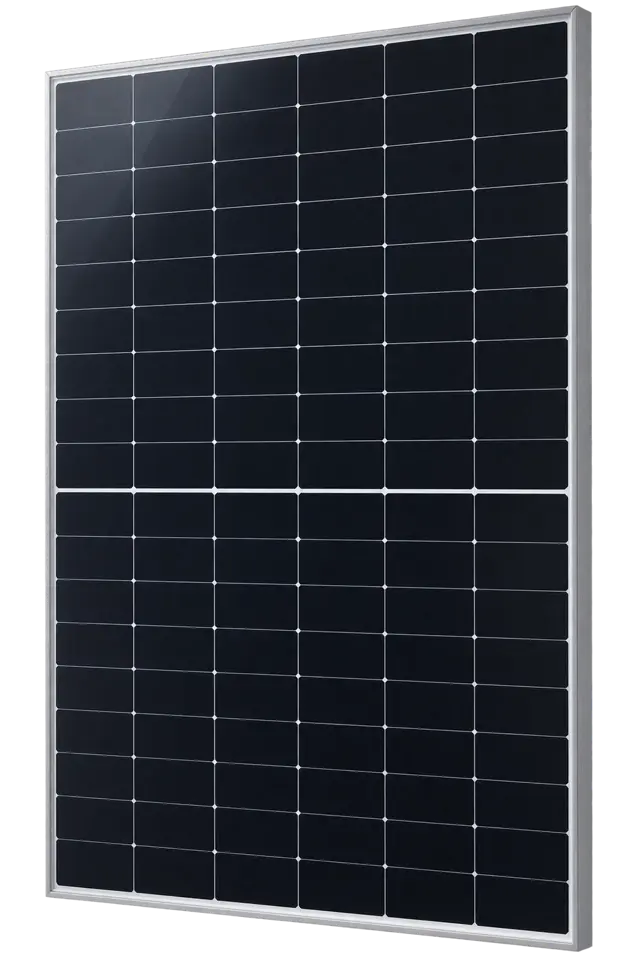
Rooftop HPBC back-contact module on 182 mm wafers, 415–435 W, around 22 % efficiency.
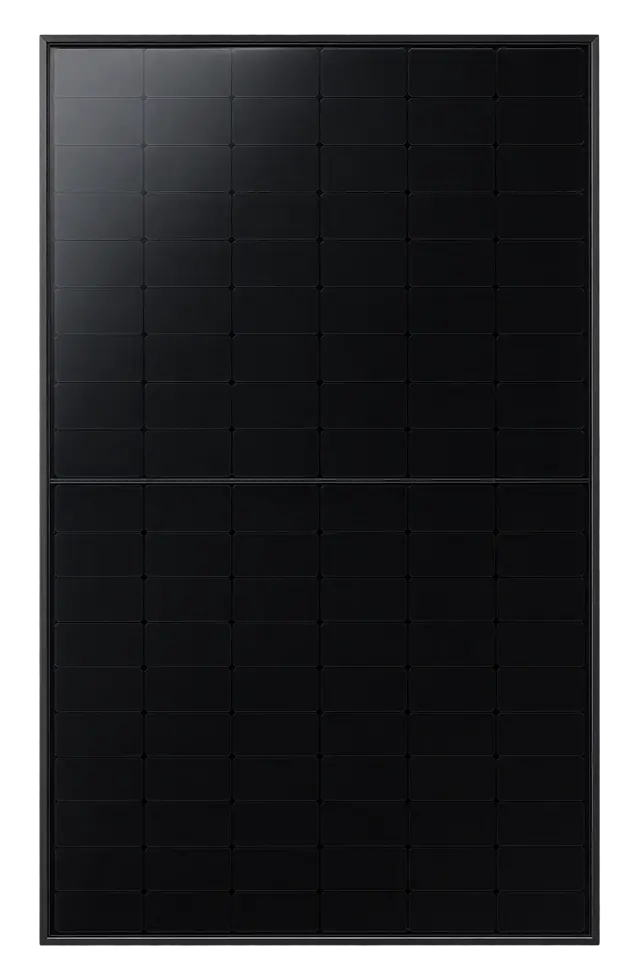
All-black residential back-contact module with black frame and backsheet, around 420 W.
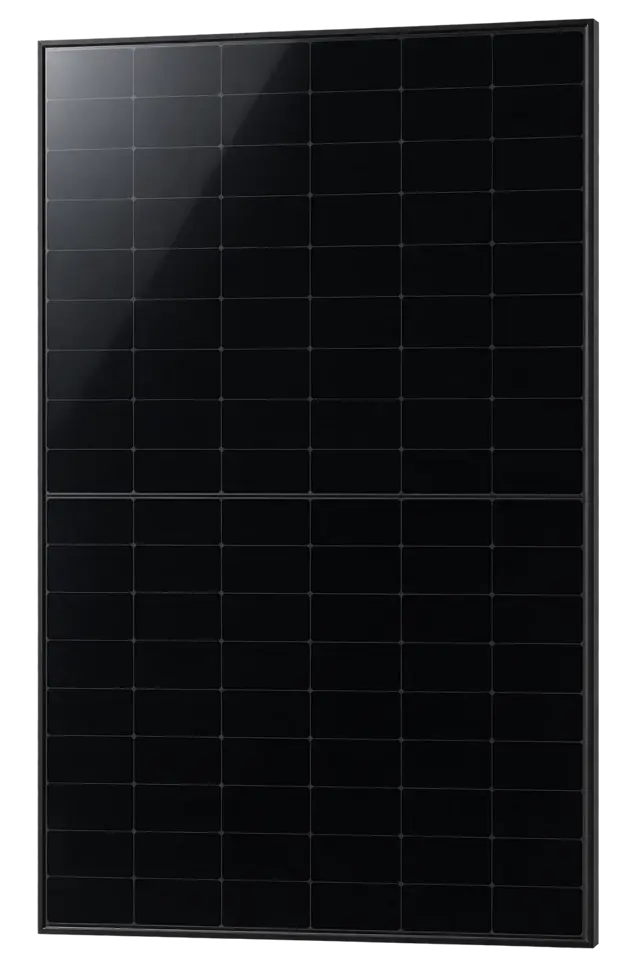
Premium all-black HPBC 2.0 rooftop module with extended warranty, around 450 W and 23 % efficiency.
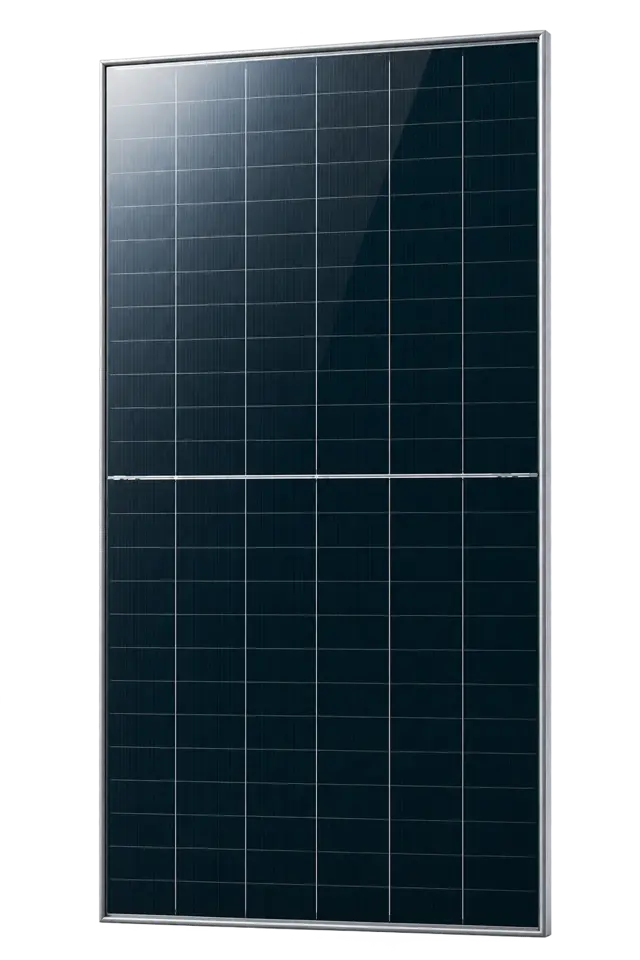
N-type TOPCon bifacial dual-glass module, 695–720 W, 23.2 % efficiency. Our utility-scale reference product.
