
Instead of a polymer backsheet, this module encapsulates the cells between two 2 mm heat-strengthened glass sheets, with the rear glass printed black so the module looks fully dark from the street. Glass-glass construction resists moisture ingress, UV and sand abrasion far better than a backsheet, which is why manufacturers typically extend the product warranty to 25–30 years. It is the natural choice for coastal villas in the Gulf, where salt mist and humidity shorten the life of cheaper laminates.
The trade-offs are weight (about 24.5 kg, against 21 kg for a framed backsheet module) and a slightly more fragile edge before installation, so handle panels vertically and never stack them flat without the original pallet spacers. Because the rear is opaque black, it is monofacial: do not expect bifacial gain. Clamp torque and clamp length must follow the manual exactly; glass-glass modules are less tolerant of point loads.
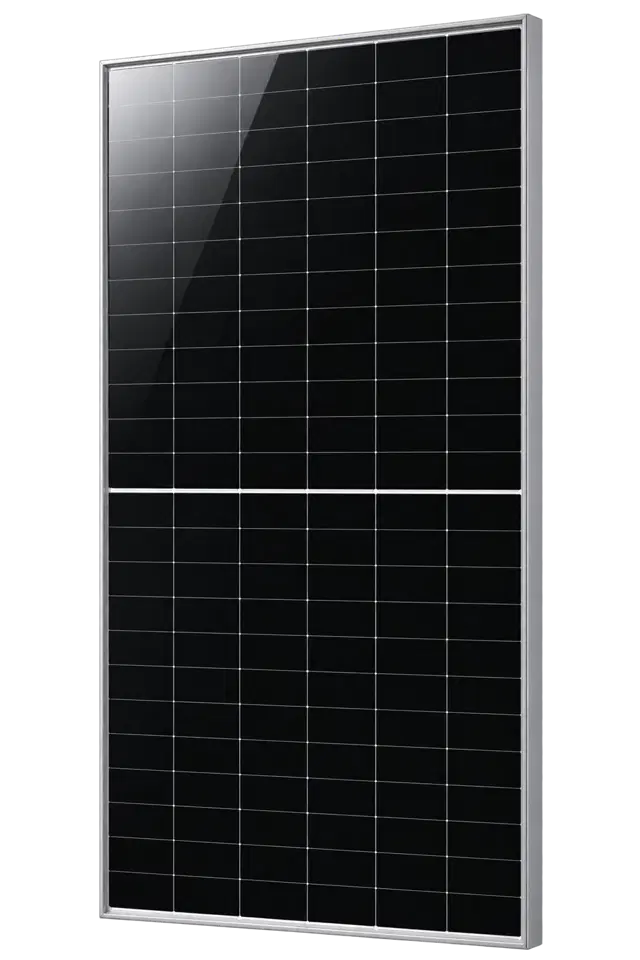
Utility-scale back-contact (HPBC 2.0) bifacial module, 640–670 W class, up to 24.8 % efficiency.
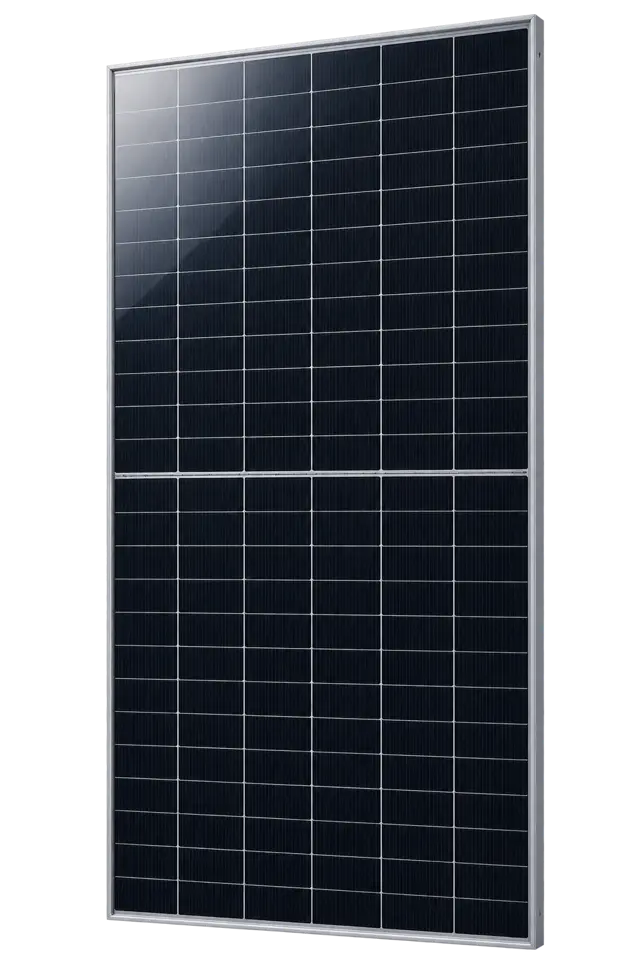
Bifacial dual-glass N-type HPDC module for ground-mount plants, 600–625 W, 23.0 % efficiency.
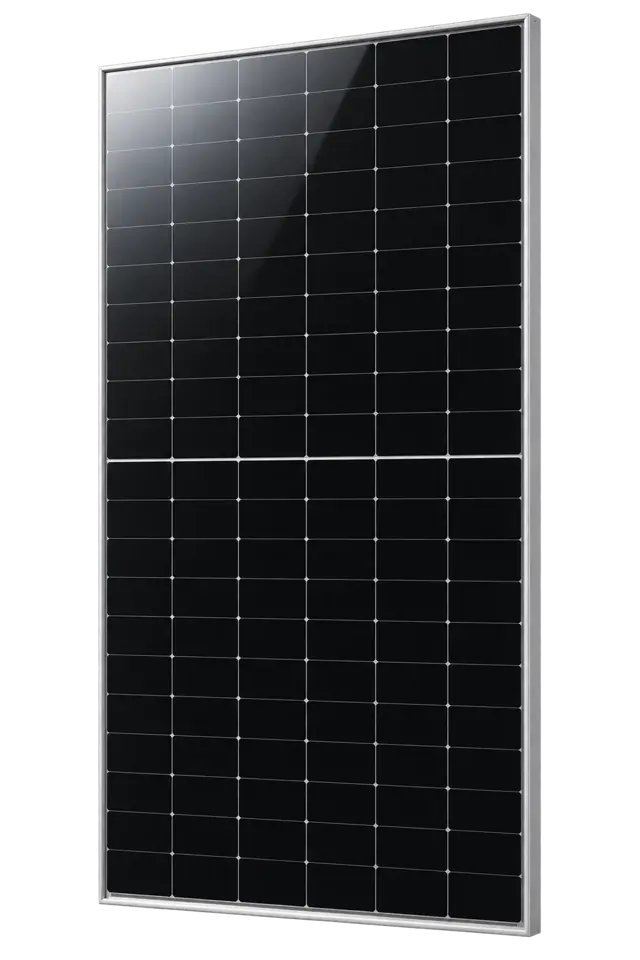
Monofacial HPBC module for commercial & industrial rooftops, 570–595 W, 22.8 % efficiency.
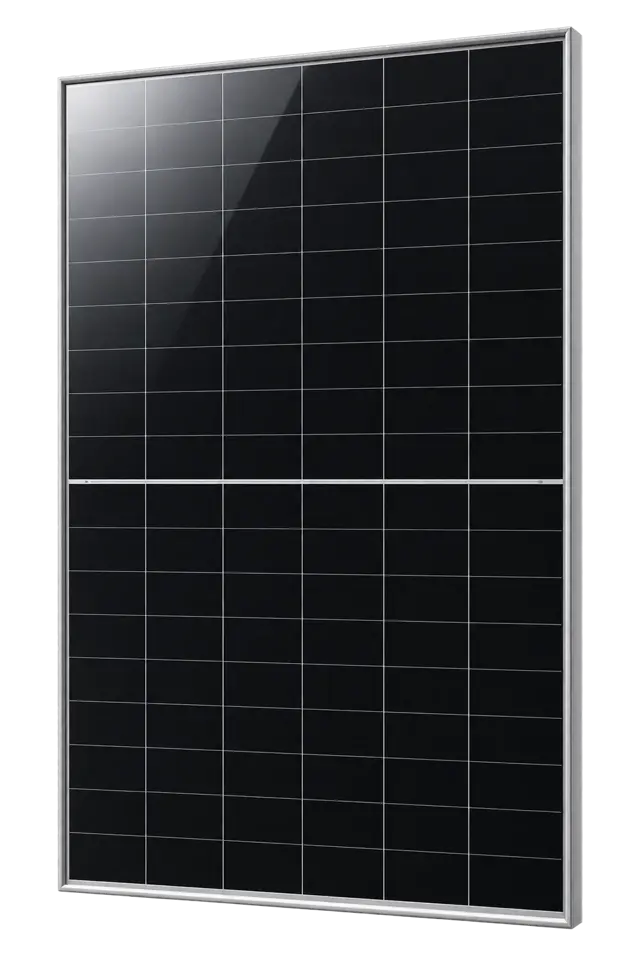
Residential back-contact rooftop module, 455–485 W, 23.3 % efficiency with anti-shading design.
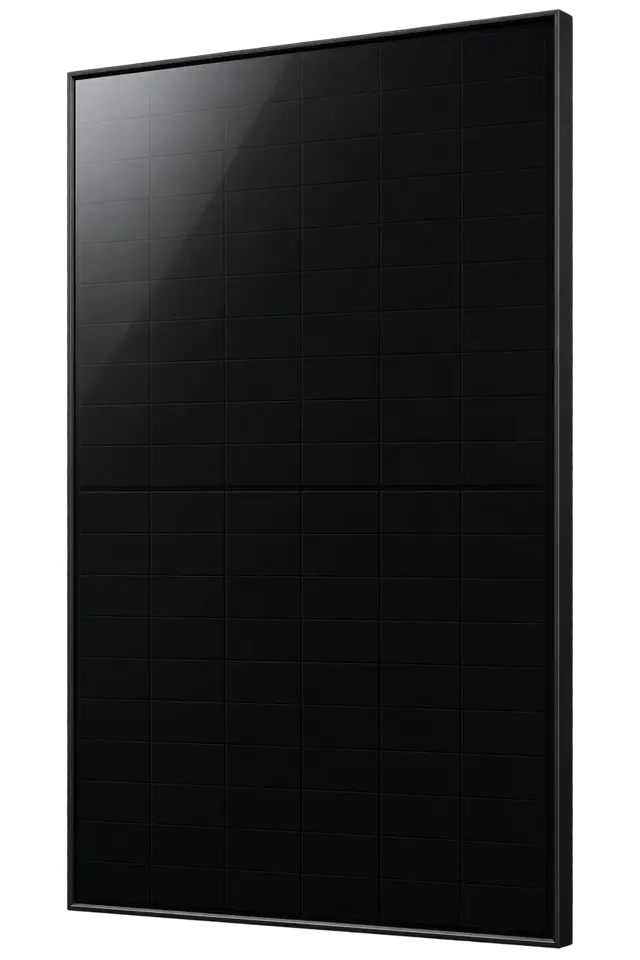
All-black aesthetic version for premium villas, 445–465 W, 22.5 % efficiency.
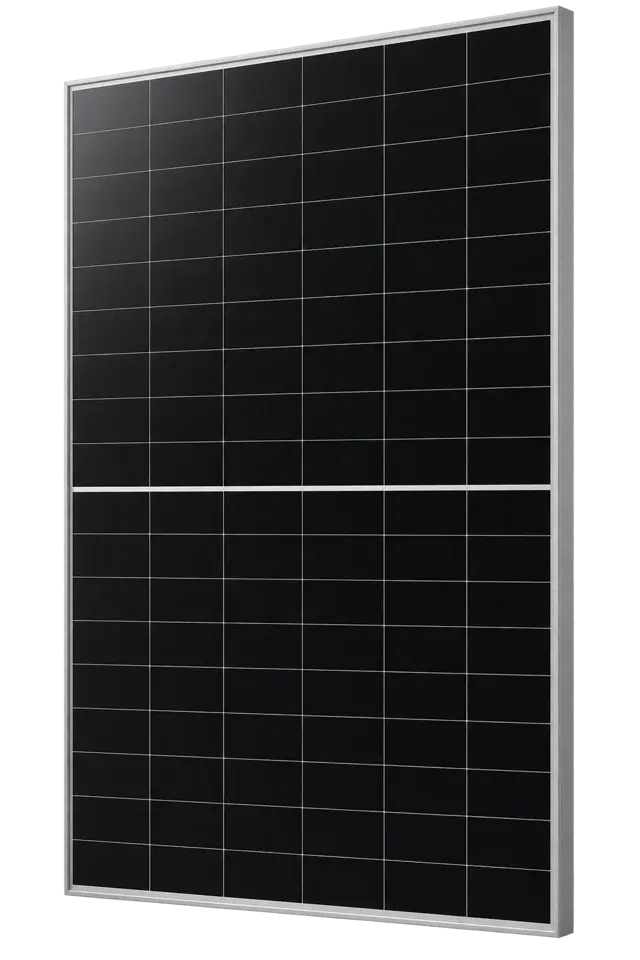
Residential HPBC 2.0 back-contact module, 54-cell format, around 480 W with strong partial-shade behaviour.
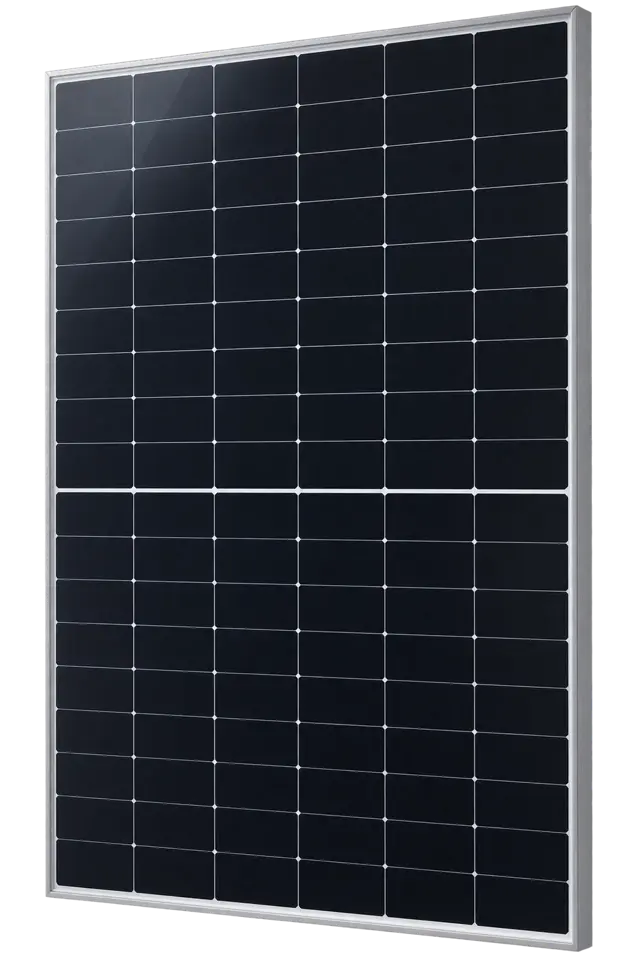
Rooftop HPBC back-contact module on 182 mm wafers, 415–435 W, around 22 % efficiency.
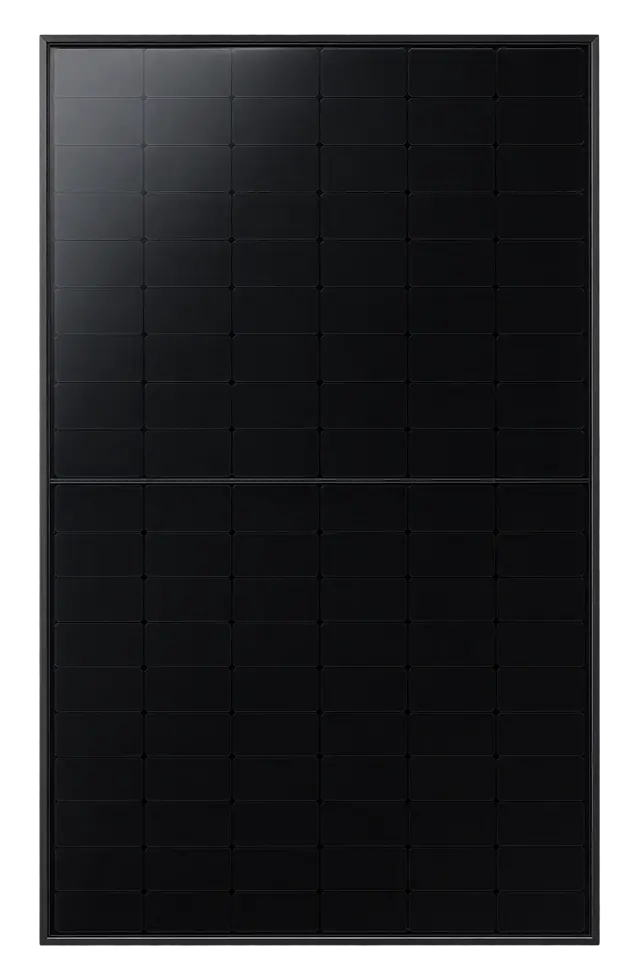
All-black residential back-contact module with black frame and backsheet, around 420 W.
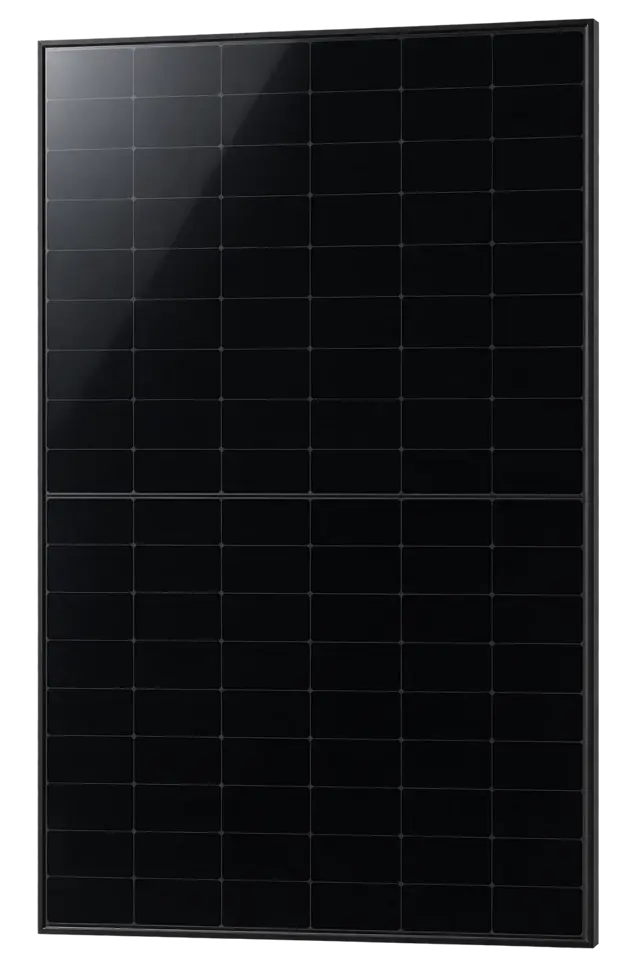
Premium all-black HPBC 2.0 rooftop module with extended warranty, around 450 W and 23 % efficiency.
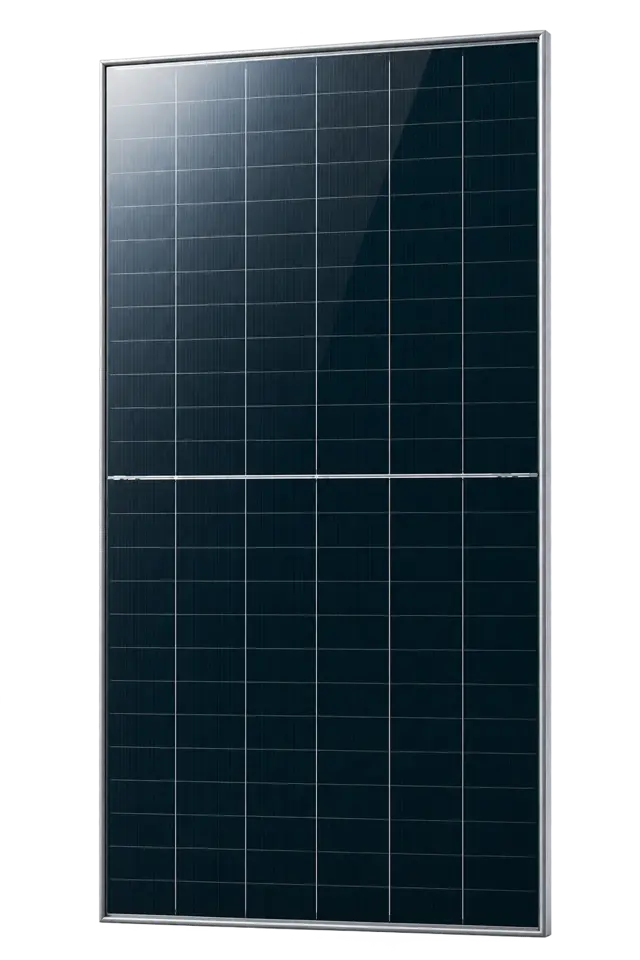
N-type TOPCon bifacial dual-glass module, 695–720 W, 23.2 % efficiency. Our utility-scale reference product.
