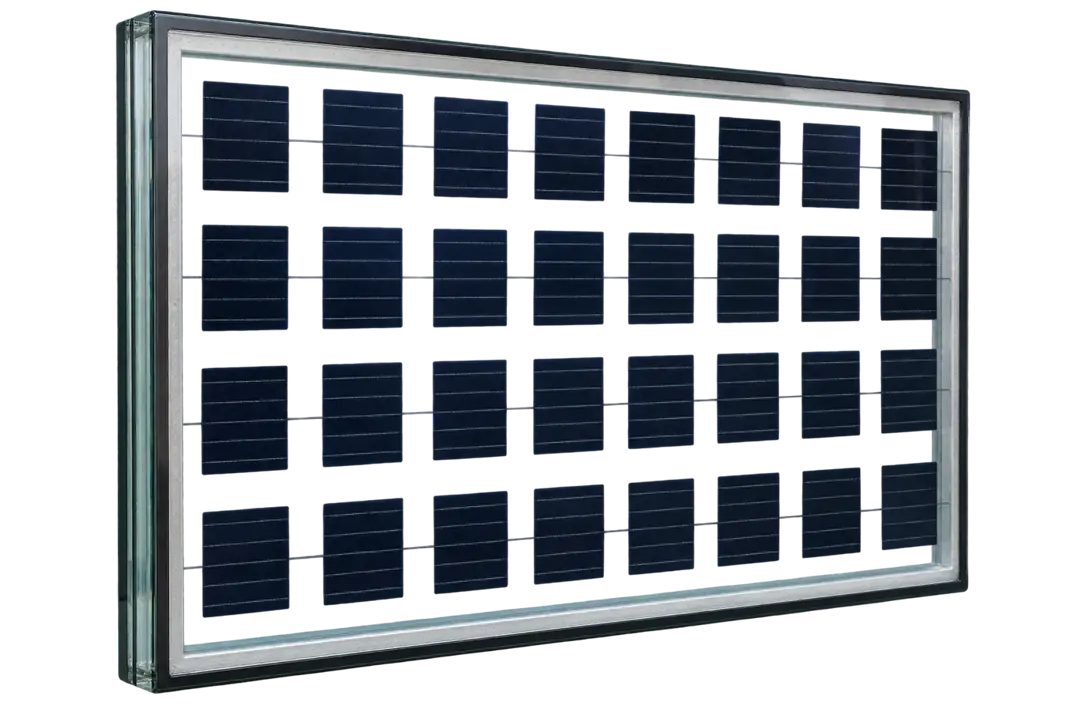
In tall commercial buildings the curtain wall is usually built from insulated glass units (IGUs). This product puts the PV laminate on the outer pane of the IGU, with a sealed, argon-filled cavity and a low-e inner pane behind it, so the unit generates power while delivering the thermal performance (U-values around 1.1–1.6 W/m²K) and solar control that Gulf building codes demand. With spaced cells it works as shaded vision glass; with full cell coverage it becomes an active spandrel.
The PV layer absorbs much of the sun's heat, which actually helps cooling loads, but it also runs hot — specify edge seals and spacers rated for high temperatures and allow for the cable exit through the IGU edge seal without compromising it. Output on vertical glazing is modest, so these units are justified as premium cladding with an energy bonus, often for green-building credits. Lead times are long (8–14 weeks) because each unit is made to the facade drawings.
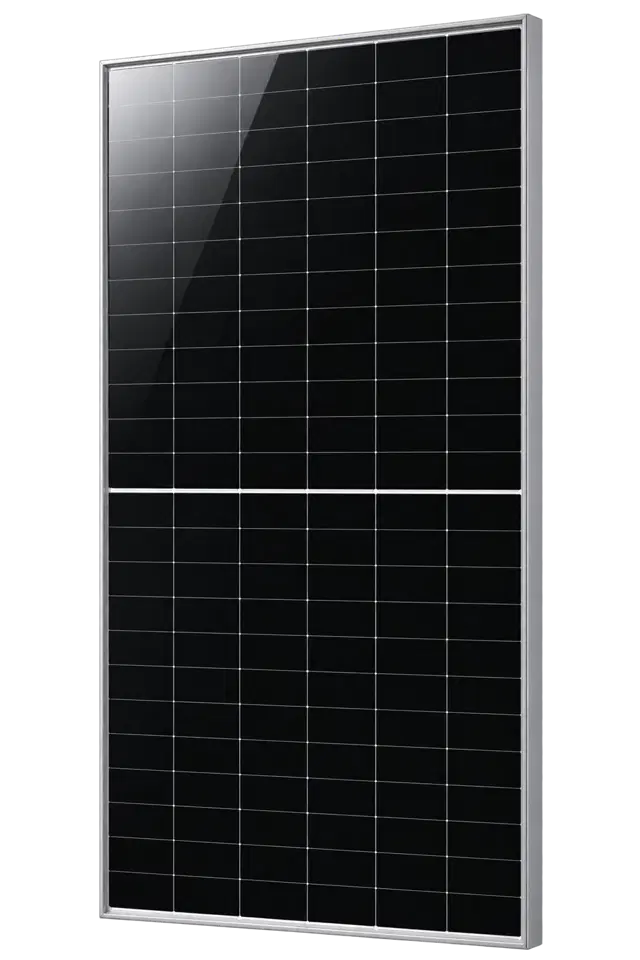
Utility-scale back-contact (HPBC 2.0) bifacial module, 640–670 W class, up to 24.8 % efficiency.
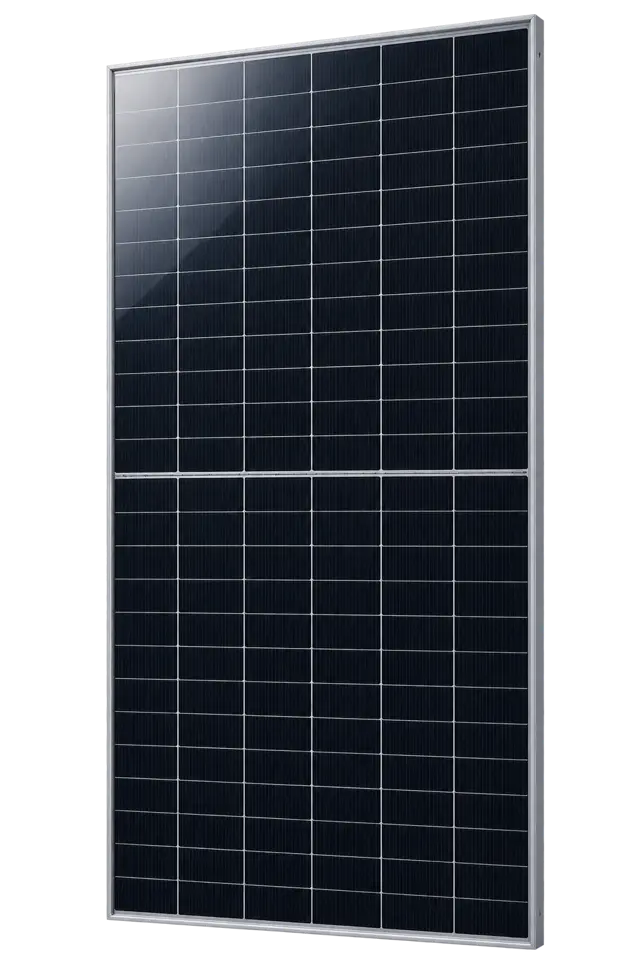
Bifacial dual-glass N-type HPDC module for ground-mount plants, 600–625 W, 23.0 % efficiency.
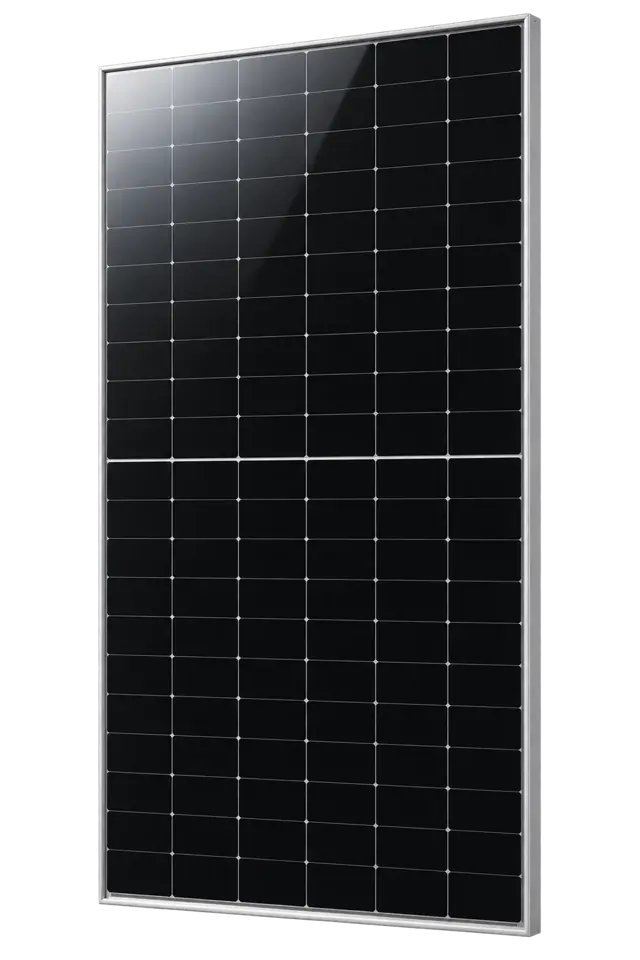
Monofacial HPBC module for commercial & industrial rooftops, 570–595 W, 22.8 % efficiency.
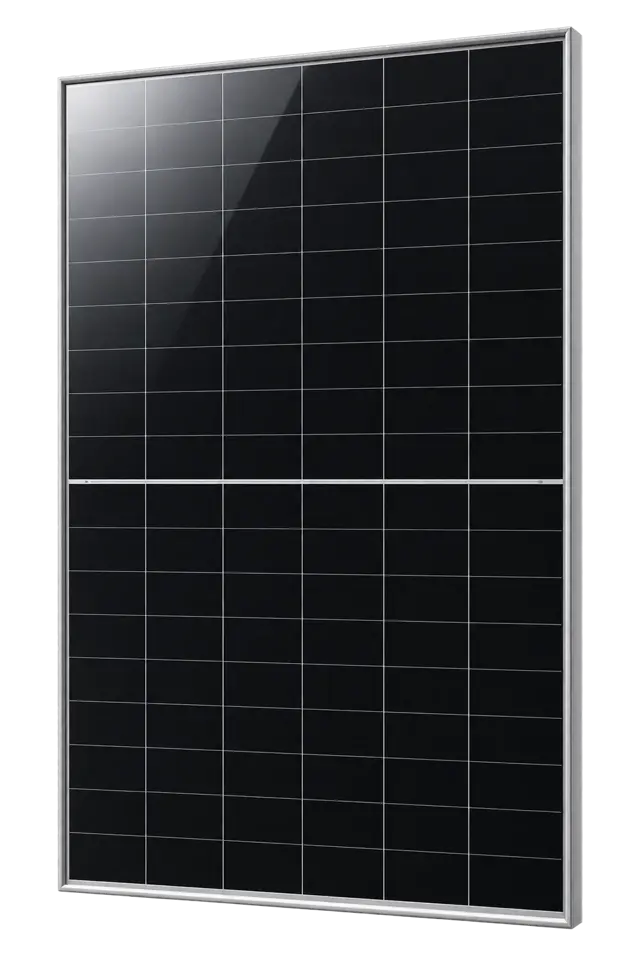
Residential back-contact rooftop module, 455–485 W, 23.3 % efficiency with anti-shading design.
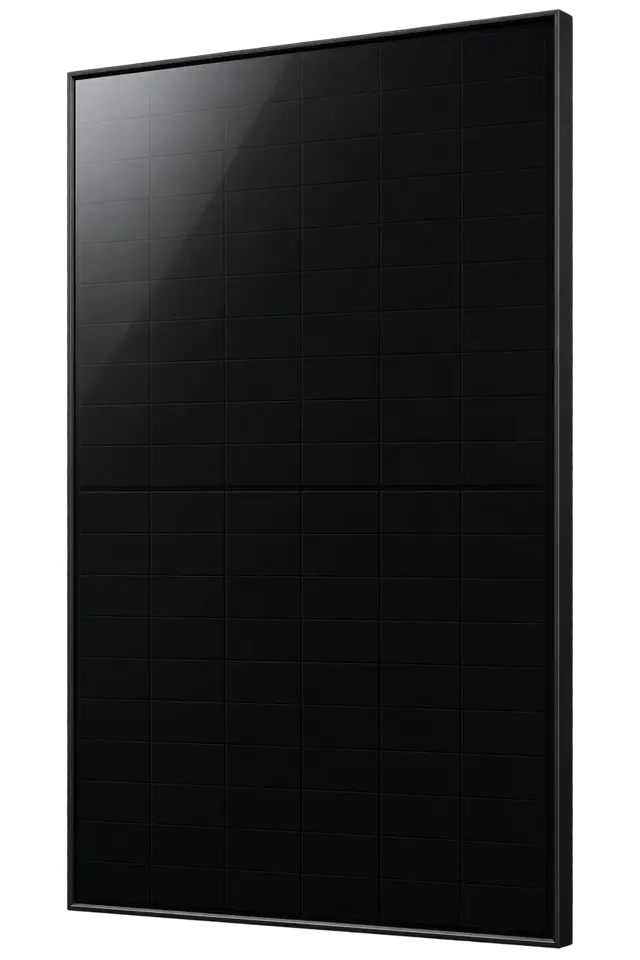
All-black aesthetic version for premium villas, 445–465 W, 22.5 % efficiency.
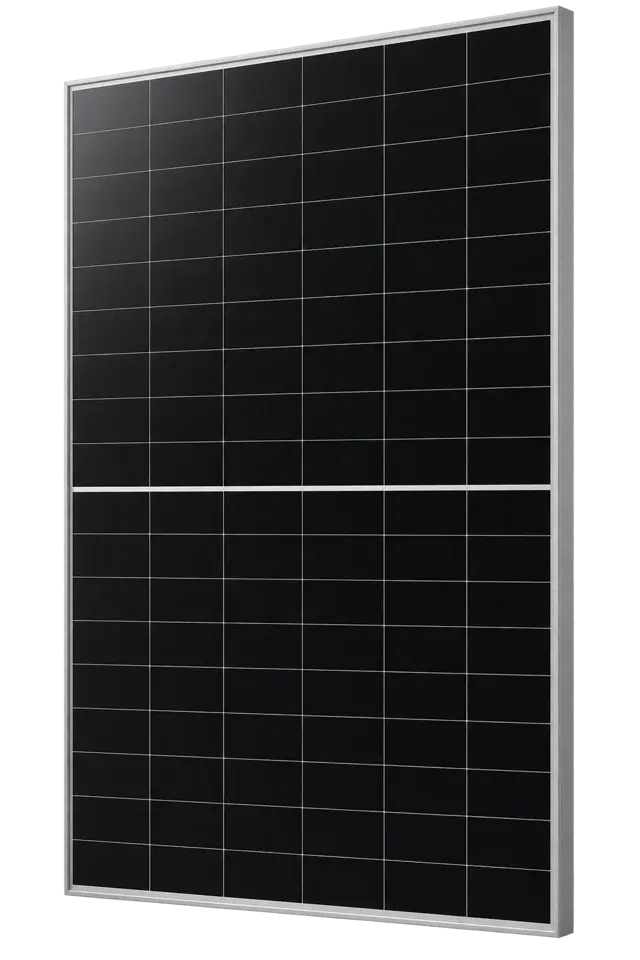
Residential HPBC 2.0 back-contact module, 54-cell format, around 480 W with strong partial-shade behaviour.
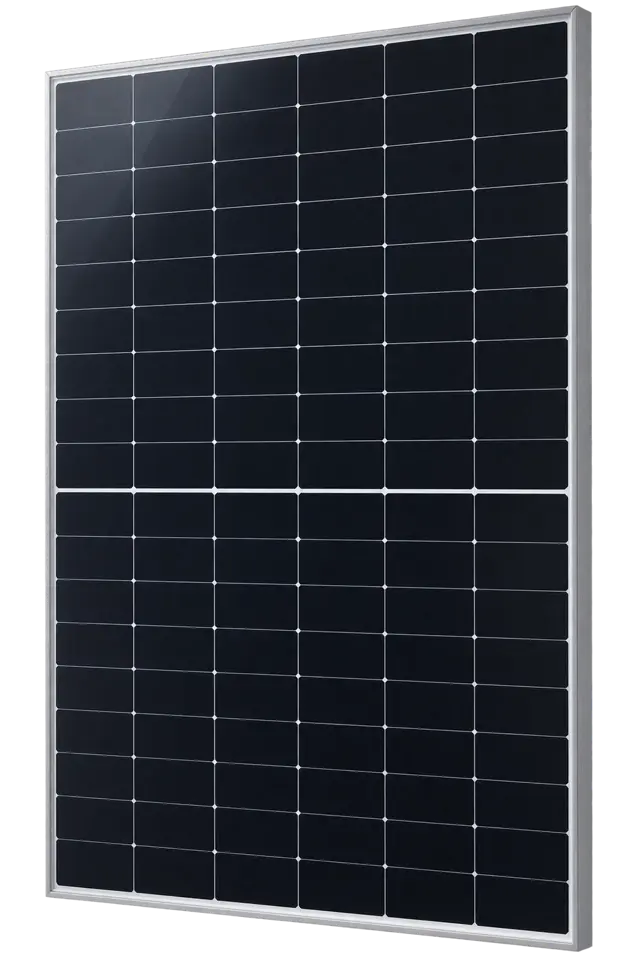
Rooftop HPBC back-contact module on 182 mm wafers, 415–435 W, around 22 % efficiency.
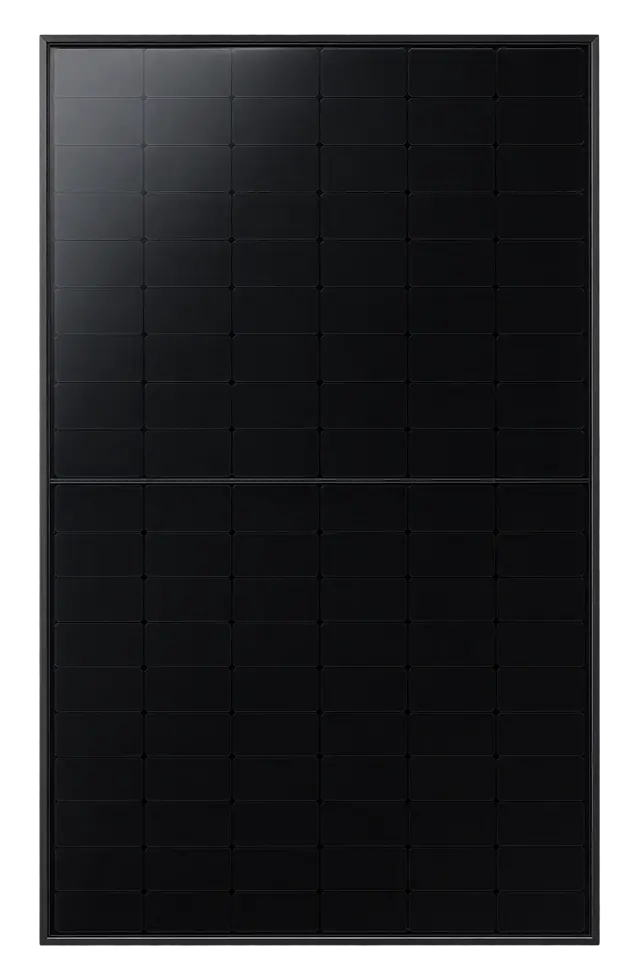
All-black residential back-contact module with black frame and backsheet, around 420 W.
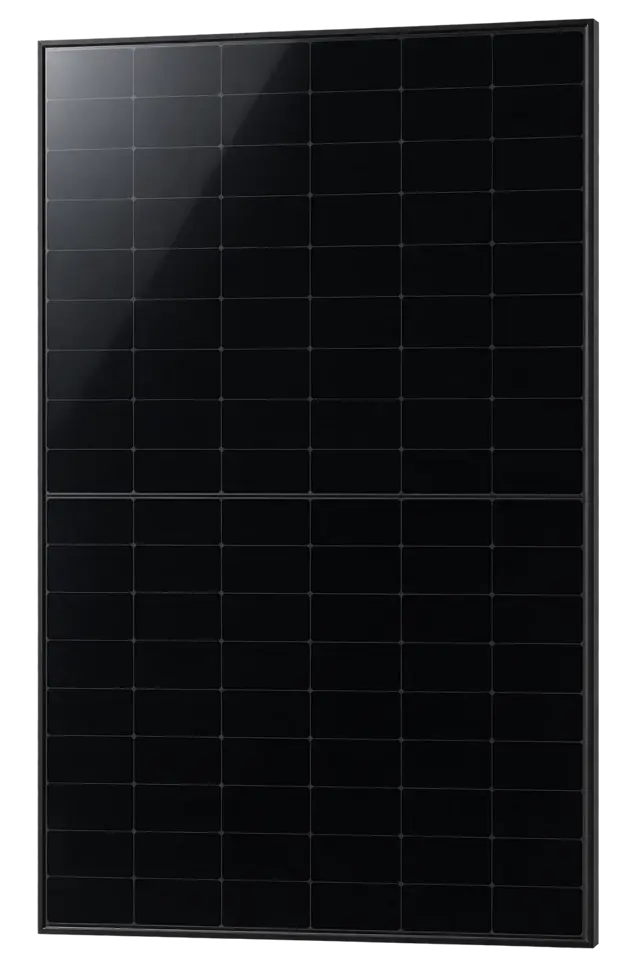
Premium all-black HPBC 2.0 rooftop module with extended warranty, around 450 W and 23 % efficiency.
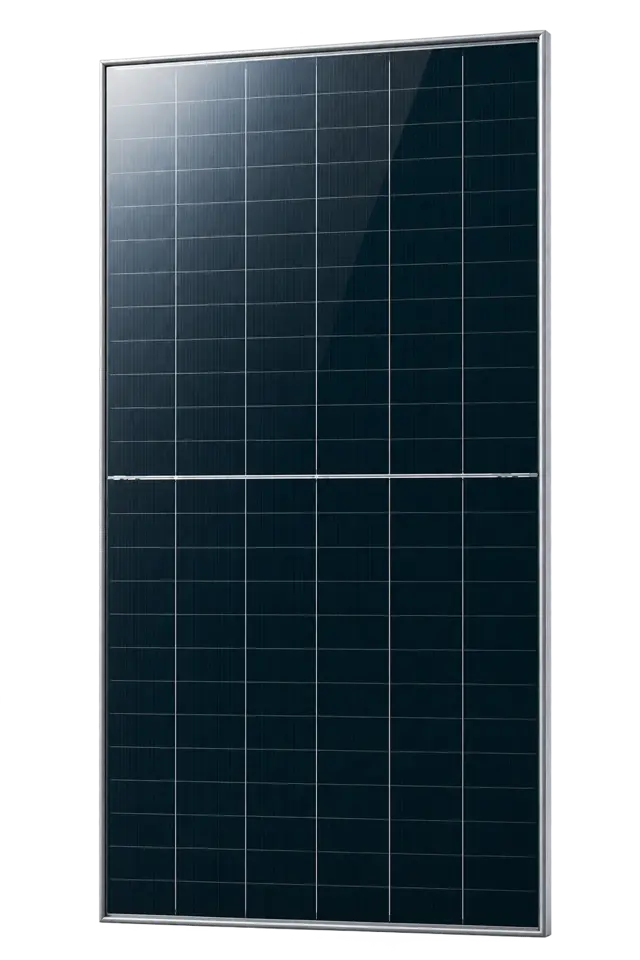
N-type TOPCon bifacial dual-glass module, 695–720 W, 23.2 % efficiency. Our utility-scale reference product.
