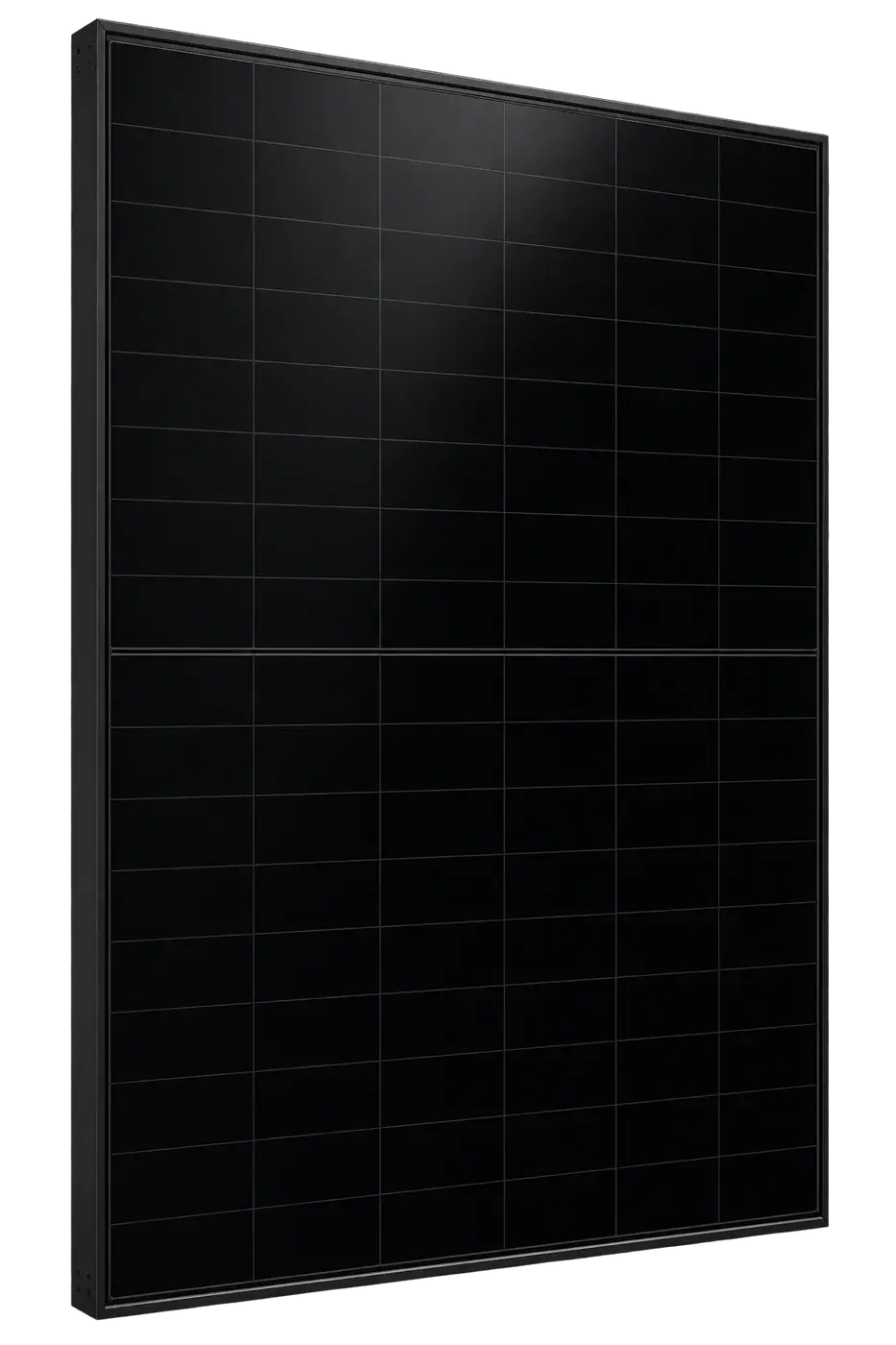
Back-contact cells move every metal contact to the rear, so the front of the module is a completely uniform dark surface — the most refined look available in crystalline silicon. They also convert more light: 450 W from a 1762 × 1134 mm module, about 30 W more than a TOPCon all-black of similar size. When a roof is crowded with AC units, water tanks and parapet shading, that extra density can be the difference between 8 and 10 kWp.
Back-contact modules handle partial shading reasonably well thanks to their cell design, but they are not immune; still plan strings around roof obstacles or use module-level electronics. They cost around 10–15 % more per watt than mainstream TOPCon, which is justified where roof space or appearance is the constraint, not in open-field projects. Clamp only within the zones given in the installation manual, and keep the 30 mm frame clear of standing water on low-slope roofs.
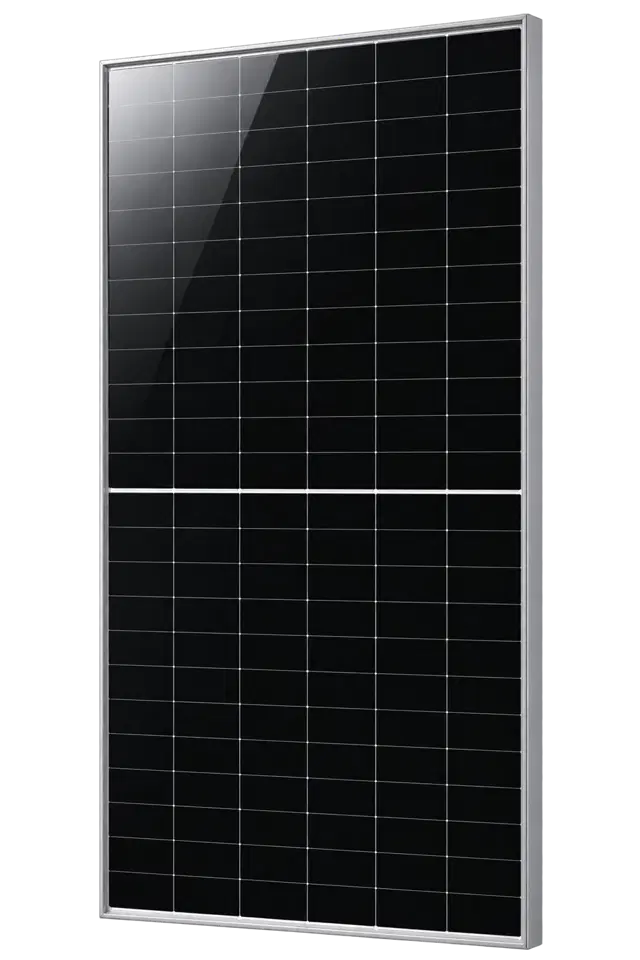
Utility-scale back-contact (HPBC 2.0) bifacial module, 640–670 W class, up to 24.8 % efficiency.
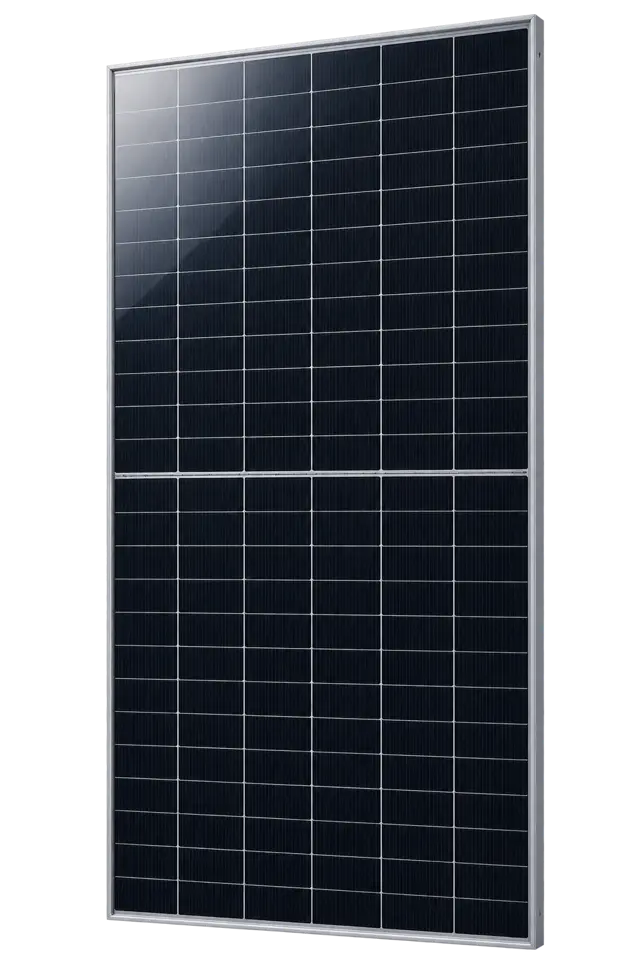
Bifacial dual-glass N-type HPDC module for ground-mount plants, 600–625 W, 23.0 % efficiency.
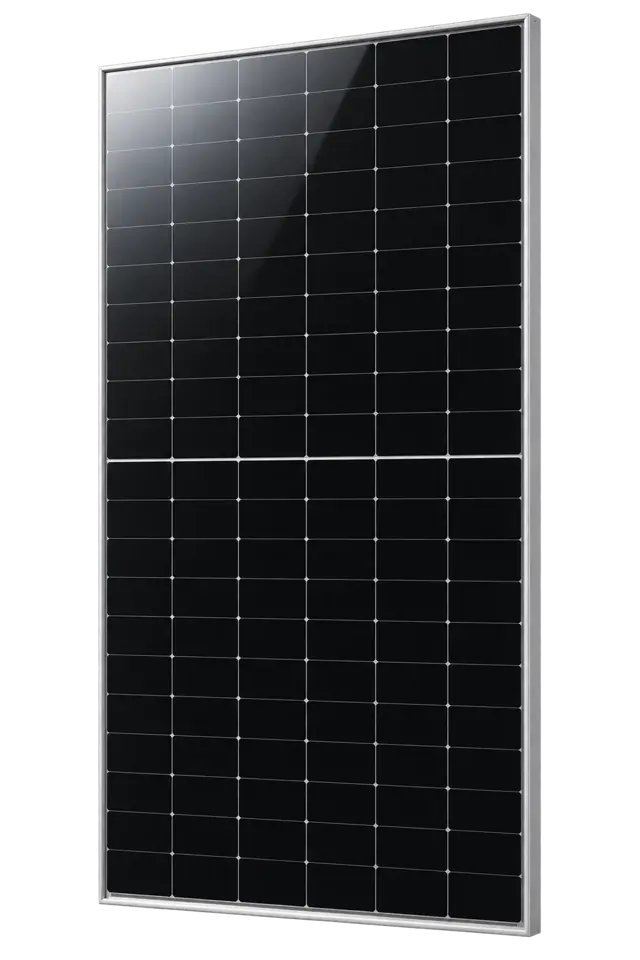
Monofacial HPBC module for commercial & industrial rooftops, 570–595 W, 22.8 % efficiency.
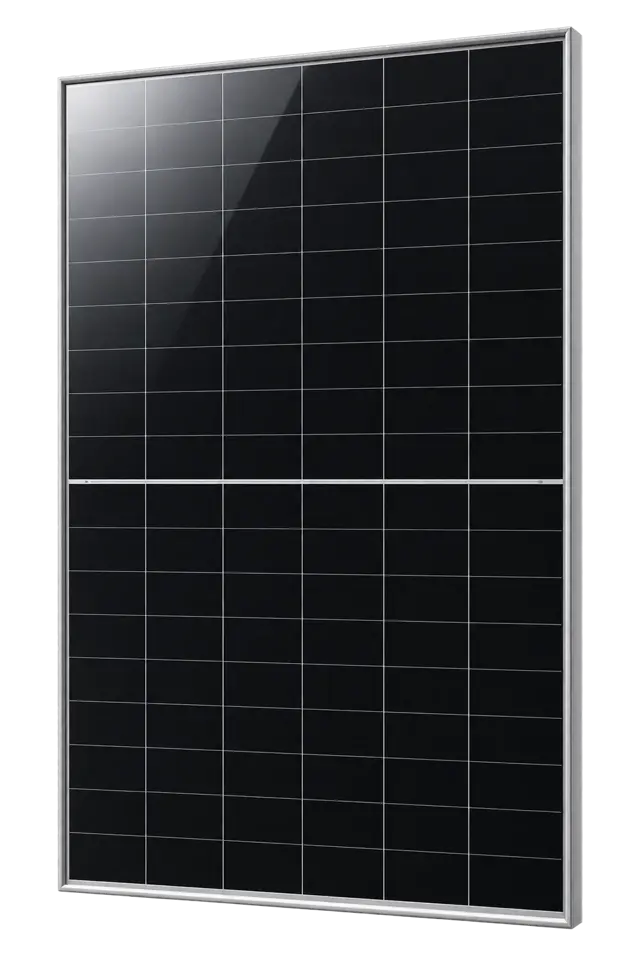
Residential back-contact rooftop module, 455–485 W, 23.3 % efficiency with anti-shading design.
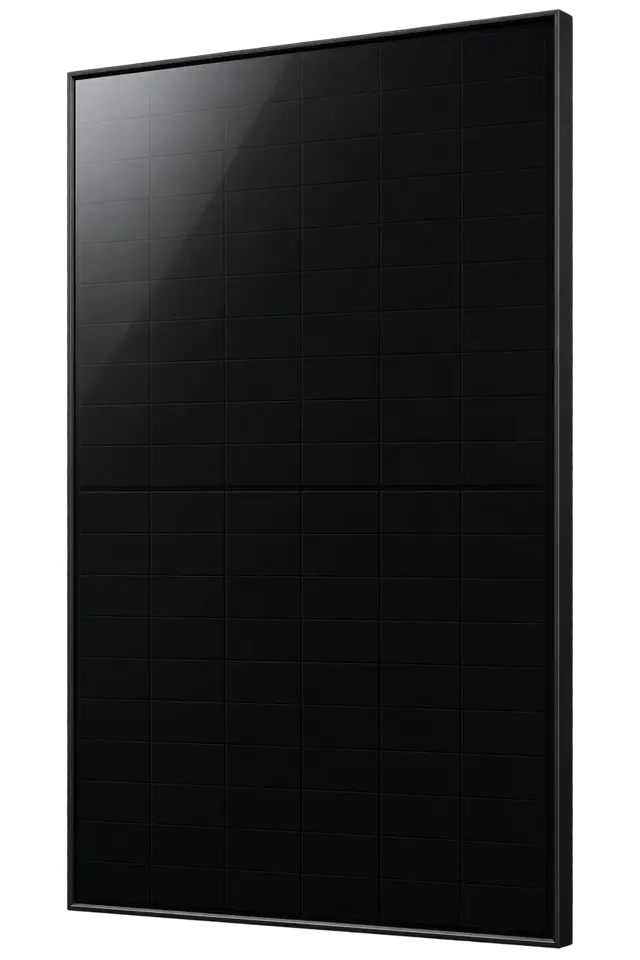
All-black aesthetic version for premium villas, 445–465 W, 22.5 % efficiency.
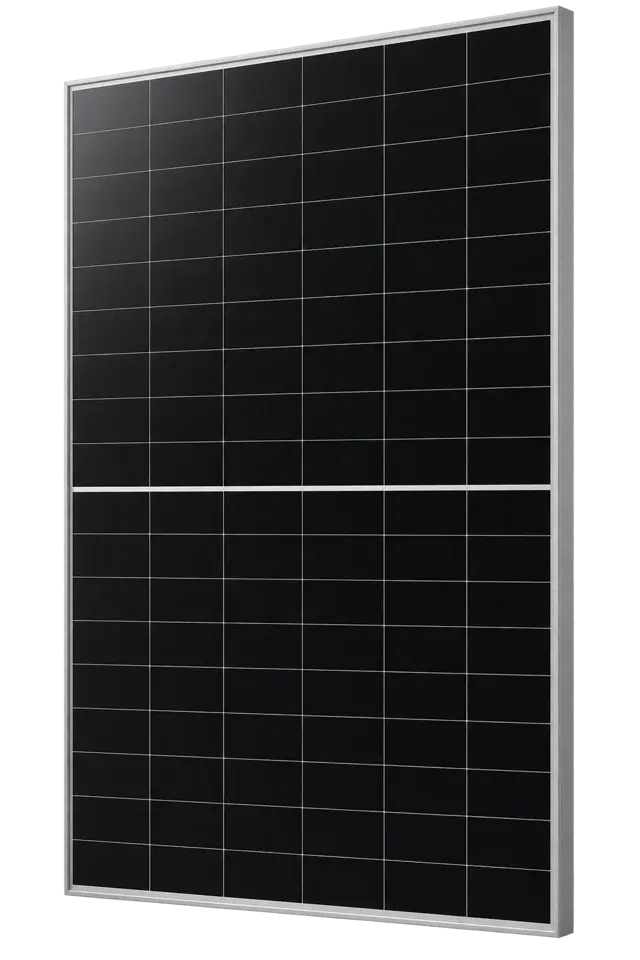
Residential HPBC 2.0 back-contact module, 54-cell format, around 480 W with strong partial-shade behaviour.
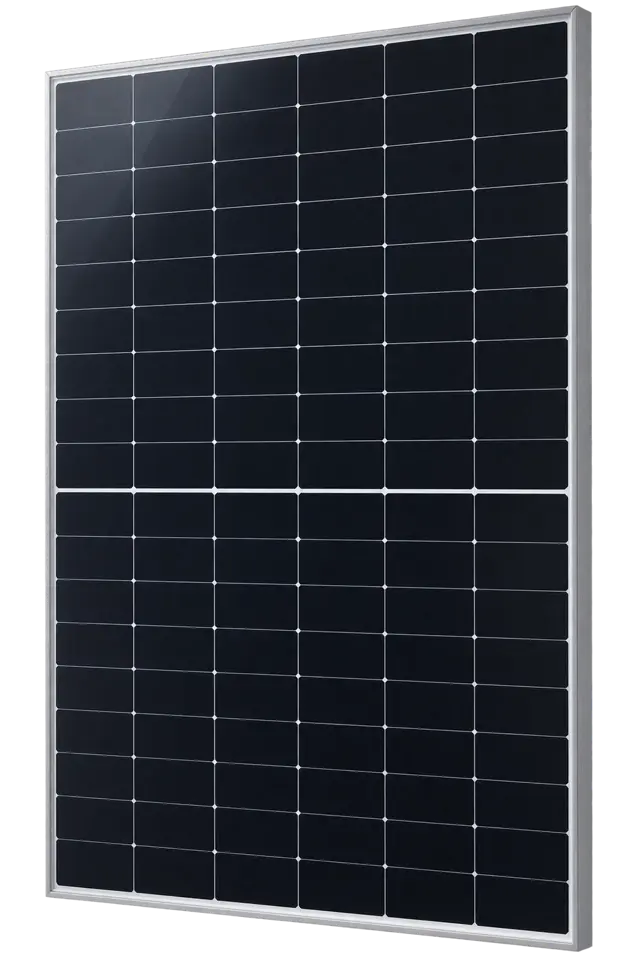
Rooftop HPBC back-contact module on 182 mm wafers, 415–435 W, around 22 % efficiency.
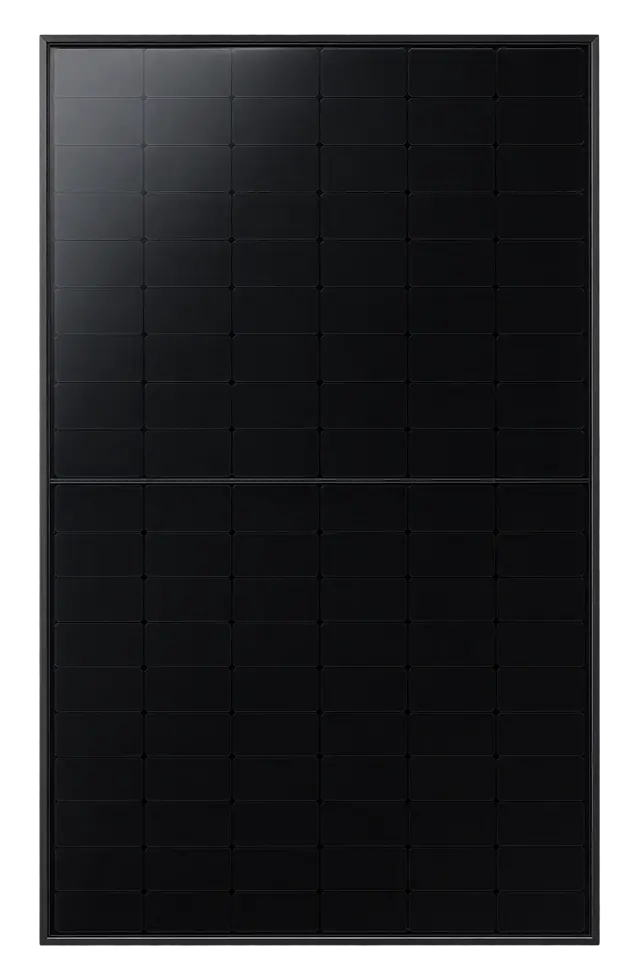
All-black residential back-contact module with black frame and backsheet, around 420 W.
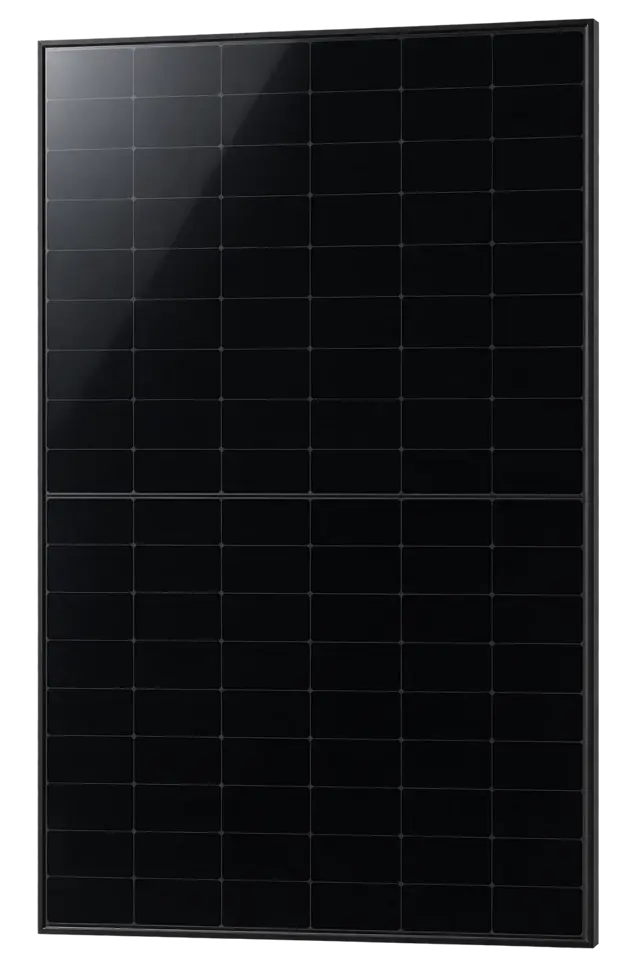
Premium all-black HPBC 2.0 rooftop module with extended warranty, around 450 W and 23 % efficiency.
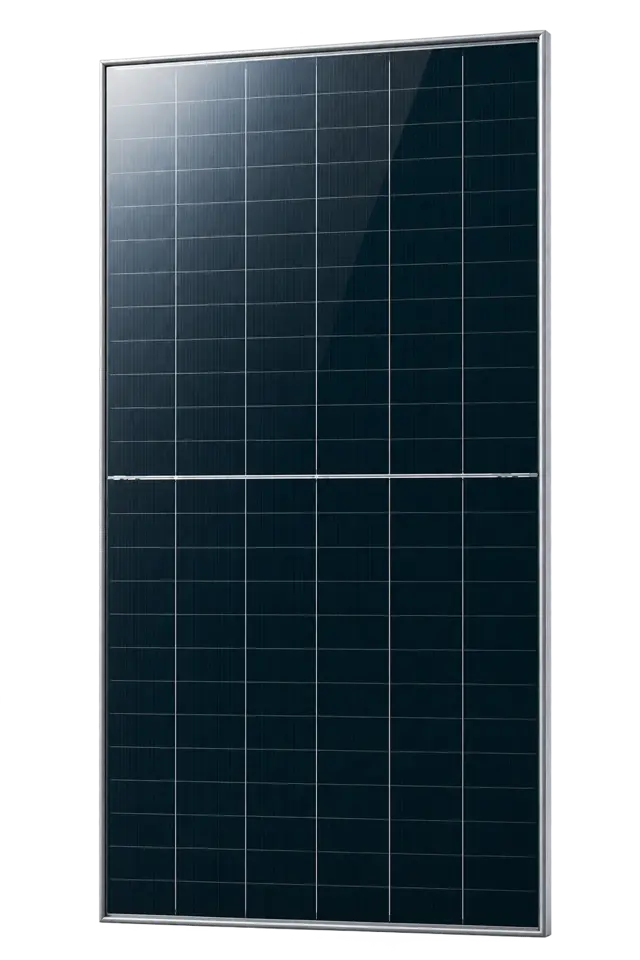
N-type TOPCon bifacial dual-glass module, 695–720 W, 23.2 % efficiency. Our utility-scale reference product.
