LID, LeTID and long-term power loss explained, and how to read a 12-year product / 30-year linear power warranty.
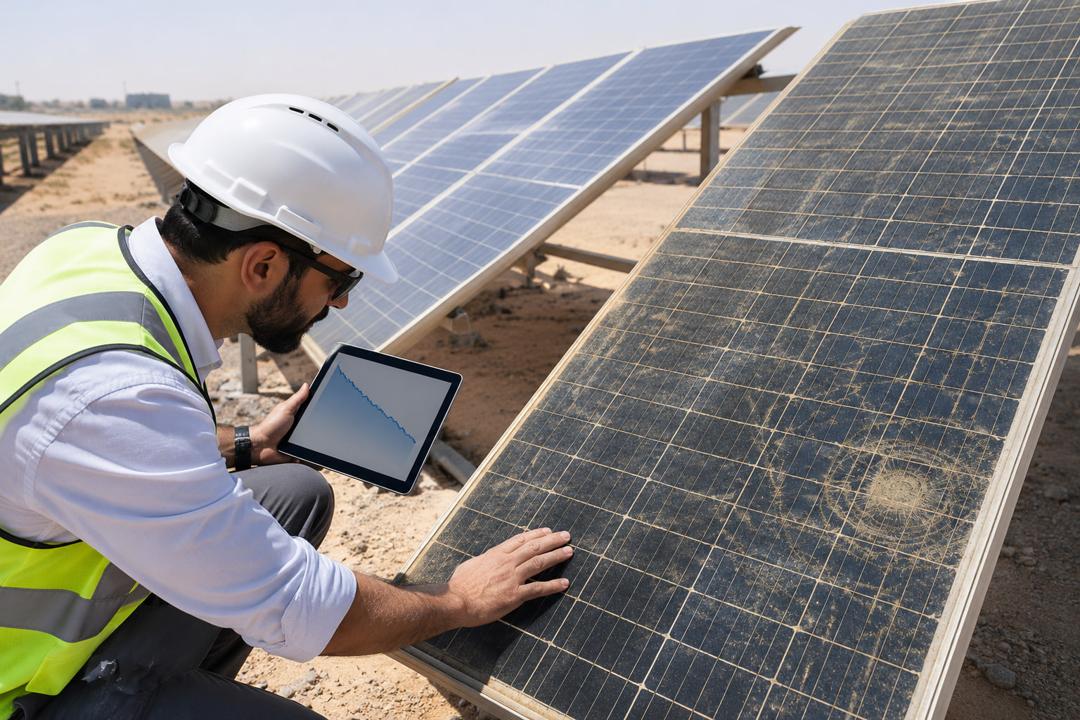
Every PV module slowly loses output over its life. The first and fastest loss is Light-Induced Degradation (LID), which happens in the first hours to weeks of sun exposure. In boron-doped P-type cells, boron-oxygen complexes form and can cost 1–3 % of power; Light and elevated Temperature Induced Degradation (LeTID) is a slower, heat-activated mechanism that affected many early PERC products. N-type cells (TOPCon, HJT, back-contact) are phosphorus-doped and practically immune to boron-oxygen LID, which is a major reason for their lower degradation figures.
After the initial drop, degradation becomes roughly linear. It is driven by UV exposure and yellowing of the encapsulant, moisture ingress, corrosion of cell contacts, potential-induced degradation (PID) at high system voltages, and thermal cycling that stresses solder joints and can create micro-cracks. Dual-glass construction, POE encapsulant and anti-PID cells have significantly reduced these mechanisms; in hot desert climates, heat and UV make them especially relevant.
Manufacturers express this in a linear power warranty. A typical modern N-type warranty states: no more than 1 % loss in year one, then no more than 0.4 % per year. Over 30 years that gives a guaranteed minimum of 99 % − 29 × 0.4 % = 87.4 % of nameplate power, the figure published, for example, for the Jinko Tiger Neo 66HL5-BDV. For comparison, mono PERC warranties are usually 2 % in year one and 0.55 % per year, ending at about 84.8 % after 25–30 years.
The power warranty is separate from the product (materials and workmanship) warranty, which is commonly 12–15 years for Tier-1 modules and covers defects such as delamination, junction-box failure or broken frames. When comparing offers, check both, look at the claims procedure, the measurement tolerance applied (usually ±3 % flash test), and whether the warranty is backed by the manufacturer's balance sheet or third-party insurance. In yield and financial models, use the warranted degradation as a conservative upper bound; real-world fleets of quality modules typically degrade 0.3–0.5 % per year.
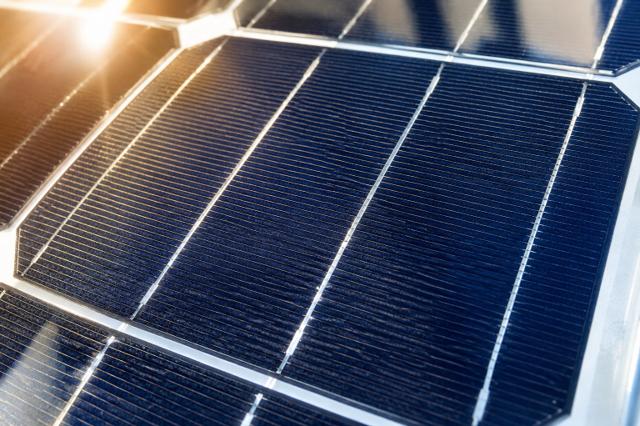
From photon to kilowatt-hour: the physics of a solar cell and the path of energy through a complete PV system.
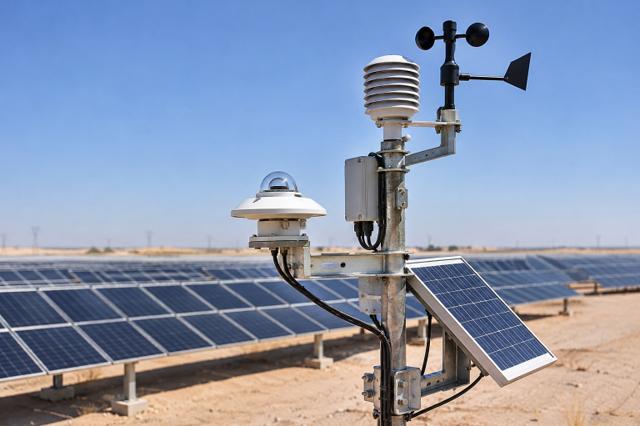
GHI, DNI and DHI explained, how sun position changes through the day and year, and why the Gulf is one of the world's best solar resources.
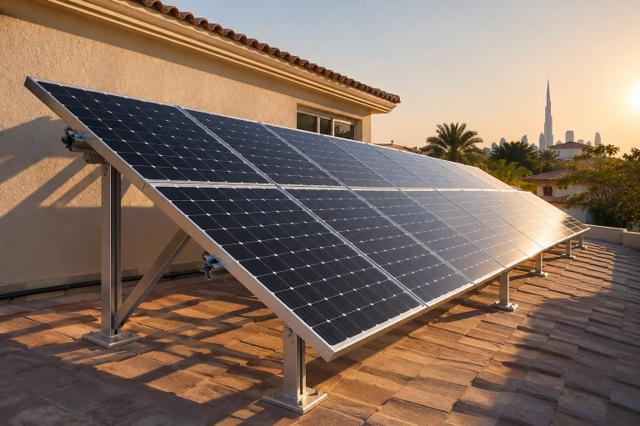
How to orient a PV array: the latitude rule of thumb, why lower tilts often win in the Gulf, and how east–west layouts trade yield for density.
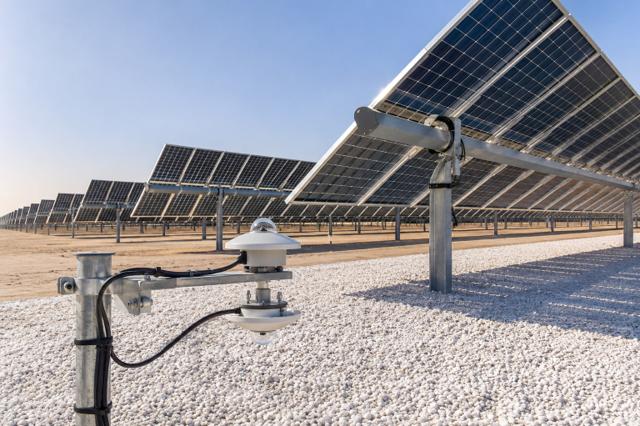
How bifacial modules harvest reflected light, what albedo values to expect on sand, gravel and white membranes, and why bifacial pairs so well with trackers.
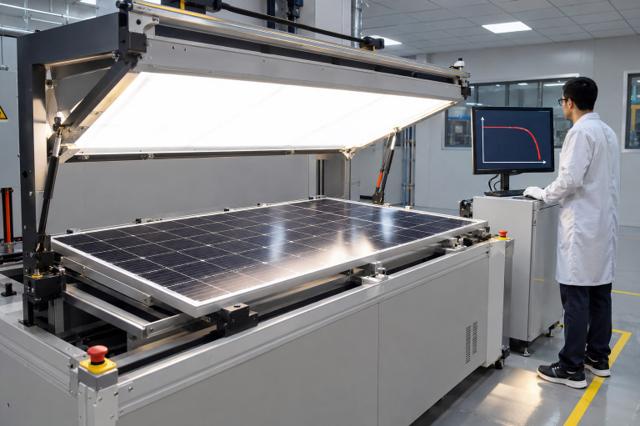
What the datasheet power really means, how temperature coefficients translate into lost watts, and why heat is the main derating factor in the desert.
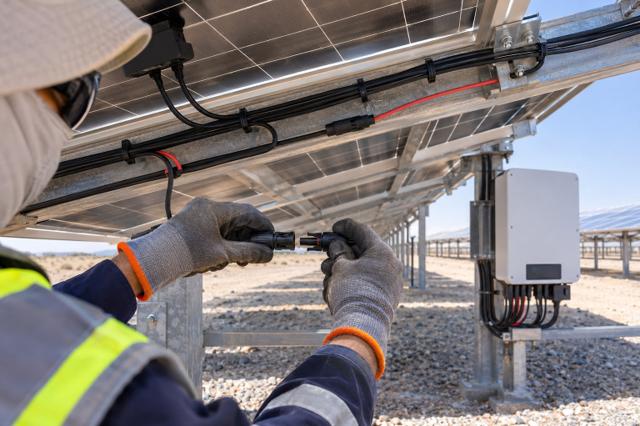
How many modules can go in one string: the cold-temperature Voc limit, the MPPT window and current limits, with a worked 1,500 V example.
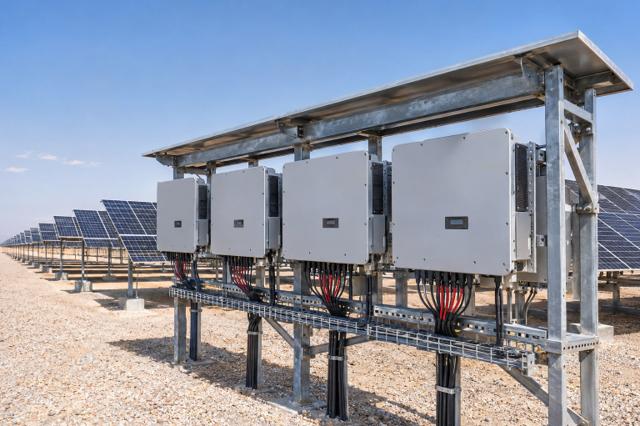
Why PV plants are built with more module power than inverter power, and how to choose a DC/AC ratio between 1.1 and 1.35 without losing too much energy to clipping.
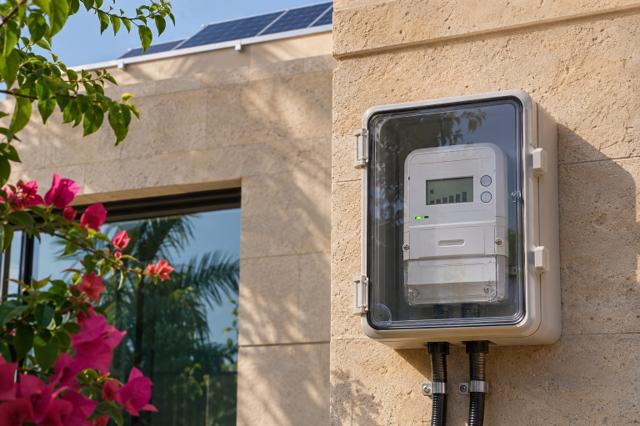
How grid-connected rooftop systems are credited for the electricity they export, and how the tariff scheme changes the right system size and the payback period.

The single number used to compare power plants: lifetime cost divided by lifetime energy, both discounted. What drives it, and why Gulf solar tariffs are among the lowest in the world.
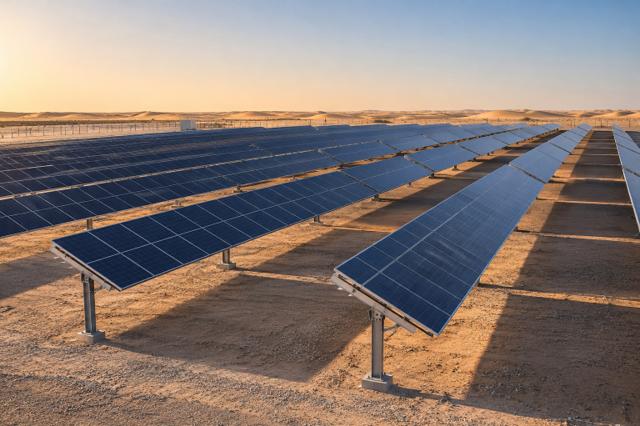
How shadows reduce PV output far more than their size suggests, how to set row pitch with the ground coverage ratio and the winter-solstice rule, and how bypass diodes and half-cut cells limit the damage.
