GHI, DNI and DHI explained, how sun position changes through the day and year, and why the Gulf is one of the world's best solar resources.
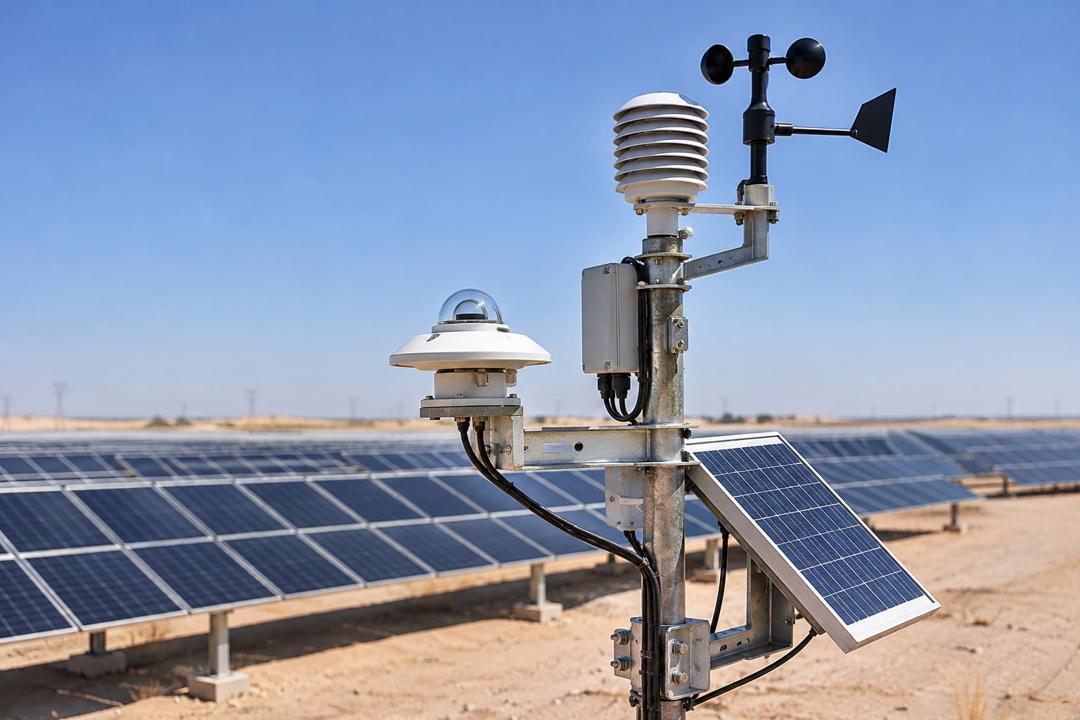
Irradiance is the instantaneous power of sunlight falling on a surface, measured in W/m². Integrated over time it becomes irradiation (or insolation), measured in kWh/m² per day or per year. On a clear day at noon, irradiance at ground level approaches 1,000 W/m², which is why that value was chosen as the Standard Test Condition for rating PV modules.
Three components describe sunlight. Direct Normal Irradiance (DNI) is the beam coming straight from the sun's disc, measured on a surface held perpendicular to it. Diffuse Horizontal Irradiance (DHI) is light scattered by the atmosphere, dust and clouds, arriving from the whole sky. Global Horizontal Irradiance (GHI) is the total received on a flat surface: GHI = DNI × cos(zenith angle) + DHI. PV yield models start from GHI, then transpose it onto the tilted plane of the modules (POA irradiance), adding ground-reflected light for bifacial modules.
The sun's position is given by two angles: elevation (height above the horizon, or its complement, the zenith angle) and azimuth (compass direction). Elevation changes through the day and with the seasons; at the Tropic of Cancer the noon sun is almost overhead in June, while in December it stands about 47° lower. The lower the sun, the longer its path through the atmosphere (higher air mass) and the more the light is attenuated and spread over the surface.
The UAE and wider GCC receive roughly 2,000–2,200 kWh/m² of GHI per year, about 5.5–6 kWh/m² per day on average, compared with around 1,000–1,200 kWh/m² in Central Europe. However, desert air carries dust and humidity that raise the diffuse share and reduce DNI, especially in summer. That is why accurate site data (from satellite databases such as NASA POWER or PVGIS, or ideally an on-site pyranometer) is the first step of any serious yield assessment.
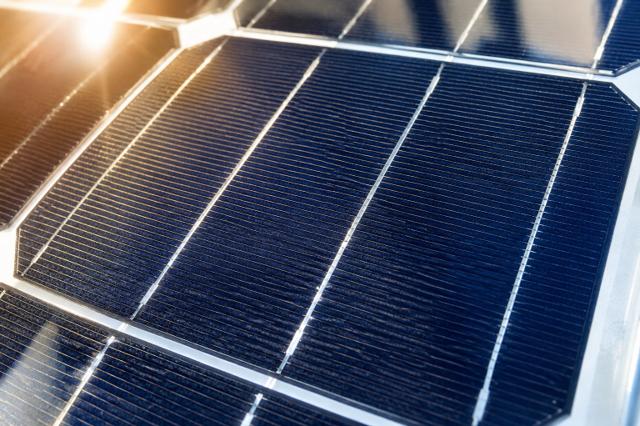
From photon to kilowatt-hour: the physics of a solar cell and the path of energy through a complete PV system.
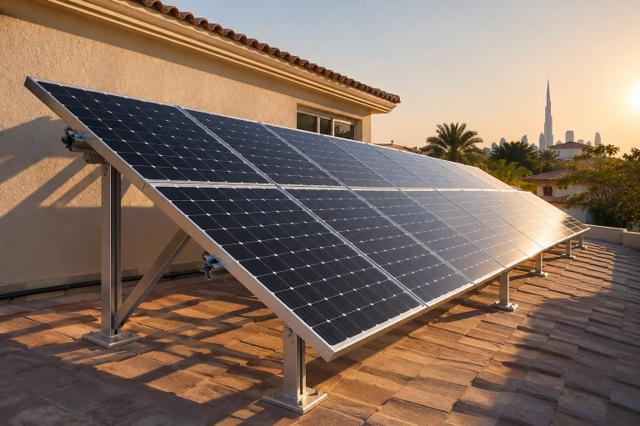
How to orient a PV array: the latitude rule of thumb, why lower tilts often win in the Gulf, and how east–west layouts trade yield for density.
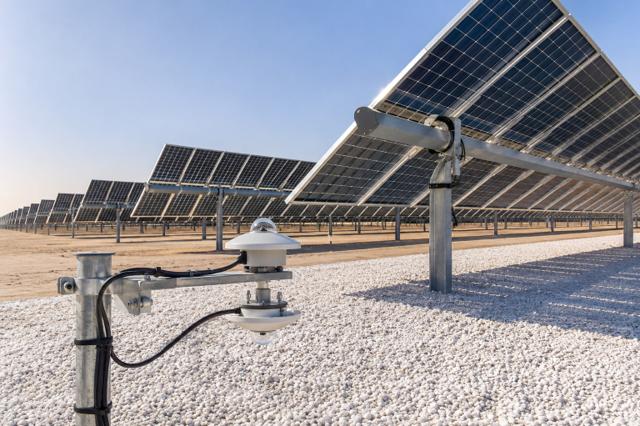
How bifacial modules harvest reflected light, what albedo values to expect on sand, gravel and white membranes, and why bifacial pairs so well with trackers.
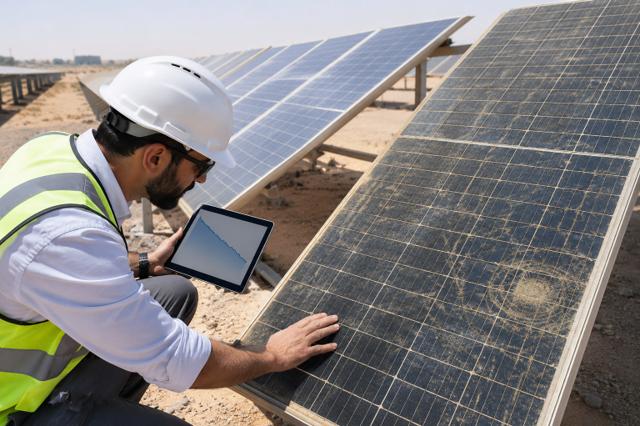
LID, LeTID and long-term power loss explained, and how to read a 12-year product / 30-year linear power warranty.
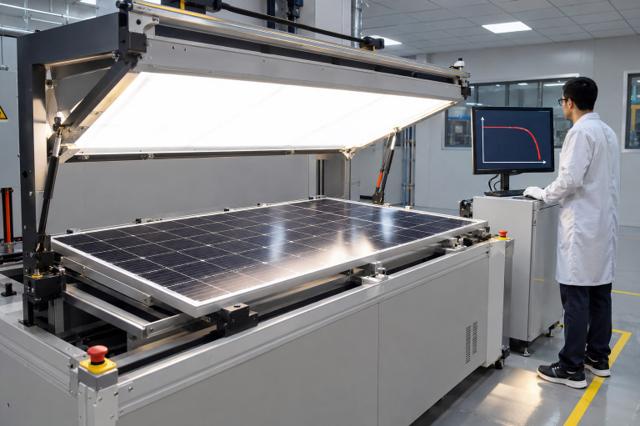
What the datasheet power really means, how temperature coefficients translate into lost watts, and why heat is the main derating factor in the desert.
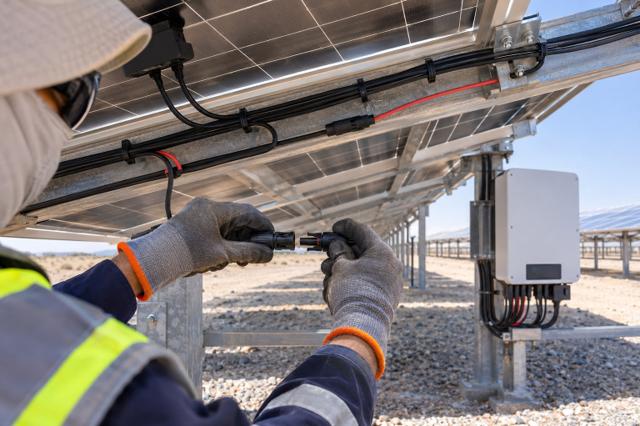
How many modules can go in one string: the cold-temperature Voc limit, the MPPT window and current limits, with a worked 1,500 V example.
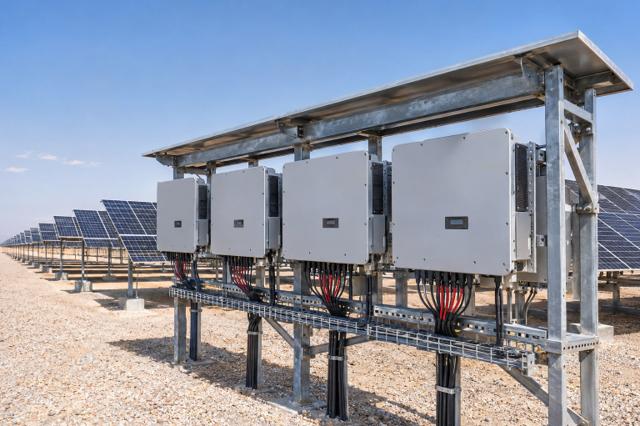
Why PV plants are built with more module power than inverter power, and how to choose a DC/AC ratio between 1.1 and 1.35 without losing too much energy to clipping.
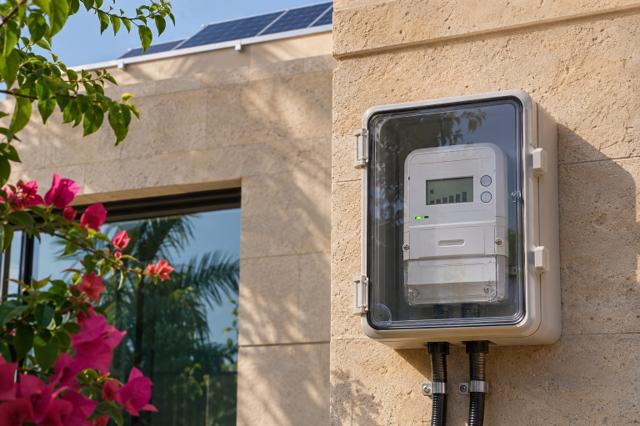
How grid-connected rooftop systems are credited for the electricity they export, and how the tariff scheme changes the right system size and the payback period.

The single number used to compare power plants: lifetime cost divided by lifetime energy, both discounted. What drives it, and why Gulf solar tariffs are among the lowest in the world.
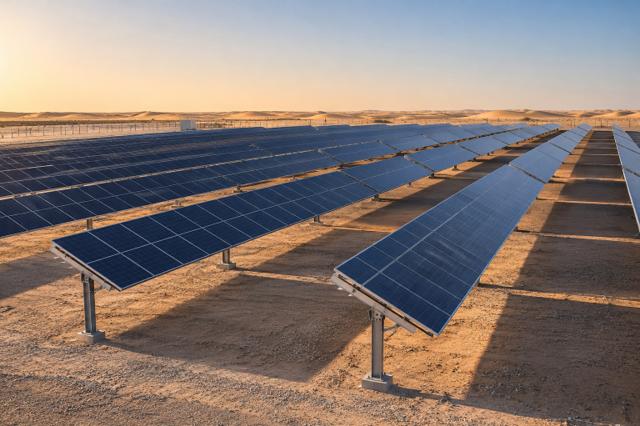
How shadows reduce PV output far more than their size suggests, how to set row pitch with the ground coverage ratio and the winter-solstice rule, and how bypass diodes and half-cut cells limit the damage.
