Solar Library·357 items
Modules, inverters, batteries, structures, cables, hardware and services, with plain explanations, full specifications and indicative USD prices.
Use ↑ ↓ to move, Enter to open
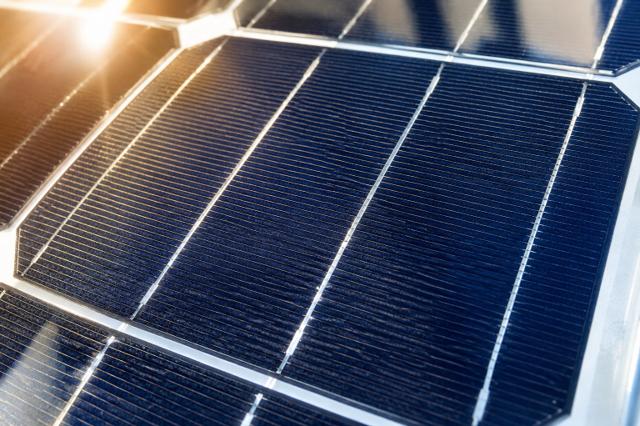
From photon to kilowatt-hour: the physics of a solar cell and the path of energy through a complete PV system.
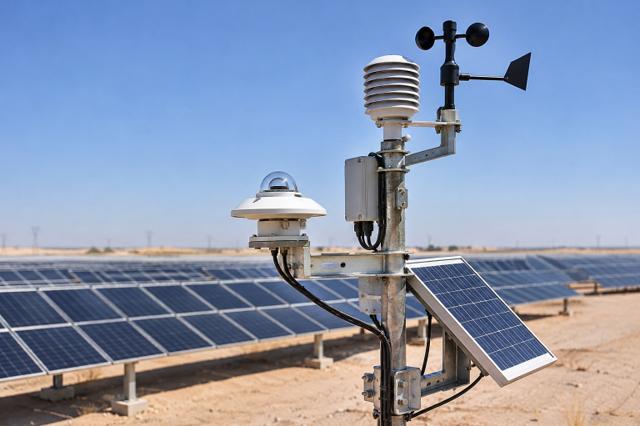
GHI, DNI and DHI explained, how sun position changes through the day and year, and why the Gulf is one of the world's best solar resources.
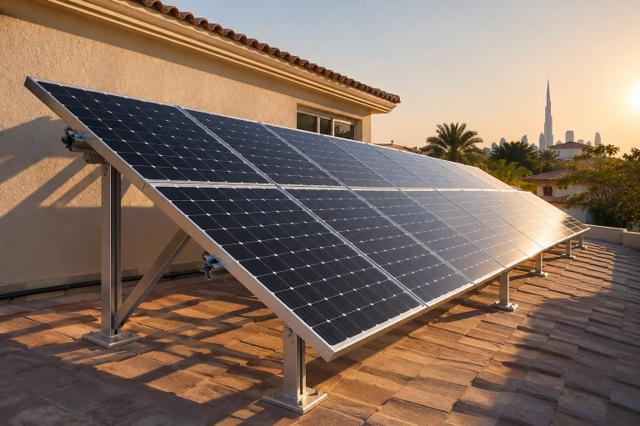
How to orient a PV array: the latitude rule of thumb, why lower tilts often win in the Gulf, and how east–west layouts trade yield for density.
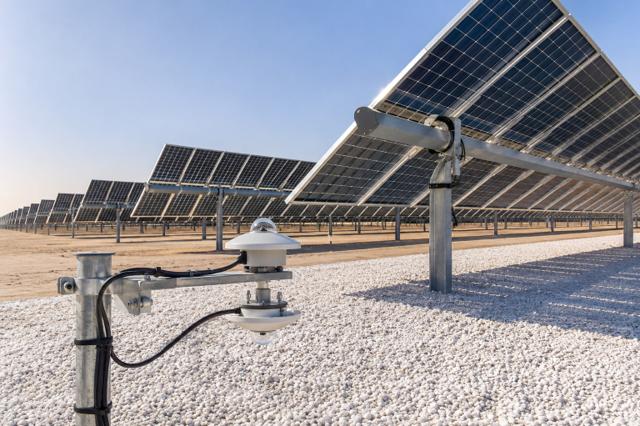
How bifacial modules harvest reflected light, what albedo values to expect on sand, gravel and white membranes, and why bifacial pairs so well with trackers.
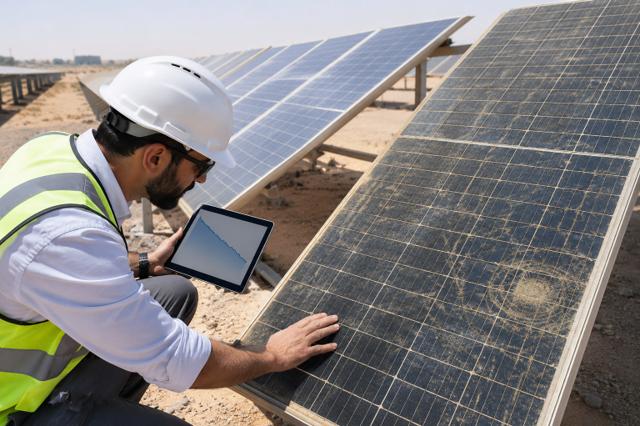
LID, LeTID and long-term power loss explained, and how to read a 12-year product / 30-year linear power warranty.
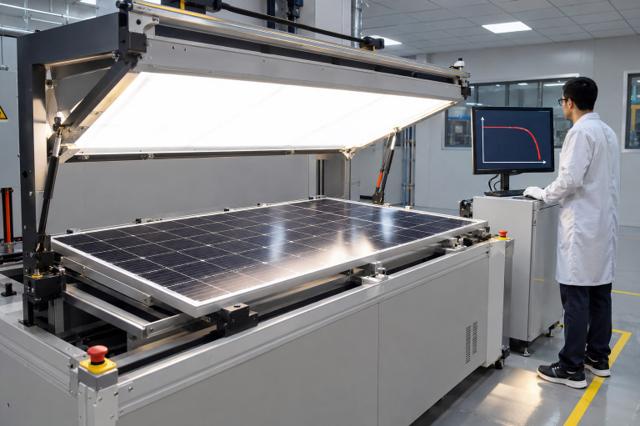
What the datasheet power really means, how temperature coefficients translate into lost watts, and why heat is the main derating factor in the desert.
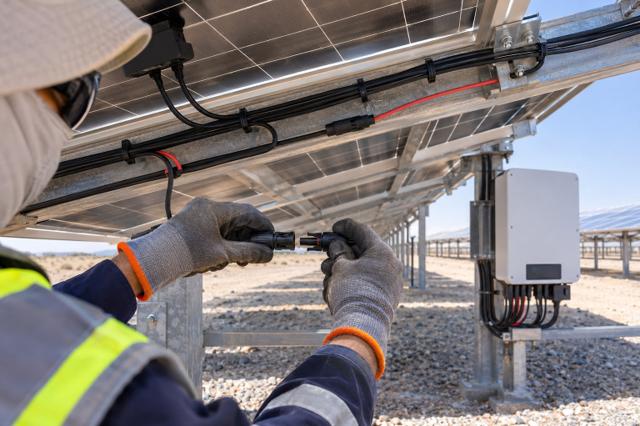
How many modules can go in one string: the cold-temperature Voc limit, the MPPT window and current limits, with a worked 1,500 V example.
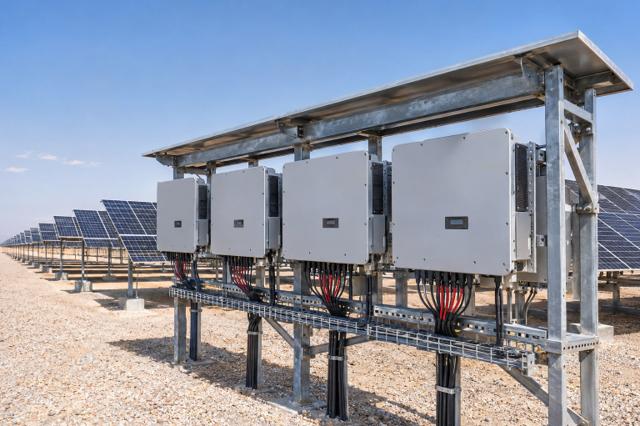
Why PV plants are built with more module power than inverter power, and how to choose a DC/AC ratio between 1.1 and 1.35 without losing too much energy to clipping.
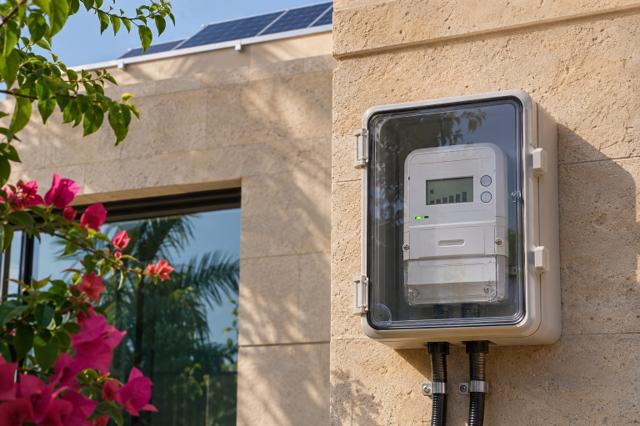
How grid-connected rooftop systems are credited for the electricity they export, and how the tariff scheme changes the right system size and the payback period.

The single number used to compare power plants: lifetime cost divided by lifetime energy, both discounted. What drives it, and why Gulf solar tariffs are among the lowest in the world.
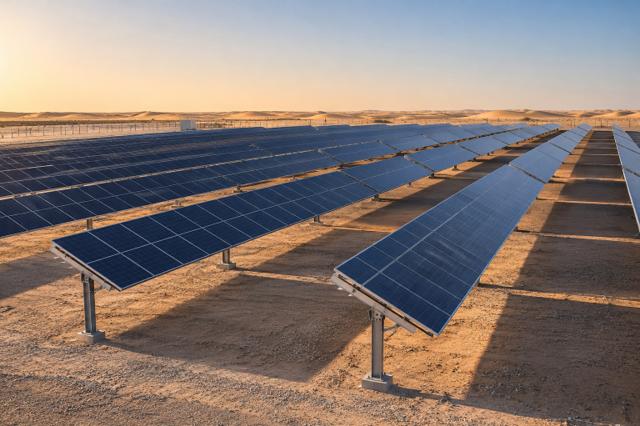
How shadows reduce PV output far more than their size suggests, how to set row pitch with the ground coverage ratio and the winter-solstice rule, and how bypass diodes and half-cut cells limit the damage.
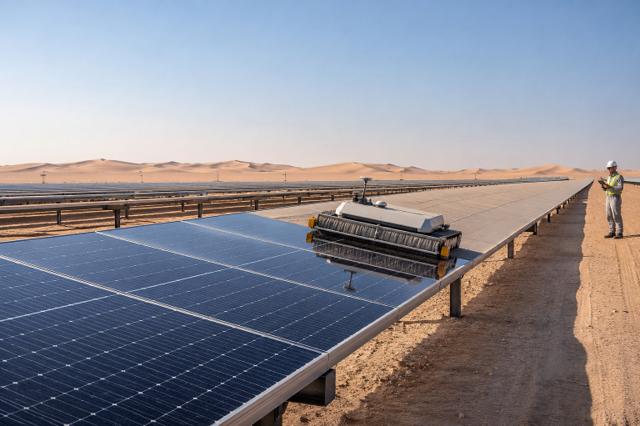
Dust and soiling are the biggest controllable loss for PV plants in the Gulf. How fast output drops, why morning dew makes it worse, and how to choose between manual washing, waterless robots and an optimized cleaning schedule.

Who pays freight and insurance, where risk passes to the buyer, and what typical payment and inspection terms look like when importing solar modules by container.

How many large-format modules fit in a 40' high-cube container (about 620 × 720 W, roughly 0.45 MWp), how pallets are packed, why 20' containers are rarely used, and how to estimate container counts for a utility project.
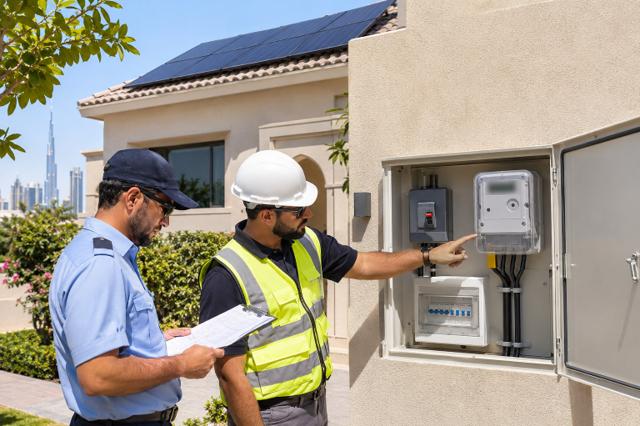
How a rooftop or carport system gets from design to an energised net meter in the UAE: enrolled consultants and contractors, NOC, design approval, inspection and metering — a practical overview, not legal advice.
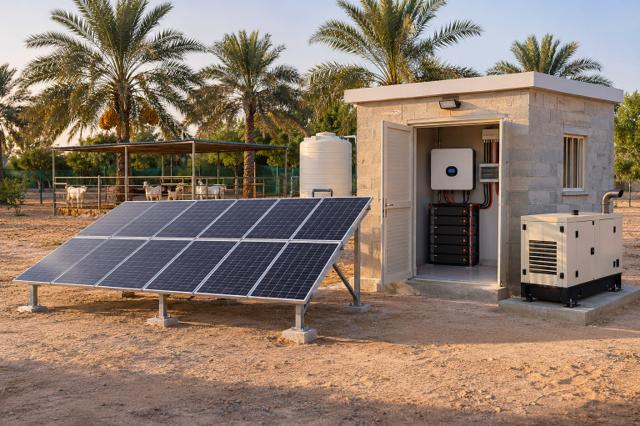
A step-by-step method for sizing a stand-alone solar system — load audit, days of autonomy, battery capacity, PV array for the worst month, inverter-charger and generator backup — with a worked example.
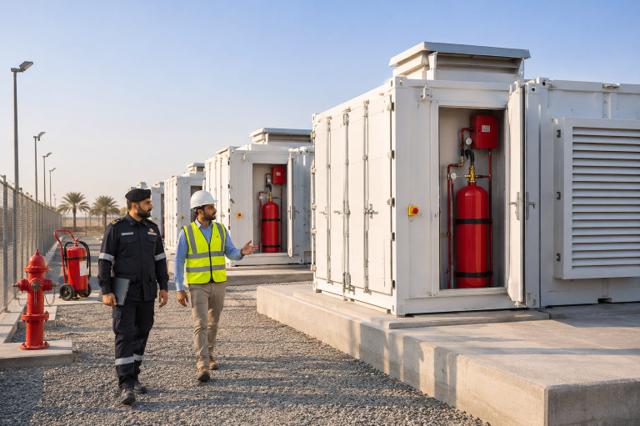
What makes lithium batteries safe or dangerous, how LFP compares with NMC, and which standards — IEC 62619, UL 9540, UL 9540A, NFPA 855 and local civil-defence rules — shape where and how storage may be installed.
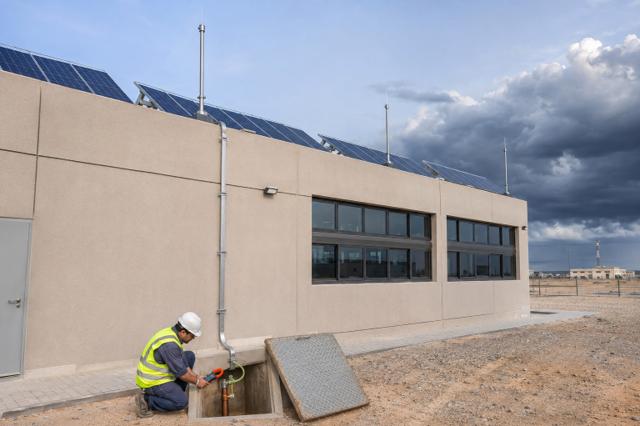
How to bond module frames and structures, when an external lightning protection system is needed, how to keep the separation distance, and where Type 1 and Type 2 surge protective devices belong — following IEC 62305 and IEC 60364-7-712.
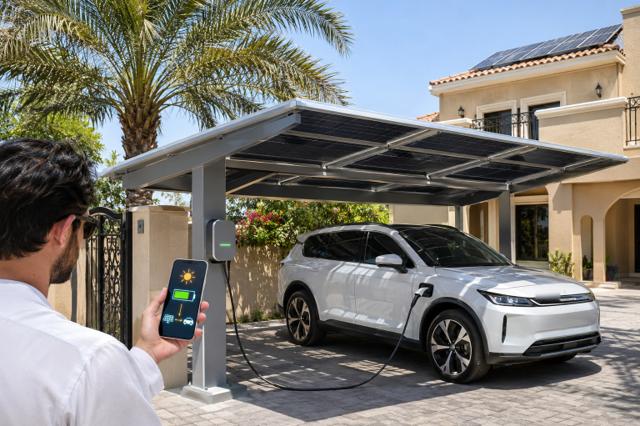
How many kWp an electric car needs, how surplus (solar-only) charging and smart scheduling work, why load balancing protects the main breaker, and what bidirectional V2H/V2G will add.
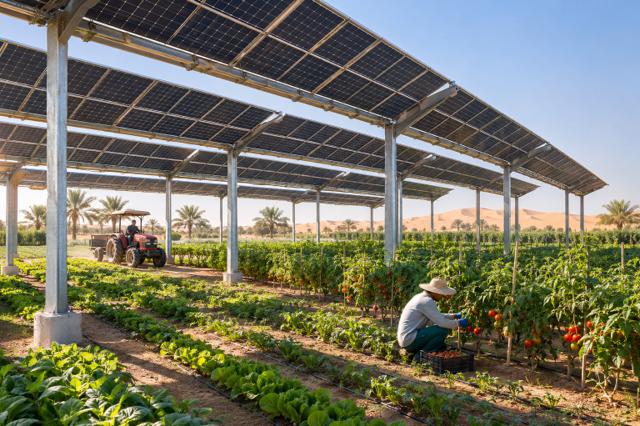
How elevated and vertical bifacial arrays let crops and modules share land, what partial shade does to yields and water use in arid climates, and how the land-equivalent ratio measures the combined benefit.
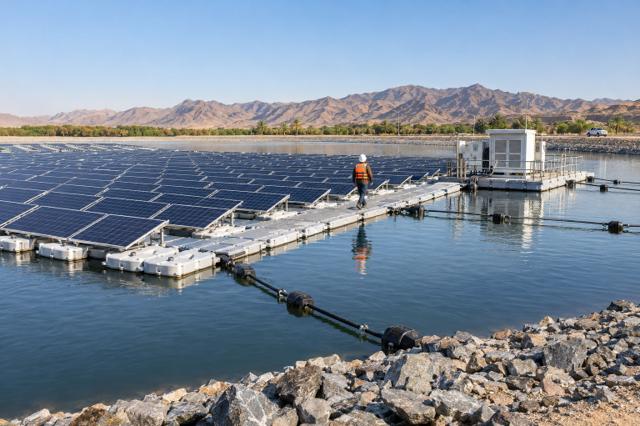
How floating PV works — HDPE floats, anchoring and mooring, the cooling gain from water, reduced evaporation — and the corrosion and electrical-safety points that decide whether a project lasts 25 years.
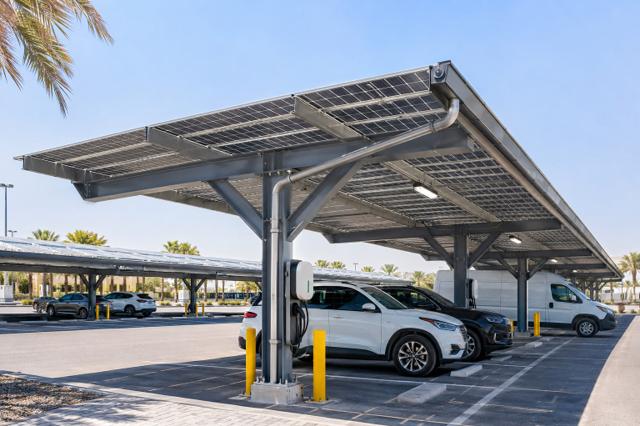
Single versus double cantilever, clearance heights, wind loads, keeping water off cars, and how to integrate EV chargers and lighting into a solar carport from the first drawing.
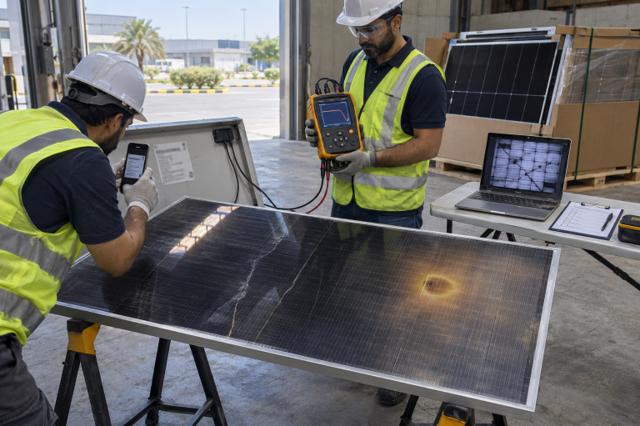
Product versus performance warranty, the evidence manufacturers ask for (IV curves, EL and thermal images, serial numbers), how replacement logistics work and what timelines to expect. General guidance, not legal advice.
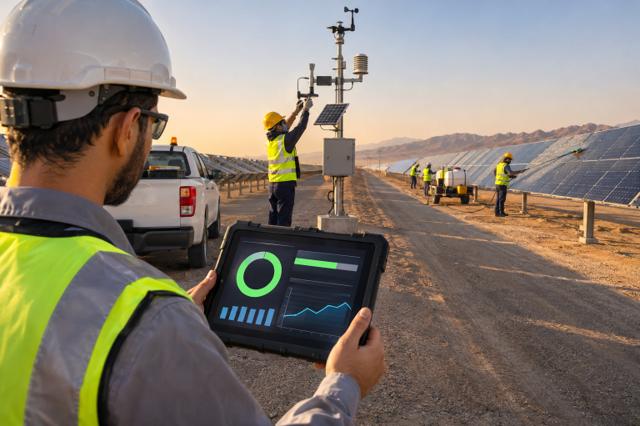
Performance ratio, temperature-corrected PR, availability, specific yield, soiling ratio and MTTR — what each KPI tells you, how it is calculated and how to turn alarms into action.

Licences and utility enrolment, references, design documents, component datasheets, warranties and the O&M offer — plus the red flags that should make you walk away.

STC and NOCT ratings, power tolerance, temperature coefficients, mechanical load ratings, certifications and the warranty fine print — what each line of a module datasheet really means.
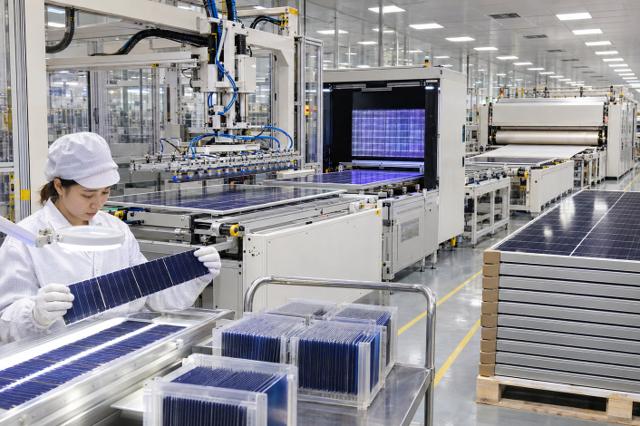
From polysilicon to a packed pallet: the main steps of ingot, wafer, cell and module production, and the materials and checks that decide quality at each stage.