Who pays freight and insurance, where risk passes to the buyer, and what typical payment and inspection terms look like when importing solar modules by container.

Incoterms® are the standard trade terms published by the International Chamber of Commerce. A three-letter code in a quotation, such as FOB Shanghai or CIF Jebel Ali, defines exactly which costs the seller pays, where the goods are handed over and at which point the risk of loss or damage passes from seller to buyer. Comparing two solar quotations is only meaningful when they use the same Incoterm and named place.
FOB (Free On Board, named port of shipment) is the most common basis for module trade out of China. The seller delivers the goods cleared for export and loaded on board the vessel nominated by the buyer at, for example, Shanghai or Ningbo. From that moment the buyer bears the risk and pays ocean freight, marine insurance, destination port charges, import duties and inland transport. FOB suits buyers who have their own freight forwarder and want to control shipping cost and schedule.
CIF (Cost, Insurance and Freight, named port of destination) means the seller also arranges and pays sea freight and minimum marine insurance to the destination port, for example CIF Jebel Ali. Note that under CIF the risk still passes to the buyer when the goods are loaded at origin; the seller’s insurance covers the transit, but the buyer handles any claim. EXW (Ex Works) is the opposite extreme: the buyer collects the goods at the factory and handles everything, including export clearance. DAP (Delivered At Place) puts almost all logistics on the seller up to a named destination such as the project site, with the buyer paying import duties and unloading.
Typical commercial terms for container orders of modules are a 30 % advance payment with the purchase order and the 70 % balance before loading, shipped FOB Shanghai, with CIF available on request. Many buyers add a pre-shipment inspection (PSI) by an independent agency such as SGS, Bureau Veritas or TÜV, usually at the buyer’s cost: inspectors check quantities, labels, flash-test data, visual defects and sometimes electroluminescence images before the containers are sealed.
Whatever the Incoterm, confirm in the contract the exact module model and power class, power tolerance, packing list, HS code (8541.43 for assembled PV modules), the documents to be provided (commercial invoice, packing list, bill of lading, certificate of origin, insurance certificate for CIF) and the expected loading date. All prices on this site are indicative and quoted in US dollars; the final Incoterm, freight and validity are confirmed in a formal quotation.
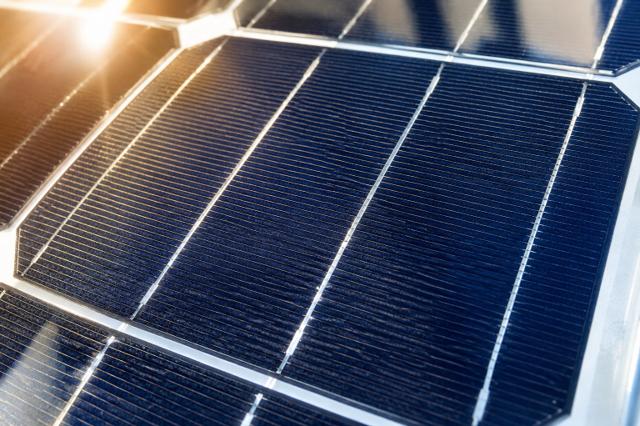
From photon to kilowatt-hour: the physics of a solar cell and the path of energy through a complete PV system.
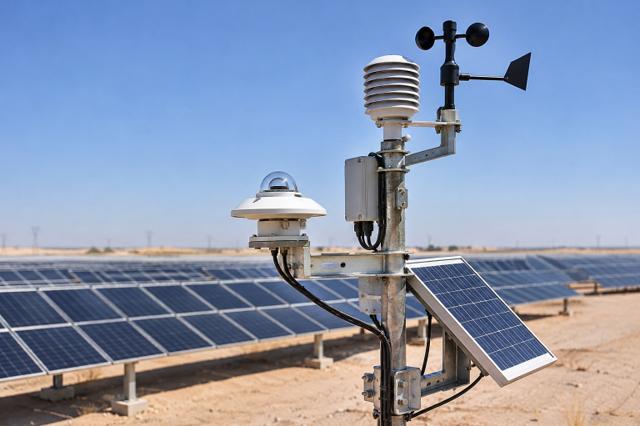
GHI, DNI and DHI explained, how sun position changes through the day and year, and why the Gulf is one of the world's best solar resources.
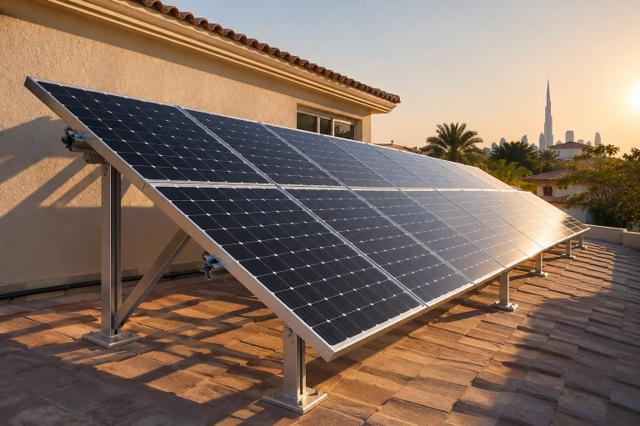
How to orient a PV array: the latitude rule of thumb, why lower tilts often win in the Gulf, and how east–west layouts trade yield for density.
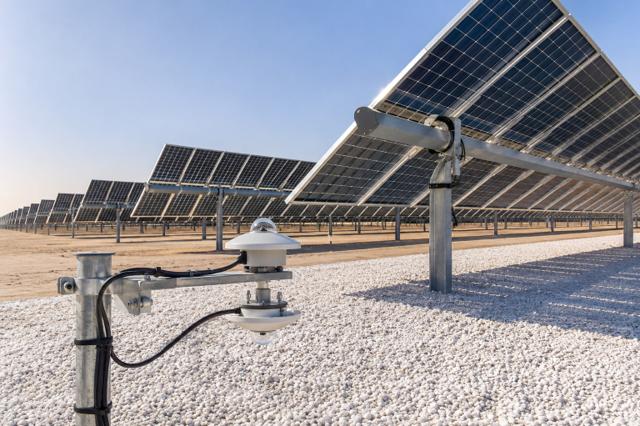
How bifacial modules harvest reflected light, what albedo values to expect on sand, gravel and white membranes, and why bifacial pairs so well with trackers.
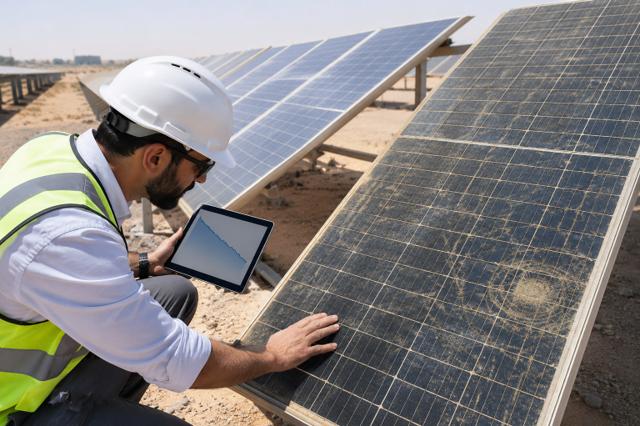
LID, LeTID and long-term power loss explained, and how to read a 12-year product / 30-year linear power warranty.
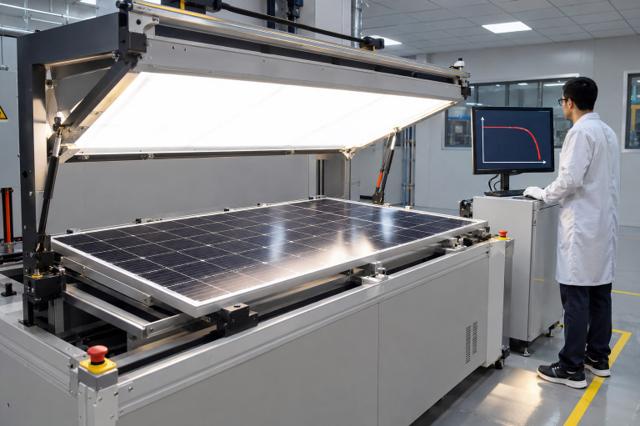
What the datasheet power really means, how temperature coefficients translate into lost watts, and why heat is the main derating factor in the desert.
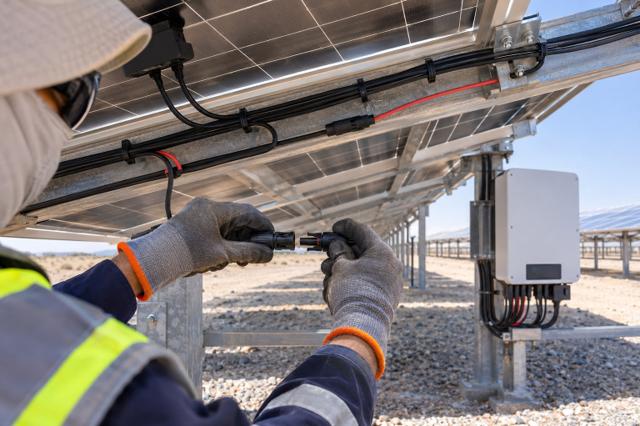
How many modules can go in one string: the cold-temperature Voc limit, the MPPT window and current limits, with a worked 1,500 V example.
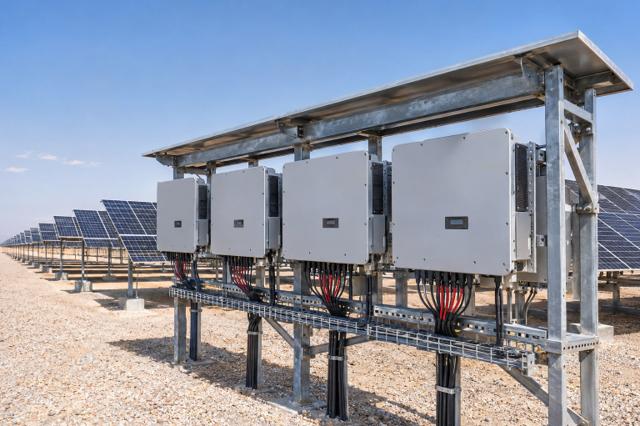
Why PV plants are built with more module power than inverter power, and how to choose a DC/AC ratio between 1.1 and 1.35 without losing too much energy to clipping.
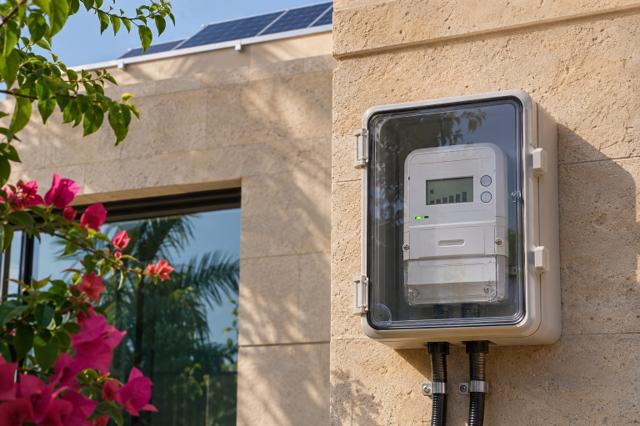
How grid-connected rooftop systems are credited for the electricity they export, and how the tariff scheme changes the right system size and the payback period.
The single number used to compare power plants: lifetime cost divided by lifetime energy, both discounted. What drives it, and why Gulf solar tariffs are among the lowest in the world.
