How grid-connected rooftop systems are credited for the electricity they export, and how the tariff scheme changes the right system size and the payback period.
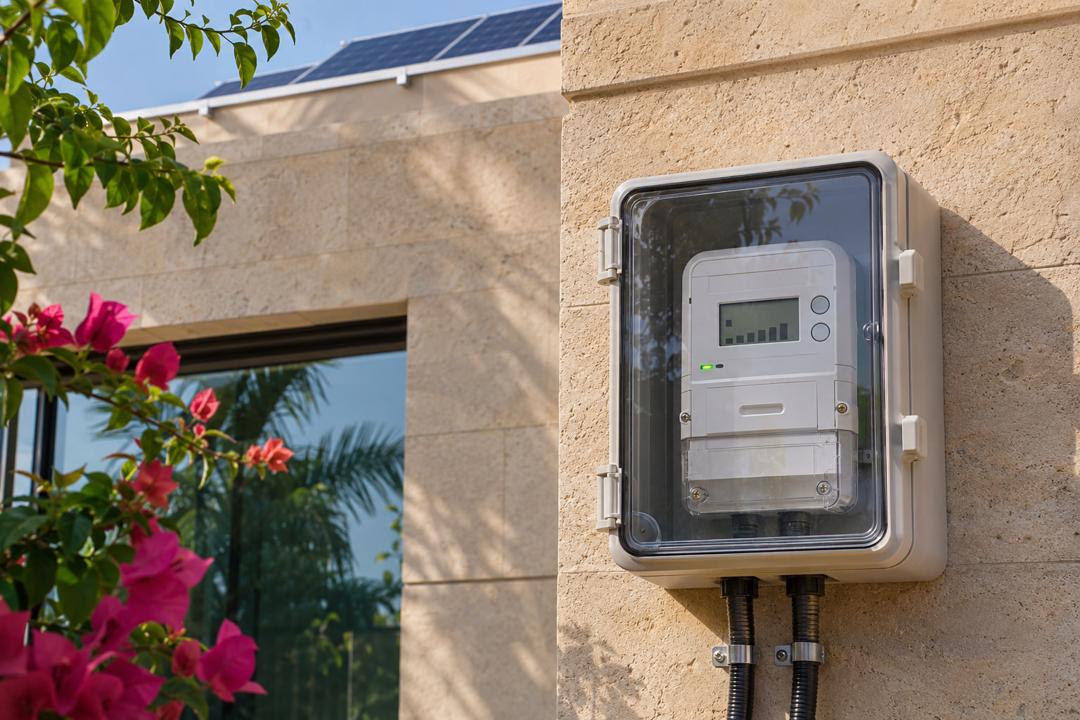
A grid-connected solar system does not consume all of its output at the moment it is produced. Around midday a home or a warehouse often generates more than it uses, and the surplus flows back into the grid through a bidirectional meter. How that exported energy is valued is defined by the utility’s scheme, and it is one of the most important inputs to any financial model.
Under classic net metering the meter effectively runs backwards: every kWh exported offsets one kWh imported at the full retail tariff, usually netted over a billing period, with surplus credits rolled forward to later months. This makes the grid act like a free battery. Dubai’s Shams program, run by the local utility, is a well-known example in the region: customers install rooftop PV, export surplus generation and receive credits that are offset against future consumption. Other GCC utilities operate their own distributed-generation rules, with differing size caps, approval steps and settlement periods.
Net billing values imports and exports separately. Imported energy is charged at the retail rate, while exported energy is credited at a lower rate, often linked to the utility’s avoided cost or a wholesale price. Under pure self-consumption schemes exports are not paid at all, or are physically blocked by an export-limiting controller. In these cases every kWh used on site is worth far more than a kWh sent to the grid.
The scheme drives the design. With true net metering it makes sense to size the array close to annual consumption, within the utility’s cap (often linked to the connection capacity). With net billing or zero export, the economic optimum is a smaller array matched to daytime load, possibly combined with battery storage, smart load shifting (cooling, water pumping, EV charging) or an export limiter. In the Gulf, where air-conditioning load peaks at the same hours as solar generation, self-consumption ratios are naturally high, which keeps paybacks attractive even when export credits are modest.
Before sizing a system, check the current regulations with the local utility: eligibility, maximum capacity, approved equipment lists (inverters usually need local grid-code certification), metering arrangements and how credits are settled at the end of the year. Rules change, and the latest published version always takes precedence over any general guide.

From photon to kilowatt-hour: the physics of a solar cell and the path of energy through a complete PV system.
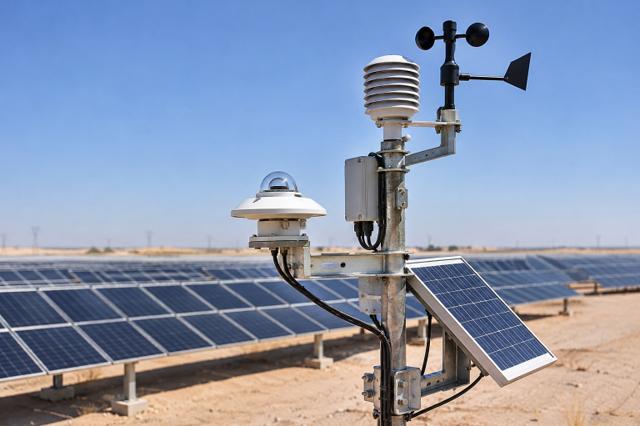
GHI, DNI and DHI explained, how sun position changes through the day and year, and why the Gulf is one of the world's best solar resources.
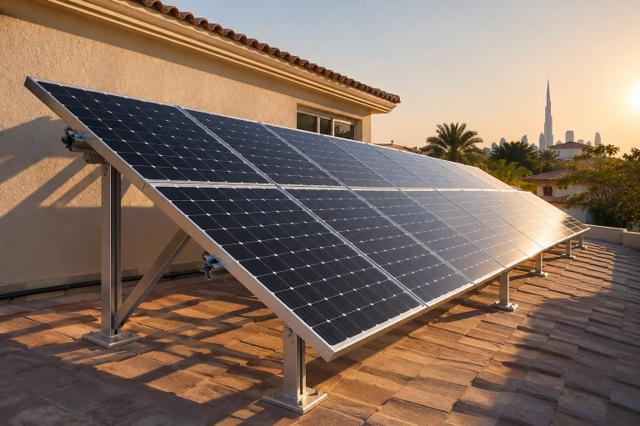
How to orient a PV array: the latitude rule of thumb, why lower tilts often win in the Gulf, and how east–west layouts trade yield for density.
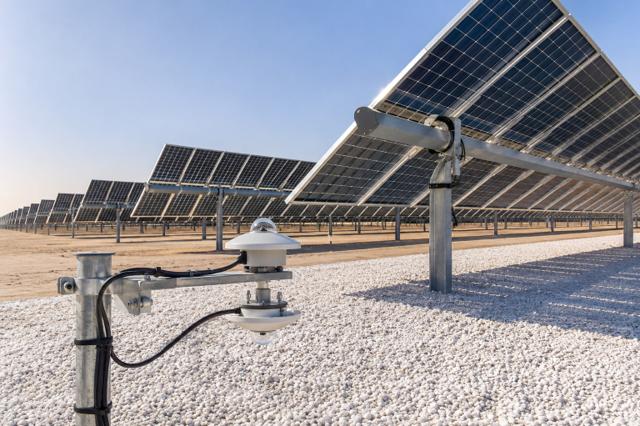
How bifacial modules harvest reflected light, what albedo values to expect on sand, gravel and white membranes, and why bifacial pairs so well with trackers.
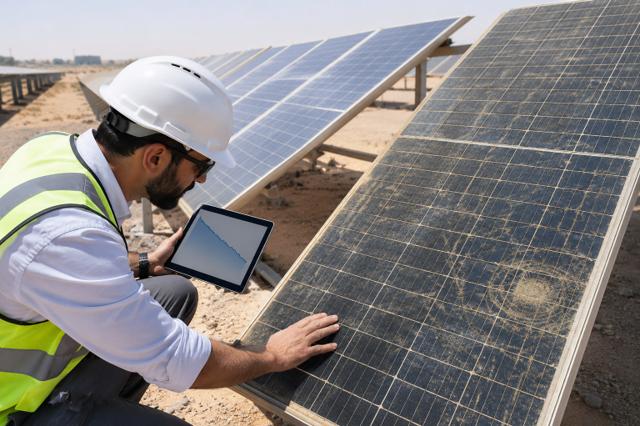
LID, LeTID and long-term power loss explained, and how to read a 12-year product / 30-year linear power warranty.
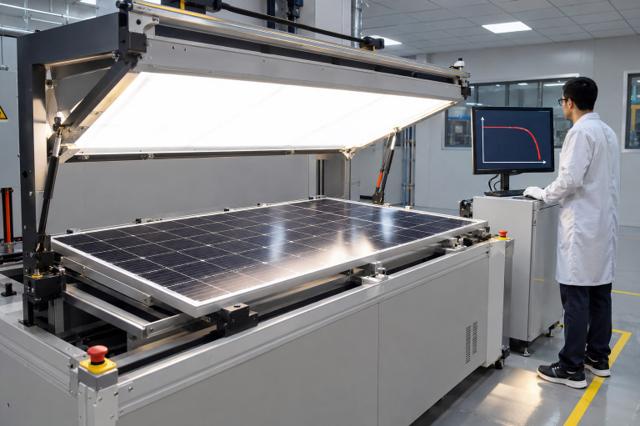
What the datasheet power really means, how temperature coefficients translate into lost watts, and why heat is the main derating factor in the desert.
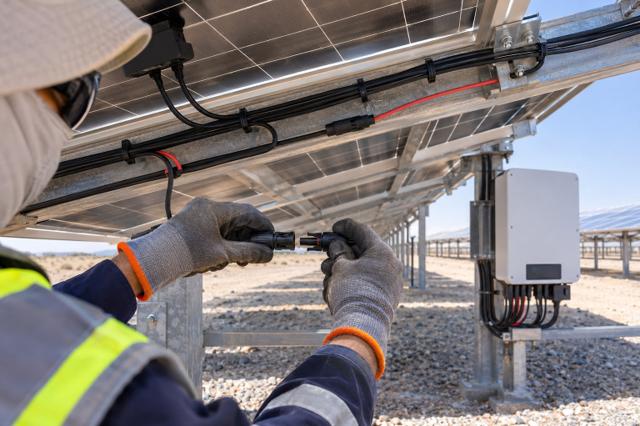
How many modules can go in one string: the cold-temperature Voc limit, the MPPT window and current limits, with a worked 1,500 V example.
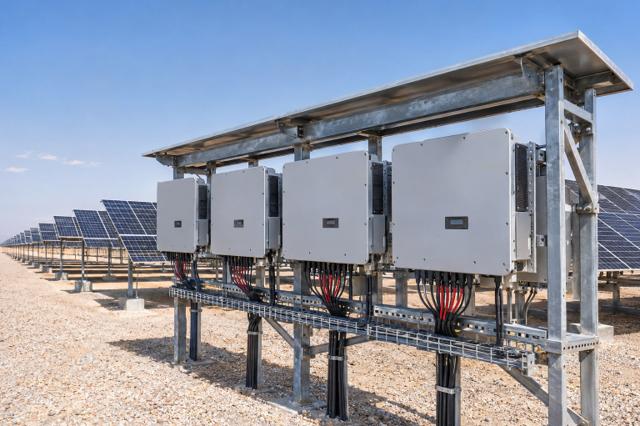
Why PV plants are built with more module power than inverter power, and how to choose a DC/AC ratio between 1.1 and 1.35 without losing too much energy to clipping.

The single number used to compare power plants: lifetime cost divided by lifetime energy, both discounted. What drives it, and why Gulf solar tariffs are among the lowest in the world.
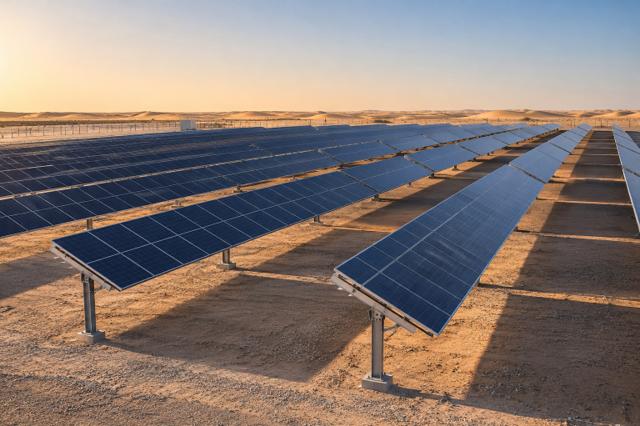
How shadows reduce PV output far more than their size suggests, how to set row pitch with the ground coverage ratio and the winter-solstice rule, and how bypass diodes and half-cut cells limit the damage.
