Why PV plants are built with more module power than inverter power, and how to choose a DC/AC ratio between 1.1 and 1.35 without losing too much energy to clipping.
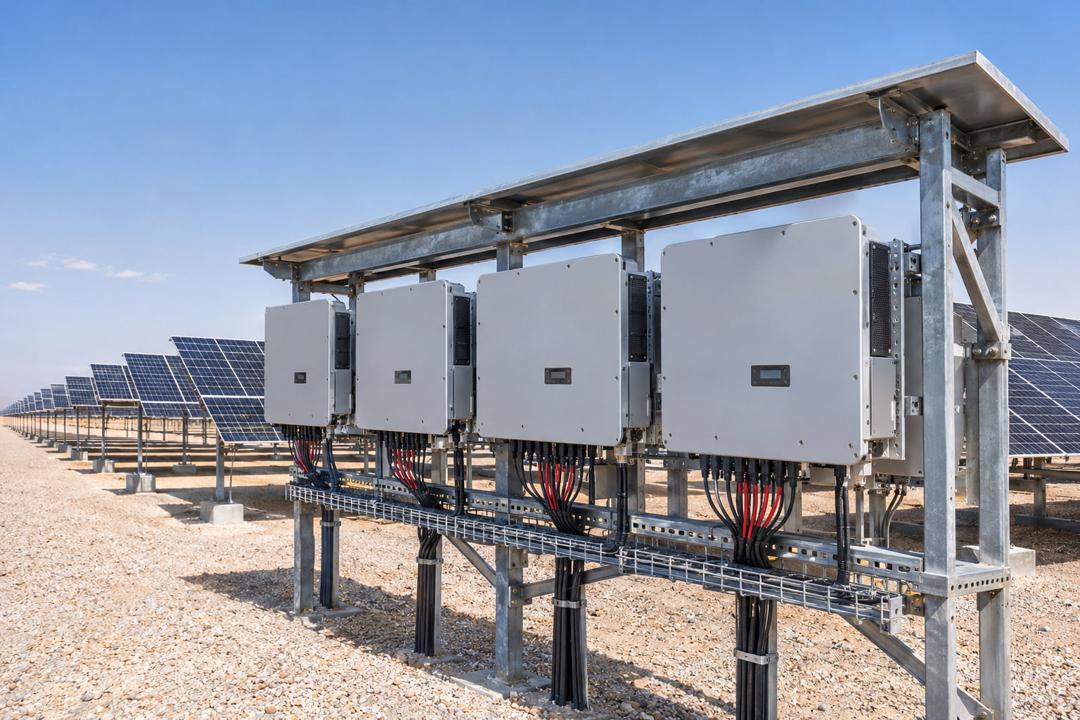
The inverter loading ratio (ILR), also called the DC/AC ratio, is the installed module power at standard test conditions (kWp) divided by the rated AC output of the inverter (kW). A 1,200 kWp array connected to 1,000 kW of inverters has an ILR of 1.2. Because modules rarely deliver their full nameplate power in the field (heat, soiling, wiring losses, irradiance below 1,000 W/m² and the sun angle all reduce output), an inverter sized exactly to the DC nameplate would spend most of its life running well below its rating.
Oversizing the DC side makes better use of the inverter, which is an expensive and capacity-limited component. In the morning, the evening and on hazy days, the larger array pushes the inverter closer to its sweet spot, raising energy yield per kW of AC capacity. Typical design values are 1.10–1.25 for hot, high-irradiance sites such as the Gulf, 1.25–1.35 for temperate climates, and up to 1.4–1.5 for single-axis trackers or plants with DC-coupled storage.
The price of oversizing is clipping: on clear midday hours the array can produce more DC power than the inverter can convert, and the inverter limits its output by shifting the operating point away from maximum power. The energy above the AC limit is lost. A well-chosen ratio keeps annual clipping losses at roughly 0.5–3 %, which is more than paid back by the extra morning and evening yield and the lower inverter cost per kWh.
Bifacial modules deserve special attention: rear-side gain of 5–15 % increases the effective DC power, so a bifacial plant designed with the same ILR as a monofacial one clips more often. Designers therefore model the ratio with hourly simulation software (PVsyst, SAM or similar), using local irradiance and temperature data, and also check that the string voltage and current stay within the inverter’s MPPT and maximum input limits.
As a rule of thumb, choose the ILR that minimizes levelized cost of energy rather than the one that maximizes kWh per kWp. In grid-connected projects the grid connection capacity (export limit) is often the real constraint, and a higher ILR is the cheapest way to fill that capacity for more hours of the day.

From photon to kilowatt-hour: the physics of a solar cell and the path of energy through a complete PV system.
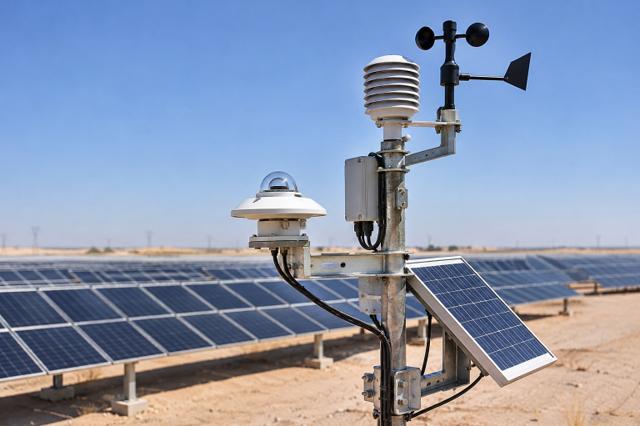
GHI, DNI and DHI explained, how sun position changes through the day and year, and why the Gulf is one of the world's best solar resources.
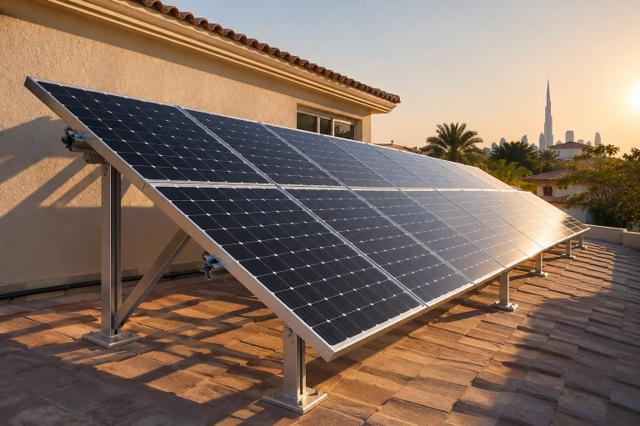
How to orient a PV array: the latitude rule of thumb, why lower tilts often win in the Gulf, and how east–west layouts trade yield for density.
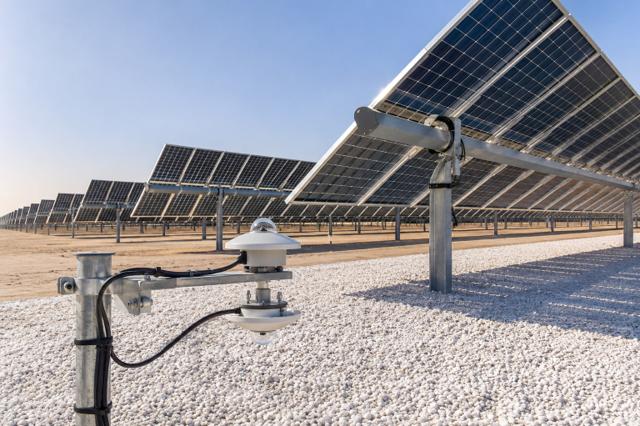
How bifacial modules harvest reflected light, what albedo values to expect on sand, gravel and white membranes, and why bifacial pairs so well with trackers.

LID, LeTID and long-term power loss explained, and how to read a 12-year product / 30-year linear power warranty.
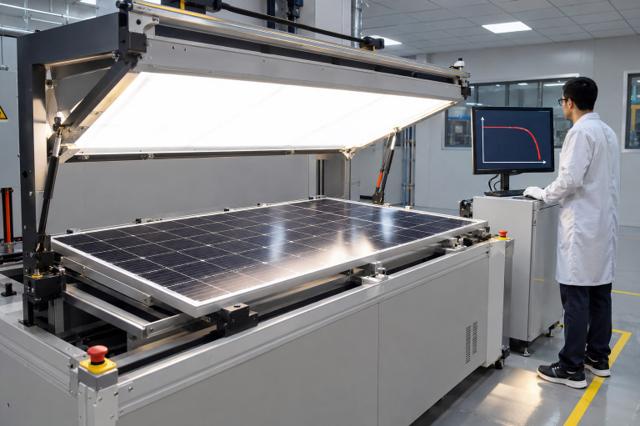
What the datasheet power really means, how temperature coefficients translate into lost watts, and why heat is the main derating factor in the desert.
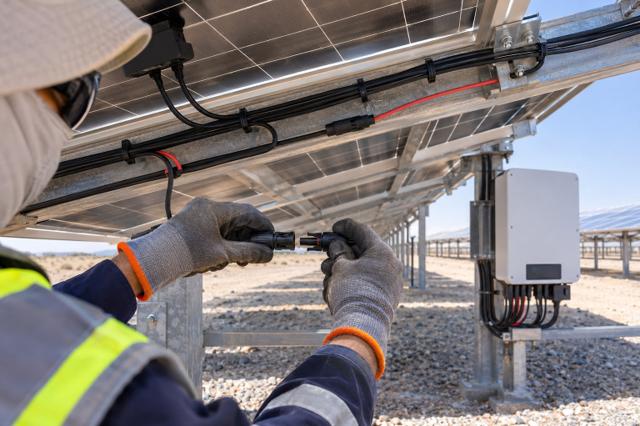
How many modules can go in one string: the cold-temperature Voc limit, the MPPT window and current limits, with a worked 1,500 V example.
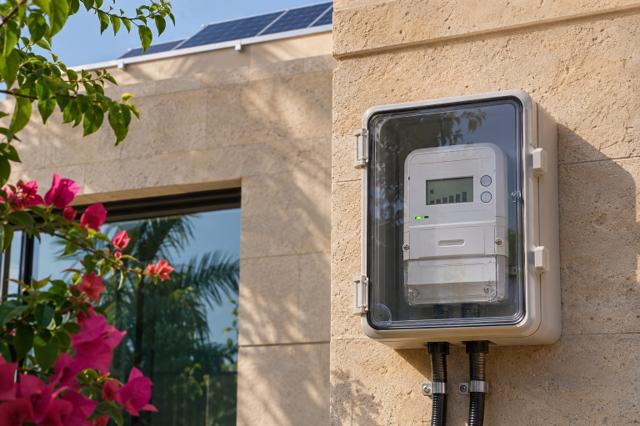
How grid-connected rooftop systems are credited for the electricity they export, and how the tariff scheme changes the right system size and the payback period.

The single number used to compare power plants: lifetime cost divided by lifetime energy, both discounted. What drives it, and why Gulf solar tariffs are among the lowest in the world.
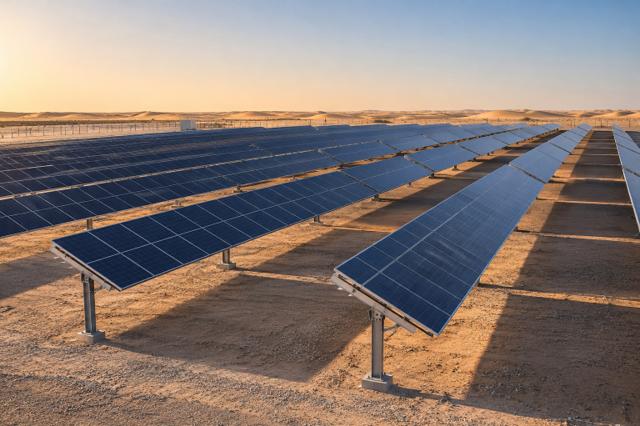
How shadows reduce PV output far more than their size suggests, how to set row pitch with the ground coverage ratio and the winter-solstice rule, and how bypass diodes and half-cut cells limit the damage.
