A step-by-step method for sizing a stand-alone solar system — load audit, days of autonomy, battery capacity, PV array for the worst month, inverter-charger and generator backup — with a worked example.
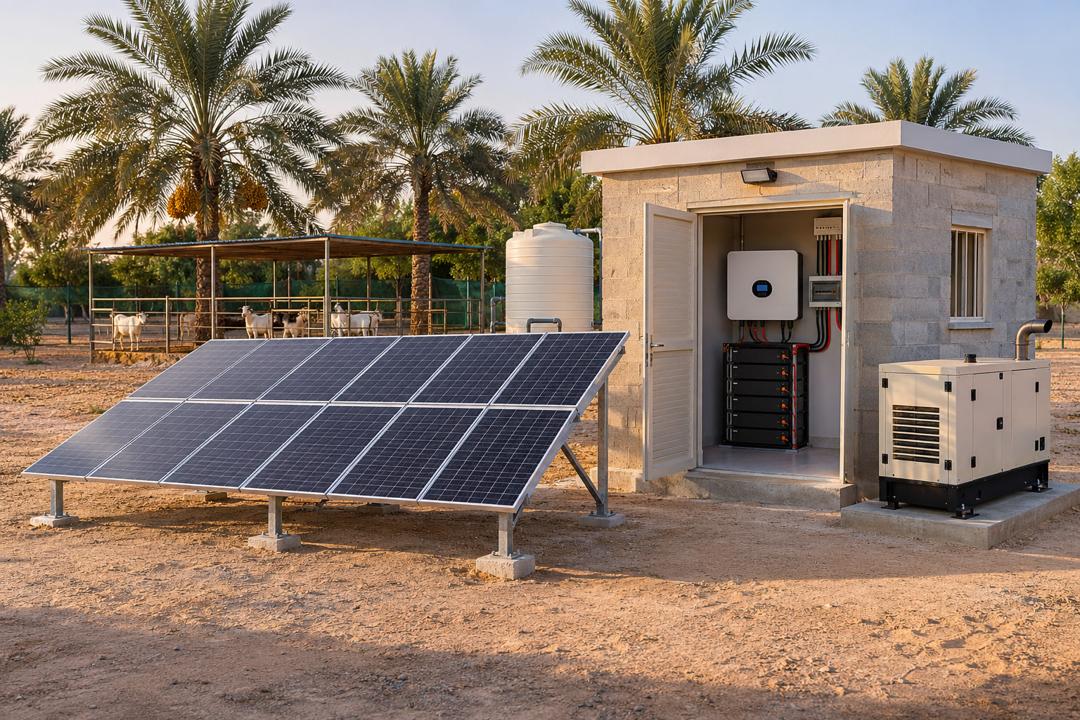
An off-grid system has no grid to fall back on, so every kilowatt-hour consumed must be produced by the array or drawn from the battery. Design therefore starts with the load, not with the panels. List every appliance with its power rating, hours of use per day and whether it starts with a surge (pumps, compressors, power tools). Multiply power by hours to get watt-hours per day and add them up. A small desert cabin with LED lighting, a fridge, fans, a router and a water pump might need 4–5 kWh per day; a remote telecom site or farm can need 20–100 kWh. This is the single most important number in the design, and cutting it — efficient appliances, DC loads, shifting pumping into daylight — is always cheaper than adding hardware.
Next decide the days of autonomy: how many days the battery must carry the load without meaningful solar input. In the sunny Gulf, one to two days is usually enough; cloudy or high-latitude sites use three to five. Battery capacity is then daily energy × autonomy ÷ (usable depth of discharge × round-trip efficiency). With LFP batteries (80–90 % usable, about 95 % efficient), a 5 kWh/day load with 1.5 days of autonomy needs about 5 × 1.5 ÷ (0.85 × 0.95) ≈ 9.3 kWh. Lead-acid or lead-carbon batteries should be cycled to only 50 % depth of discharge, roughly doubling the nominal capacity required. Choose the system voltage from the power level: 12 V for loads under about 1 kW, 24 V up to about 3 kW, 48 V above that.
Size the array for the worst month, not the annual average. Take the lowest monthly peak-sun-hours value on your chosen tilt (PVGIS or NASA POWER data — in the UAE about 5 kWh/m²/day in December at a steep winter-biased tilt), and divide the daily load by peak sun hours × a system performance factor of about 0.7, which covers heat, dust, wiring, charge-controller and battery losses. For 5 kWh/day: 5 ÷ (5 × 0.7) ≈ 1.45 kWp, rounded up to perhaps 1.6–2 kWp so the battery also recovers after cloudy days. Off-grid arrays are usually tilted more steeply than grid-tied ones to favour winter production.
The inverter-charger must deliver the highest simultaneous load continuously and the surge of the largest motor for a few seconds (often three to five times its running power). Hybrid off-grid units combine an MPPT charge controller, a pure-sine inverter and a battery charger with a generator input. Check that the MPPT input voltage window fits your string, and that the charge current suits the battery bank (typically 0.2–0.5 C for LFP).
Finally, plan for the exception. A small diesel or petrol generator, started automatically by the inverter when the battery reaches a low state of charge, covers long sandstorms, extra guests or equipment failures and lets you avoid oversizing both battery and array for rare events. Add DC fuses at the battery, a DC isolator for the array, surge protection and a battery monitor (shunt) that shows real state of charge, and the system will run for years with little more than cleaning and an annual check.

From photon to kilowatt-hour: the physics of a solar cell and the path of energy through a complete PV system.
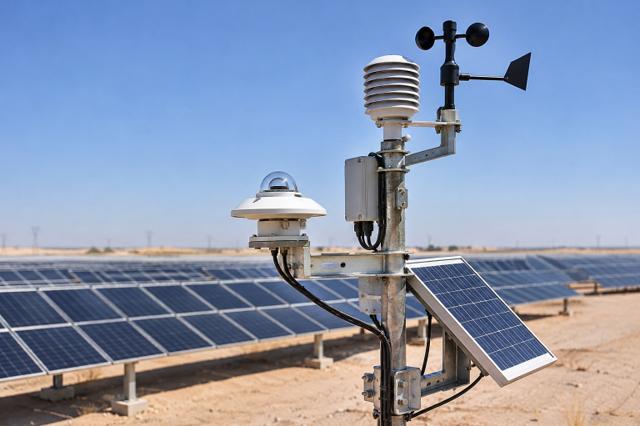
GHI, DNI and DHI explained, how sun position changes through the day and year, and why the Gulf is one of the world's best solar resources.
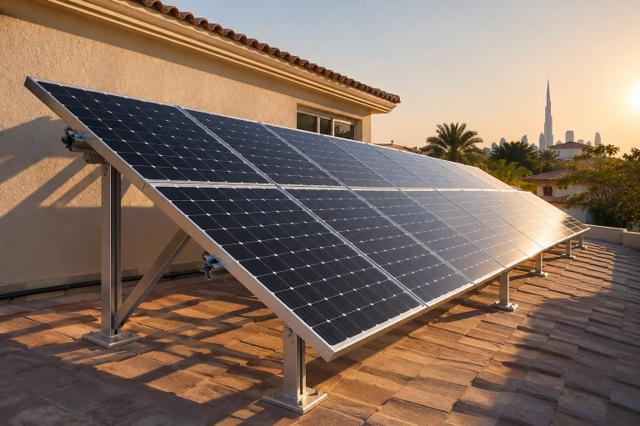
How to orient a PV array: the latitude rule of thumb, why lower tilts often win in the Gulf, and how east–west layouts trade yield for density.
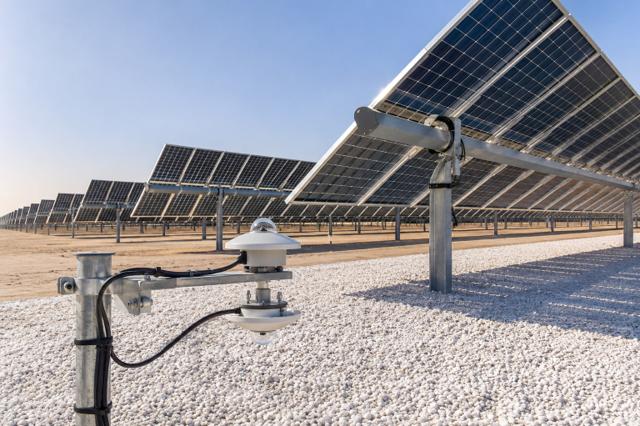
How bifacial modules harvest reflected light, what albedo values to expect on sand, gravel and white membranes, and why bifacial pairs so well with trackers.
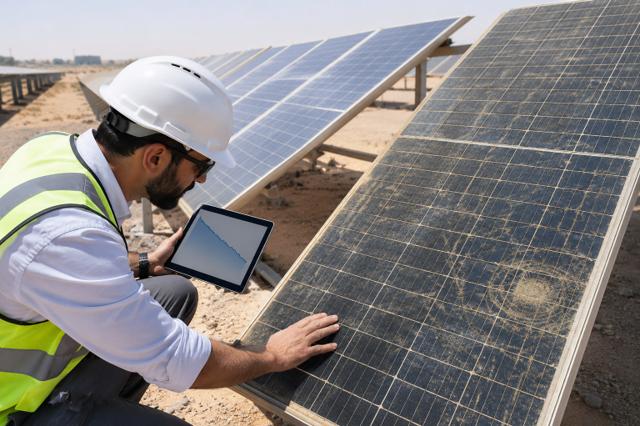
LID, LeTID and long-term power loss explained, and how to read a 12-year product / 30-year linear power warranty.
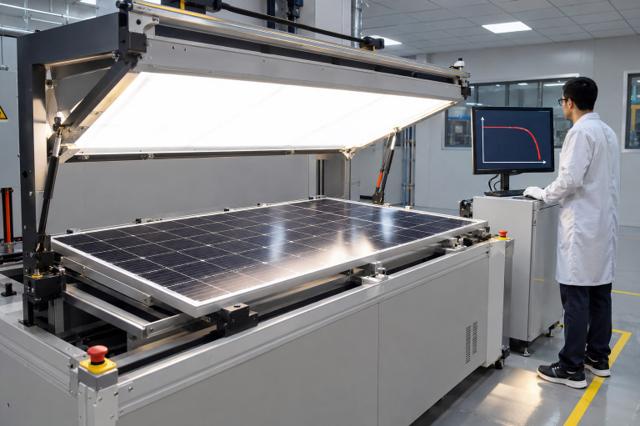
What the datasheet power really means, how temperature coefficients translate into lost watts, and why heat is the main derating factor in the desert.
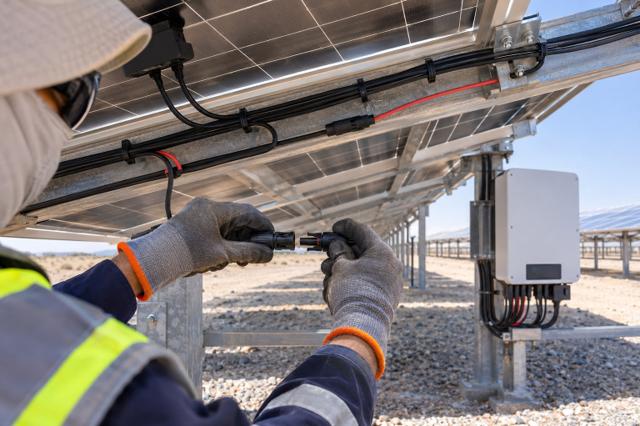
How many modules can go in one string: the cold-temperature Voc limit, the MPPT window and current limits, with a worked 1,500 V example.
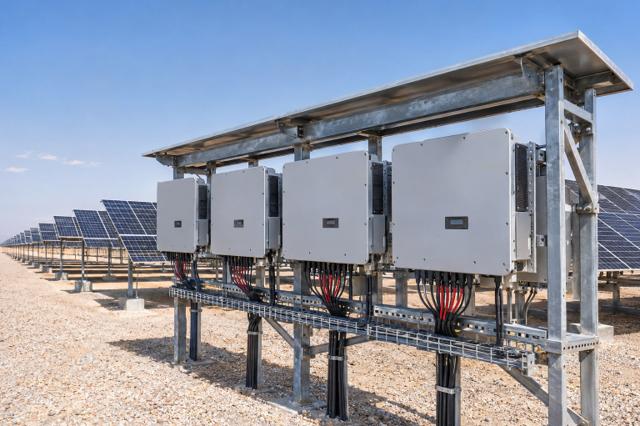
Why PV plants are built with more module power than inverter power, and how to choose a DC/AC ratio between 1.1 and 1.35 without losing too much energy to clipping.
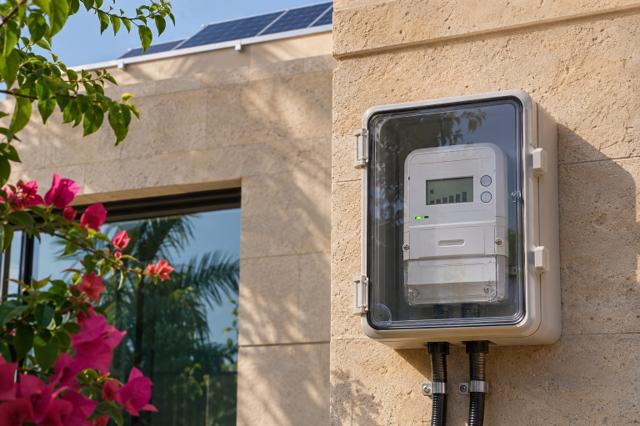
How grid-connected rooftop systems are credited for the electricity they export, and how the tariff scheme changes the right system size and the payback period.

The single number used to compare power plants: lifetime cost divided by lifetime energy, both discounted. What drives it, and why Gulf solar tariffs are among the lowest in the world.
