Product versus performance warranty, the evidence manufacturers ask for (IV curves, EL and thermal images, serial numbers), how replacement logistics work and what timelines to expect. General guidance, not legal advice.
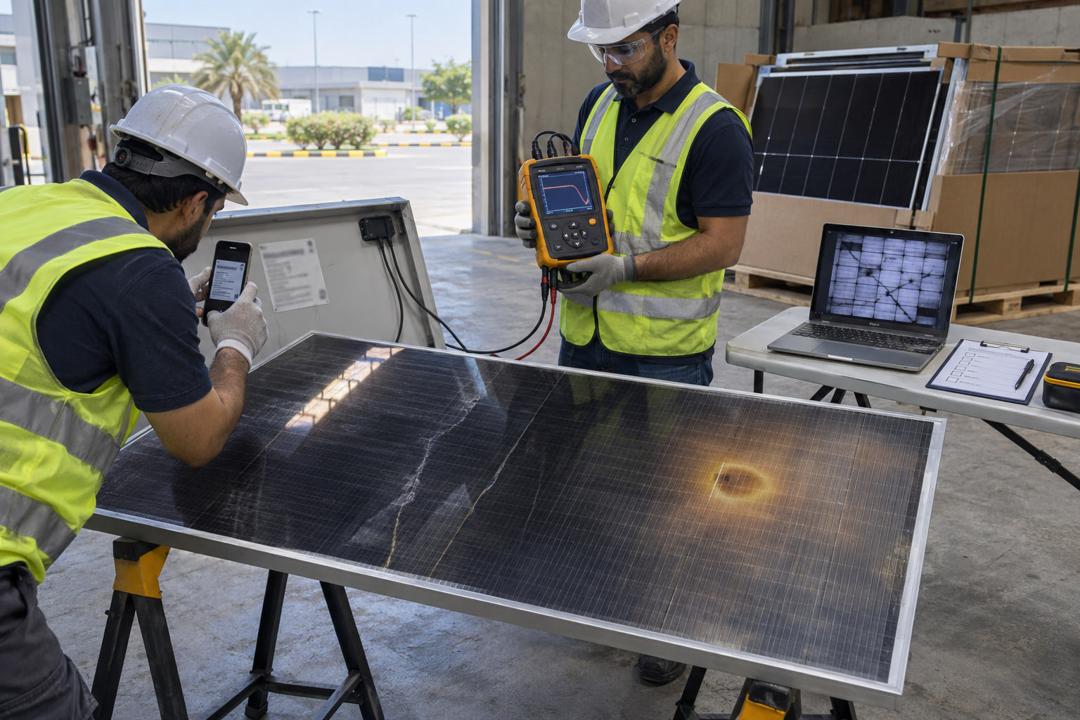
Most solar equipment carries two kinds of warranty. The product (materials and workmanship) warranty covers defects such as delamination, broken junction boxes, failed bypass diodes, frame or glass defects and, for inverters and batteries, hardware failures; for modules it typically runs 12–25 years, for inverters 5–10 years (often extendable) and for batteries around 10 years with a throughput or capacity condition. The performance (power) warranty applies to modules only: it guarantees that output measured at STC stays above a stated curve, for example ≥ 98–99 % in year one, then a fixed annual decline down to about 85–89 % at year 25 or 30.
Exclusions are as important as the terms. Damage from transport, improper installation (wrong clamping zones, drilled frames, mismatched connectors), lightning, flood, fire, soiling, shading or unapproved modifications is generally not covered. Using a different brand of connector mated to the module's own connector is a classic reason for rejection. Keep the installation manual requirements, commissioning records and photos — they are your first line of defence.
A claim is only as good as its evidence. Manufacturers usually ask for the serial numbers and purchase invoice, photos of the label and the defect, the system layout showing affected positions, and measurements. For power claims this means IV-curve traces corrected to STC with irradiance and module temperature recorded, ideally on several modules including reference ones; a large shortfall measured on site is usually confirmed by laboratory flash testing. Electroluminescence (EL) images reveal cracks, broken fingers and inactive cells; infrared (thermal) images show hot spots and diode faults. Inverter claims rely on fault codes, event logs and monitoring data.
The typical process: notify the seller or manufacturer in writing within the period the warranty states, submit the evidence package, wait for a technical assessment (from a few days for an inverter to several weeks for a module power claim), possibly accept a site inspection or the return of sample units, and then receive a remedy — repair, replacement, supply of an equivalent product, or a pro-rated compensation, depending on the terms. Labour, scaffolding, shipping and customs are often not included, so check who pays for them before signing a supply contract.
Practical tips: register the products where the manufacturer offers registration, archive datasheets, warranty certificates and flash reports for the plant's life, specify in the purchase contract which party handles claims, and choose equipment whose warrantor has a real presence in your market. This article is general information; for disputes or contract wording, consult a qualified legal adviser.
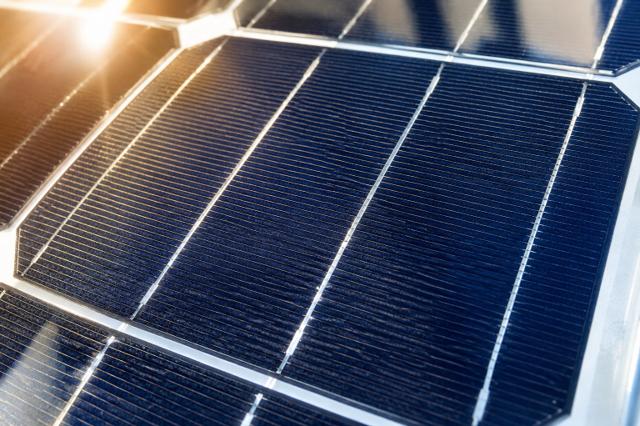
From photon to kilowatt-hour: the physics of a solar cell and the path of energy through a complete PV system.
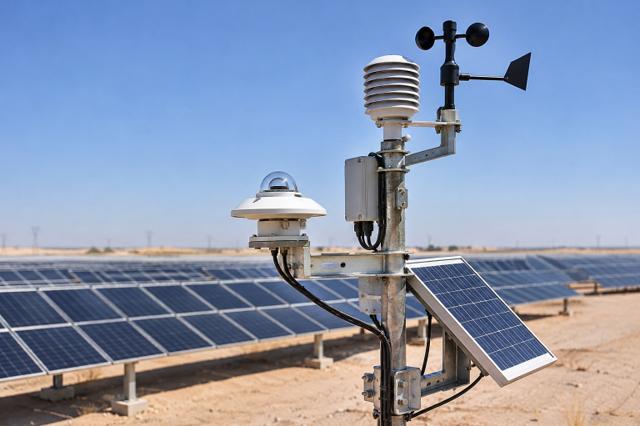
GHI, DNI and DHI explained, how sun position changes through the day and year, and why the Gulf is one of the world's best solar resources.
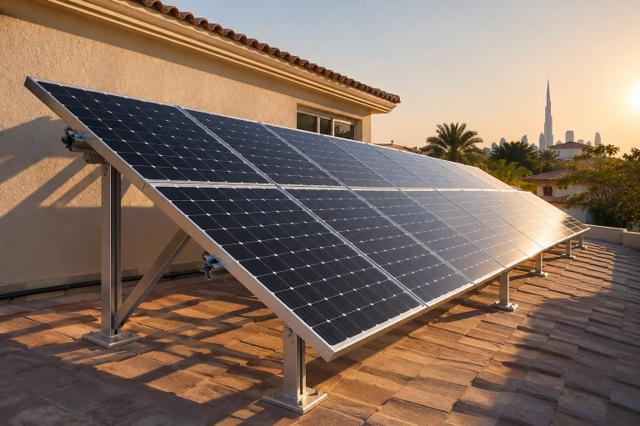
How to orient a PV array: the latitude rule of thumb, why lower tilts often win in the Gulf, and how east–west layouts trade yield for density.
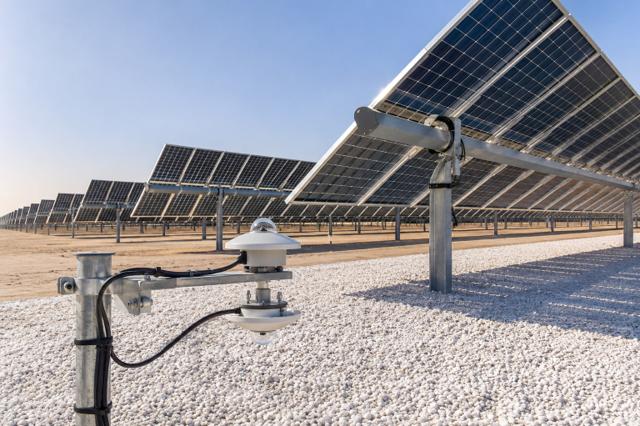
How bifacial modules harvest reflected light, what albedo values to expect on sand, gravel and white membranes, and why bifacial pairs so well with trackers.
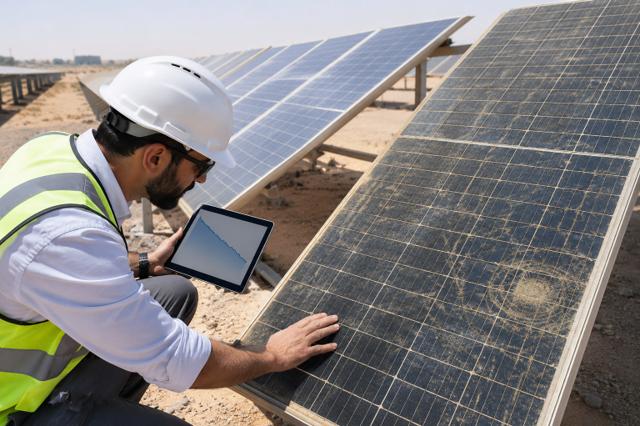
LID, LeTID and long-term power loss explained, and how to read a 12-year product / 30-year linear power warranty.
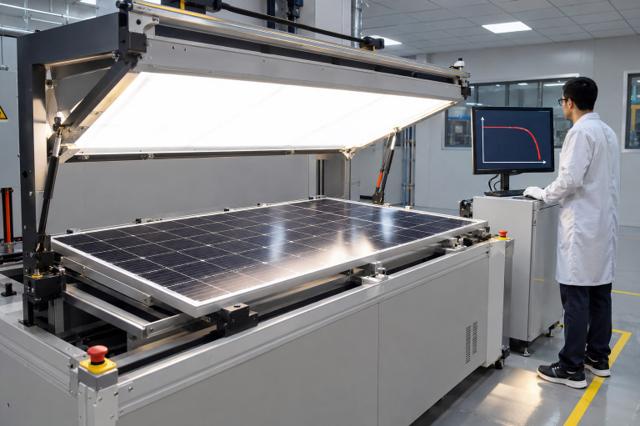
What the datasheet power really means, how temperature coefficients translate into lost watts, and why heat is the main derating factor in the desert.
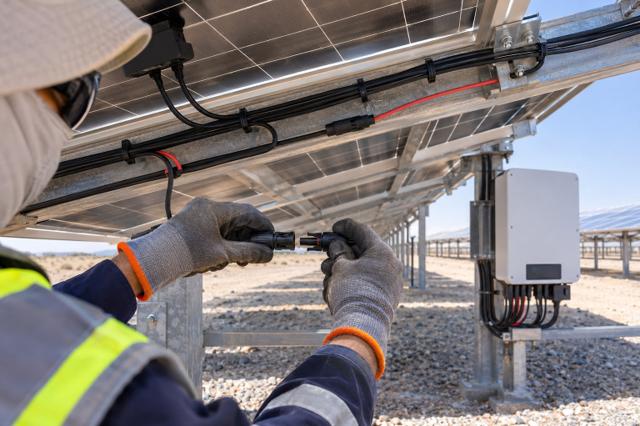
How many modules can go in one string: the cold-temperature Voc limit, the MPPT window and current limits, with a worked 1,500 V example.
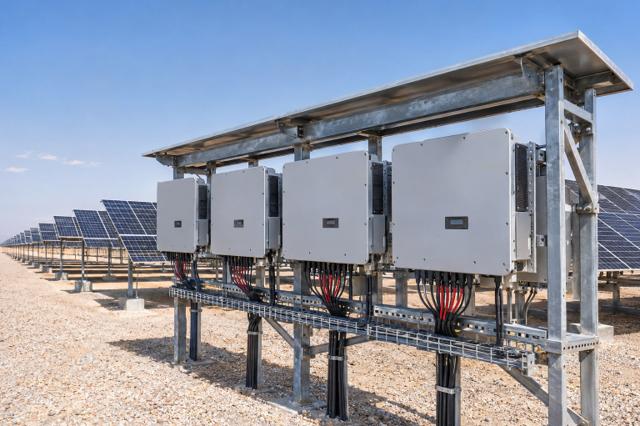
Why PV plants are built with more module power than inverter power, and how to choose a DC/AC ratio between 1.1 and 1.35 without losing too much energy to clipping.
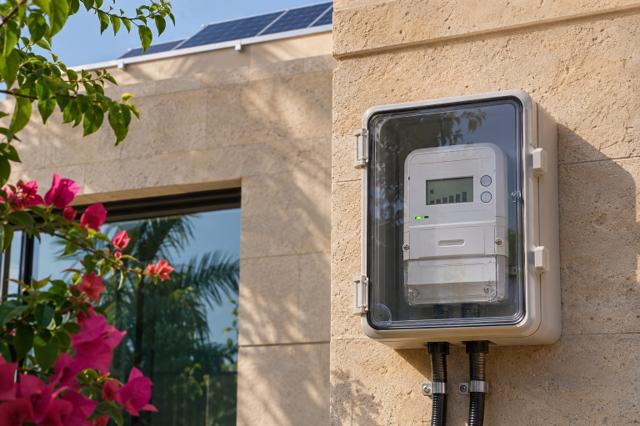
How grid-connected rooftop systems are credited for the electricity they export, and how the tariff scheme changes the right system size and the payback period.

The single number used to compare power plants: lifetime cost divided by lifetime energy, both discounted. What drives it, and why Gulf solar tariffs are among the lowest in the world.
