How many large-format modules fit in a 40' high-cube container (about 620 × 720 W, roughly 0.45 MWp), how pallets are packed, why 20' containers are rarely used, and how to estimate container counts for a utility project.
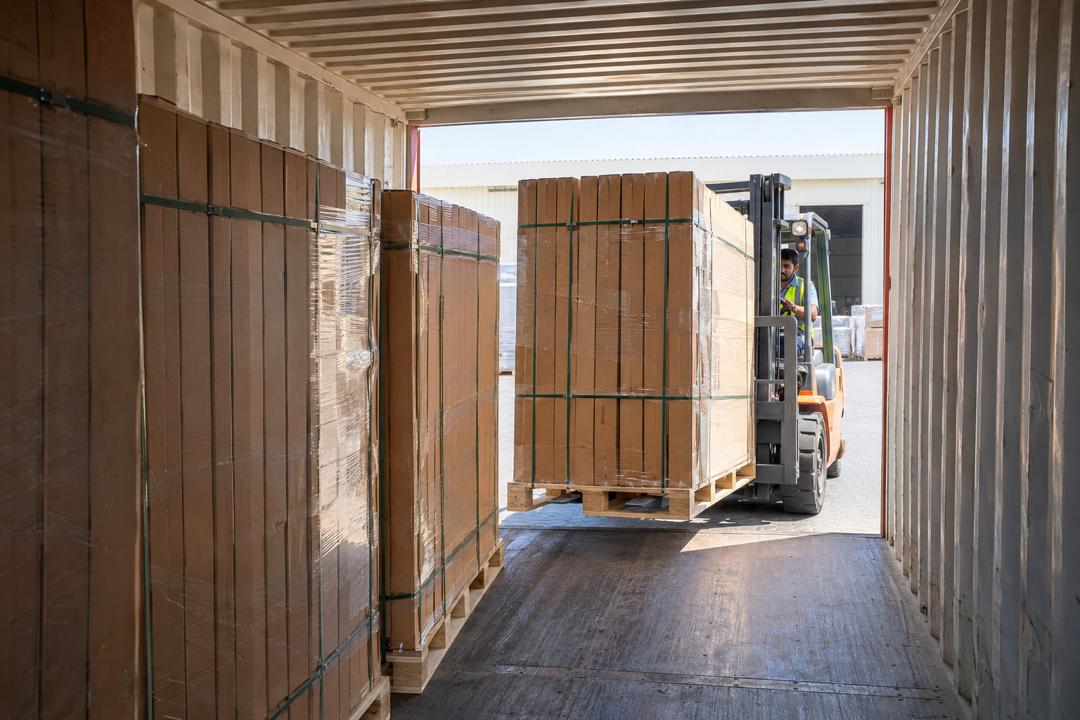
Modern utility-class modules such as 66-cell (132 half-cut) N-type TOPCon modules in the 695–720 W range measure about 2384 × 1303 × 33 mm and weigh 37–39 kg each. They are packed vertically, standing on their long edge, in wooden or composite pallets of typically 33 or 36 pieces, strapped and covered with cardboard corner protection. A packed pallet of 33 modules measures roughly 2444 × 1145 × 1415 mm and weighs about 1.3 tonnes.
The standard shipping unit is the 40-foot high-cube (40' HC) container, with an internal length of about 12.03 m, width 2.35 m and height 2.69 m. The extra 30 cm of height compared with a standard 40' box is what allows two tiers of pallets or a full-height vertical stack, depending on the packing method. In practice a 40' HC carries about 620 modules of the 2384 × 1303 mm format: for example 620 × 720 W ≈ 446 kWp, or roughly 0.45 MWp per container. Some manufacturers’ packing schemes give slightly different numbers (594, 620 or 720 pieces) depending on module dimensions and pallet design, so always check the datasheet packing information.
At around 37.5 kg per module, 620 modules plus pallets weigh about 25 tonnes, close to the practical payload limit of a 40' HC once road weight limits at origin and destination are considered. A 20-foot container is rarely economical for large modules: the 2.4 m module length leaves little usable space and the cost per watt shipped is significantly higher, so 20' boxes are used mainly for small residential orders or mixed balance-of-system cargo such as inverters, cables and mounting hardware.
For project planning, divide the DC capacity by the capacity per container. A 10 MWp plant built with 720 W modules needs about 13,889 modules; adding 2 % spares brings the order to roughly 14,170 pieces, which at about 620 modules per container is 23 × 40' HC. Mounting structures, inverters, cables and transformers come on top and are usually counted separately, often by weight or volume.
Correct loading matters as much as the count. Pallets must stand on their designed side, be secured against shifting with airbags or wooden bracing, and never be stacked beyond the manufacturer’s limit. On arrival, inspect the container seal and pallets before unloading, photograph any damage, and store pallets on level, dry ground out of direct water run-off. Micro-cracks caused by rough handling are invisible to the eye but can show up later in electroluminescence tests and lost output.
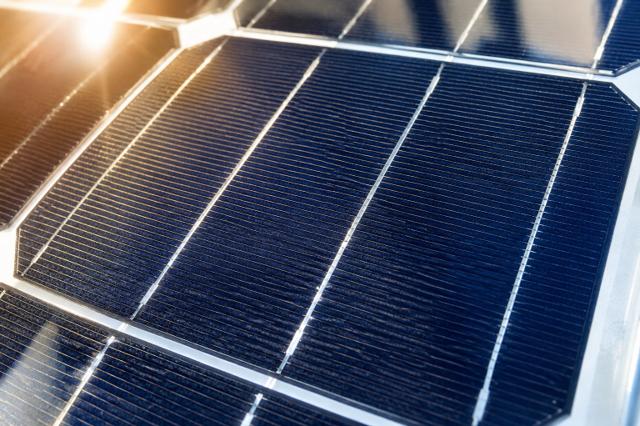
From photon to kilowatt-hour: the physics of a solar cell and the path of energy through a complete PV system.
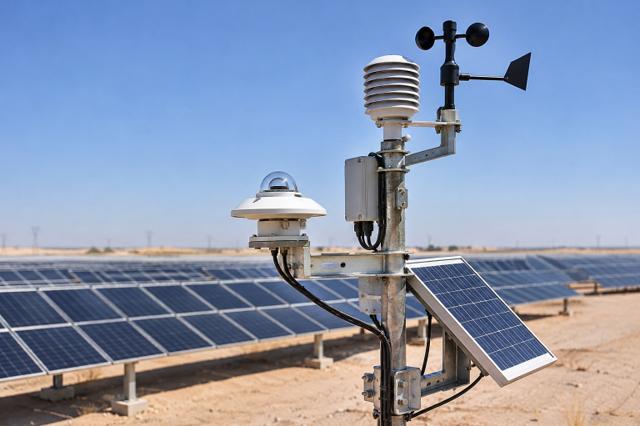
GHI, DNI and DHI explained, how sun position changes through the day and year, and why the Gulf is one of the world's best solar resources.
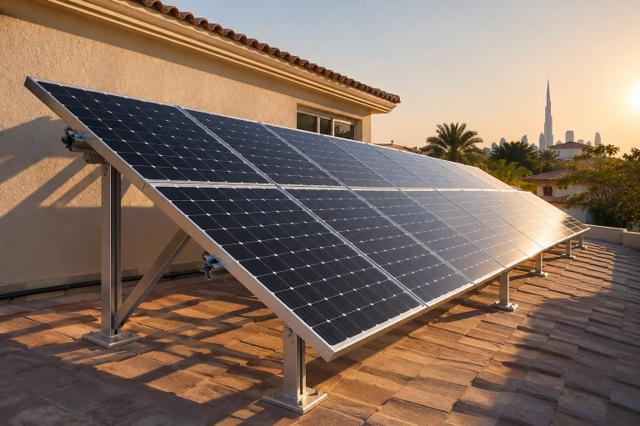
How to orient a PV array: the latitude rule of thumb, why lower tilts often win in the Gulf, and how east–west layouts trade yield for density.
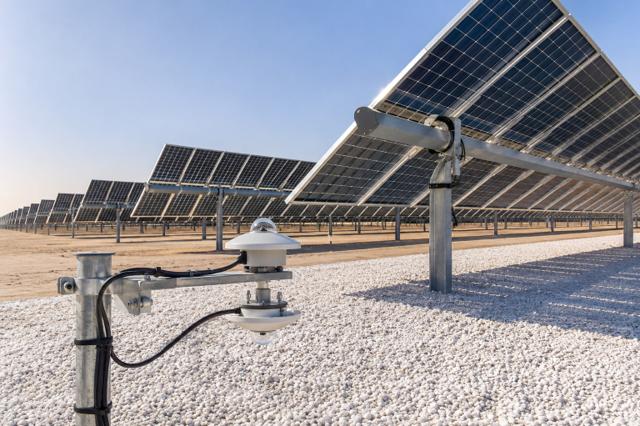
How bifacial modules harvest reflected light, what albedo values to expect on sand, gravel and white membranes, and why bifacial pairs so well with trackers.
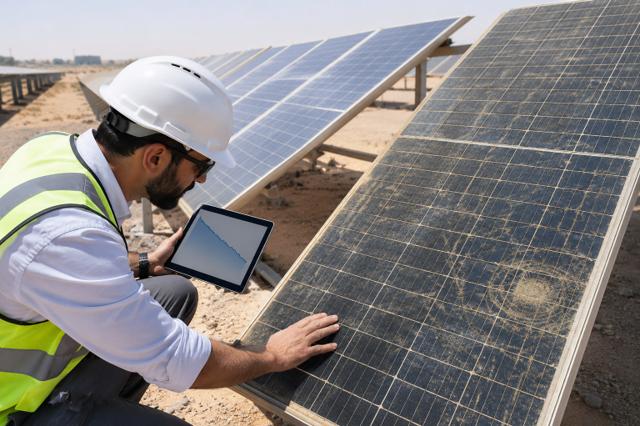
LID, LeTID and long-term power loss explained, and how to read a 12-year product / 30-year linear power warranty.
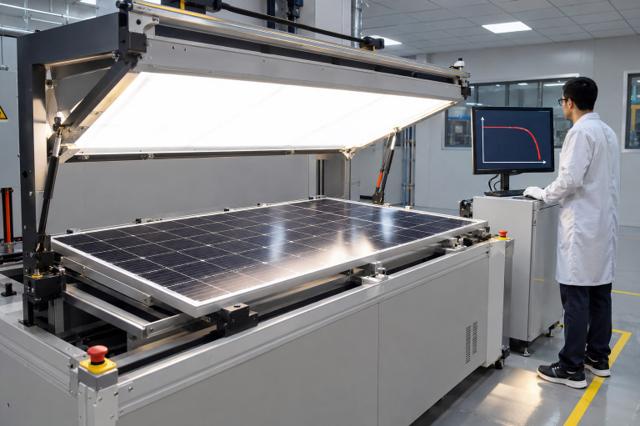
What the datasheet power really means, how temperature coefficients translate into lost watts, and why heat is the main derating factor in the desert.
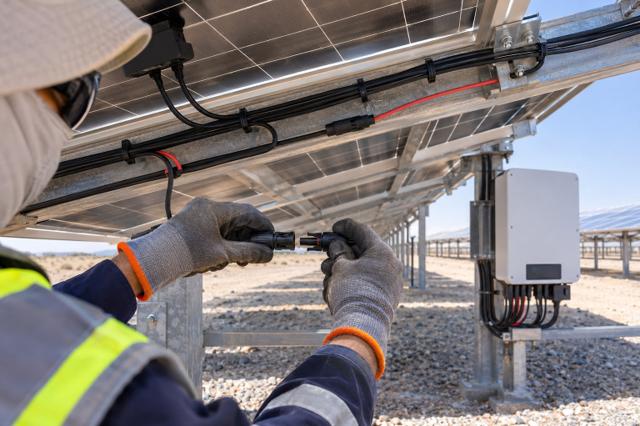
How many modules can go in one string: the cold-temperature Voc limit, the MPPT window and current limits, with a worked 1,500 V example.
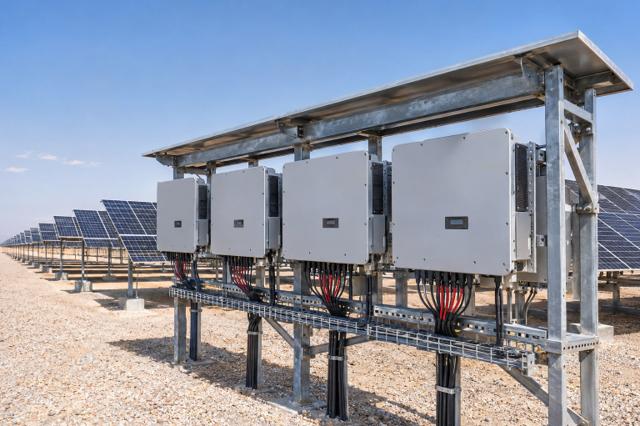
Why PV plants are built with more module power than inverter power, and how to choose a DC/AC ratio between 1.1 and 1.35 without losing too much energy to clipping.
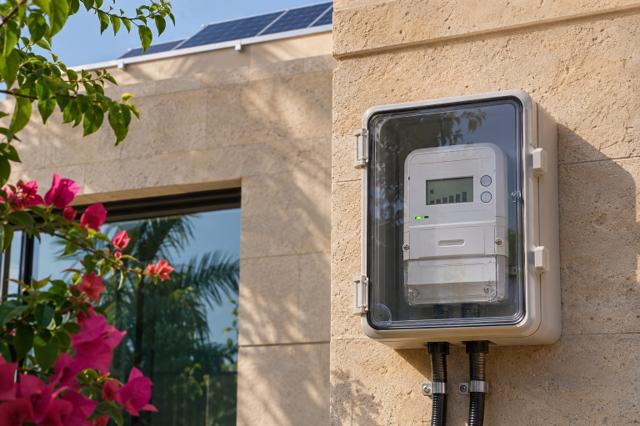
How grid-connected rooftop systems are credited for the electricity they export, and how the tariff scheme changes the right system size and the payback period.

The single number used to compare power plants: lifetime cost divided by lifetime energy, both discounted. What drives it, and why Gulf solar tariffs are among the lowest in the world.
