What makes lithium batteries safe or dangerous, how LFP compares with NMC, and which standards — IEC 62619, UL 9540, UL 9540A, NFPA 855 and local civil-defence rules — shape where and how storage may be installed.
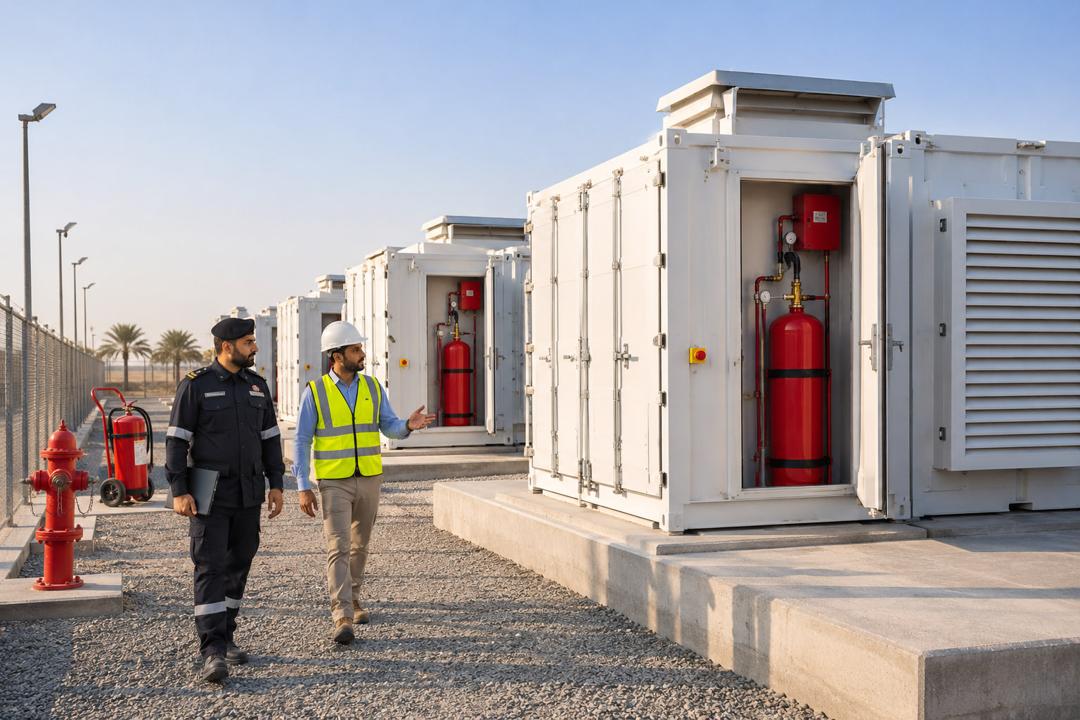
The main hazard of a lithium-ion battery is thermal runaway: a cell that overheats — through internal short circuit, overcharge, external fire, crushing or a manufacturing defect — starts an exothermic reaction that heats it further, releases flammable and toxic gases and can spread to neighbouring cells. Good storage products prevent the first cell from failing, stop failure from propagating, and manage the gas and heat if it does happen. The rest is installation: location, spacing, ventilation and access for firefighters.
Chemistry matters. Lithium iron phosphate (LFP) has become the default for stationary solar storage because its cathode does not release oxygen until much higher temperatures — runaway onset is typically above 250 °C, compared with roughly 150–200 °C for nickel-manganese-cobalt (NMC) — and it releases less energy when it does fail. LFP is heavier per kWh, which hardly matters on a wall or in a container, and it also lasts longer (6,000+ cycles). NMC still appears in compact home units and in older systems; it is not unsafe when properly engineered, but it demands better thermal design and stricter separation.
Several standards describe the safety case. IEC 62619 sets safety requirements for industrial lithium cells and batteries, including internal short-circuit and propagation tests; IEC 62933-5-2 covers grid-integrated storage systems. In North American practice, which many Gulf authorities and insurers reference, UL 9540 certifies a complete energy storage system and UL 9540A is a test method that measures how a failure propagates from cell to module to unit to installation; its results justify reduced spacing. NFPA 855 is the installation standard: it limits the energy per unit and per room, requires about 0.9 m (3 ft) between groups of up to 50 kWh unless large-scale fire testing shows otherwise, and sets rules for residential garages and outdoor walls (for example aggregate limits of 40–80 kWh in and on dwellings).
In the UAE, battery installations in buildings fall under the UAE Fire and Life Safety Code of Practice and the approval of the local Civil Defence authority, alongside the utility's grid-connection requirements. In practice this means certified equipment, an approved location (usually a ventilated plant room, garage wall or outdoor enclosure away from escape routes and sleeping areas), detection and, for larger systems, gas exhaust, deflagration venting and a suppression strategy reviewed by a fire consultant. Requirements evolve, so confirm the current edition with the authority before design freeze.
Practical rules for any site: keep batteries out of direct sun and within their temperature range — Gulf heat shortens life and narrows safety margins — so shaded, ventilated or air-conditioned spaces are worth the cost. Respect the manufacturer's clearances, never mix old and new modules or brands in one string, use the specified DC fuses and cable sizes, and let the BMS and inverter talk over their communication link rather than running batteries on voltage settings alone. Label the installation, post an emergency shutdown procedure, and ensure the battery can be isolated from outside the room.
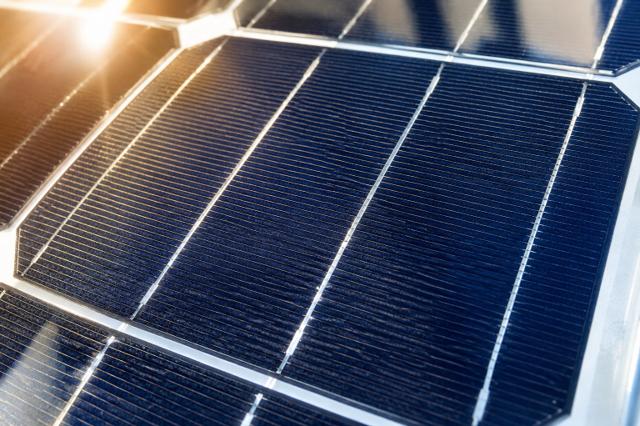
From photon to kilowatt-hour: the physics of a solar cell and the path of energy through a complete PV system.
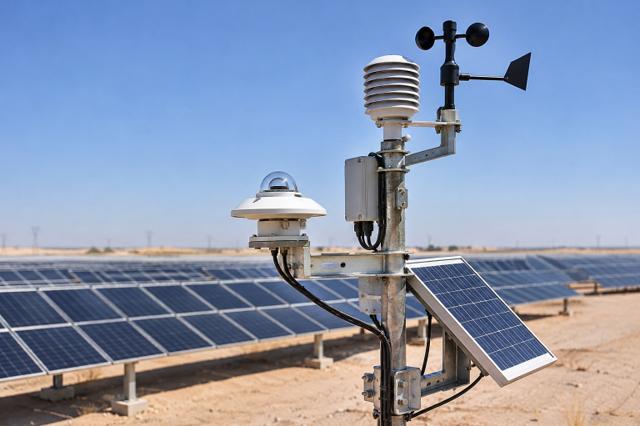
GHI, DNI and DHI explained, how sun position changes through the day and year, and why the Gulf is one of the world's best solar resources.
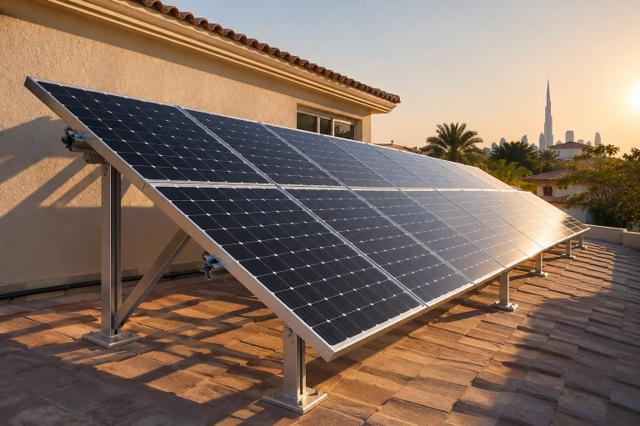
How to orient a PV array: the latitude rule of thumb, why lower tilts often win in the Gulf, and how east–west layouts trade yield for density.
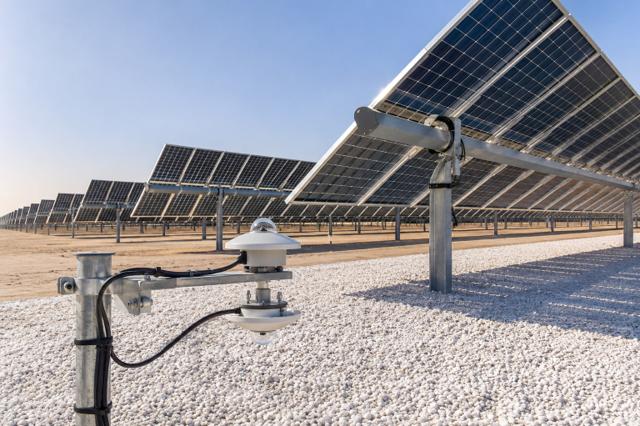
How bifacial modules harvest reflected light, what albedo values to expect on sand, gravel and white membranes, and why bifacial pairs so well with trackers.
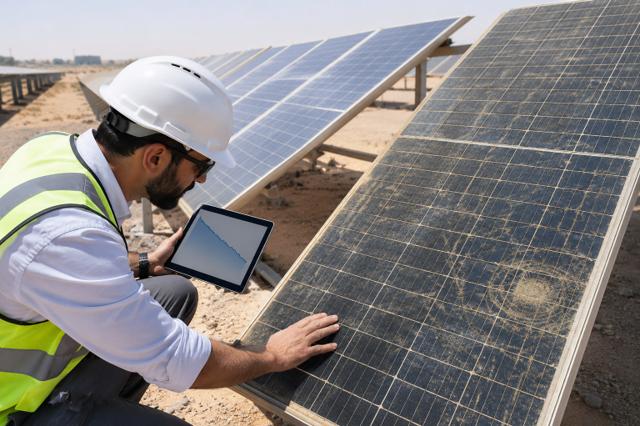
LID, LeTID and long-term power loss explained, and how to read a 12-year product / 30-year linear power warranty.
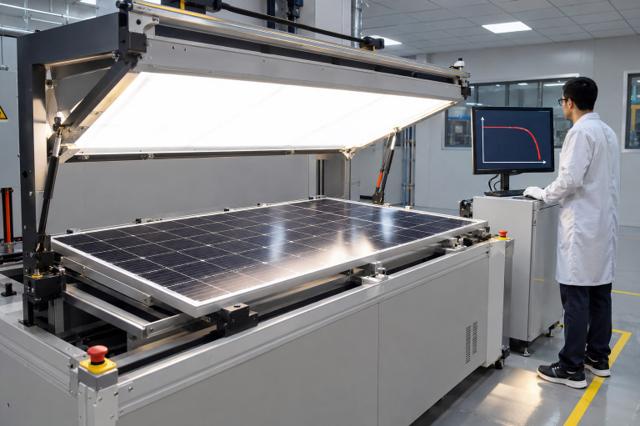
What the datasheet power really means, how temperature coefficients translate into lost watts, and why heat is the main derating factor in the desert.
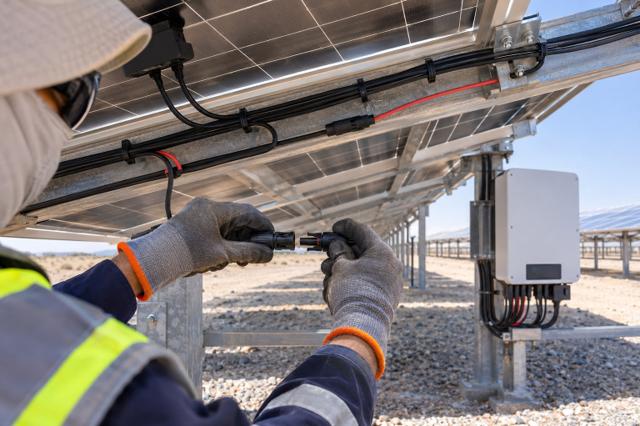
How many modules can go in one string: the cold-temperature Voc limit, the MPPT window and current limits, with a worked 1,500 V example.
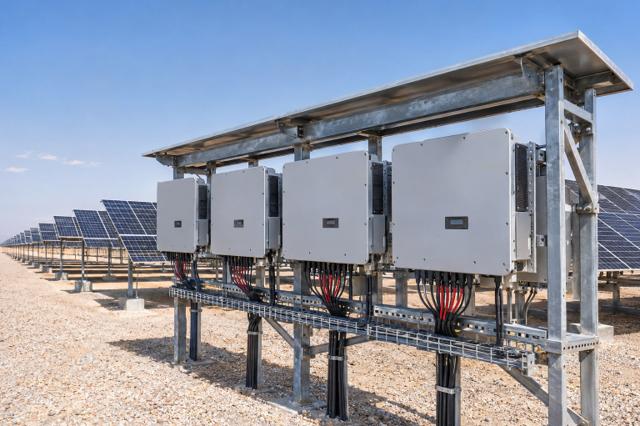
Why PV plants are built with more module power than inverter power, and how to choose a DC/AC ratio between 1.1 and 1.35 without losing too much energy to clipping.
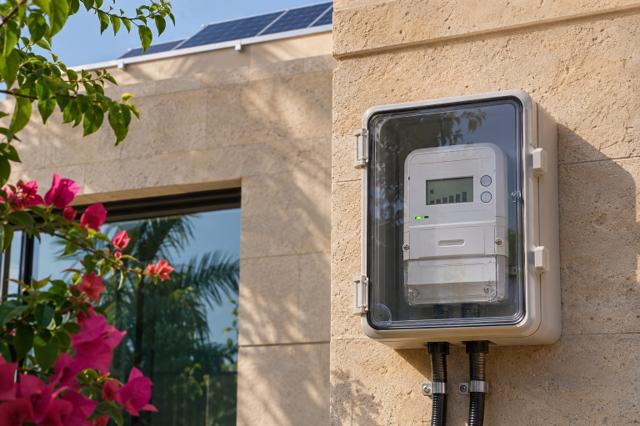
How grid-connected rooftop systems are credited for the electricity they export, and how the tariff scheme changes the right system size and the payback period.

The single number used to compare power plants: lifetime cost divided by lifetime energy, both discounted. What drives it, and why Gulf solar tariffs are among the lowest in the world.
