How elevated and vertical bifacial arrays let crops and modules share land, what partial shade does to yields and water use in arid climates, and how the land-equivalent ratio measures the combined benefit.
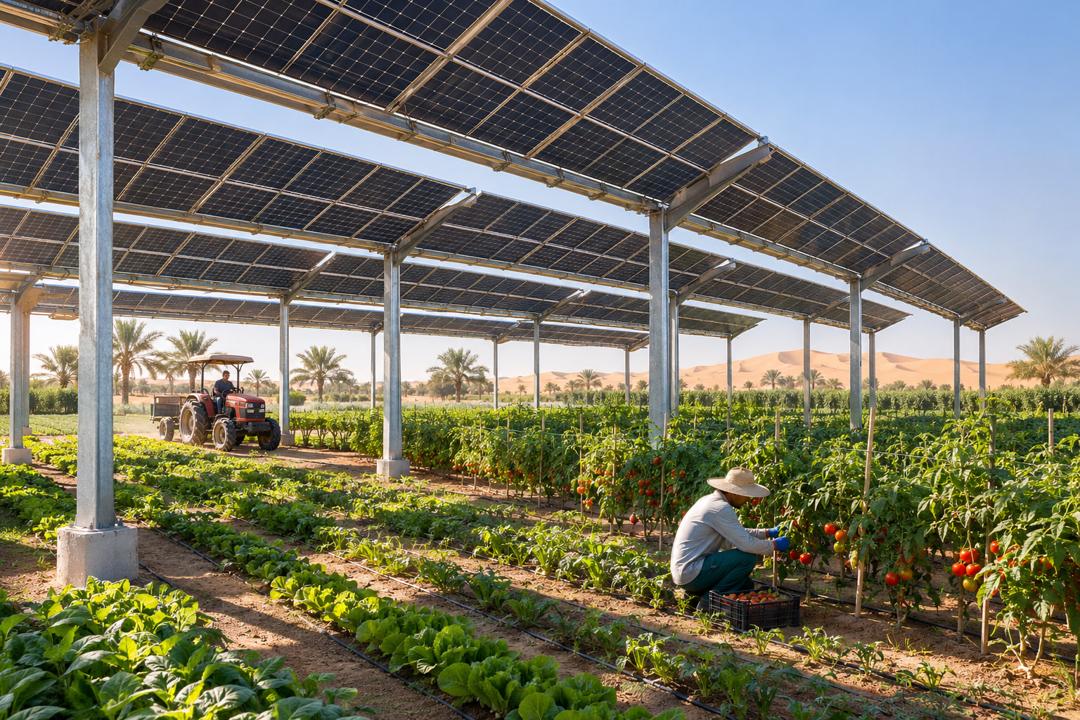
Agrivoltaics (also called agri-PV) means growing crops or grazing animals under or between solar modules on the same plot, so the land produces food and electricity at once. It answers a real conflict: utility-scale PV needs roughly 1–2 hectares per MWp, and in many regions that land is farmland. Done well, agrivoltaics keeps the land in agricultural use, gives farmers a second income and, in hot climates, can actually improve growing conditions.
There are two main layouts. Elevated systems mount modules on a high structure — typically 3–5 m clear height — so tractors and workers move underneath and crops grow in the partial shade. Module density is lowered (ground coverage often 30–40 % instead of 45–60 % for a normal plant), and some designs use single-axis trackers that can be steered to give crops more light at critical stages. Vertical systems place bifacial modules upright in east–west-facing fences with wide alleys of 8–12 m between rows; machines work the alleys, and the modules produce a double peak in the morning and afternoon that complements the midday output of conventional plants. Vertical rows suit arable and grassland farming; elevated canopies suit orchards, vegetables and berries.
The agronomic effect depends on the crop. Shade-tolerant crops — leafy greens, herbs, many vegetables, berries and some fodder — often lose little yield under 20–40 % shading and may gain quality, while sun-hungry staples such as maize lose more. In arid regions like the Gulf the shade is often an advantage: lower leaf and soil temperatures, less heat stress and evaporation reductions of roughly 10–30 % have been reported, which translates directly into irrigation water savings. Modules can also carry rainwater collection or shading nets, and the cleaning water can be reused for irrigation if a mild, crop-safe cleaning method is used.
The usual yardstick is the land-equivalent ratio (LER): crop yield under the array divided by yield on open land, plus electricity yield on the shared plot divided by the yield of a conventional PV plant on the same area. An LER above 1 means the combination beats separating the land into a farm and a solar plant; field trials commonly report 1.3–1.6. Germany's DIN SPEC 91434, for instance, requires that the agricultural area lost to structures stays small (about 10–15 %) and that the crop still achieves at least two-thirds of its reference yield.
Costs are higher than for a standard plant — taller, stronger steel, wider spacing, more cabling per MWp and careful protection of cables from machinery and animals — so agrivoltaics pays when the land value, crop revenue, water savings or permitting advantages justify it. Plan the project together with the farmer: crop choice, machinery widths, irrigation lines, fencing and access for harvest determine the layout as much as the solar design does.
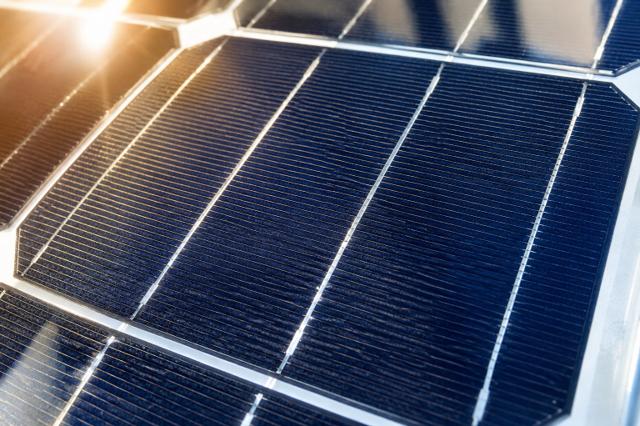
From photon to kilowatt-hour: the physics of a solar cell and the path of energy through a complete PV system.
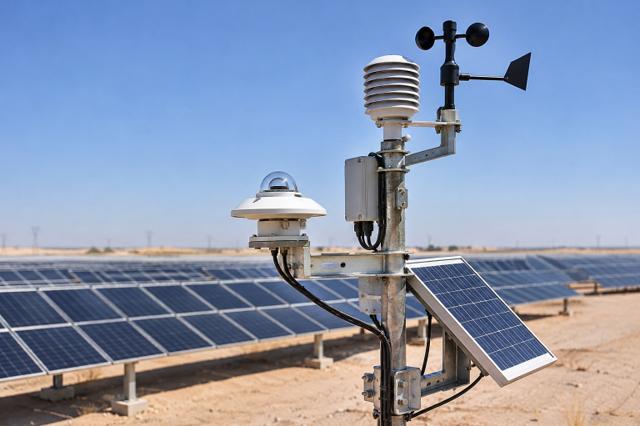
GHI, DNI and DHI explained, how sun position changes through the day and year, and why the Gulf is one of the world's best solar resources.
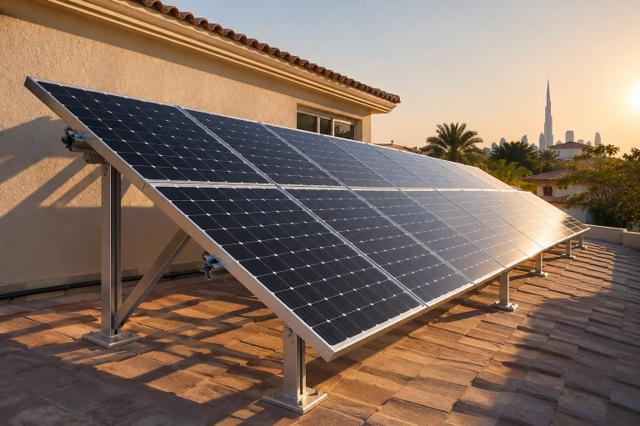
How to orient a PV array: the latitude rule of thumb, why lower tilts often win in the Gulf, and how east–west layouts trade yield for density.
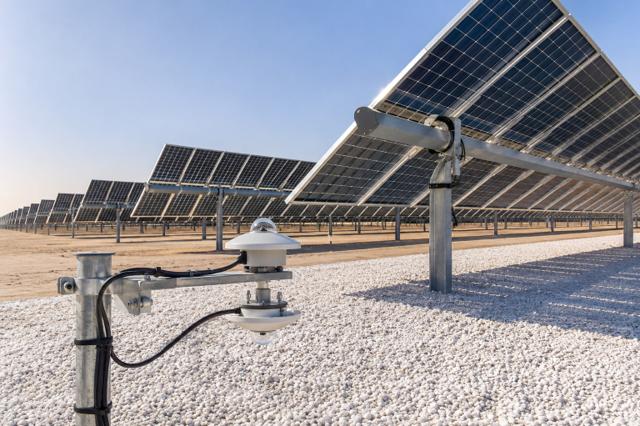
How bifacial modules harvest reflected light, what albedo values to expect on sand, gravel and white membranes, and why bifacial pairs so well with trackers.
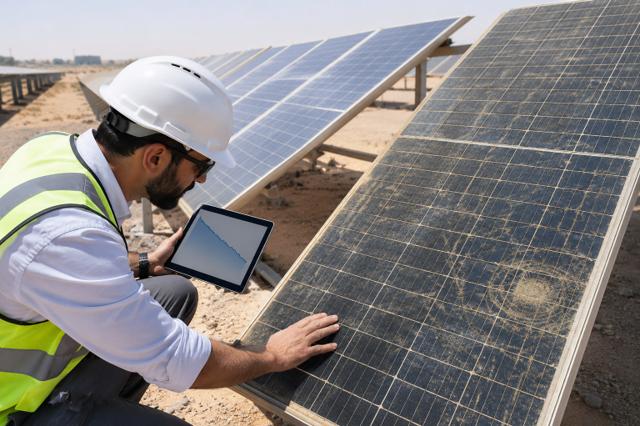
LID, LeTID and long-term power loss explained, and how to read a 12-year product / 30-year linear power warranty.
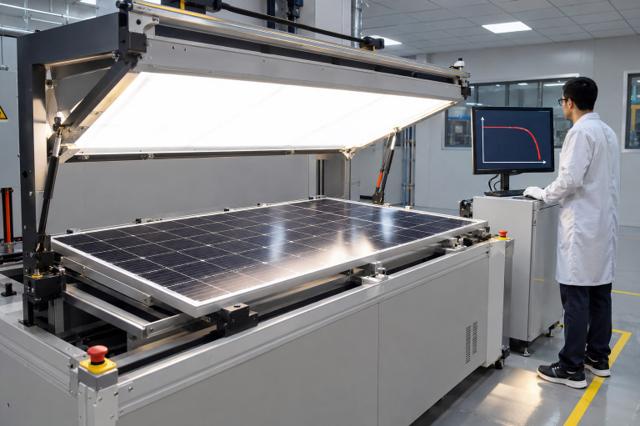
What the datasheet power really means, how temperature coefficients translate into lost watts, and why heat is the main derating factor in the desert.
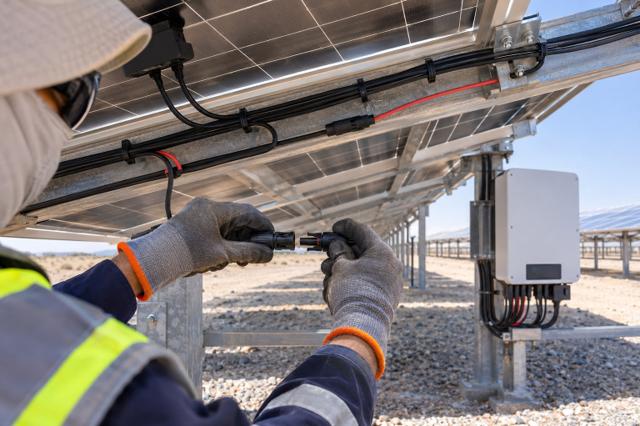
How many modules can go in one string: the cold-temperature Voc limit, the MPPT window and current limits, with a worked 1,500 V example.
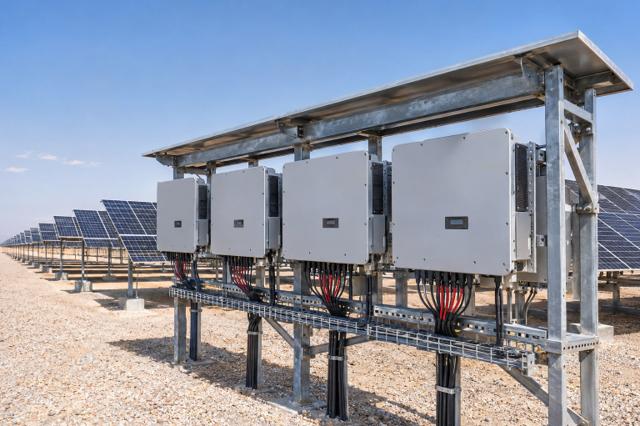
Why PV plants are built with more module power than inverter power, and how to choose a DC/AC ratio between 1.1 and 1.35 without losing too much energy to clipping.
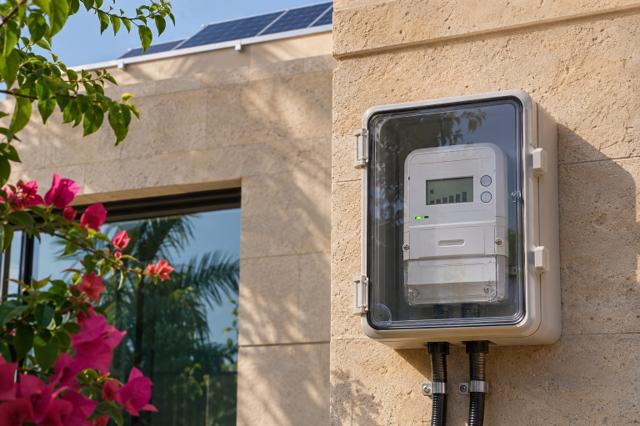
How grid-connected rooftop systems are credited for the electricity they export, and how the tariff scheme changes the right system size and the payback period.
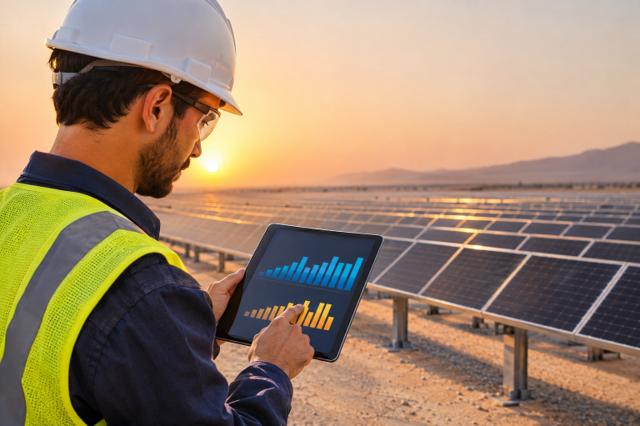
The single number used to compare power plants: lifetime cost divided by lifetime energy, both discounted. What drives it, and why Gulf solar tariffs are among the lowest in the world.
