How a rooftop or carport system gets from design to an energised net meter in the UAE: enrolled consultants and contractors, NOC, design approval, inspection and metering — a practical overview, not legal advice.
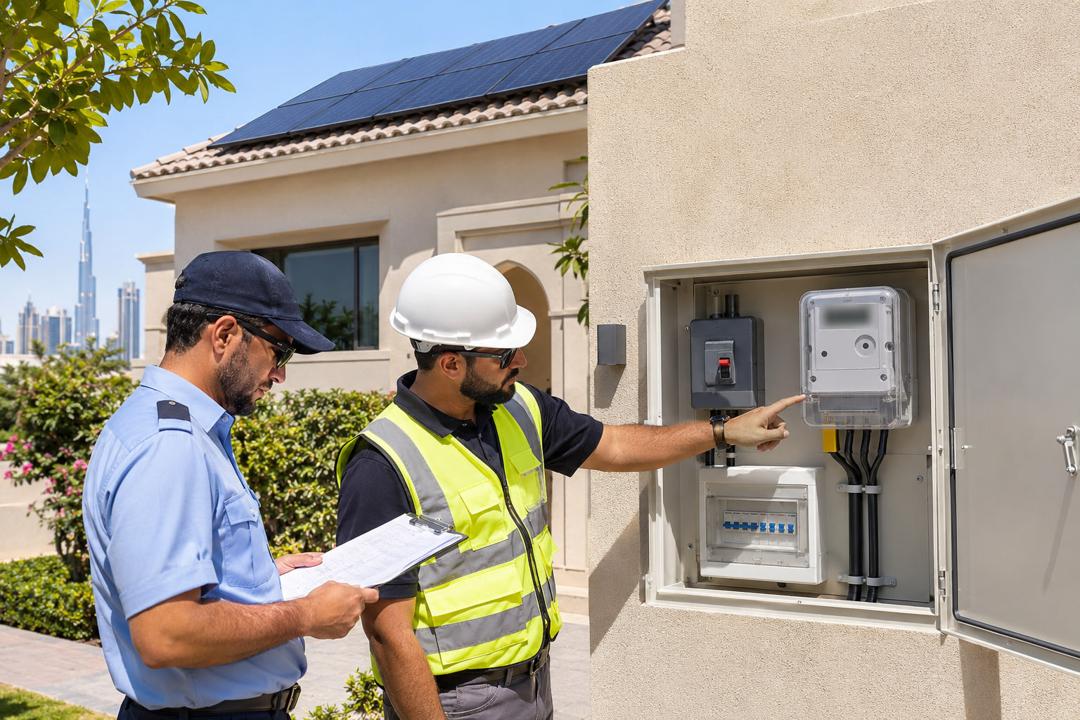
Every grid-connected PV system in the UAE needs the consent of the local electricity distribution utility before it may operate in parallel with the network. The utility checks that the design is safe for its staff and equipment, that the inverters meet its grid-code settings, and that a suitable bidirectional meter is installed. The rules differ by emirate and are revised from time to time, so treat this article as orientation and always confirm the current requirements, forms and fees on the utility's own website before you commit to a design.
In Dubai, distributed generation falls under the Shams Dubai programme of the Dubai Electricity and Water Authority (DEWA), which introduced net metering for homes and businesses. The building owner does not deal with the technical steps alone: the work must be carried out by a solar PV consultant and contractor enrolled with DEWA for the relevant capacity band. The usual sequence is an application and no-objection certificate (NOC) for the connection, submission of the design package (single-line diagram, layout, structural statement, datasheets), design approval, installation, then inspection and testing by DEWA, after which the net meter is fitted and the system is connected. Modules and inverters generally have to appear on DEWA's list of eligible equipment, so check that list before ordering.
In Abu Dhabi, small-scale solar is regulated by the Department of Energy and handled by the two distribution companies, ADDC for Abu Dhabi city and its region and AADC for Al Ain and the Al Dhafra region (both formerly part of the ADWEA group). The principles are similar: a qualified installer, a connection application with technical documents, compliance with the distribution code and the inverter settings published by the utility, inspection, and a bidirectional meter with credit or payment for exported energy under the scheme in force. In Sharjah the Sharjah Electricity, Water and Gas Authority (SEWA) issues its own requirements, and the Northern Emirates are served by Etihad Water and Electricity, each with its own application route.
Plan the approval into the project timeline from day one. Typical sticking points are incomplete single-line diagrams, inverters missing from the eligible list, protection settings that do not match the grid code, roof structural documentation and export capacity limits at the local transformer. A competent designer prepares the package once, correctly, and the inspection becomes a formality; a missing document can add weeks.
Note also the commercial side: net-metering credits, export tariffs and any capacity caps are policy decisions that can change. Base your payback calculation on the tariff structure that applies on the date of your application, and keep copies of all approvals, test reports and the as-built drawings — the utility, your insurer and any future buyer of the building will ask for them.
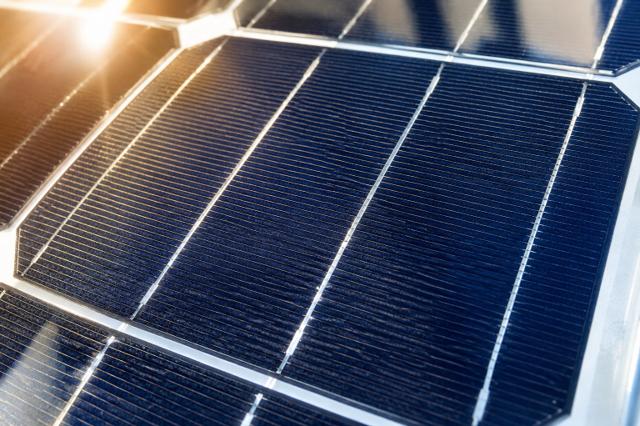
From photon to kilowatt-hour: the physics of a solar cell and the path of energy through a complete PV system.
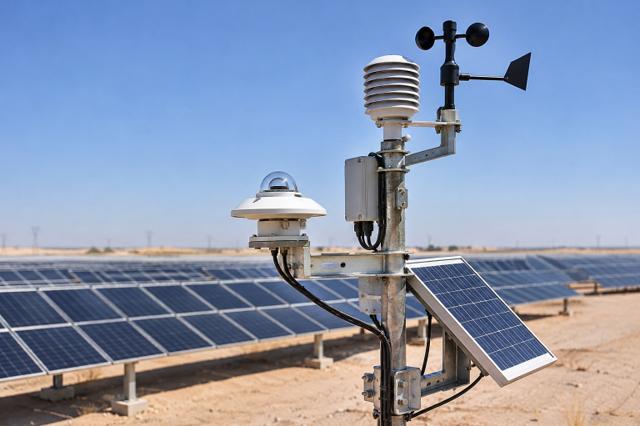
GHI, DNI and DHI explained, how sun position changes through the day and year, and why the Gulf is one of the world's best solar resources.
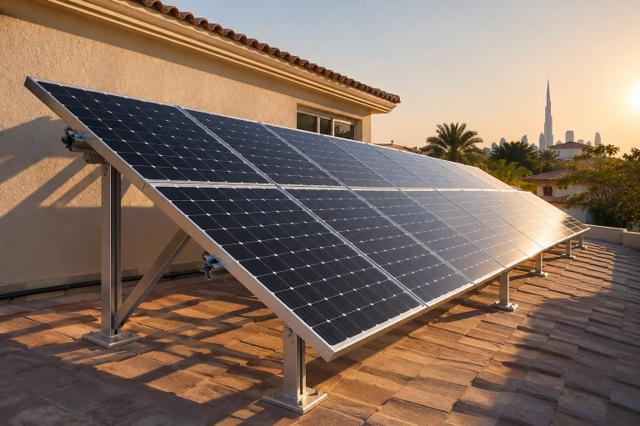
How to orient a PV array: the latitude rule of thumb, why lower tilts often win in the Gulf, and how east–west layouts trade yield for density.
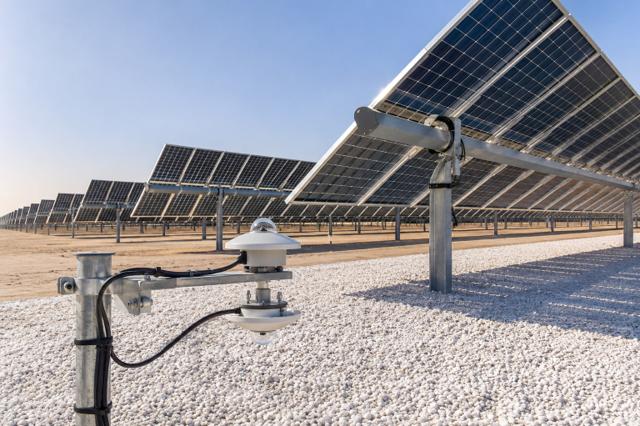
How bifacial modules harvest reflected light, what albedo values to expect on sand, gravel and white membranes, and why bifacial pairs so well with trackers.
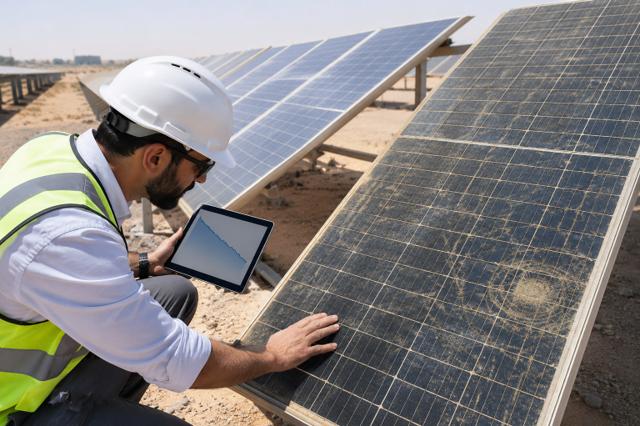
LID, LeTID and long-term power loss explained, and how to read a 12-year product / 30-year linear power warranty.
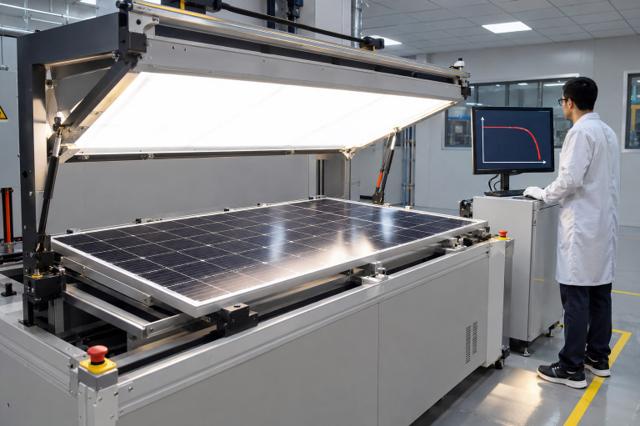
What the datasheet power really means, how temperature coefficients translate into lost watts, and why heat is the main derating factor in the desert.
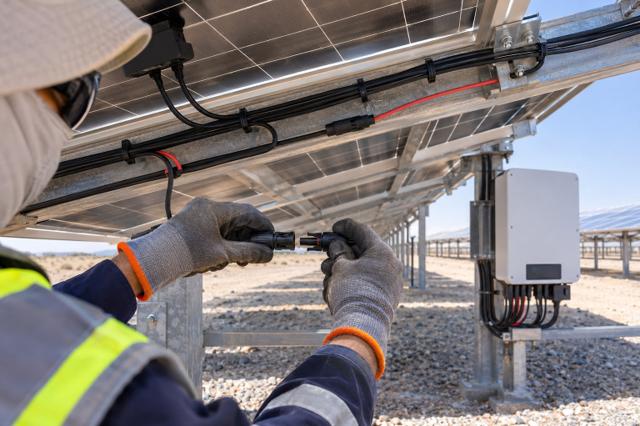
How many modules can go in one string: the cold-temperature Voc limit, the MPPT window and current limits, with a worked 1,500 V example.
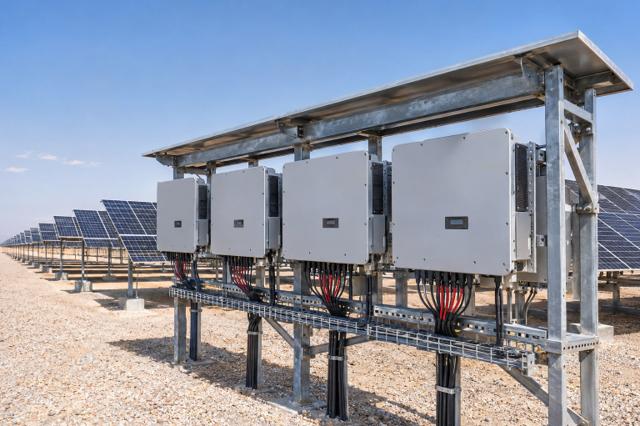
Why PV plants are built with more module power than inverter power, and how to choose a DC/AC ratio between 1.1 and 1.35 without losing too much energy to clipping.
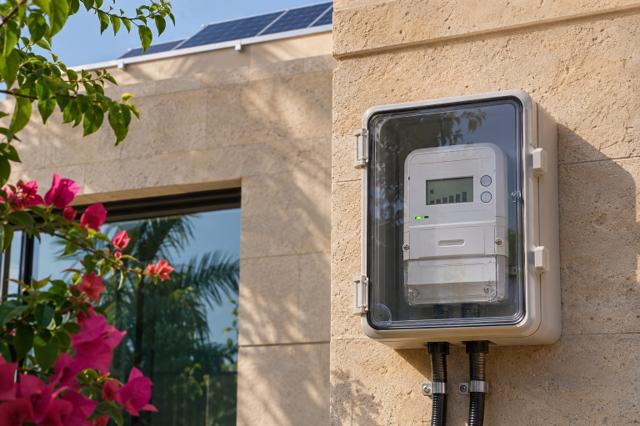
How grid-connected rooftop systems are credited for the electricity they export, and how the tariff scheme changes the right system size and the payback period.

The single number used to compare power plants: lifetime cost divided by lifetime energy, both discounted. What drives it, and why Gulf solar tariffs are among the lowest in the world.
