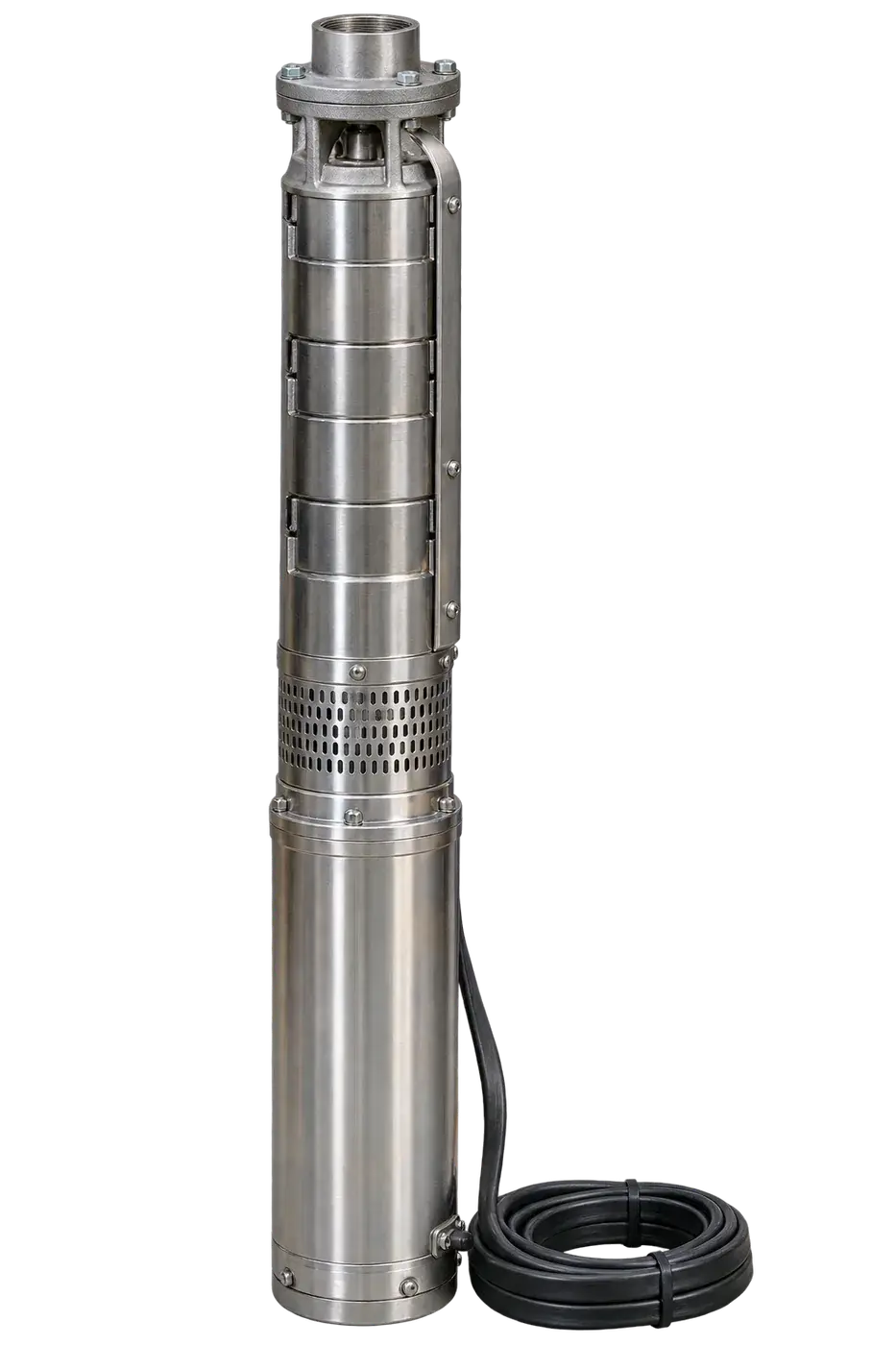
At 7.5 kW, a 6-inch (≈150 mm) multistage pump delivers about 25–30 m³/h at 60 m head, or 40 m³/h at lower heads — roughly 200–250 m³ on a good solar day, enough for 5–10 hectares of drip-irrigated crops or a mature date plantation. Standard three-phase 380–400 V motors are used, driven by an 11 kW solar pump inverter; the same inverter can accept a grid or generator AC input so the pump keeps running at night or during a dust storm if needed. Arrays of 10–11 kWp (around 16–18 modules of 600+ W) are typical, sometimes on single-axis trackers to stretch pumping hours.
The economics are the reason farms switch: a 7.5 kW diesel pumpset burns about 2.5–3 L/h, so 8 hours a day costs thousands of dollars a year in fuel plus servicing, while the solar system has almost no running cost and pays back in typically 2–4 years. Design notes: match pump flow to the well's tested yield to avoid over-pumping, use a surface storage tank or reservoir so irrigation can continue outside sun hours, and protect against brackish-water corrosion with stainless or coated components and sacrificial anodes where recommended.
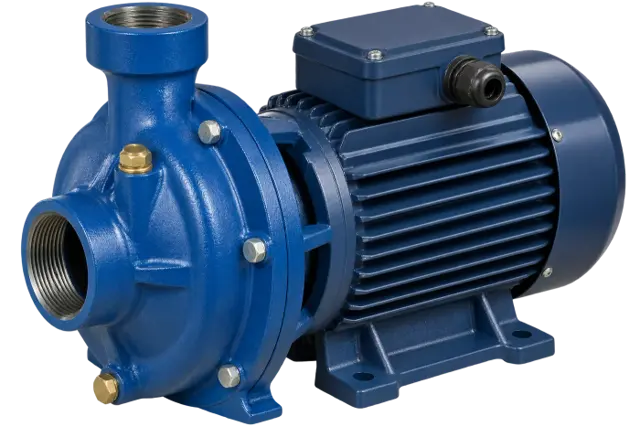
Surface pump for lifting water from tanks, canals and shallow sources into irrigation lines or header tanks, driven directly by a small PV array.

Multistage stainless submersible pump for 4-inch boreholes, for livestock, domestic supply and small-farm irrigation from wells up to about 120 m.

Variable-frequency drive with built-in MPPT that runs standard three-phase AC pumps straight from PV, with dry-run, overload and tank-full protection.
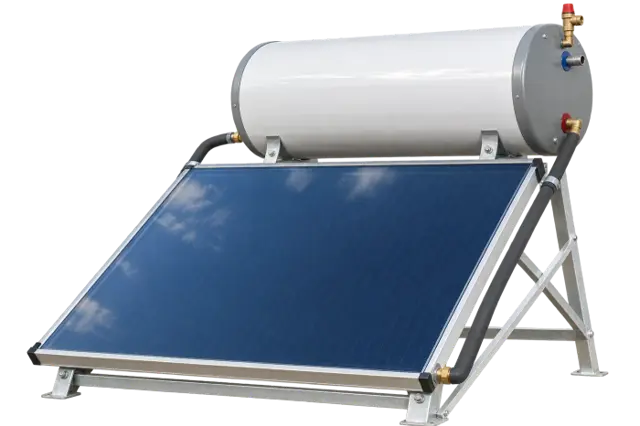
Rooftop flat-plate collector with an enamelled 200 L tank above it. No pump and no controller: the sun alone heats water for a family of four.
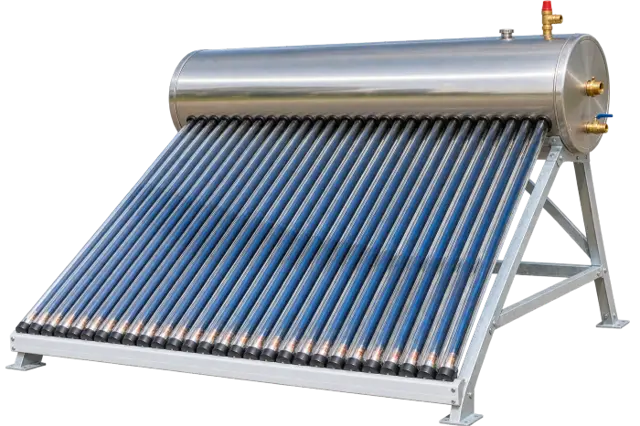
Pressurised heat-pipe system with 30 evacuated glass tubes and a 300 L stainless tank, sized for large villas, staff accommodation and small hotels.
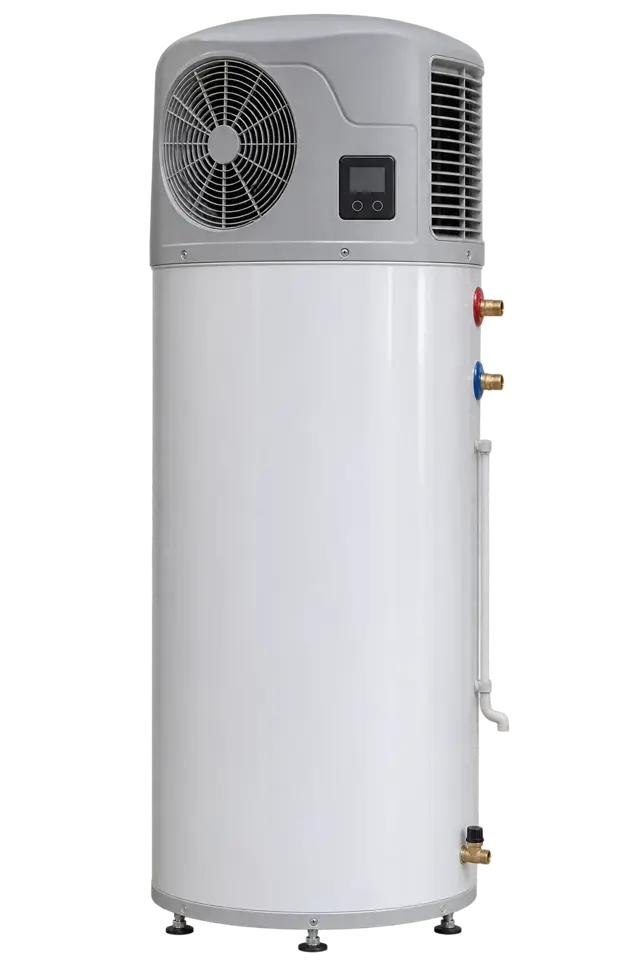
Air-source heat pump on top of a 300 L tank that makes hot water with a third of the electricity of an immersion heater. A good way to use surplus rooftop PV.
