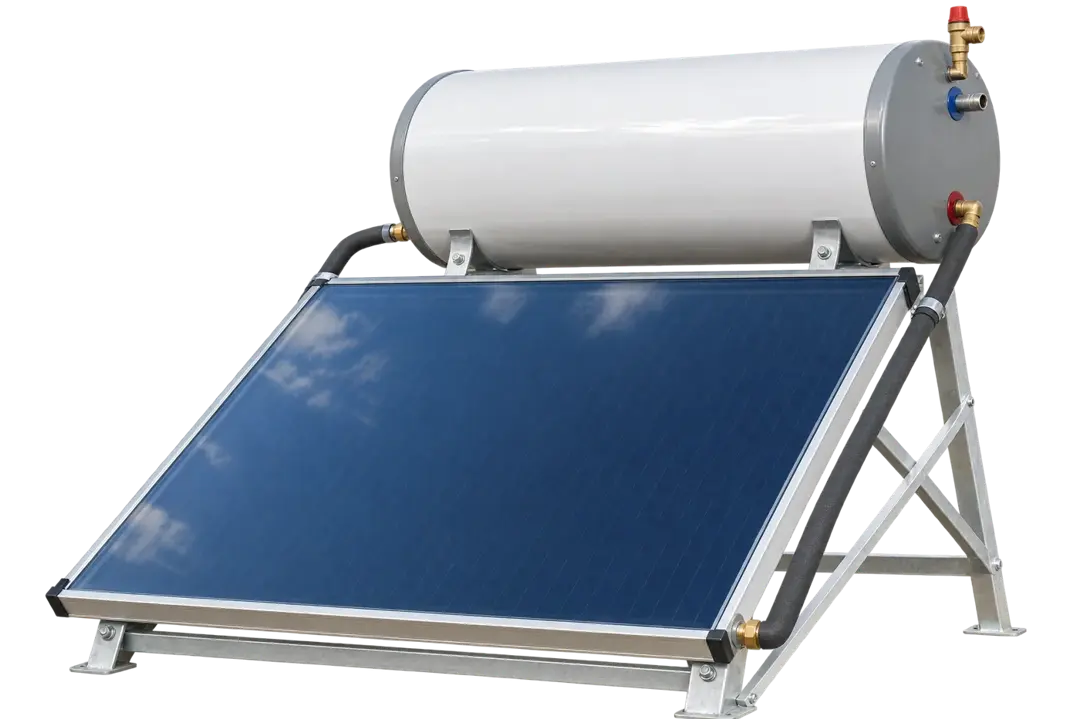
Solar thermal is different from PV: a flat-plate collector turns 60–75 % of sunlight into heat, compared with about 22 % to electricity for a module, so for hot water it is the most space-efficient option. The collector is an insulated aluminium box with a selective-coated copper or aluminium absorber, copper risers and a low-iron tempered glass cover; at roughly 2 m², it pairs with a horizontal 200 L tank mounted above it. Heated water rises naturally into the tank and cooler water sinks back to the collector (thermosiphon), so there are no moving parts. An electric backup element (1.5–2 kW) with thermostat covers rare cloudy days.
In the Gulf the challenge is too much heat, not too little: stagnation temperatures can exceed 150 °C in summer, so a temperature-and-pressure relief valve and a thermostatic mixing valve at the outlet are essential to prevent scalding. Hard, high-TDS water causes scale in the collector risers — use an indirect (closed-loop with glycol or heat-transfer fluid) version or a softener where hardness is high, and a magnesium anode in the tank that is checked every 1–2 years. Typical solar fraction in the UAE is 80–95 % of a household's water-heating energy.
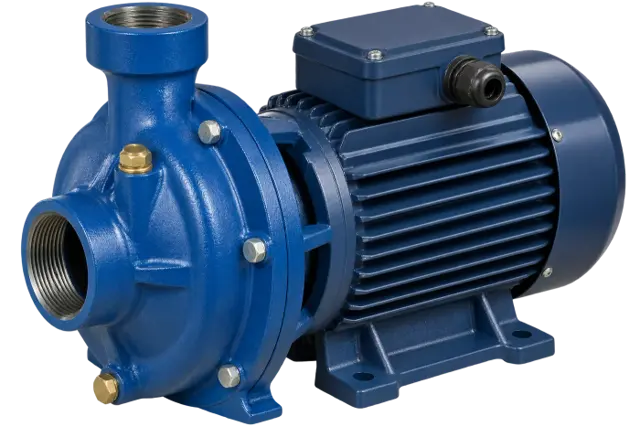
Surface pump for lifting water from tanks, canals and shallow sources into irrigation lines or header tanks, driven directly by a small PV array.

Multistage stainless submersible pump for 4-inch boreholes, for livestock, domestic supply and small-farm irrigation from wells up to about 120 m.
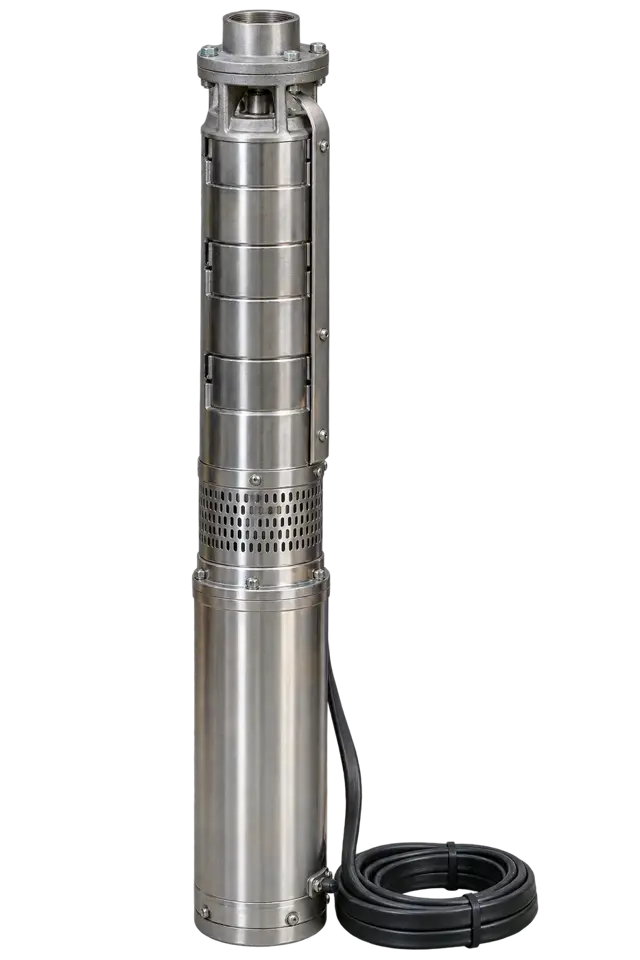
Six-inch borehole pump for farm-scale irrigation and date-palm plantations, replacing diesel pumpsets with a 10–11 kWp solar array.

Variable-frequency drive with built-in MPPT that runs standard three-phase AC pumps straight from PV, with dry-run, overload and tank-full protection.
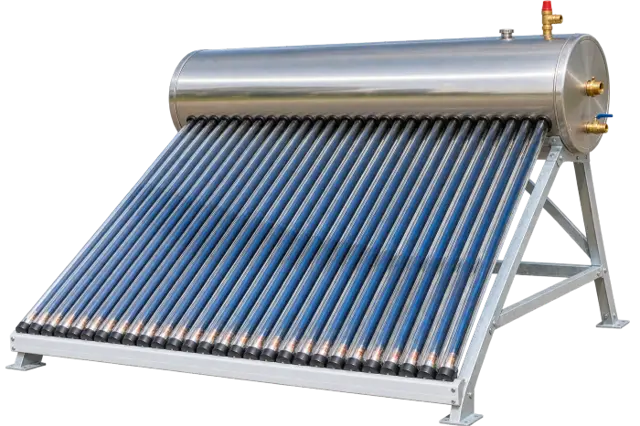
Pressurised heat-pipe system with 30 evacuated glass tubes and a 300 L stainless tank, sized for large villas, staff accommodation and small hotels.
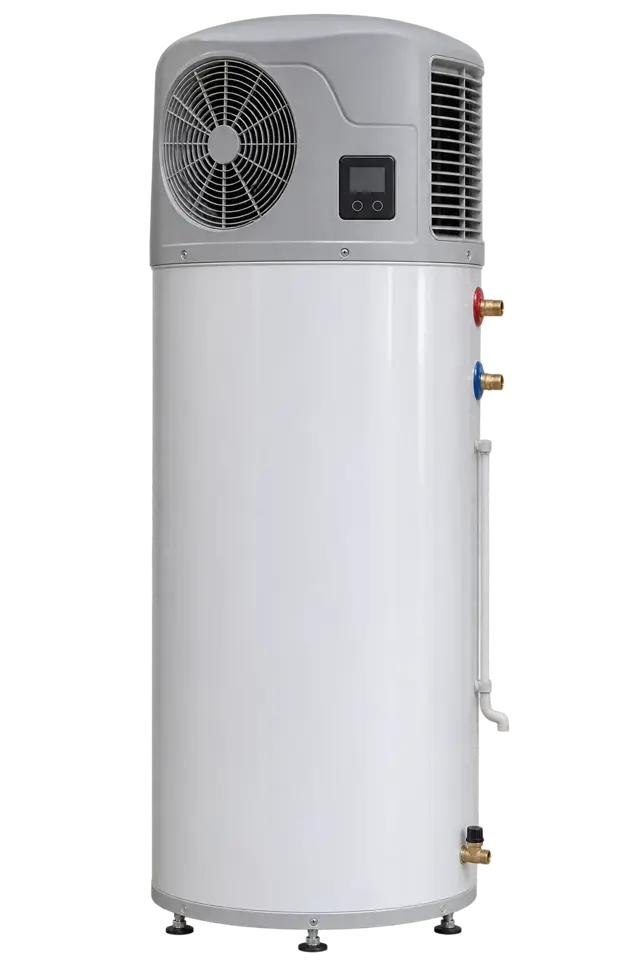
Air-source heat pump on top of a 300 L tank that makes hot water with a third of the electricity of an immersion heater. A good way to use surplus rooftop PV.
