
A solar pump inverter is a variable-frequency drive (VFD) whose DC bus is fed from the PV array instead of a rectifier. Its MPPT algorithm adjusts motor frequency — and therefore pump speed — to keep the array at its maximum power point: at sunrise the pump turns slowly, at noon it reaches 50 Hz, and as clouds pass it slows rather than stopping. Because ordinary AC induction motors are used, farmers can convert existing grid or diesel pumps to solar simply by adding modules and this drive. This 11 kW model handles 7.5–11 kW pumps (three-phase 380 V), with a DC input window of roughly 250–800 V and an AC input for grid or generator backup that switches automatically.
Protection features matter more than headline power: dry-run detection (by current signature or a well probe) stops the pump before the seal burns, tank-full float switch input prevents overflow, and soft start avoids water hammer. Remote monitoring by GPRS/4G shows flow, energy and faults. Size the array at 1.3–1.5 × pump power and choose an IP54/IP65 enclosure or install the drive in a ventilated shaded cabinet — in 50 °C sun, VFDs derate and electrolytic capacitors age fast.
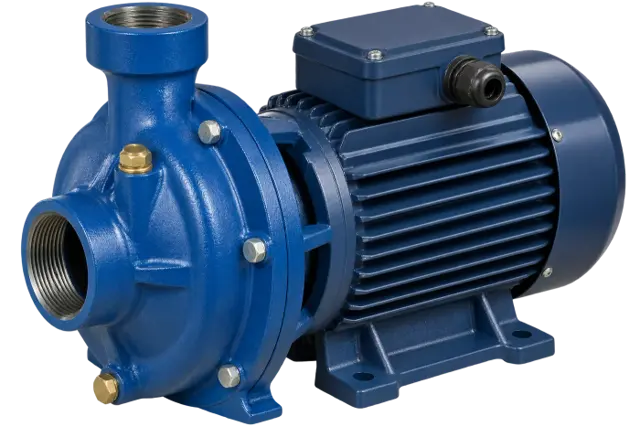
Surface pump for lifting water from tanks, canals and shallow sources into irrigation lines or header tanks, driven directly by a small PV array.

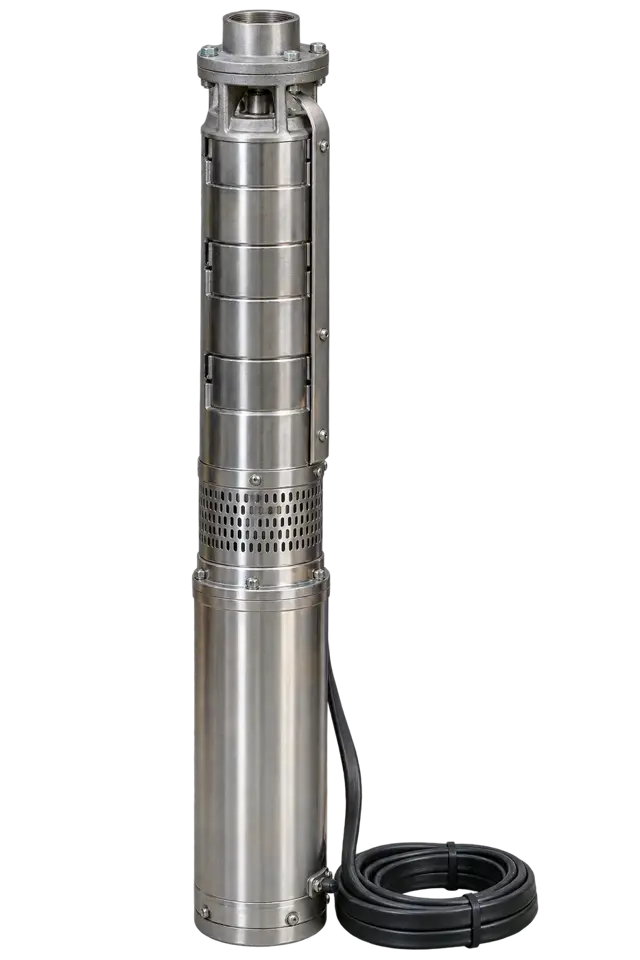
Multistage stainless submersible pump for 4-inch boreholes, for livestock, domestic supply and small-farm irrigation from wells up to about 120 m.
Six-inch borehole pump for farm-scale irrigation and date-palm plantations, replacing diesel pumpsets with a 10–11 kWp solar array.
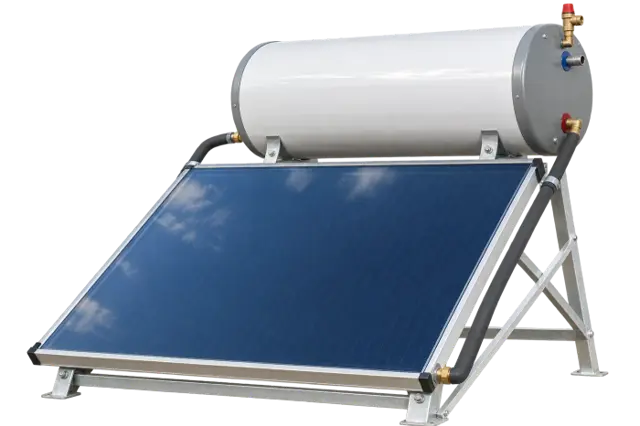
Rooftop flat-plate collector with an enamelled 200 L tank above it. No pump and no controller: the sun alone heats water for a family of four.
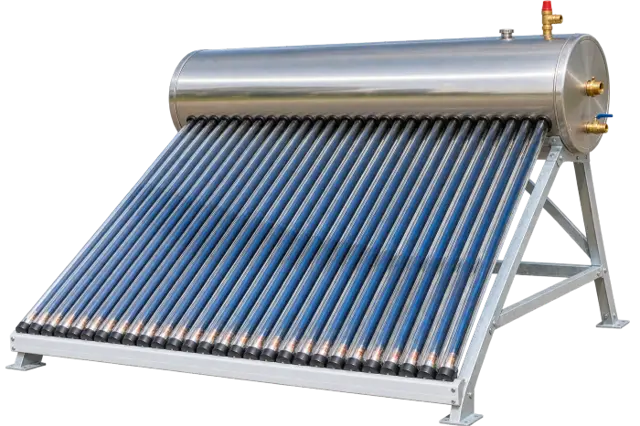
Pressurised heat-pipe system with 30 evacuated glass tubes and a 300 L stainless tank, sized for large villas, staff accommodation and small hotels.
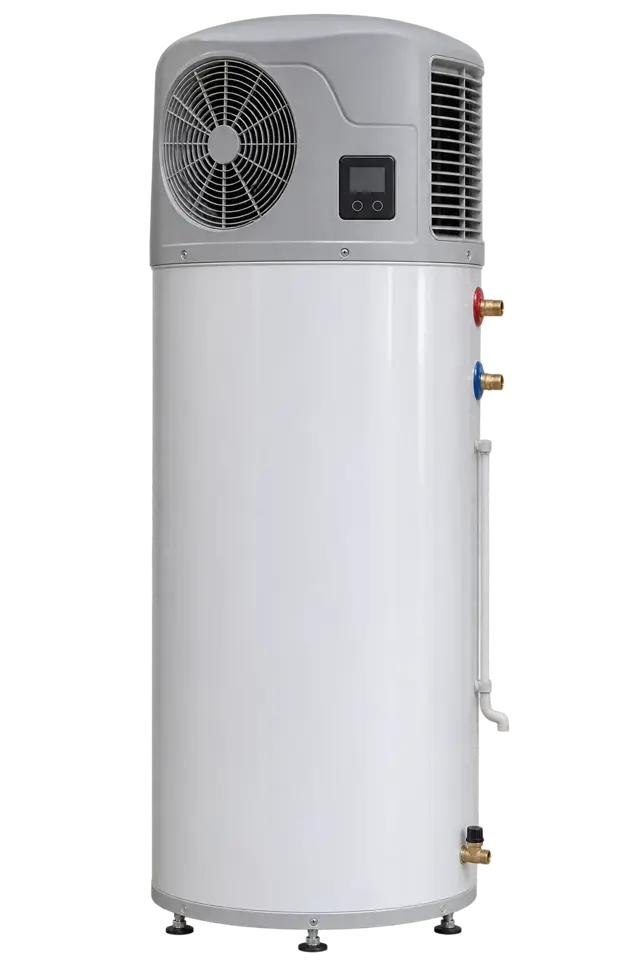
Air-source heat pump on top of a 300 L tank that makes hot water with a third of the electricity of an immersion heater. A good way to use surplus rooftop PV.
