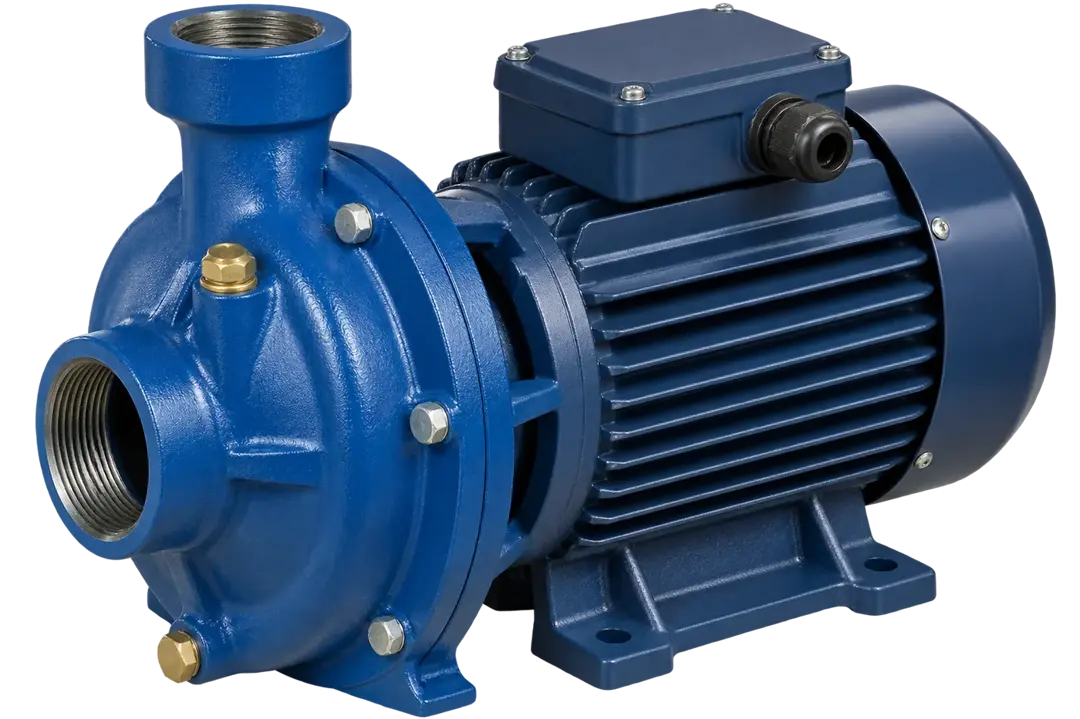
A surface centrifugal pump sits beside the water source and can draw from a suction depth of up to about 7 m; its strength is flow rather than head. This 1.5 kW unit moves up to roughly 20 m³/h at low head and about 6–8 m³/h at 30 m — suited to drip and sprinkler irrigation for farms of one to three hectares, transferring water between tanks, or filling elevated storage. It runs from a solar pump inverter (or an integrated DC/AC controller) that applies MPPT to the array and varies motor speed with the sun, so no battery is needed: the water tank is the storage.
Sizing rule of thumb: hydraulic power (kW) = flow (m³/h) × total head (m) / 367, then divide by pump-and-motor efficiency (≈0.45–0.6) and size the PV at 1.3–1.5 times the motor rating to keep the pump running in morning and afternoon light. A 1.5 kW pump therefore takes about 2–2.2 kWp of modules. In the Gulf, a site with 6 peak-sun-hours delivers about 60–80 m³ per day at 20–25 m head. Use stainless or bronze impellers for brackish water, keep the suction line short and airtight with a foot valve, and shade the motor from direct sun.

Multistage stainless submersible pump for 4-inch boreholes, for livestock, domestic supply and small-farm irrigation from wells up to about 120 m.
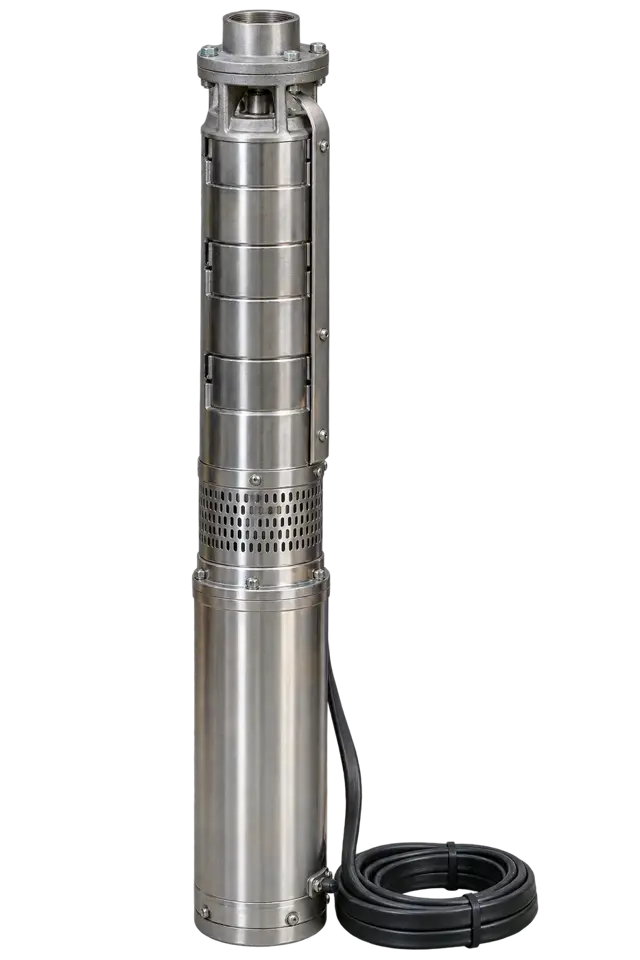
Six-inch borehole pump for farm-scale irrigation and date-palm plantations, replacing diesel pumpsets with a 10–11 kWp solar array.

Variable-frequency drive with built-in MPPT that runs standard three-phase AC pumps straight from PV, with dry-run, overload and tank-full protection.
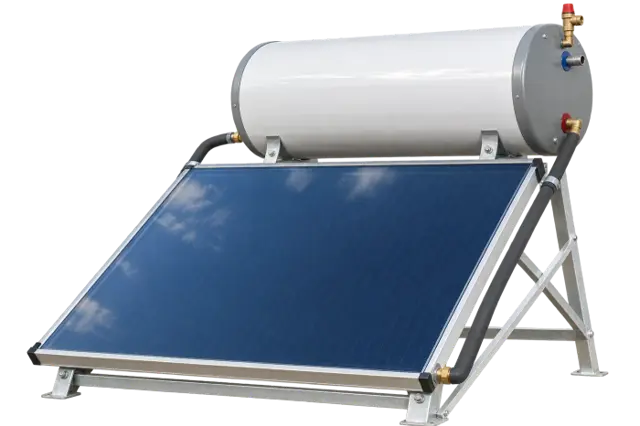
Rooftop flat-plate collector with an enamelled 200 L tank above it. No pump and no controller: the sun alone heats water for a family of four.
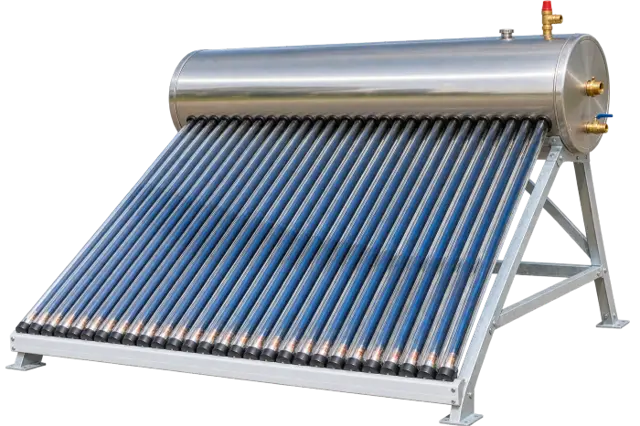
Pressurised heat-pipe system with 30 evacuated glass tubes and a 300 L stainless tank, sized for large villas, staff accommodation and small hotels.
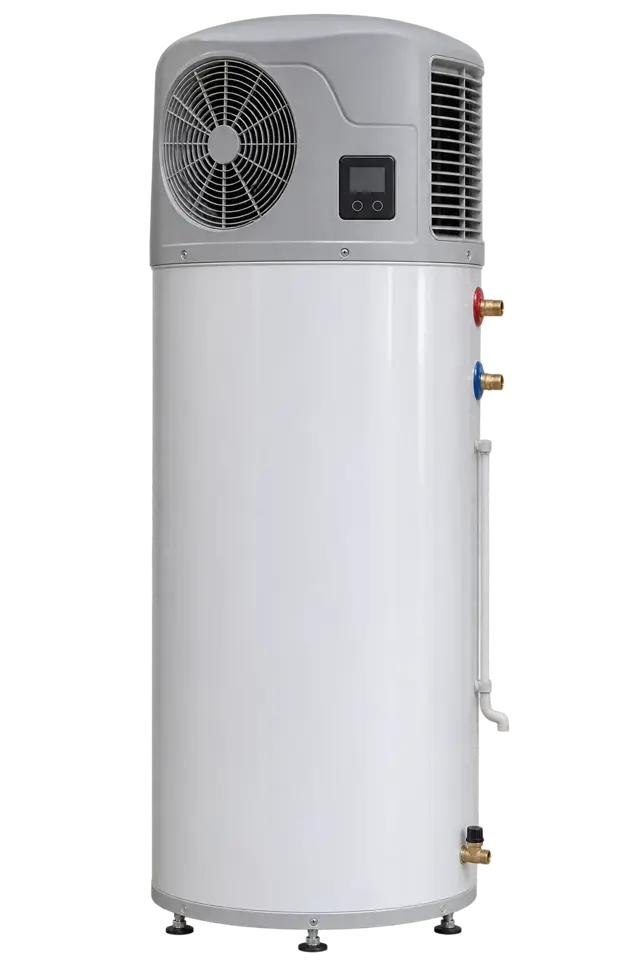
Air-source heat pump on top of a 300 L tank that makes hot water with a third of the electricity of an immersion heater. A good way to use surplus rooftop PV.
