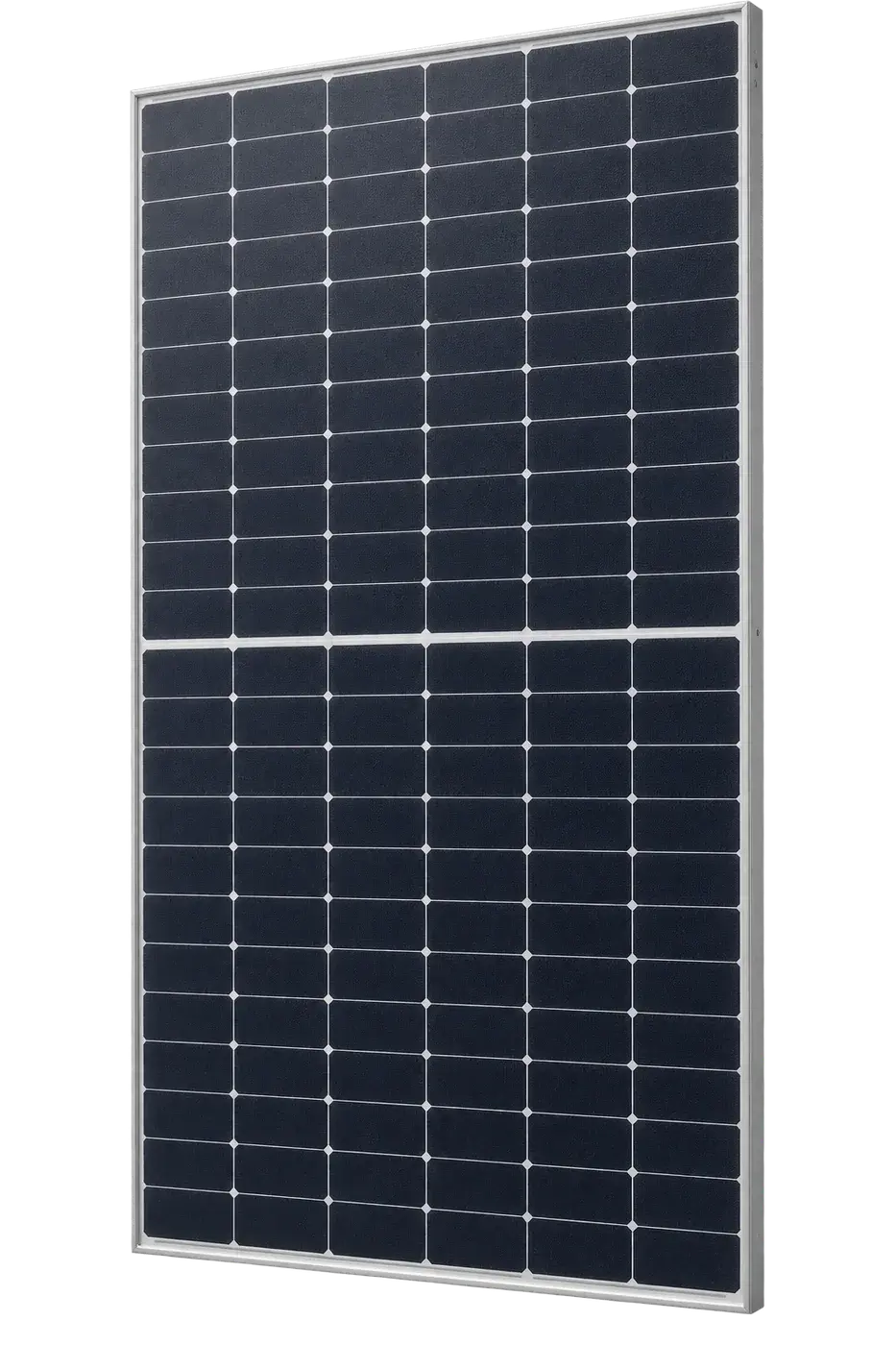
Standard solar glass already reflects only a few percent of light, but at low sun angles even that can produce a bright spot visible to pilots, control-tower staff or drivers. Anti-glare modules use a deeply structured, satin-etched front glass that scatters the reflected light into a wide, dim cone instead of a sharp mirror-like beam. Aviation regulators and road agencies often require a glare-hazard analysis for arrays near airports and highways; using this glass is one of the standard mitigations alongside careful choice of tilt and orientation.
The texture costs very little energy — typically under 1 % — and can even improve performance at high incidence angles. This 72-cell (144 half-cut) format suits ground-mount and large rooftop systems at airports, logistics hubs and roadside installations. Textured glass holds slightly more dust in its surface pattern, so plan cleaning with soft brushes and pure water; do not use abrasive pads, which polish the texture and reduce its effect.
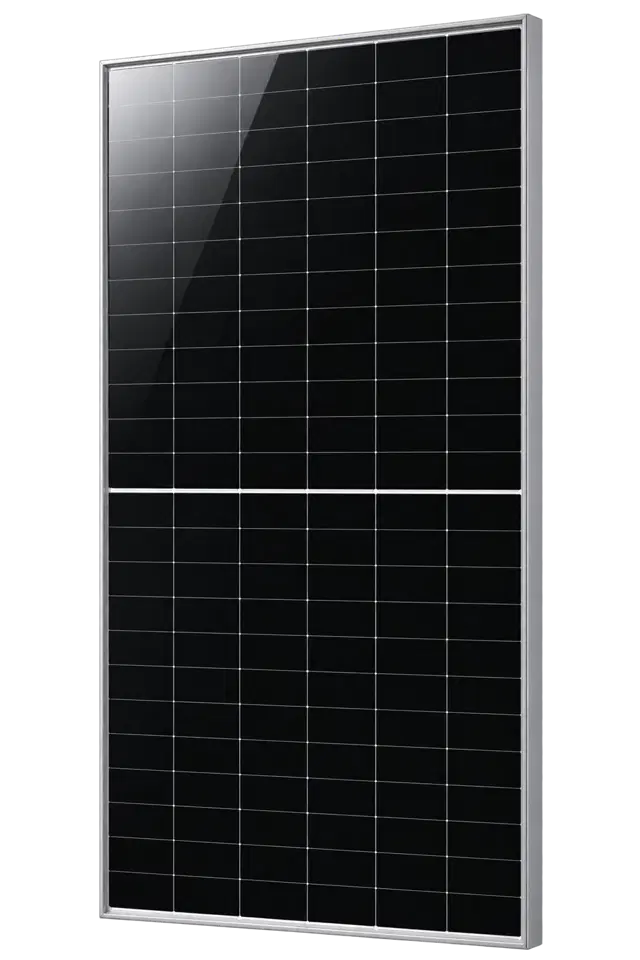
Utility-scale back-contact (HPBC 2.0) bifacial module, 640–670 W class, up to 24.8 % efficiency.
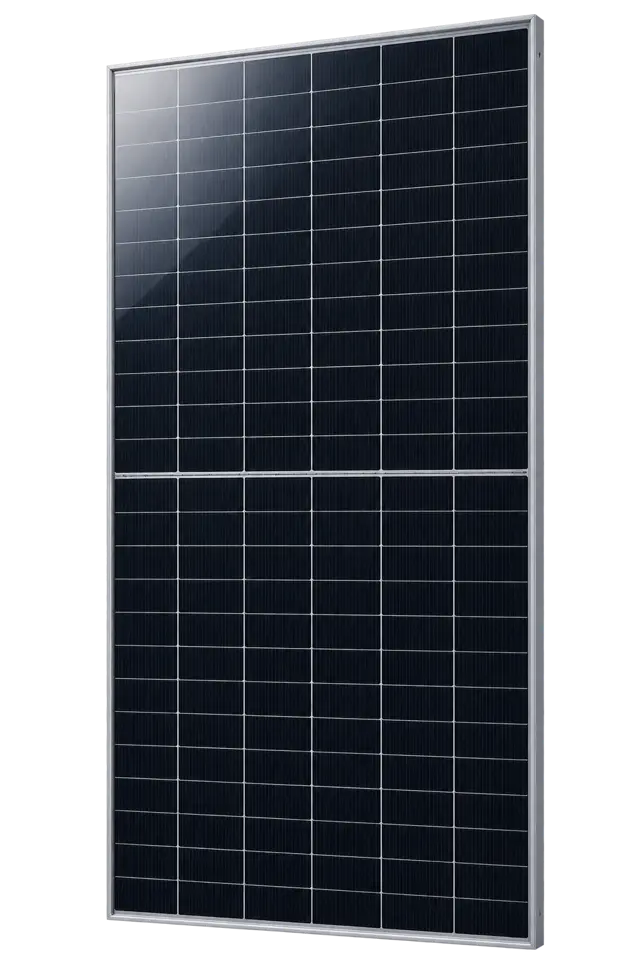
Bifacial dual-glass N-type HPDC module for ground-mount plants, 600–625 W, 23.0 % efficiency.
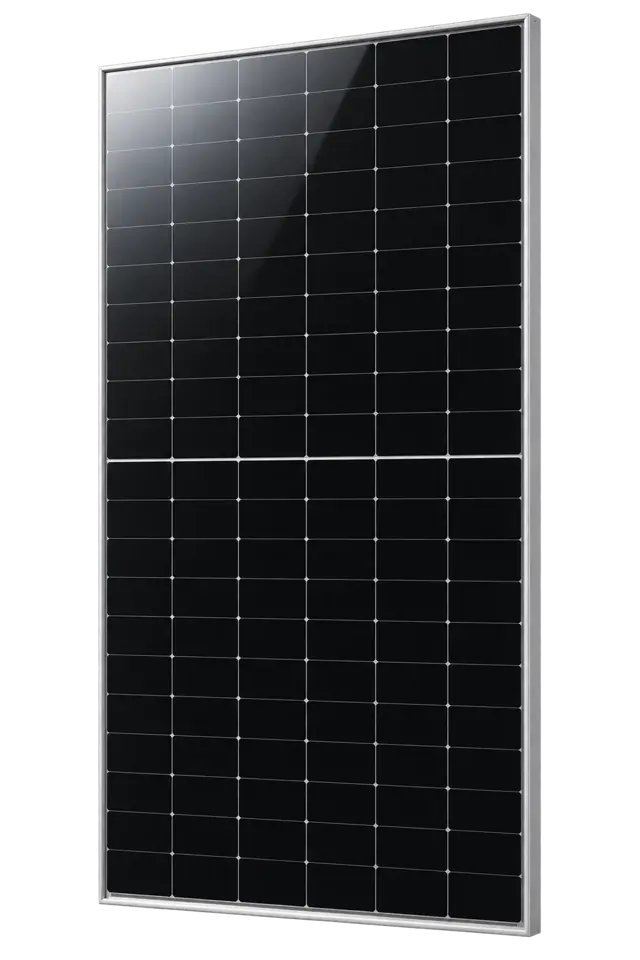
Monofacial HPBC module for commercial & industrial rooftops, 570–595 W, 22.8 % efficiency.
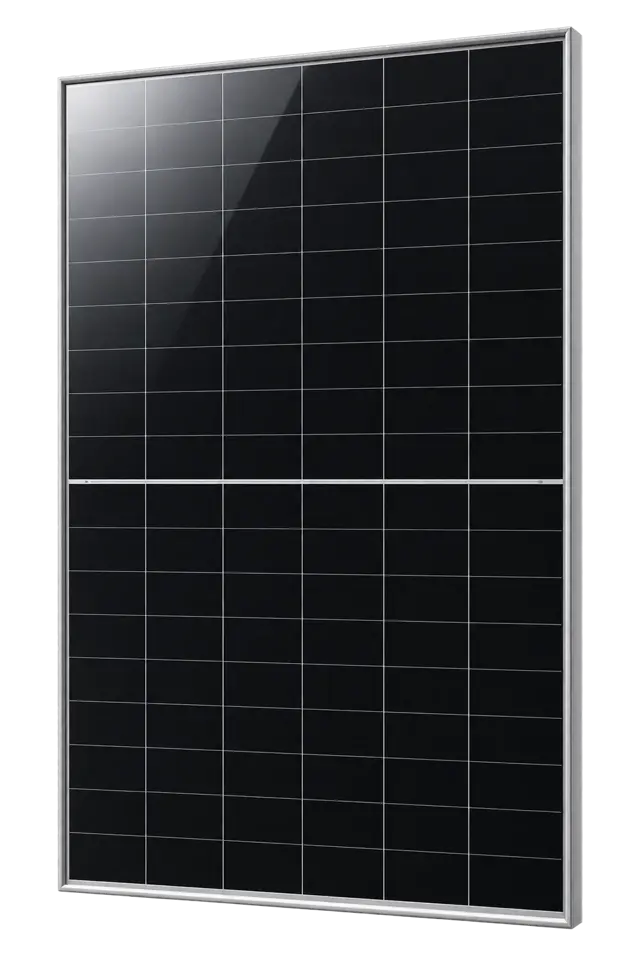
Residential back-contact rooftop module, 455–485 W, 23.3 % efficiency with anti-shading design.
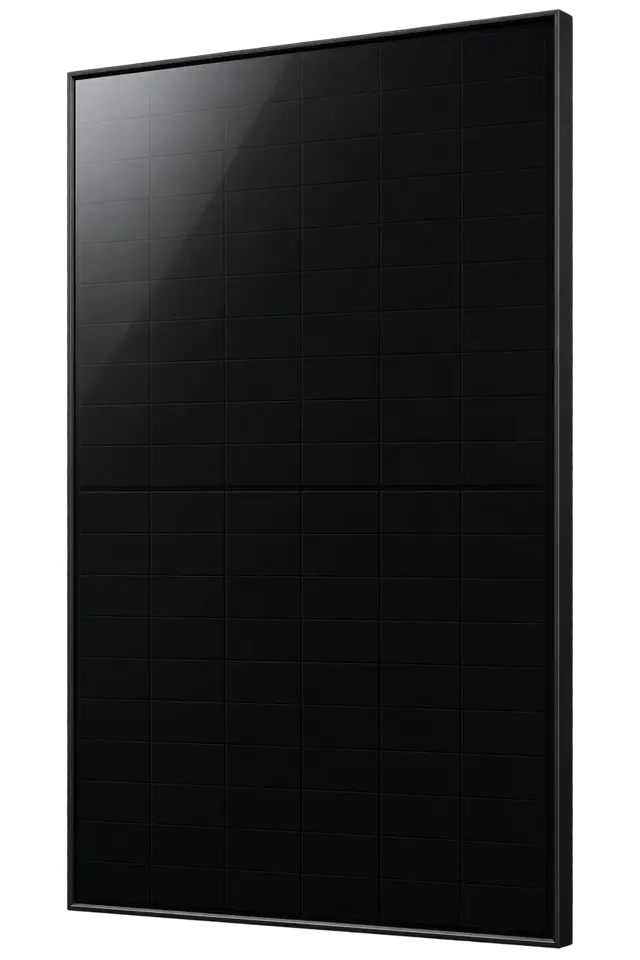
All-black aesthetic version for premium villas, 445–465 W, 22.5 % efficiency.
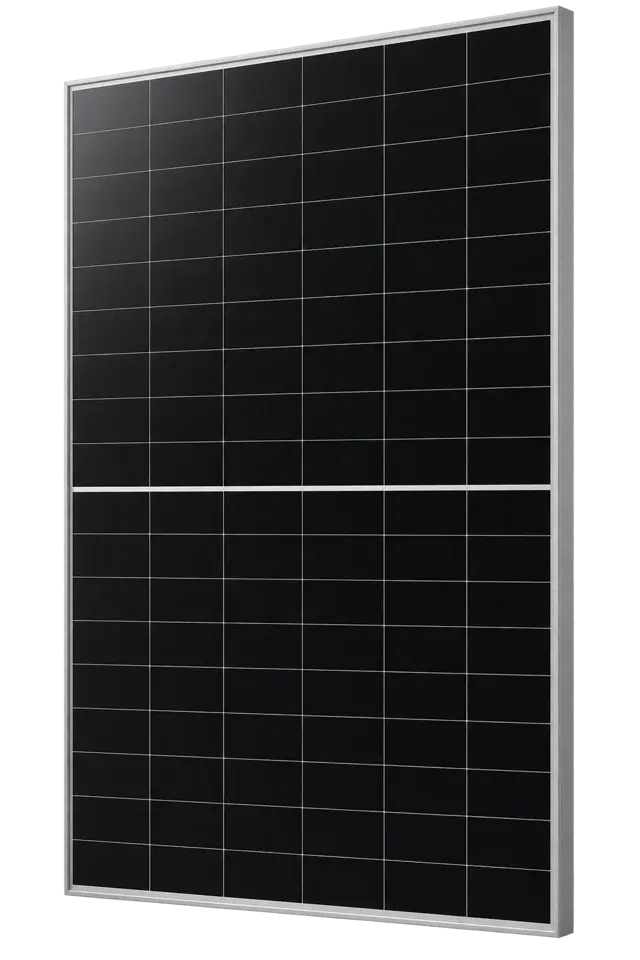
Residential HPBC 2.0 back-contact module, 54-cell format, around 480 W with strong partial-shade behaviour.
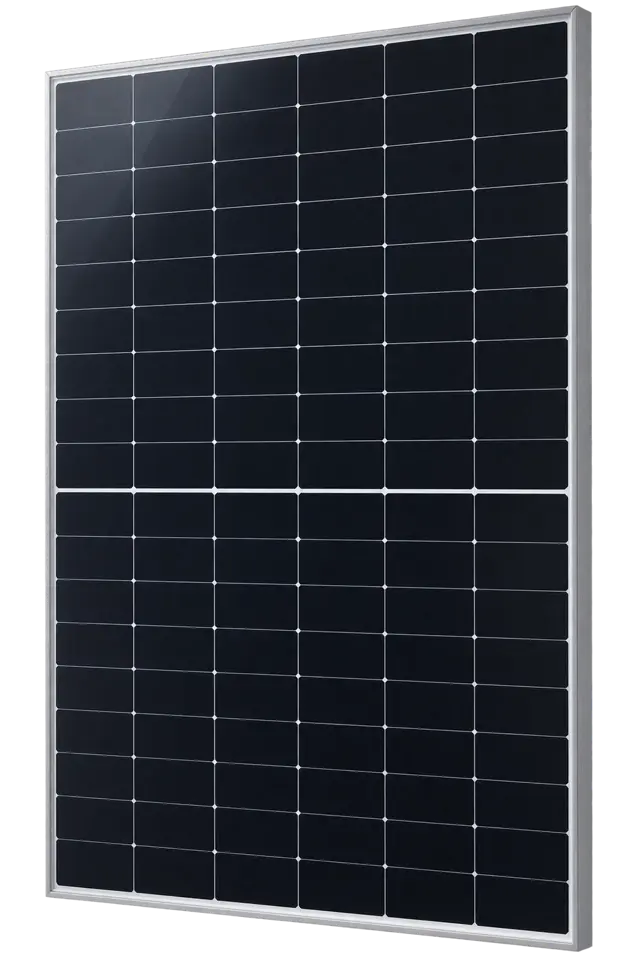
Rooftop HPBC back-contact module on 182 mm wafers, 415–435 W, around 22 % efficiency.
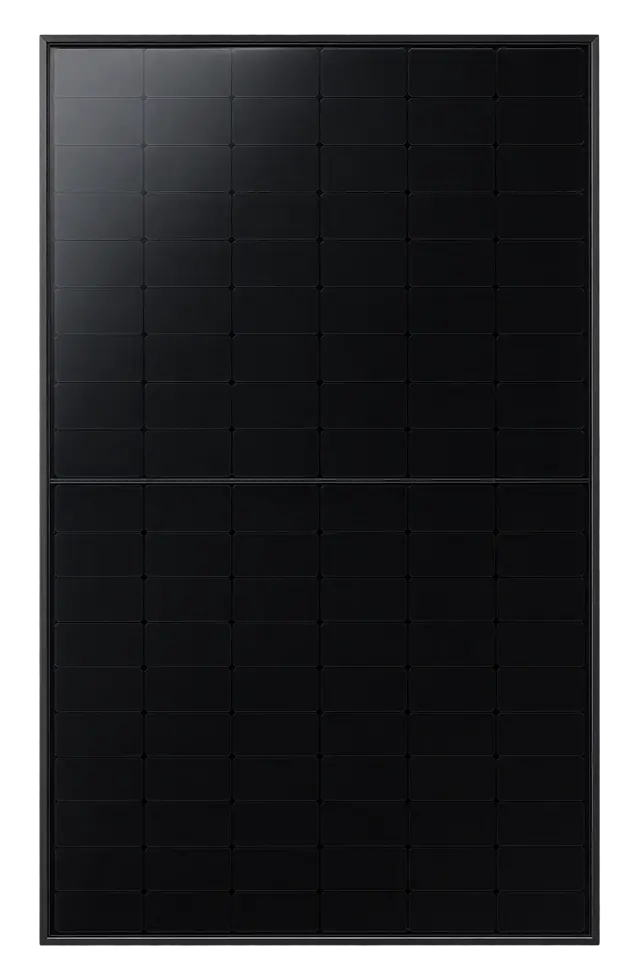
All-black residential back-contact module with black frame and backsheet, around 420 W.
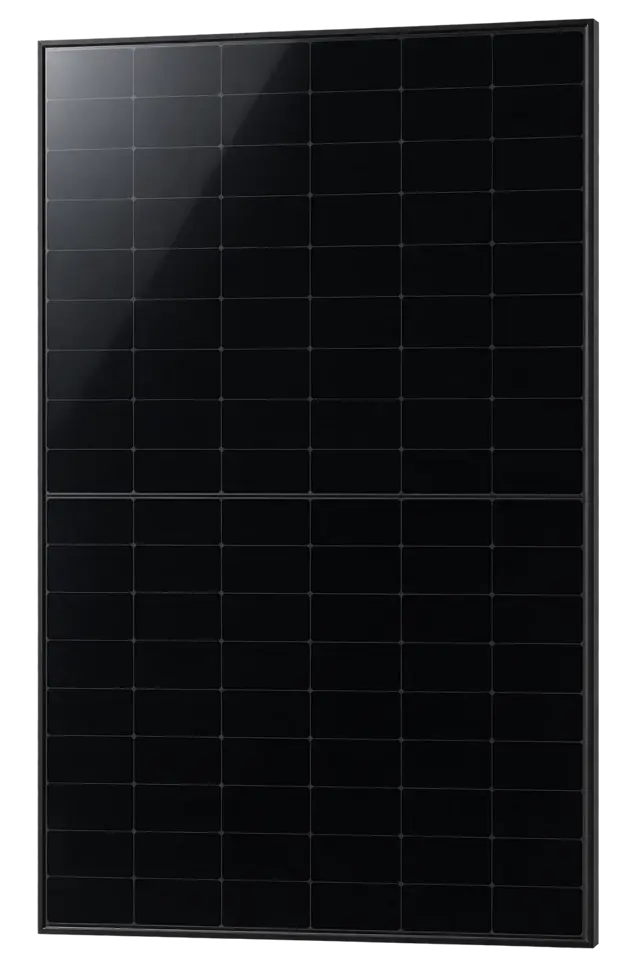
Premium all-black HPBC 2.0 rooftop module with extended warranty, around 450 W and 23 % efficiency.
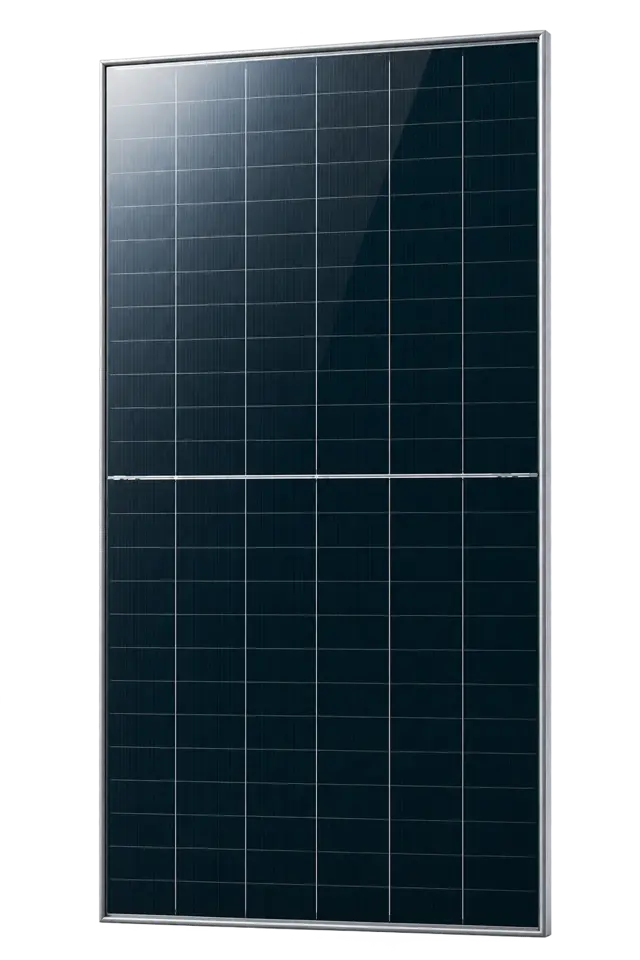
N-type TOPCon bifacial dual-glass module, 695–720 W, 23.2 % efficiency. Our utility-scale reference product.
