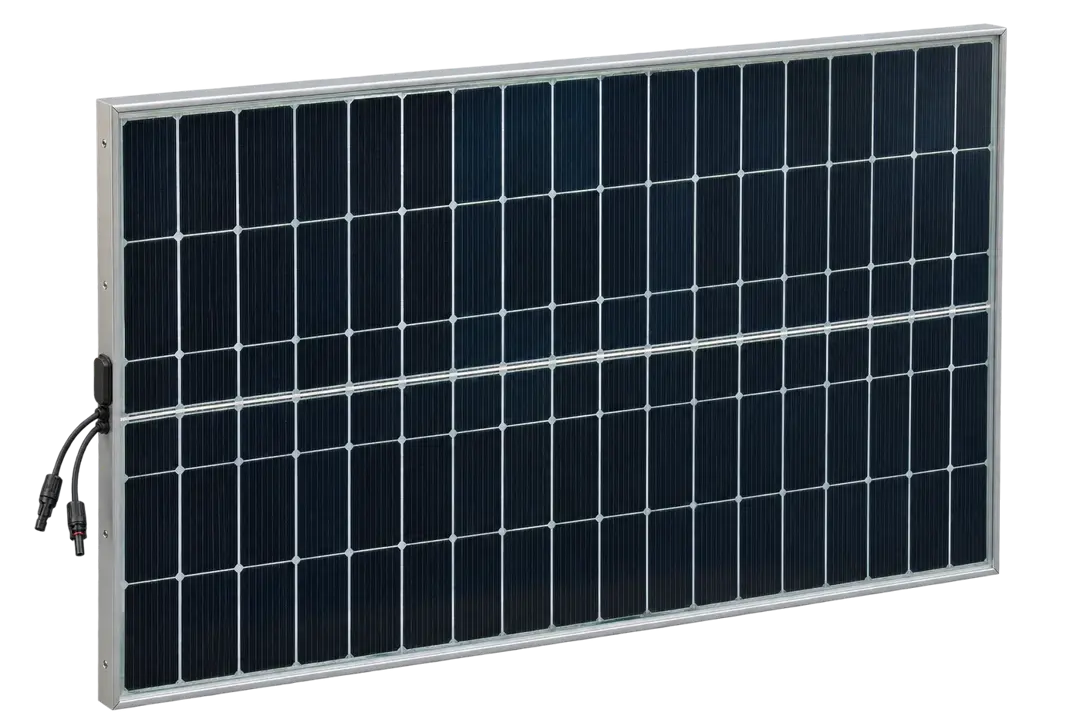
Mounted vertically with one face to the east and the other to the west, a bifacial module produces two daily peaks — morning and late afternoon — instead of one midday peak. For a grid that already has plenty of noon solar, that shape is more valuable, and the land between rows remains fully usable for grazing, crops or vehicle access. This module uses N-type cells with about 85 % bifaciality in a 2 + 2 mm glass-glass laminate, so both faces deliver almost the same power, and its frame is drilled for fence-post mounting.
Annual energy per kWp from a vertical east-west fence is typically 85–100 % of a south-facing fixed-tilt array in the Gulf, depending on ground albedo and row spacing, with the bonus that vertical glass sheds dust and sand far better — soiling losses can fall below 1 %. Design the posts for full wind load on the glass area, keep the lowest cell edge at least 0.5–1 m above ground to avoid sand-blast and grass shading, and use connectors rated for the extra handling of fence installations.
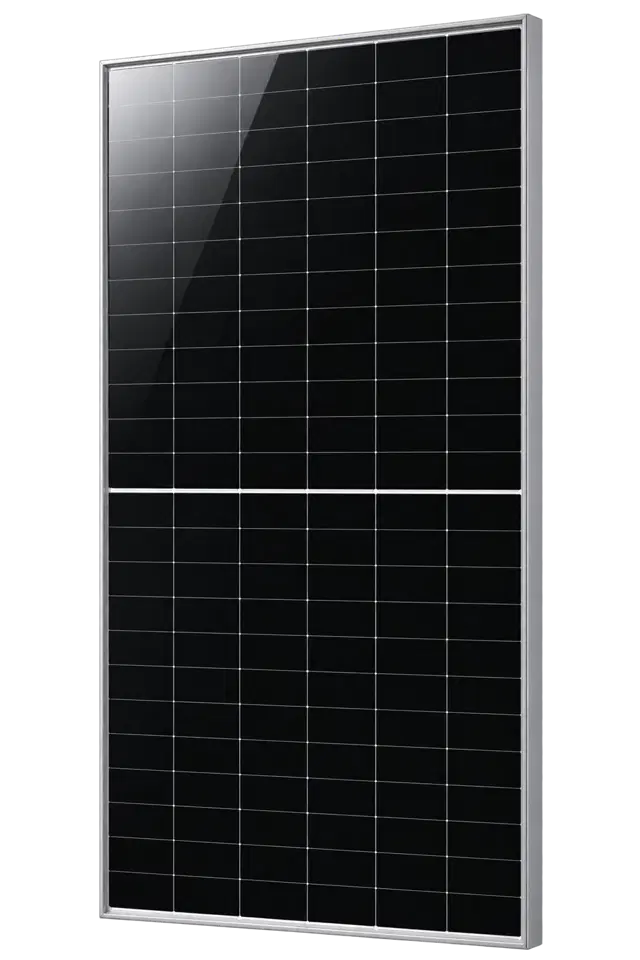
Utility-scale back-contact (HPBC 2.0) bifacial module, 640–670 W class, up to 24.8 % efficiency.
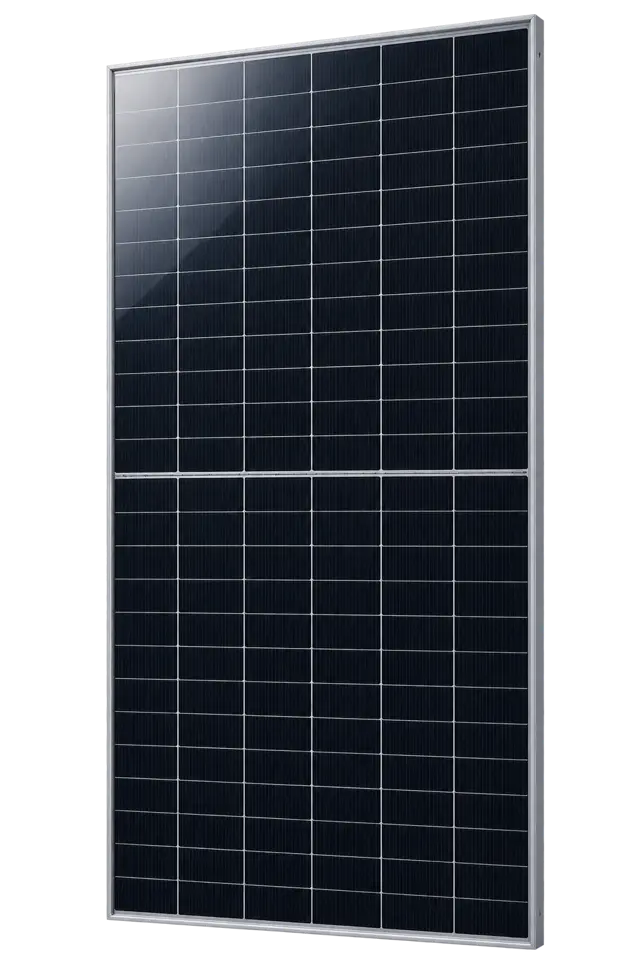
Bifacial dual-glass N-type HPDC module for ground-mount plants, 600–625 W, 23.0 % efficiency.
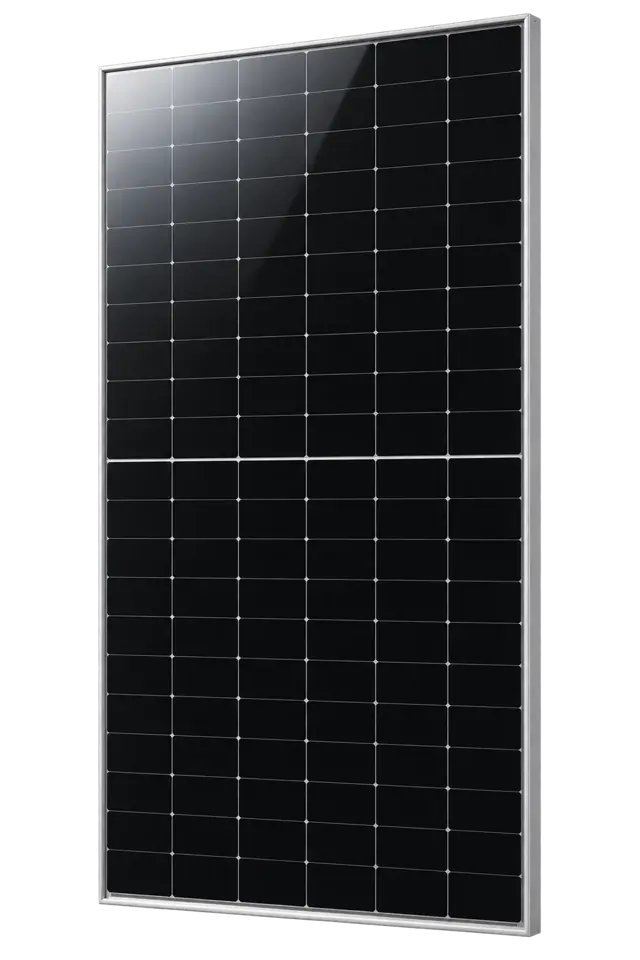
Monofacial HPBC module for commercial & industrial rooftops, 570–595 W, 22.8 % efficiency.
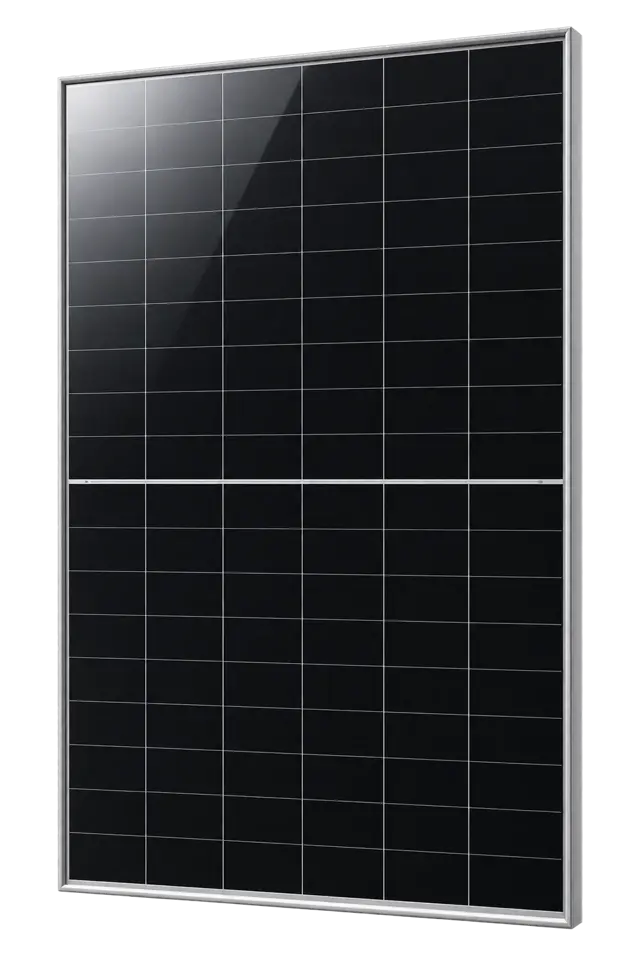
Residential back-contact rooftop module, 455–485 W, 23.3 % efficiency with anti-shading design.
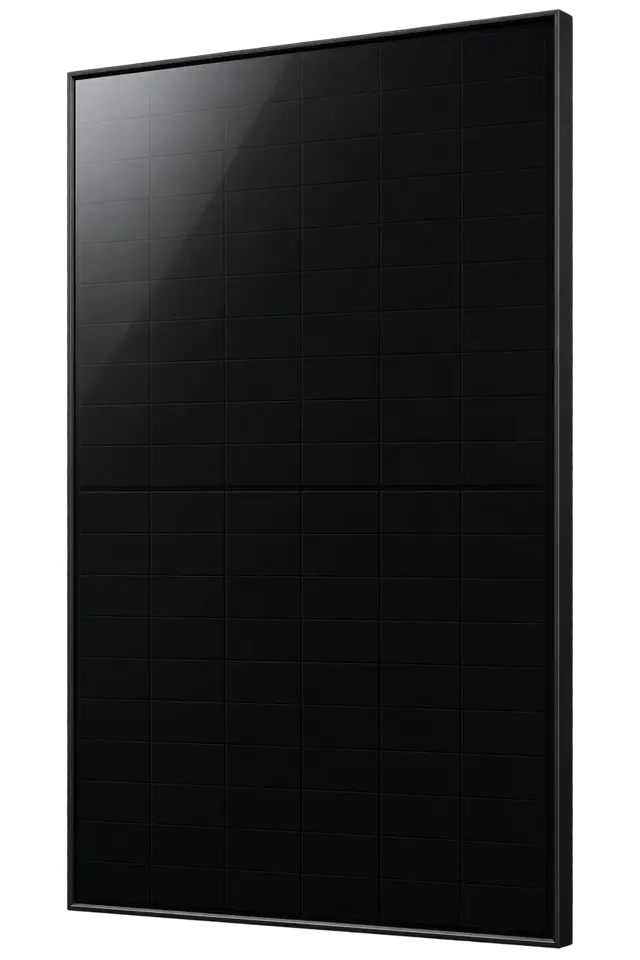
All-black aesthetic version for premium villas, 445–465 W, 22.5 % efficiency.
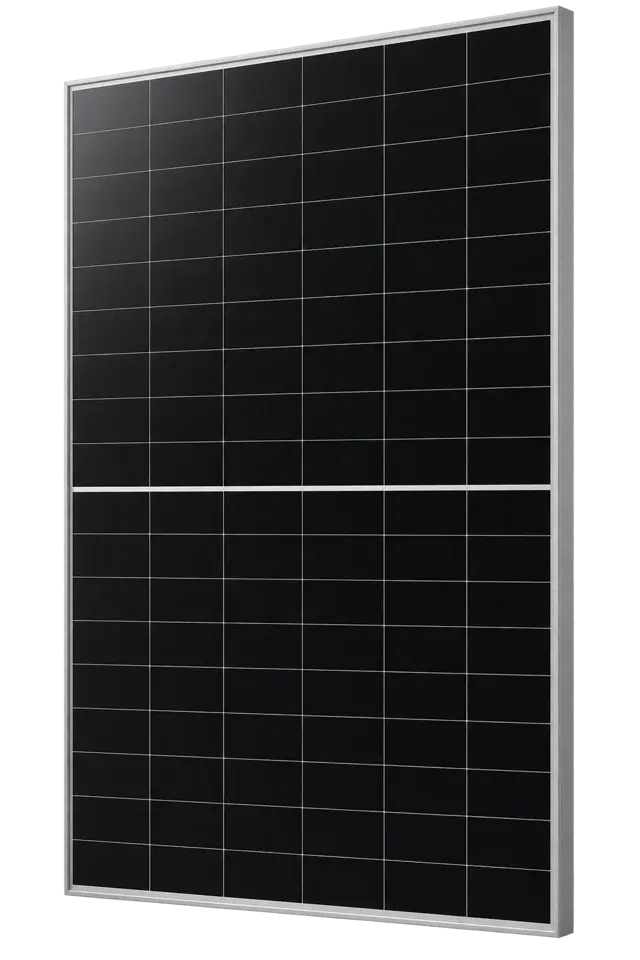
Residential HPBC 2.0 back-contact module, 54-cell format, around 480 W with strong partial-shade behaviour.
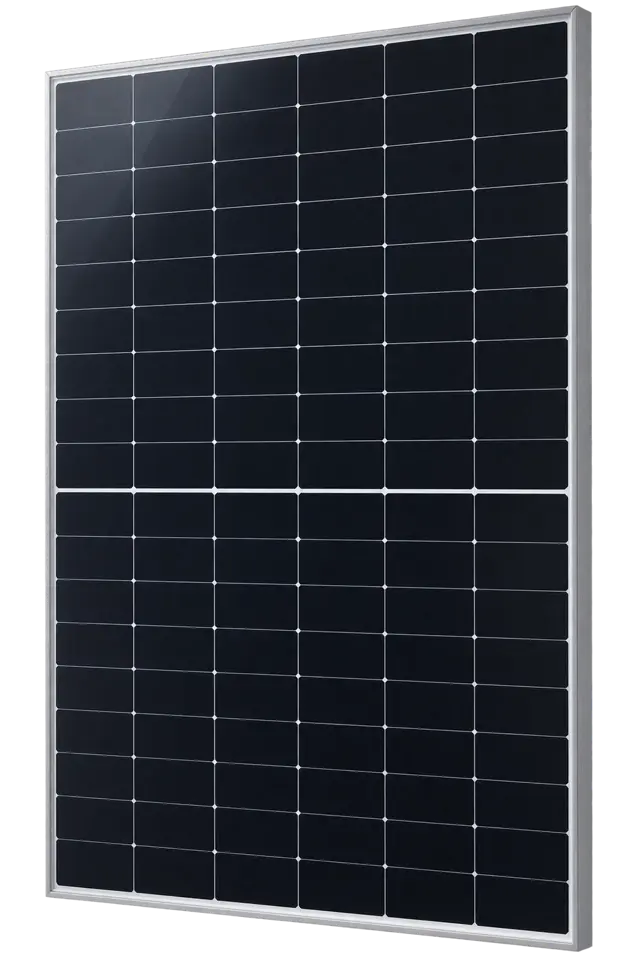
Rooftop HPBC back-contact module on 182 mm wafers, 415–435 W, around 22 % efficiency.
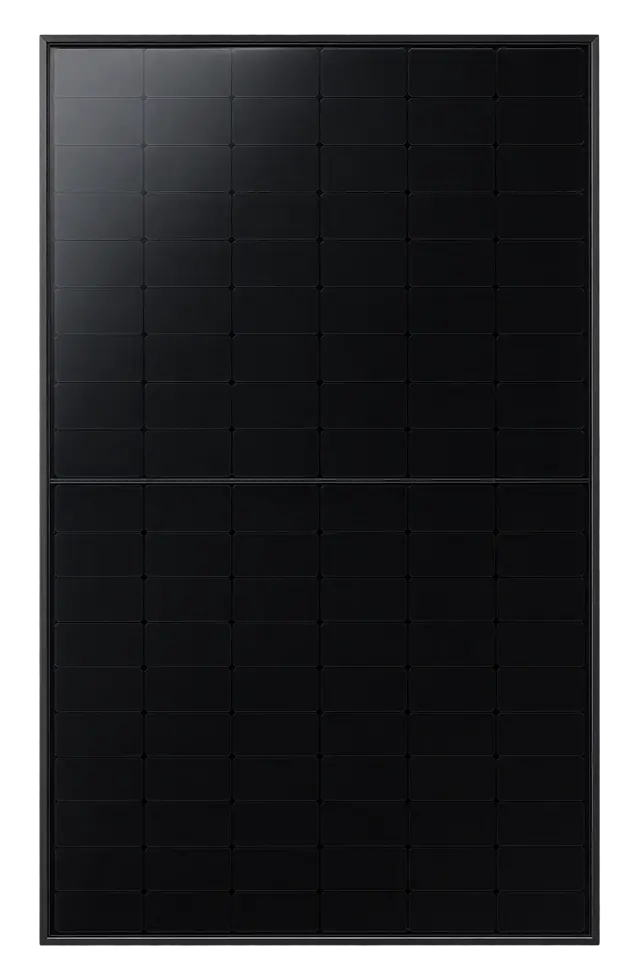
All-black residential back-contact module with black frame and backsheet, around 420 W.
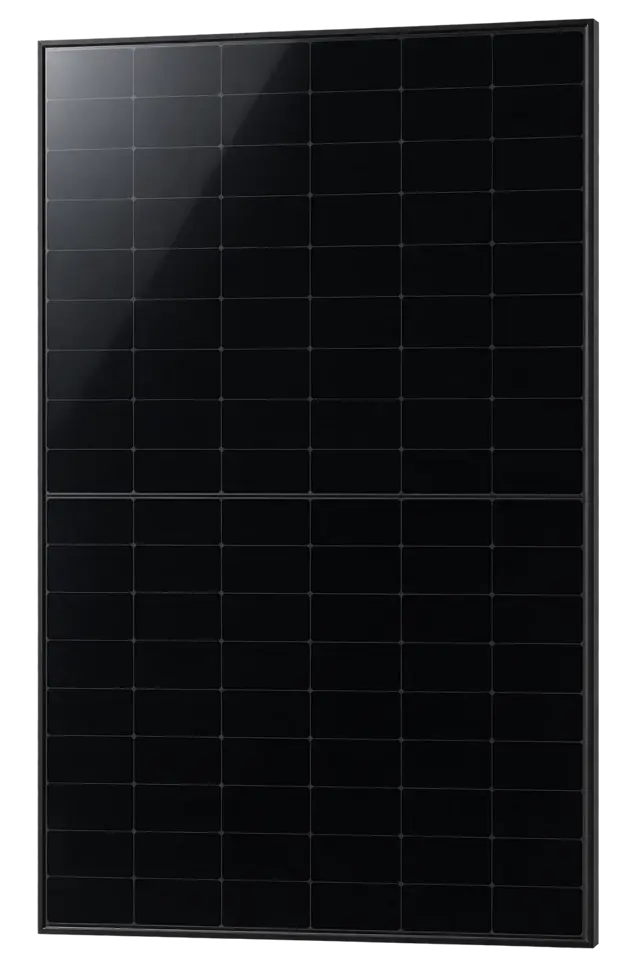
Premium all-black HPBC 2.0 rooftop module with extended warranty, around 450 W and 23 % efficiency.
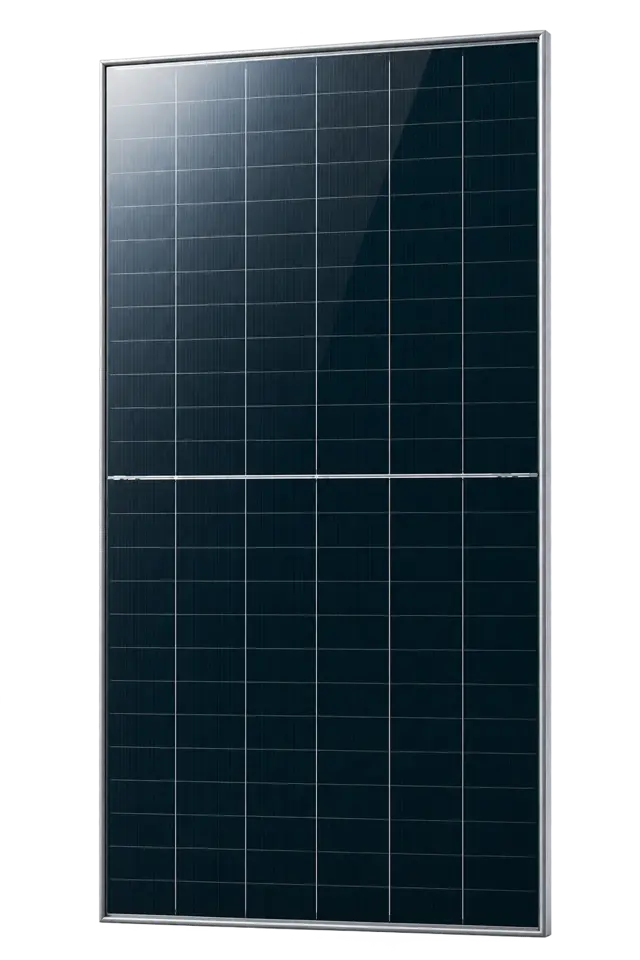
N-type TOPCon bifacial dual-glass module, 695–720 W, 23.2 % efficiency. Our utility-scale reference product.
