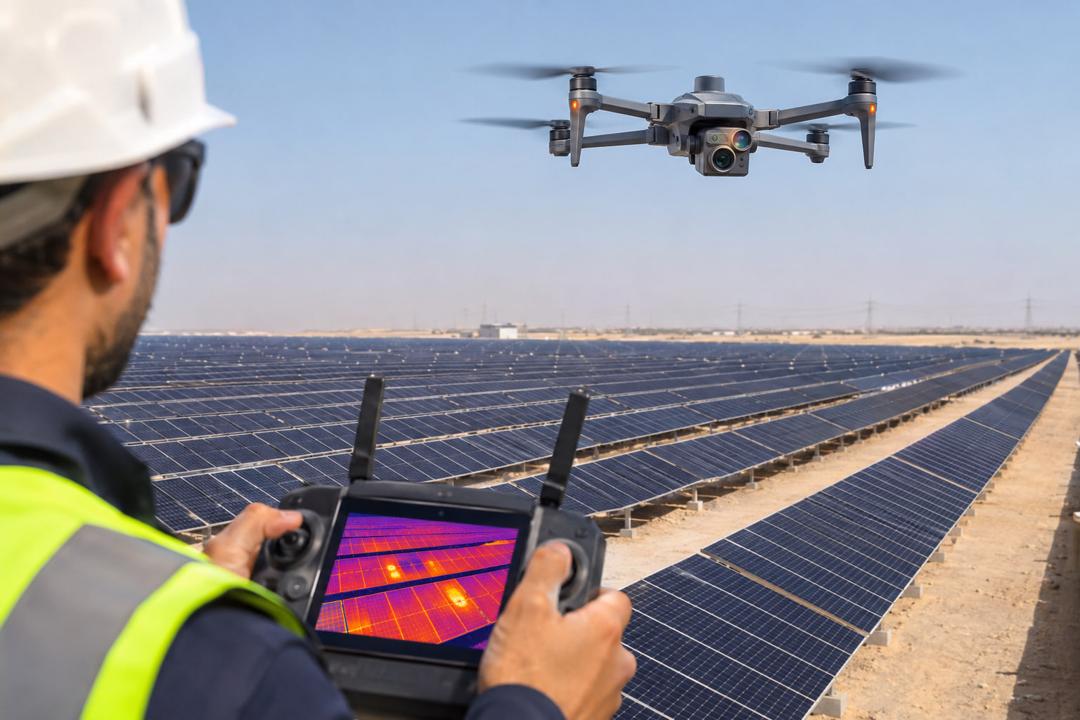
A drone with a radiometric thermal camera flies a pre-programd grid over the plant under at least 600 W/m² of irradiance, as required by IEC TS 62446-3. Faulty cells and modules run hotter than their neighbors and stand out clearly: single hot cells, sub-strings with a failed bypass diode, whole modules or strings that are open-circuit, PID patterns and soiling hotspots.
AI software geo-references every anomaly, classifies it by severity and estimates the energy loss, producing a report the O&M team can act on directly. A 10 MWp plant can be surveyed in one day, versus weeks with handheld cameras. Recommended annually and before the end of the module warranty.
Price is per MWp surveyed, including flight, analysis and report; mobilization in the UAE is included for plants of 5 MWp and above.
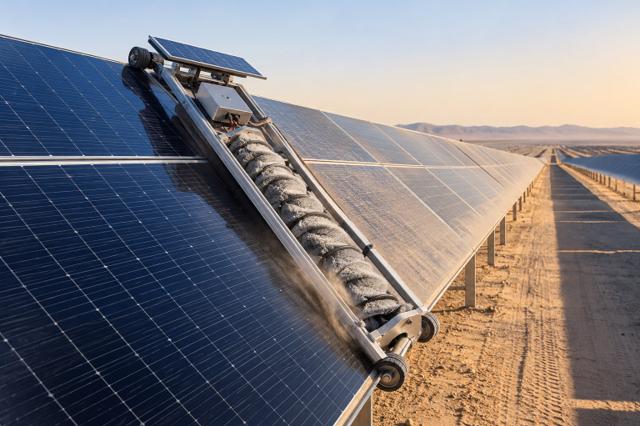
Autonomous microfiber-brush robot that cleans a full table row every night without water; the standard for desert utility plants.
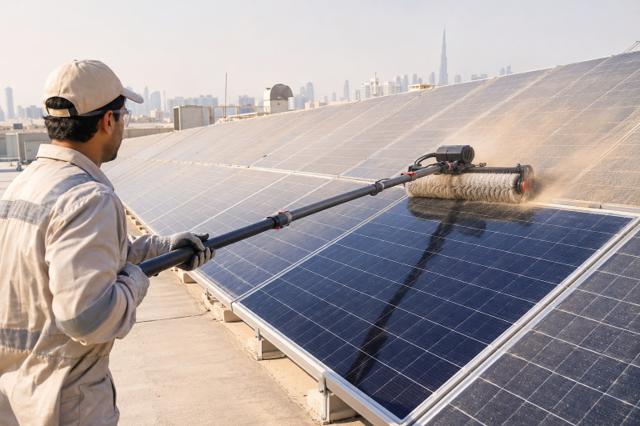
Battery-powered rotating brush on a telescopic pole for rooftops and small plants; optional water connection.
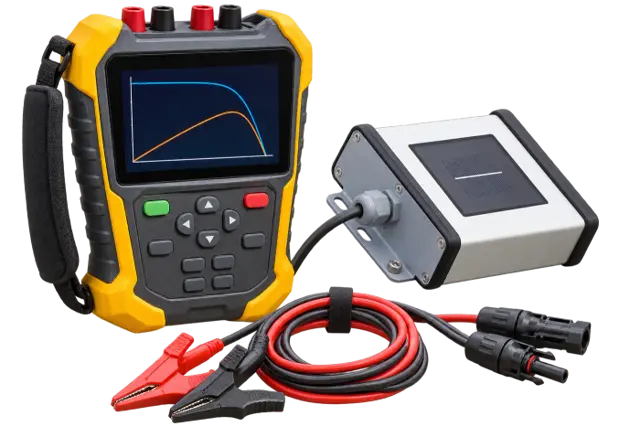
Field instrument that measures the full current-voltage curve of a string and compares it with the datasheet at STC.

CAT III 1500 V kit: insulation resistance, Voc, Isc, polarity, earth continuity and DC clamp current for commissioning and fault-finding.

Arc-rated clothing, face shield, insulated gloves and safety footwear for work on live PV DC and LV AC equipment.
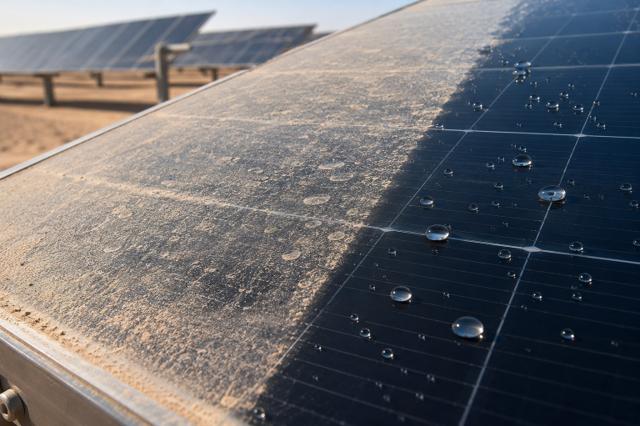
Optional nano-coating applied on site that reduces dust adhesion and makes cleaning easier; lasts 1–3 years.
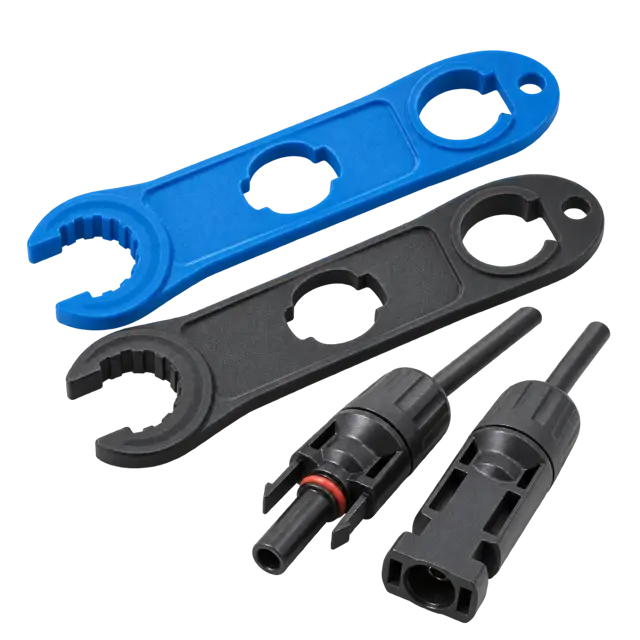
Pair of glass-fibre reinforced spanners for tightening MC4 cable glands and releasing the locking latches without damaging the housing.

Pocket meter reading plane-of-array irradiance in W/m² and module back-sheet temperature — the quick reference for commissioning and performance checks.
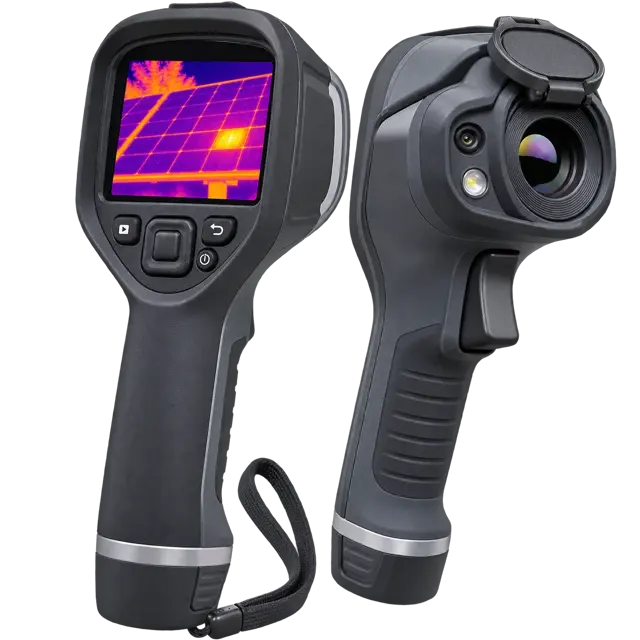
Radiometric infrared camera for finding hot cells, failed bypass diodes, loose terminals and overheated fuses in modules, combiner boxes and switchboards.

Measures earth electrode resistance and soil resistivity with stakes, plus stakeless clamp testing of individual rods in a meshed earthing system.
