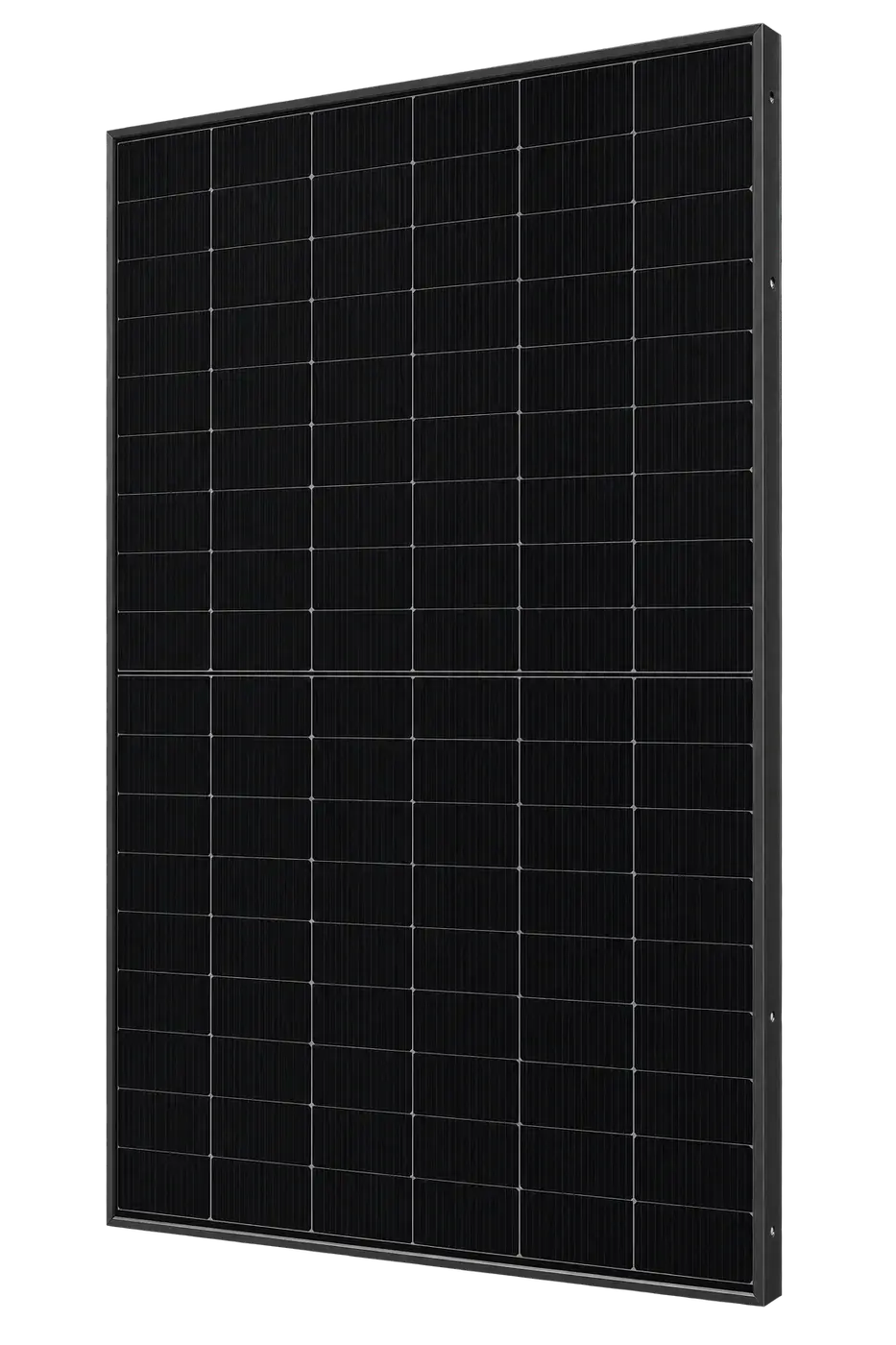
All-black modules are chosen for appearance: on a villa roof or a visible street-facing pitch, a uniform black surface with no white backsheet lines or silver frame reads as part of the architecture. This 400 W version uses 108 half-cut TOPCon cells in the compact 1722 × 1134 mm format, which two people can carry onto a roof and which fits most residential rail layouts without cutting rails. Because the black backsheet absorbs more heat than a white one, cell temperature runs roughly 2–3 °C higher, costing around 1 % of energy in a Gulf summer — the price of the look.
Use it where roof area, not budget, is the limit only if you accept slightly lower yield per square metre than the 420–450 W options. Pair it with black mid and end clamps and black rail end caps for a clean finish. In dusty climates the dark glass shows dust less than you might expect, but a regular rinse schedule still pays back; keep at least 100 mm of rear ventilation gap on pitched roofs to limit the heat penalty.
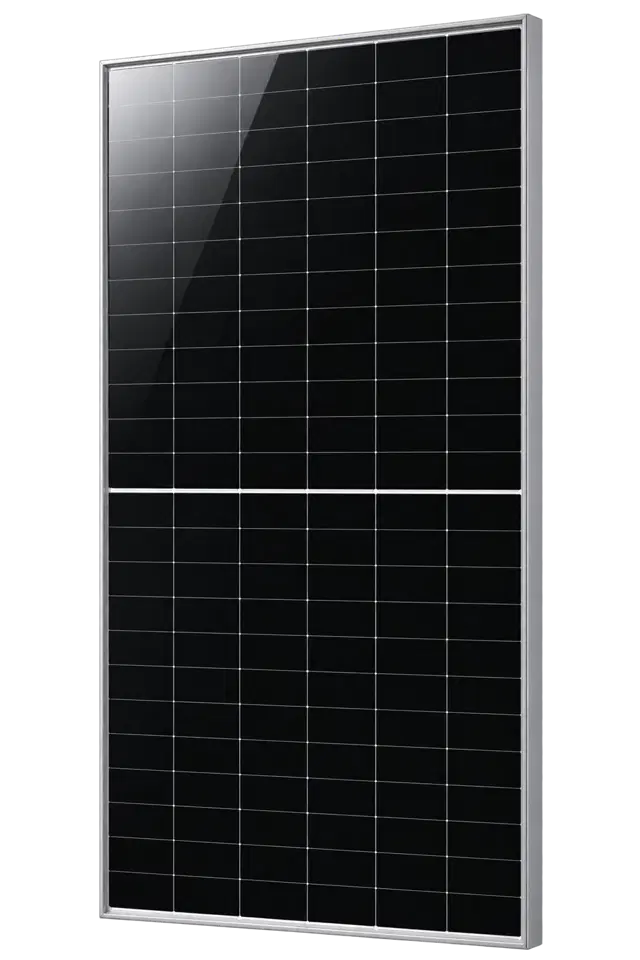
Utility-scale back-contact (HPBC 2.0) bifacial module, 640–670 W class, up to 24.8 % efficiency.
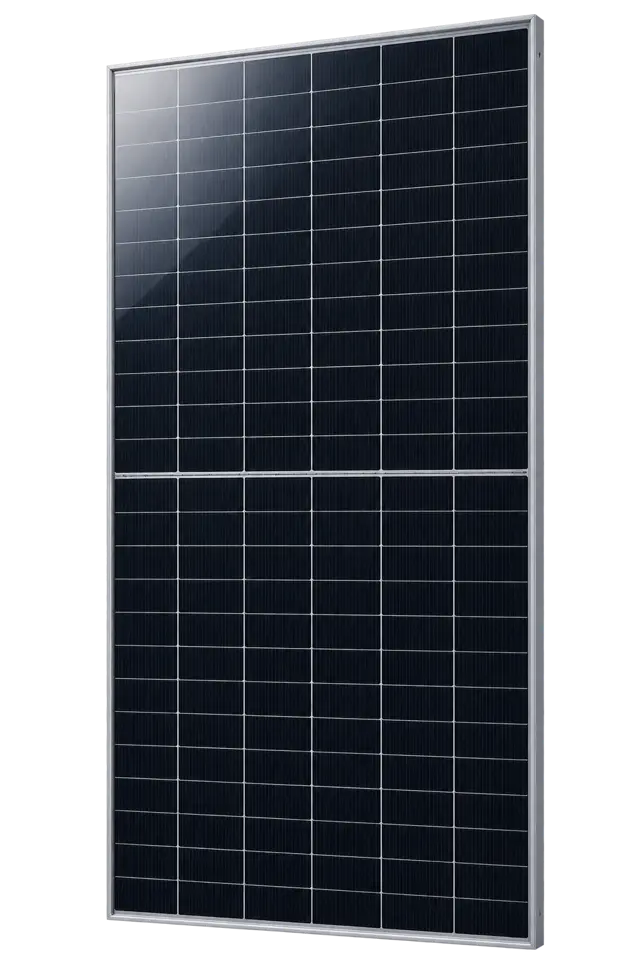
Bifacial dual-glass N-type HPDC module for ground-mount plants, 600–625 W, 23.0 % efficiency.
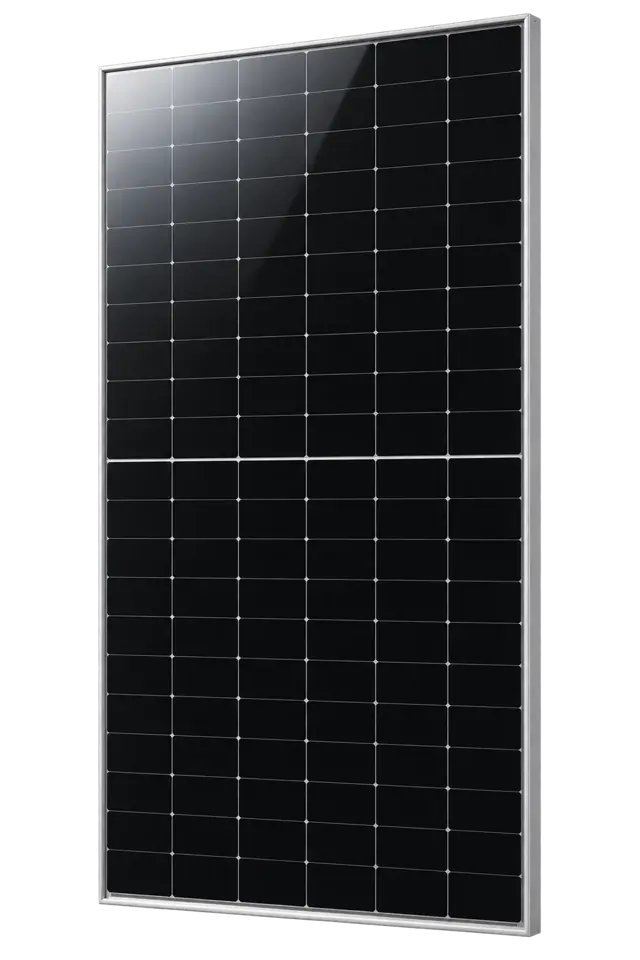
Monofacial HPBC module for commercial & industrial rooftops, 570–595 W, 22.8 % efficiency.
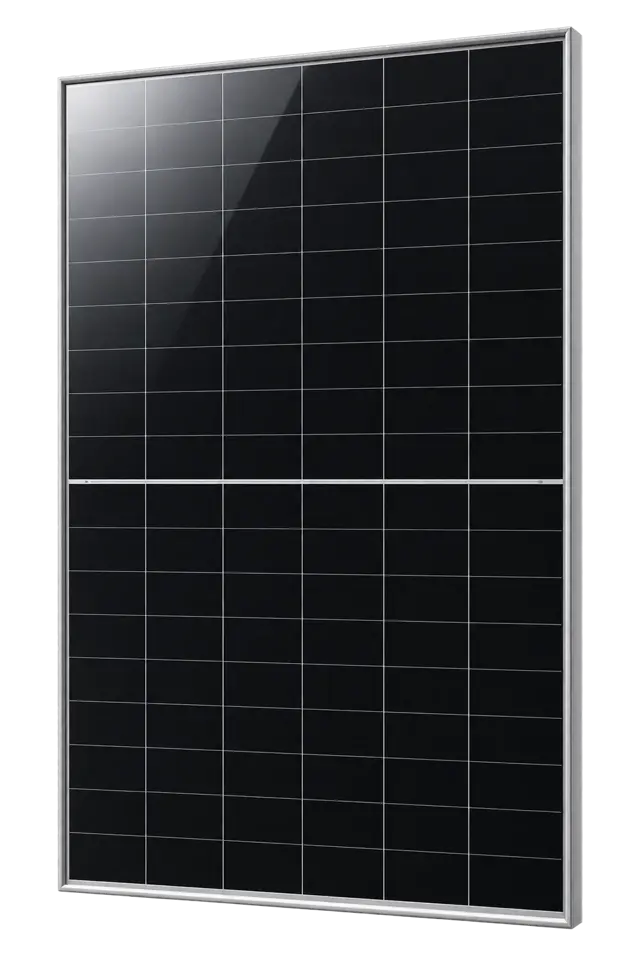
Residential back-contact rooftop module, 455–485 W, 23.3 % efficiency with anti-shading design.
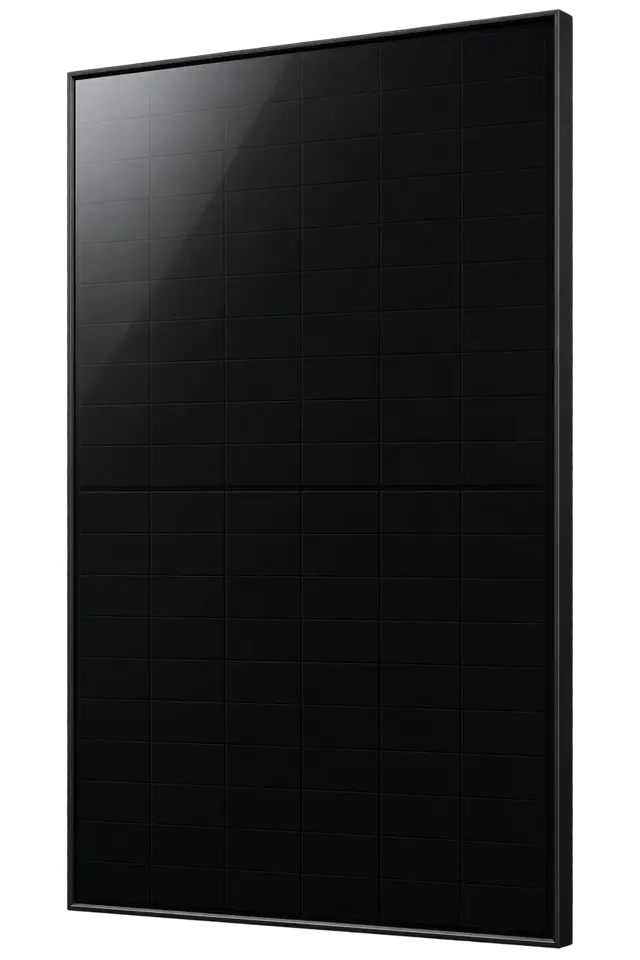
All-black aesthetic version for premium villas, 445–465 W, 22.5 % efficiency.
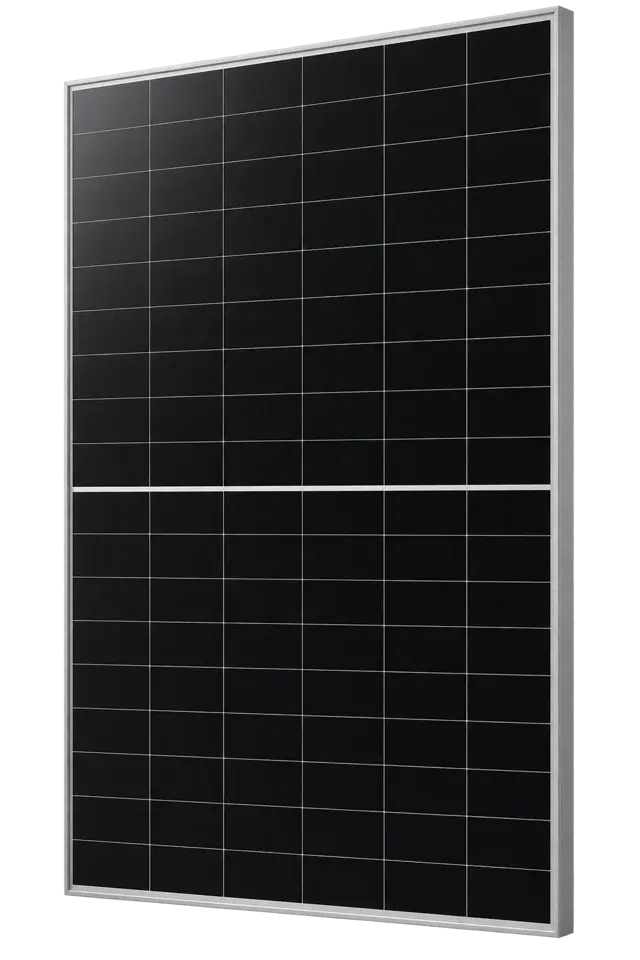
Residential HPBC 2.0 back-contact module, 54-cell format, around 480 W with strong partial-shade behaviour.
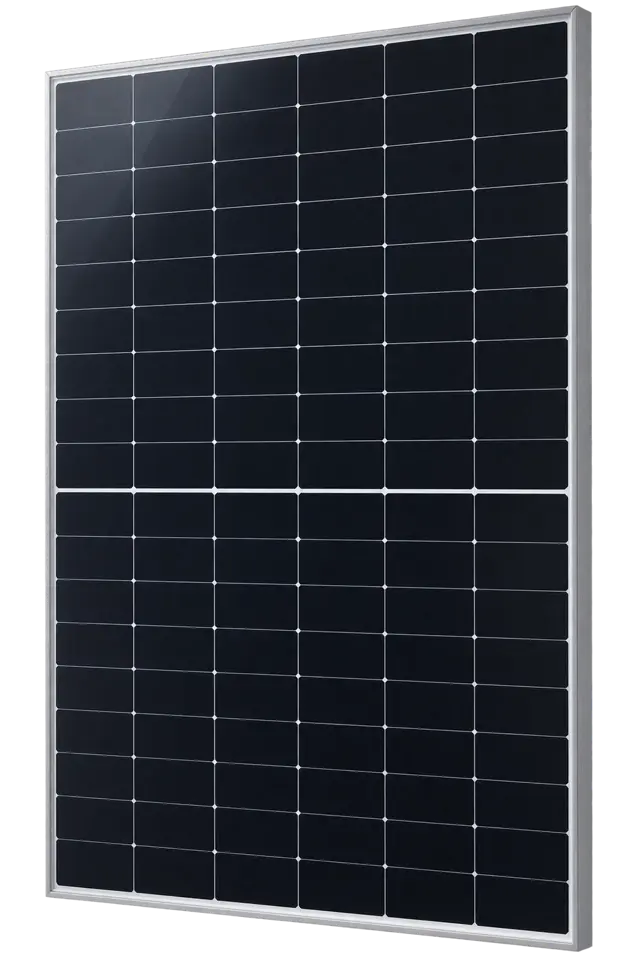
Rooftop HPBC back-contact module on 182 mm wafers, 415–435 W, around 22 % efficiency.
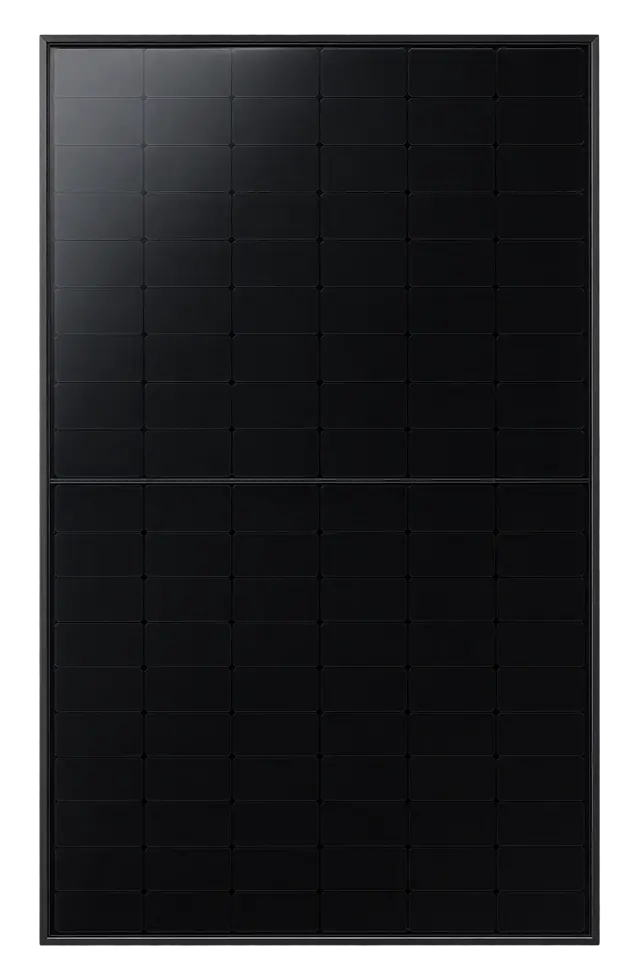
All-black residential back-contact module with black frame and backsheet, around 420 W.
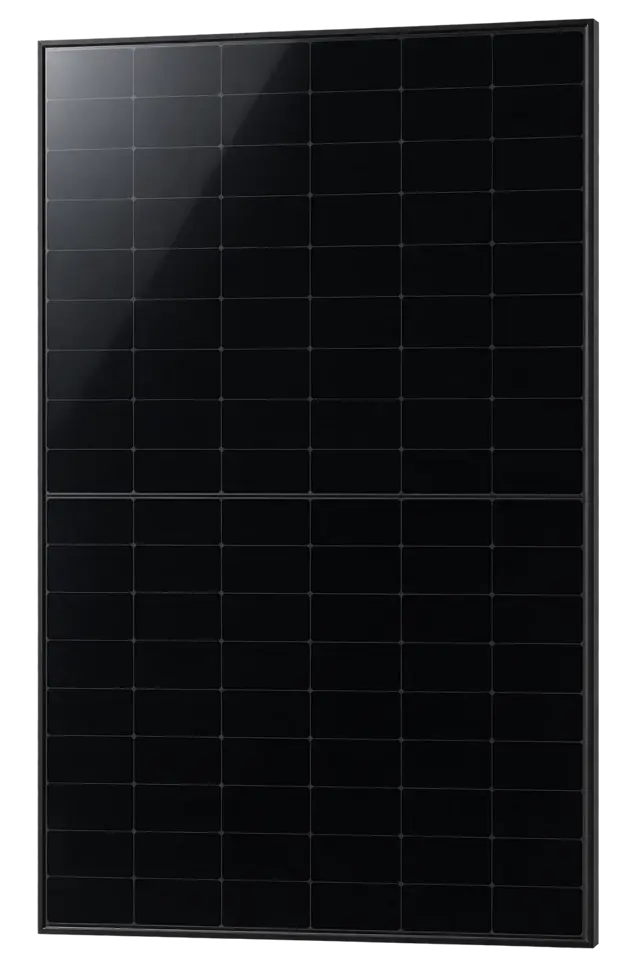
Premium all-black HPBC 2.0 rooftop module with extended warranty, around 450 W and 23 % efficiency.
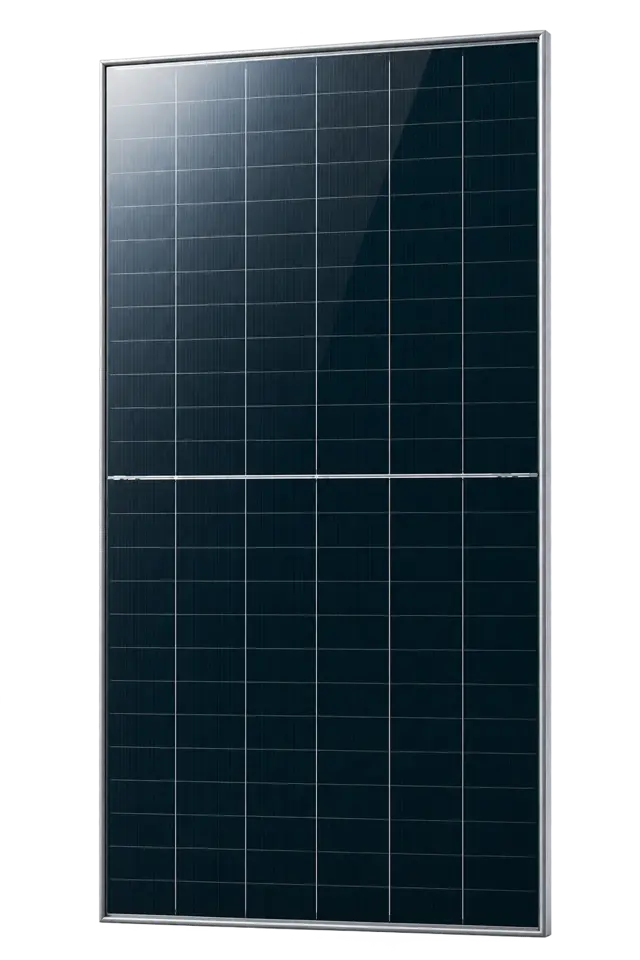
N-type TOPCon bifacial dual-glass module, 695–720 W, 23.2 % efficiency. Our utility-scale reference product.
